

Affiliate disclosure: This post may contain affiliate links. Please see full disclosure.
A big package isn’t automatically a bargain. If you can’t fit it somewhere suitable, keep it in good condition, and actually use it, you’ve simply spent more money at once. Sometimes the sensible buy is a 2-pound bag of rice, not the 20-pound sack with the impressive price tag.
I grow a substantial amount of our food, and planning what happens after the harvest matters just as much as growing it. The same principle applies to supermarket bargains. Before stocking up, I want to know where everything will go, how quickly it’ll get used, and whether the saving is real.
Do the math before you fill the cart

Compare the unit price, such as the cost per ounce or pound, rather than the size of the discount sticker. Then consider how much you’ll actually use. A 10-pound bag costing $12 works out to $1.20 per pound. But if 4 pounds spoil or are thrown away, you’ve effectively paid $2 for each pound you ate. A smaller package at $1.60 per pound would have been the better buy.
Think about the upfront cost, too. Spending $80 on supplies you won’t need for six months doesn’t make sense if it leaves you short for this week’s groceries. Membership fees, extra trips, and storage equipment can chip away at the apparent saving. My rule is to bulk-buy familiar staples, not ingredients I hope I’ll suddenly start using.
Get the storage sorted before the shopping

Measure the shelf, cupboard, or freezer space first. Don’t assume a sack of flour will squeeze in beside everything else. And don’t crowd a fridge or freezer to accommodate a bargain: refrigerators need space for cold air to circulate, with the fridge kept at 40°F (4°C) or below and the freezer at 0°F (-18°C) or below.
For dry pantry foods, choose clean, dry, food-safe containers with lids that close properly. Glass jars are handy for smaller amounts; sturdy food-grade bins suit larger bags of rice, oats, or dry beans. Keep them somewhere cool, dry, and away from strong light. A container that once held cleaning chemicals is never an acceptable substitute for food storage.
I prefer a small working container in the kitchen and the remaining supply sealed away. That way you’re not opening the full stock every time you make breakfast. Foods high in natural oils, such as nuts, brown rice, and whole-grain flour, generally lose quality sooner than refined dry staples. Don’t assume everything in the pantry keeps equally well.
Portion perishables while they’re still fresh
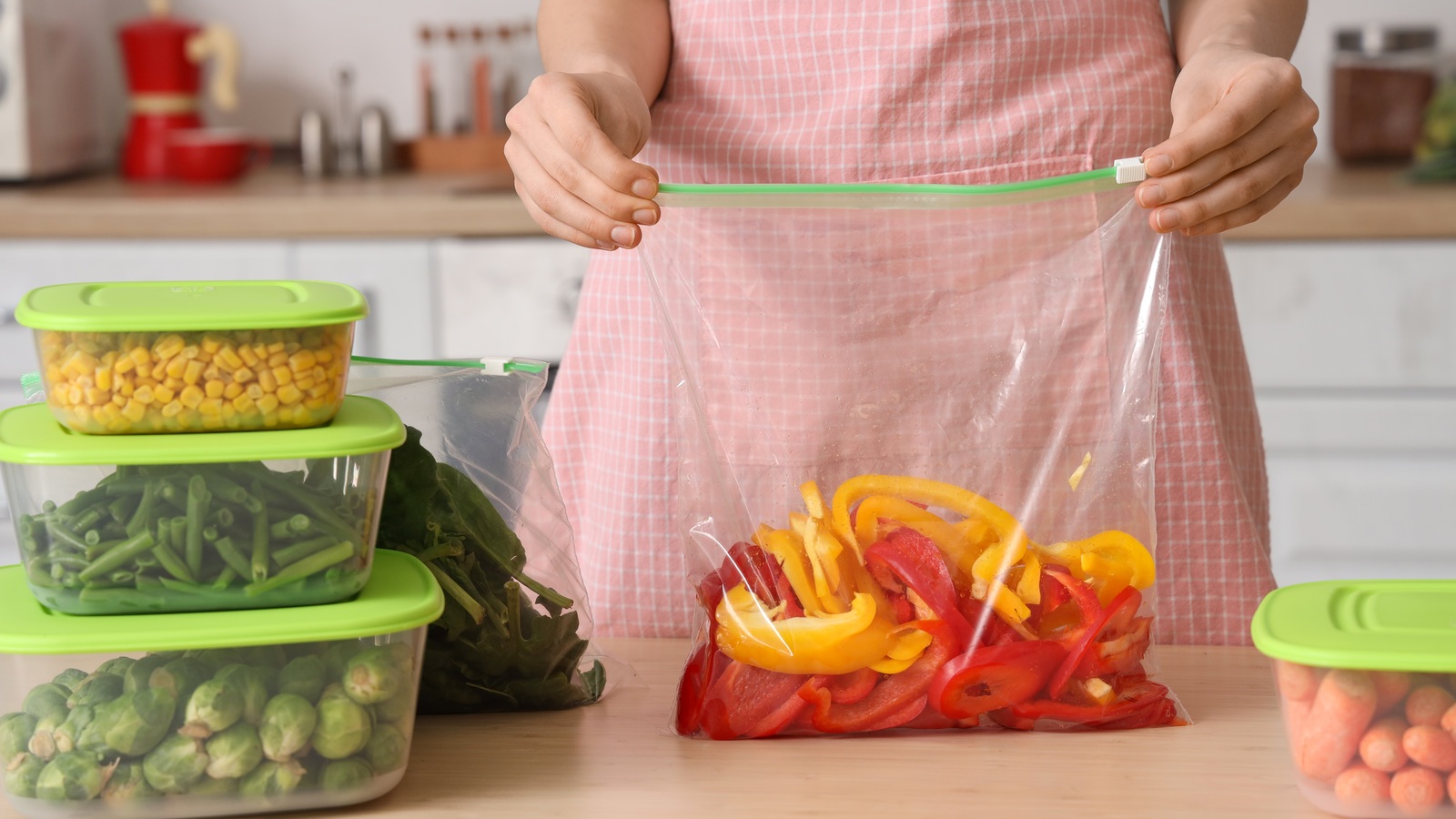
Big packs of meat, cheese, bread, fruit, and vegetables need a plan on shopping day, not next weekend. Split meat into meal-size amounts, package it securely for the freezer, and label each portion before freezing. Freeze bread in sensible quantities, and prepare vegetables appropriately for freezing rather than leaving a huge bag to wilt in the refrigerator.
Use freezer-safe bags or containers, remove excess air where practical, and leave appropriate headspace for foods that expand. Label the contents and freezing date. A package marked simply ‘soup’ might be easy enough to identify, but a few months later you may wish you’d also written what kind it was and how many servings it contains.
Freezing helps prevent waste, but it doesn’t fix food that’s already been left too long, and it doesn’t make an overfilled freezer a better idea. If the freezer is already packed, skip the bulk deal unless you have a clear plan to use those perishables immediately.
Labels and rotation save you buying the same thing twice

Write the food name and purchase or packing date on each container. Keep the original best-by information too, either on the packaging or copied onto the label. For anything you’ve decanted, retain cooking instructions and ingredient or allergen information when needed.
When fresh supplies come home, move the older stock to the front and put new packages behind it. That’s first in, first out, and it works for canned tomatoes, dry pasta, flour, and freezer meals. A quick cupboard check before shopping is more useful than an elaborate inventory you won’t maintain.
Don’t blindly treat a best-by date as a safety deadline. Many dates indicate peak quality rather than spoilage, but food condition, packaging damage, and the specific product still matter. Throw out leaking, bulging, or otherwise badly compromised cans, and don’t gamble with food that shows signs of contamination.
Household chemicals need different rules

Laundry detergent and other regularly used supplies can sometimes be sensible bulk purchases, but they’re not pantry staples. Keep cleaning products, pesticides, and similar chemicals away from food, ideally in a secure area children and pets can’t access. Leave hazardous products in their original, clearly labeled containers rather than pouring them into drink bottles or unmarked jars.
Check the manufacturer’s storage directions and whether you can realistically use the quantity. A giant bottle that leaks, degrades, or sits where it could be knocked over isn’t much of a saving. And don’t mix different cleaners or try to combine leftovers to free up shelf space.
Buy for the household you actually have

Take a look at what your household used over the past month. If you go through one bag of oats every two weeks and have a dry cupboard for three more, buying several may be sensible. If nobody really likes the bulk snack you’ve spotted, the discount won’t magically make them eat it.
I recommend starting with one or two dependable items, keeping track of how long they last, and only increasing quantities when you’re sure the storage and turnover work. You don’t need a pantry worthy of a prepper show. You need useful food and supplies you can find, store safely, and use without waste.
You might also like…
18 pantry items that last for years when you store them properly
Prepping After 60? Your Emergency Supplies May Need a Rethink

