

Affiliate disclosure: This post may contain affiliate links. Please see full disclosure.
You don’t need a bunker to build a solid long-term pantry. You just need the right ingredients and somewhere cool, dark, and dry to keep them. A lot of everyday foods will quietly sit on a shelf for years if you store them properly and keep them away from heat, air, moisture, and pests.
What does matter is choosing the right versions. Some foods are brilliant long-term; others, that look similar, go rancid faster than you’d think. Below are eighteen pantry staples that can last for years, plus how to store and use them so they stay useful instead of turning into dead weight at the back of a cupboard.
1. White rice

Plain white rice is a true long-haul staple. Kept cool and dry, it can last for many years without much change in quality. Brown rice, by contrast, has that oily outer layer that turns rancid much sooner, so for long-term storage, white wins every time.
The key is packaging. In an open bag, rice will slowly pick up moisture and smells. In an airtight container, tucked away from light and heat, it just sits there patiently. If you’re storing big bags, decant some into a smaller jar for everyday use so you’re not constantly opening your main stash. Rice is endlessly useful: side dish, base for stir-fries and curries, bulk in soups, and the backbone of “there’s not much in the house” meals.
2. Dried beans

Dried beans aren’t quick food, but they are reliable. Pinto, black beans, kidney, cannellini, chickpeas they all keep for years if they’re stored away from damp and pests. They can get a bit slower to soften as they age, but they’re still perfectly safe and nutritious.
Keep beans in airtight tubs, jars, or heavy-duty buckets instead of the thin plastic they arrive in. Label them with the year so you rotate the older ones forward. If you want them to cook more evenly, soak them a bit longer and add salt towards the end, not right at the start. Having a mix of beans in the pantry means you can always pull together chilli, stews, dips, and hearty soups even if the fresh stuff is looking sad.
3. Lentils and split peas

Lentils and split peas are like the “fast food” version of dried pulses. They cook much quicker than whole beans and still last a very long time in the pantry. Green, brown, red lentils and yellow or green split peas will keep their quality for years if you keep moisture and pests out.
Store them in sealed jars or tubs and, again, label the year so you know what to use first. Over time, very old lentils can take a bit longer to soften, but they rarely become truly unusable. They’re brilliant for thickening soups and stews, stretching mince, and making cheap, filling dahls or blended soups that don’t feel like you’ve scrimped.
4. Pasta

Dry pasta is another everyday staple that quietly has a very long shelf life. As long as it stays dry and isn’t infested by pantry moths or beetles, it will last for years beyond the “best before” date on the packet. It may lose a bit of firmness if it’s ancient, but it will still do the job.
The weak spot is the original packaging. Cardboard boxes and thin bags are easy for pests to get into and don’t protect against humidity. Pour pasta into jars, tins, or plastic containers with tight lids if you plan to keep a lot on hand. It’s an easy base for sauces made from other long-life pantry items, tinned tomatoes, tuna, beans, or a quick garlic and oil sauce when there’s not much else around.
5. Oats

Rolled or steel-cut oats store well for years if they’re kept cool, dry, and sealed. Instant oats tend to have more processing and sometimes added fats or flavourings, so they’re not as ideal, but plain oats are a safe long-term bet.
Use airtight containers rather than leaving them in open bags. If your house runs warm, a cooler cupboard away from the cooker is better than the one right above the oven. Oats are handy because they work for breakfast, baking, and savoury cooking. You can make porridge, flapjacks, crumble toppings, homemade granola, and even stretch mince dishes by adding a handful of oats to soak up flavour and add bulk.
6. Whole grains and wheat berries

Whole, un-milled grains like wheat berries, whole barley, and whole rye keep much longer than flour. Once you grind grain, the oils inside are exposed to air and light, and that’s when rancidity creeps in. Stored whole, those same grains can see you through many years with minimal change.
If you bake a lot, it’s worth storing at least part of your “flour stash” as whole grain. You can use a small grain mill or even a sturdy blender to grind what you need fresh. Keep grain in sealed buckets, tins, or heavy tubs, again in a cool, dark place. Whole grains can also be cooked and used like rice in salads, stews, or grain bowls, which gives you more variety from the same basic ingredients.
7. Sugar
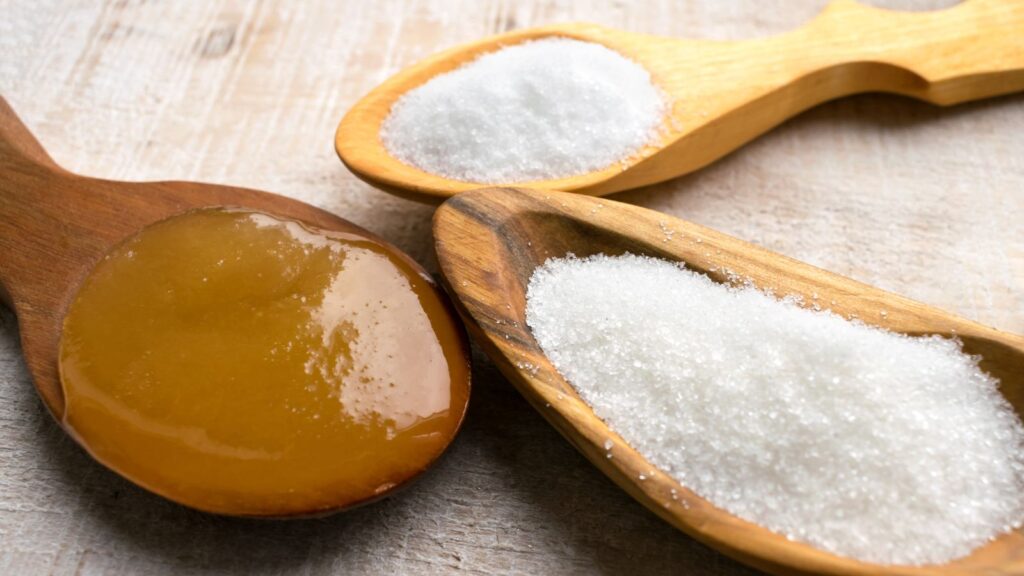
Sugar is one of the simplest long-term pantry items. White sugar, brown sugar, and even icing sugar can last almost indefinitely if kept dry. Sugar doesn’t support bacterial growth; the problem is clumping and hardening when it gets damp, not it “going off” in the usual sense.
Decanting sugar into sealed jars or tubs keeps moisture and insects out. If brown sugar hardens a bit over time, you can soften it again with a little gentle heat or a piece of apple or damp paper towel sealed in the container for a short while. Sugar is useful for more than tea and baking: it helps deepen sauces, balances acidity in tomato dishes, and is essential for jam, chutney, and many preserving recipes.
8. Salt

Plain salt is about as close to immortal as food gets. It’s a mineral, not something that spoils. As long as you keep it dry and free from contamination, it will last indefinitely.
The main issue with salt is clumping if it’s exposed to humidity. Keeping it in a sealed container solves most of that. If you’re storing large quantities, you don’t need anything fancy, food-grade tubs, jars, or even the original bag, double-bagged and kept off the floor, will do. Salt isn’t just for seasoning; it’s also key for fermenting, brining, and curing, which opens up a whole extra layer of food storage options if you decide to go that way later.
9. Honey

Raw or pure honey is a long-term superstar. It naturally resists spoilage and can last for years, even decades, when stored properly. It might crystallise or darken over time, but that’s a cosmetic change, not a sign it’s gone bad.
Crystallised honey is still perfectly usable. You can eat it as-is, or gently warm the jar in a bowl of hot water to loosen it. The main enemy is moisture, so keep it in a tightly sealed jar and don’t dip wet spoons in. Honey is useful as a sweetener, of course, but it also works in marinades, dressings, and glazes, and adds soothing warmth to herbal teas when cold and flu season rolls around.
10. Vinegar

Plain vinegars, white, cider, red wine, have very long shelf lives. Their high acidity makes them inhospitable to most microbes, and they’ll sit quietly on a shelf for years as long as the cap is on and they’re not heavily contaminated.
You might see a harmless “mother” form over time, especially in less processed vinegars. That’s just a natural film of acetic bacteria and can be strained out if you don’t want it floating around. Vinegar earns its keep in the pantry as a preservative, a base for quick pickles, a flavour booster in sauces and soups, and a handy cleaning ingredient. One bottle can work hard all over the house.
11. Soy sauce and other fermented sauces

Naturally brewed soy sauce, fish sauce and similar fermented condiments are salty, concentrated, and acidic enough that they keep well for years, especially unopened. Even once you crack them open, they often stay good for a long time in a cool cupboard or the fridge.
These sauces punch far above their weight. A splash of soy sauce in stews, casseroles or gravies adds depth and savouriness, even in tiny amounts. A bottle of fish sauce, used drop by drop, can last ages and gives you a huge flavour boost in Asian-style dishes, broths and marinades. Because they’re so potent, it’s easy to keep a couple of bottles tucked away “for later” without worrying they’ll be wasted.
12. Shelf-stable fats: coconut oil and ghee

Oils and fats are usually one of the first things to go off in a pantry. Many common oils turn rancid if they’re kept warm or exposed to light. Two that do better long-term are coconut oil and ghee (clarified butter).
Coconut oil is saturated and more stable than many liquid oils. In a cool, dark cupboard it can last for years. Ghee has had the milk solids and water removed, which makes it much more stable than ordinary butter. Both will eventually lose quality, especially if they’re opened and closed constantly, but as long as they smell clean and “normal” they’re fine to use. They’re great for frying, roasting, and adding richness to simple dishes when fresh butter or oil is in short supply.
13. Canned tomatoes and tomato paste

High-acid canned foods like tomatoes tend to age well. Sealed, undamaged tins of chopped tomatoes, passata, and tomato paste can last for years beyond their printed dates if they’re stored somewhere cool and dry.
The two deal-breakers are damaged cans and bad storage. If a tin is swollen, heavily dented on the seam, rusty, or leaking, it goes straight in the bin. Otherwise, it’s usually absolutely fine. Having a stock of tomatoes and paste means you can turn basic starches and odds and ends into proper meals including pasta sauces, stews, soups, curries, casseroles, without needing a fridge full of fresh veg.
14. Canned beans and vegetables

Canned beans and veg don’t last quite as long as dried, but they still have a very generous shelf life and give you true “open and eat” convenience. Kidney beans, chickpeas, black beans, sweetcorn, green beans and mixed veg in tins are all useful when time or fuel is tight.
Again, the rule is simple: shelves cool and dry, tins intact. Rotate stock so you’re using the oldest first, and don’t be afraid to use cans that are past the best-before if they look and smell normal. They’re perfect for quick soups, salads, chilli, and one-pot meals when life is chaotic and soaking beans overnight is not on the cards.
15. Canned meat and fish

Tinned sardines, tuna, salmon, ham, corned beef, chicken, they might not be glamorous, but they last a long time and put protein on the table when fresh meat isn’t an option. Properly stored, sealed tins will often be fine years past the printed date.
As with other cans, you’re watching for damage and bulging. Anything that looks swollen, badly rusted, or leaks gets thrown out. Otherwise, these meats are incredibly versatile: sandwich fillings, pasta sauces, fishcakes, fried rice, casseroles and bakes. They shine on the nights when you’ve got carbs, odds-and-ends veg and zero energy but still need a decent meal.
16. Peanut butter and other nut butters

Nut and seed butters have a shorter life than something like sugar or rice, but they can still last a surprisingly long time, especially unopened and stored cool. Peanut butter tends to be the most forgiving; very natural butters with no stabilisers will separate and can eventually go rancid if they get too warm.
For long-term storage, choose smooth, shelf-stable peanut butter and keep jars somewhere cool and out of direct sun. Once opened, try not to leave them sitting next to the cooker where they’ll get warm. Peanut butter is one of those morale-boosting foods in a pantry. It’s calorie-dense, filling, and pairs with bread, crackers, porridge, smoothies and baking. It’s also one of the few things most kids will still eat when they’re tired and fussy.
17. Powdered milk

Powdered milk isn’t anyone’s favourite compared with fresh, but in a pantry it earns its place. Kept dry and well sealed, it can last for years and gives you access to milk for cooking and baking when there’s nothing in the fridge.
Once a packet is open, tip it into a jar or tub with a tight lid to keep moisture out. You can mix it up for cereal and drinks, but where it really shines is in cooking: bread, pancakes, sauces, custards, porridge and casseroles. It means you don’t have to panic if you run out of fresh milk before a shop, and in a proper emergency it makes life feel much more normal.
18. Baking soda and baking powder

Baking soda and baking powder aren’t “food” in the usual sense, but they’re still pantry staples that last a long time and keep your other ingredients useful. Unopened, they store well for years. Soda lasts longer than baking powder, but both keep their punch if they’re kept dry and sealed.
You can test baking powder by stirring a little into warm water; if it fizzes, it’s still got life in it. Baking soda will bubble when mixed with an acid like vinegar or lemon juice. Beyond baking, soda is useful for cleaning, deodorising, and even helping dried beans cook more evenly if used very carefully. A couple of small tubs tucked into the pantry give you a lot of flexibility with the rest of your long-term ingredients.

