

Affiliate disclosure: This post may contain affiliate links. Please see full disclosure.
January feels like the dead of winter, but it’s actually a really useful “head start” month. You’re not filling beds yet, you’re setting things up so that when spring does arrive, you’re weeks ahead of everyone who waited until March.
Most of these are started under cover (unheated greenhouse, cold frame, polytunnel, or bright windowsill). In very mild areas you can also plant some straight outside if your soil isn’t frozen or waterlogged.
1. Broad beans
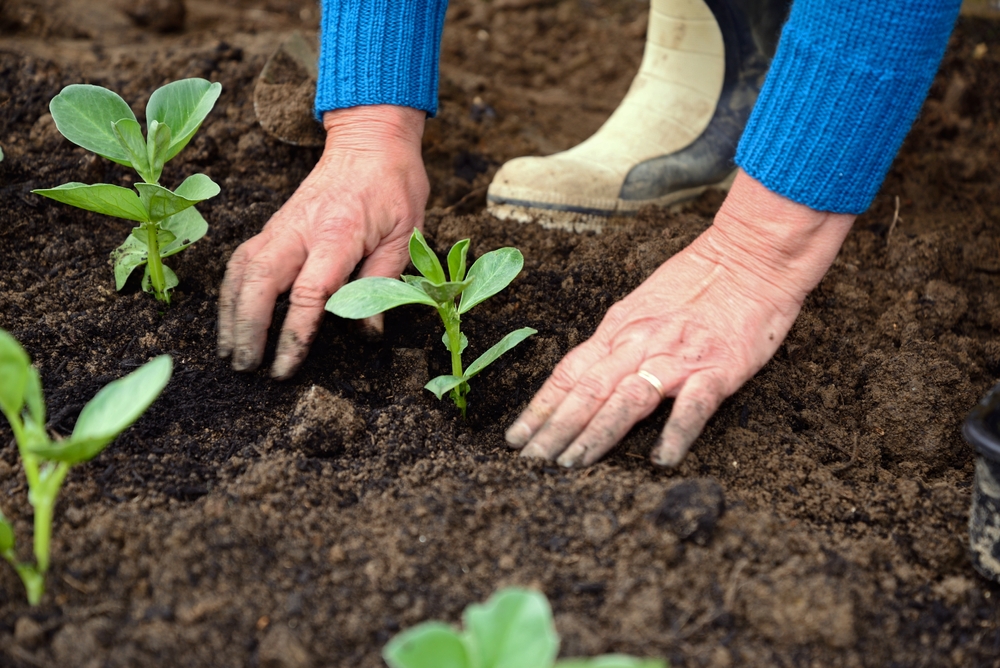
Broad beans are one of the best crops for early sowing. Start them in January in modules or small pots in an unheated greenhouse, cold frame, or even a sheltered porch. You’ll get sturdy little plants that can go out as soon as the worst frosts are past.
That head start means flowers earlier in spring and pods weeks ahead of spring-sown beans. Choose hardy varieties marketed for autumn or overwintering. Keep them just moist, not soggy, and make sure mice can’t get at the seeds if you’re sowing under cover.
2. Early peas
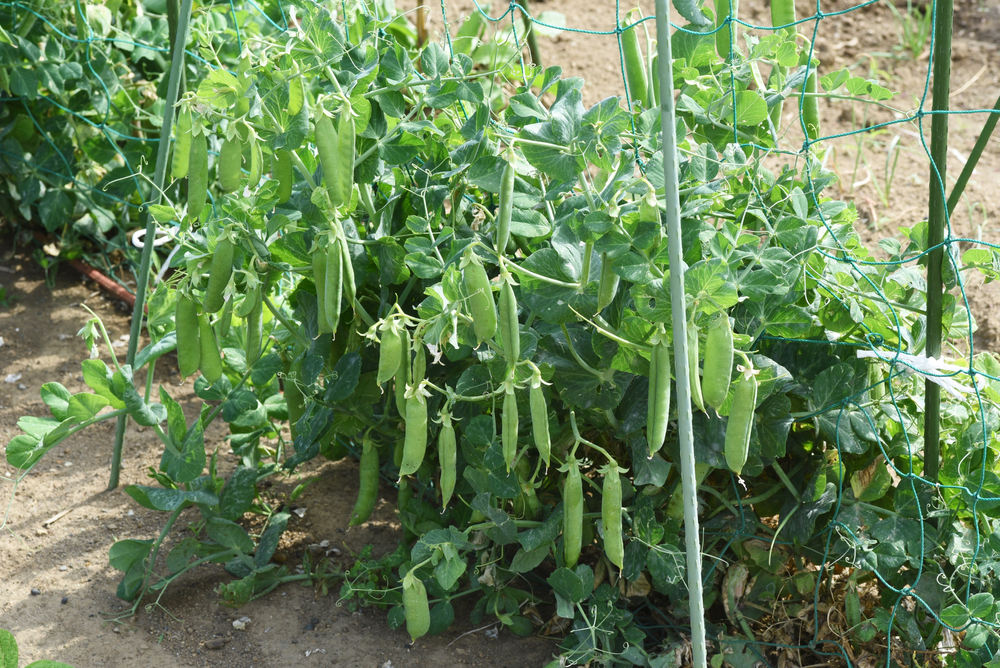
Like broad beans, peas don’t mind cool conditions, they just hate sitting in cold, wet soil. Sow them in gutters, deep trays, or modules under cover in January. Once they’ve got a few inches of growth and the soil outside is workable, you can slide or plant them out.
This avoids rot and slug damage that often hit direct-sown seed in cold soil. You’ll see flowers and pods much sooner than you would from a March sowing. Stick to early, hardy varieties and give them some twiggy sticks or netting to climb as soon as they’re outside.
3. Garlic

If you didn’t get garlic in before Christmas, January is often your last good window. As long as the ground isn’t frozen solid or waterlogged, you can still plant cloves straight into the bed. Cold weather actually helps cloves split and form proper bulbs later.
If your soil is sodden, plant cloves in deep pots or modules instead. Keep them outside or in a cold frame so they get the winter chill, then plant them out properly once the soil has dried and warmed a little. Getting garlic in now usually gives bigger bulbs than waiting until spring.
4. Onion and shallot sets in modules

You can plant sets directly outside in January in milder areas, but it’s often cold and sticky underfoot. A simple workaround is to push sets into module trays or small pots and grow them on under cover.
They’ll root and put on a little top growth while it’s still miserable outside. Then, when beds are ready, you just pop them out and plant them like plug plants. This gives you stronger starts, earlier bulbing, and fewer losses to birds and slugs than sets left sitting on top of cold ground.
5. Hardy salad leaves

If you’ve got any sort of cover at all, January is a great time to sow hardy salad mixes. Think winter lettuces, rocket, mizuna, claytonia, and other “winter salad” blends. Sow into trays or shallow containers and keep them in a greenhouse, polytunnel, or even a bright, cool windowsill.
You’ll get cut-and-come-again leaves long before the usual spring sowings are ready. Keep watering light but regular, and ventilate on milder days to avoid fungal problems. Even a few trays of salad can make a big difference to the food you’re eating in late winter and early spring.
6. Spinach and chard

Spinach and chard both cope well with cool conditions and low light, as long as they’re not sitting in frozen compost. Sow them in modules or pots under cover in January. You can prick them out or plant them into beds or large containers once they’re sturdy enough and the weather eases.
These early plants often sit quietly through the tail end of winter and then burst into growth as soon as the days lengthen. That means earlier pickings of young leaves, and a longer overall season before they bolt in hot weather.
RELATED: The ultimate guide to growing spinach
7. Early carrots in containers

You’re unlikely to have much success sowing carrots in open soil in January, but they do surprisingly well in deep containers under cover. Use a loose, stone-free compost mix and choose early, fast-maturing or finger-sized varieties.
Sow thinly, keep moist, and tuck the pots in a greenhouse or polytunnel. The extra warmth and shelter help them germinate earlier. You can be pulling baby carrots when everyone else is only just sowing their first outdoor row.
8. Radishes under cover
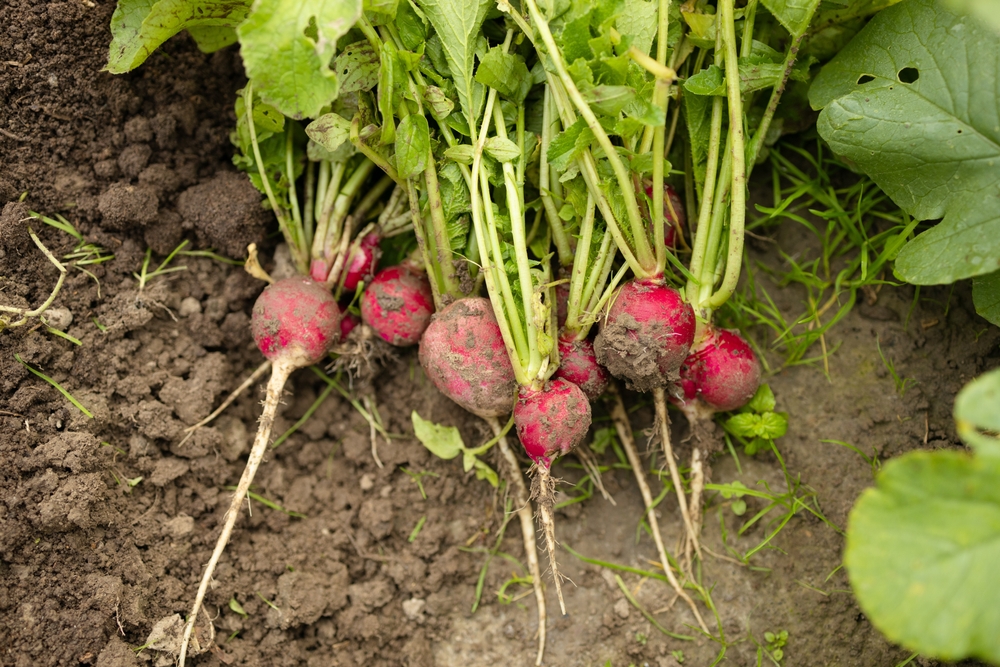
Radishes are quick anyway, but sowing them under cover in January makes them even earlier. Scatter sow in trays, troughs, or beds in a greenhouse or polytunnel. They don’t need deep soil, just a few inches of decent compost.
They’ll germinate on those slightly milder spells and sit through colder snaps without much fuss. By the time you’re craving something fresh and crunchy, they’ll be ready. Succession sow every couple of weeks for a steady run of small, tender roots.
RELATED: How to protect your plants from frost
9. Spring onions (salad onions)
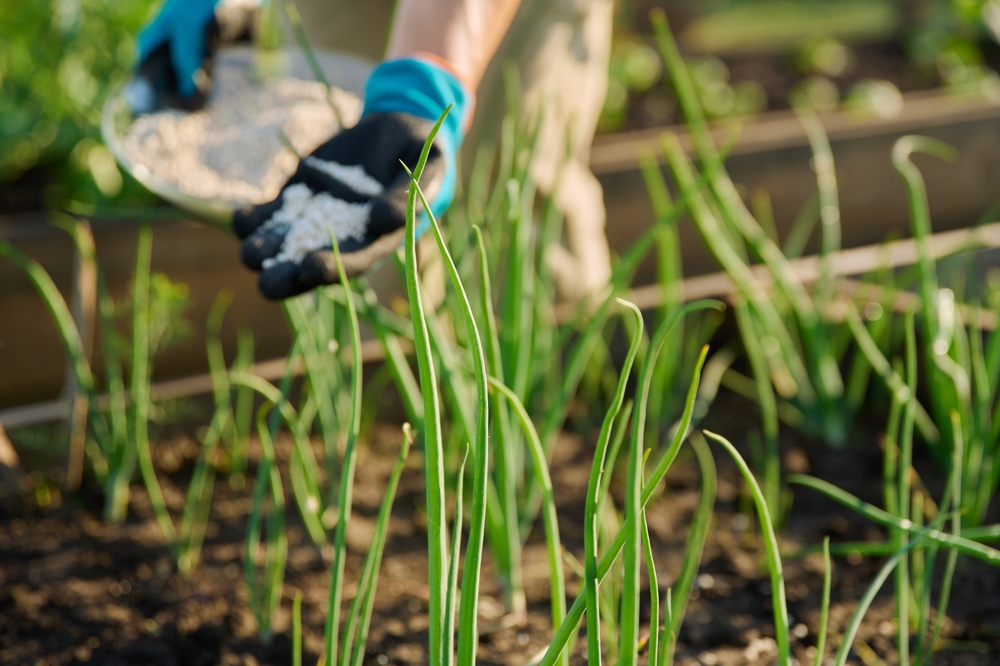
Spring onions are slow to get going in cold soil, which is why a January sowing under cover is so useful. Sow thickly in modules, pots, or troughs. You can plant whole clumps out later, rather than trying to separate each seedling.
These early sowings give you bunches of usable onions well ahead of direct spring sowings. They fit neatly into gaps, along bed edges, or between slower crops, so they’re an easy way to squeeze more food out of your growing space.
10. Rhubarb crowns
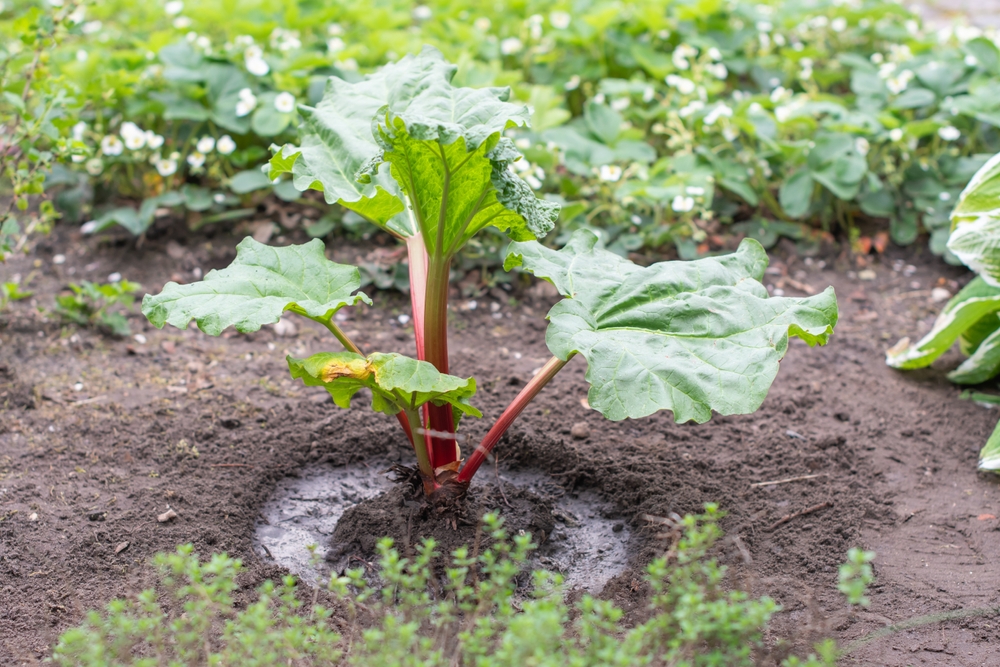
January is a classic time to plant dormant rhubarb crowns. The plants are asleep, the ground is usually moist, and you’ve still got time to get them settled before spring growth. Choose a sunny, reasonably rich spot with good drainage and plant crowns so the top sits just at soil level.
You shouldn’t harvest heavily in the first year, but getting crowns in now gets them established faster. If you want extra-early stems in future years, you can force one of the clumps by covering it with a large pot or forcer to exclude light.
11. Bare-root fruit trees and bushes
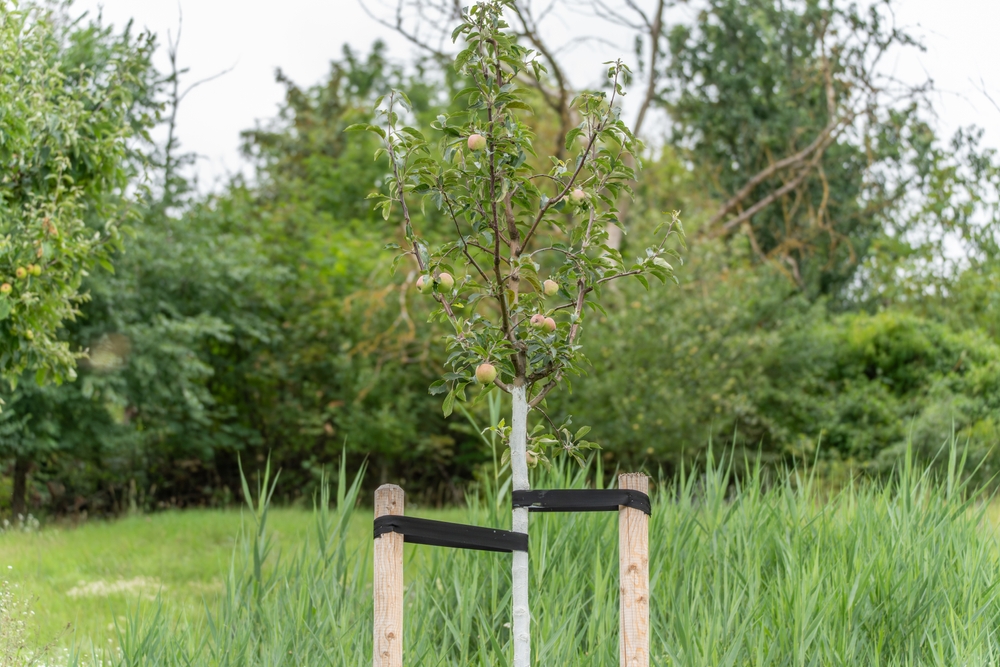
Dormant season is bare-root season. January is often ideal for planting apple and pear trees, as well as currants and gooseberries, as long as the soil isn’t frozen or waterlogged. Bare-root plants are usually cheaper and establish well because they go straight from dormancy into new growth in your garden.
Getting them into the ground now, rather than in late spring, means they can settle in quietly before they have to support a full set of leaves and fruit. You won’t get an earlier crop this year, but you will bring forward the point at which the plant is mature enough to fruit well.
12. Strawberries in pots or beds
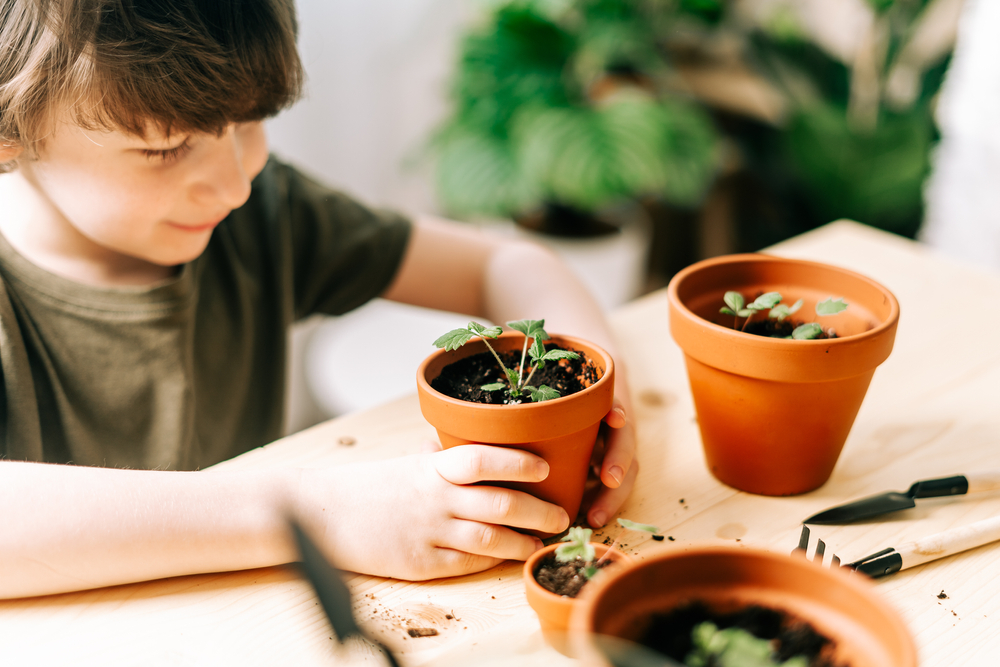
If you can get hold of cold-stored runners or bare-root strawberry plants, January is a good time to plant them under cover or into prepared beds, again assuming the soil isn’t frozen. In a greenhouse, polytunnel, or even a sheltered patio with fleece at the ready, they’ll wake up sooner and flower earlier.
That usually means earlier bowls of strawberries than you’d see from later-planted stock. In beds, add plenty of organic matter and keep them mulched. In pots or baskets, use a good-quality compost and don’t let them dry out once they start to grow.
RELATED: How to grow strawberries from scraps
You Might Also Like
25 Winter Foraging Foods to Save Money on Your Grocery Bill
18 winter gardening tips you should know for healthier plants in spring