
Affiliate disclosure: This post may contain affiliate links. Please see full disclosure.
Picture this: it’s April, you’ve got a free Saturday, you finally go to set up the garden…
…and you’re standing in the aisle paying full price for a flimsy hose, the decent pruners are sold out, and the only potting soil left is the weird bargain brand that smells a bit off.
Ask me how I know.
Winter is when stores quietly clear out garden stock. Tools and supplies are often cheapest right after the growing season ends, when everyone else has mentally moved on to cookies and blankets.
So if you want to save real money and be ready for spring, these are the 17 things I’d watch for in winter sales.
1. Sharp hand pruners that don’t mash stems
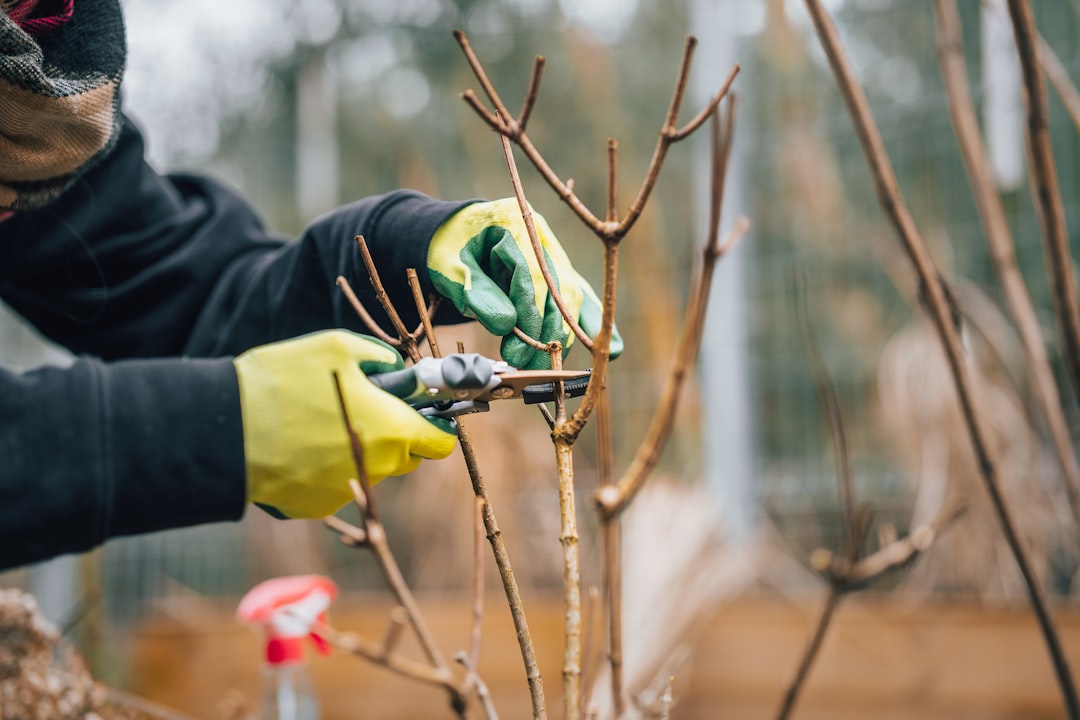
Good bypass pruners are worth every penny, but they’re not cheap in peak season. Winter clearance is the best time to upgrade from the “mystery metal” ones that chew through stems instead of slicing them.
Sharp pruners make cleaner cuts, which heal faster and lower the risk of disease getting in through torn tissue. You want bypass (two blades that slide past each other) for live wood, not anvil (one blade smashing onto a flat plate), which tends to crush.
Grab a decent brand on sale once, keep it cleaned and oiled, and you’ll use it for years instead of rebuying junk every spring.
2. Loppers and a small pruning saw for the bigger jobs
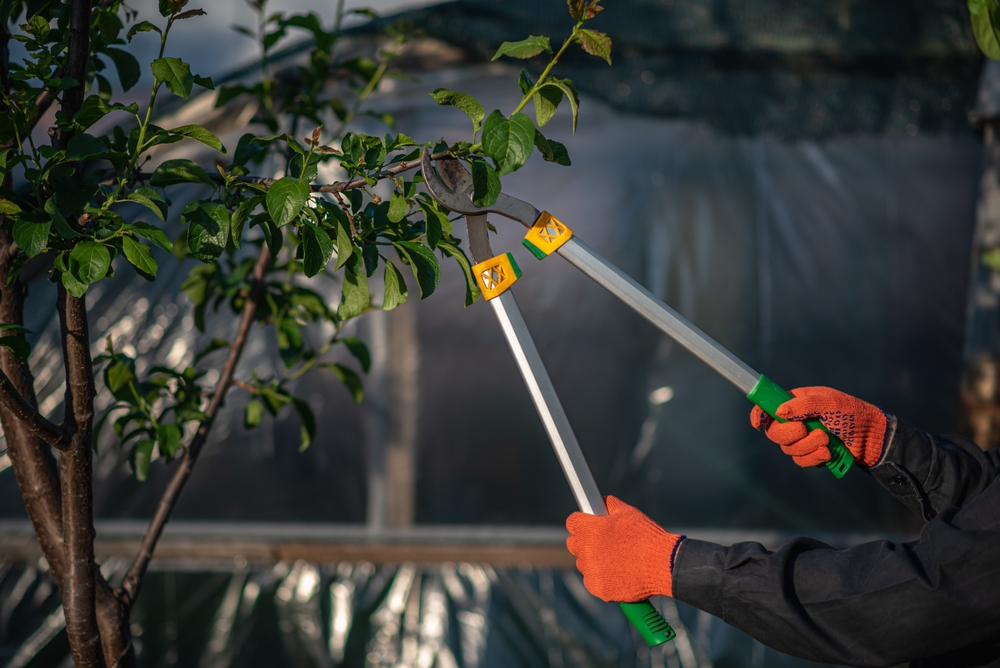
Anything thicker than about a pencil is easier and safer to cut with loppers or a pruning saw.
Loppers give you leverage for branches up to about 1–1½ inches across. A small folding pruning saw handles thicker wood and awkward angles without shredding bark. Both of these are solid “buy once, cry once” tools—but winter sales mean you might pay the same as you would for budget gear in May.
If you’ve ever tried to force dull loppers through a branch, you know how easy it is to slip and wrench your shoulder. Good steel, sharp blades, and comfy grips are not a luxury; they’re the difference between a quick pruning session and a lot of swearing.
3. Extra pairs of gloves (because you will lose them)
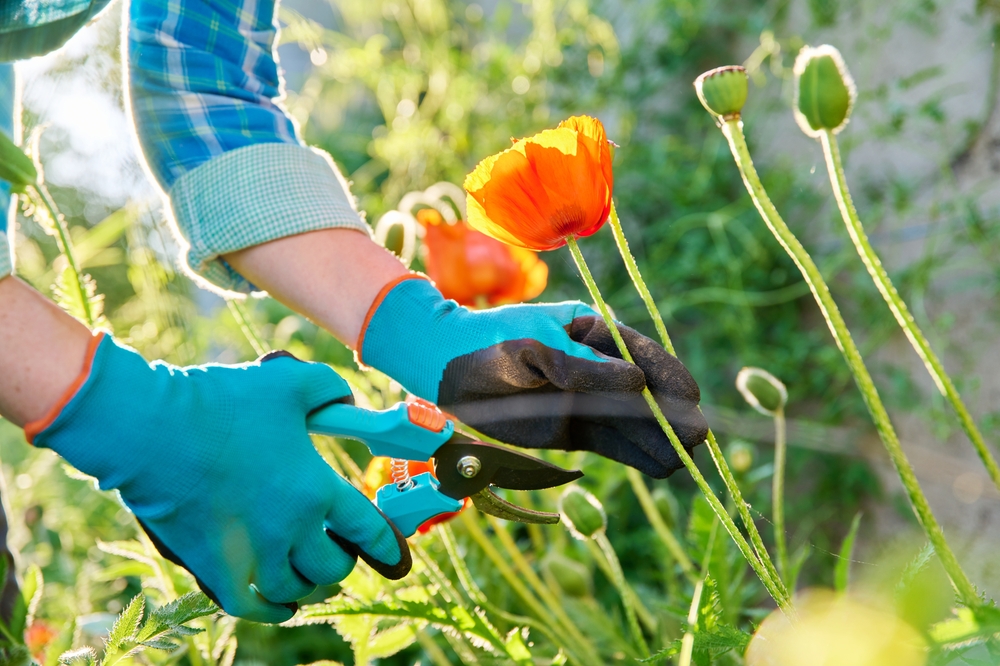
Gloves are the socks of the garden world. One gets wet. One gets lost. One gets left in the rain barrel for three weeks.
Winter is when multi-packs and “last season’s color” gloves go on sale. I like to stock:
- A tougher pair for brambles and roses
- A lighter, snug pair for seedling work
- A cheap, sacrificial pair for muddy, disgusting jobs
Your hands are your main gardening tool. A few good pairs bought on sale is way cheaper than shredded skin and thorns in your fingers all season.
4. Solid hand tools: trowel, fork, and weeder
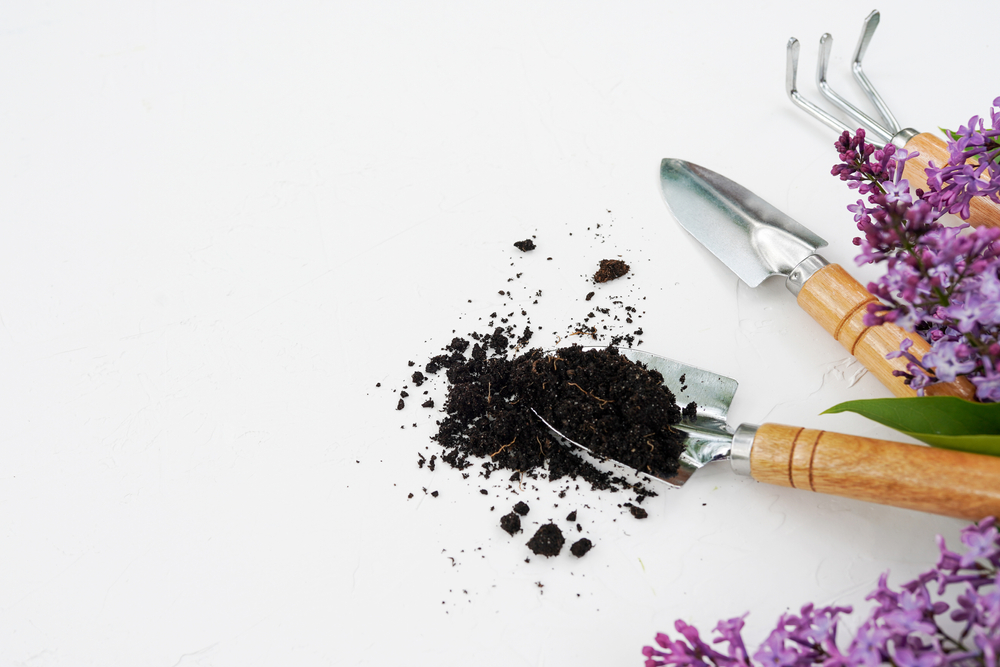
There’s a big difference between “garden-adjacent decor” and actual tools.
In spring, the flimsy sets with loose handles and bendy aluminum show up by the pallet. In winter, you can often find heavy-duty tools with steel that runs right through the handle (full tang) at clearance prices, especially in outlet and end-of-line sections.
I’d prioritize:
- A trowel with a strong neck for digging and planting
- A hand fork for loosening compacted soil
- A narrow weeder for getting between plants
You use these constantly, and they basically last forever if you rinse, dry, and don’t leave them in the soil all winter (guilty).
5. Long-handled workhorses: spade, digging fork, hoe, and rake
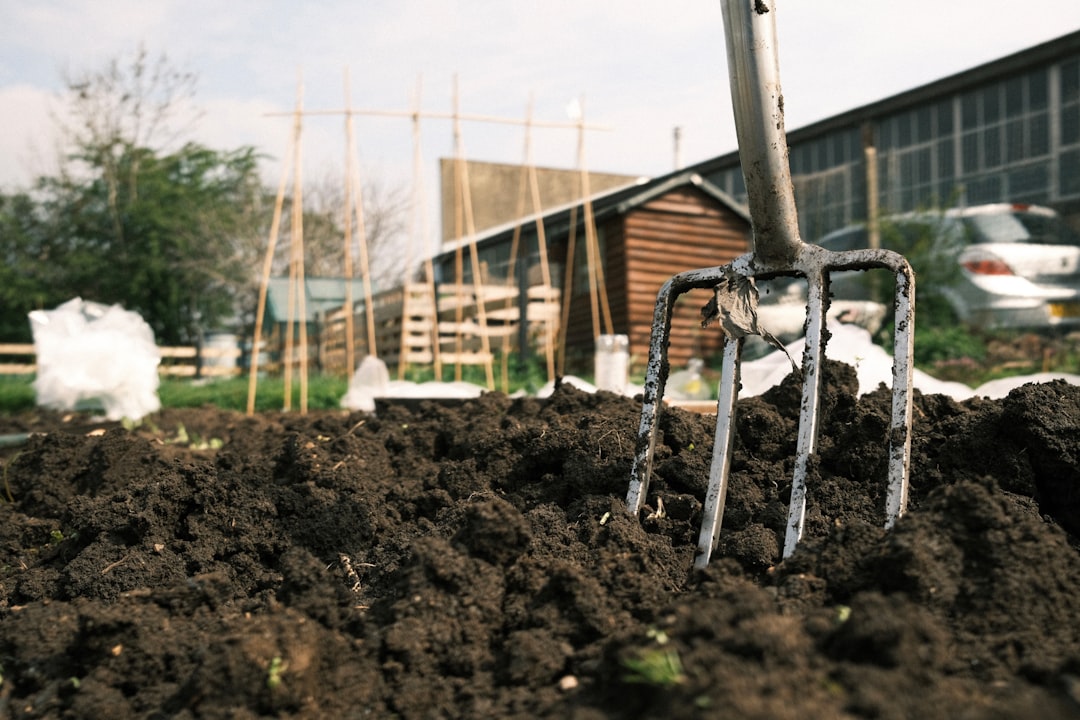
These are the backbone of the whole garden, and they’re exactly the sort of big items shops want off the floor in the off-season.
Look for a digging spade with a comfortable step (where your boot goes), a digging fork for turning beds and lifting roots, a hoe style you actually like using, and a rake that isn’t made of tin foil. If you can, pick tools with ash or fibreglass handles and decent steel. They’ll handle heavy clay, rocks, and roots a lot better than bargain “decorative” versions.
Good long-handled tools also protect your back—less bending and fewer weird twisting moves. One decent set, bought in a winter sale, will probably outlive your car.
6. A quality hose and spare nozzles
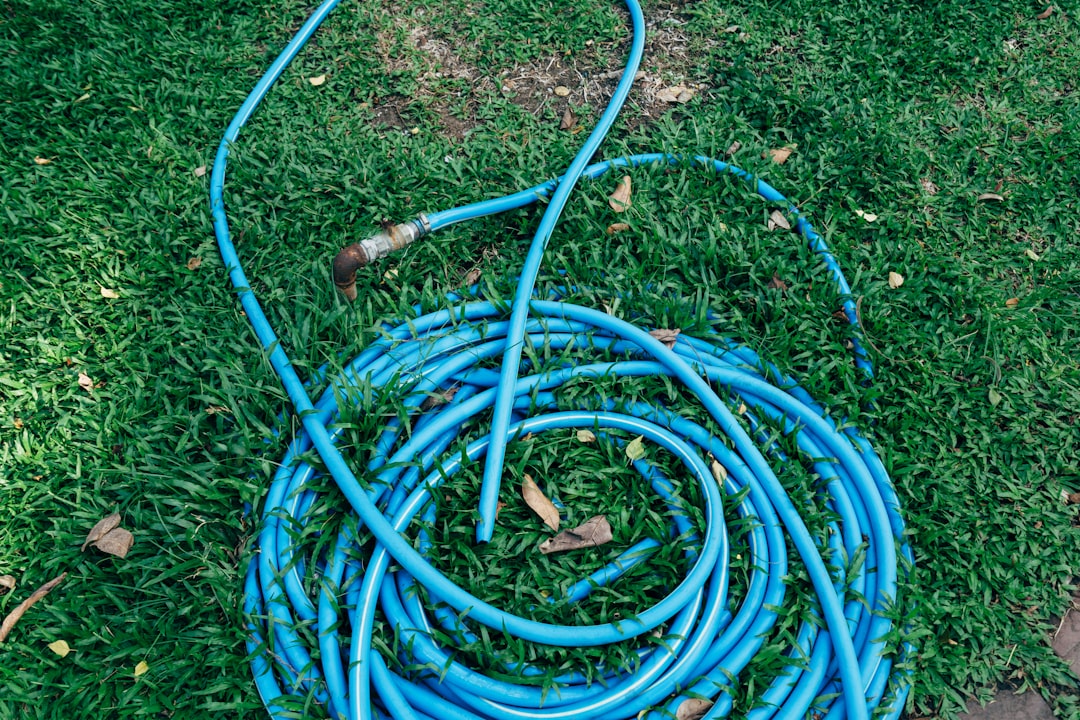
Cheap hoses are basically a subscription service.
Sunlight slowly breaks chemical bonds in many plastics (a process called UV photodegradation), making hoses stiff, brittle, and prone to cracking and leaks. Over time, you get those classic kinks and splits right where the hose bends at the tap or nozzle.
Winter is when you can sometimes snag higher-quality, UV-stabilized hoses and metal-bodied nozzles for a lot less. Check for:
- UV-resistant or “drinking water safe” labels
- Solid connections at each end
- A shutoff valve or at least a decent spray nozzle
Spend a bit more on a hose once, especially if it’s on deep discount, and you’re not rebuying a new one every other year.
7. Hose repair kits, connectors, and splitters
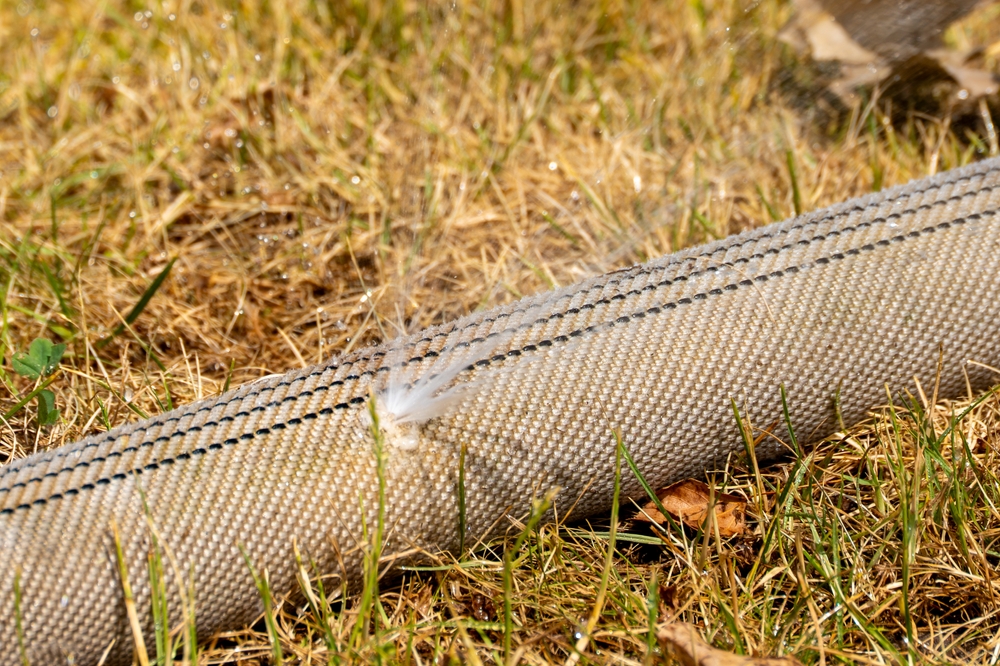
Little fittings are the exact kind of thing you don’t want to be hunting down in May.
Plastic connectors live outside, get kicked, stepped on, and baked in UV. They eventually crack or leak. Metal ones last longer, but they’re pricier—unless you scoop them up in clearance bins over winter.
I like to keep on hand:
- 2–3 spare female and male ends
- A couple of hose menders
- At least one good Y-splitter
Then, when something fails, you fix it in five minutes instead of driving to the store in muddy boots.
8. Row covers and insect netting
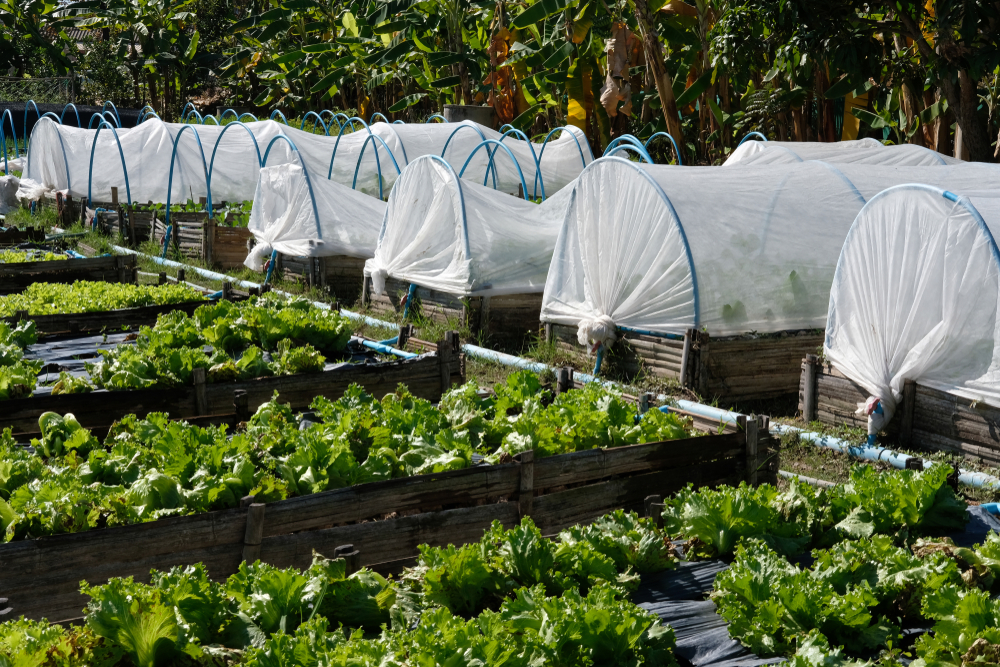
Row cover is one of those nerdy “secret weapons” that more home gardeners should use.
A good floating row cover can give you around 2–7°F (about 1–4°C) of frost protection, depending on the weight of the fabric.pubs.nmsu.edu That tiny bump is often the difference between “plants survive a surprise cold snap” and “entire bed turns to mush overnight.” Heavier fabrics protect more but let in a bit less light.
The same materials (or lighter insect netting) also physically block pests like cabbage worms, flea beetles, and carrot flies without sprays.
Row covers, hoops, and clips are often marked down in winter because they’re bulky and seasonal. Grab them then, and you can start your spring crops earlier and protect tender plants in fall.
9. Mulch, compost, and bagged manure
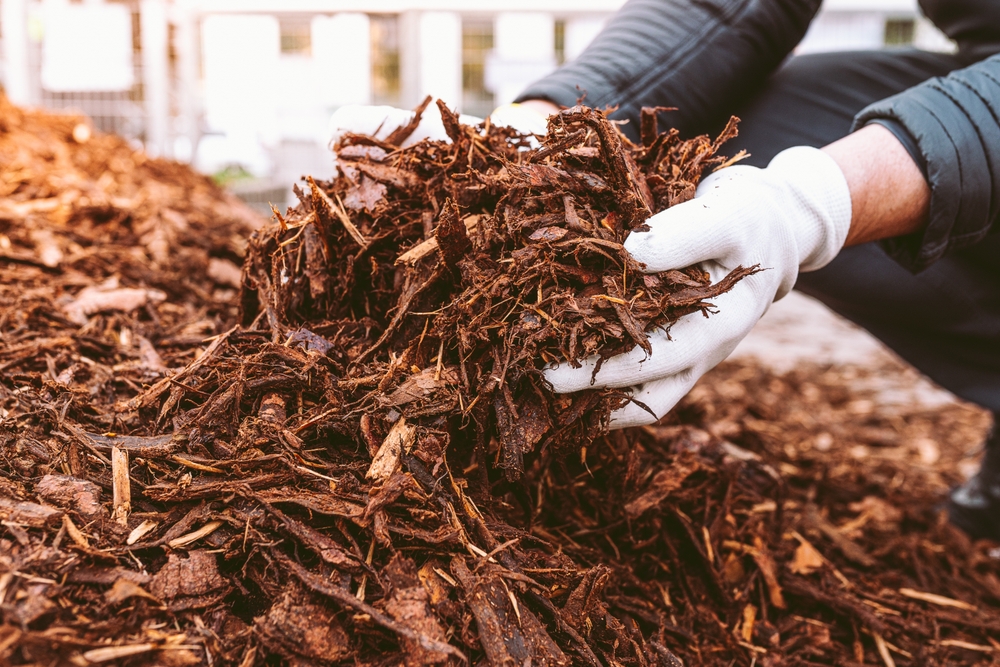
Mulch and compost are not glamorous purchases, but they’re garden gold.
Shops don’t really want pallets of heavy bags sitting around all winter, so you’ll often see bulk deals or clearance on compost, soil improver, and bark in the colder months.
Bagged compost and potting mixes can stay usable for a couple of years if they’re stored dry and out of direct sun. Organic matter does slowly break down and nutrients can shift, but you’re not on a 3-week expiry clock.
If you have somewhere covered to stash them, winter is a smart time to buy:
- General compost to top up beds
- Well-rotted manure or soil improver
- Bark or wood chip mulch for paths and borders
10. Potting mix and seed-starting mix
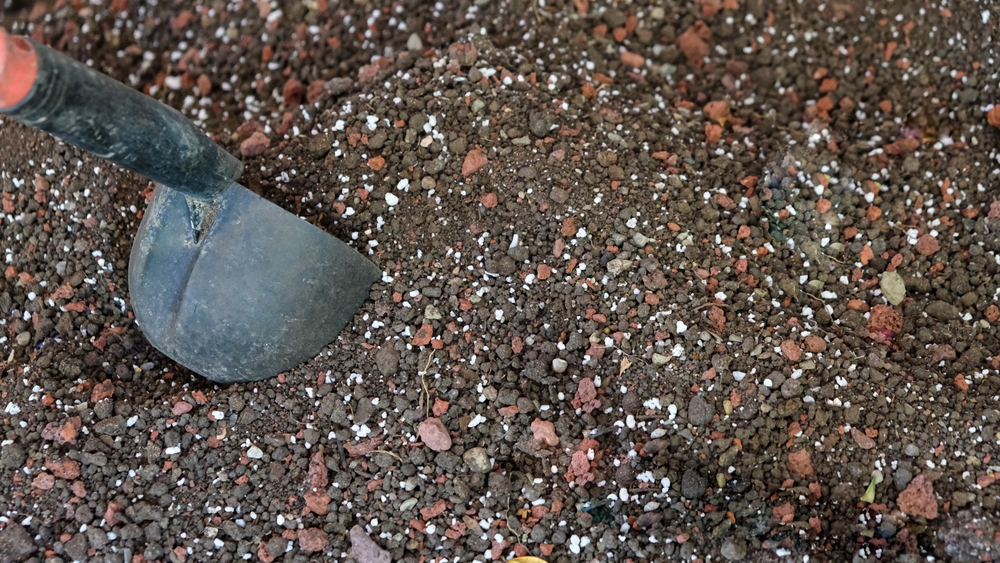
Good seed-starting mix and potting soil are not the place to cheap out, especially for containers and baby plants.
Fresh, bagged potting soil that’s stored cool and dry can stay in good shape for one to two years unopened, and around 6–12 months once opened if you keep it sealed and dry. Over time, ingredients like peat or coir break down, structure changes, and you can get soggy, compacted soil that roots hate.
If you see your favorite mix on sale in winter, it’s absolutely worth stocking up for the coming season—as long as you can keep it:
- Off concrete (to avoid moisture wicking up)
- Out of direct sun
- Sealed against bugs and mold
11. Slow-release granular fertilizer
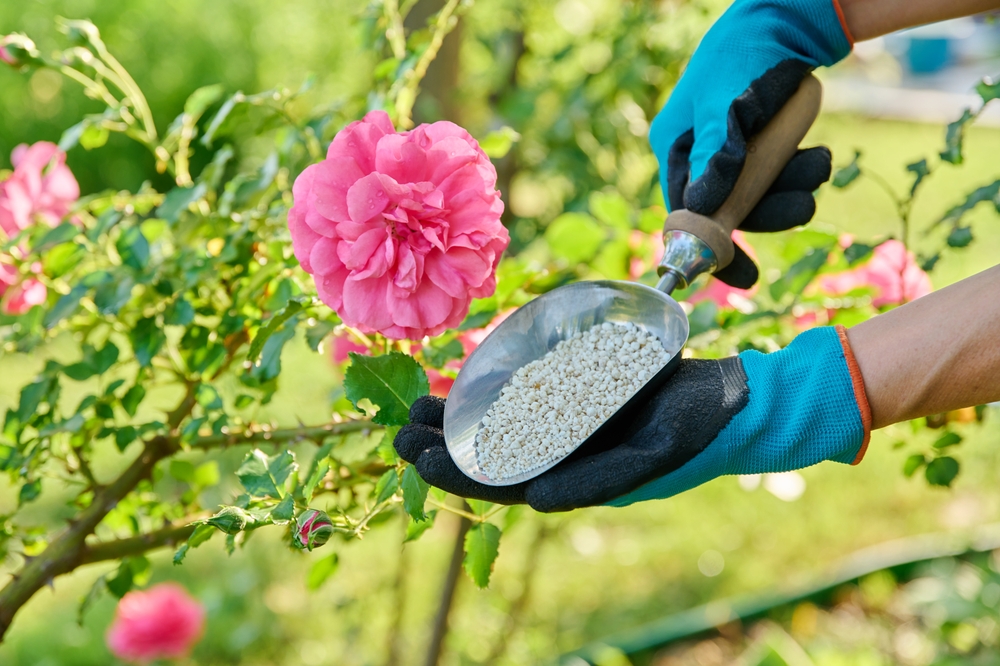
Granular fertilizers are ridiculously easy to store and, in most cases, they don’t “expire” in the way food does.
The nutrients are minerals. As long as you keep them cool, dry, and sealed, granular formulas can stay usable for years—many sources say they basically last indefinitely, while liquids have more limited lifespans.
That makes granular feed a perfect candidate for winter stock-ups. Look for:
- A balanced all-purpose fertilizer for general use
- Something with a slightly higher phosphorus and potassium for flowering/fruiting plants
- Any specialty blends you like for lawns, acid-lovers, etc.
Just don’t store bags where they can wick moisture from a damp floor. Once they clump or turn into a brick, they’re a pain to spread.
12. Seed trays, cell packs, and reusable pots
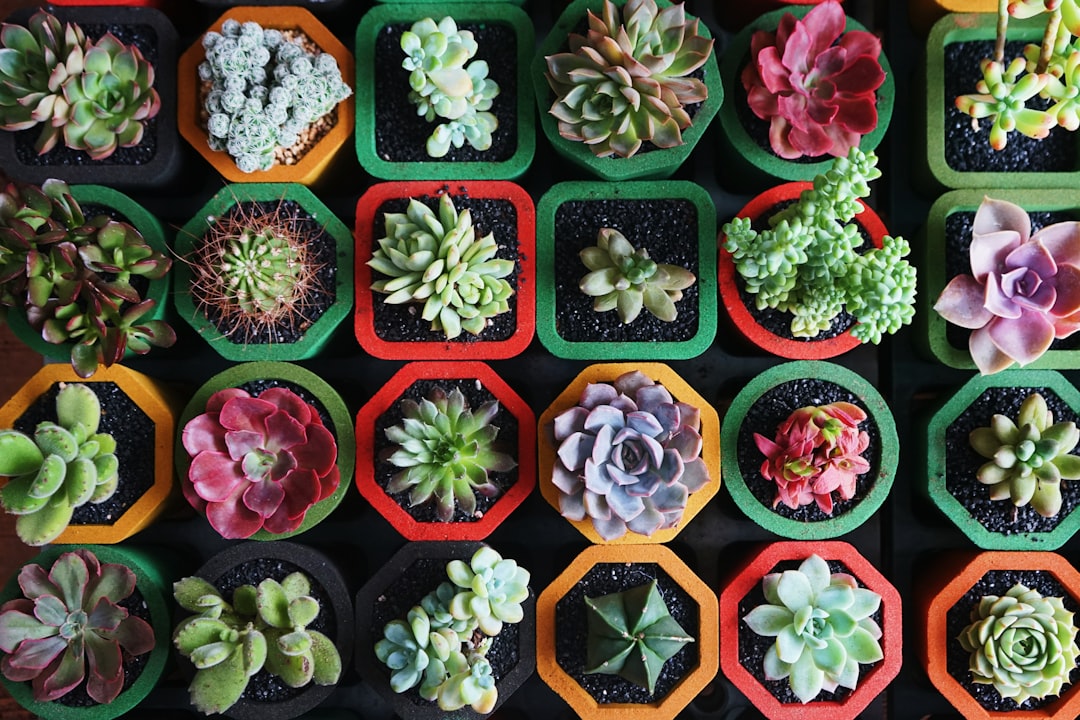
Every year I tell myself I have enough seed trays. Every year, I’m wrong.
Winter sales are a great time to replace cracked trays and buy sturdier ones. Thin, brittle plastic degrades under UV and repeated flexing, so the flimsy kind splits right when you’re lifting a tray full of seedlings.
I like:
- Rigid 10×20 trays without holes
- Insert trays with cells for starts
- A stash of 3–4 inch pots for potting on
If you go for better-quality, thicker plastic or even soil-blockers, winter discounts make the initial cost much easier to swallow.
13. Drip irrigation tubing and fittings
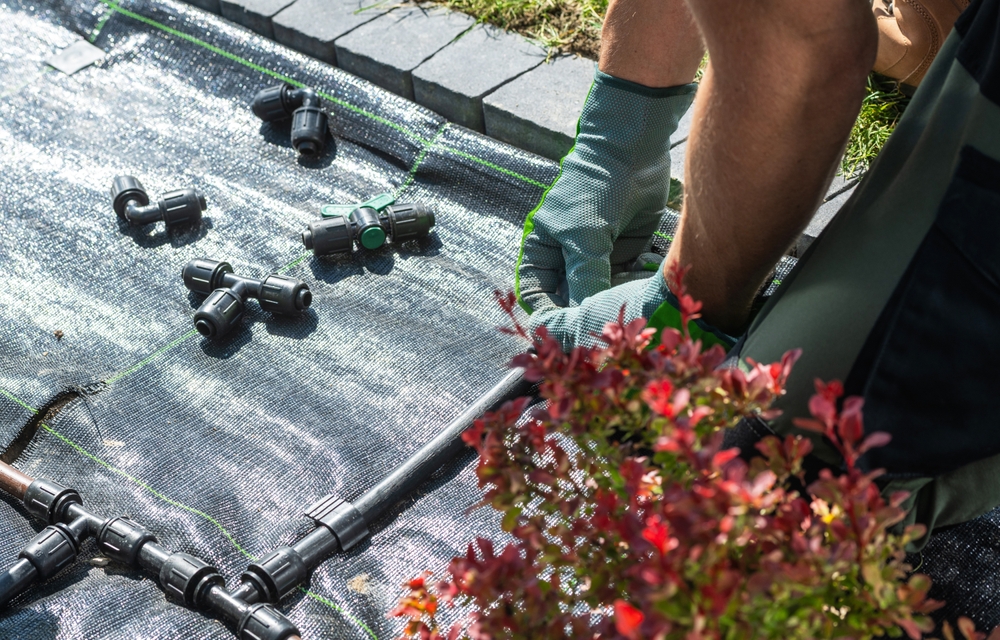
If you’ve ever dragged a hose around daily in August, drip irrigation feels like magic.
It’s also one of the best water-saving upgrades you can make. By dripping water right at the soil surface near plant roots, you cut down evaporation and keep foliage dry, which can mean fewer fungal issues.
Drip kits, tubing, emitters, and timers are classic “end of season” sale items, because stores don’t want boxes of random fittings hanging around all winter. If you grab them now, you can sit indoors on a cold evening and sketch out your layout, then install everything when the ground softens.
14. Plant supports, stakes, and soft ties
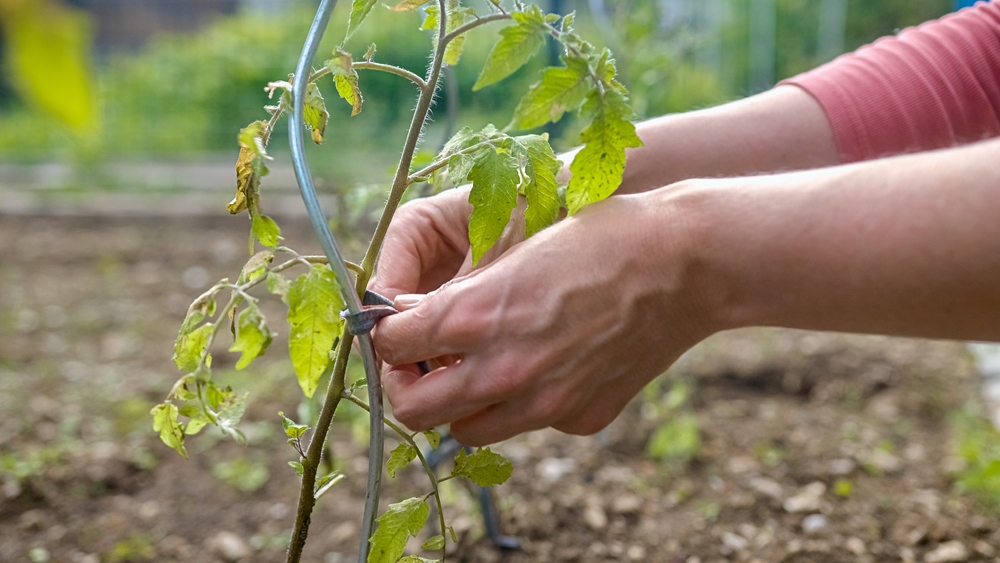
Supports never seem urgent… until your tomatoes flop over in a storm.
In winter, you can often get:
- Metal tomato cages
- Bamboo or metal stakes
- Trellis netting
- Rolls of soft, reusable plant tie
on some kind of discount or multi-buy deal, especially in clearance sections.
From a plant-health angle, good support means less stem breakage, better airflow through foliage, and less fruit lying on damp soil—so fewer disease problems. Starting the season with enough stakes and ties also stops emergency “whatever string I can find” situations that cut into stems.
15. Storage bins, buckets, and labels
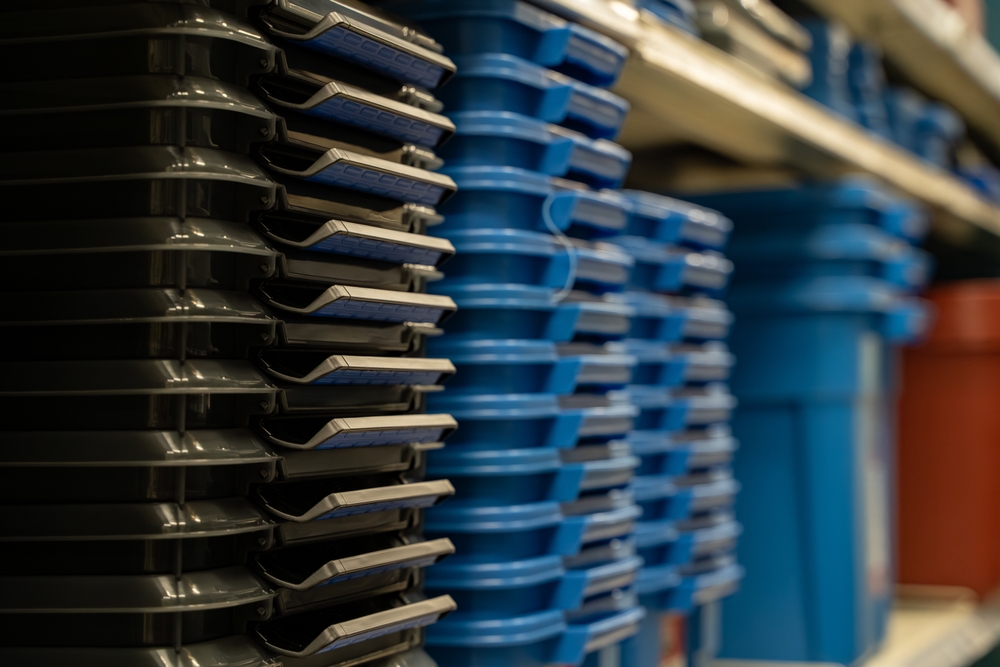
This one sounds boring, but it’s sneaky important.
If you’re buying extra soil, fertilizer, seed trays, and row cover on sale, you need a dry, mouse-resistant way to store them. Heavy-duty totes with lids, lidded buckets, and even galvanized bins often get marked down along with the rest of the seasonal outdoor stuff.
Use them to:
- Store opened potting soil in airtight containers to avoid mold and bugs
- Keep granular fertilizer dry
- Corral small fittings, ties, and hand tools
While you’re at it, grab plant labels or a paint pen. Future you will not remember which random potato variety is in that bed. Trust me.
16. Seed-starting lights and a basic heat mat
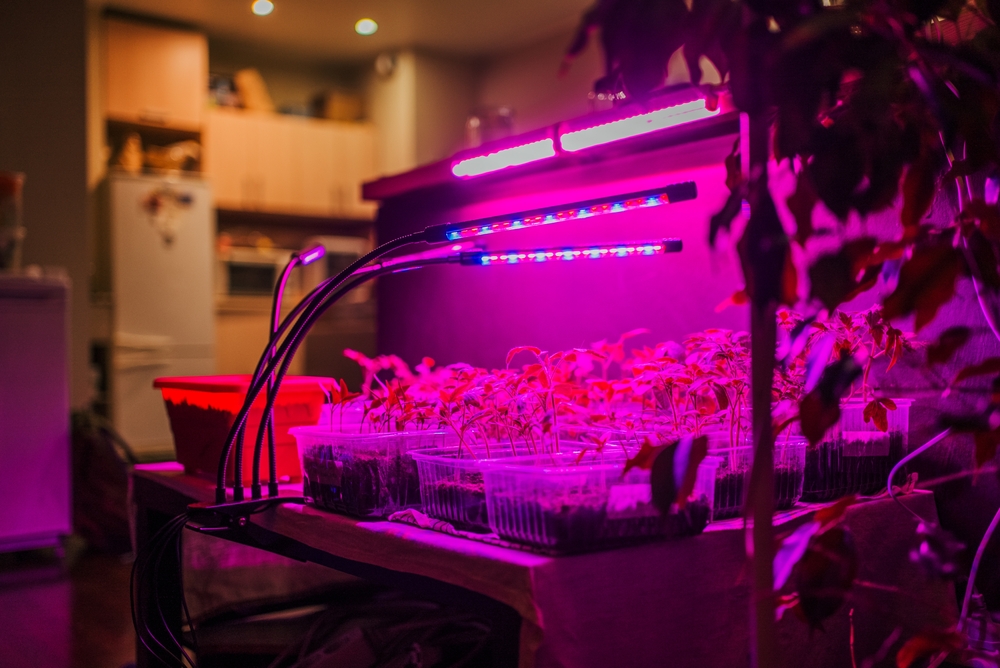
If you like starting your own seedlings, this is where winter sales can save you a lot.
Full-spectrum LED grow lights use much less power than old fluorescent setups and throw less heat, but the good ones are an investment. Off-season discounts make them more approachable. A simple heat mat under your trays can speed up germination for warmth-loving seeds like peppers and tomatoes by keeping the soil in the ideal range, even if your room is cooler.
The science bit: germination and early growth are all about temperature and light. Most warm-season crops germinate best when soil is somewhere in the 70–85°F (21–29°C) range; cooler soil slows everything down. A decent light and heat mat let you mimic spring indoors without cranking your whole house temperature.
17. Kneeling pad or garden stool that saves your joints
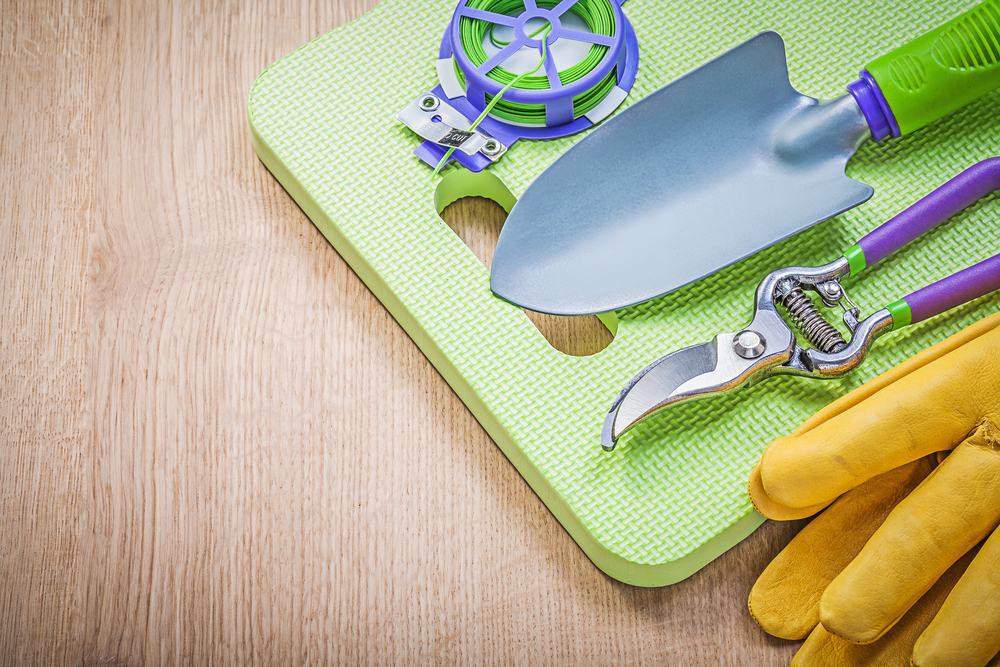
Last one, but your knees will thank you.
Constant kneeling on wet, compacted ground is rough on joints and back. A cushioned kneeling pad or a kneeler/seat combo takes the pressure off and makes longer weeding or planting sessions bearable, especially if you already have cranky knees.
These are classic “gift” items and often end up in winter sales with big markdowns once holiday and gardening seasons pass. Grab one then, and you’re much more likely to actually get out there and do the little 10-minute jobs that keep the garden ticking over.