

Affiliate disclosure: This post may contain affiliate links. Please see full disclosure.
You know that weird, fidgety feeling you get at the end of winter?
The beds are bare, the soil’s still cold, and the garden looks like it’s given up on life. Meanwhile, the hummingbirds are already on the move north, zipping across the Gulf and hitting the southern U.S. from late February into March, then pushing farther north through April and May.
When those tiny sugar-burners finally show up in your yard, they’re running on fumes. Yes, feeders help. But what really supports them is real nectar from flowers that actually evolved for beaks like theirs, long, tubular blooms, especially in reds and oranges.
That’s where winter comes in.
If you start the right flowers while it’s still cold, under lights, on a windowsill, or in simple winter-sown jugs, you can have a solid hummingbird buffet ready as soon as spring hits. You don’t need a greenhouse. You don’t need fancy gear. You just need a rough last-frost date, some seed trays, and a plan.
Here are 12 flowers you can start in winter so you’re not scrambling to “catch up” when the first hummingbird hovers by and finds… absolutely nothing.
1. Scarlet Bee Balm (Monarda didyma)
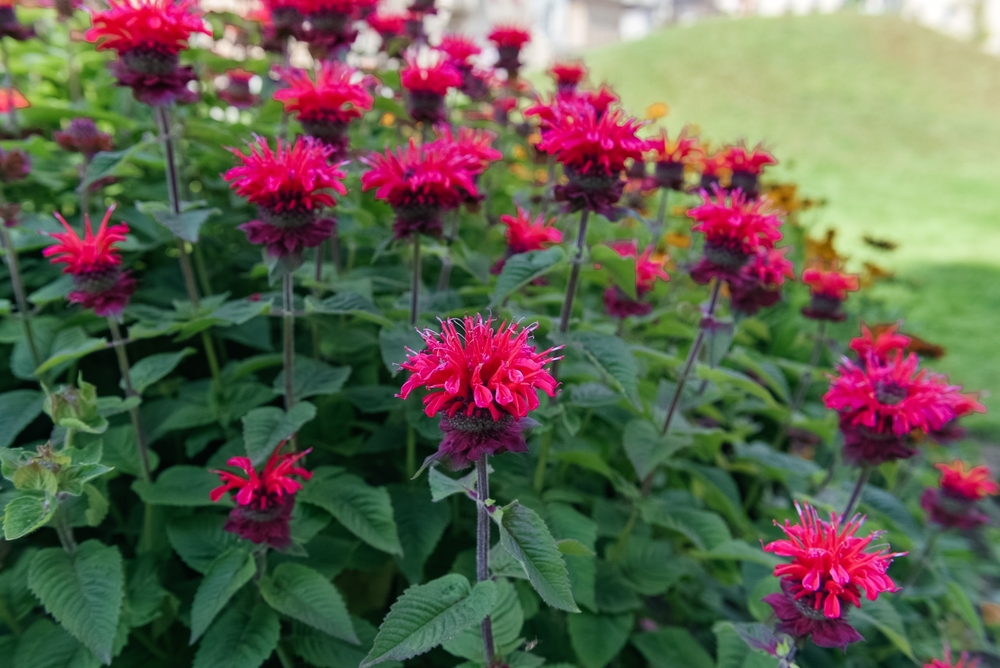
Bee balm is one of those “if there’s nectar here, the hummingbirds will find it” plants. The classic red types throw out shaggy firework flowers packed with nectar, and they’re well documented as favorites not only for bees and butterflies, but for hummingbirds too.
The trick is giving bee balm a head start while it’s still chilly outside. I sow the tiny seeds on the surface of moist seed mix in mid- to late winter, about eight to ten weeks before my last frost date. They like light to germinate, so I just press them into the mix instead of burying them. Once the ground has warmed and nights are reliably above about 50°F (10°C), you can harden them off and plant them out. They’ll bulk up their first year and then come back earlier and stronger every spring, so you’re not buying new hummingbird bait every season.
2. Cardinal Flower (Lobelia cardinalis)
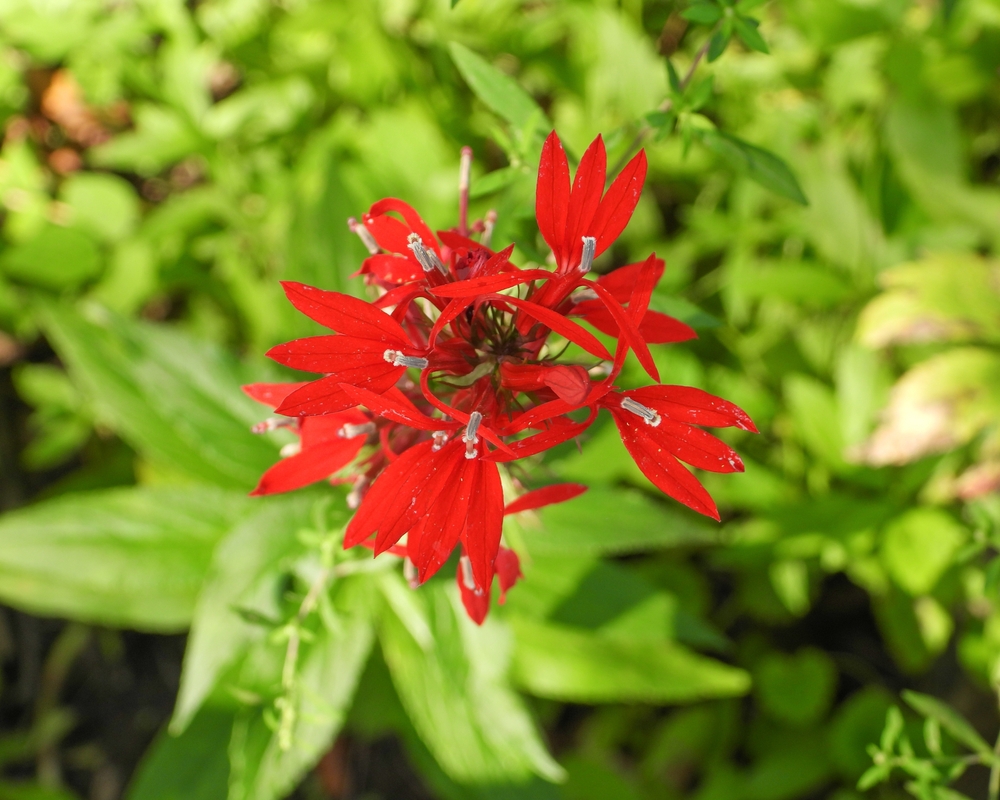
Cardinal flower is basically nature’s original hummingbird feeder. Tall spikes of intense red, tubular blooms are shaped so that a hummingbird has to push its head right into the flower, brushing the pollen-loaded anthers as it drinks.
This one absolutely loves a cold nap. The seeds are like dust, so winter-sowing works beautifully: sprinkle them on damp mix in a clear container in January or February, close it up, and set it outside to let nature handle the chilling and the day, night light cycle. When temperatures rise in spring, the seeds wake up and sprout on their own. Plant the young plants into a damp bed, a low spot that stays moist, or the edge of a rain garden. By late summer, those red spires will be pulling in every hummingbird in the neighborhood.
3. Eastern Red Columbine (Aquilegia canadensis)
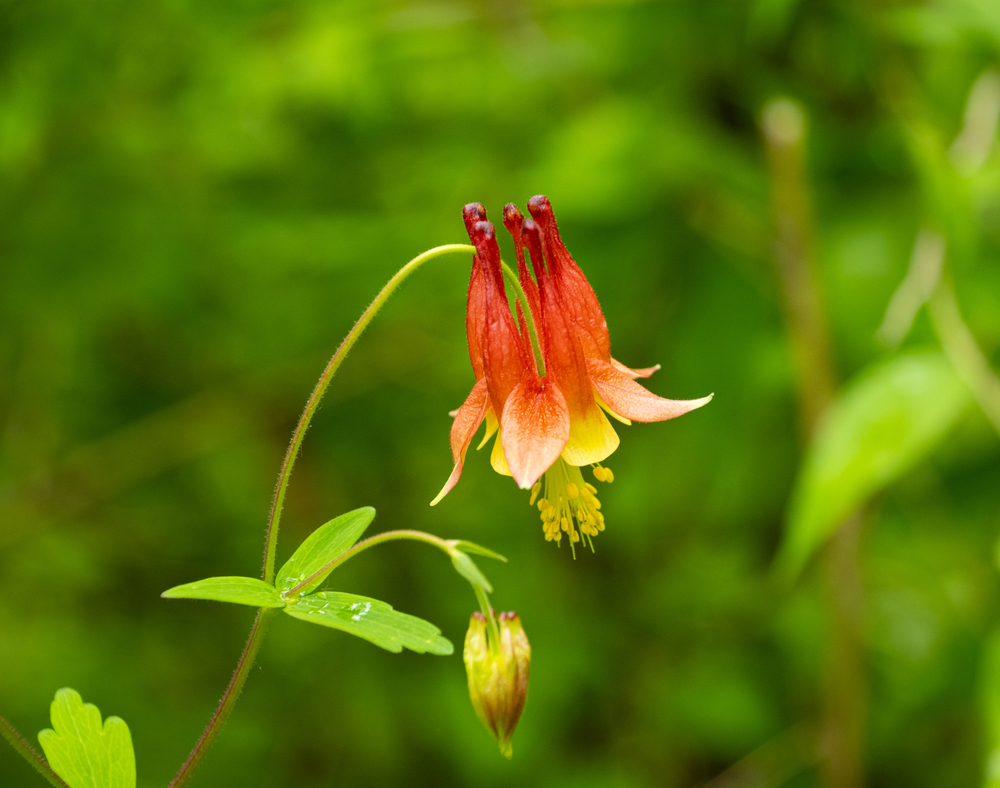
Red columbine is one of the earliest “real” hummingbird flowers to bloom in many temperate gardens. The nodding red-and-yellow flowers have long nectar spurs that line up beautifully with a hummingbird’s bill, and they tend to bloom just as the birds are returning in spring.
Columbine seed loves a bit of winter hardship. You can winter-sow it in jugs outside or sow in trays and stash them in the fridge for a few weeks before bringing them under lights. I sow mine in late winter so the seedlings are sturdy but not rootbound by the time the soil thaws. Plant them in light shade or dappled sun, under open trees, along fences, or on the north side of a bed, and they’ll quietly naturalize, giving you more early nectar each year without much effort.
4. Penstemon (Beardtongue)
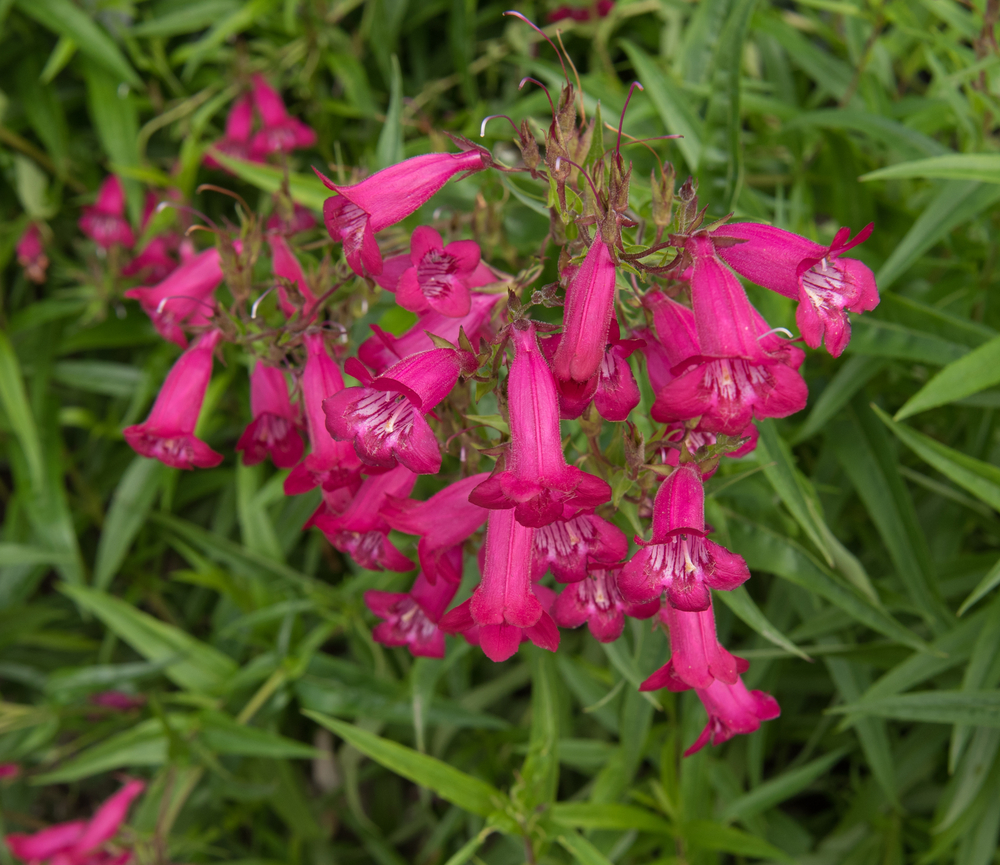
Penstemons are those elegant spires studded with tubular flowers, exactly the kind of bloom migrating hummingbirds are still working over in late summer when everything else is starting to look tired.
From seed, they’re not hard, but they are a bit slow, which is perfect winter work. I sow penstemon in trays in late winter, give them a few weeks of chill (outside in a cold frame or in the fridge), then move them under lights. Once they’re big enough to handle, I pot them up and keep them ticking along until the ground warms. In the garden, they want sun and decent drainage. Plant them where you can actually see the show, along a path or near a seating area, because hummingbirds will methodically work down those flower spikes like they’re drinking from a row of tiny nectar cups.
5. Salvia (Sage)
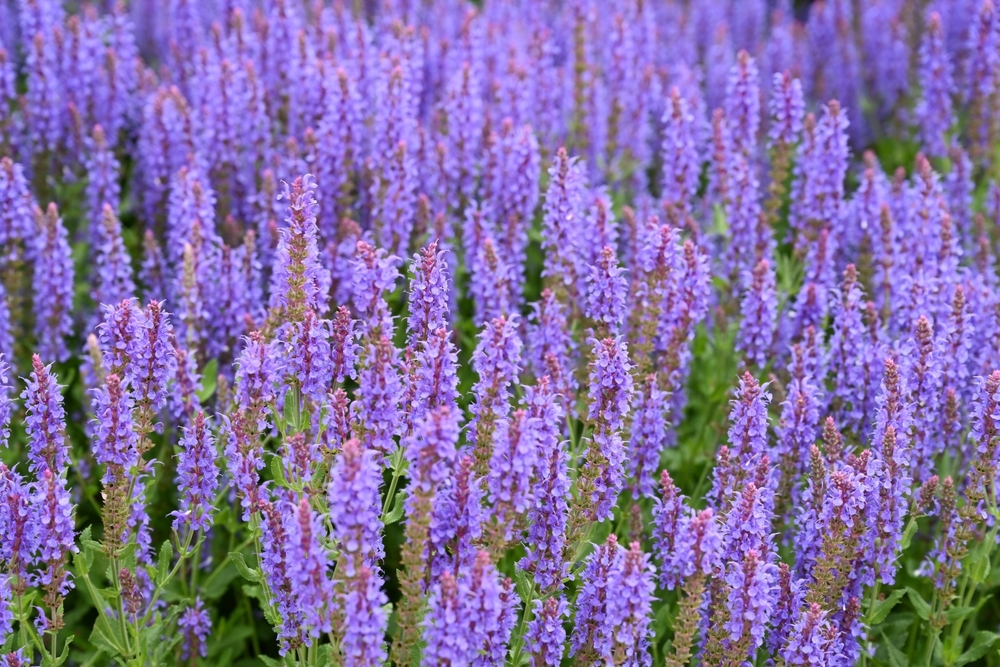
If hummingbirds had a favorite plant family, salvias would be way up the list. The long, tubular flowers fit their bills perfectly and are rich with nectar, which is why so many salvia species are specifically recommended as “hummingbird favorites.”
You can start annual salvias and many tender perennials from seed indoors toward the end of winter. I usually sow them about eight to ten weeks before last frost in a warm spot, then grow them on under lights. They transplant easily into borders or big pots. Red and hot-pink cultivars tend to get the most hummingbird traffic, but blues get their fair share too. The nice thing is they bloom for a long time, so one winter sowing keeps the nectar coming well into summer.
6. Hummingbird Mint (Agastache)
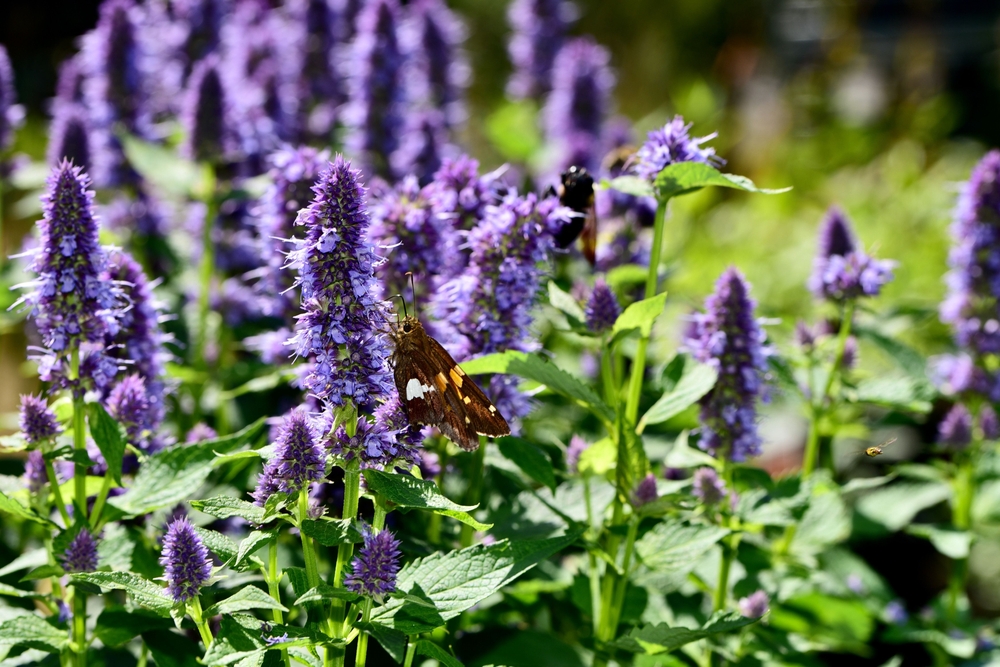
Agastache gets called “hummingbird mint” for a reason. The flower spikes are made of dozens of tiny tubular blooms, and they keep refilling with nectar as the birds and bees work them over.
Because it’s a perennial in many temperate zones, I like to start it early under lights. Late winter is perfect: sow the seeds in trays, cover very lightly, and keep them warm and evenly moist. By the time the garden is ready, you’ll have sturdy little clumps that settle in fast. Once established in full sun, agastache handles heat and drought like a champ, which means you’re not standing there with a hose every evening. And those tall wands of flowers will be full of hummingbirds, butterflies, and bees all summer.
7. Nasturtiums
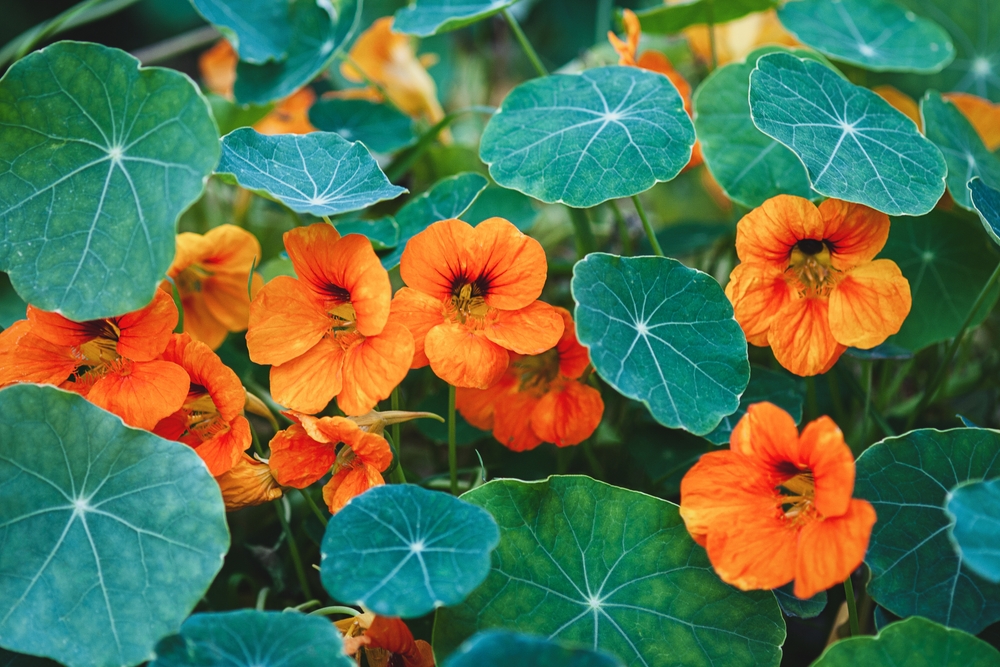
Nasturtiums look like friendly little salad flowers, but hummingbirds see them as nectar funnels. The flowers have a spur at the back that holds nectar, and the birds quickly figure out how to hover and drink from them.
They don’t want as long a head start as some of the perennials, but late winter is still when I’m dealing with them. I soak the big seeds overnight, then sow them indoors about four to six weeks before my last frost date. They germinate quickly and put on a lot of growth, so I transplant them into bigger pots if they start to feel cramped. Once they go outside, they’re brilliant in containers, along the edges of beds, or spilling over walls, where hummingbirds can spot the flowers from a distance.
8. Fuchsia (Basket Types)
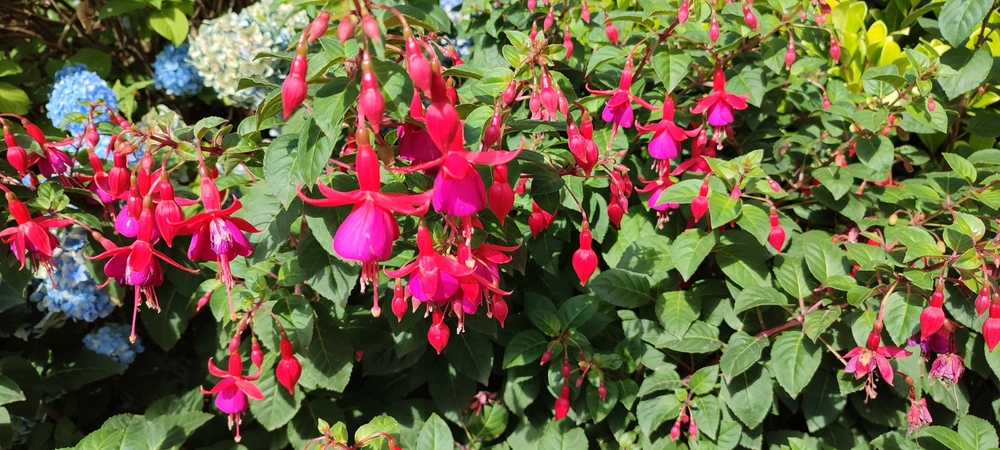
Hummingbirds and fuchsias go together like coffee and cream. The pendant, two-tone flowers hang just right for a hovering bird to slip its bill into the tube, and if you’ve ever watched a fuchsia basket, you know hummingbirds will visit bloom after bloom like they’re working a buffet line.
Fuchsia seeds are tiny and a bit finicky, which is why most folks just buy small plants. But if you do want to grow them from seed, winter is when you do it. They need a big head start, think twelve to sixteen weeks indoors, plus steady light and coolish temperatures. Either way, the key for hummingbirds is placement: hang baskets or set pots where the birds feel safe and you can still see them from a window or favorite chair.
9. Red Hot Poker (Kniphofia)

Red hot poker looks like a torch someone stuck in the border: tall stems tipped with dense brushes of red, orange, and yellow tubular flowers. Those spikes are absolutely stuffed with nectar and are often listed among the best perennials for hummingbirds.
From seed, they’re slow to get going, so I treat them as a winter project. I sow them indoors toward the end of winter and give them warmth and patience, some take a few weeks to sprout. Once they’re up and growing, they’ll happily sit in pots under lights until planting time. After their first year, they settle in and start throwing up flower spikes that hummingbirds can’t resist, especially if you plant them in sunny, open spots.
10. Lupines
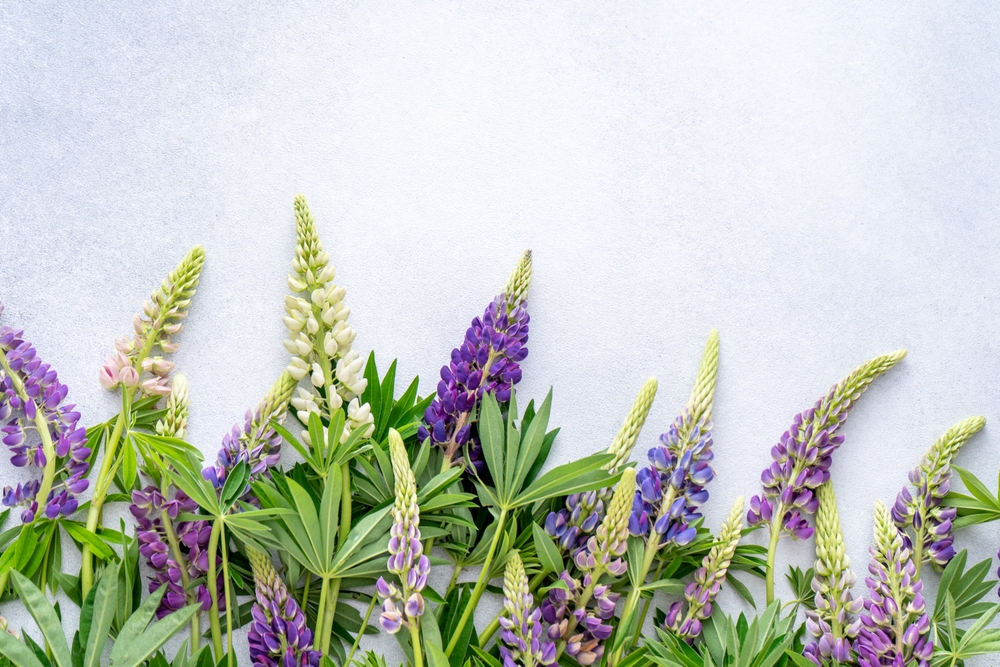
Lupines aren’t only for bees. Those tall spires of pea-like flowers also offer nectar for hummingbirds, especially in gardens where early-season tubular blooms are limited.
The seeds are tough little things, so late winter is when I soak or nick them and get them into trays. I sow them about eight to ten weeks before last frost, keep them in a cooler spot to germinate, and transplant very gently once they have a few true leaves, because they don’t love having their roots messed with. In the garden, plant them in full sun or light shade with decent soil. You get the nitrogen-fixing benefit for your beds, you get the cottage-garden look, and the hummingbirds get one more nectar stop.
11. Foxglove (Digitalis)
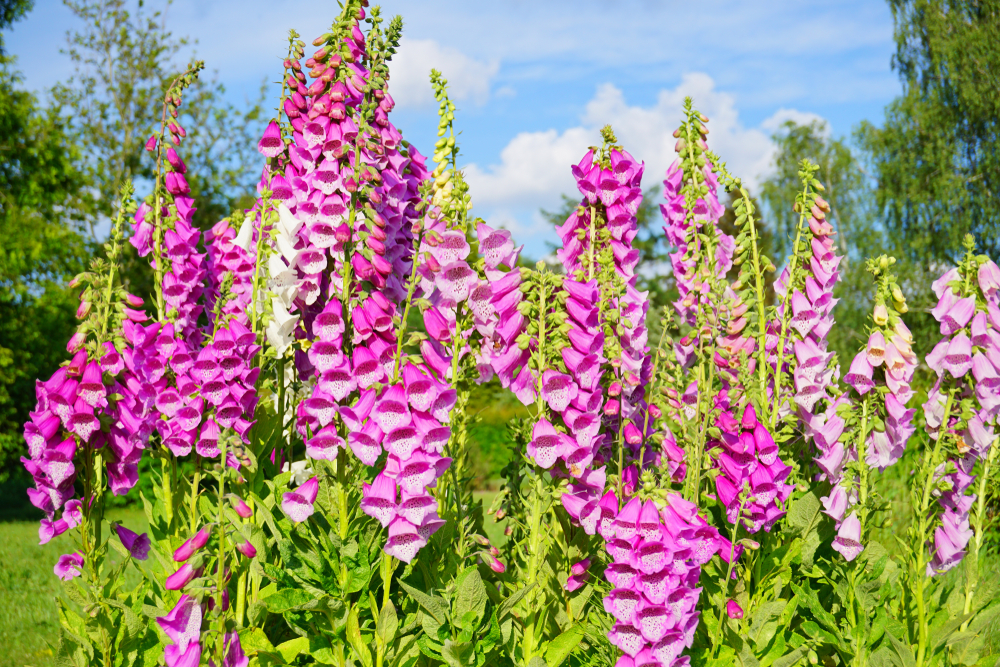
Foxglove isn’t edible, it’s actually highly poisonous, but hummingbirds don’t care. The tall spires of bell-shaped, spotted flowers are textbook “hummingbird-pollinated” style blooms, and you’ll often see birds working up and down the spikes.
Winter is the time to start foxglove because most are biennials. I sow the tiny seeds on the surface of moist mix about ten to twelve weeks before last frost, since they need light to germinate. The first year, you get a leafy rosette; the second year, it sends up flower spikes that can be covered in blooms. Tuck them toward the middle or back of a bed so kids and pets are less tempted to mess with them, and always wash your hands after handling the plants. They’re a great way to get height, drama, and early nectar into a hummingbird-friendly border.
12. Coral Honeysuckle (Lonicera sempervirens)

If I had to pick one plant that screams “hummingbirds live here,” it would be coral honeysuckle. It’s a native vine with long, red tubular flowers that are loaded with nectar and have that classic hummingbird-friendly shape and color combination. Ruby-throated hummingbirds use it heavily wherever it’s native, and it’s widely cited as a textbook example of a hummingbird-pollinated flower.
From seed, coral honeysuckle appreciates a cold, moist period, which makes it perfect for winter work. I sow seeds in pots or jugs, leave them outside through the cold months, and let natural chill and moisture do the stratifying. Once they sprout in spring, I grow them on until the soil warms and then plant them near a sturdy trellis, fence, or arch. Once they settle in, they can bloom from spring well into summer, and sometimes again later in the season, giving hummingbirds a reliable nectar source year after year.
Pulling it all together
You don’t need to grow all twelve of these in one season. If that feels like a lot, pick three or four that fit your space:
- something for damp ground, like cardinal flower
- something shady and early, like red columbine or foxglove
- something sunny and long-blooming, like bee balm, salvia, or agastache
- and one vine, like coral honeysuckle, where you can actually watch the birds feed.
The big mindset shift is this: think about hummingbirds in winter, not when you see the first one. By the time that little bird is hovering outside your window, it’s already flown hundreds of miles and burned through most of its reserves. Starting these flowers now means there’s real food waiting when it arrives, not just a cold, empty garden and a promise that you’ll plant something later.
And once you’ve got even a small patch going, you’ll start to notice something else: your yard feels alive earlier. The flowers wake up. The insects wake up. The hummingbirds show up. And winter suddenly feels a lot less long.

