
Affiliate disclosure: This post may contain affiliate links. Please see full disclosure.

Most tender garden plants take real damage once the temperature drops to 32°F, and a single night below that can wipe out a bed of tomatoes, peppers, or squash in a few hours. The good news is that covering, mulching, or watering at the right time can hold off several degrees of cold, often enough to save a crop that would otherwise be lost.
We try to plan our growing areas with frost protection in mind to extend our growing season for as long as possible. But there are always those unexpected frosts that can still kill off tender fruits and veggies too early, so we’re always ready to take some last-minute action to protect our plants.
At a Glance: Frost Protection Basics

- Frost advisory: 33°F to 36°F, tender plants at risk overnight
- Freeze warning: below 32°F, cover or bring in anything frost-sensitive
- Hard freeze: below 28°F, most fabric covers can no longer keep up
- Fastest fixes: frost cloth, bottle or dome cloches, and a thick layer of mulch
- Best predictor: a clear, calm night is far more likely to frost than a cloudy, windy one
When to Expect Frost
Your first and last frost dates depend on your USDA hardiness zone, and they can shift by two weeks or more from the averages in any given year. You can use the USDA’s plant hardiness zone map to find your zone, then check the table below for general guidance on when to expect frost in your area.
First and Last Frost Dates

| USDA Hardiness Zone | Approximate First Frost | Approximate Last Frost |
| 1 | Aug 25 – Aug 31 | May 22 – June 4 |
| 2 | Sept 1 – Sept 8 | May 15 – May 22 |
| 3 | Sept 8 – Sept 15 | May 1 – May 16 |
| 4 | Sept 21 – Oct 7 | April 24 – May 12 |
| 5 | Oct 13 – Oct 21 | April 7 – April 30 |
| 6 | Oct 17 – Oct 31 | April 1 – April 21 |
| 7 | Oct 29 – Nov 15 | March 22 – April 3 |
| 8 | Nov 7 – Nov 28 | March 13 – March 28 |
| 9 | Nov 25 – Dec 13 | Feb 6 – Feb 28 |
| 10-13 | No frost | No frost |
Remember, though, that this is only general. There’s no way to give you specific dates, but you can get better at predicting when a frost is likely, which we’ll cover in more detail below. I’d also assume a frost is possible two weeks either side of these first and last frost dates, so you’re less likely to be caught off guard.
These dates also can’t compensate for the microclimate in your growing area. If it’s very exposed or sits in a low valley, it’s more likely to see frost earlier and later than the dates in this table. Likewise, if you’ve got plenty of protection in the form of trees, walls, and natural heatsinks, your growing space won’t be as troubled by freezing temperatures as early or late.
Frost vs. Freeze: What the Difference Actually Means for Your Plants
A frost and a freeze are not the same thing, and the distinction determines how urgently you need to act. A frost forms when the temperature right at plant level drops enough for ice crystals to develop on exposed surfaces, and this can happen even when the air temperature measured a few feet up is still a few degrees above freezing. A freeze means the air itself has dropped to 32°F or below, which does more damage, since the cold reaches all the way through the plant’s tissue rather than just forming ice on the surface.
A freeze warning is typically issued once temperatures are forecast to fall below 32°F for a sustained stretch, and that threshold alone is enough to kill some garden plants outright, while a hard freeze below 28°F puts most of them at risk. A frost advisory, by contrast, covers the narrower 33°F to 36°F band, the range where frost can form right at ground level even though the air a few feet up hasn’t technically reached freezing yet.
What actually kills the plant isn’t the cold itself. It’s ice crystals forming inside the plant’s own cells, and those crystals rupture the cell walls from the inside, which is why frost-damaged leaves turn dark, wet looking, and limp once they thaw. This is also why covering plants works in the first place. A cover doesn’t add heat. It traps the warmth radiating up from the soil and slows how fast the plant’s own tissue temperature drops, and most fabric covers buy you somewhere between 4°F and 8°F of protection. That’s plenty for a frost advisory night. It usually isn’t enough once you’re into hard freeze territory, which is why I bring tender potted plants inside rather than relying on cloth alone once the forecast drops below 28°F.
It’s also worth knowing that established perennials, dormant shrubs, and mature fruit trees don’t need this kind of protection in fall or winter. They need the cold to go properly dormant, and the sugars concentrated in their stems over winter actually help keep ice from forming in the first place. It’s new growth, open blossoms, and anything still actively growing that stays vulnerable, which is why a late spring frost on a flowering fruit tree is a real threat even though that same tree shrugged off a hard freeze in January without any protection at all.
How to Protect Your Plants From Frost
We use a combination of methods to protect our plants from frost, and which one I reach for depends on how many plants need covering and how cold it’s actually going to get. As an organic permaculture specialist, I plan the layout of my tender beds around cold air drainage and wall placement before I ever put a seed in the ground, which cuts down on how often I need most of the methods below in the first place. I plan in advance as much as I can, and I’m ready to leap into action if it looks like there’s going to be an unseasonal frost.
We still get caught out from time to time, of course, but less so now that we plan our gardens for frost protection, know our soil and local climate, and get a little better each year at predicting whether a frost is actually likely.
1. Use Frost Blankets for Plants in Rows or Beds
Frost blankets or garden fleeces are a nice, simple answer to frost protection for most crops. The fleece is light enough to let in light and moisture, but insulating enough to ward off light to moderate frosts.
Frost blankets are one of my main go-tos for protecting long rows and beds quickly and easily. Remember to weigh them down well so they stay in position during harsh weather and strong winds.
I’ve been caught out a few times by not weighing the fleece row covers down properly, only to find they’ve blown off during the night and I’ve lost the delicate plants beneath to the frost.
In a pinch, you can also use old sheets and blankets to cover crops overnight. Don’t do this until evening, though, since you don’t want to unnecessarily block out the light, and remove the covers in the morning as soon as the temperature rises above freezing.
We try not to do this and always keep a supply of garden fleece or frost blankets on hand, but when you’ve got more ground to cover than yards of fleece available, you’ve got to protect your crops somehow. We’ve been known to throw old blankets over hoops to cover late strawberries, tomatoes, and similar plants.
2. Use Individual Plant Covers or Winter Cloches
Some situations call for extra protection on just a handful of plants: a few frost-tender seedlings early in the season, or a handful of plants still valiantly trying to ripen as winter draws near.
You don’t need a whole fleece blanket in these situations. Cutting one down just to cover a few plants is wasteful, and it’ll bite you in the ass later in the year when you need to cover a large area instead.
In these situations, we use individual cloches, and we don’t bother with the fancy ones. Instead, we use plastic bottles. 2-liter soda bottles are great for small or young plants, like early peas and beans, and for larger plants, we like the big 1-gallon jugs.
If you only plan to leave the cloches on overnight, just cut the bottom off a 1-gallon jug or cut a 2-liter bottle in half and place it over your plant.
But if you want to use these as frost protection and mini-greenhouses for longer than that, whether to get an early crop or because the cold snap is sticking around, cut another hole at the top (or take the lid off the bottle) so the plant can breathe and moisture can escape. Skip this step and the plant you’re trying to save will die.
3. Build or Use a Cold Frame or Hoop Tunnel
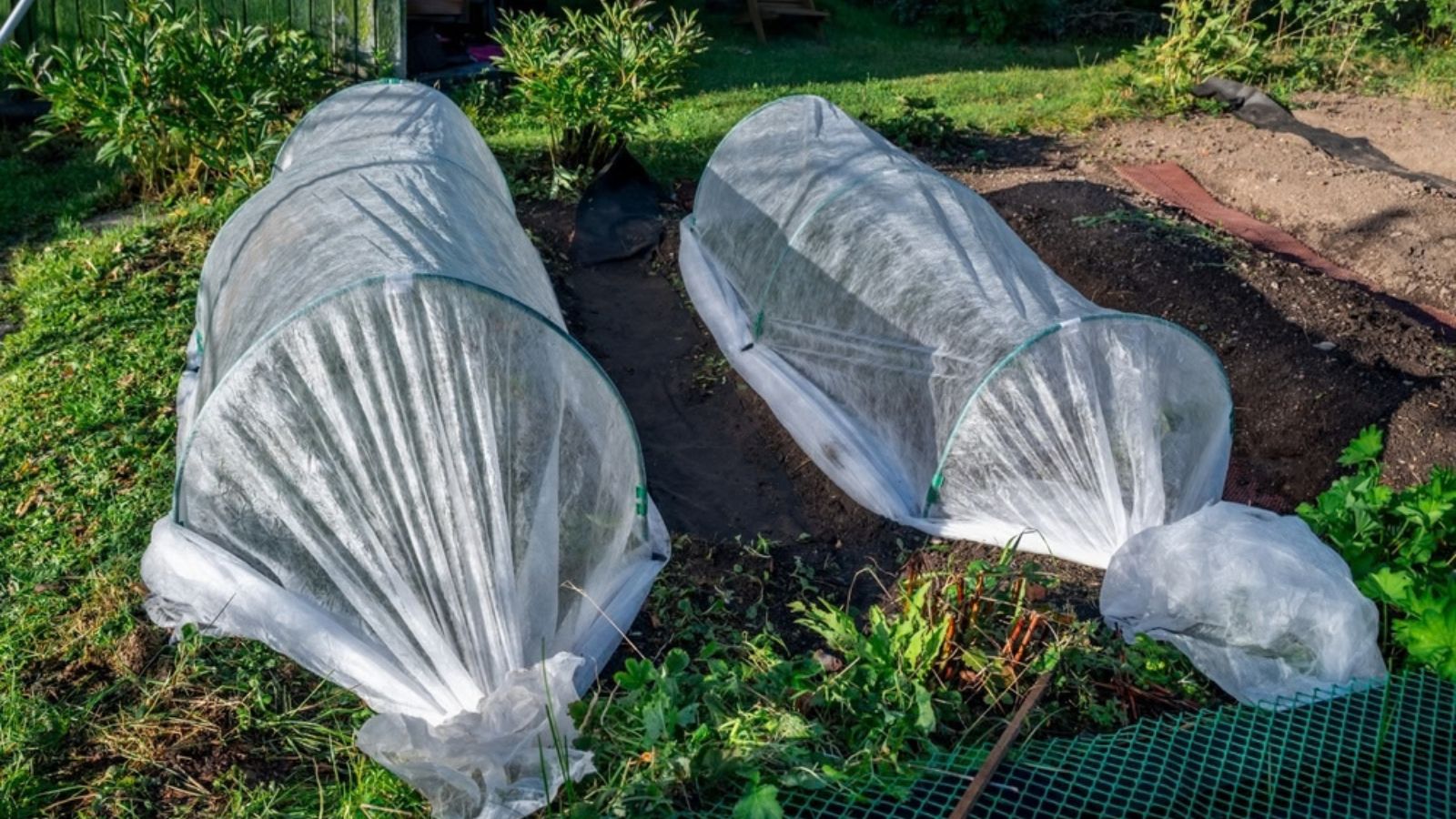
Cold frames and hoop tunnels give you the same soil-warmth trapping effect as a cloche, just sized for a whole bed instead of one plant. A cold frame is essentially a bottomless box with a clear lid, made from old windows, a picture frame, or scrap lumber and plastic sheeting, set directly over a bed so sunlight gets in while the soil’s own warmth stays trapped overnight. A hoop tunnel does the same job over a longer row. Bend electrical conduit or heavy wire into arches over the bed, then drape frost cloth or clear plastic over the hoops and pin or clip it down at the sides.
I use hoops under frost cloth for anything longer than a couple of feet, since the hoops hold the fabric off the foliage. Wet, frozen cloth pressed straight against the leaves will freeze them just as fast as no cover at all. For a cold frame, prop the lid open during the day once temperatures climb back above freezing so the bed doesn’t overheat and the plants still get fresh air, then close it back up an hour or so before sunset.
Both options are reusable for years and pay for themselves fast if you’re covering the same beds every frost season. A well-built cold frame with a tight-fitting lid can keep the air inside noticeably warmer than the air outside on a still night, often enough on its own to get a bed through a frost advisory night without any additional covering.
4. Add an Extra Thick Layer of Mulch
Mulch provides vital insulation. It protects root systems by trapping moisture and warmth, and it retains and radiates warmth to the plants above ground, too. The key to using mulch for frost protection is to add a layer of around 3 to 6 inches across the top of the soil.
You should also leave around a 1-inch gap around the plant stem so the warmth captured in the soil can radiate up to the plant.
Leaf mold works really well, as do wood chips, as long as you avoid chips from pine or other wood that inhibits the growth of other plants. Straw is another solid option.
5. Wrap Young Trees and Blossoming Trees
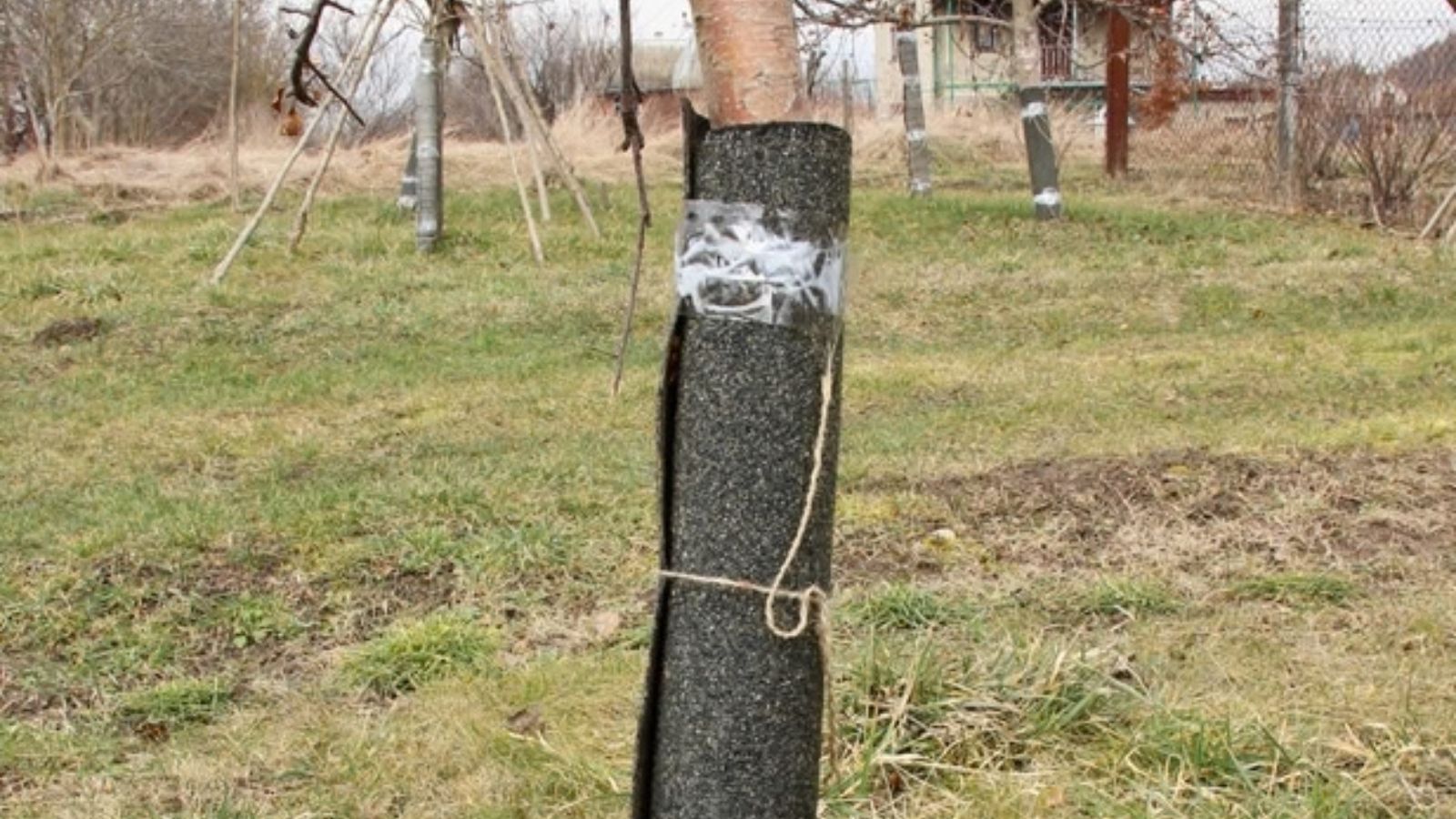
Tree wrapping is pretty self-explanatory. If a frost is likely, get outside and wrap up your young trees. I’d recommend doing this at the first sign of winter anyway if you have very young trees, particularly fruit trees.
Many young trees, up to about four years old, are particularly at risk of significant frost damage, which can stunt or slow growth, reduce crop yield, or, in the worst case, kill them outright.
In spring, even a mature fruit tree that generally withstands winter frosts just fine can lose a whole year’s crop if it already has blossoms or full buds when an early frost hits. Providing insulation at any hint of a late frost is a sensible precaution.
You can use burlap, rags, cardboard, fleece frost blankets, or old blankets. Anything that provides some degree of insulation will help. You can also use felted tree protector wraps, which work well in colder climates, or try rush or straw screens wrapped around the trees as natural insulation.
To wrap a tree properly, take your wrapping material and, starting at the base, place it around the trunk, overlapping each layer as you work your way up. Periodically secure the wrap with twine as you go, and stop when you reach the lowest branches. If the tree is very young, consider adding the same protection to any branches you can reach, too.
You can also add a layer of plastic sheeting, like a tarp, over the wrapping at night or for a few days if an especially hard cold snap is forecast. This adds another layer of insulation and traps warm air between the plastic and the wrap beneath. If you’re trying to protect delicate blossoms and buds specifically, bubble wrap gently wrapped around those branches works well too.
6. Plant Your Garden to Minimize Frost Damage
Taking frost into account when you plan your garden for the year minimizes both the likelihood and the extent of frost damage, and it only takes a little forethought.
If your garden is uneven, place your most tender plants at the highest elevations. Hot air rises and cold air sinks to the lowest points, so plants in the highest spots available in your growing space stay warmer. In a low spot or at the bottom of a slope, the temperature can be considerably colder than the surrounding high ground, sometimes by ten degrees or more on a still, clear night.
Exposed plants are at greater risk of frost damage, so don’t put anything delicate out in the open with no protection. Use taller or more robust plants, along with rock formations and walls, as windbreaks. If necessary, build windbreaks from plastic sheeting and bamboo canes to protect tender plants from exposure-based frost damage, and make use of any natural windbreaks you already have, like fences, trees, and hardy shrubs, when deciding where to plant tender edibles.
Rock formations and brick walls absorb heat during the day and release it slowly overnight, acting as natural heatsinks. Make use of this. Plant your most tender plants, and those that can only withstand the mildest frosts, close to walls and large rocks.
For your tenderest plants, consider raised beds. They warm more quickly and are usually easier to cover than regular crop rows.
7. Bring Delicate Potted Plants Indoors to Protect Them From Frost
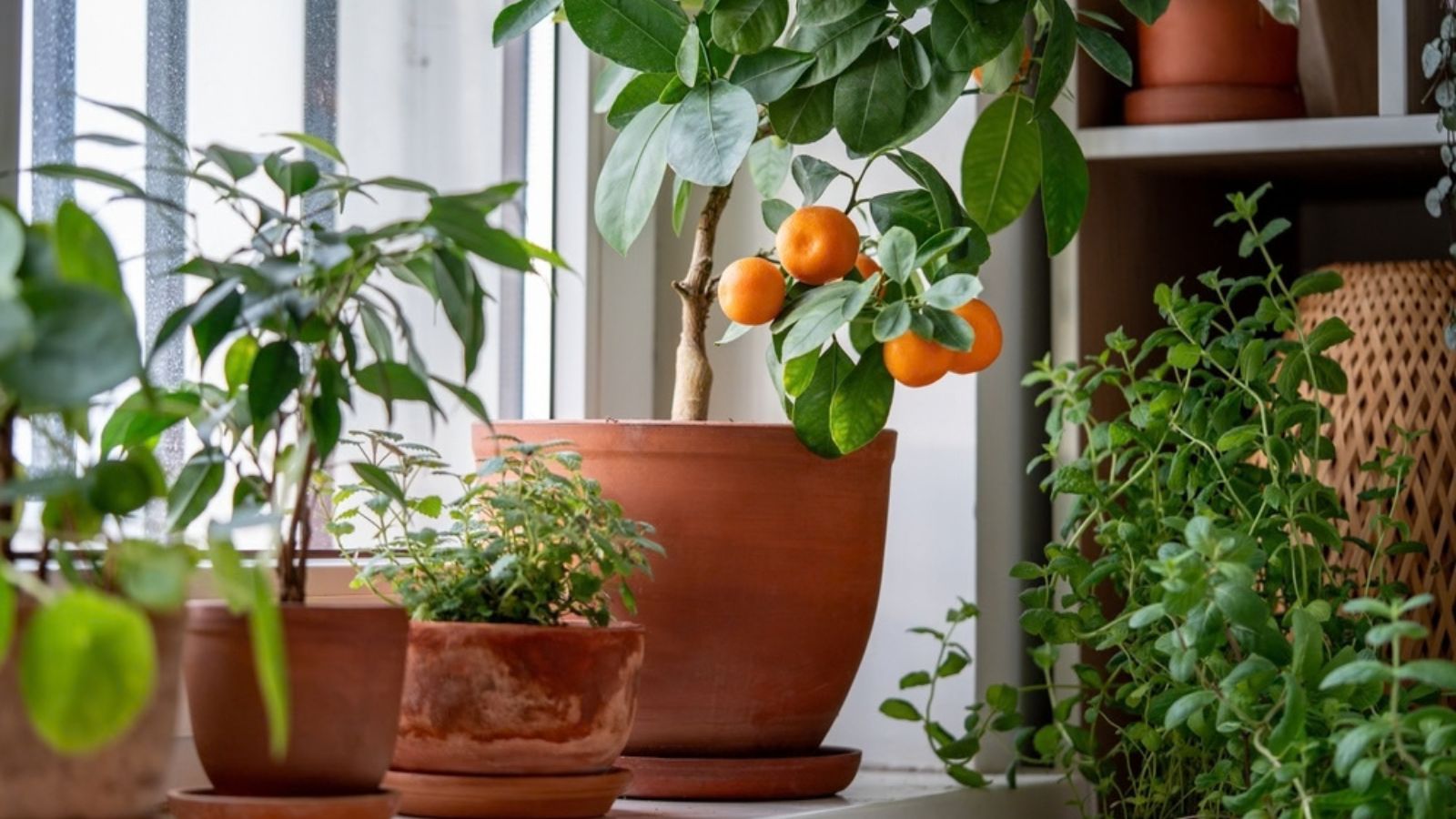
If you’ve got herbs or other plants that don’t overwinter well and you’ve sensibly kept them in pots, bring them inside, even if it’s just overnight when you suspect a frost is coming.
Leave them in a garage, unheated sunroom, or covered porch. You don’t want to overheat them, especially if you plan to get them back outside in a few days or early in the year, since they’ll struggle with an intense temperature swing. Make sure wherever you store them gets plenty of light but not too much heat.
Potted plants are considerably more likely to sustain frost damage than plants in the ground, since they don’t benefit from the insulating properties of the earth and mulch around their roots.
8. Learn How to Predict a Frost
There’s no foolproof way to predict a frost, but a bit of knowledge about your local climate and some good old-fashioned common sense will get you a pretty good success rate. If it’s cloudy and windy, it most likely won’t freeze, since the clouds act as a layer of atmospheric insulation that prevents the day’s heat from escaping so rapidly overnight, and the wind keeps the air moving so cold pockets can’t settle.
If the sky is clear and the air is still, though, that’s a cooling setup. The warmth of the day escapes into the atmosphere unchecked, and a frost is likely to follow.
Keep an eye on the thermometer during the day, too. If the temperature in your garden reached 75°F, or 80°F in the Southwest, there’s very little chance of frost that night.
9. Make a Simple Heatsink For Your Cold Frame or Covered Rows
This is a simple tip that works surprisingly well. Fill large 5-gallon jugs with clean water, tighten the lids, and place them around the edges of your greenhouse or around the inside perimeter of your frost blanket, surrounding your plants.
The water absorbs heat during the day and slowly releases it overnight, helping prevent frost damage. It’s simple, but very effective.
You can also fill milk bottles or jugs with hot, but not boiling, water and place them around your plants in the early evening as temperatures start to drop. That keeps your plants warmer for longer.
10. Add Plenty of Good Compost to Your Beds to Protect Your Plants From Frost
This is a preparation tip. Dig plenty of rich compost into your beds before you plant, not after.
Soil with lots of rich organic matter has better structure, retains moisture without getting boggy, and performs better overall. Because of that organic matter and healthier structure, your soil stays warmer and protects delicate root systems. The breakdown of organic matter also releases heat into the soil, raising the temperature further still.
11. Water in the Middle of the Day to Reduce the Risk of Frost Damage
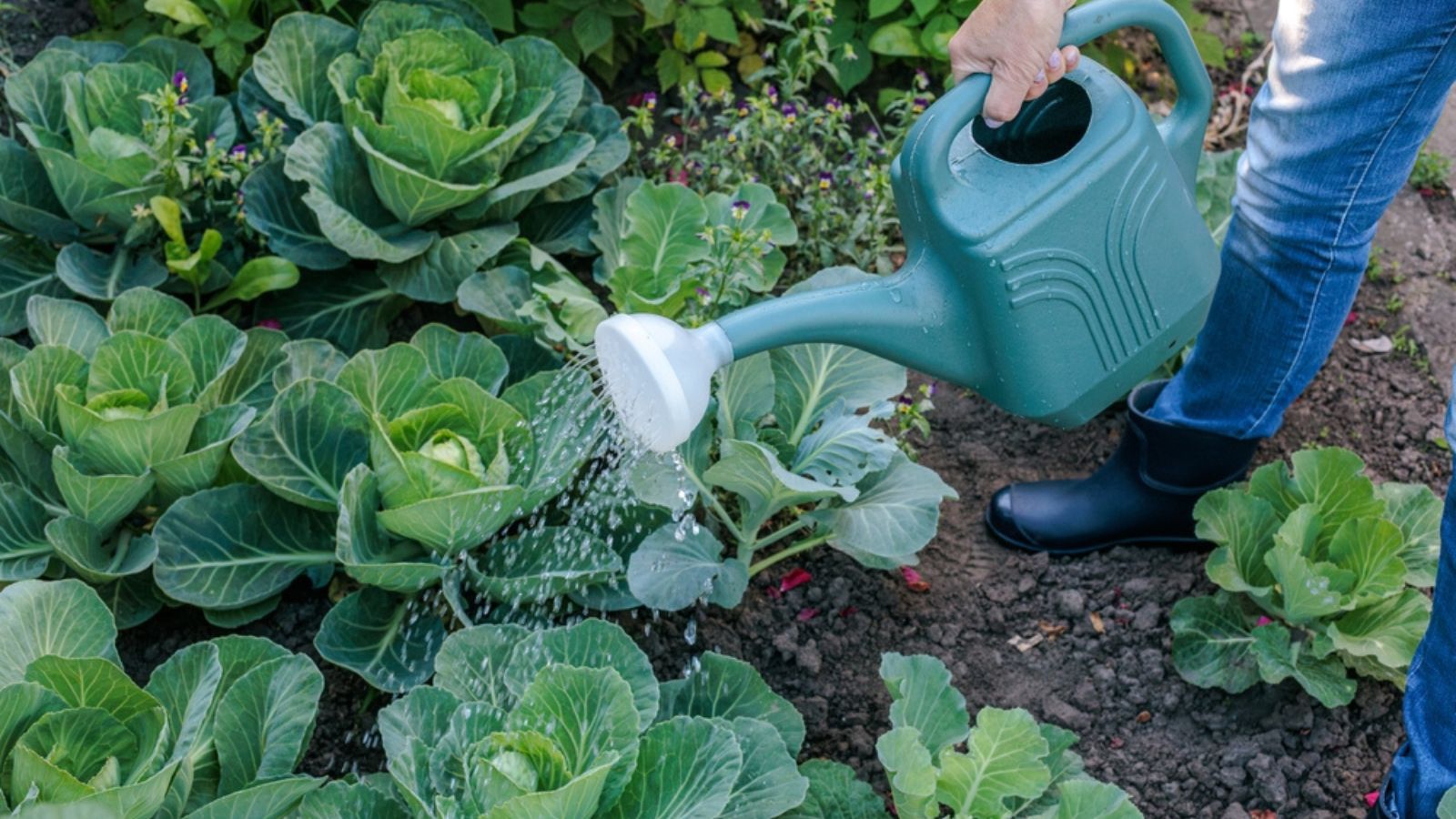
If there’s any sign of a frost and the ground is dry, get out there and water, and do it in the middle of the day.
Wet soil holds heat better than dry soil, and watering in the middle of the day gives the water time to soak in before the temperature drops and freezes it, which can kill your plants’ roots.
Just don’t saturate the soil. Oversaturated soil is more likely to sit on the surface instead of soaking in properly, and that standing water can freeze overnight and damage the roots underneath just the same.
What to Do After a Frost
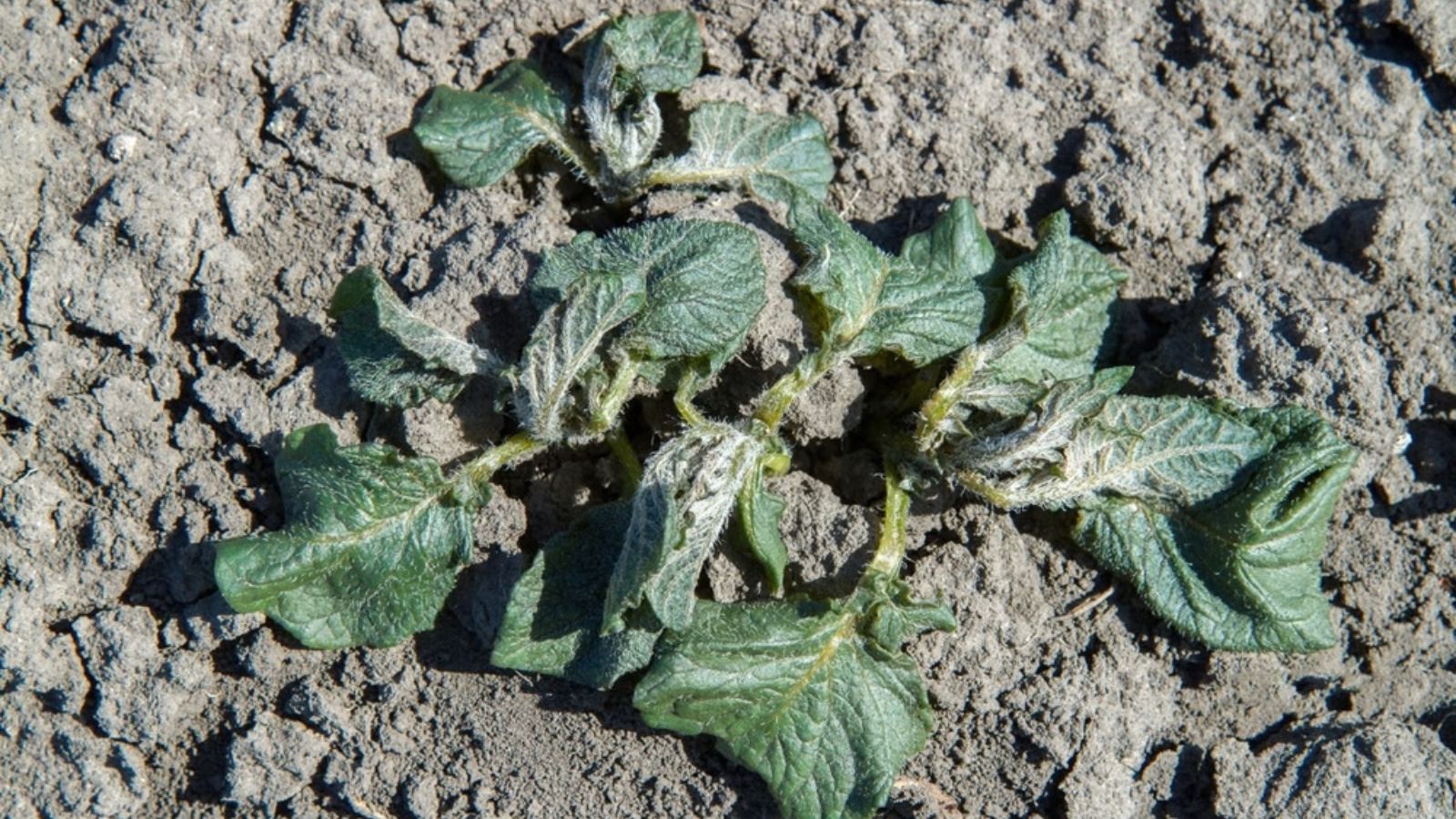
Check for damage the morning after a frost by looking for wilted, brown, or black leaves and foliage, or a plant that has gone completely limp and fallen over. Try not to be disheartened. A rough-looking plant often recovers better than it appears at first glance.
Don’t warm the plants up too fast. Let them thaw naturally, or give them gentle encouragement with some bottles of hot water placed nearby to raise the temperature slightly. Don’t handle them yet, either. Plants are exceptionally fragile while still frozen, so wait until they’ve fully thawed before you touch them.
Don’t be in a hurry to prune or pull anything up. Wait at least until the afternoon before deciding what needs to be culled. If only a few of the uppermost leaves are wilted at that point, simply prune them off and the plant will usually recover. Plants with a lot of blackened leaves and stems most likely won’t recover, or if they do, they won’t be healthy or productive again that season. Those are the ones I pull up and replace if I can.
RELATED POST: How to harden off tomato seedlings in 7 days
Which Vegetables Are Vulnerable to Frost?
Heat-loving, summer-season crops can’t tolerate even a mild frost, while other vegetables shrug off light frosts, and a hardy few actually improve after a hard freeze.

Vegetables Damaged by Any Frost
Pole beans, dwarf beans, corn, cucumbers, melons, pumpkins, squash, eggplants, peppers, tomatoes, and sweet potatoes are all damaged by frost at any level, including a light 33°F to 36°F frost advisory night. These are the crops to prioritize covering, harvesting early, or bringing indoors first.
Vegetables Tolerant of Light Frosts (Down to 32°F)
Potatoes, provided they’re well mulched or covered, along with celery, most leafy greens, cold-hardy pea varieties, and Chinese cabbage tolerate a light frost down to around 32°F with little to no damage.
Cold-Hardy Vegetables Tolerant of Hard Frosts (Down to 20°F)
Brassicas like kale, winter cabbage, cauliflower, broccoli, Brussels sprouts, and romanesco handle sustained hard frosts down to about 20°F, as do spinach, alliums like onions, garlic, leeks, and salad onions, plus beets, carrots, turnips, parsnips, and winter-hardy lettuces like lamb’s lettuce. Several of these, kale and carrots especially, actually taste sweeter after a hard frost, since the cold triggers the plant to convert some of its stored starches into sugars.
FAQs
What’s the difference between a frost and a freeze?
A frost forms when ice crystals develop right at plant level even though the air a few feet up hasn’t quite hit 32°F, which is why it falls under a frost advisory in the 33°F to 36°F range. A freeze means the air itself has dropped to 32°F or below, and it does more damage since the cold reaches deeper into the plant’s tissue instead of just forming ice on the surface.
What causes frost damage to plants?
Frost damage happens when water inside plant cells freezes, and the resulting ice crystals rupture the cell walls from the inside. That’s why frost-damaged growth often turns limp, dark, water-soaked, or mushy once it thaws, and it’s also why how long the cold lasts matters just as much as how low the temperature drops.
When should I cover my plants for frost?
Cover anything frost-sensitive whenever the overnight low is forecast at 36°F or below, since frost can form at ground level even when the air temperature reads a few degrees higher. Don’t wait for a freeze warning to act. A frost advisory night has often already come and gone by the time temperatures hit 32°F.
At what temperature should I cover my plants?
Start covering frost-sensitive plants once the forecast drops to 36°F, and treat anything below 28°F as a hard freeze that most lightweight covers can’t fully protect against. Below that point, potted and container plants are safer brought indoors than left under a cover alone.
Can plants recover from frost damage?
Often, yes. If only the uppermost leaves are wilted or blackened, prune those off and the plant usually bounces back within a week or two. A plant with blackened leaves all the way down the stem, or a collapsed, mushy main stem, is much less likely to recover and is usually better off replaced.
Do mature trees and shrubs need frost protection?
Established, dormant trees and shrubs generally don’t need protection from a typical winter frost or freeze, since they need that cold exposure to go properly dormant. The exception is a tree in blossom or covered in new spring growth. An unseasonable late frost can wipe out that year’s flowers or tender new leaves even on an otherwise hardy, mature tree.

Wow this is a fantastic post! You covered so much good info! I will definitely be suggesting it as reading material for new gardeners. Thanks for sharing it!
I would love to learn how to predict the frost! Thanks for all the interesting info and deep knowledge. I live in a climate where we have frost like twice a year but really impossible to predict.
What a great idea to use the plastic soda bottles or milk jugs to cover a single plant. I never would have thought of that but a great way to repurpose those bottles.
We use them pretty successfully. They’re also useful because they help keep pesky wildlife like mice away from newly planted peas and beans.