Affiliate disclosure: This post may contain affiliate links. Please see full disclosure.

Protecting your soil, keeping useful garden materials, and dealing with this season’s problems now can give next spring’s crops a better start without an expensive shopping list. Fallen leaves, finished compost, and a little thought about where things grow can do a lot of the work.
My approach to a productive garden starts with the soil and the life around it. I’m a permaculture practitioner, so I want a healthy, lively growing space that holds moisture, supports beneficial insects, and produces food without needing constant rescue. Fall is a good time to work toward that, especially as summer crops finish and beds become available.
Work with your local conditions. In a mild climate, you might still have time to sow a cover crop. Where the ground is already freezing, protecting empty beds is the more useful job. And if you’re still harvesting healthy plants, leave them to get on with it.
1. Find out what your soil actually needs
Test your soil before adding another load of compost or manure, particularly if plants have struggled despite regular feeding. A laboratory soil test can identify pH and nutrient problems that you can’t reliably diagnose by looking at a yellow leaf.
Follow the lab’s sampling instructions, taking small samples across the growing area. Keep beds with different soil or management histories separate, so a problem in one doesn’t disappear into an average for the whole garden.
Testing doesn’t commit you to buying fertilizer. It may tell you to stop adding something. That’s useful information when you’re trying to grow food economically and avoid sending surplus nutrients into nearby waterways.
2. Clear diseased crops without stripping the whole garden bare
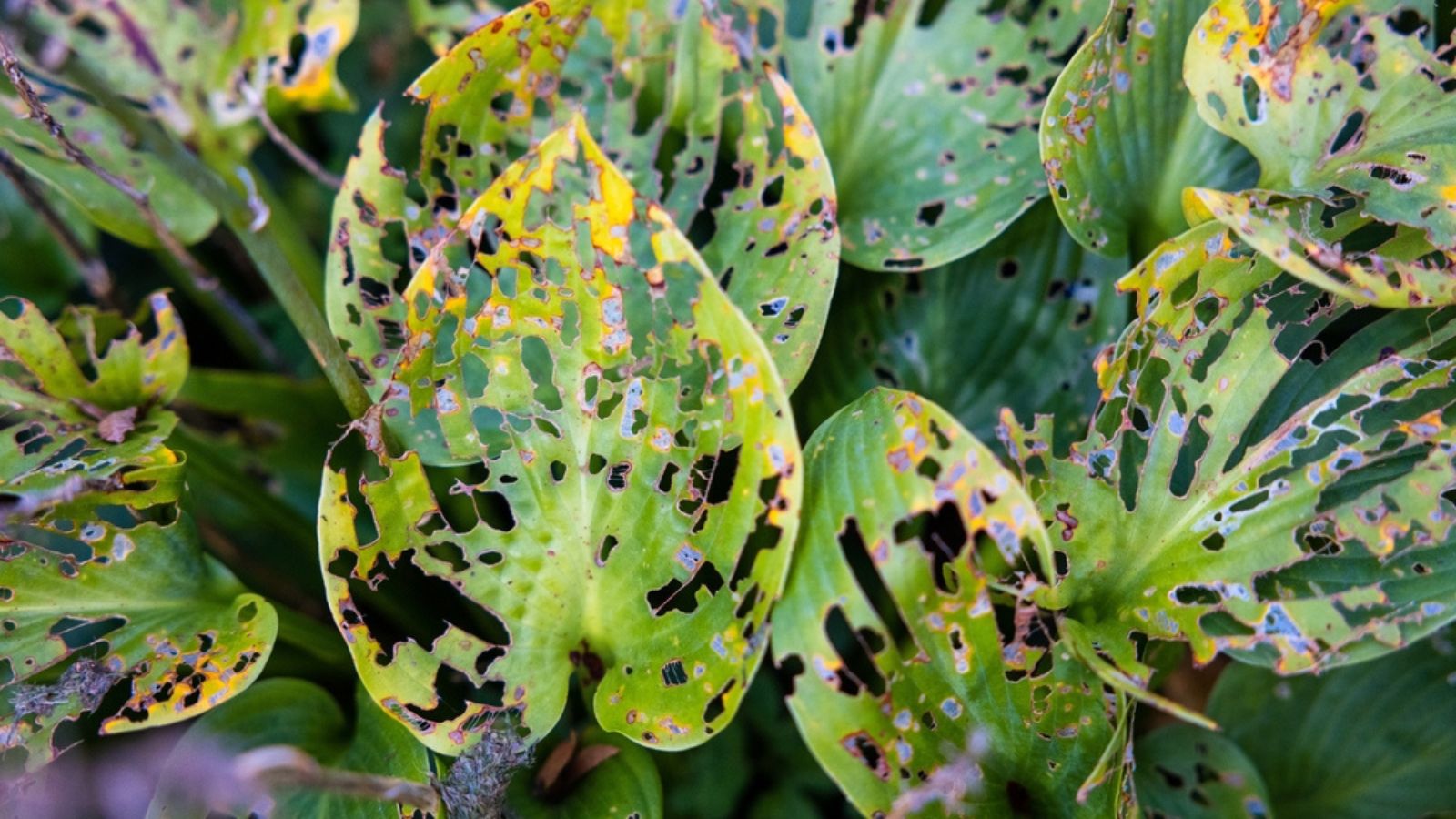
Remove spent crops with confirmed disease problems, along with rotten fruit and affected fallen foliage. Clearing diseased plant material helps reduce the risk of infection spreading.
Keep that material out of a cool home compost pile. Diseased plants need sufficiently hot, thorough composting to reduce the risk of carrying the problem back to your beds. If you can’t manage that, use an appropriate local disposal route.
Healthy annual crops are a different matter. Where there’s no known root disease or root-feeding pest problem, you can cut plants at soil level and leave their roots to decompose. Put healthy tops in the compost, and leave sound perennial stems and seed heads standing where they’re useful to wildlife.
Being selective matters. A diseased tomato vine and a healthy clump of native flowers don’t need the same treatment.
3. Add finished compost in amounts your soil can use
Spread mature, plant-based compost over beds that need it, without turning the whole bed over. Finished compost should be crumbly and earthy-smelling, rather than hot or full of recognizable kitchen scraps.
For an established vegetable bed, around half an inch of plant-based compost is a reasonable soil-building application. Adjust that to your soil test and the condition of the bed, rather than treating it as an annual obligation.
More isn’t automatically better. Repeated heavy applications of compost, especially manure-based compost, can create nutrient imbalances and excess salts. You can protect the surface with leaves or straw without adding another thick layer of rich compost.
I’d rather use a modest amount where it’s needed than empty the compost heap onto a bed that’s already well supplied.
4. Cover empty beds before winter weather wears them down
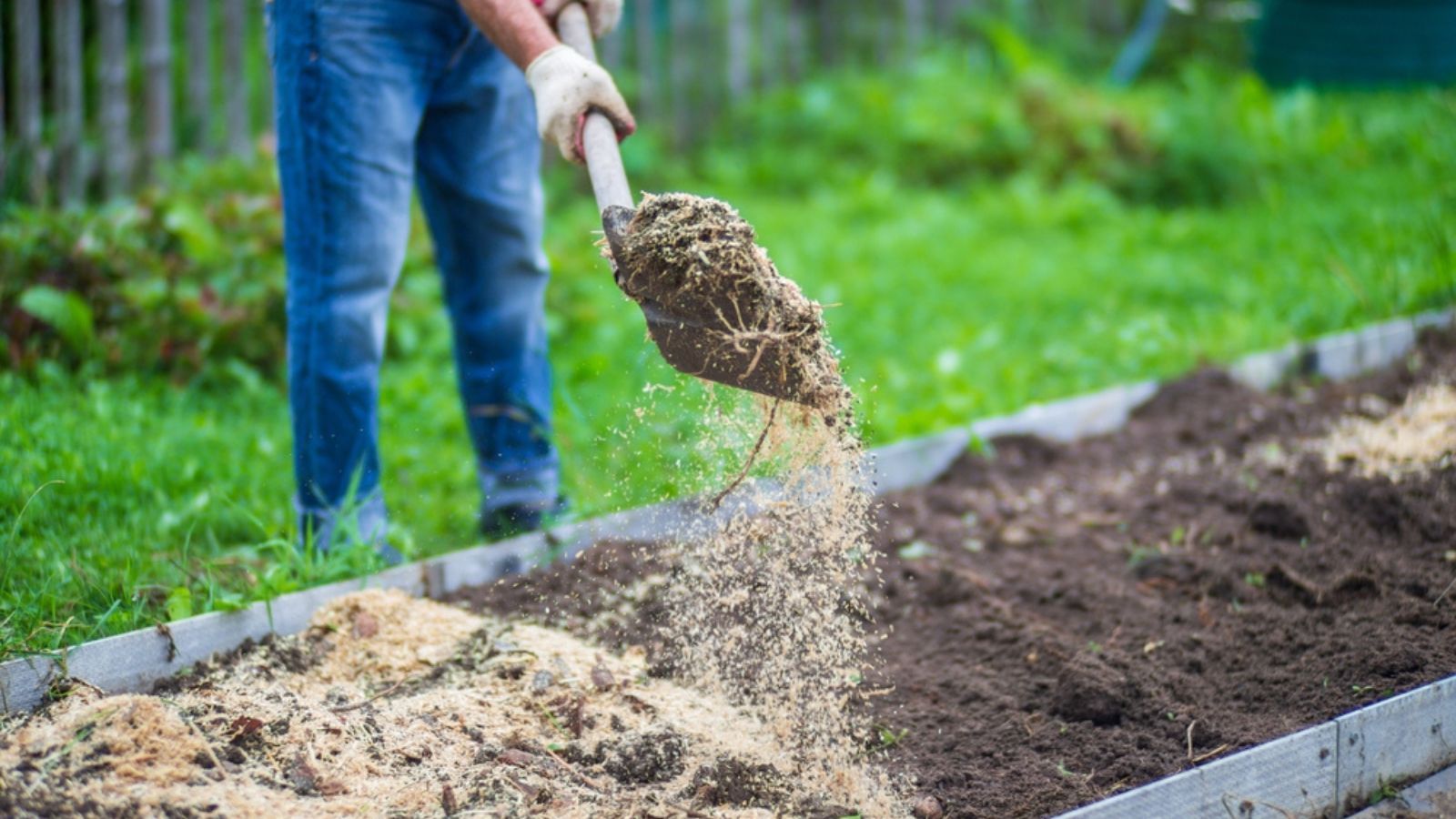
A layer of organic mulch protects soil from heavy rain and erosion, while helping to suppress weeds. You don’t need to leave vegetable beds exposed just because there’s nothing to harvest from them.
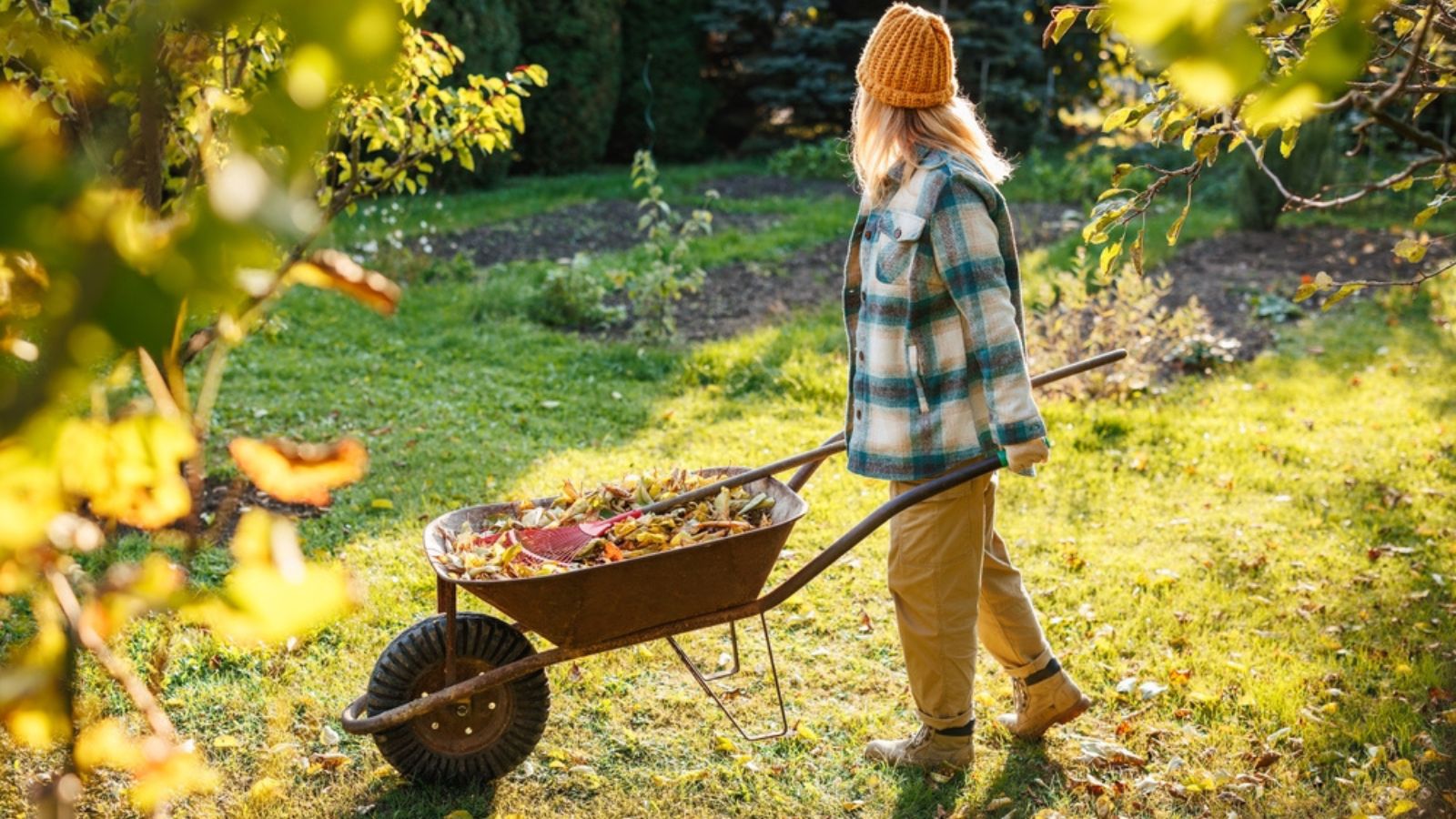
On an empty bed, one to two inches of fallen leaves can provide useful winter cover. Weed-free straw is another option. Keep mulch away from the crowns of overwintering plants and the trunks of fruit trees.
Leave whole leaves in habitat areas rather than shredding everything for a tidier finish. On growing beds, check that wet leaves haven’t formed a heavy mat over small plants.
In spring, pull mulch back from the strips where you’ll sow fine seeds. You need good seed-to-soil contact, and a thick covering can keep the ground cool when you’re waiting for it to warm.
5. Keep spare leaves for leaf mold and future compost
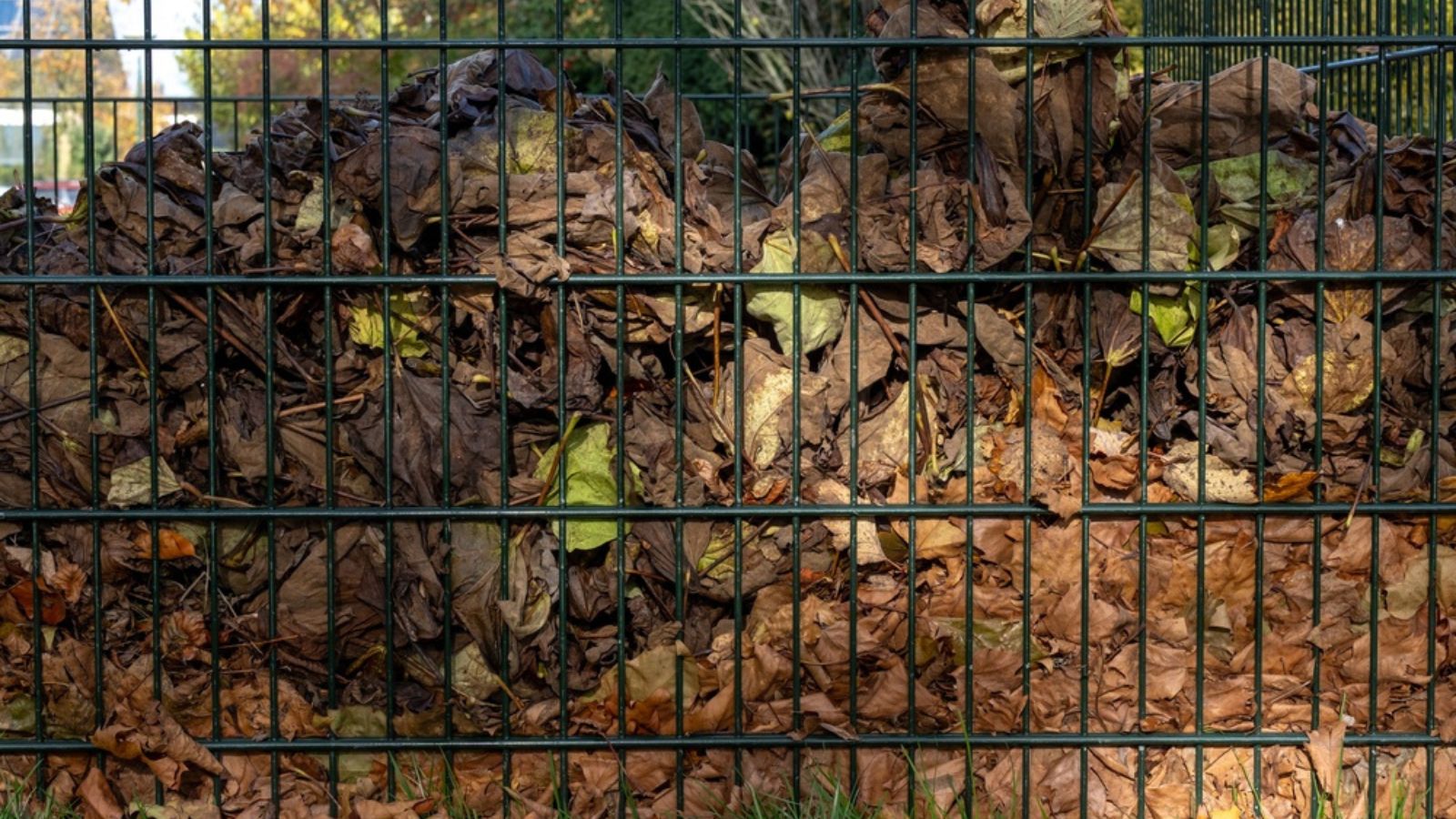
Gather surplus healthy leaves into a simple wire enclosure or a reused bag with drainage and ventilation holes. Dampen dry leaves, then leave them somewhere they won’t dry out completely.
As they decompose, they become leaf mold, a useful mulch and soil-building material. Decomposition speed varies with the leaves and the conditions, so judge the material by its texture. Partly broken-down leaves can be used as mulch; finer, crumbly material is easier to use around smaller plants.
Don’t count on a fresh pile becoming fine leaf mold by spring. You can use leaves as surface cover while the rest continues breaking down.
Set aside some dry leaves, too. They’re a handy carbon-rich addition when your compost heap is receiving plenty of wet vegetable scraps and fresh green growth. Keeping a supply nearby makes it easier to balance those additions.
6. Sow a cover crop only if you can establish and manage it
Cover crops protect vacant beds with living roots and foliage. But they need time to grow before winter, and you need a plan for getting the bed ready afterward.
In cold-winter regions, oats can be a useful choice because they die over winter and their residue breaks down relatively quickly in spring. They need an early enough sowing to make worthwhile growth. Don’t assume they’ll die in a mild winter.
Winter-hardy crops such as cereal rye can protect soil later into the season, but they’re harder to stop growing without digging or other intervention. I’d be cautious about sowing rye into a small bed earmarked for early spring salads. Check the crop’s local sowing window and how you’ll end its growth before buying seed.
If your sowing window has passed, mulch the bed instead. A covering of leaves is more useful than a late scattering of seed that barely germinates.
7. Stop walking on your growing soil
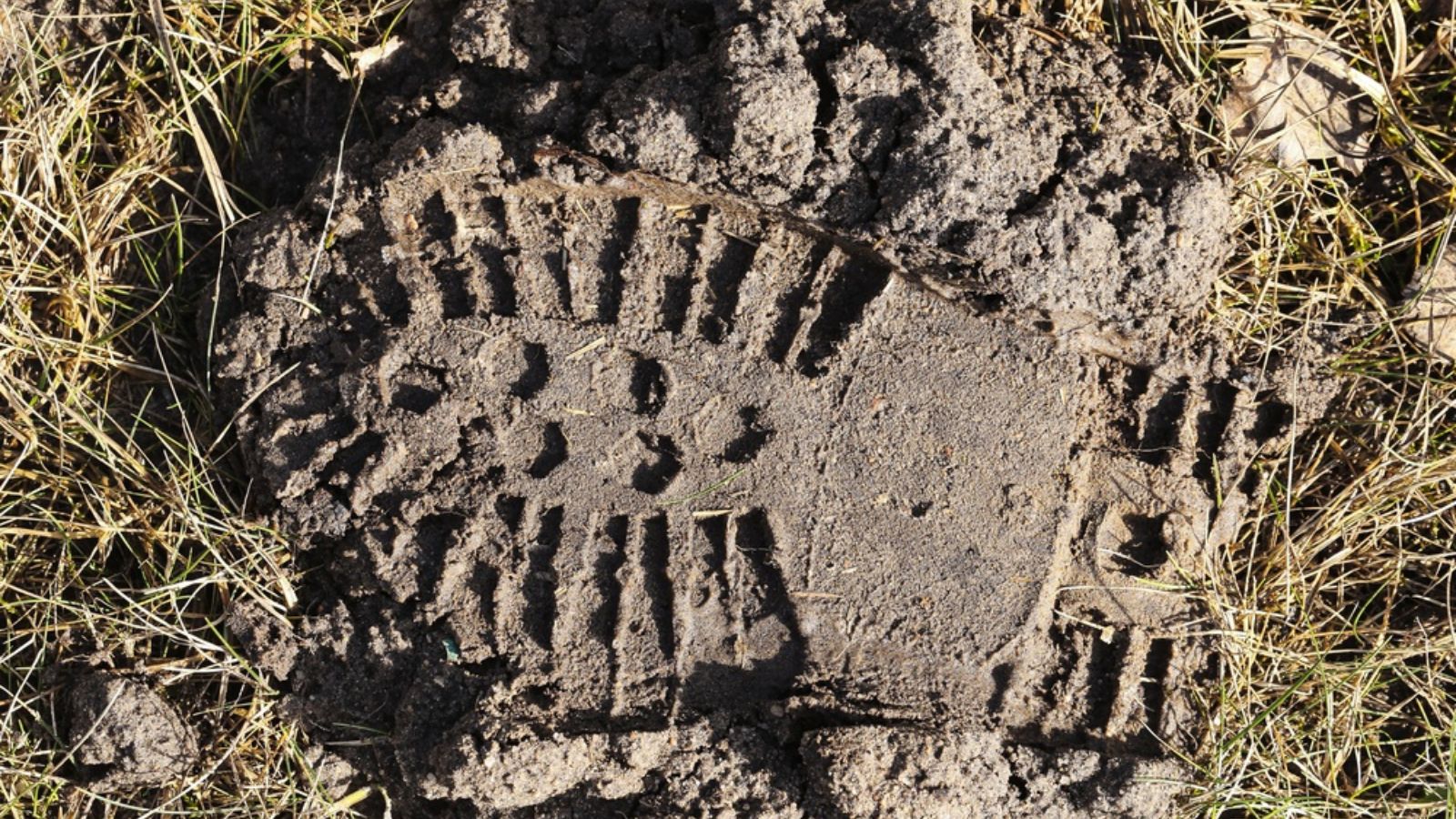
Mark out permanent paths so you can weed, harvest, and reach across a bed without stepping into it. Foot traffic, especially on wet soil, causes compaction, reducing the space available for air, water, and roots.
Fall rain also makes drainage problems easier to spot. Look for repeated puddling, runoff cutting through a bed, or a roof downspout sending water straight into the vegetable patch. Note where the water comes from before deciding how to manage it.
A low spot may need a different planting choice or a raised growing area rather than another bag of soil improver. Keep access routes clear and deal with an obvious blocked outlet where it’s safe and appropriate to do so.
Wait until soil is workable before changing bed shapes. If it smears on your tools and clings in sticky lumps, leave the digging for another day.
8. Leave shelter for the insects you want next year
Healthy leaves, standing stems, and small brush piles provide winter shelter for pollinators and other invertebrates. Clearing every corner removes habitat along with the mess.
Keep some leaf litter beneath shrubs, leave healthy perennial flower stems standing, and retain a small undisturbed patch away from your main growing beds. Where you already have suitable native plants, let their surrounding habitat stay intact through winter.
I’d prioritize keeping that existing shelter over buying an insect hotel. It costs nothing, and it makes use of places insects may already have chosen.
A productive garden can have clear paths and manageable vegetable beds alongside a less tidy border. You don’t have to abandon the whole space to make room for wildlife.
9. Save seed from healthy plants that earned their space

Open-pollinated beans and peas are straightforward crops for beginner seed saving. Let selected pods mature and dry on healthy plants, then shell them and make sure the seeds are fully dry before storing.
Label each batch with the crop, variety, and year, and keep it somewhere cool and dry. Add a note about why you saved it, such as good flavor, reliable cropping, or a useful harvest date.
Seeds from F1 hybrids may grow, but their offspring won’t reliably match the parent variety. And don’t save seed from plants with a disease that could pass through seed.
If everything has already been harvested, sort the seed you have instead. An inventory now can stop you buying three more packets of something that’s already sitting in a drawer.
10. Plan spring beds around this season’s results
Sketch where your crops grew while you still remember, and note what struggled, what cropped well, and what you actually ate. Include awkward details, such as a bed you avoided watering because getting the hose there was a nuisance.
Use that sketch to rotate crop families where space allows. Moving tomatoes into last year’s potato bed doesn’t achieve much because they’re in the same family. In a small garden, combine sensible rotation with healthy planting material, suitable spacing, and disease-resistant varieties where relevant.
Plan smaller, repeated sowings for crops you want to harvest steadily, rather than filling a bed with more lettuce than you can eat at once. Choose intervals that suit the crop and local growing conditions.
Then make one practical improvement before spring arrives. Repair the trellis that collapsed, bring water closer to the difficult bed, or give an overcrowded crop more room. Fixing a problem you already know about is a better use of your time and money than buying something and hoping it helps.
You might also like…
How To Plant Garlic In Fall For Bigger Bulbs Next Summer
Should You Leave Carrots In The Ground After The First Frost?