
Affiliate disclosure: This post may contain affiliate links. Please see full disclosure.

March is too early for some vegetables, even under cover, in many regions, like cucumbers and squashes, and it’s too late for others. You’re cutting it fine for long season tomatoes, by now, for example.
And then there’s Fool’s Spring as we call it ‘round these parts. Those first really early, beautifully warm days that fool you into thinking you can rush outside and plant alllllll the things. I’ve been caught out more times than I want to admit. I’m a master gardener, and I know better. But sometimes those pretend spring days and my excitement to get growing still gets the better of me.
March is a super-busy time in the garden, especially the veggie patch. Here’s what you should be sowing.
1. Peas

Peas are one of my absolute favorite March crops because they genuinely prefer cool weather. They germinate best when soil temperature is between 45°F and 75°F (7°C and 24°C), and they can handle a light frost without flinching. Waiting until the soil warms up actually works against you — peas sown in cool, damp soil in early March often outperform ones sown in warm soil in May.
Direct sow them 1 inch deep and 2 inches apart as soon as the ground can be worked. Give them a trellis or some kind of support immediately — even a stick and some twine works. In most temperate zones, you can expect germination in 7–14 days and harvests around 60–70 days later. ‘Sugar Snap,’ ‘Little Marvel,’ and ‘Oregon Sugar Pod’ are all solid March performers.
2. Spinach

Spinach is incredibly cold-tolerant and one of the fastest crops you can grow from seed. Mature plants can survive temperatures as low as 15°F (-9°C) with protection, and seedlings handle light frosts without much trouble. Sow it directly into the garden in March, about ½ inch deep, and thin to 4–6 inches apart once seedlings are established.
The catch with spinach is bolting. Once temperatures consistently hit the mid-70s°F (around 23°C), spinach shifts into reproduction mode and the leaves get bitter fast. March sowing takes advantage of that cool window and gets you a solid spring harvest before that happens. I sow a short row every 2–3 weeks through April to extend the season.
RELATED: The Ultimate Guide to Growing Spinach
3. Lettuce

Same idea as spinach — lettuce thrives in cool weather and tends to bolt and turn bitter once summer heat kicks in. Sow seeds directly ¼ inch deep in early to mid-March, or start transplants indoors 4–6 weeks before your last frost date. Germination usually happens in 7–10 days. Thin to 6–8 inches for heading types, or harvest looseleaf varieties as a cut-and-come-again crop.
Loose leaf varieties like ‘Black Seeded Simpson’ or ‘Red Sails’ are forgiving and productive. If you get a late frost after seedlings emerge, a simple row cover will protect them. I keep a roll of lightweight frost fabric in the garage from February through May. It earns its keep every single year.
4. Kale
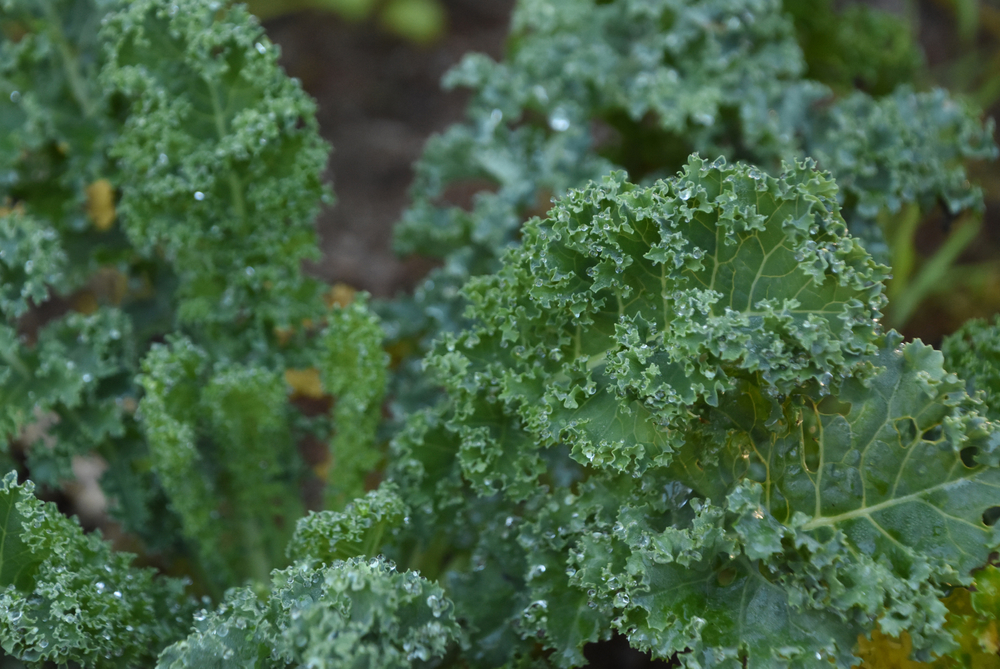
If you haven’t already got kale growing from a fall sowing, March is a great time to start fresh. Kale germinates in soil temps as low as 45°F (7°C) and actually tastes better after frost exposure — the cold converts starches to sugars and the flavor deepens noticeably. Sow seeds ½ inch deep and thin to 12–18 inches apart once seedlings are a couple of inches tall.
‘Winterbor,’ ‘Lacinato’ (also called Tuscan or Dinosaur kale), and ‘Red Russian’ are all excellent. Start indoors under lights in early March if your ground is still frozen, or direct sow in mid-to-late March once soil can be worked. A March planting will give you harvests from late spring well into fall if you harvest from the outside leaves in.
5. Swiss chard
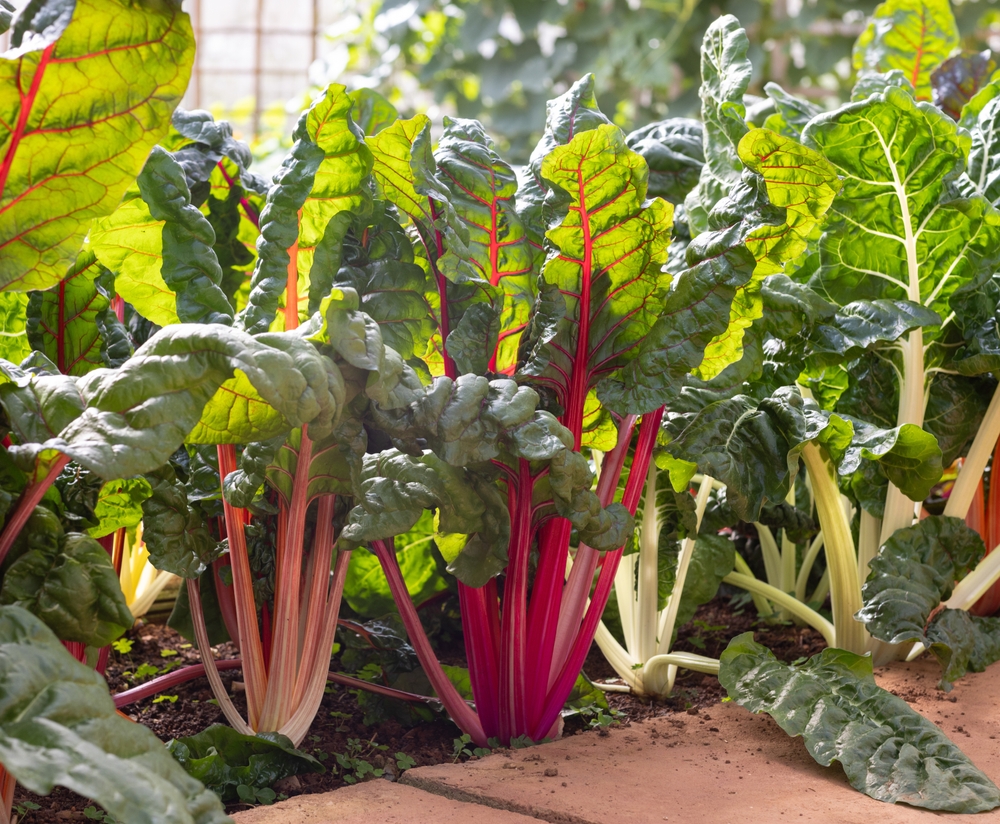
Swiss chard is tougher than it gets credit for. It tolerates light frosts and performs well in cool spring conditions, making March an ideal time to get it going. Sow seeds ½–1 inch deep and 4 inches apart, thinning to 9–12 inches once seedlings are established. Germination takes about 7–14 days in cool soil.
Chard is in the same family as beets and has a similar slightly earthy flavor that’s milder than kale. I use the leaves exactly like spinach in cooked dishes, and the stems can be braised separately or added to soups. ‘Bright Lights’ gives you a rainbow of stem colors if you want something beautiful in the garden. ‘Fordhook Giant’ is my workhorse choice for sheer productivity.
6. Radishes
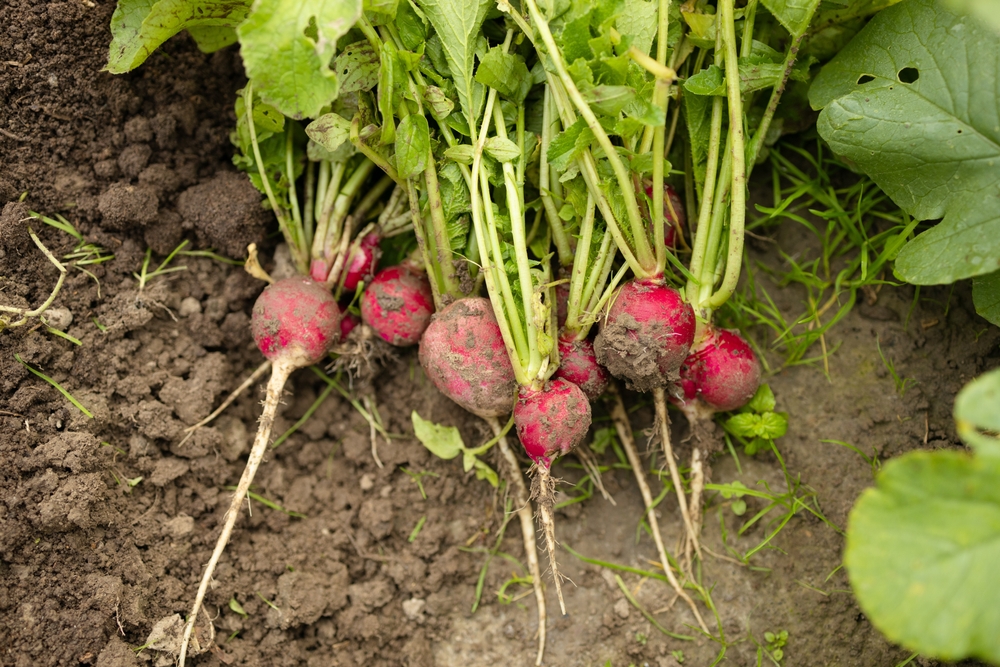
Radishes are the instant gratification crop of the spring garden. Many varieties mature in just 22–28 days from sowing, which means a mid-March planting can have you pulling roots by early April. They prefer soil temperatures of 50°F–65°F (10°C–18°C) and handle light frosts just fine. Sow seeds ½ inch deep and 1 inch apart, thinning to 2 inches once they sprout.
Don’t skip thinning — crowded radishes produce all top and no root, and you’ll be disappointed. Also: don’t let them go too long once they size up. Radishes that sit in the ground too long in warm weather get pithy and hot. Harvest promptly and succession sow every 10 days for a continuous spring supply.
7. Turnips
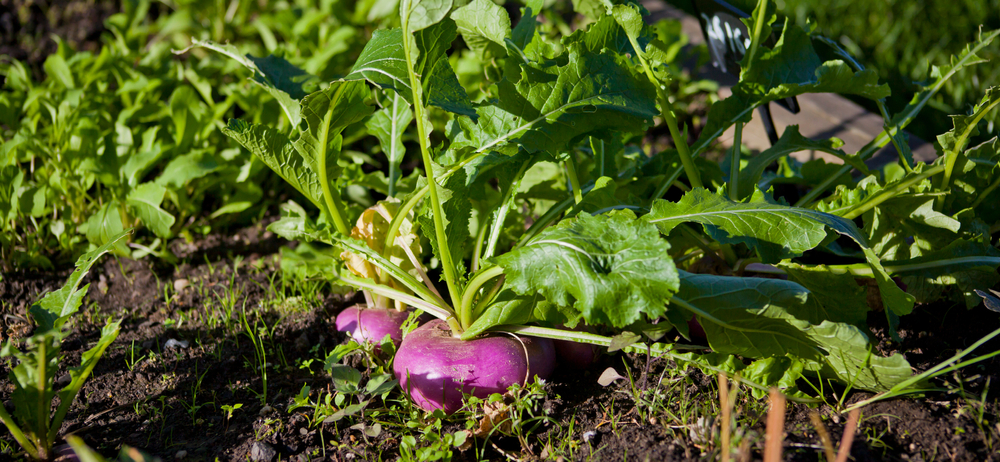
Turnips are one of those vegetables with an undeserved bad reputation. People think they’re bland, but that’s usually because they’ve eaten grocery store turnips grown in the wrong conditions. A fresh salad turnip like ‘Hakurei’ harvested at golf ball size is sweet, crisp, and genuinely delicious raw. Sow in March directly into the garden, ½ inch deep, thinning to 4–6 inches for small varieties or 6 inches for larger ones.
Like radishes, don’t let them sit too long once they’ve reached harvest size — they get fibrous and stronger flavored. Harvest the greens too. They’re perfectly good in stir-fries or sautéed with a little garlic, and it’s free food growing right there alongside the root.
8. Carrots
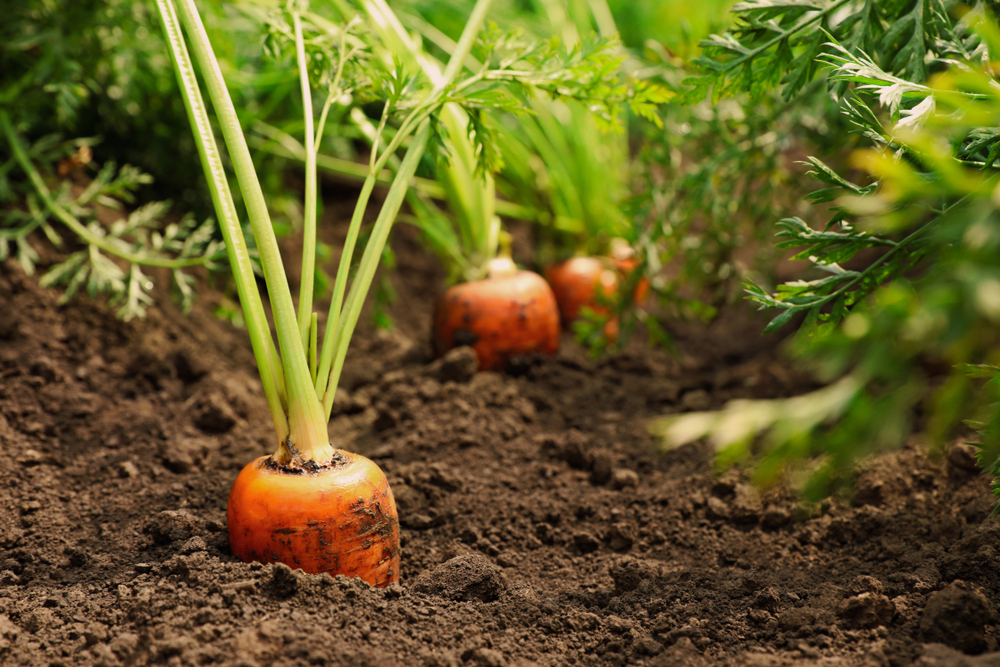
Carrots can be direct sown in March once soil temperatures hit at least 45°F (7°C), though they germinate most reliably between 55°F and 75°F (13°C and 24°C). The tricky part is that carrot seeds are tiny, slow to germinate (anywhere from 14–21 days in cool soil), and the seedlings look almost identical to grass when they first emerge. Sow shallowly — about ¼ inch deep — into well-loosened, stone-free soil, and water consistently to keep the surface from crusting over.
Thin to 2 inches apart once seedlings are a couple of inches tall. Crowded carrots fork and twist. I mark my carrot rows with a fast-germinating radish seed mixed in — the radishes mark the row, break the soil crust, and get harvested before they compete with the carrots. It’s one of those little tricks that actually works.
9. Beets
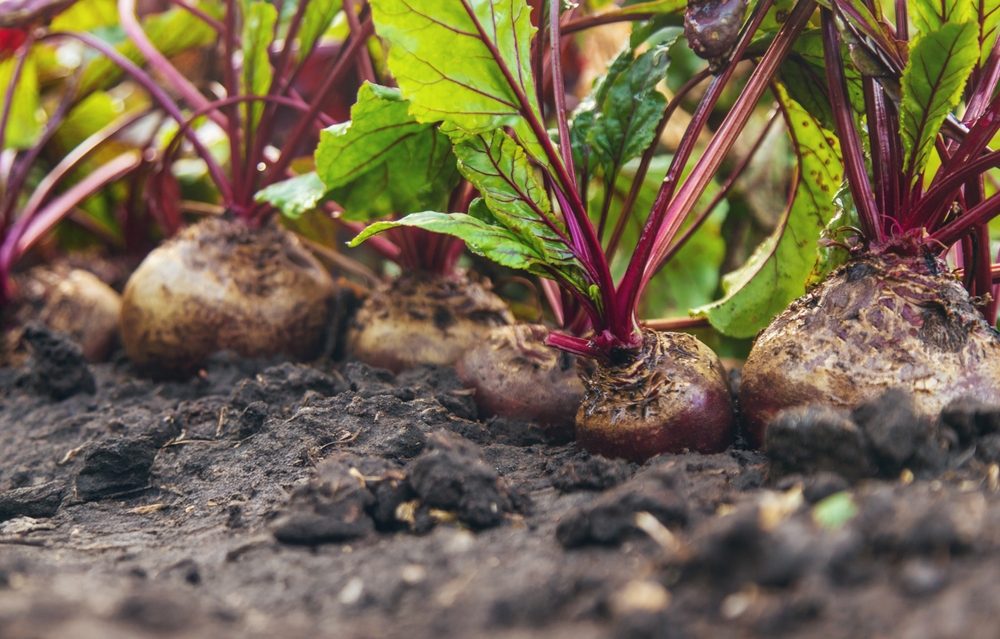
Beets are a March workhorse. They tolerate light frosts and can be direct sown as soon as the soil is workable. What most people don’t realize is that what looks like a single beet seed is actually a cluster of 2–4 seeds, which means thinning is non-negotiable. Sow about ½ inch deep and 1 inch apart, and thin to 3–4 inches once seedlings are 2 inches tall. The thinnings are delicious as microgreens.
Don’t forget the beet greens throughout the season — they’re tender and tasty when young, and free. And, once they’re mature, you can use them like cabbage leaves or older spinach and shred them for stirfries. ‘Detroit Dark Red’ is the reliable classic. ‘Chioggia’ is beautiful and slightly milder. ‘Golden’ beets don’t bleed when you cut them.
10. Leeks
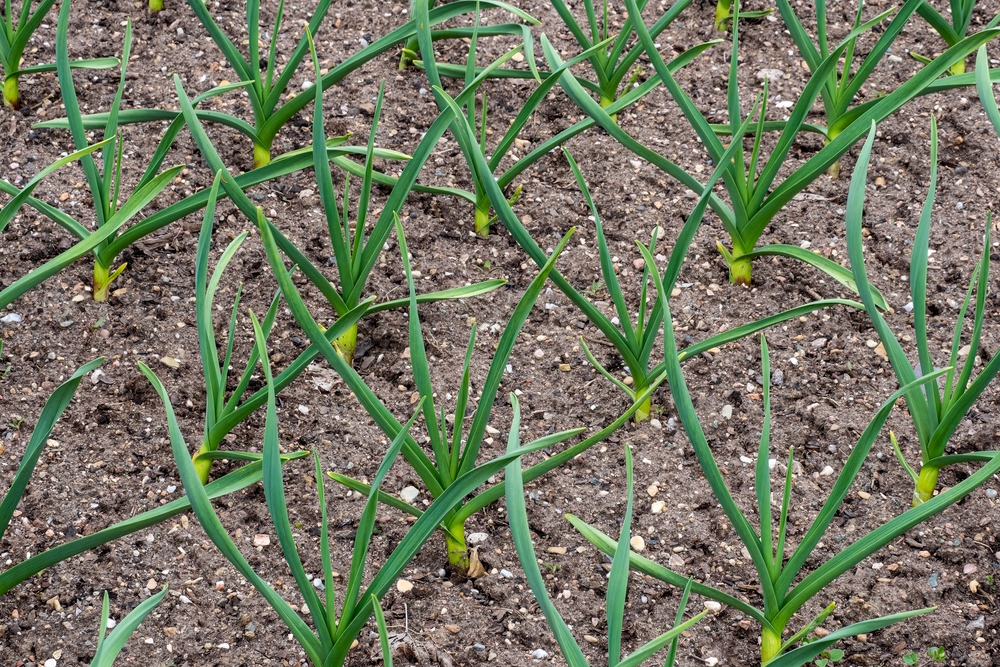
Leeks need a long season — most varieties take 100–120 days to reach full size — which makes March a perfect time to start seeds indoors. Sow seeds ¼ inch deep into cell trays or small pots under lights, maintaining soil temperatures around 60°F–70°F (15°C–21°C) for best germination. Expect seedlings in 10–14 days.
Transplant outdoors 6 inches apart once they’re pencil-thick and frost risk has passed. Plant deep or mound soil up around them as they grow (a technique called blanching) to encourage long, white, sweet shanks. I sow leeks in March every year because come January, they’re still standing in the garden feeding us when almost everything else has given up.
11. Onions

March is prime time for starting onion seeds indoors, or for planting onion sets outdoors once soil temperatures reach around 50°F (10°C). From seed, onions take a very long time — 100–175 days depending on variety — so early March starts give you a serious head start. Sow seeds ¼ inch deep into trays under grow lights, and expect germination in 7–10 days at soil temperatures around 65°F–70°F (18°C–21°C).
If you’re using sets (small bulbs) rather than seeds, you can push them directly into the ground in March in most temperate zones. Plant them 1 inch deep and 4 inches apart, leaving just the tip visible. Long-day varieties like ‘Walla Walla’ or ‘Yellow Sweet Spanish’ work well for northern growers; short-day types are better for zones 7 and south.
12. Broccoli

Broccoli is a cool-season crop that actually produces better heads when temperatures stay between 65°F and 80°F (18°C and 27°C) during development. Too much heat and the heads button (form loose, premature, tiny florets) or bolt straight to flower. Starting transplants indoors in early March and getting them in the ground 3–4 weeks before your last frost date usually hits that sweet spot.
Sow seeds ¼–½ inch deep and aim to transplant at 4–6 weeks old, when seedlings are 4–6 inches tall. Space transplants 18 inches apart. Once you harvest the central head, keep the plant in the ground — most varieties will produce smaller side shoots for weeks afterward. That second flush is worth having.
13. Cabbage
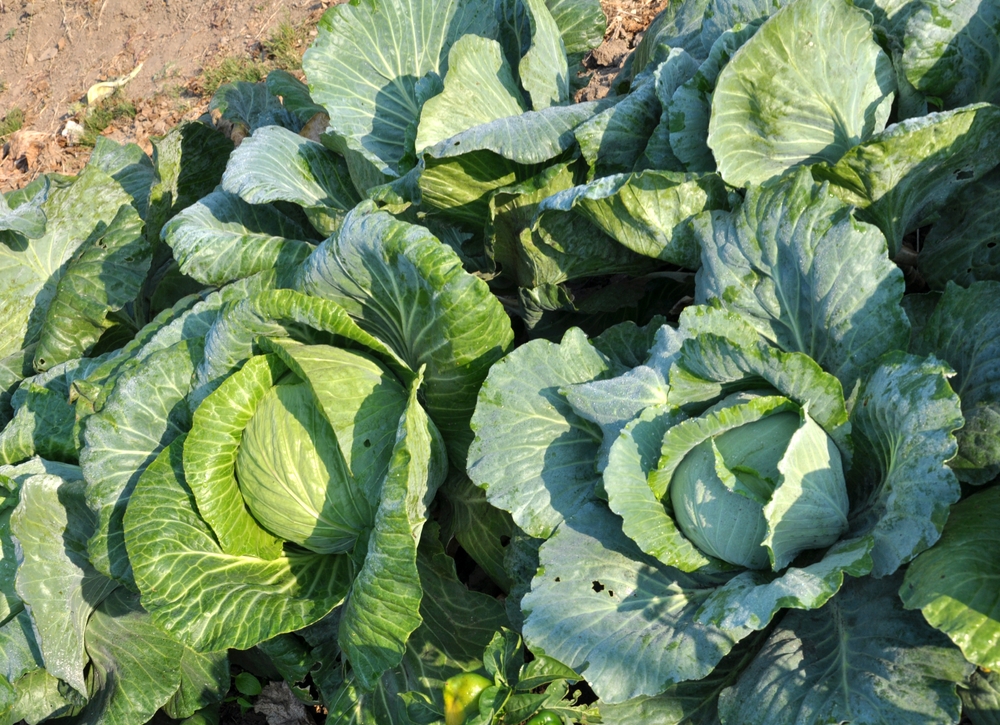
Cabbage needs exactly the same head start as broccoli: seeds started indoors in early March, transplanted out 3–4 weeks before your last frost date, 12–18 inches apart depending on variety. It’s a heavy feeder, so work compost into the planting hole and side-dress with a balanced fertilizer once heads begin to form.
Watch for cabbage moths and aphids once plants go outside. A fine mesh net over the plants from transplant day does most of the pest management work for you. ‘Early Jersey Wakefield’ is a compact early variety perfect for spring planting. ‘Savoy Ace’ is more forgiving in fluctuating spring temperatures.
14. Peppers (indoors only)
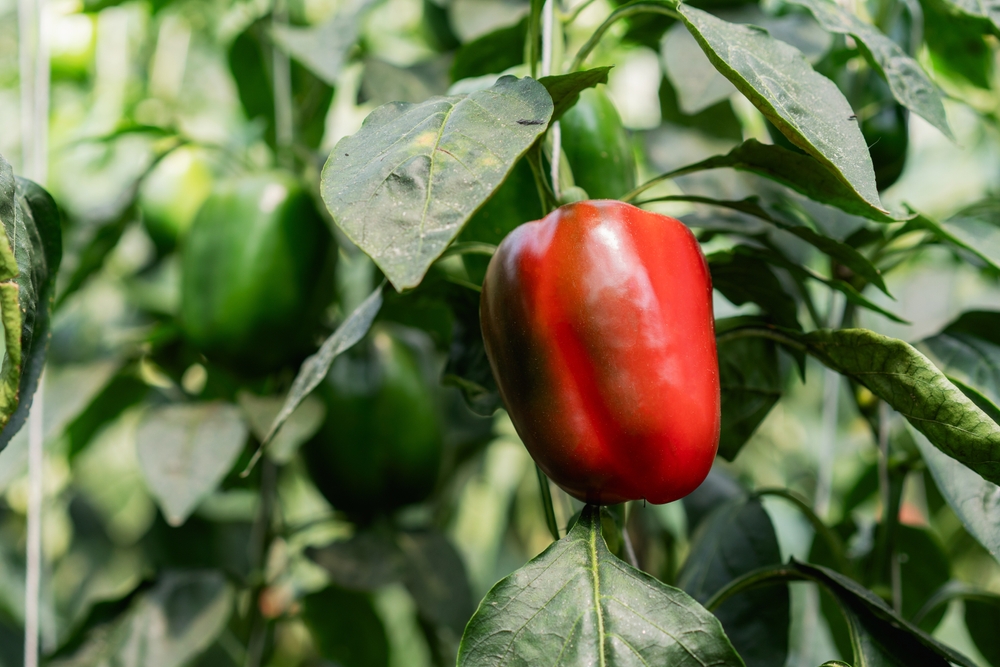
Let me be absolutely clear: peppers are not going outside in March. But March is one of the best months to start them indoors. Peppers need 8–10 weeks before they’re ready to transplant, and they won’t go in the ground until nighttime temperatures are consistently above 50°F (10°C) and soil is at least 60°F (15°C). Starting now means they’ll be the right size at the right time.
Pepper seeds need soil temperatures of 70°F–75°F (21°C–24°C) to germinate reliably — a heat mat under the seed tray makes a real difference. Germination can take anywhere from 10–21 days without heat, and you can lose a lot of time waiting. Sow 2–3 seeds per cell and thin to the strongest seedling once they’re up. Once you’ve got three sets of true leaves and they’ve been hardened off properly, they’ll be ready to hit the garden in late May or early June.
RELATED: How Cold is Too Cold for Peppers?
15. Tomatoes (indoors only)

Same principle as peppers, and same firm boundary: tomatoes stay inside in March. But starting them now — especially if you’re in zones 5–6 — is exactly right. Too early and you get root-bound, leggy seedlings that struggle at transplant time. Aim for 6–8 weeks before your last frost date, which for many temperate gardeners puts the start window squarely in early-to-mid March.
Sow seeds ¼ inch deep in seed-starting mix, not regular potting soil. Tomato seeds germinate in 5–10 days at soil temperatures of 70°F–80°F (21°C–27°C). Once seedlings are up, get them under grow lights immediately — a sunny windowsill usually isn’t enough and you’ll get tall, floppy, weak stems that are harder to recover from than you’d think. Bury them deep at transplant time (tomatoes root along their buried stems) and you’ll make up for any legginess in short order.
RELATED: How to Fix Leggy Tomato Seedlings
A quick note on soil temperature
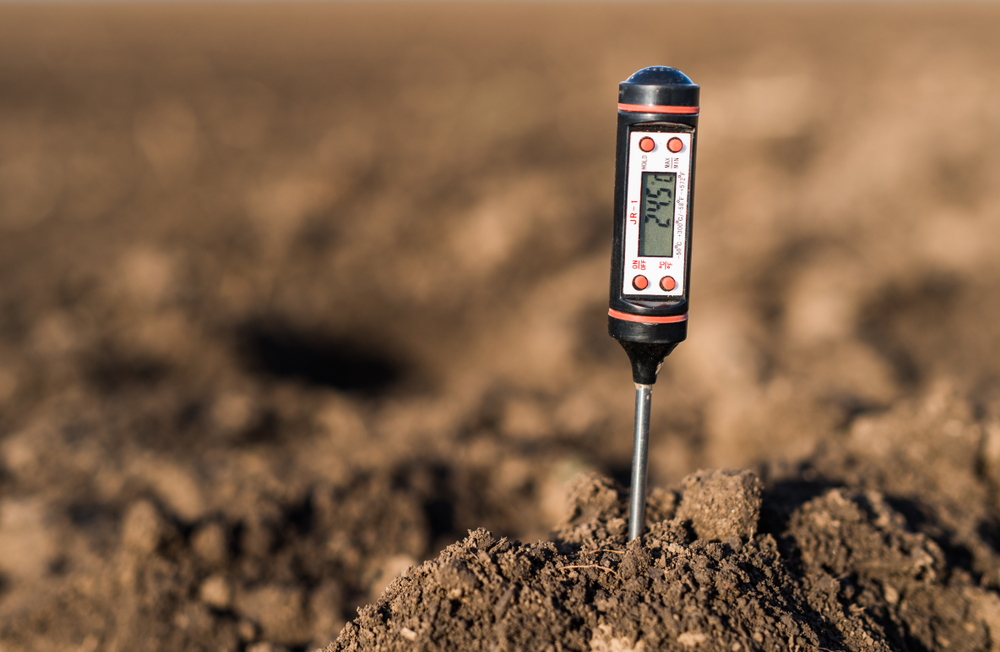
Half the battle in March gardening is understanding that air temperature and soil temperature are not the same thing. Your soil in early March may still be 38°F (3°C) even when daytime air temps are reaching 55°F (13°C). A cheap soil thermometer is one of the most useful tools in the garden. Most of the direct-sow crops above need soil temps of at least 45°F (7°C), and a few need 50°F (10°C). It takes about 5–7 days of consistently warmer air for soil temps to follow, so factor that in when you’re eyeing the forecast and itching to plant.
March is the month when the garden starts coming back to life in earnest. Get the cold-tolerant crops in the ground, get the warm-season crops started under lights, and you’ll be well ahead of the game when the real growing season hits.
You Might Also Like…
How to Grow Strawberries From Scraps
Lifecycle of Broccoli: From Seed to Senescence
12 Best Herbs and Flowers for Companion Planting With Vegetables