
Affiliate disclosure: This post may contain affiliate links. Please see full disclosure.
Picture this: the forecast says “winter storm,” but you’ve heard that before. You finish work, swing by the store, and suddenly you’re staring at a wall of empty shelves where the bread, milk, and bottled water usually live. Everybody’s pushing carts like it’s a contest, the card machines are glitchy, and you’re calculating how long your half-bag of rice at home will last if the power actually does go out.
That’s the moment a lot of people decide they “believe” in prepping. Not because they turned into doomsday preachers overnight, but because they’re cold, tired, annoyed, and over it. The pain of being unprepared finally outweighs the effort of doing a little ahead of time.
Here’s the thing: smart people already prep. They just call it other names. You keep a spare tire in the trunk. You put smoke alarms in the house. You back up your files. You buy insurance and hope it’s a waste of money. That’s all prepping: accepting that life goes sideways sometimes, and making sure one small problem doesn’t turn into five big ones.
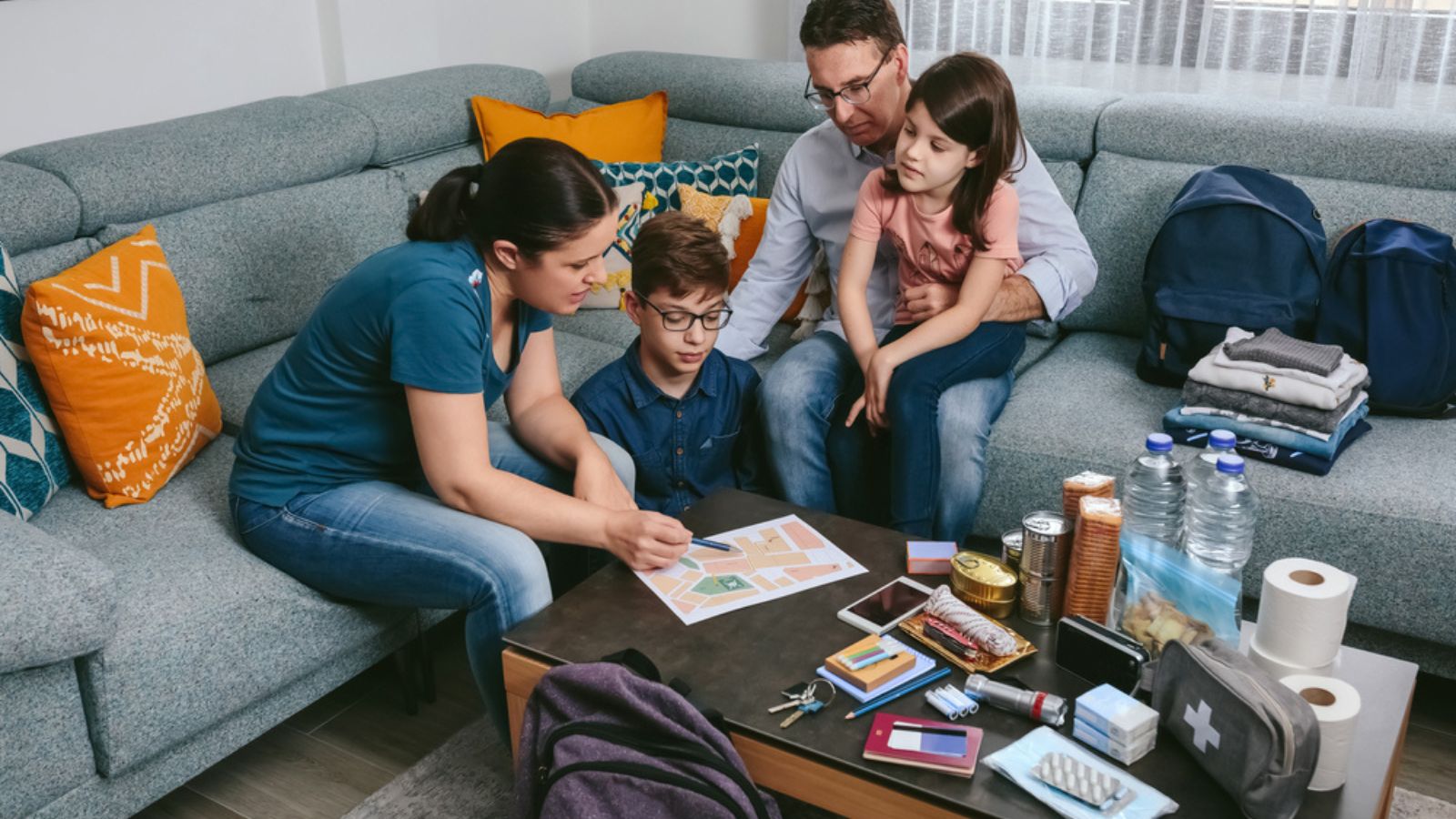
What most folks picture when they hear “prepper” is some TV caricature, a bunker in the backyard, ten years of MREs, night-vision goggles, everyone yelling. That’s not what I’m talking about. I’m talking about normal families quietly building a pantry, some backup water, a better first-aid kit, a little cash, a plan for storms and job loss, and the skills to handle the everyday curveballs life throws. No bunker required.
If you’re a logical person, you already know the big stuff is outside your control: the grid, the weather, the economy, your boss’s decisions, what people panic-buy next. Prepping is about everything you can control inside your own four walls. What’s in your cupboards. Whether you can eat if the lights go out. Whether the dog has food when the shelf at the store is empty. Whether you can leave in a hurry and still function if you have to evacuate.
Done right, prepping doesn’t make your life weirder. It makes Tuesday easier. It’s the reason you can skip a grocery run when you’re exhausted, ride out a short power outage without drama, and handle a surprise bill without immediately reaching for the credit card. It’s boring food on the shelf, not a fantasy about the world ending.
So if you’ve always thought, “I’m too rational to be a prepper,” this one’s for you. I’m going to walk through 24 very practical, non-hysterical reasons smart people are quietly getting ready now, before the next storm, layoff, or “out of stock” sign shows up. And by the end, I want you to see prepping for what it actually is: taking good care of future you, in a world that isn’t nearly as stable as we pretend.
1. Because prepping is just insurance you can eat

You already buy insurance for the house, the car, maybe your teeth. You don’t expect to crash the car or have a house fire every year, but you still pay the premium because you like having a safety net. A working pantry and some basic gear is the same idea, except the “premium” is beans, rice, canned tomatoes, extra dog food, and a couple of water containers instead of paperwork.
Official emergency advice backs this up. In the US, agencies like FEMA and the Red Cross tell people to keep at least a three-day supply of non-perishable food and one gallon of water per person, per day, plus a way to open cans and eat without power. That’s not doomsday cult territory, that’s boring government PDF territory. All you’re really doing when you “prep” is extending that cushion and tailoring it to your household.
If nothing ever goes wrong, you use it up in normal meals and rotate it. If something does go wrong, you’re not trying to live for a week on a stale loaf of bread, peanut butter, and sad granola bars. You gave your future self an edible safety net.
2. Job loss and income dips are more likely than the apocalypse

If we’re being logical, the thing most likely to smack your budget isn’t a meteor. It’s losing a job, hours getting cut, a surprise bill, or suddenly going down to one income. Job loss is common enough that researchers have whole fields built around it, and long-term unemployment is tied to reduced earnings for years afterward.
If you’ve got a month or two of normal food, toiletries, and household basics in the house, you can radically cut your grocery spending while you regroup. Instead of putting necessities on a credit card at 20% interest, you eat from your shelves and just top up fresh stuff. That doesn’t magically fix a layoff, but it gives you time and a little breathing space, which is often the difference between “horrible but manageable” and “we’re in a hole we can’t climb out of.”
3. Prices don’t stay still, and pantry prepping is just math


You’ve probably noticed how often the same bag of rice or coffee jumps around in price. Food and energy are some of the jumpiest bits of the budget. Stocking up when prices are reasonable and you have the money is a logic problem, not a vibes problem.
If you buy food you actually use, with decent shelf life, you’re freezing part of your cost of living at today’s prices. That might mean buying a case of canned beans when they’re on genuine sale rather than grabbing one or two at full price every week. Over a year or two, that adds up. You’re not hoarding; you’re flattening out inflation and price spikes with a shelf instead of a spreadsheet.
The key is to treat your pantry like a working store. You rotate older things to the front, write the purchase date on the top with a Sharpie, and actually cook from it. That way, the money you park in food is still fully usable, not locked up in weird novelty tins nobody wants to open.
4. Everyday shortages are annoying long before they’re dangerous

We all watched toilet paper vanish. Then baby formula. Then random bits of cold medicine. It doesn’t have to be world-ending to be stressful when the thing you rely on just… isn’t there this week. Supply chains are deliberately lean. A few hiccups and the shelf that’s always full is empty.
Prepping around this is simple. You pick the handful of items that are mission-critical for your household and you quietly keep extra. That might be your baby’s specific formula, your partner’s preferred period products, your own go-to migraine meds, or the exact brand of food your dog’s stomach tolerates. When the shelf is bare, you shrug and grab the spare from home instead of driving all over town like everyone else.
This is also where you reduce stress for kids and neurodivergent family members who struggle when “their” brand or texture disappears. It’s not about being picky, it’s about keeping things steady when the outside world is wobbly.
5. Power outages are normal, and a little prep makes them boring

Storms, heat waves, ice, car accidents, grid issues, none of that is exotic. The official advice for power outages boils down to “have some food that doesn’t need cooking, flashlights with batteries, and a way to stay warm or cool until the lights come back on.” This is baseline stuff, not bunker talk.
If you’ve ever sat through a winter outage with no light, dying phone battery, and nothing but a freezer full of uncookable food, you know how fast it stops being quaint. A box of shelf-stable milk, a stack of ready-to-eat meals, some candles or headlamps, a power bank for phones, and a couple of thick blankets turn that same outage into “mild inconvenience, some board games, and early bed.”
You don’t have to buy a generator tomorrow. Just start with “can we eat, hydrate, and see what we’re doing if the power is off for 24–72 hours?” If the answer is no, that’s a very fixable problem.
6. Water is a single point of failure you can patch cheaply

Most of us treat tap water like gravity, so obvious we don’t think about it until it fails. But boil notices, broken mains, frozen pipes, and contamination incidents happen all the time. When they do, the “one gallon per person per day for at least three days” guideline that emergency agencies repeat starts to look very sensible.
Storing water is one of the easiest, cheapest preps. You rinse out a few sturdy juice bottles or buy a couple of 3–5 gallon containers, fill them from the tap, label and date them, and tuck them somewhere out of the sun. If you want to be more thorough, you add a simple water filter or purification tablets for treating questionable sources later.
The payoff is huge. A burst pipe at 10 p.m. in a snowstorm becomes “annoying logistics” instead of “we’re rationing bottled water and skipping teeth-brushing.” You can boil and filter later if needed. But step one is simply having water on hand.
7. You really don’t want to meet everyone at the store on storm day

The minute a big storm watch or bad headline hits, the same thing happens: everyone who never plans ahead floods the same handful of stores. Shelves empty fast, tempers are short, and you can almost feel the collective panic buzzing in the air.
If you’ve done quiet prepping, you’re not in that queue. You might pop in for fresh stuff if it’s convenient, but you’re not panicking over bread or batteries because those are already in the cupboard. You’ve topped up gas in the car before the rush. You have enough pet food and baby supplies to skip the madness altogether.
That doesn’t just protect your nerves. It means the people who truly couldn’t stock up earlier, folks on tight budgets or coming off a crisis, have a better shot at finding what they need, because you’re not grabbing the last of it at the same time.
8. Medical hiccups don’t respect office hours

Kids spike fevers at midnight. Adults slice fingers making dinner. Allergies flare at the least convenient moment. None of that is “call an ambulance” territory, but all of it feels a lot worse if you’re rummaging through a nearly empty bathroom cabinet.
Prepared, rational people keep a modest stash of over-the-counter pain relievers, fever reducers, antihistamines, anti-diarrheals, plasters, bandages, antiseptic, and so on. The CDC actually encourages people to talk to their doctors about building a 7–10 day emergency supply of essential prescription meds as part of personal preparedness.
You don’t need to turn the house into a pharmacy. You just want enough on hand that when someone feels awful at 1 a.m., you can treat the basic problem, go back to bed, and deal with doctors and pharmacies when it’s light and safe to drive.
9. Evacuations are fast and messy if you’re not ready

Most people picture packing for an evacuation as a tidy, thoughtful process. In reality, it’s often someone banging on doors or a loudspeaker saying “you need to go now,” plus smoke, sirens, or water where it shouldn’t be. Fire, chemical spills, train derailments, gas leaks, floods, none of those care that you weren’t planning to travel.
This is where go-bags earn their keep. If you’ve already stashed a small backpack for each person with a change of clothes, basic toiletries, some snacks, a bit of cash, copies of key documents, simple first-aid, and any essential meds or supplies, you can be in the car in minutes. Add a crate or bag that lives near the door for pets: extra leash, poop bags, collapsible bowl, a few days of food.
You’re not planning to camp in the woods for six months. You’re planning to get away from danger with your basic needs covered so you can think straight and make good decisions instead of throwing random items into a bin bag.
RELATED POST: FEMA’s Top Disaster Relief Supplies – Should You Stock Them Too?
10. If you care for kids, elders, or pets, “winging it” isn’t good enough

On your own, you can tolerate a lot of discomfort and risk. When you’re responsible for small humans, older relatives, or animals, the calculation changes. Babies might need specific formula. Elders may rely on oxygen, mobility aids, incontinence products, or time-sensitive medication. Dogs and cats don’t do well if you just suddenly swap their food to whatever is left on the shelf.
Prepping here is very practical. You keep extra of the exact formula or food that works. You talk to doctors about backup plans for medications and equipment that depend on power. You stash diapers, wipes, and spare clothes in more than one place. You write down routines and dosages so someone else could step in if you’re the one who gets hurt or stuck.
It’s not about imagining disaster movies. It’s about admitting that even a small disruption hits vulnerable people harder and arranging things so they don’t bear the brunt of your lack of planning.
11. A prepped pantry makes everyday life smoother

Even if you never face a true emergency, having a stocked, organized pantry makes boring weekdays easier. Instead of doing the “what on earth is for dinner, I’m exhausted” stare into an empty fridge, you know there’s pasta, sauce, beans, rice, tinned fish, and veggies you can pull together into something decent.
It also cuts down on those last-minute “I’ll just run out for one thing” outings that turn into impulse spending and wasted time. Your future self gets to come home after a long day, pull a jar of sauce and a bag of pasta off the shelf, and be eating in 20 minutes without adding a grocery run on top of everything else.
This is the overlap between prepping and frugality. You’re reducing chaos, saving fuel and time, and making it much easier to stick to a food budget because the ingredients are already sitting there, paid for, waiting to be cooked.
12. Modern life rests on a lot of fragile systems

We like to pretend everything “just works” in the background: trucks roll, card readers beep, apps refresh, tap water flows, packages arrive. All of that depends on long, complex chains of people, parts, data centers, and infrastructure. When one link gets weird, strikes, storms, cyberattacks, political problems, it ripples through quickly.
Rational prepping is just you looking at that and saying, “Okay, what happens if this particular piece stops for a bit?” If deliveries slow down, you’ve already got staple food in the house. If card payments go offline for a few hours, you’ve got some cash. If the internet is out, you have printed copies of key numbers and addresses instead of everything locked in one dead phone.
You’re not rejecting modern systems. You’re acknowledging they’re efficient but brittle, and giving yourself backup options so a small glitch doesn’t turn into an immediate crisis at your kitchen table.
13. Weather is weirder, and the forecasts say so

You don’t have to agree with the politics to see what’s happening. Official climate and weather bodies are openly warning about more frequent “extreme events”, heat waves, heavy rain, stronger storms, wildfire seasons that run longer than they used to. That doesn’t guarantee your house will be hit, but it does shift the odds enough that ignoring it entirely is more wishful thinking than logic.
Prepping for this isn’t about building an ark. It’s tailored. If you’re in a hot region, backup water, fans, and a way to get to cooler space matters. In a cold area, backup heat, warm layers, and a way to close off rooms counts. Smoke-prone region? Masks, air filters, and a clean-air room plan. Flood-prone? Waterproof storage, evacuation routes, and knowing where high ground actually is.
The weather isn’t going back to the old “normal” just because we find it inconvenient. Smart people adjust to the pattern that’s in front of them, not the one they wish they still had.
14. Panic-brain is terrible at decisions

When something goes wrong, your heart rate spikes, your thinking narrows, and your brain essentially goes “survival first, nuance later.” That’s not the mindset you want when you’re choosing how to purify water, deciding which road to take out of town, or trying to remember your kid’s medication dose.
Prepping now is you doing the thinking while you’re calm and caffeinated. You write down the plan: where the shut-off valves are, which neighbor you’ll check on, which route you’ll take if you need to leave, which person out of town you’ll call to check in with. You label the gear. You show other household members where things live.
Then, when panic-brain shows up, all it has to do is follow instructions. That’s not dramatic; it’s just smart workflow. Pilots and surgeons use checklists for exactly this reason, because nobody makes their best decisions under stress.
15. Small problems stack into big ones if you’re not ready

Real life rarely throws just one thing at you. It’s usually a bundle: you’re tired, the weather is bad, the car is low on fuel, somebody’s sick, and then the power goes out or you get stuck in traffic for two hours. None of those alone are “disaster movie” material, but combined they get hairy.
If you’ve done some basic prepping, each little bump gets sanded down. There’s fuel in the car. There are blankets, snacks, and water in the trunk. The house has shelf-stable food and a way to heat it without power. The dog has food and meds. Your kid’s asthma inhaler isn’t on its last puff.
That doesn’t stop bad days happening, but it does keep them from snowballing into the kind of mess that ends with “I don’t even know which problem to deal with first.” Instead, you’re solving them one at a time.
16. “I’ll just buy it when I need it” only works when everyone else doesn’t

Just-in-time thinking feels efficient. No clutter, no unused stock, no money tied up in stuff. The catch is that it assumes the store will always have what you want when you decide to want it. As soon as a whole town gets the same idea at the same time, storm forecast, nasty news, whatever, that model falls apart.
Preppers step out of that herd pattern. You buy things when the shelves are full and nobody’s panicking, not when the car park looks like a Black Friday sale. It’s quieter, you have more options, and you’re not fighting ten other people for the last bag of rice because you already have rice.
From a purely logical point of view, it’s a timing game. You’re moving purchases earlier on the timeline, away from the spike, so you’re not competing for the same scarce resource at the same moment as everyone else.
RELATED POST: 55 Everyday Items That Vanish First When Disaster Hits
17. We’ve pushed everything into the digital world, and that’s a vulnerability

Banking, maps, contacts, medical records, news, bills, most of it now lives behind apps and logins. That’s wonderfully convenient 99% of the time. In the 1% where the power is out, your phone is dead, or the network is down, it can suddenly feel like you’ve lost half your brain.
Rational prepping here is very boring and very helpful. You print a small list of key phone numbers and addresses. You keep a little cash in the house in case card readers and ATMs are offline. You note important medical information on paper and tuck it with your grab-and-go documents. Maybe you keep a simple paper map of your local area or region.
You’re not rejecting technology. You’re assuming, correctly, that even good systems have bad days, and you’d rather not be completely stuck when they do.
18. A stocked kitchen quietly saves real money

There’s a strong overlap between prepping and basic frugality. When you have ingredients on hand, it’s easier to cook at home, which is almost always cheaper than takeout or last-minute grocery runs. If you’re stocking up when items are genuinely cheaper per unit, you’re shaving bits off the food bill without using coupons or apps.
A decent pantry also keeps your future self from spending because you’re tired. If you know there’s soup, rice, pasta, canned meat, and veg in the cupboard, “we have nothing to eat” turns into “we have nothing I feel like cooking.” That’s a different problem, and usually easier to solve than trying to wring dinner out of a nearly empty fridge.
Over time, this means fewer impulse snacks, fewer “we forgot we had that and now it’s moldy” moments, and more control. The same stocked shelf that would get you through a storm also quietly keeps the monthly budget from bleeding to death via convenience food.
19. Skills-based prepping makes you more capable, not more scared

Thoughtful prepping isn’t just buying gear. It’s learning small, practical skills that make your life easier whether or not anything dramatic happens. That might mean learning how to shut off your water main, use a fire extinguisher properly, jump-start a car, cook shelf-stable meals you actually like, or filter water safely.
Each little skill you add lowers the odds that you’ll have to pay someone else in a hurry to fix something, or sit around helpless waiting for help that’s delayed. You become that person who can calmly say, “Hang on, I know how to deal with this,” instead of that person frantically posting for advice in a local group while the situation gets worse.
And the skills don’t vanish if nothing goes wrong. Knowing how to cook from staples, patch clothes, mend simple things, grow a bit of food, or look after basic pet health is useful daily life stuff, not just emergency gear.
20. In a crunch, it’s better to be an asset than another urgent problem

Emergency services are always stretched in big events. Their own planning assumes that households will have some capacity to take care of themselves for at least a few days. When you’re prepared, you’re not lining up for the first round of bottled water or emergency meals, so responders can focus on people who truly had no chance to prepare.
On top of that, your little stash and your extra skills can extend outwards. Maybe that looks like running an extension cord to a neighbor’s fridge from your small generator, or making a pot of soup and sharing it, or having spare pet crates so a friend can evacuate safely. You can only do that if your own basics are covered first.
It’s not about feeling superior. It’s about math. A community with more prepared households is easier to support, less likely to panic, and recovers faster. Prepping turns you from part of the load into part of the support structure.
RELATED POST: The Winter Blackout Kit Every Household Needs
21. The people who study disasters tell you to prep

This isn’t a subculture idea; it’s mainstream emergency management. Government and charity guidance lines up pretty neatly: have a few days’ worth of food and water, a basic kit, copies of key documents, some cash, and an evacuation plan. Health agencies add “and some backup meds” to that list.
So when you stock the pantry, store water, or put together a go-bag, you’re not doing something fringe. You’re doing exactly what the people who watch hurricanes, fires, floods, and blackouts for a living wish more households would do.
From a rational perspective, ignoring that advice is the odd position. You don’t have to follow every suggestion to the letter, but completely doing nothing when you know the recommendations exist is more “hope as strategy” than careful thinking.
22. Future-you will be older and possibly less energetic
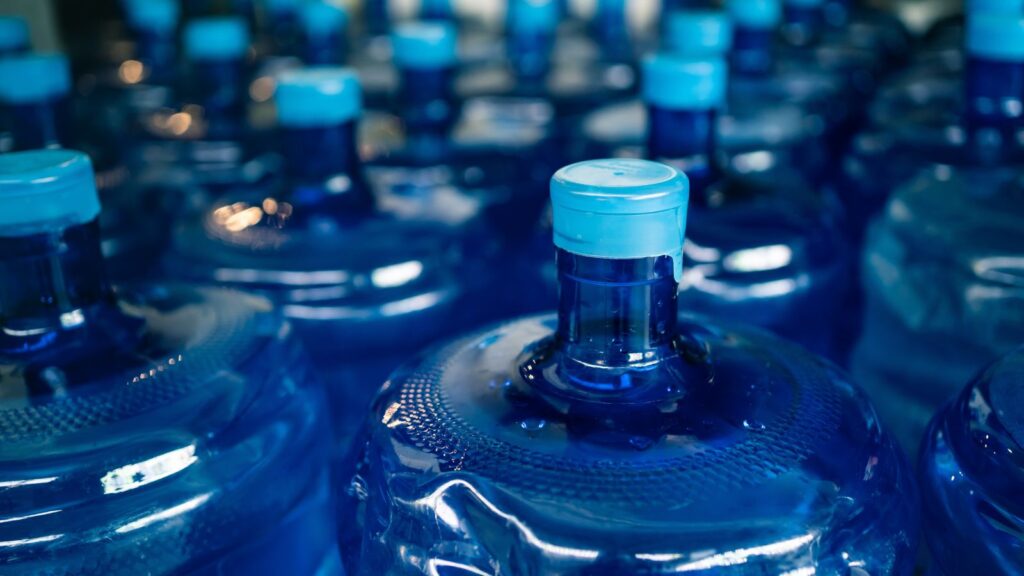
Right now you might be able to haul 5-gallon water containers, split wood, or drag giant bags of rice around without thinking twice. That won’t always be true. Bodies age. Health changes. Even the most hardheaded of us get tired.
Prepping with that in mind means building systems your future self can actually use. Maybe you buy water in smaller containers that are easy to lift. Maybe you set up shelves and storage so you’re not climbing ladders to reach essentials. Maybe you work on the skills and routines now, so they’re second nature later when you have less mental bandwidth.
You’re not trying to freeze time. You’re being honest about the direction time flows and making sure the older version of you is not completely at the mercy of every power cut, storm, or supply hiccup.
23. Prepping scales; it doesn’t have to be extreme

There’s a cartoon version of prepping that’s all bunkers and ten-year MRE stacks. In reality, sensible prepping is incremental. You start with water, food, light, warmth, meds, and a bit of cash, aiming for a few days’ buffer. Once that’s sorted, you extend it when budget and space allow.
Maybe you move from three days of supplies to a week, then two weeks. Maybe you add a small camping stove and a way to safely use it. Maybe you slowly build up a deeper pantry of foods you love cooking with. Each step stands alone; you don’t have to “go full prepper” overnight.
This approach also keeps things rational. You’re constantly testing your setup in normal life, cooking from your stores, rotating water, updating lists, so you spot gaps and fix them instead of buying piles of gear you don’t know how to use.
24. It’s good for your head to act instead of just worry

If you pay attention to news at all, it’s very easy to end up low-level anxious about everything, all the time. Prepping gives you somewhere to put that energy that’s concrete and helpful instead of just doomscrolling until you feel worse.
Filling some water containers, organizing canned goods, printing an emergency contact list, or learning how to use a fire extinguisher feels small, but it shifts your brain from “I’m helpless” to “I’m doing what I can.” That sense of agency is stabilizing. You still know bad things can happen; you’re just not banking your entire wellbeing on nothing ever going wrong.
And honestly, once you’ve done the basics, you can step away from a lot of the noise. You’ve built a buffer. You don’t need to track every storm and every headline like your life depends on it, because you’ve already made your home more resilient.

