
Affiliate disclosure: This post may contain affiliate links. Please see full disclosure.
When Hurricane Helene tore through the Southeast in 2024, I watched the news coverage with a familiar mix of concern and curiosity. Not just about the immediate damage, but about what happened next—the massive logistical operation that swung into action to keep survivors alive.
FEMA delivered over 12.7 million liters of water and 11.5 million meals to affected regions. Hundreds of thousands of tarps, generators, and emergency supplies followed. It’s an impressive response, but here’s what struck me: if these are the supplies that keep people alive after disasters, shouldn’t we already have them at home?
The uncomfortable truth is that FEMA’s response, however well-intentioned, takes time. People can be isolated and on their own for days or weeks, as Hurricane Helene reminded everyone. Supply chains break down overnight, grocery stores close, and basic infrastructure fails when you need it most.
Yet surveys show only about half of Americans feel prepared for disasters, and less than half have assembled emergency supply kits. That’s a problem, because the difference between suffering and surviving often comes down to what you have stored before disaster strikes.
So let’s examine what FEMA considers essential enough to stockpile by the millions and ship to disaster zones. These aren’t luxury items—they’re the bare necessities that keep people alive when everything else breaks down.
Clean Drinking Water: The Ultimate Priority
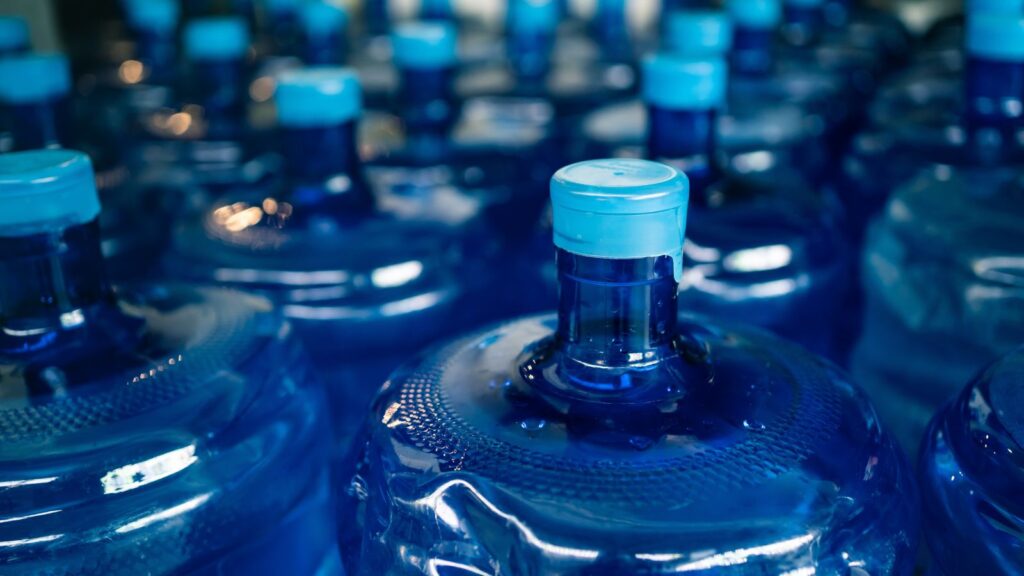
Water tops every disaster relief list for good reason. The human body shuts down fast without it—three days max for most people. When Hurricane Helene hit, public water systems were damaged or contaminated across multiple states, leaving hundreds of thousands without safe drinking water.
FEMA’s response tells the story: over 12.7 million liters of bottled water rushed to affected regions. That’s not bureaucratic overkill—it’s recognition that clean water becomes the most precious commodity when taps run dry.
Why Water Storage Matters More Than You Think
I’ve been through enough extended power outages to know that most people underestimate their water needs. It’s not just drinking—you need water for cooking, basic hygiene, cleaning wounds, and keeping sanity when everything else goes wrong.
Government agencies recommend at least one gallon per person per day for a minimum of three days. Honestly, that’s not enough. We store two weeks’ worth because experience has taught us that disasters last longer than official estimates suggest.
Practical Water Storage Solutions
Start with the basics: If you can only manage a three-day supply, start there. Store it in clean containers away from toxic materials and heat sources. Rotate your supply every six months to keep it fresh.
Scale up gradually: We use a combination of 55-gallon drums for bulk storage and cases of bottled water for convenience. The drums provide long-term capacity, while individual bottles are easy to grab during evacuations.
Don’t forget purification: Store backup purification methods—water filters, iodine tablets, or plain unscented bleach (8 drops per gallon, let sit 30 minutes). When stored water runs out, you’ll need ways to treat questionable sources.
Fill bathtubs and sinks: If you have advance warning of severe weather, fill every available container. Water service often fails before the worst hits, but you can stockpile hundreds of gallons if you act early.
The math is simple: FEMA shipped 12.7 million liters to Helene survivors because water is life. Don’t wait for government trucks to arrive—store your own supply now.
Emergency Food: When Grocery Stores Become Empty Buildings
Food security crumbles fast during disasters. Supply trucks can’t navigate damaged roads, power outages shut down refrigeration, and grocery stores either close or get cleaned out by panicked shoppers. FEMA’s food response to Hurricane Helene—11.5 million meals—shows the scale of need when normal food systems collapse.
During Hurricane Milton, FEMA provided 1.6 million meals with millions more ready for deployment. These aren’t gourmet dinners—they’re calorie-dense, shelf-stable rations designed to keep people alive when nothing else is available.
Building Your Emergency Food Supply
Start with familiar foods: Don’t stock items your family won’t eat. Focus on non-perishable versions of foods you already enjoy. Canned chili, pasta, rice, beans, peanut butter, crackers—foods that require minimal preparation and provide real nutrition.
Calculate realistic portions: Plan for at least 2,000 calories per person per day. Active adults need more, especially if they’re doing manual labor like storm cleanup. A three-day minimum supply is the starting point, but two weeks provides real security.
Include variety and comfort: Eating the same bland rations kills morale fast. Include some treats, spices, and familiar flavors. Coffee, tea, chocolate, and other comfort foods matter more than you’d think when everything else goes wrong.
The Case for Military-Style MREs

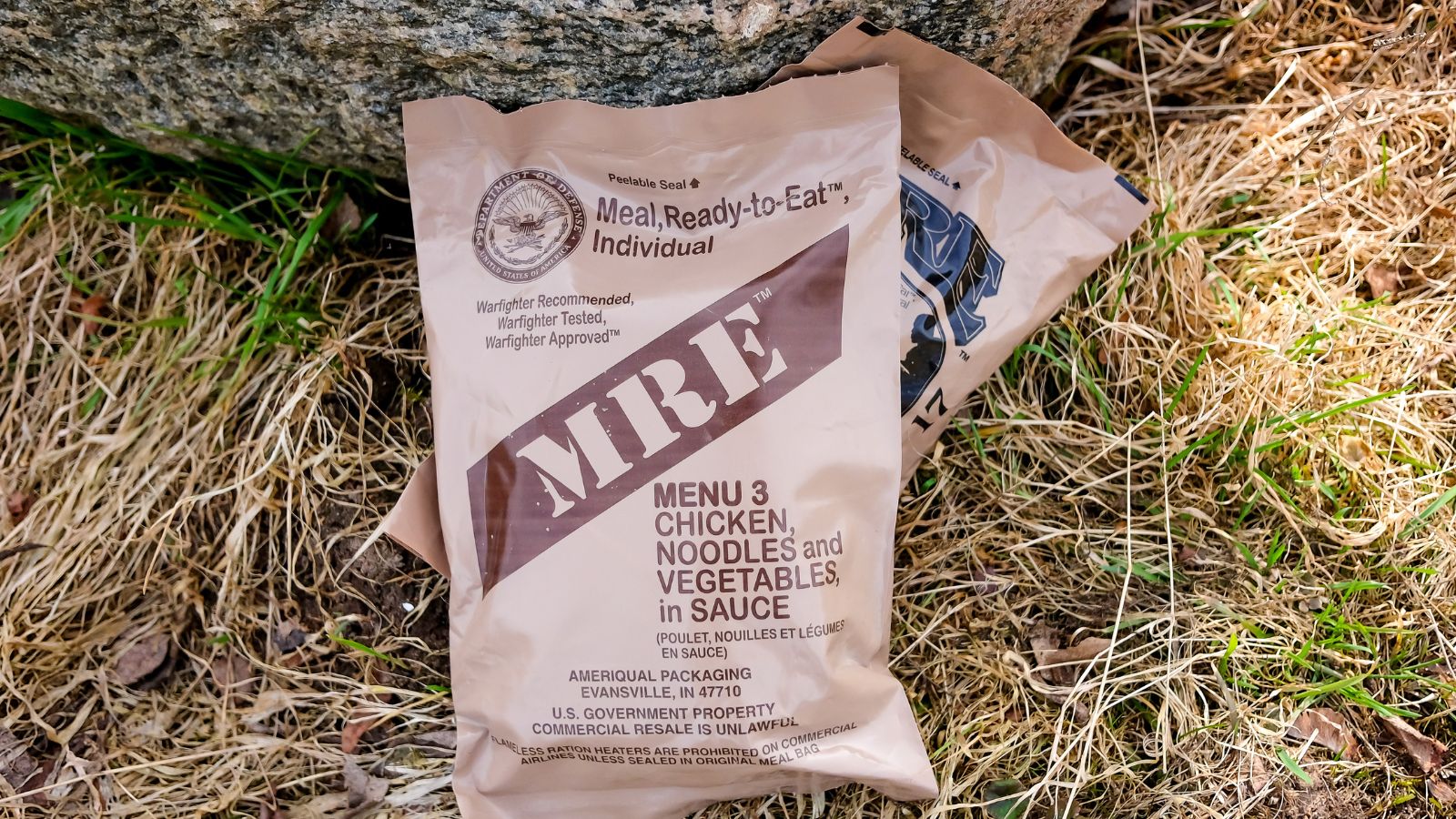
FEMA actually partners with the Defense Logistics Agency to develop “Survivor Daily Rations”—full-day meal packs with three-year shelf lives. They plan to stockpile 27 million meals worth of these rations for quick distribution.
We keep a case of military MREs for true emergencies. They’re expensive compared to regular food, but they’re designed for exactly these situations—complete nutrition, no preparation required, and they last for years. When you’re living without power and clean water, convenience matters.
Food Storage Essentials
Rotation is critical: Date everything and use oldest items first. We rotate our emergency food every 6-12 months, incorporating it into regular meals and replacing with fresh supplies.
Don’t forget the can opener: Manual can openers are essential. Electric models are useless without power, and you’d be amazed how many people overlook this basic tool.
Consider cooking methods: Store food you can actually prepare. If you don’t have alternative cooking methods, focus on foods that can be eaten cold or with minimal heating.
The bottom line: FEMA ships millions of meals because food runs out fast. Build your own reserve before the trucks arrive.
Tarps and Temporary Shelter: Protection When Homes Fail
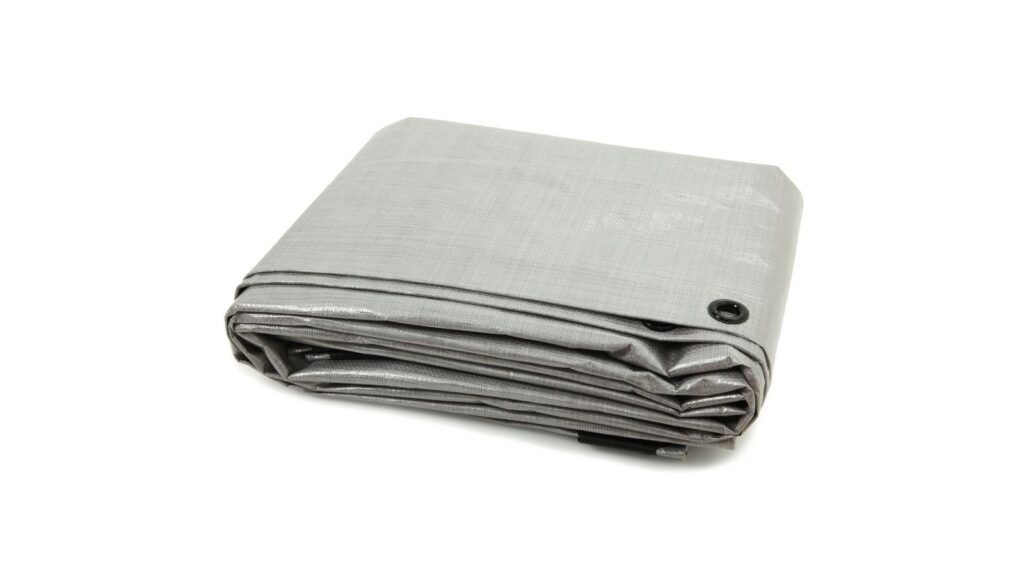
After every major storm, you see the same sight: neighborhoods draped in blue plastic tarps covering damaged roofs. Those tarps come from FEMA’s disaster stockpiles—more than 400,000 were shipped during Hurricane Helene’s response alone.
Tarps might not look like high-tech disaster relief, but they’re often the difference between a livable home and total displacement. When your roof gets torn off or windows get blown out, those blue plastic sheets keep rain and wind from destroying everything inside.
Why Tarps Are Emergency Gold
I learned this lesson during a severe thunderstorm that put a tree through our neighbor’s roof. While they waited three weeks for roofing crews, a few tarps kept their home from becoming uninhabitable. Without that temporary protection, water damage would have destroyed furniture, walls, and everything else.
Versatility matters: Tarps aren’t just for roof repair. They create ground cover for outdoor sleeping, emergency shelters when buildings are unsafe, windbreaks in exposed areas, and protection for supplies stored outside.
Size and quality count: Cheap tarps disintegrate under stress. Invest in heavy-duty versions with reinforced grommets. Multiple smaller tarps often work better than one huge piece—they’re easier to handle and provide backup if one tears.
Essential Shelter Supplies
Beyond tarps: Store plastic sheeting, duct tape, rope, bungee cords, and basic fasteners. These materials let you patch broken windows, seal gaps, and secure temporary covers against wind.
Think about warmth: Emergency blankets, sleeping bags, and extra clothing become critical if heating systems fail. Mylar “space” blankets are lightweight and incredibly effective at retaining body heat.
Tool requirements: You’ll need basic tools to install temporary repairs—hammer, nails, scissors or knife to cut materials, and work gloves to protect your hands.
FEMA stockpiles hundreds of thousands of tarps because shelter damage is predictable and fixable with simple materials. Keep the same supplies at home—they’re cheap insurance against becoming homeless in your own neighborhood.
Generators and Backup Power: When the Grid Goes Dark

Power outages are standard after disasters, and electricity might stay off for days or weeks. FEMA shipped around 150 generators to Hurricane Helene areas, but these typically power critical infrastructure like hospitals and water treatment facilities—not individual homes.
That’s the reality gap between government assistance and personal needs. FEMA focuses on community infrastructure while families sit in dark, cold houses with spoiling food and dead phones.
The Power Independence Solution
We learned this lesson during a week-long outage after an ice storm. Our neighbors relied on FEMA shelters and emergency services while we kept our refrigerator, lights, and communication devices running with a portable generator.
Generator basics: A mid-sized portable generator can power essential appliances—refrigerator, some lights, phone chargers, and maybe a fan or small heater. You don’t need to run everything, just the basics that keep life tolerable.
Fuel considerations: Store enough gasoline and stabilizer to run your generator for at least a week. Gas stations don’t work without power, so what you have stored is what you get. We keep 20 gallons on hand and rotate it regularly.
Safety is non-negotiable: Generators produce deadly carbon monoxide. Never run them indoors, in garages, or near windows. People die every year from generator poisoning—don’t become a statistic.
Alternative Power Solutions
Battery power stations: If a fuel generator isn’t practical, battery-powered units can keep phones, radios, and LED lights running. Solar panels can recharge them during the day, providing sustainable backup power.
Solar setups: Small solar panel kits won’t power your house, but they’ll keep essential electronics charged. We use them for phones, radios, flashlights, and other battery-powered devices.
Car charging: Your vehicle can charge phones and run small devices through power inverters. Keep the gas tank full and you have a mobile power source.
The truth is, FEMA generators help communities, not individual families. If you want power during extended outages, you need your own backup systems.
Cots, Blankets, and Sleep Systems: Comfort When Everything’s Cold
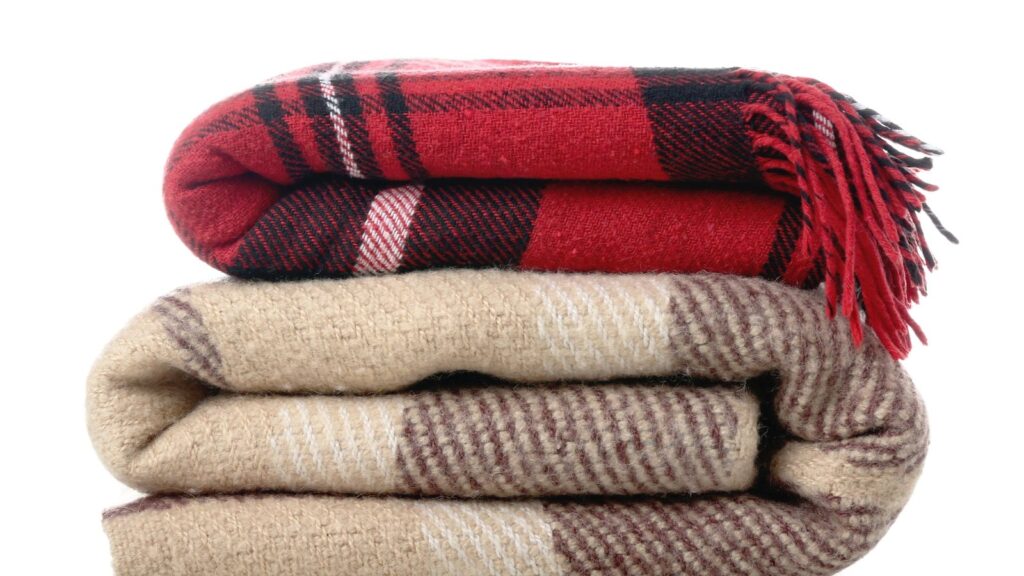
Emergency shelters stock thousands of cots and blankets because people need rest and warmth to survive disasters. During Hurricane Gustav in 2008, FEMA positioned 16,600 cots and 41,000 blankets in just one state. These aren’t luxury items—they’re basic human needs when normal sleeping arrangements disappear.
Why Sleep Systems Matter
I’ve spent nights in emergency shelters, and comfort becomes incredibly important when stress levels are high and uncertainty dominates everything. Poor sleep makes every other problem worse—decision-making suffers, immune systems weaken, and psychological resilience breaks down.
Home shelter scenarios: Even if you don’t evacuate, disasters can make your home uncomfortable or unsafe. Heating systems fail, bedrooms become unusable, and you might need to sleep in different areas or even outside.
Evacuation preparations: If you end up in public shelters, bringing your own sleeping gear makes a huge difference. Shelter cots are often uncomfortable, and shared blankets might not be clean or available.
Essential Sleep and Warmth Supplies
Sleeping bags or heavy blankets: Each family member needs personal bedding that works without heating systems. Sleeping bags designed for cold weather provide reliable warmth and compress for easy storage.
Insulation from ground: Sleeping pads or thick blankets prevent heat loss to cold floors. Concrete floors and unheated buildings suck warmth from your body fast.
Extra clothing layers: Warm hats, thick socks, and layered clothing provide backup warmth when blankets aren’t enough. Your body generates heat, but you need insulation to keep it.
Emergency heat sources: Mylar emergency blankets reflect body heat effectively. Hand warmers provide temporary heat for extremities. Candles can warm small spaces but require careful fire safety.
FEMA stages thousands of cots and blankets because warmth and rest are survival necessities. Don’t depend on public shelters having enough—bring your own comfort systems.
Hygiene Kits and Sanitation: Health When Systems Fail

Maintaining basic cleanliness becomes challenging fast when water service stops and sanitation systems fail. FEMA often distributes “comfort kits” containing soap, toothbrushes, toothpaste, shampoo, deodorant, feminine hygiene products, and wipes. They staged 100,000 of these kits for one hurricane response because cleanliness isn’t just comfort—it’s disease prevention.
The Sanitation Reality
Poor hygiene in disaster conditions spreads illness fast, especially when people are living in close quarters or dealing with compromised immune systems. Cholera, dysentery, and other diseases thrive when people can’t stay clean.
Water conservation: When water is scarce, you need products that clean effectively with minimal water use. Wet wipes, waterless shampoo, and hand sanitizer stretch limited water supplies.
Waste management: When toilets don’t flush, you need alternatives. Portable camp toilets, heavy-duty garbage bags, and plastic ties provide temporary solutions until normal services return.
Personal Hygiene Kit Essentials
Basic cleaning supplies: Soap or hand sanitizer, toothbrush and toothpaste, wet wipes, toilet paper, and garbage bags. These handle daily hygiene needs with minimal water.
Specialized needs: Feminine hygiene products, diapers and wipes for infants, any personal medications or care items your family requires regularly.
Sanitation tools: Heavy-duty garbage bags, plastic ties, bleach for disinfection, and rubber gloves for handling waste. These aren’t pleasant to think about, but waste management becomes critical during extended emergencies.
Laundry alternatives: When washing machines don’t work, you need ways to clean clothes. Laundry soap, clothesline, and clips provide basic washing capability.
FEMA distributes thousands of hygiene kits because staying clean prevents disease and maintains morale. Stock your own supplies—they’re cheap insurance against misery and illness.
Infant and Baby Supplies: When Little Ones Can’t Wait
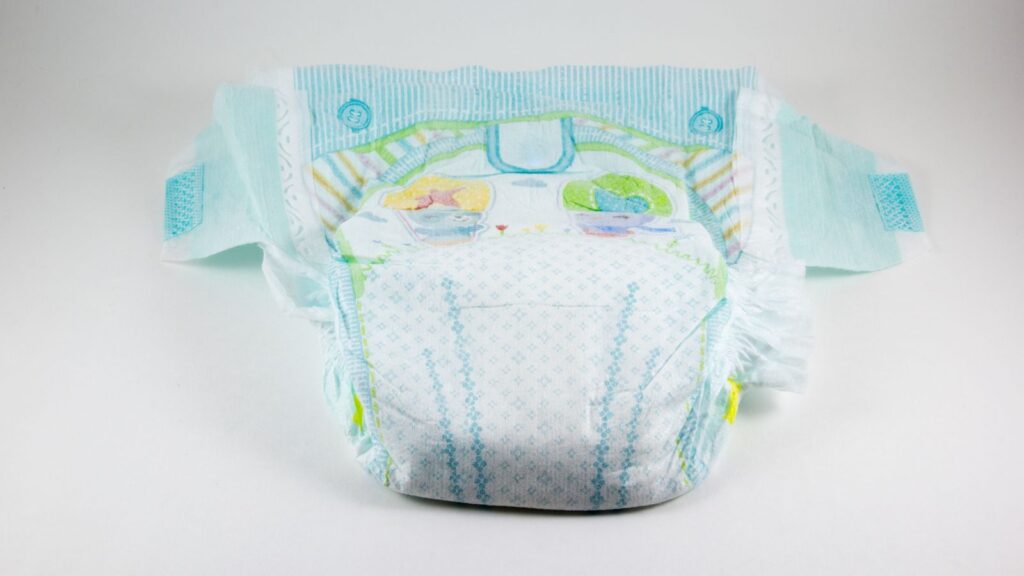
Disasters hit families with infants especially hard. Babies can’t eat adult food, wait for delayed feedings, or understand why their routines have disappeared. FEMA recognizes this by specifically stocking infant formula, baby food, bottles, diapers, and wipes for disaster distribution.
The Baby Supply Challenge
During emergencies, baby supplies disappear from stores immediately. Formula, diapers, and baby food become impossible to find when supply chains break down. Parents face horrifying choices when they can’t feed or clean their children.
Formula feeding: If your baby uses formula, safe water and adequate supply become life-or-death issues. You need both the formula and clean water to prepare it—both might be unavailable during disasters.
Breastfeeding support: Even breastfeeding mothers need supplies—nursing pads, pump equipment, and extra nutrition for themselves to maintain milk production under stress.
Essential Baby Emergency Supplies
Food supplies: Two weeks of formula (if bottle feeding), extra baby food, and any special dietary items your child requires. Don’t assume you can find these items during emergencies.
Diaper supplies: Diapers, wipes, rash cream, and disposal bags. Diaper shortages during disasters create health and comfort problems that escalate quickly.
Comfort items: Favorite blankets, toys, or pacifiers that help children cope with disrupted routines and unfamiliar environments.
Medical needs: Any baby medications, thermometer, and basic infant first aid supplies. Children get sick under stress, and medical care might be limited.
Warmth and protection: Baby blankets, warm clothing in current and next sizes, and weather protection for evacuation scenarios.
The American Red Cross specifically recommends these items because babies can’t adapt to emergency conditions like adults. If you have young children, their supplies become your highest preparedness priority.
Pet Supplies and Animal Care: Because Family Includes Fur

The PETS Act specifically authorizes FEMA to help with rescue, care, and shelter for household pets during disasters. This recognition came after Hurricane Katrina, when people refused to evacuate because they couldn’t bring their animals, and others died trying to rescue pets left behind.
Why Pet Preparedness Matters
Pets depend completely on their owners for survival. They can’t open cans, find clean water, or understand why their world has suddenly changed. During disasters, pet supply stores close just like human stores, leaving animals without food or necessary care.
Evacuation complications: Many emergency shelters don’t accept pets, or have limited pet facilities. Having your own pet supplies and carriers makes evacuation much easier and ensures your animals can come with you.
Stress responses: Animals experience stress during disasters too. Familiar food, bedding, and toys help them cope with disrupted routines and unfamiliar environments.
Essential Pet Emergency Supplies
Food and water: Several days’ worth of pet food in airtight containers, plus water for drinking and cleaning. Don’t assume pet stores will be open or stocked.
Medical supplies: Extra pet medications, first aid supplies for animals, and copies of vaccination records for shelter admission.
Comfort and control: Leashes, collars with ID tags, carriers or crates for transport, favorite toys or blankets, and waste disposal supplies.
Documentation: Keep vaccination records, photos of your pets (for identification if separated), and contact information for veterinarians.
FEMA maintains stocks of pet supplies because animal welfare directly affects human welfare—people make dangerous decisions to protect their pets. Prepare for your animals as thoroughly as you prepare for your family.
First Aid and Medical Supplies: When Help Is Hours or Days Away
Medical emergencies don’t pause for disasters—they often increase due to injuries, stress, and disrupted medical care. FEMA deploys medical teams and supplies medical equipment, but immediate medical needs fall on families to handle themselves.
The Medical Reality Gap
During disasters, emergency services are overwhelmed, hospitals might be damaged or without power, and routine medical care stops. Minor injuries that would normally require simple first aid can become serious problems without proper supplies and knowledge.
Prescription medications: People with chronic conditions face life-threatening situations when pharmacies close and medication supplies run out. Heart medications, insulin, and other critical prescriptions can’t wait for normal services to resume.
Injury treatment: Disasters create injuries—cuts from debris, burns from alternative cooking methods, strains from manual labor. Basic first aid supplies handle most problems until professional help arrives.
Essential Medical Preparedness
First aid kit basics: Bandages, gauze, adhesive tape, antiseptic wipes, pain relievers, antibiotic ointment, tweezers, scissors, and disposable gloves. Focus on supplies that treat common injuries and prevent infection.
Prescription backup: Work with your doctor to maintain at least a seven-day supply of critical medications. This requires planning and communication, but it’s essential for people with serious medical conditions.
Special medical needs: Spare eyeglasses, contact lenses and solution, inhalers, EpiPens, blood glucose testing supplies, or other specialized items your family requires.
Power-dependent medical equipment: If anyone uses medical devices requiring electricity, plan for backup power or manual alternatives. Oxygen concentrators, CPAP machines, and other devices need power to function.
The Red Cross and FEMA list first aid kits as basic emergency components because medical needs don’t wait for professional help. Stock supplies to handle immediate medical issues and maintain critical treatments.
Building Your Personal FEMA Supply Cache
FEMA’s disaster relief supplies aren’t random—they’re the essential items that keep people alive and functional when normal systems fail. Water, food, shelter materials, power, hygiene supplies, and medical basics represent the core needs for human survival.
Start With Your Highest Priorities
Water first: It’s the most critical and has the shortest survival timeline. Start with a three-day supply and build toward two weeks. Include purification methods for long-term scenarios.
Food second: Non-perishable foods your family will actually eat, plus cooking methods that don’t require electricity. Include variety and comfort foods to maintain morale.
Shelter and warmth: Tarps, plastic sheeting, duct tape, sleeping bags, and extra blankets. These items provide protection and comfort when buildings are damaged or heating fails.
Scale Up Gradually
Set realistic goals: Don’t try to build a complete emergency stockpile overnight. Start with three-day supplies and gradually extend to two weeks, then longer periods.
Focus on versatility: Choose items that serve multiple purposes. Tarps provide shelter and ground cover. Duct tape fixes dozens of problems. Multi-tool devices reduce the number of separate items needed.
Practice and rotate: Use your emergency supplies occasionally to ensure they work and stay fresh. Rotate food and water supplies regularly, and test equipment before you need it.
Consider Your Specific Situation
Family composition: Adjust supplies for infants, elderly family members, people with medical conditions, and pets. Standard recommendations might not cover your specific needs.
Geographic risks: Earthquake zones need different preparations than hurricane areas. Cold climates require more heating and insulation supplies than warm regions.
Living situation: Apartment dwellers have different storage constraints than homeowners. Urban areas offer different resources and face different risks than rural locations.
Storage and Organization
Keep supplies accessible: Emergency supplies are useless if you can’t find or reach them quickly. Store them in accessible locations and organize them logically.
Distribute storage: Don’t keep everything in one place—disasters might make some storage areas unreachable. Split supplies between different locations in your home, vehicle, and workplace.
Document your supplies: Keep lists of what you have and where it’s stored. Include expiration dates and rotation schedules to maintain freshness.
The Economics of Emergency Preparedness
Building emergency supplies requires upfront investment, but it pays dividends in security and peace of mind. Compare the cost of storing two weeks of supplies against the potential cost of being unprepared during a genuine emergency.
Cost-Effective Approaches
Buy gradually: Spread purchases over time to minimize budget impact. Add a few emergency items to regular shopping trips rather than buying everything at once.
Watch for sales: Stock up on non-perishable emergency supplies when they’re on sale. Canned goods, bottled water, and other essentials go on sale regularly.
Bulk purchasing: Larger quantities often cost less per unit. Split bulk purchases with neighbors or family members to reduce individual costs.
Return on Investment
Insurance comparison: Emergency supplies provide tangible value compared to insurance premiums. You’re buying actual useful items instead of abstract coverage.
Inflation protection: Food and supply prices generally rise over time. Buying emergency supplies now locks in current prices for future consumption.
Multi-use value: Many emergency supplies serve regular household needs too. Camping gear, tools, and basic supplies get used for recreation and maintenance, not just emergencies.
Beyond the Basics: Advanced Preparedness Considerations
Once you’ve covered basic survival needs, consider additional supplies that improve comfort and capability during extended emergencies.
Communication and Information
Battery-powered or hand-crank radios: Stay informed about emergency conditions and response efforts. NOAA weather radios provide critical weather information.
Two-way radios: Communicate with family members or neighbors when cell phone service fails. FRS/GMRS radios don’t require licenses for basic models.
Emergency phone chargers: Solar chargers, battery banks, or car adapters keep communication devices powered when electricity isn’t available.
Tools and Repair Supplies
Basic hand tools: Hammer, screwdrivers, wrenches, pliers, and other tools for emergency repairs. Power tools don’t work without electricity.
Construction materials: Nails, screws, bolts, wire, and other hardware for temporary repairs and security improvements.
Maintenance supplies: Oil, grease, spare parts for generators, vehicles, and other mechanical equipment you depend on.
Security Considerations
Property protection: Boarding materials, additional locks, and security lighting for protecting property during chaotic periods.
Personal safety: Consider your family’s safety needs during emergencies when normal law enforcement might be overwhelmed or unavailable.
Document protection: Waterproof storage for important papers, backup copies of critical documents, and cash in small denominations.
Learning From FEMA’s Experience

FEMA’s supply lists represent decades of disaster response experience. They know what people need most urgently and in what quantities because they’ve delivered these supplies to millions of disaster survivors.
Lessons From Recent Disasters
Hurricane Helene (2024): 12.7 million liters of water and 11.5 million meals delivered to affected regions. Over 400,000 tarps distributed for temporary shelter repairs.
Hurricane Milton (2024): 1.6 million meals provided with millions more ready for deployment. Rapid response systems activated for maximum impact.
Hurricane Gustav (2008): 16,600 cots and 41,000 blankets positioned in one state alone. Recognition that comfort items are survival necessities.
What These Numbers Mean
Scale of need: Disasters affect huge numbers of people simultaneously. Individual preparedness reduces demand on overwhelmed relief systems.
Time delays: Even efficient relief operations take time to deploy. Personal supplies bridge the gap between disaster impact and relief arrival.
Resource limitations: Relief supplies, however extensive, eventually run out. Having personal reserves provides security beyond public assistance.
Making the Decision: Your Personal FEMA Warehouse
The question isn’t whether you should stock disaster supplies—it’s how much and which items to prioritize. FEMA’s relief operations prove that certain supplies are essential for human survival and comfort during emergencies.
Start Today
Assessment: Evaluate your family’s specific needs, living situation, and most likely disaster scenarios. This guides your supply priorities.
Budget planning: Determine how much you can spend on emergency supplies without creating financial stress. Spread purchases over time if necessary.
Storage preparation: Identify storage locations for different types of supplies. Consider accessibility, security, and protection from damage.
Build Systematically
Week 1: Water storage—start with one gallon per person per day for three days, plus basic purification supplies.
Week 2: Food supplies—canned goods, dry staples, and manual can opener. Focus on foods your family will actually eat.
Week 3: First aid kit, basic medications, and hygiene supplies. Include any specialized medical needs for family members.
Week 4: Shelter supplies—tarps, duct tape, plastic sheeting, sleeping bags or extra blankets.
Continue monthly: Add power backup, pet supplies, infant needs, tools, and other specialized items based on your situation.
Maintain and Improve
Regular rotation: Use and replace perishable supplies to maintain freshness. Make emergency preparedness part of routine household management.
Skills development: Supplies are only useful if you know how to use them effectively. Practice with equipment and learn basic emergency skills.
Community connections: Connect with neighbors and local emergency groups. Individual preparedness works better when combined with community cooperation.
The Bottom Line: Your Personal Insurance Policy
FEMA ships millions of meals, millions of liters of water, and hundreds of thousands of emergency supplies to disaster zones because these items are literally the difference between life and death when normal systems fail.
While FEMA and other relief organizations work hard to deliver aid, major disasters overwhelm services and delay assistance for days or weeks. Hurricane Helene proved this again—communities were cut off from help for extended periods while infrastructure was rebuilt.
Having your own stock of essential supplies bridges that gap until help arrives. Think of it as your personal insurance policy—you hope you’ll never need it, but you’ll be incredibly grateful to have it when disaster strikes.
For those embracing self-reliance or modern homesteading, stocking these items is a natural extension of preparedness philosophy. But even general families benefit enormously from modest emergency supplies. The peace of mind alone justifies the investment.
Start with the basics that FEMA considers most critical: water, food, first aid, and shelter supplies. Add specialized items for your family’s specific needs—infant supplies, pet provisions, medical equipment, or other necessities.
You don’t need to build a bunker or spend thousands of dollars. A carload of thoughtfully chosen supplies, properly stored and maintained, provides security that no government agency can guarantee.
In the end, preparedness is about protecting your loved ones. A carload of FEMA supplies heading into a disaster zone is reassuring, but having those same vital supplies already in your home, ready when you need them most, is true security.
The choice is simple: depend on outside assistance that might be delayed, or take responsibility for your family’s immediate survival needs. FEMA’s supply lists tell you exactly what you need—the question is whether you’ll have it when everything else breaks down.
References / Sources
- FEMA – Biden-Harris Administration Provides More Than $45 Million to Hurricane Helene Survivors, Continues Addressing Critical Needs Across Southeast. fema.govfema.gov
- FEMA – Biden-Harris Administration Provides More than $408 Million to Helene Survivors… (Press Release, Oct. 11, 2024). fema.govfema.gov
- FEMA – Boxes of Emergency Supplies Ready to Mobilize in the Atlanta Distribution Center (Photo Caption). fema.gov
- DHS Office of Inspector General – FEMA’s Sourcing for Disaster Response Goods & Services (Aug 2009 Report). oig.dhs.govoig.dhs.gov
- CDC – How to Create an Emergency Water Supply. cdc.gov
- American Red Cross – Survival Kit Supplies (Emergency preparedness kit recommendations). redcross.orgredcross.org
- Risk & Resilience Hub – Are Americans Prepared for Disasters? FEMA’s Survey Reveals Key Findings (Oct. 2024). riskandresiliencehub.comriskandresiliencehub.com
- U.S. Department of Defense – Defense Logistics Agency Troop Support Creates Survivor Daily Rations for FEMA (May 2023). defense.govdefense.gov

