

Affiliate disclosure: This post may contain affiliate links. Please see full disclosure.
I’ll never forget the phone call from my neighbor the morning after a severe thunderstorm tore through our area. She was crying—not from fear, but from pain. A tree had come down on her roof, and while trying to clear debris in the dark, she’d stepped on a nail that went straight through her work boot. The nearest emergency room was overwhelmed with storm injuries, and she waited four hours for treatment that could have been handled with basic first aid supplies and knowledge.
That incident drove home a sobering reality: natural disasters don’t just destroy property—they systematically injure people in predictable ways. From 1995 to 2022, over 11,000 disasters globally caused about 7.6 million injuries alongside 1.68 million fatalities. In the United States alone, 2023 saw more than 3,800 people injured by extreme weather events—a 120% increase over the previous year.
These aren’t random accidents. Disasters create injury patterns that repeat with almost mathematical precision. Earthquakes cause crush injuries and lacerations from falling debris. Floods lead to contaminated wounds and drownings. Hurricanes generate trauma from flying objects. Each type of disaster has its signature injuries, and understanding these patterns can save your life.
The hard truth is that when disasters strike, you often become your own first responder. Emergency services get overwhelmed, hospitals flood with patients, and ambulances can’t navigate damaged roads. The difference between a minor injury and a life-threatening emergency often depends on what you know and what supplies you have ready before disaster strikes.
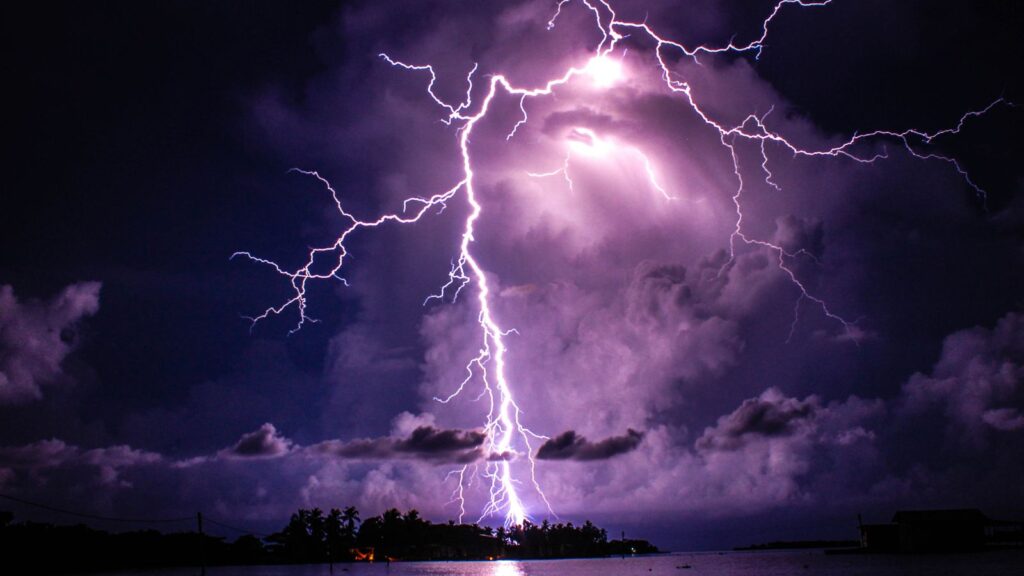
Understanding Disaster Injury Patterns
Natural disasters injure people in surprisingly consistent ways. This isn’t random chaos—it’s predictable cause and effect that we can prepare for and often prevent entirely.
The Critical Timeline
Most disaster injuries happen in three distinct phases: during the event, in the immediate aftermath (first 24-48 hours), and during the cleanup period that can last weeks or months. Each phase has different risks and requires different preparation strategies.
During the disaster: Primary injuries from the forces of nature—falling debris, flying objects, drowning, burns, or trauma from being tossed around. These injuries tend to be serious and happen fast.
Immediate aftermath: Secondary injuries from damaged infrastructure—cuts from broken glass, falls in debris, electrocution from downed power lines, or carbon monoxide poisoning from improper generator use.
Cleanup phase: Tertiary injuries from recovery activities—chainsaw accidents, nail punctures, overexertion injuries, and infections from contaminated wounds.
Understanding this timeline helps you prepare differently for each phase and stay alert to changing risks as situations evolve.
Earthquakes: When the Ground Betrays You

Earthquakes strike without warning, turning familiar spaces into obstacle courses of falling debris and shattered glass. In major earthquakes, nearly half of all injuries are fractures—broken bones from people being struck by falling objects or thrown around by ground motion.
The Reality of Earthquake Injuries
During the Northridge earthquake in 1994, I helped with neighborhood cleanup and saw firsthand how earthquakes hurt people. Most injuries weren’t from dramatic building collapses—they were from everyday household items becoming projectiles. Televisions crushing feet, bookcases pinning people, mirrors and windows exploding into razor-sharp fragments.
The most common earthquake injuries:
- Fractures (48% of all earthquake injuries): Broken bones from falling furniture, appliances, or building materials
- Lacerations and cuts: Primarily from shattered glass and sharp debris
- Head and neck trauma: From falling objects or people being thrown around
- Crush injuries: When people get trapped under heavy furniture or building materials
- Cut feet: Surprisingly common when people flee barefoot through debris fields
Pre-Earthquake Preparation
Secure your space before shaking starts: Walk through your home and identify everything that could become a projectile. Heavy furniture, water heaters, televisions, mirrors, and wall hangings all need to be anchored to prevent them from falling during shaking.
We anchored our water heater with metal straps, bolted tall bookcases to walls, and secured our flat-screen TV with safety straps. It took a weekend and cost less than $100, but it could prevent thousands in medical bills and potentially save lives.
Create safe zones: Identify the safest spots in each room—usually under sturdy tables or against interior walls away from windows. Practice “Drop, Cover, and Hold On” until it becomes automatic. When shaking starts, you won’t have time to think.
Bedside earthquake kit: Keep hard-soled shoes, a flashlight, and work gloves next to your bed. After earthquakes, floors are covered with broken glass and debris. Being able to protect your feet immediately prevents one of the most common earthquake injuries.
During and After Earthquake Response
Stay protected: Don’t run outside during shaking—most injuries happen when people try to move during ground motion. Drop to hands and knees, cover your head and neck, and hold on until shaking stops.
Immediate post-quake caution: Expect aftershocks that can bring down already-weakened structures. Move carefully and assume everything is unstable until proven otherwise.
Foot protection priority: Before doing anything else, put on sturdy shoes. I can’t emphasize this enough—cut feet are among the most common and easily preventable earthquake injuries.
Floods: The Hidden Dangers in Rising Water

Floods kill more people annually than any other weather-related hazard, with drowning accounting for about 75% of flood fatalities. But survivors face a different set of injury risks that many people don’t anticipate.
Floodwater Injury Mechanisms
Floodwater conceals deadly hazards. What looks like a harmless puddle might hide broken glass, sharp metal, nails from destroyed structures, or sudden drop-offs. People wading through flood zones commonly suffer lacerations and puncture wounds from submerged debris.
Primary flood injury risks:
- Drowning: The leading cause of flood fatalities
- Lacerations and puncture wounds: From hidden debris in murky water
- Contaminated wound infections: Floodwater contains sewage, chemicals, and bacteria
- Electrocution: From downed power lines or electrical equipment in water
- Vehicle-related trauma: From driving into flooded roads
- Falls and strains: During post-flood cleanup activities
The Contamination Factor
Every flood wound becomes a potential serious infection. Floodwater typically contains sewage, agricultural runoff, industrial chemicals, and decomposing organic matter. Even minor cuts can develop into life-threatening infections if not properly cleaned and treated.
During Hurricane Katrina, hospitals saw numerous cases of necrotizing fasciitis (flesh-eating disease) from seemingly minor wounds exposed to contaminated floodwater. This isn’t rare—it’s predictable when dirty water meets open wounds.
Flood Injury Prevention
Evacuation is injury prevention: The best flood medicine is not being in the flood. Heed evacuation orders promptly. Many flood deaths occur when people underestimate water power or try to drive through flooded roads.
Six inches of moving water can knock an adult off their feet. Two feet of water can carry away most vehicles. These aren’t theoretical numbers—they’re the difference between survival and becoming a statistic.
If you must enter floodwater:
- Use a stick to probe for submerged hazards and depth changes
- Wear sturdy rubber boots and waterproof gloves
- Never enter water that might contain electrical hazards
- Travel in groups and maintain communication with others
Post-flood wound care: Treat every cut, scrape, or puncture as potentially serious. Clean immediately with soap and clean water, apply antibiotic ointment, and monitor closely for signs of infection—redness, warmth, swelling, or red streaking.
Hurricanes: Nature’s Flying Debris Machine
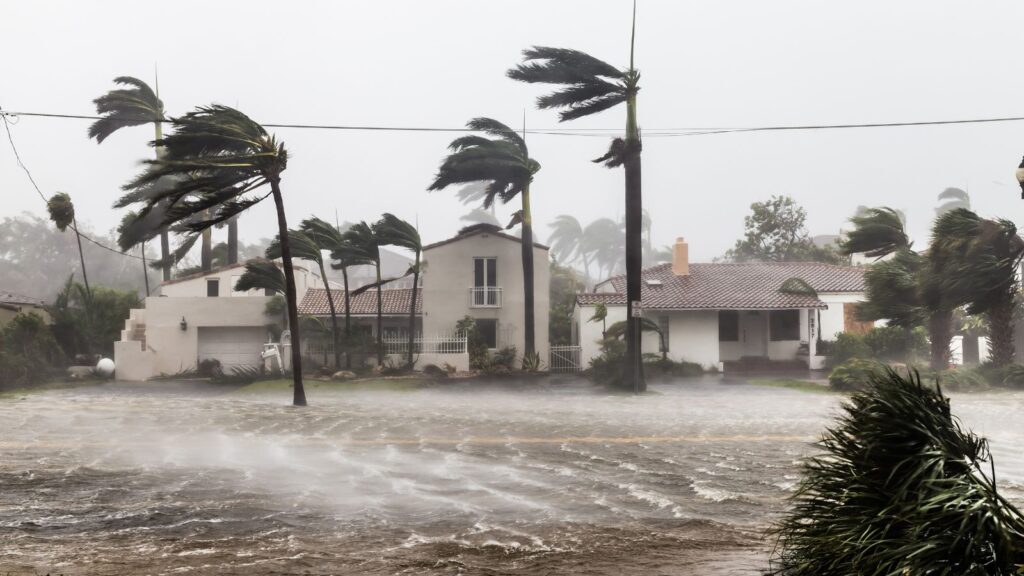
Hurricanes transform ordinary objects into deadly projectiles. During Hurricane Andrew, 41% of nonfatal injuries were cuts and puncture wounds from storm debris. After Hurricane Gloria, lacerations were the most common injury (22%), followed by bruises and fractures.
The Hurricane Injury Timeline
Pre-landfall: Injuries from preparation activities—falls from ladders while installing shutters, cuts from handling plywood, strains from moving heavy objects.
During the storm: Flying debris injuries, structural collapse trauma, and drowning from storm surge.
Post-storm cleanup: This phase actually produces the most injuries—chainsaw accidents, nail punctures, falls from damaged structures, and carbon monoxide poisoning from improper generator use.
Hurricane-Specific Preparation
Secure everything that could become airborne: Patio furniture, grills, bicycles, garden tools, and decorations all become missiles in hurricane winds. Either bring them inside or anchor them securely.
Window protection: Install storm shutters or board up windows with plywood. Flying glass causes numerous hurricane injuries, and the pressure changes from broken windows can lead to roof failures.
Post-storm safety planning: Have proper protective equipment ready for cleanup—heavy boots, cut-resistant gloves, eye protection, and first aid supplies. Stock extra tetanus shot boosters if family members aren’t current.
Critical Post-Hurricane Safety
Generator safety: Carbon monoxide poisoning spikes after hurricanes when people run generators improperly. Never operate generators indoors, in garages, or near windows. Keep them at least 20 feet from your home and downwind from living areas.
Chainsaw precautions: Post-hurricane chainsaw accidents are predictable and often severe. If you don’t have significant experience with chainsaws, hire professionals or ask experienced neighbors for help. Proper protective equipment includes eye protection, hearing protection, cut-resistant chaps, and steel-toed boots.
Structural assessment: Don’t enter damaged buildings until they’ve been evaluated. Weakened structures can collapse unexpectedly, causing crush injuries even after the storm has passed.
Tornadoes: Violence Beyond Comprehension
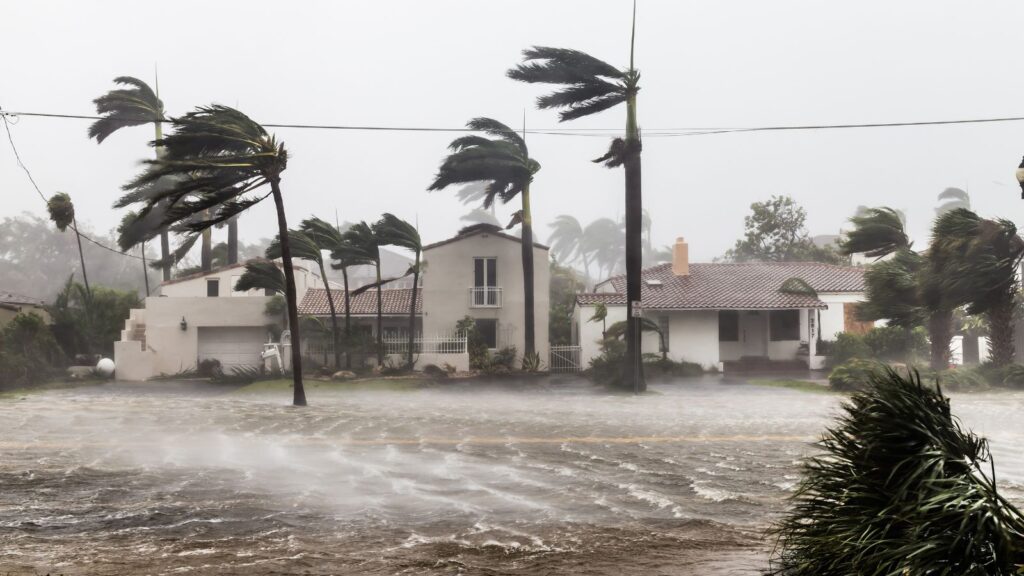
Tornadoes generate the most violent winds on Earth, creating injury patterns that reflect their extreme power. Head injuries are the most common tornado trauma, followed by multiple fractures and soft-tissue damage from debris impacts.
Understanding Tornado Trauma
In a 1985 Canadian tornado study, 83% of fatalities and 25% of serious injuries resulted from people becoming airborne in the tornado’s vortex. The forces involved are beyond human comprehension—tornadoes can drive straw through tree trunks and turn cars into tumbling projectiles.
Among survivors, injury patterns are more predictable:
- Soft-tissue injuries (90%): Cuts, bruises, and abrasions from debris
- Fractures (39%): Broken bones from impacts or structural collapse
- Internal injuries (20%): From blunt force trauma
- Head trauma: The leading serious injury category
Tornado Shelter and Protection
Helmet use during warnings: Emergency management officials now specifically recommend wearing helmets during tornado warnings. Bicycle helmets, motorcycle helmets, or even thick pillows over your head can significantly reduce head injury risk.
We keep bicycle helmets in our tornado shelter specifically for this purpose. It might look silly, but head trauma is the leading cause of serious tornado injuries.
Shelter location priorities:
- Underground storm shelter or basement: Lowest level, center of building
- Interior room on lowest floor: Bathroom or closet without windows
- Never shelter in vehicles or mobile homes: These become projectiles in tornado winds
Last resort outdoor shelter: If caught in the open, lie flat in the lowest possible area (ditch or depression) and cover your head with your arms. Do not shelter under highway overpasses—wind speeds actually increase in these areas.
Post-Tornado Response
Assume structural damage: Don’t enter damaged buildings without careful assessment. Tornado-damaged structures are extremely unstable and can collapse without warning.
Gas leak awareness: Tornadoes frequently rupture gas lines, creating explosion and fire risks. If you smell gas, evacuate immediately and notify authorities.
Debris navigation: Tornado debris fields contain every imaginable sharp object—nails, glass, metal fragments, and splintered wood. Proper footwear and hand protection are essential for any post-tornado activity.
Wildfires: When Fire Meets Panic

Wildfire injuries follow a different pattern than other disasters. Direct burn injuries, while serious, are actually less common than smoke inhalation injuries and trauma from evacuation activities.
The Real Wildfire Dangers
Smoke inhalation kills more people than burns. Wildfire smoke contains superheated gases, fine particles, and toxic chemicals that can quickly overwhelm lungs and cause respiratory failure. Most fire deaths result from smoke inhalation, not direct burning.
Evacuation injuries: The 2018 Camp Fire in California demonstrated how evacuation chaos creates injuries. Multiple vehicle accidents occurred during mass evacuations, and people suffered falls and trauma while fleeing through smoky, dark conditions.
Wildfire Preparation and Response
Early evacuation saves lives: Never wait until fire is visible to evacuate. When authorities issue evacuation warnings, leave immediately. Traffic becomes impossible once everyone tries to leave simultaneously.
Smoke protection: Keep N95 masks or respirators for each family member during fire season. These filter out some smoke particles when evacuation routes pass through smoky areas.
Vehicle readiness: Keep vehicles fueled during fire season. Gas stations may be closed or inaccessible during evacuations. Have emergency supplies in vehicles—water, flashlights, first aid supplies, and fire blankets.
Protective clothing: During evacuation, wear long sleeves, long pants, and sturdy shoes. This protects against embers, hot ash, and sharp debris. Many evacuees suffer burns and cuts because they fled in shorts and sandals.
Post-Fire Hazards
Smoldering debris: Fire-damaged areas remain dangerous for weeks. Buried embers can cause burns, and charred structures may collapse unexpectedly.
Air quality: Smoke and ash can cause respiratory problems for days or weeks after fires pass. Continue using protective masks during cleanup activities.
Chemical hazards: Fires release toxic chemicals from burned buildings, vehicles, and industrial materials. Avoid direct contact with ash and debris.
Winter Storms: Cold, Ice, and Overexertion
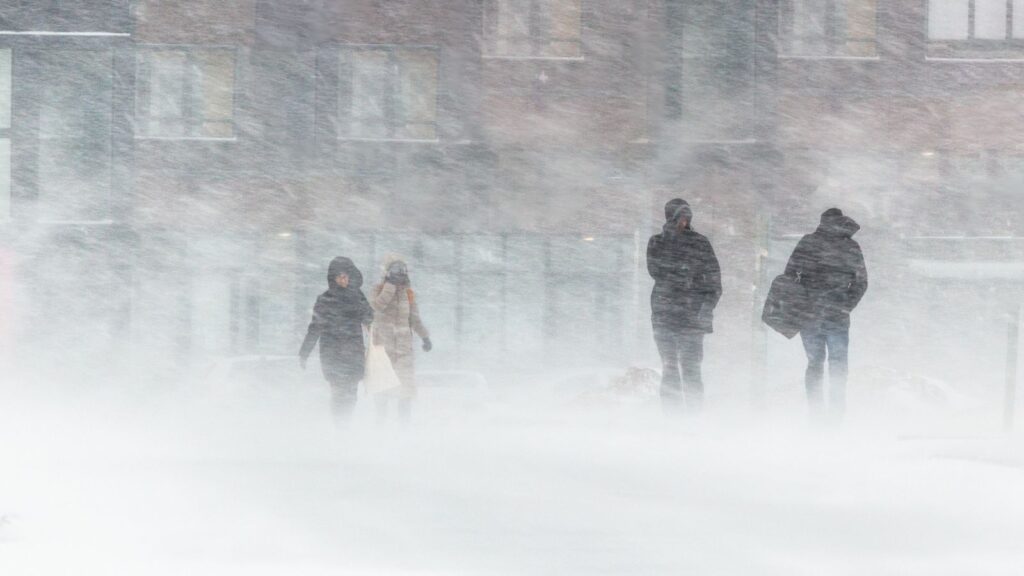
Winter storms create a unique injury profile dominated by cold-related injuries, falls on ice, and cardiovascular events from overexertion.
Winter Storm Injury Patterns
Cold exposure injuries: Frostbite affects extremities first—fingers, toes, nose, and ears. Hypothermia develops when core body temperature drops, causing confusion, drowsiness, and eventually unconsciousness.
Fall injuries: Ice-related falls cause numerous fractures, especially among elderly people. Broken hips, wrists, and head injuries from falls on ice are extremely common during winter storms.
Cardiac events: Snow shoveling significantly increases heart attack risk. Heavy, wet snow combined with cold air and physical exertion creates a perfect storm for cardiac emergencies. Emergency departments see predictable spikes in heart attacks during major snowstorms.
Winter Storm Safety Strategies
Avoid unnecessary travel: Stay off roads during active winter storms. Most winter storm injuries result from vehicle accidents on icy roads.
Smart shoveling techniques: If you must shovel snow, take frequent breaks, push rather than lift when possible, and dress warmly. People with heart conditions should avoid shoveling entirely.
Layer clothing properly: Dress in multiple layers that can be adjusted as activity levels change. Cover all exposed skin when temperatures drop below freezing.
Carbon monoxide prevention: Never use outdoor heating equipment indoors. Ensure proper ventilation for any fuel-burning devices, and install carbon monoxide detectors.
Recognizing Cold Emergencies
Frostbite warning signs: Skin becomes pale, waxy, and numb. Don’t rub frostbitten areas—warm them gradually with body heat or warm (not hot) water.
Hypothermia symptoms: Shivering, confusion, drowsiness, and slurred speech. Hypothermia is a medical emergency requiring immediate warming and professional medical care.
Building Your Medical Preparedness Foundation

Understanding injury patterns is only valuable if you’re prepared to respond effectively. In major disasters, professional medical help may be delayed for hours or days, making your immediate response critical.
Essential Medical Supplies
Comprehensive first aid kit: Go beyond basic bandages. Include supplies for serious bleeding control, fracture stabilization, burn treatment, and wound cleaning.
Critical supplies for disaster medicine:
- Pressure bandages for severe bleeding control
- SAM splints for fracture stabilization
- Burn gel and non-stick dressings
- Antiseptic solutions and antibiotic ointments
- Pain relievers and anti-inflammatory medications
- Digital thermometer and blood pressure cuff
- Emergency medications (if family members require them)
Tool requirements: Include scissors, tweezers, disposable gloves, and emergency blankets. These tools extend your treatment capabilities significantly.
Medical Knowledge Development
First aid and CPR training: Take courses from the American Red Cross or similar organizations. These skills become invaluable when professional help isn’t available.
Disaster-specific medical knowledge: Learn to recognize and treat common disaster injuries—how to stop severe bleeding, stabilize fractures, treat burns, and recognize shock or hypothermia.
Family medical planning: Know everyone’s medical conditions, medications, and allergies. Keep written records in your emergency supplies along with backup medications.
Communication and Documentation
Emergency contacts: Maintain current contact information for family physicians, specialists, and out-of-area emergency contacts.
Medical records: Keep copies of important medical information in waterproof storage. Include medication lists, allergy information, and recent medical history.
Emergency alert systems: Have battery-powered or hand-crank weather radios for receiving emergency information when power and cell service fail.
The Prepared Mindset: Beyond Supplies and Skills
True disaster preparedness combines physical supplies, practical skills, and mental readiness. The families who come through disasters with minimal injuries share common characteristics that go beyond having good first aid kits.
Situational Awareness
Risk assessment: Understand the specific disaster risks in your area and prepare accordingly. Earthquake zones require different preparations than hurricane regions or wildfire areas.
Early warning systems: Pay attention to weather forecasts, emergency alerts, and changing conditions. The best medical treatment is preventing injuries from happening.
Environmental hazards: During and after disasters, remain constantly aware of changing dangers—unstable structures, downed power lines, contaminated water, or dangerous air quality.
Family Preparedness Culture
Practice emergency procedures: Regular drills make responses automatic when real emergencies strike. Practice evacuation routes, shelter procedures, and basic first aid techniques.
Age-appropriate involvement: Include children in preparedness activities at appropriate levels. They should know how to call for help, basic first aid, and what to do during various emergency scenarios.
Community connections: Build relationships with neighbors and local emergency responders. Community cooperation significantly improves everyone’s safety during disasters.
Continuous Improvement
Learn from each event: After any emergency or near-miss situation, evaluate what worked and what didn’t. Adjust your preparations based on real-world experience.
Stay current: Medical knowledge and emergency preparedness recommendations evolve. Refresh your training periodically and update supplies as needed.
Physical fitness: Many disaster injuries result from people attempting physical tasks they’re not prepared for. Maintaining reasonable fitness levels reduces injury risk during emergency situations.
The Reality of Self-Reliance in Disasters
When my neighbor stepped on that nail after the thunderstorm, she learned a hard lesson about disaster medicine: you’re often your own first responder whether you want to be or not. Emergency services were overwhelmed, roads were blocked, and she faced a four-hour wait for treatment that could have been handled at home with proper supplies and knowledge.
That’s the reality of disaster medicine. It’s not about playing doctor or avoiding professional medical care—it’s about bridging the gap between when injuries occur and when professional help becomes available.
The statistics are sobering but the patterns are predictable. Earthquakes cause crush injuries and lacerations. Floods create contaminated wounds. Hurricanes generate trauma from flying debris. Tornadoes cause head injuries and fractures. Wildfires produce burns and smoke inhalation. Winter storms lead to falls, cold injuries, and cardiac events.
Understanding these patterns allows you to prepare specifically and effectively. You can’t prevent disasters, but you can dramatically reduce their impact on your family through proper preparation, quality supplies, and practical knowledge.
The difference between a minor inconvenience and a life-changing injury often comes down to what you know and what you have ready before the crisis hits. In our uncertain world, that kind of preparedness isn’t paranoid—it’s practical insurance against predictable risks.
When nature throws its worst at you, be ready with more than hope and good intentions. Be ready with knowledge, supplies, and the confidence that comes from thorough preparation. Your family’s safety might depend on it.
References:
- Centers for Disease Control and Prevention (CDC) – Injuries and Illnesses Related to Hurricane Andrew — Louisiana, 1992. cdc.gov
- Centers for Disease Control and Prevention (CDC) – Epidemiologic Notes and Reports: Hurricanes and Hospital Emergency-Room Visits – Mississippi, Rhode Island, Connecticut (1985).cdc.govcdc.gov
- Function and Disability Journal – Rehabilitation Teams Across the Disaster: A Field Report (2024).fdj.iums.ac.ir
- National Weather Service – Weather Related Fatality and Injury Statistics (2023)keyzradio.com
- American Red Cross – Earthquake Safety – How to Prepare for Emergencies: Earthquake.redcross.orgredcross.org
- Cristina Eloisa Baclig, Philippine Daily Inquirer – “Dying in an earthquake: Experts say it’s not just the tremor.” (2022)climate.gov.phclimate.gov.ph
- World Health Organization (WHO) – Floods (Health Topics).who.intwho.int
- Johns Hopkins Bloomberg School of Public Health – “The Visible and Unseen Dangers Lurking in Floodwater.” (2024)publichealth.jhu.edupublichealth.jhu.edu
- U.S. Department of Health & Human Services (HHS) – Hurricanes and Health Outlook (Climate and Health Outlook: Hurricanes).hhs.gov
- Centers for Disease Control and Prevention (CDC) – Morbidity and Mortality Weekly Report: Hurricanes Elena and Gloria – Emergency Room Visits (1986).cdc.govcdc.gov
- American Journal of Epidemiology – “Epidemiologic Study of Deaths and Injuries Due to Tornadoes.” (1989)pubmed.ncbi.nlm.nih.gov
- BMJ Open – “Pattern and spectrum of tornado injury and its geographical distribution (Yancheng, China study).” (2018)pubmed.ncbi.nlm.nih.govpubmed.ncbi.nlm.nih.gov
- Paulson Coletti Trial Attorneys (Blog) – “What Injuries Are Commonly Caused by Wildfires?” (2023)paulsoncoletti.com
- Joint Commission / Vanderbilt University Medical Center – Fire and Smoke Injury Factnews.vumc.org
- Ready.gov – Wildfires – Preparedness and Safetyready.govready.gov
- Salt Lake City Emergency Management – “Winter is Here!” Preparedness Tipsslc.govslc.gov
- World Health Organization (WHO) – Heat and Health Fact Sheet (2024)who.int

