

Affiliate disclosure: This post may contain affiliate links. Please see full disclosure.
When uncertainty strikes, whether it’s a natural disaster, supply chain disruption, or economic upheaval, certain items vanish from store shelves with startling speed. We saw this firsthand during the early days of the pandemic when toilet paper became scarce and hand sanitizer was worth its weight in gold. These shortages aren’t random – they follow predictable patterns based on immediate human needs, shelf stability, and supply chain vulnerabilities.
Understanding what disappears first gives you a significant advantage. Instead of joining the crowds fighting over the last bottle of water or bag of rice, you can prepare ahead of time. This isn’t about hoarding or panic buying, but rather thoughtful preparation that keeps your family comfortable when others are scrambling.
The items on this list represent essentials that consistently disappear during crises, from small regional emergencies to nationwide disruptions. Some might surprise you – it’s not just food and water that vanish quickly. Many everyday items we take for granted suddenly become precious commodities when supply chains fail or demand spikes dramatically.
1. Water
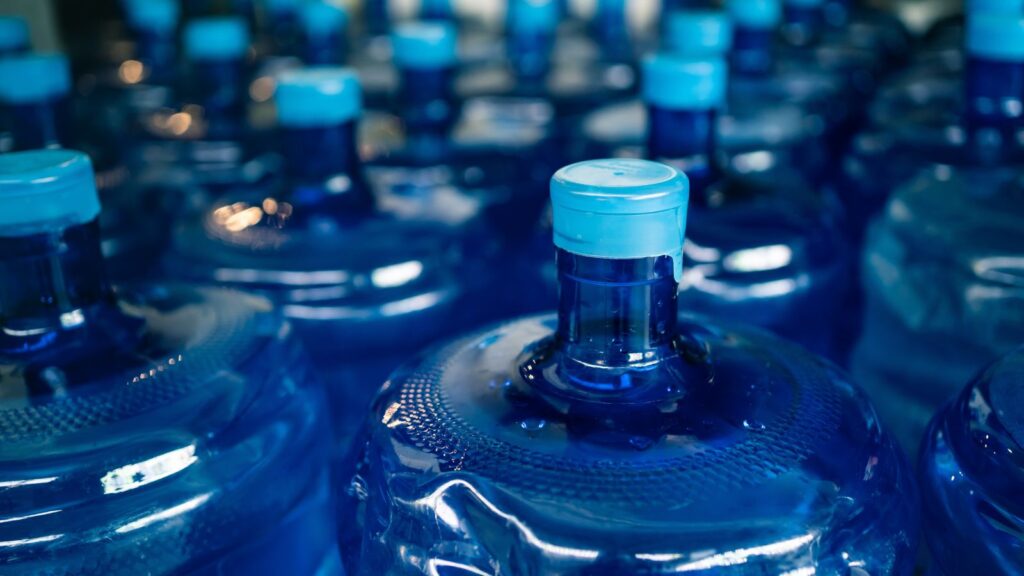
Clean drinking water disappears faster than almost anything else during a crisis. Municipal water systems can fail during natural disasters, and even the rumor of contamination sends people racing to stores. A single person needs at least one gallon per day for drinking, cooking, and basic hygiene, so a family of four requires 28 gallons for just one week.
Water is heavy and takes up significant storage space, which means stores can’t stock enormous quantities, and their supplies evaporate quickly when demand surges.
2. Toilet Paper
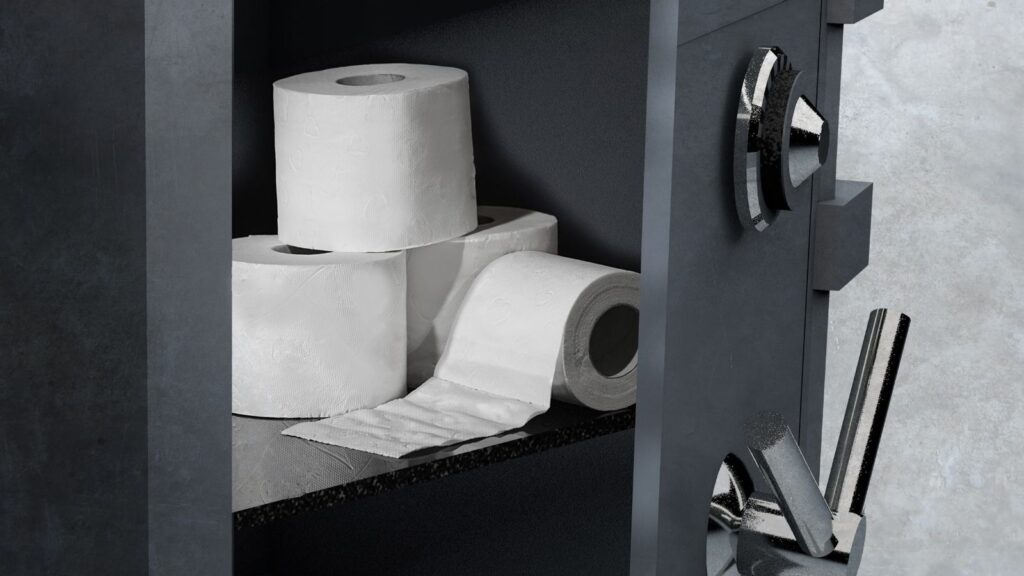
Nothing illustrates panic buying quite like empty toilet paper aisles. This bulky item has a low profit margin, so stores don’t keep massive quantities on hand. Toilet paper also has psychological importance beyond its practical use – running out feels like losing a basic dignity that separates us from truly desperate circumstances.
The fact that it doesn’t expire makes it easy to justify buying extra, and since most people keep minimal supplies at home, everyone needs to restock simultaneously when they think shortages are coming.
3. Batteries
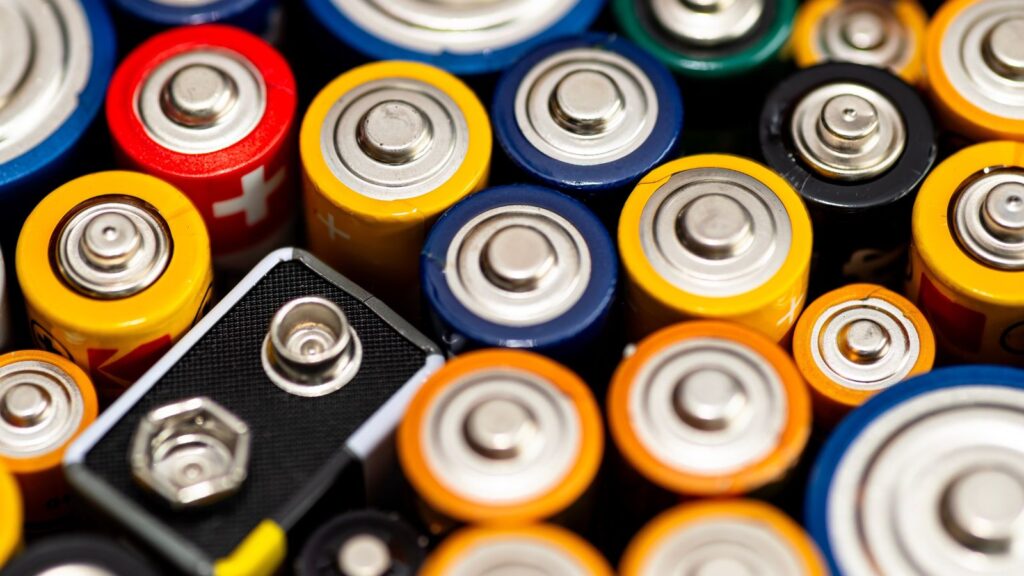
Modern life depends on portable electronics, flashlights, radios, and countless battery-powered devices that become critical during emergencies. Alkaline batteries have excellent shelf life but limited production capacity, and they’re essential for communication, lighting, and safety equipment when the power goes out.
People grab batteries not just for current needs, but because they know these small, expensive items will be impossible to find once word spreads about potential shortages.
4. Bread

Fresh bread spoils quickly, which means bakeries and stores operate on thin margins with just-in-time delivery. When people expect disruptions, bread becomes an immediate priority because it’s filling, familiar, and requires no preparation.
Most families eat bread daily, so even a few days without regular deliveries creates noticeable shortages. The perishable nature means you can’t simply order extra from suppliers – once it’s gone, you have to wait for the next delivery cycle.
It’s a good idea to learn how to make your own bread with a variety of different simple ingredients for times of crisis. Bonus if you learn how to make breads during a power outage, just in case you find yourself in a longer-term grid-down situation.
5. Milk

Like bread, milk has a short shelf life and complex cold supply chain that makes it vulnerable to disruption. Dairy processing and distribution require constant refrigeration and can’t easily ramp up production for sudden demand spikes.
Families with children prioritize milk, and its versatility for drinking, cooking, and cereal makes it essential for maintaining normal routines. When people stock up, they often buy multiple gallons, quickly clearing shelves that normally turn over through regular daily shopping.
6. Gasoline
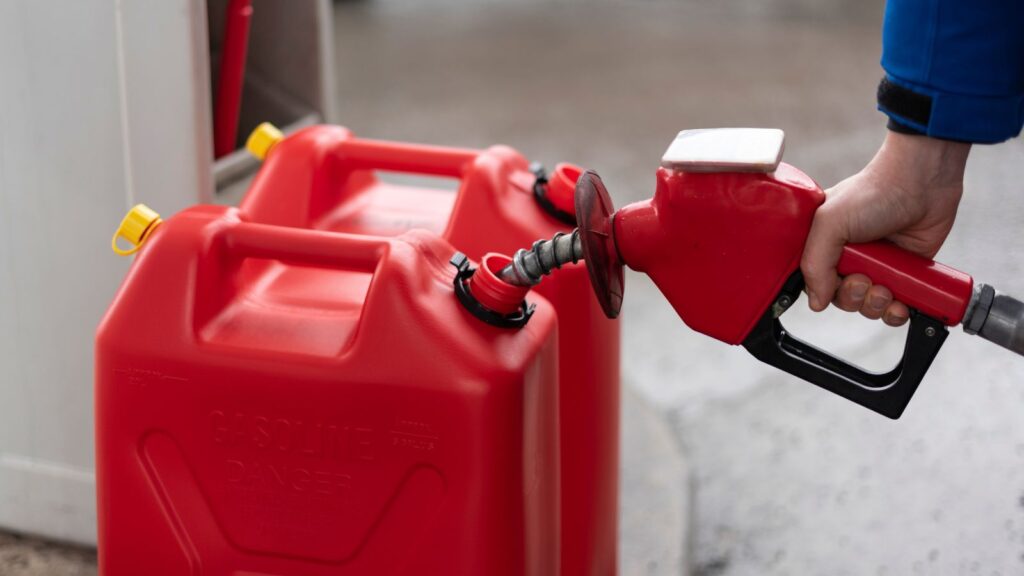
Fuel powers everything from evacuation vehicles to generators, making it critical when people need mobility or backup power. Gas stations receive regular deliveries and can’t store unlimited quantities, especially in urban areas where underground tanks are relatively small.
Once word spreads about potential shortages, lines form quickly as people top off tanks and fill spare containers. The psychological aspect is huge – having a full tank provides peace of mind and options for leaving an area if necessary.
7. Non-perishable Canned Goods
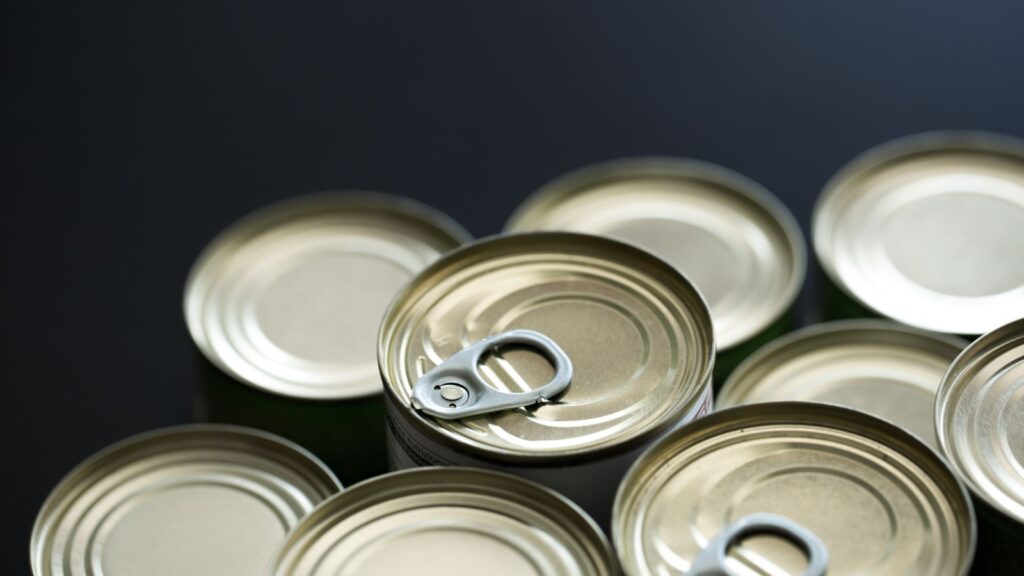
Canned vegetables, fruits, soups, and meats become instant commodities because they last for years and require no refrigeration or cooking. These items are already shelf-stable and ready to eat, making them perfect for emergency situations where normal cooking might not be possible.
The variety available means people can maintain somewhat normal diets, and the familiar brands provide psychological comfort during stressful times. Canned goods are also relatively affordable, so people can buy multiple items without breaking their budget.
8. Rice

Rice forms the foundation of meals for billions of people worldwide and stores exceptionally well when kept dry. A 20-pound bag provides substantial calories and nutrition, feeds a family for weeks, and takes up minimal storage space compared to its food value.
Rice is versatile enough to work with almost any other ingredients, from simple seasonings to complex dishes, making it valuable regardless of what other food might be available. The long shelf life means buying extra rice feels like a safe investment rather than wasteful spending.
9. Pasta

Dried pasta shares many advantages with rice – long shelf life, high caloric density, and versatility – while being even more familiar to many Western families. Kids especially will eat pasta when they reject other foods, making it essential for parents trying to maintain nutrition during stressful periods.
The variety of shapes and sizes means you can create different meals from the same basic ingredient, preventing food fatigue that comes with eating the same thing repeatedly. Pasta also cooks quickly and requires only water and heat, making it practical when cooking fuel might be limited.
10. Beans (Dried and Canned)

Beans provide essential protein and fiber that many people lack in emergency diets focused on simple carbohydrates. Dried beans store for years when kept properly and offer tremendous nutritional value per dollar spent.
Canned beans are ready to eat immediately, while dried beans can stretch limited food supplies by adding bulk and protein to meals. The combination of plant protein and complex carbohydrates makes beans incredibly filling, helping families feel satisfied when meat and other proteins become scarce or expensive.
11. Peanut Butter

This protein-rich spread lasts for months after opening and provides quick energy and nutrition without cooking. Kids love peanut butter, making it valuable for maintaining normal eating patterns when everything else feels chaotic.
The high calorie density means a small amount provides substantial nutrition, and it pairs well with crackers, bread, or even eaten straight from the jar. Peanut butter also contains healthy fats that help people feel full and provide sustained energy during physically demanding emergency situations.
12. Baby Formula

Parents will pay any price and travel any distance to find formula when their babies need it, making it one of the most critical items during shortages. Formula has specific nutritional requirements and can’t be easily substituted, unlike many adult foods.
The specialized production and strict quality control mean limited suppliers, so any disruption in manufacturing or distribution quickly creates shortages. Parents also tend to stock up when they hear about potential problems, since running out of formula isn’t an option when breastfeeding isn’t possible.
13. Diapers
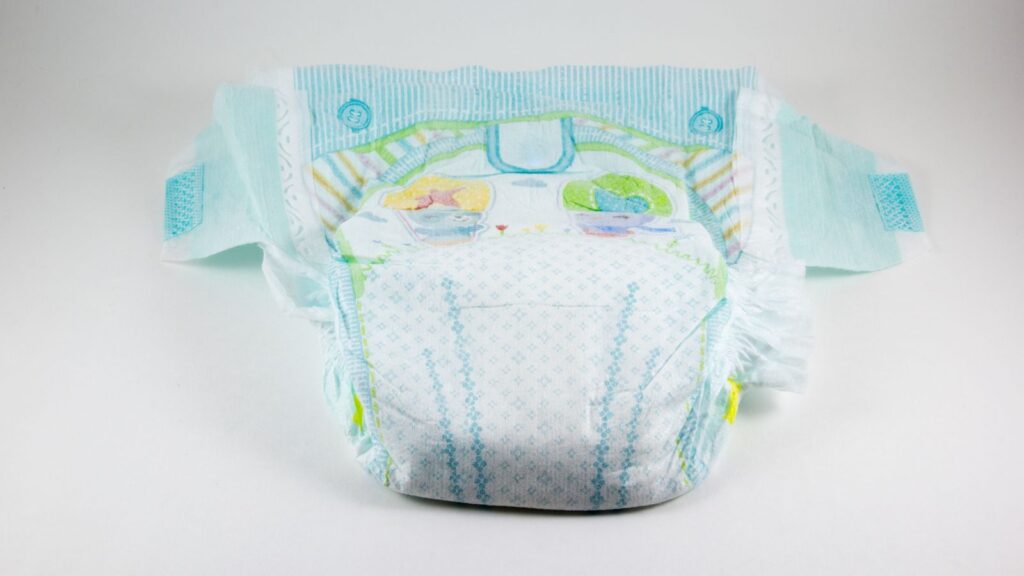
Like formula, diapers are non-negotiable for families with young children. While cloth diapers exist as alternatives, most modern parents rely entirely on disposables and don’t have backup systems in place.
Diapers are bulky and have low profit margins, so stores keep minimal inventory that disappears quickly when parents panic-buy. The size-specific nature means you can’t substitute – a baby who wears size 3 can’t use size 1 or size 5 diapers, so parents often buy multiple sizes when shortages threaten.
14. Hand Sanitizer

The pandemic taught everyone how quickly hand sanitizer disappears when public health concerns spike. This alcohol-based product requires specific manufacturing facilities and can’t be easily ramped up for sudden demand increases.
Small bottles are portable and fit in purses, cars, and pockets, making them convenient for maintaining hygiene when normal handwashing isn’t available. The psychological comfort of having clean hands becomes especially important when people worry about contamination or disease transmission.
15. Bleach
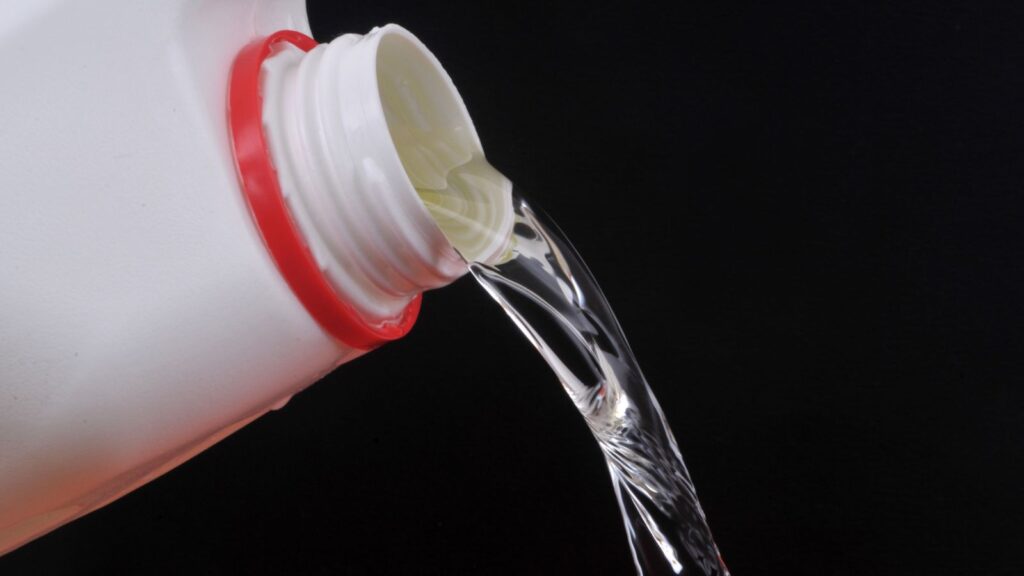
Household bleach serves multiple emergency functions – water purification, surface disinfection, and cleaning – making it valuable beyond normal housekeeping. A small amount of unscented bleach can make questionable water safe to drink, which becomes critical when municipal supplies are compromised and you don’t have a survival water filter.
Bleach also has a limited shelf life, losing potency over time, so people can’t easily stockpile it years in advance. The dual-purpose nature means people buy it both for current cleaning needs and potential emergency water treatment.
RELATED: Best Portable Water Filters for Your Preparedness Supplies
16. First Aid Supplies

Bandages, antiseptic, pain relievers, and other medical supplies become precious when injuries increase during disasters or when access to medical care becomes limited. These items are relatively inexpensive in normal times but can mean the difference between a minor injury and a serious medical emergency when help isn’t readily available.
First aid supplies also have excellent shelf life, making them practical to store long-term, and they’re small enough that people can easily buy extra without significant storage challenges.
RELATED: FEMA’s Top Disaster Relief Supplies – Should You Stock Them Too?
17. Matches and Lighters
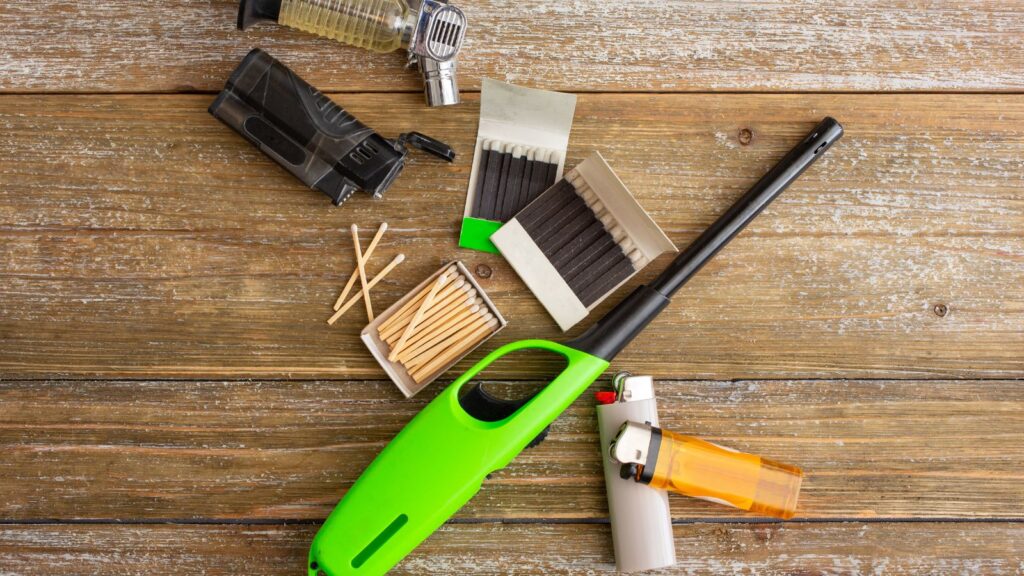
Fire-starting tools become essential when electricity fails and people need heat, light, and cooking capability. Matches and lighters are cheap and small, making them easy impulse purchases when people worry about power outages.
The ability to start a fire can be the difference between eating cold food and hot meals, staying warm or being dangerously cold, and having light or sitting in darkness. These items also store well and don’t expire, so buying extra feels like sensible preparation rather than panic buying.
18. Candles

When the lights go out, candles provide both illumination and psychological comfort in ways that battery-powered flashlights can’t match. The warm light feels more natural and calming than harsh LED beams, helping people maintain better mental health during stressful periods.
Candles burn for hours, making them efficient light sources, and they can provide modest heat in small spaces. They’re also relatively inexpensive, so people can afford to buy multiple candles without major financial impact.
RELATED: The Winter Blackout Kit Every Household Needs (And How to Test It in 10 Minutes)
19. Flashlights

Portable, reliable lighting becomes critical when power fails, and people need to move around safely in darkness. Modern LED flashlights provide bright, long-lasting light and are much safer than candles in many situations.
Good flashlights last for years, making them worthwhile investments, and they’re essential for emergency kits that people assemble when disaster threatens. The hands-free options and focused beams make flashlights more practical than candles for many emergency tasks.
20. Generators

Portable generators disappear from stores within hours when major power outages are predicted, especially before hurricane season or ice storms. These expensive items keep refrigerators running, power essential medical equipment, and maintain some normalcy when the grid fails.
Generators represent a significant financial investment, but they can prevent thousands of dollars in food spoilage and provide life-saving power for medical devices. The limited supply at most stores means early buyers get them while others go without.
21. Propane and Camp Stoves

Alternative cooking fuel becomes vital when electric stoves and microwaves stop working, and natural gas lines might be shut off for safety. Propane burns cleanly and efficiently, providing controllable heat for cooking and warmth.
Camping stoves work with small propane canisters and allow normal cooking when regular kitchen appliances are unusable. These systems also work outdoors, providing cooking capability even when it’s unsafe to use indoor appliances due to gas leaks or electrical problems.
22. Ice

Ice keeps food fresh when refrigerators fail and provides cooling for medical needs and comfort during hot weather emergencies. Ice production requires functioning electricity and water, so any disruption to these utilities immediately impacts supply.
Bags of ice are bulky and melt quickly, meaning stores can’t keep large quantities, and what they have sells out rapidly when people realize refrigeration is failing. Commercial ice machines also shut down when power fails, eliminating local production just when demand peaks.
23. Cold and Flu Medicine

Over-the-counter medications for fever, congestion, and pain relief become precious when pharmacies close or when illness spreads through crowded emergency shelters. These medicines help people function during crisis periods when they need to maintain energy and clear thinking.
Basic medications like acetaminophen, ibuprofen, and decongestants can make the difference between being functional and being bedridden when professional medical care isn’t available. They also store well and don’t require refrigeration.
RELATED: How to Make Echinacea Tincture (Recipe) With or Without Alcohol
RELATED: Super-Charged Elderberry Syrup for Colds, Flu, and Boosting Immunity
24. Prescription Medications

People dependent on daily medications face life-threatening situations when pharmacies close or supply chains fail. Unlike over-the-counter drugs, prescriptions can’t be easily substituted or found elsewhere, making them critical for chronic conditions like diabetes, heart disease, and mental health disorders.
Insurance restrictions often prevent people from getting more than 30-day supplies, leaving little buffer when emergencies disrupt normal refill schedules. The personalized nature means family members can’t share medications even in desperate situations.
25. Vitamins and Supplements

Nutritional supplements become more important when normal diets are disrupted and fresh foods become unavailable. Stress depletes certain vitamins faster than normal, and limited food variety during emergencies can create nutritional gaps that supplements help fill.
Basic multivitamins, vitamin C, and vitamin D provide insurance against deficiencies when people are eating mostly shelf-stable foods. These products store well and take up minimal space, making them practical for emergency supplies.
26. Soap and Shampoo

Personal hygiene products maintain health and psychological well-being when normal routines are disrupted. Clean skin prevents infections and disease transmission, making soap essential for basic health maintenance.
The psychological comfort of being clean becomes especially important during stressful periods when people need any available source of normalcy and dignity. Bar soap lasts longer than liquid varieties and doesn’t require packaging that might leak or break during storage.
RELATED: Pine Tar Soap Recipe
RELATED: 20 Best FREE Melt & Pour Soap Recipes + Melt and Pour Soap Making Guide
27. Toothpaste and Dental Care

Oral hygiene prevents painful dental problems that become serious emergencies when dentists aren’t available. Toothaches can be debilitating and require immediate professional care that might not be accessible during disasters.
Maintaining normal dental care routines also provides psychological comfort and helps people feel more normal during abnormal circumstances. These items are small, lightweight, and have good shelf life, making them easy to store as emergency supplies.
28. Feminine Hygiene Products
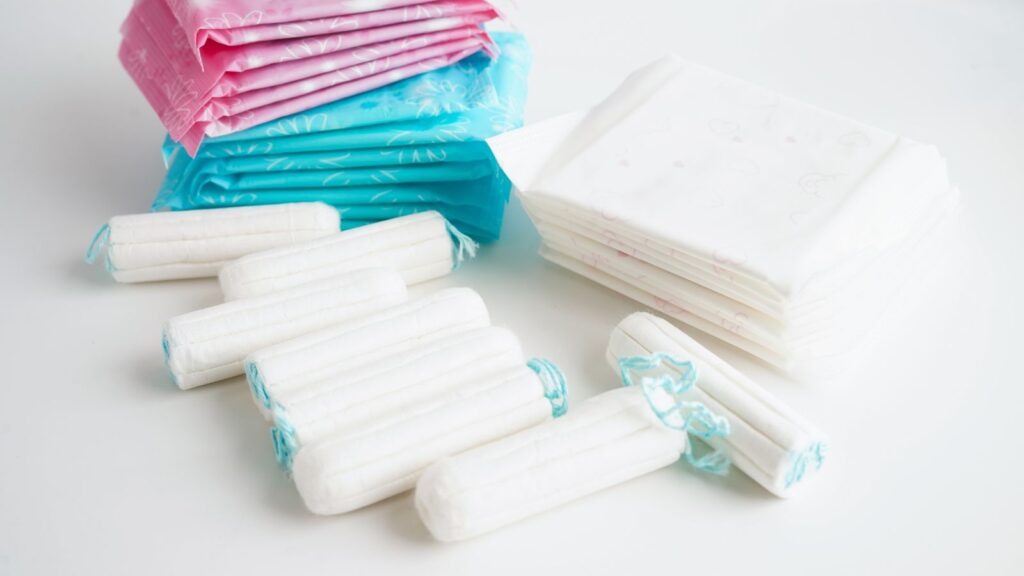
Essential for half the population, these products have no substitutes and represent a basic health and dignity need. Women and girls can’t simply go without menstrual products, making them non-negotiable purchases when supplies run low.
The variety of products and sizes means people often buy multiple types when shortages are expected. These items also have long shelf life and take up relatively little storage space compared to their critical importance. Plus, they have other uses, such as emergency wound dressings.
29. Laundry Detergent

Clean clothes prevent skin problems and maintain health when people are living in close quarters or dealing with unsanitary conditions. Laundry detergent also serves double duty for general cleaning and can help disinfect surfaces when proper cleaners aren’t available.
The concentrated formulas mean a small amount goes a long way, making detergent efficient for emergency use. People also feel more normal and maintain better mental health when they can keep their clothing clean.
30. Disposable Plates and Utensils

Paper plates and plastic utensils eliminate dishwashing when water is limited or when kitchen facilities aren’t available. These items prevent the spread of illness when proper dishwashing isn’t possible and save precious clean water for drinking and cooking.
They’re also essential when large numbers of people need feeding in emergency shelters or community kitchens. The convenience factor becomes much more important when normal routines are disrupted and energy needs to be conserved for essential tasks.
31. Plastic Bags and Food Storage

Ziploc bags and food storage containers protect supplies from moisture, pests, and contamination while helping organize emergency supplies. These items also serve multiple purposes – storing food, organizing supplies, protecting important documents, and even carrying water in emergencies.
Gallon-size bags can hold substantial amounts of food or supplies, while smaller bags portion out medications, seeds, or other small critical items. The versatility and long storage life make these items valuable additions to any emergency kit.
32. Duct Tape

This incredibly strong adhesive tape fixes everything from broken windows to torn tarps, making it invaluable when normal repair materials aren’t available. Duct tape can seal leaks, secure loose items, create emergency repairs, and even serve medical purposes like securing bandages.
The waterproof nature means it works in wet conditions when other tapes fail. A single roll can handle dozens of different repair jobs, making it one of the most versatile items in any emergency kit.
33. Tarps and Plastic Sheeting
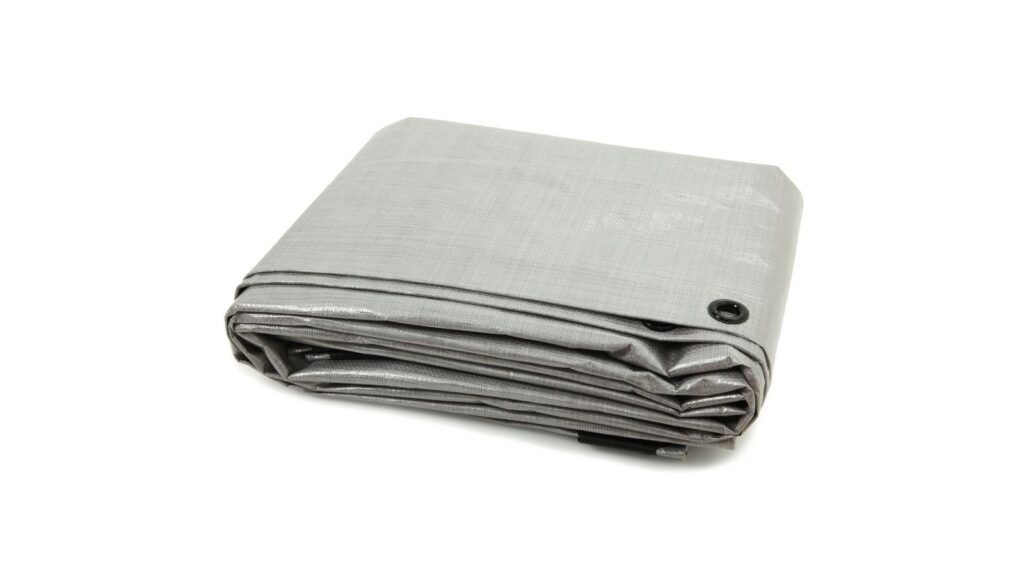
Waterproof covering protects people and supplies from rain, wind, and sun when normal shelter is damaged or unavailable. Tarps can create temporary roofs, collect rainwater, provide privacy screens, and protect supplies stored outdoors.
The lightweight and compact nature when folded makes them practical for emergency kits, while their large coverage area provides substantial protection when deployed. Heavy-duty tarps last through multiple storms and can be reused for years.
34. Rope and Paracord

Strong cordage secures tarps, repairs equipment, creates clotheslines, and handles countless other tasks when normal hardware isn’t available. Paracord is especially valuable because the inner strands can be removed for fishing line, sewing thread, or snare wire.
Good rope doesn’t stretch or break under load, making it reliable for critical applications like securing shelter or moving heavy objects. The versatility means a small amount of quality rope can solve many different problems.
35. Multi-tools and Knives

Sharp, reliable cutting tools become essential when people need to open packages, prepare food, cut rope, or handle emergency repairs. A good multi-tool combines several functions in a compact package that fits in a pocket or emergency kit.
Sharp knives are necessary for food preparation and can’t be easily improvised from other materials. These tools last for decades with proper care, making them worthwhile investments that serve long-term emergency preparedness.
36. Work Gloves
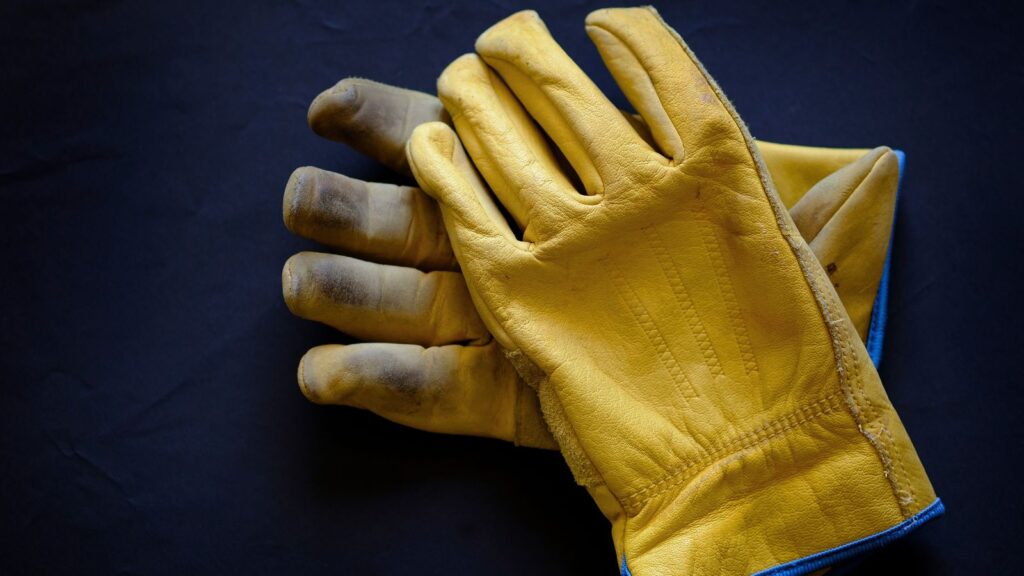
Hand protection becomes critical when people need to clear debris, handle rough materials, or work in dangerous conditions during recovery efforts. Good gloves prevent cuts, splinters, and chemical exposure while improving grip when handling slippery or awkward objects.
They also protect against cold when people are working outdoors for extended periods. Quality work gloves last through heavy use and can mean the difference between being able to help with recovery work or being sidelined by hand injuries.
37. Cash

Electronic payment systems fail when power goes out or networks are disrupted, making physical currency the only way to buy necessities. Small bills are especially valuable because many businesses can’t make change for large denominations during emergencies.
Cash also provides privacy and doesn’t require identification or working technology to use. ATMs stop working when power fails, and bank branches may be closed, making whatever cash people have on hand their only spending money.
38. Water Purification Tablets

These lightweight tablets turn questionable water sources into safe drinking water when municipal supplies fail or when people need to use natural water sources. Each tablet treats a specific amount of water and kills bacteria, viruses, and other pathogens that cause serious illness.
The compact nature means people can treat hundreds of gallons of water with a small container of tablets. They also have excellent shelf life and work without electricity or equipment, making them ideal for emergency kits.
39. Manual Can Openers

Electric can openers stop working when power fails, but manual versions continue opening cans regardless of circumstances. A reliable manual can opener becomes essential when people are eating mostly canned foods and need access to nutrition and calories.
These simple tools last for decades and take up minimal storage space. Having multiple can openers ensures that losing or breaking one doesn’t cut off access to canned food supplies.
40. Radios (Battery-powered or Hand-crank)
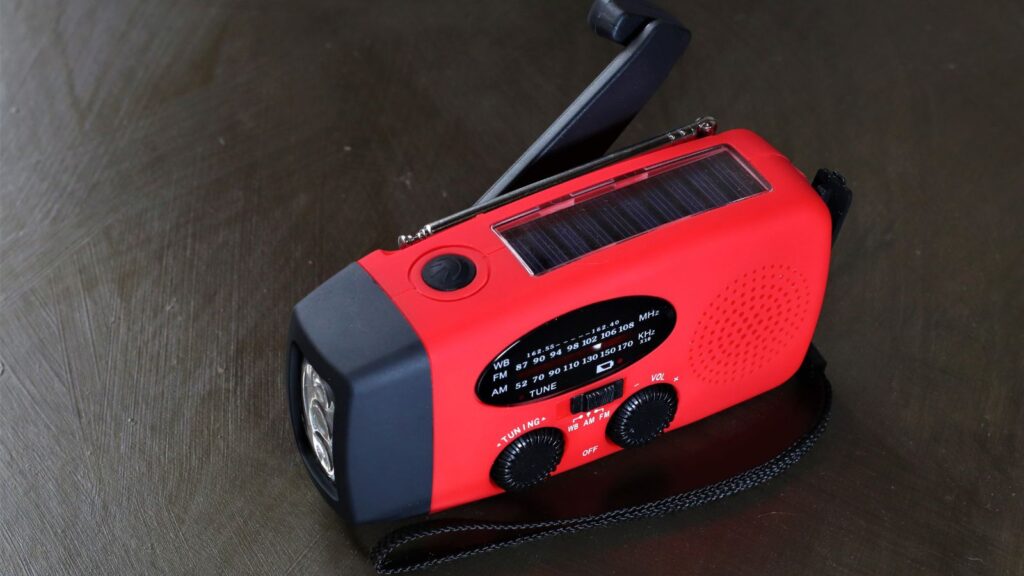
Communication and information become critical when normal news sources are unavailable and people need updates about emergency conditions, evacuation orders, or aid distribution. Battery-powered radios work when cell towers fail, and hand-crank versions continue functioning even when batteries run out.
Weather radios provide official emergency broadcasts directly from government agencies. The ability to receive news and emergency information can be life-saving when people need to make critical decisions about evacuation or sheltering.
41. Two-way Radios

When cell phone networks are overloaded or damaged, two-way radios provide reliable communication between family members or neighbors. These devices work on dedicated frequencies that aren’t subject to commercial network congestion.
Good quality radios have a range of several miles and can coordinate emergency activities, check on separated family members, or call for help when other communication methods fail. The real-time communication capability provides peace of mind and practical coordination ability.
42. Sleeping Bags and Blankets
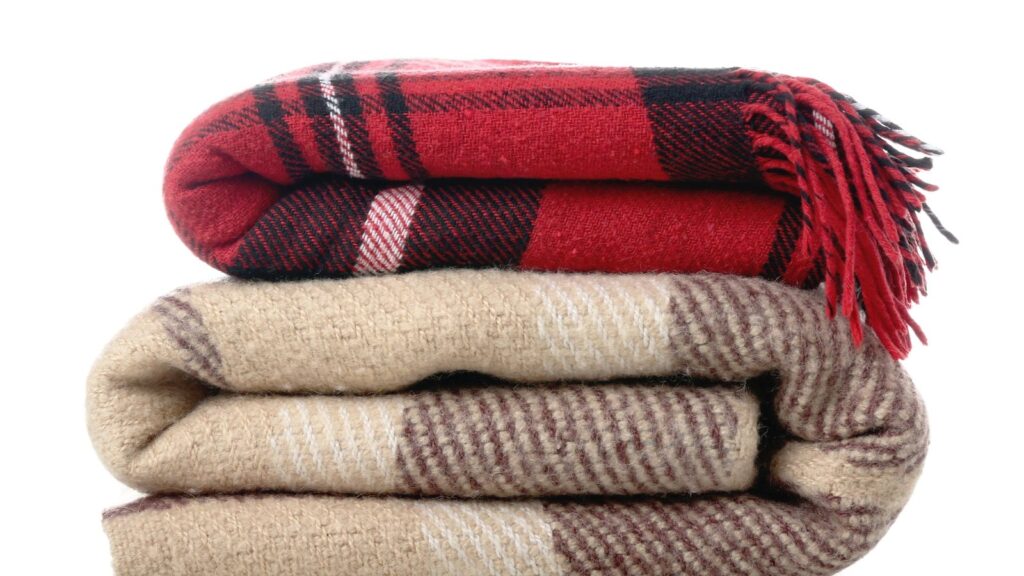
Warmth becomes critical when heating systems fail or when people need to shelter in areas without normal comfort amenities. Good sleeping bags provide warmth even in cold conditions and compress into relatively small packages for storage.
Emergency blankets reflect body heat and can mean the difference between surviving cold conditions and developing dangerous hypothermia. These items also provide comfort and better sleep, which helps people maintain physical and mental health during stressful periods.
43. Coolers and Ice Packs

When refrigeration fails, coolers become the only way to keep critical medications, baby formula, and perishable food safe. Good coolers with adequate ice can maintain safe temperatures for several days, potentially saving hundreds of dollars in spoiled food and preventing dangerous medication degradation.
Reusable ice packs provide longer-lasting cooling than regular ice and can be refrozen when power returns. The ability to maintain cold storage can be critical for families with special dietary needs or medical requirements.
44. Lumber and Plywood

Building materials for emergency repairs become precious when normal suppliers are closed or when delivery trucks can’t reach affected areas. Plywood covers broken windows, reinforces damaged roofs, and creates temporary barriers against wind and rain.
Basic lumber repairs structural damage and creates emergency shelters or privacy screens. These materials are bulky and expensive, but they can make homes livable again after storm damage or provide security when normal law enforcement is overwhelmed.
45. Nails, Screws, and Basic Hardware

Fasteners enable emergency repairs that keep shelters weatherproof and secure when professional help isn’t available. Different sizes and types of nails handle various repair jobs, from securing plywood over windows to reattaching loose siding.
Screws provide stronger connections than nails and can be removed and reused for temporary repairs. Basic hardware like hinges, latches, and brackets enable more complex repairs that restore normal function to damaged structures.
46. Extension Cords and Power Strips

When generators provide limited power, extension cords bring electricity to where it’s needed most, safely routing power to essential appliances and devices. Heavy-duty outdoor-rated cords handle the full output of portable generators without overheating or voltage loss.
Power strips allow multiple devices to share limited electrical capacity, prioritizing the most critical needs. Proper electrical distribution prevents dangerous situations like overloaded circuits or improper connections that can cause fires.
47. Fire Extinguishers

Fire safety becomes more critical when emergency services are overwhelmed or when people are using alternative heating and cooking methods that increase fire risk. Small fires that would normally be minor problems can become disasters when fire departments can’t respond quickly.
Portable extinguishers allow people to stop fires before they spread, potentially saving homes and lives. Different types of extinguishers handle various fire sources, from grease fires in emergency kitchens to electrical fires from overloaded generators.
48. Garden Seeds

When food supplies become uncertain, the ability to grow fresh produce provides both nutrition and peace of mind for the future. Seeds are lightweight, take up minimal storage space, and can produce hundreds of pounds of food from a small investment.
Vegetables like lettuce, radishes, and herbs grow quickly and provide fresh nutrition that’s often lacking in emergency diets of shelf-stable foods. Heirloom seeds can be saved from harvest to harvest, creating ongoing food security.
49. Salt
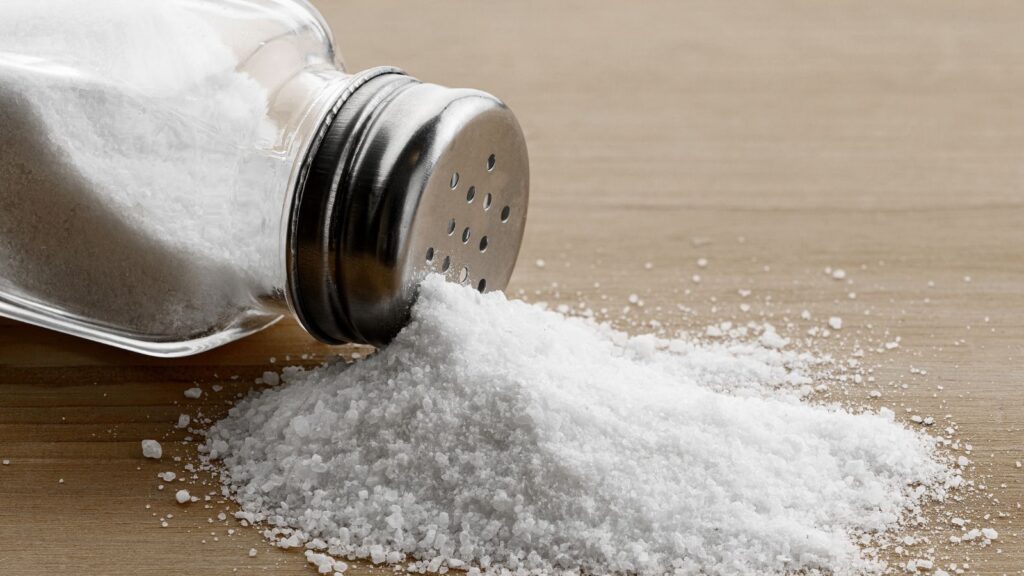
Salt preserves food, flavors meals, and provides essential electrolytes that become especially important during physically demanding emergency situations. Large quantities of salt take up relatively little space and last indefinitely when kept dry.
Salt also has medical uses for wound cleaning and can help prevent food spoilage when refrigeration isn’t available. The preserving properties become valuable when people need to make fresh food last longer without normal storage methods.
RELATED: 175 Dehydrator Recipes You’ll Love
50. Sugar and Honey
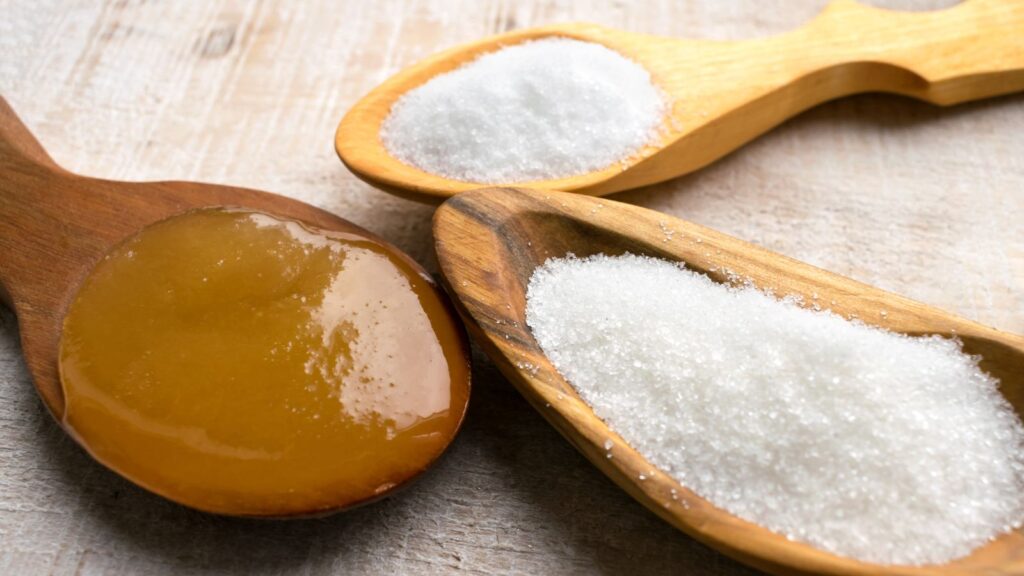
Sweeteners provide quick energy and make bland emergency foods more palatable, helping maintain morale when normal comfort foods aren’t available. Honey has natural antibacterial properties and never spoils, making it valuable for both nutrition and basic medical care.
Sugar stores well and provides concentrated calories that can be critical when people are doing physically demanding work during recovery efforts. These items also help maintain normal cooking ability when people are preparing meals from basic ingredients.
51. Coffee and Tea
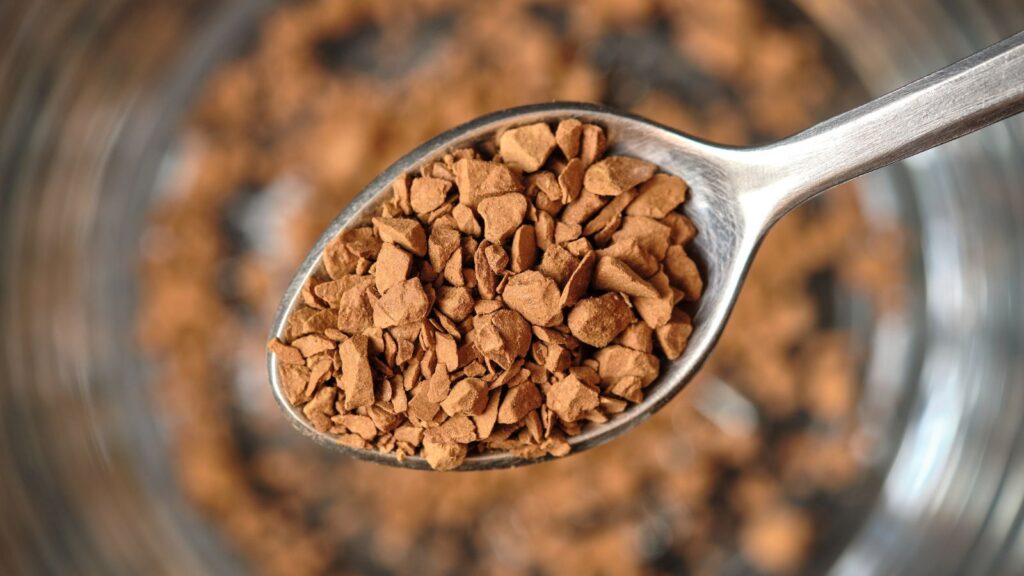
Caffeine provides energy and alertness when people need to stay awake for emergency tasks or when normal sleep patterns are disrupted. Hot beverages also provide psychological comfort and help people feel more normal during abnormal circumstances.
Coffee and tea can be prepared with minimal equipment and fuel, making them practical even when normal kitchen facilities aren’t available. The ritual of hot beverages also provides structure and comfort to disrupted daily routines.
RELATED: How to Dry Herbs for Making Tea
52. Alcohol (for disinfection)

Rubbing alcohol disinfects wounds, sterilizes equipment, and cleans surfaces when normal cleaning supplies aren’t available. High-proof drinking alcohol can also serve disinfection purposes while providing stress relief and trade value in extended emergency situations.
Alcohol doesn’t expire and takes up minimal storage space while serving multiple critical functions. The antiseptic properties become especially important when people are dealing with injuries and need to prevent infections.
RELATED: Common Injuries in Natural Disasters and How to Prepare
53. Books and Entertainment

Mental health becomes as important as physical health during extended emergency periods, and entertainment helps people cope with stress and boredom when normal activities aren’t available.
Books don’t require electricity and can be shared among family members or neighbors. Card games, board games, and puzzles provide social interaction and mental stimulation that help maintain psychological well-being. These items also help children cope with disrupted routines and scary situations.
54. Cigarettes and Tobacco

For people who smoke, tobacco becomes a critical stress-relief tool that can’t be easily substituted when normal supplies are disrupted. Withdrawal symptoms make existing emergency stress much worse, and smoking provides psychological comfort during difficult periods.
Cigarettes also have trade value and can be bartered for other necessities when normal commerce isn’t functioning. The addiction aspect means smokers will prioritize tobacco over many other supplies, making it valuable even for non-smokers who can trade it.
RELATED: 50 Everyday Items Worth More Than Gold in a Crisis
55. Pet Food and Supplies

Pet owners won’t abandon their animals, making pet food and care supplies essential for a significant portion of the population. I’m one of those people. I made a commitment to my animals to care for them, no matter what, to the very end. They are a significant part of my family.
Pets require specific nutrition that can’t be easily substituted with human food, unless you’re like me and know how to provide a good, balanced, nutritious diet from fresh food. But I also recognize that in times of crisis, without access to fresh, wholesome food, I may have to feed my animals commercial options, so it’s essential to have a stock on hand.
Essential pet medications, just like human meds, become critical when veterinary care isn’t available. The emotional support that pets provide during stressful times makes their care a priority rather than a luxury for most families.

