
Affiliate disclosure: This post may contain affiliate links. Please see full disclosure.
You know that moment when it absolutely pours and you’re standing at the window watching your bank slowly… slide?
You go out the next day and there’s a little more of the slope in the driveway, a little less topsoil on the hill, and you start doing panic-math about how long before the whole thing ends up at the bottom.
You don’t fix that with more bags of cheap mulch.
You fix it with roots.
Plants are the easiest, lowest-maintenance way to pin a slope in place. Deep or fibrous roots grab soil and hang on. Stems and leaves break the force of rain so water soaks in instead of blasting your soil downhill. And if you pick the right plants, you get erosion control, habitat, and a nicer-looking yard for the same effort.
I’m going to walk you through 14 plants I’d actually use on a real bank or slope to stop soil washing away. You don’t need all of them. Think of this as a menu: pick a few shrubs, a couple of grasses or sedges, then some tough groundcovers to knit everything together.
1. Creeping juniper (Juniperus horizontalis and low juniper cultivars)

If you’ve got a sunny, dry slope that laughs at regular plants, creeping juniper is your workhorse.
It stays low and spreads wide, sending roots down wherever the stems touch the soil. Over time you get this thick, evergreen “blanket” that protects the soil from sun, wind, and heavy rain. That alone makes a huge difference for erosion.
I love it on steep front banks, the top of retaining walls, and those awkward edges along driveways where you absolutely do not want to wrestle a mower. Once it’s established, it’s seriously drought-tolerant. You might need to weed between young plants the first season, but after that, it pretty much takes over the job of groundcover and security guard in one.
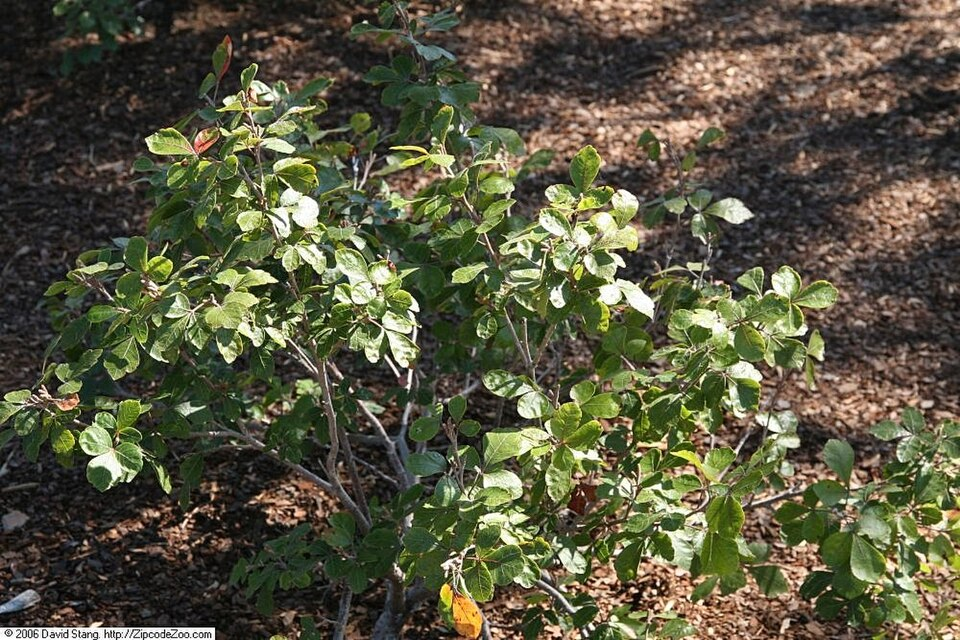
2. ‘Gro-Low’ fragrant sumac (Rhus aromatica ‘Gro-Low’)
This one’s a beast in the best way.
‘Gro-Low’ is a low, spreading shrub that only gets about 2 feet tall but can run 6–8 feet wide. It throws up lots of shoots from the base and sends suckers out, so over a few years it knits into a dense thicket.
On a slope, that thicket is exactly what you want. Roots going in all directions, stems crossing and weaving together, leaves intercepting rain. The bonus? The fall color is gorgeous red and orange, so your “erosion control” looks like you meant to plant it.
It’s a good choice for full sun banks with rough, rocky, or fairly dry soil. Think “roadside bank but prettier.” I wouldn’t put it right up against a small, formal bed if you hate pruning, but for wild-ish banks and long slopes, it’s fantastic.
3. Switchgrass (Panicum virgatum)
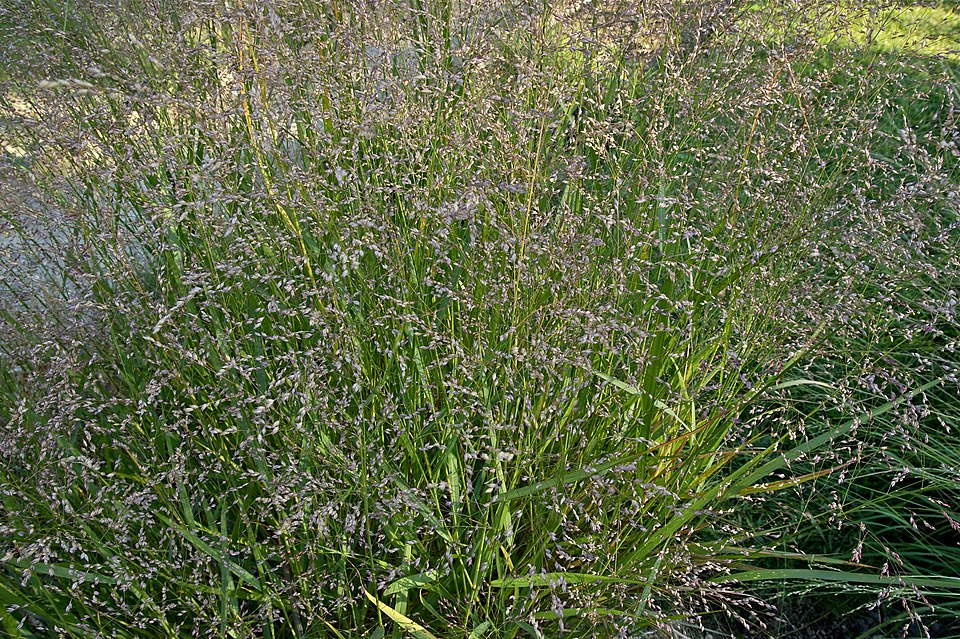
Switchgrass is a native prairie grass with serious roots. I’m talking roots that head down several feet when they’re happy.
Those roots are like rebar in concrete. They hold soil in place, open up channels for water to soak in instead of just running off, and feed soil life as they grow and die back. Above ground, you get tall, upright clumps of grass that sway in the wind and slow down rain and runoff.
I like switchgrass in the “back row” of a slope, especially on the upper part of a bank where the water first hits. Plant in drifts, not lonely clumps, and mix a couple of varieties with different heights and colors. Give it full sun and at least average moisture while it gets established and it’ll handle a lot of abuse later.
4. Little bluestem (Schizachyrium scoparium)

Little bluestem is like switchgrass’s slightly shorter, artsy cousin.
It forms upright clumps, usually 2–3 feet tall, with bluish summer foliage that turns coppery-orange in fall and holds most of the winter. Underneath, it also has a deep, fibrous root system that grips the soil.
Where switchgrass is great on slightly heavier or moister slopes, little bluestem shines on lean, dry hillsides. It doesn’t mind rocky, poor soil as long as it gets sun. I love it mixed with switchgrass and creeping groundcovers: tall clumps breaking the force of rain, lower plants stitching the surface together.
If you’ve got a slope where turf grass keeps burning out or washing away, this is a much better long-term solution.
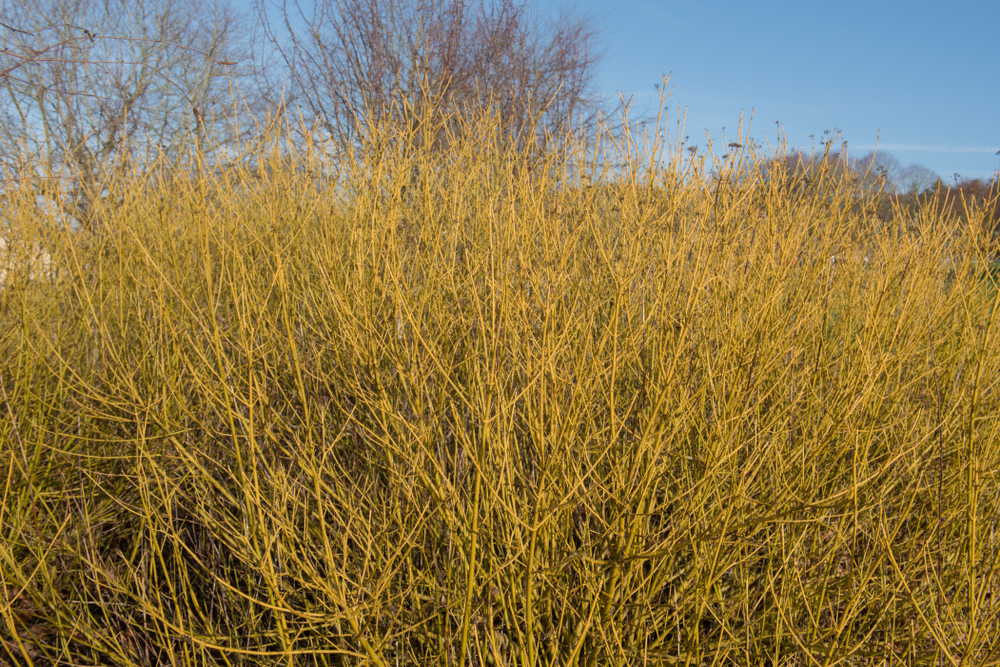
5. Red osier dogwood (Cornus sericea)
Now we’re getting into the wetter side of things.
If your “slope” is really the side of a ditch, a pond bank, or the edge of a little stream that keeps slumping, red osier dogwood is a classic fix. It naturally grows along waterways and has a dense, fibrous root system plus the habit of sending up new stems from the base and from where stems touch the ground.
You plant a few shrubs, and before too long you’ve got a thicket. That thicket’s roots anchor the bank, the stems slow water, and any soil that does move gets trapped instead of heading straight downstream.
And the red winter stems are stunning. You get erosion control and a shot of color when everything else is brown and gray. Give it sun to part shade and moist soil. It’s not a dry-slope plant; it wants that damp toe or a place that gets regular runoff.
6. Virginia sweetspire (Itea virginica)
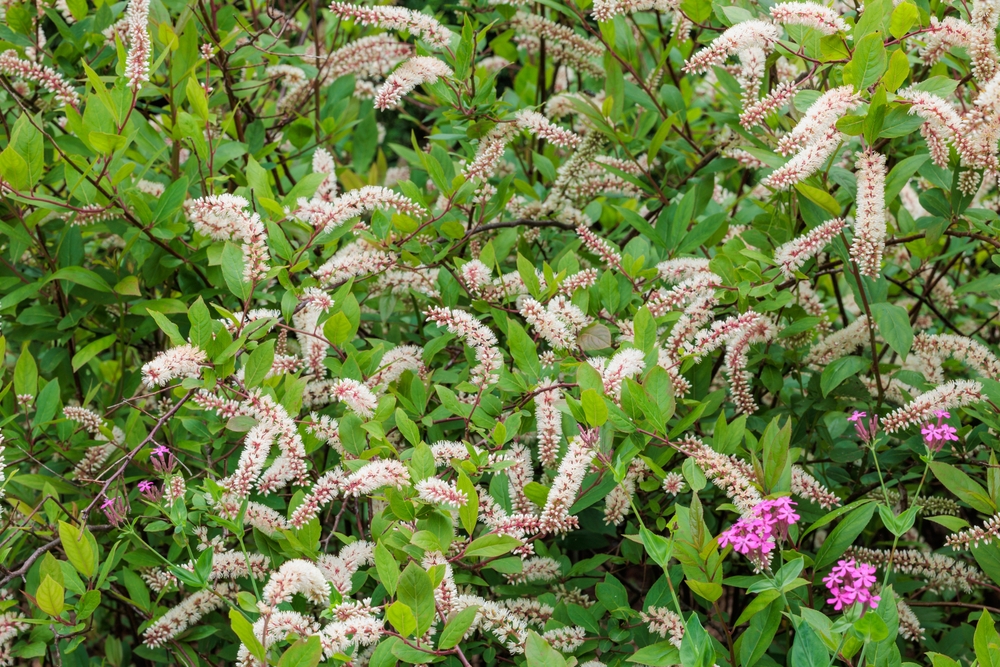
Another good one for damp banks and low spots.
Virginia sweetspire is a suckering shrub with arching stems and long, white, bottlebrush flowers in early summer. It loves moist soil and will happily spread into a mass planting if you let it, which is exactly what you want on a bare, eroding bank.
Its roots create a network that holds the soil, and its dense foliage slows down sheet flow from heavy rain. In fall, the leaves turn rich red, so again, you get “looks intentional” instead of “we’re just trying to keep the hill from falling over.”
I like sweetspire on the lower half of a slope or along the edges of a drainage swale or rain garden. It will tolerate some shade, but you’ll get the best color and bloom in part sun.
7. Smooth hydrangea (Hydrangea arborescens)

If you want big fluffy flowers and more stable soil, smooth hydrangea is an easy win.
Think classic ‘Annabelle’ type blooms. These hydrangeas have a spreading root system and a shrubby framework that’s great for intercepting raindrops before they hammer the soil. Plant them in a staggered pattern on a slope and they’ll do a lot of work softening water hitting that bank.
Underneath, you can tuck in groundcovers or sedges to cover the bare soil between shrubs while they fill in. Over time, the shrub canopy and the ground layer work together: less splash erosion, more roots, happier soil.
They like part shade and reasonably moist soil. They’re perfect for the shady side of the house where the grade drops away, or a wooded slope with some filtered light.
8. Willow (Salix species) from live stakes

This is for the serious erosion situations, not the decorative little bump in the yard.
Willows love water and root incredibly easily. In proper restoration work, people literally shove fresh-cut willow sticks (called “live stakes”) into a damp bank, and those sticks root and grow into new plants. As they spread, their roots knit the bank together.
If you’ve got an actively eroding creek bank, and you’re not worried about the long-term size, willows can be a cheap, fast way to get living stabilization started. You can often use native willow species from your area; check local guidance so you’re not planting something invasive.
This is not what I’d put on a tiny backyard slope away from water. It’s what I’d use for a soggy edge that keeps slumping every winter and needs a tough, water-loving anchor.
9. Pennsylvania sedge (Carex pensylvanica)
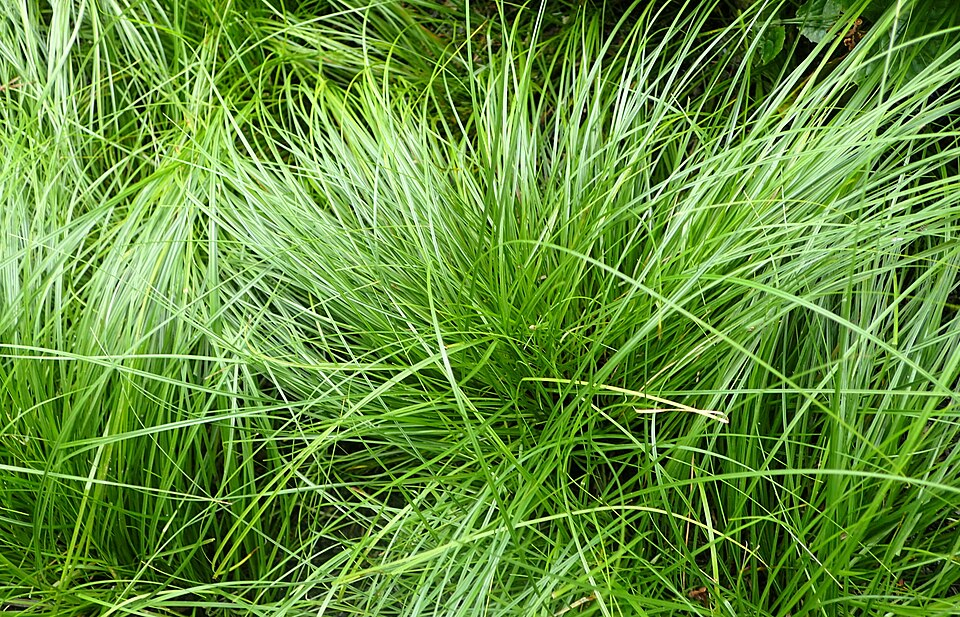
Shady slope under trees and grass just won’t stay? Pennsylvania sedge is built for that job.
It’s a fine-textured, native sedge that looks like an airy, delicate grass. It spreads slowly by short rhizomes and gradually makes a soft, ankle-high carpet. That carpet hides the soil from pounding rain and its root mat holds the top few inches in place.
Because it tolerates dry shade and root competition, you can plant it under oaks, maples, and other big trees where turf usually fails. It doesn’t want to be squelchy-wet, but it’s happy in that tricky “dry but shaded” hillside that bakes out in summer and erodes in winter.
You can leave it natural or give it one or two light trims a year if you want a more “meadowy lawn” look.
10. Riverbank sedge (Carex species for wet areas)
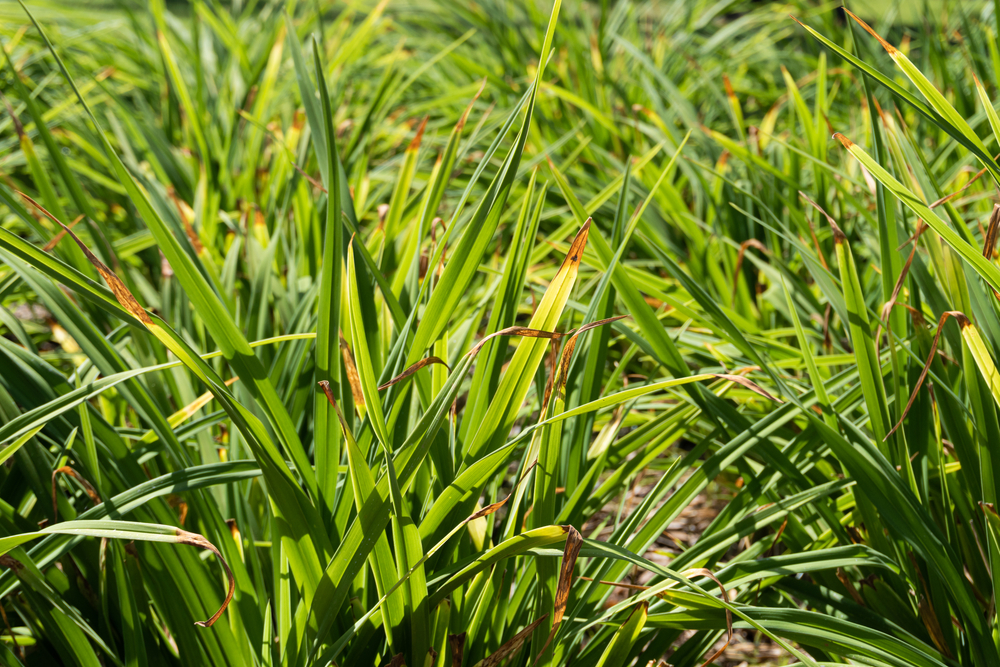
For soggier slopes and actual water edges, you want the wetland sedges.
There are lots of species, and the right one depends on where you live, but the basic idea is the same: these sedges naturally grow along streambanks and pond margins, and they form dense clumps or mats that are very good at holding mud in place.
The roots create a thick net. The foliage stands up to moving water better than turf grass, so instead of washing out, the bank slowly stabilizes and may even build back a bit as sediment gets trapped.
If you’ve got a ditch, swale, or pond edge that erodes every time you get a big storm, look for a native riverbank or tussock sedge suited to your region. Plant in staggered clumps along the waterline and up the lower bank.
11. Creeping phlox (Phlox subulata)

Let’s talk pretty for a second.
Creeping phlox is that low, evergreen groundcover that turns into a waterfall of flowers in spring—pink, purple, blue, white. Under all that cuteness is a dense mat of stems and roots that holds soil in place beautifully.
It hugs the ground, which is perfect for stabilizing the very top few inches of your slope. And because the foliage stays (mostly) over winter, it protects the soil year-round instead of leaving it bare after frost.
Creeping phlox likes sun and well-drained soil, so it’s great on sunny banks, rock walls, and the edges of terraces. I like to plant it between rocks on a slope, where it can grow over and through them and literally tie the structure together.
12. Creeping stonecrop and sedums (Sedum species)

Sedums are the “we tried nothing and we’re all out of ideas” plant for brutal, dry spots.
They’re low, succulent groundcovers that store water in their leaves, so they tolerate blazing sun, heat, and poor soil. Creeping types spread into mats that cover bare ground and send shallow but effective roots into all the little cracks.
On a hot, dry slope where rain mostly comes as heavy storms, sedums do two important things. They shield the soil from direct impact, and they catch and hold some water so the soil underneath doesn’t go from concrete-dry to soup-wet all in one event.
They also flower, which the pollinators appreciate. Mix different creeping sedums for a patchwork of textures and bloom times. I’d use them on the very top or face of a dry bank, with deeper-rooted grasses or shrubs above and behind for extra stability.
13. Bearberry / kinnikinnick (Arctostaphylos uva-ursi)

Bearberry is a tough, low, evergreen shrub that crawls along the ground, rooting as it goes, and that trait makes it excellent at holding loose soil.
It likes acidic, sandy, or rocky soil—places where a lot of plants pout. On a slope like that, if you can get bearberry established, it forms a thick mat of stems, leaves, and roots. Rain hits the foliage, not the soil; wind slides over the top instead of lifting your topsoil.
You also get white or pinkish flowers and red berries, which look lovely and feed wildlife. It’s a great option for slopes near driveways and paths where you want something evergreen and low that won’t fall over or need mowing.
Give it sun and good drainage. This is not a plant for soggy clay.
14. Green-and-gold (Chrysogonum virginianum)

If your erosion problem lives in the shade, green-and-gold is one of my favorite native groundcovers.
It’s a low, spreading perennial that makes a lush green carpet dotted with bright yellow, daisy-like flowers in spring and often again lightly through the year. It spreads by short stolons, so over time it knits into a solid mat.
On a shady slope, that mat is your armor. It covers bare ground, slows down drips from overhanging trees, and gives weeds less space to get in and loosen the soil.
It likes part shade to shade and decent moisture, but once established it can handle normal “garden dry” under trees. I like it tucked under shrubs like hydrangea or sweetspire on a slope, so you get a shrub layer and a living mulch layer working together.
Putting it together on a real slope

You don’t have to turn this into a giant landscaping project. Think layers and patches, not perfection.
Here’s how I’d tackle an actual eroding bank:
Start by planting shrubs or larger grasses in a loose zigzag across the slope, not in straight rows. Red osier dogwood and sweetspire on a damp bank; fragrant sumac and switchgrass on a dry one; hydrangea and Pennsylvania sedge on a shady one.
Then tuck in clumps of grasses or sedges between the shrubs. Little bluestem on dry, sunny banks; riverbank sedges on wet feet.
Finally, plug in groundcovers like creeping phlox, sedum, bearberry, or green-and-gold in the gaps. Plant them closer than you would in a flat bed—think of it as stitching a tear together.
Use a light layer of shredded wood mulch or wood chips around new plants to protect the soil while roots get going. On very steep or very bare slopes, you can lay down jute or coir netting first, pin it, and then plant through it. It looks a little weird the first year, but it breaks down as the plants take over and keeps your soil from heading for the neighbor’s place in the meantime.
Water deeply, not constantly, that first season. You want roots chasing moisture down, not hanging around the surface. After that, most of these—especially the natives—should be able to handle normal weather swings without babying.
And remember, you’re building a system, not installing a statue. Stuff will fill in unevenly. Some plants will love it. Some won’t. That’s fine. The goal is simple: next time it pours, you can stand at the window and watch the rain soak in… while your bank stays put.