

Affiliate disclosure: This post may contain affiliate links. Please see full disclosure.
The cold snap rolled in fast. One minute I was splitting kindling on the porch, the next the sky went that odd gray-green that always makes me uneasy. Then—click—the house went silent.
No furnace hum.
No well pump.
No lights.
Just the kind of quiet that makes you suddenly aware of every draft in your old farmhouse.
If you’ve ever stood in the dark like that, even for a minute, you know the truth: a winter blackout isn’t dramatic… until it is. It’s just cold, still air settling into every room, one degree at a time. And once the temperature starts sliding, you don’t have long before comfort turns into a real problem.
A good winter blackout kit stops that slide.
And the good news? You don’t need a bunker or a trust fund. You need a few well-chosen tools, a bit of common sense, and a system you can test in ten minutes—before the next storm rolls in.
Here’s the kit I keep by the mudroom door, and the one I’ve helped neighbors build over the years. This is beginner-friendly, no-nonsense, and designed for folks living in real houses with real heating, plumbing, families, pets, and problems.
1. Light That Actually Works When the House Is Icy Cold
The first thing you feel in a blackout is the dark.
Phones are fine for a quick check, but they’re terrible as primary light. They burn battery, they’re slippery when you’re cold, and they don’t light a whole room.
For winter outages, I rely on three layers:
Headlamps

I swear by headlamps because they keep your hands free. Put one on each person’s bedside table before storms start. Cold fingers don’t like fumbling with drawers.
Rechargeable is great, but in winter I want backup AA or AAA options because cold temperatures kill lithium battery runtime fast. Keep spare batteries in a sealed zip bag so moisture doesn’t get them.
Room Light
A single LED lantern can turn a pitch-black house into something livable. I keep one in the blackout box and one on the pantry shelf. Test them every fall. If the dim setting is dimmer than usual, it’s time for fresh batteries.
Navigation Light
A tiny “breadcrumb” light by stairs, hallways, and the front step keeps people from twisting ankles or face-planting at 2 AM. Even a cheap snap-light is better than nothing.
When people can see, they stay calm. They move deliberately. No scrambling, no yelling, no tripping over pets. Calm is half the battle in a cold house.
2. Heat You Control (Even If the Grid Goes Down)

Here’s the part a lot of new homesteaders forget: your main heat source probably needs electricity somewhere. Even a wood furnace often has an electric blower. Pellet stoves are dead in the water without power. Heat pumps? Don’t get me started.
So build a backup stack:
Primary Backup: Woodstove or Safe Space Heater
If you’ve got a woodstove, keep two days’ worth of dry split wood inside, not just stacked outdoors. Snowdrifts and frozen doors happen at the worst times.
No woodstove? A safe, indoor-rated propane heater can keep one room livable. The trick is planning which room becomes your warm zone. I usually recommend the living room or a bedroom with good doorways.
Crack a window the width of a pencil for ventilation if your heater requires it. Not optional.
Secondary Backup: Warm Lines of Defense
No matter your heat source, you’ll want:
- Wool blankets
- Sleeping bags rated to at least 20°F
- A heavy curtain or old quilt to hang over doorways to shrink the heated space
People laugh at hanging blankets in doorways until the house hits 40°F inside. Then they stop laughing.
Keeping one room warm buys you time—hours, sometimes days—while you figure out next steps. And time is everything in an outage.
3. Your Water Plan (Especially if You’re on a Well)

City water folks have it easier, but in the countryside, no power means no pump, which means no water for drinking, flushing, or cooking.
Here’s my rule: store two gallons per person per day in winter. Dehydration hits harder when you’re bundled up and forgetting to drink.
During freezing weather, store water in a closet or pantry so it doesn’t turn into an inconvenient ice sculpture.
If you’ve got livestock, you already know the drill—keep separate containers for them, and refill whenever the forecast looks dodgy.
Resilience boost: Water is heavy, awkward, and annoying… but running out in freezing weather turns a simple outage into a crisis fast.
4. Protect the Pipes Before They Freeze

Frozen pipes aren’t dramatic like in the movies. They just quietly fill with ice until—pop—and then you’re dealing with water damage on top of everything else.
A winter blackout kit needs:
Pipe-Saving Tools
- A flashlight bright enough to check cold corners of the basement
- A wrench to shut off the main if something bursts
- Towels for leaks
- Heat tape on vulnerable stretches (pre-installed, not added during the blackout)
If the house is dipping toward freezing, open cabinet doors under sinks and let a trickle of cold water flow. Moving water freezes slower.
A $3 slow trickle is cheaper than replacing drywall and flooring in February.
5. Power for the Essentials (Not the Whole House)

Forget powering the whole homestead—that’s a fantasy for most folks. Instead, think targeted electricity.
Your blackout kit needs:
A Battery Bank
A good one will recharge phones, headlamps, small radios. Keep it topped up. This is your lifeline to weather updates.
Small Inverter or Car Charger
You can charge devices from your vehicle—just don’t run the engine in a garage. Carbon monoxide doesn’t care that you’re “just topping off a battery.”
Generators (If They Fit Your Setup)
A small inverter generator is perfect for:
- Running your fridge for an hour
- Powering a blower fan on some wood furnaces
- Pumping water from a well if you’ve got the right transfer switch
But generators are loud, thirsty, and need ventilation. They’re a tool, not a plan. Don’t lean on them as your only heat source.
6. Food That Doesn’t Require a Working Kitchen

When the house is cold, you want hot food—but you also want something that works even if you can’t cook.
I keep:
- A propane camp stove (outdoor use only)
- Ready-to-eat meals that don’t need heat
- A small stash of insulated mugs
A warm drink at midnight does more for morale than most people think.
You don’t need gourmet rations. Just calories, warmth, and simple prep.
Resilience angle: Cold people stop thinking clearly. Warm food helps everyone stay focused and cooperative.
7. Communication and Safety Basics
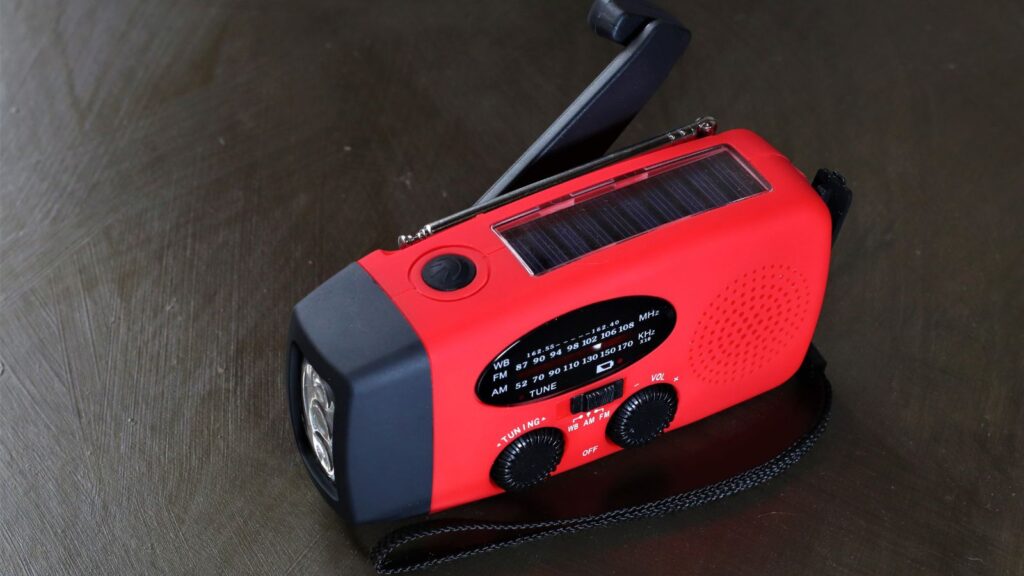
You don’t need a whole radio room—just enough gear to stay informed and reachable.
- A small NOAA weather radio (battery or hand-crank)
- External battery for your phone
- A list of neighbor phone numbers written on paper
If someone slips on the ice or the woodstove smokes too much, you want a way to call for help even if your phone died hours ago.
8. Comfort Items That Keep Morale High

A winter blackout is mostly boring and cold. That combo wears families down. Add a few morale boosters to your kit:
- A deck of cards
- A couple of old-fashioned board games
- One or two paperbacks
- Extra socks and warm hats
- A dedicated “blackout blanket” that everyone knows to grab
These sound silly until the second hour of darkness… then they’re gold.
9. A Simple Printed “Lights-Out Checklist”
When the power drops, your brain goes fuzzy. Cold plus adrenaline makes people forget obvious stuff.
I keep a one-page checklist taped inside my blackout box:
- Turn off the stove.
- Check the woodstove draft.
- Light the lantern.
- Lay out warm blankets.
- Fill the kettle before the pressure tank empties (for well homes).
- Set faucets to a slow drip if temps are below freezing.
- Put everyone in one room.
- Confirm generator exhaust is clear (if running).
This tiny page saves you from preventable mistakes.
10. The 10-Minute Test (This Is Where the Magic Happens)

A kit sitting in a box isn’t preparedness is great. But you’ve got to know how to use ir and that your plan actually works. Preferably well before you need to put it into action. Here’s how to test your setup fast:
Step 1: Kill the lights
Walk to your breaker panel and flip the main off. Tell the household it’s a drill. They’ll groan, but they’ll remember it.
Step 2: Start your light system
Can everyone find their headlamp? Does the lantern work? Are batteries missing because someone “borrowed” them last year?
Better to find out now.
Step 3: Choose your warm room
Close interior doors. Hang a blanket over one doorway. Feel how fast the house cools.
Step 4: Test your water plan
Check your jugs. Are they full? Not “sort of” full. Full.
If you’re on a well, try flushing a toilet and listen to the pressure tank wheeze down. It’s eye-opening.
Step 5: Check the heat backup
Open the woodstove draft. Grab kindling. Make sure matches and lighters are where you think they are.
If you use a propane heater, check the fuel canister. Shake it. Don’t just assume.
Step 6: Do a communication check
Turn on the weather radio. See if your battery bank actually charges your phone.
Step 7: Reset and reflect
Turn the power back on. Make notes.
You’ll be amazed at what didn’t go as planned. And that’s the whole point.
The Real Goal is A House That Stays Calm When the Lights Go Out

A winter blackout doesn’t have to be dramatic. It doesn’t have to be chaotic. And it definitely doesn’t have to be scary.
With a small kit, a little forethought, and one 10-minute practice run, you turn a cold-night outage into an inconvenience instead of an emergency.
That’s real resilience.
That’s what keeps families safe.
And it’s a whole lot easier than most people think.

