

Affiliate disclosure: This post may contain affiliate links. Please see full disclosure.
You know those dusty cardboard boxes in the attic that you inherited and you swear you’ll “go through next year”?
Some of that old Christmas junk might actually be paying your winter heating bill. Or a chunk of your mortgage. Or at least your holiday grocery run. I have mixed feelings. Reselling or flipping thrift and yard sale finds is one of my regular and important income streams. And holiday decorations are a big part of that. But, I also love them. The shiny, kitsch tackiness and the beautiful glass baubles just speak to the child in me and I want to keep most of those that I find.
My house during the festive season kind-of looks like a mid-century elf traveled to the future and threw up Christmas in my living room!
But if you’re just trying to make a bit of cash, it’s good to know that vintage Christmas décor has gone wild the last few years. Collectors are hunting down the exact ornaments their grandma had on that tinsel tree, and they’re paying real money for the nostalgia hit. A lot of this stuff is exactly what turns up at yard sales, thrift stores, and estate clean-outs for a couple of bucks.
Take a look at these 18 pieces of vintage Christmas décor you might already own—or could scoop up cheap—that could be worth a bundle. Some are true big-ticket items, some are “$2 at a yard sale, $60 online” modest but meaningful wins. All of them are things you can either flip fast…or keep and enjoy every year.
1. Shiny Brite Glass Ornaments in Their Original Boxes
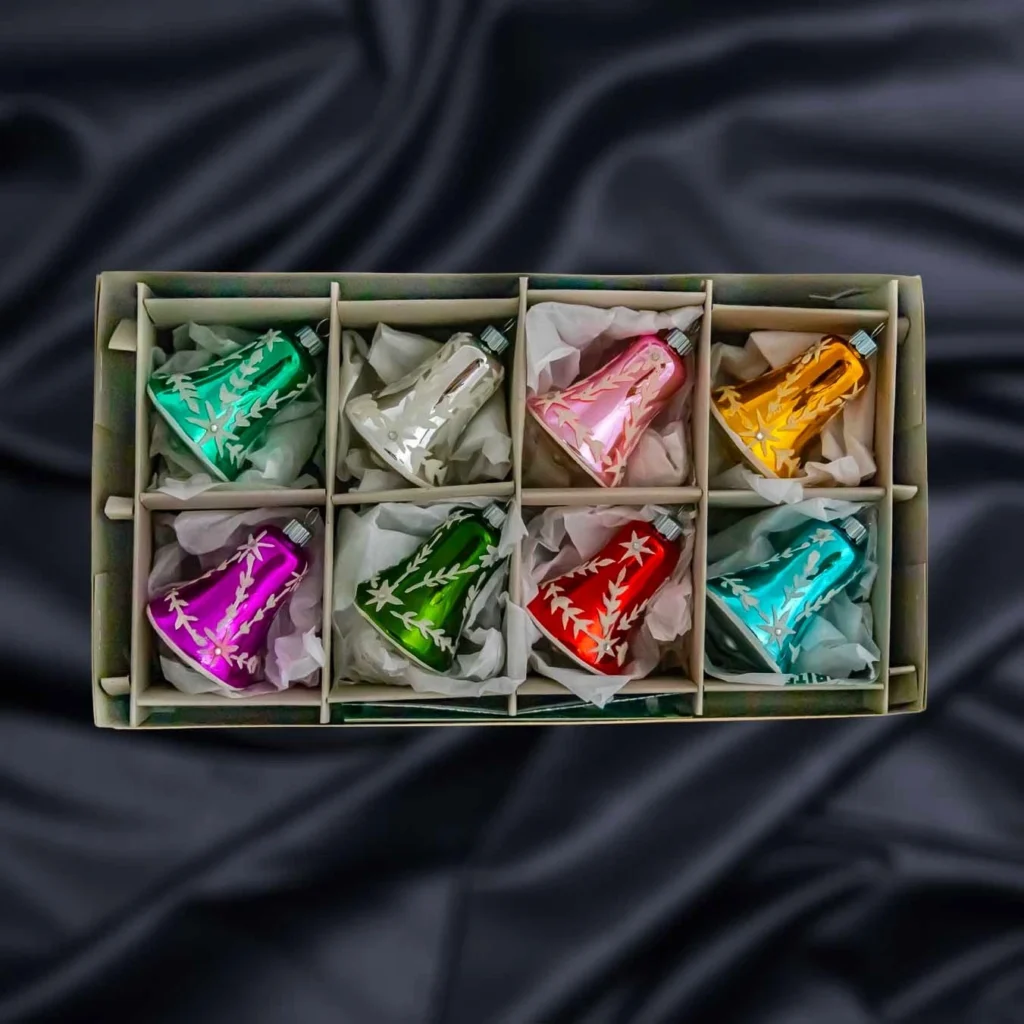
If you grew up staring at shiny glass balls on a scratchy artificial tree, there’s a good chance they were Shiny Brites. These American-made ornaments were everywhere from the 1940s through the 1960s, and collectors are obsessed with them now. Complete sets in good condition, especially with bright graphics and inserts still in the box, regularly sell far above “yard sale” prices.
The magic combo is: older designs (look for metal caps and “Shiny Brite” stamped on top), unusual shapes or indents, and intact boxes. A box you pick up for $5 at a church sale can easily resell for several times that, and rare colors or patterns can climb much higher. Handle them gently and store them in acid-free tissue if you decide to keep them.
2. Aluminum Christmas Trees (Especially Evergleam)

If you’ve ever seen one of those sparkly silver trees with a color wheel glowing underneath and thought “wow, that’s tacky”…yeah, well, they’re also money. Mid-century aluminum trees, especially the Evergleam brand from the late 1950s and 60s, are serious collector items. Some rare pom-pom or colored versions have sold for well over $1,000, and even more common silver trees in good condition with their original box often bring a few hundred dollars.
What drives the price? Complete branches in their paper sleeves, a sturdy original stand, and a box that isn’t falling apart. A working color wheel adds even more value. If you find one at a yard sale, resist the urge to cram it into the back of the car—pack the branches back in their sleeves so you don’t bend the foil, and check past sold listings before you decide whether to flip or keep it as your new “so-bad-it’s-amazing” holiday centerpiece.
3. Vintage Ceramic Light-Up Trees
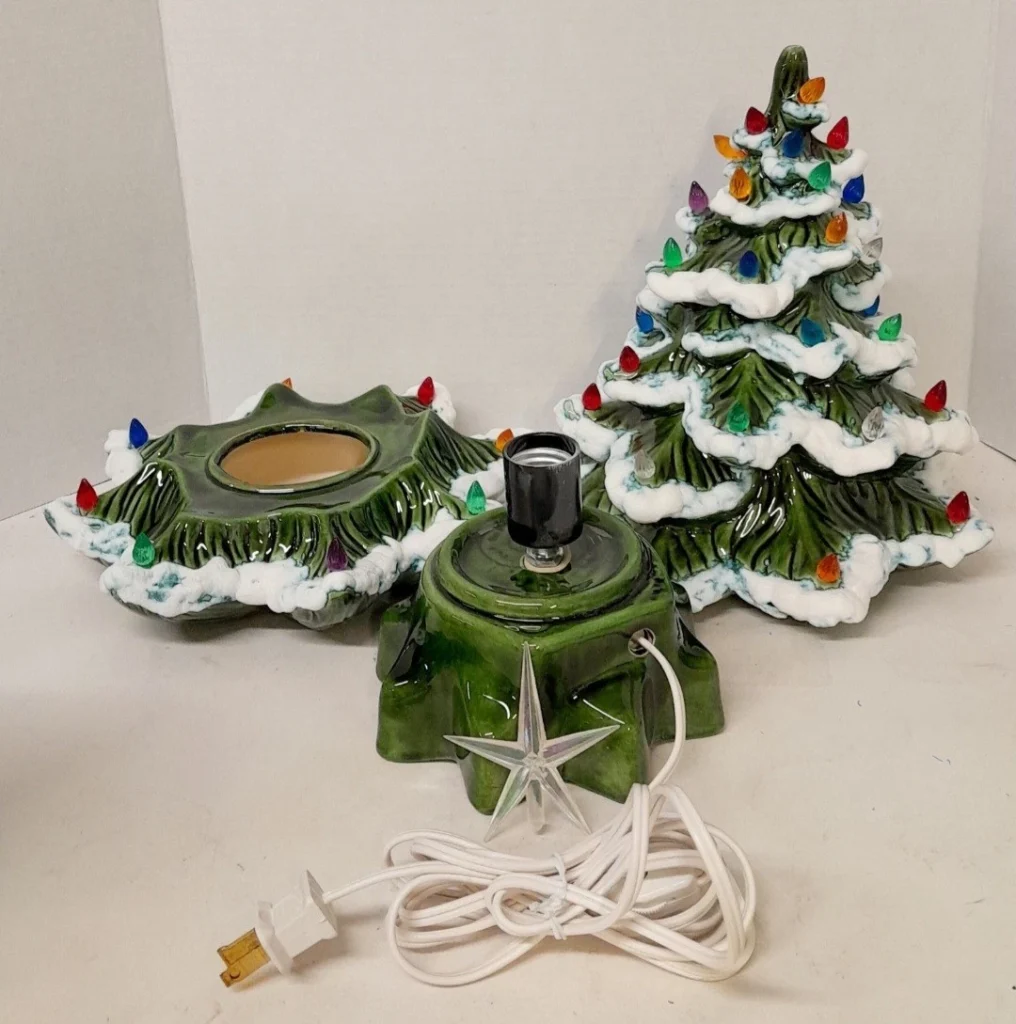
Those chubby little ceramic Christmas trees with the tiny plastic bulbs and a light in the base? The ones your aunt had on her sideboard? Those can be sneaky moneymakers. Trees made from molds by companies like Atlantic Mold, Nowell, and similar mid-century brands, especially larger trees (18–23 inches tall) with intact bulbs and original bases, often sell in the $150–$300+ range, and standout pieces can go higher.
Look for a mold mark pressed into the base (often on the underside) and check for big chips, repairs, or missing bulbs. Snow-flocked, white, or unusual colors can do very well. You’ll still see these at thrift stores for $15–$40 because people think they’re “old lady junk.” They’re also charming as anything in a farmhouse-style or cottage-core Christmas display if you decide to keep them.
4. Plastic Blow Mold Santas and Yard Figures
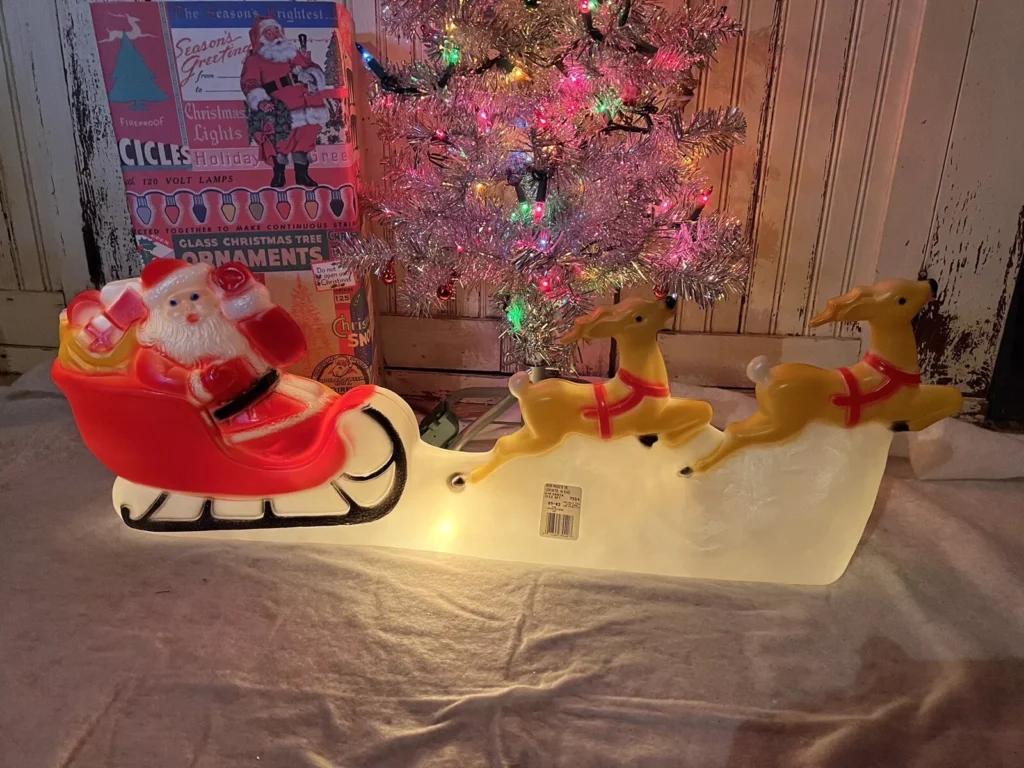
Those big hollow plastic Santas that used to stand on porches—sometimes lit from inside—are called blow molds, and collectors are hunting them down hard. Classic mid-century brands like Empire, General Foam, and Union made everything from 13-inch tabletop Santas to giant 4-foot yard pieces and full nativity sets. Even small Empire Santas from the 1960s can sell in the $50–$70 range, and larger or rarer pieces regularly go for more.
Condition is huge here. Faded paint, cracks, or missing cords will drop the price, but they can still be flip-worthy if you buy them cheap. Look on the back or underside for brand markings and dates. These often turn up in barn lofts, old sheds, and estate basements—if you see a Santa face peeking out behind a lawnmower, you might be looking at easy Christmas cash.
5. Glittery Cardboard “Putz” Houses from Japan
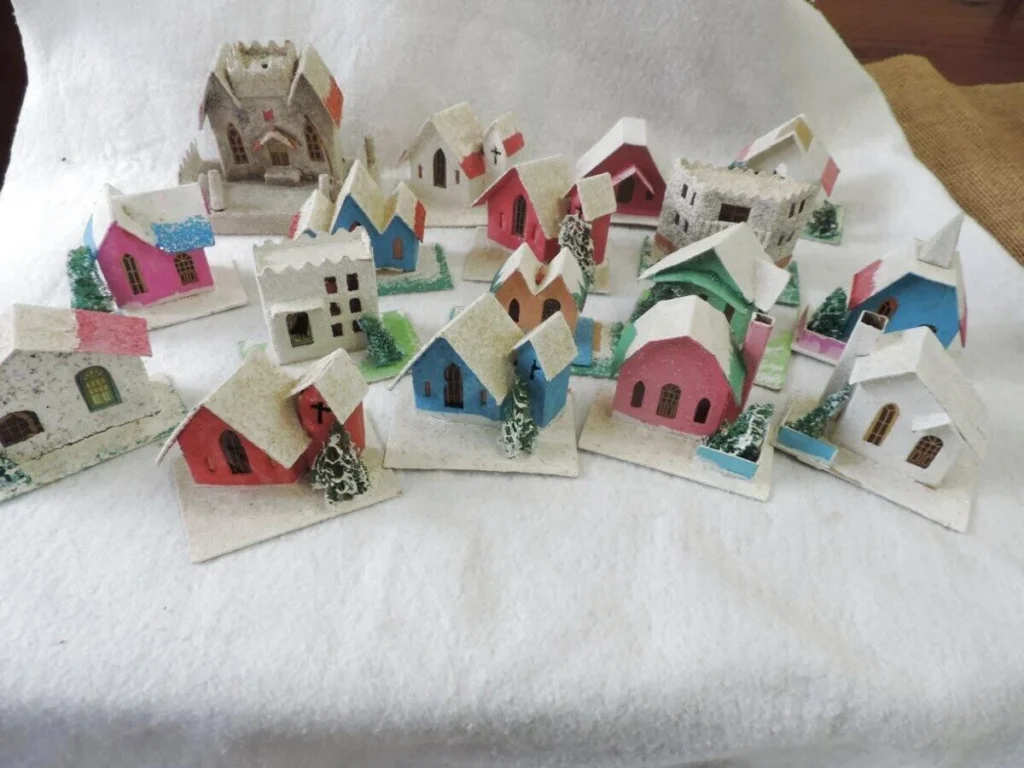
Tiny cardboard houses dusted with mica “snow,” often with a little hole in the back for a string light—that’s a putz house. They started as a Pennsylvania Dutch tradition and later mass-produced versions from Japan in the 1920s–50s became five-and-dime staples. Today, collectors love these so much that nice little lots of mid-century Japanese houses can sell for $50–$100+, and rare, elaborate early pieces have been known to reach into the hundreds or even around $1,000 at auction.
When you’re digging through old Christmas boxes, look for “Japan” or “Made in Japan” stamped on the bottom, original bottle-brush trees, and intact windows and fences. Even slightly battered ones can be grouped and sold as a “shabby” village. These are small, so they’re easy to ship—and they make a gorgeous mantel or windowsill display if you keep them.
6. Holt-Howard and Other Mid-Century Santa Mugs
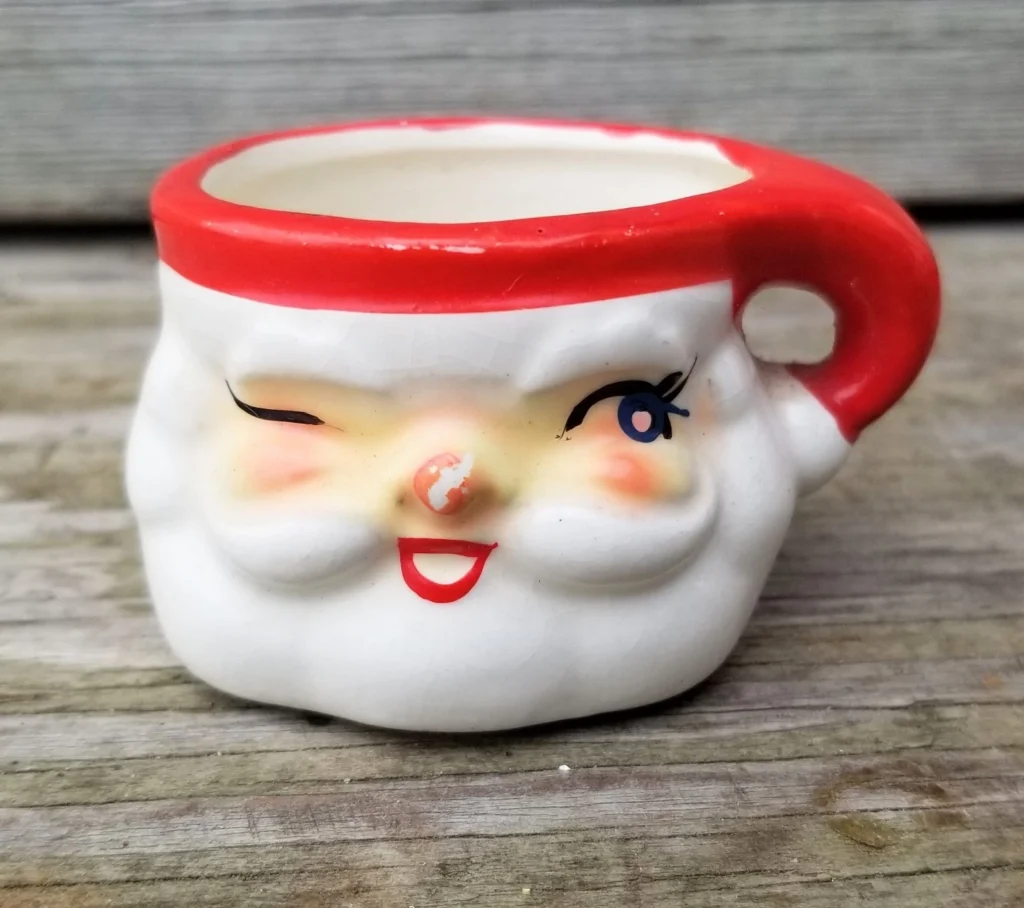
That winking Santa mug you remember from your grandma’s cocoa tray might be doing more than holding marshmallows now. Mid-century ceramics from companies like Holt-Howard, Napco, and Lefton—especially the “starry-eyed” Holt-Howard Santas—have become serious collectibles. Individual mugs commonly sell in the $10–$40 range, but complete sets with a matching pitcher have sold for several hundred dollars, and top-tier pieces are known to reach into the $300–$600 territory.
Check for maker’s marks on the bottom (Holt-Howard pieces are often dated) and watch for paint loss, crazing, or chips. Original NOEL letter sets and matching salt-and-pepper shakers are also in demand. These are exactly the sort of thing you can still pick up for $1–$3 at thrift stores, then resell as a “mid-century Christmas barware set” for a healthy profit—if you don’t fall in love and build a Santa mug army first.
7. Rushton Rubber-Face Santa Dolls
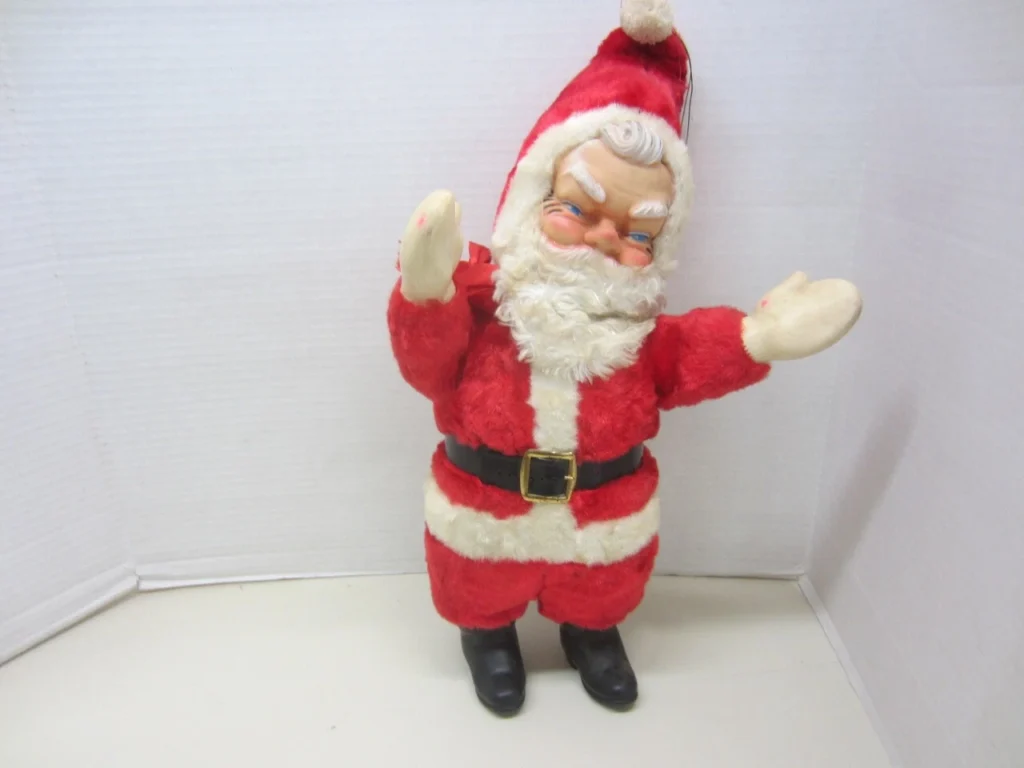
If you ever saw a slightly creepy Santa doll with a soft body and a shiny rubber face, that was probably a Rushton. These plush figures from the 1950s–60s have become cult collectibles. Depending on size and condition, Rushton Santas can land around $80–$200+ each, and rarer or unusually large versions can go even higher.
Look for a rubber face with painted features, a stuffed body, and often a sewn-on tag or remnants of one. Some have corduroy outfits or extra trim. Condition matters—a bit of wear is fine, but big cracks in the rubber or missing eyes will drop the price. These are the definition of “weird vintage Christmas,” and collectors eat that up.
8. Gurley Figural Christmas Candles
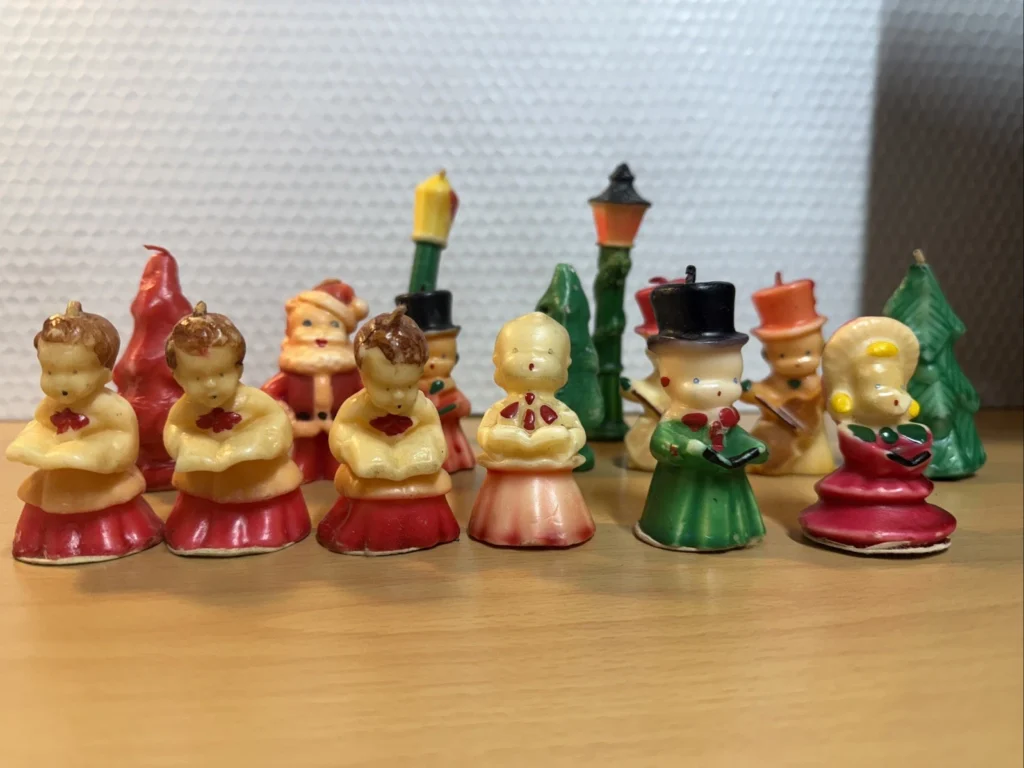
Those little wax Santas, choir kids, and Christmas trees you were never allowed to burn? They might’ve been Gurley candles. These paraffin figurals were made from the 1930s onward, sold in dime stores as cheap seasonal décor. Now, lots of Gurley Christmas candles—especially Santa, angels, trees, and full boxed sets—can bring anywhere from $15 for a small group to $40–$50+ for larger or rarer assortments.
Key things to look for: original paper labels on the bottom, unburned wicks, and crisp details (faces not melted into blobs). Small collection? You can batch them together and list as a lot. They’re still fragile, so pack them in cool weather and don’t leave them in a hot car unless you want a puddle instead of profit.
9. Mercury Glass and Polish Indent Tree Toppers
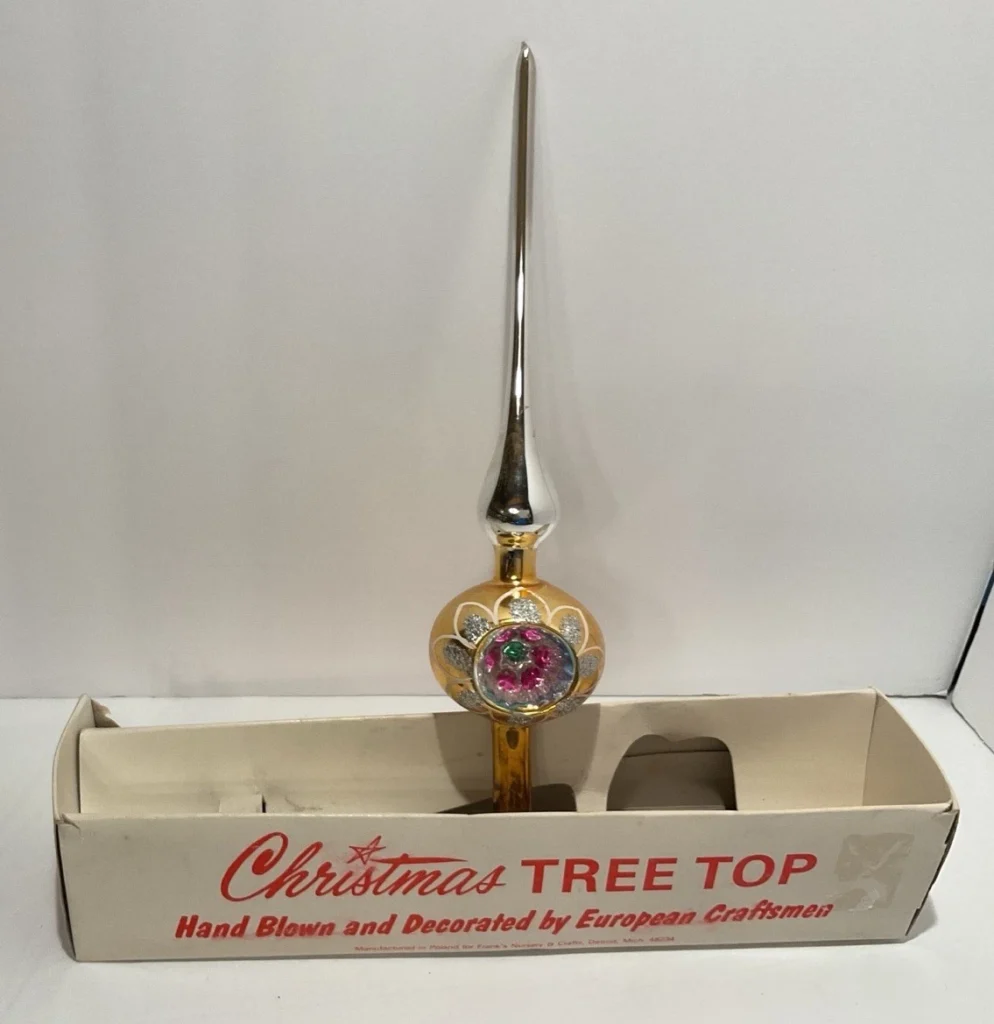
Tall, skinny glass finials with big indents, glitter, and bright paint—often marked West Germany, Poland, or simply unmarked but obviously old—are another hot collectible. True vintage mercury-glass toppers, especially with multiple “balls” and reflector indents, often sell in the $30–$100+ range, and extra elaborate or boxed examples can go even higher.
These break if you look at them wrong, so condition is critical. Check for flaking paint, missing tips, or big cracks. Original boxes, “Made in Poland” tags, and unusual colors (aqua, hot pink, deep cobalt) boost value. If you find one in the bottom of a tote under a pile of tinsel, unwrap it very slowly.
10. Vintage Bubble Lights and Old-School Light Strings
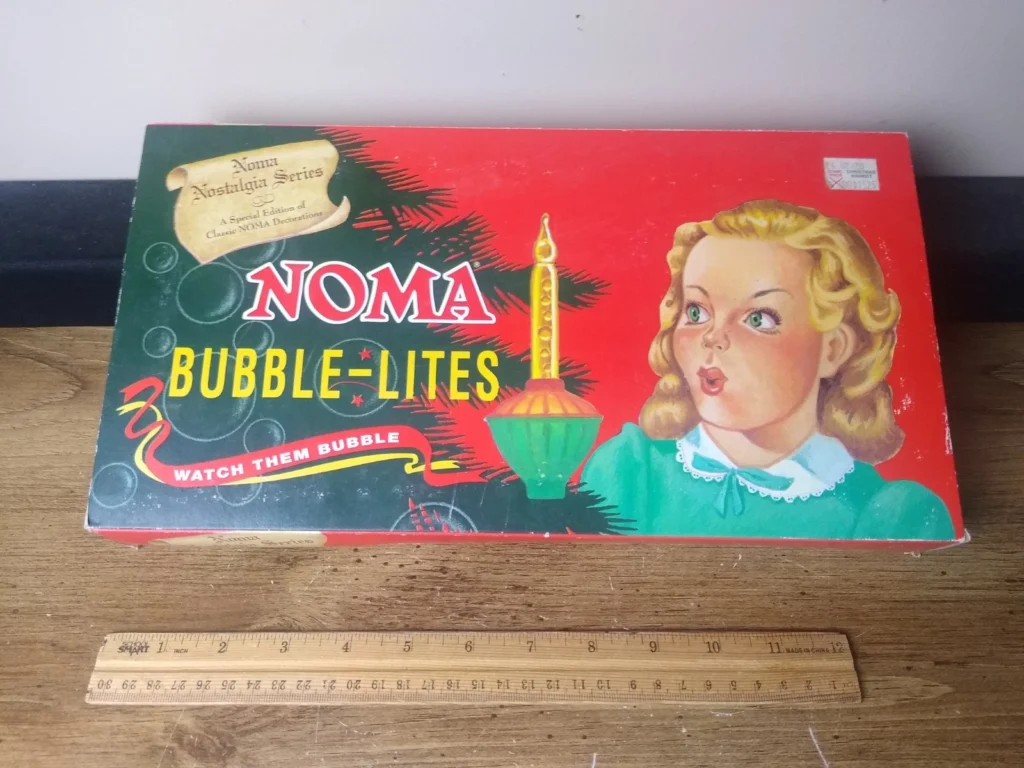
Before mini lights took over, bubble lights and big colored bulbs were the thing. Vintage NOMA bubble lights in working condition, especially in original boxes, can sell anywhere from around $50 up to the $70–$100+ range for full, tested sets. Other mid-century bubble light brands and older C6/C7 novelty strings can do well too, especially if they’re working and boxed.
Safety note: I would not trust 70-year-old wiring in a modern house without having it checked. You can photograph and sell them as collectibles, display them unplugged in a jar or bowl, or have a lighting pro help you rewire. If you do plug them in, never leave them unattended.
11. High-End Department 56 Village Pieces
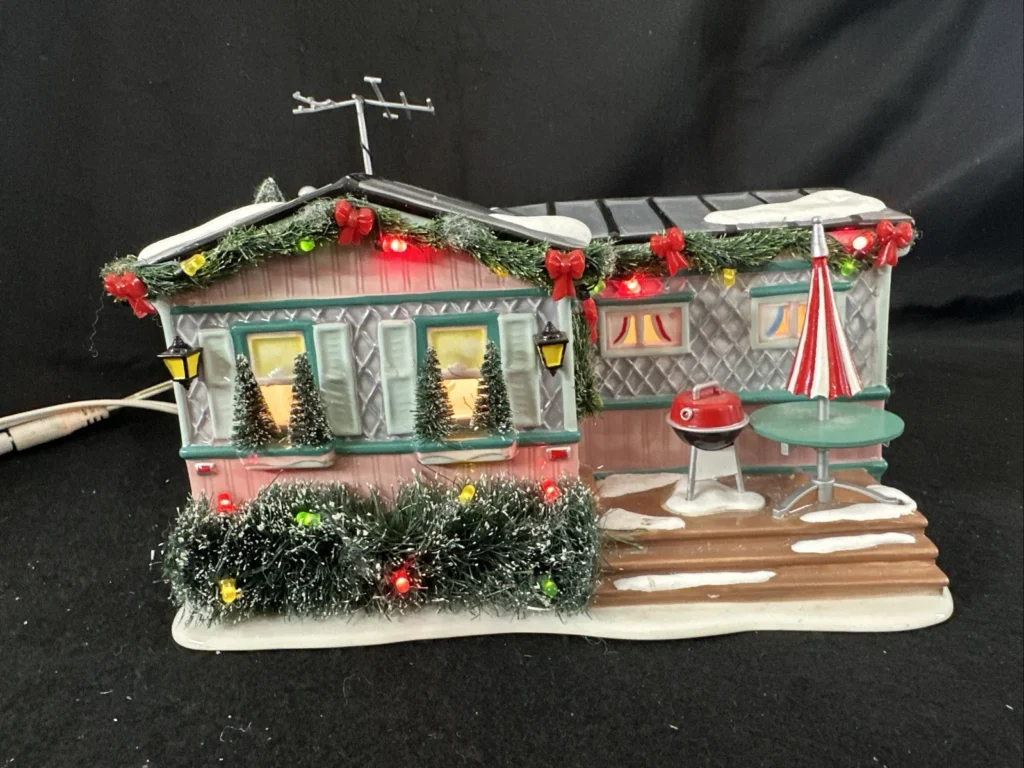
Most common Department 56 village houses land in the “nice but not crazy” price range. But some retired pieces—especially from Snow Village, Dickens Village, and Christmas in the City—have serious value. Certain rare buildings have sold in the $250–$700+ range, and a famously elusive Snow Village piece has repeatedly brought $1,300–$1,500.Vintage Villages+2completeset.com+2
What to look for: original styrofoam inserts and sleeves, light cords, and any certificates or special markings (limited edition, numbered runs, first-year releases). If you inherited a big tote of “Mom’s village,” it’s worth printing a list of the house names from the bottoms and looking up sold prices instead of just donating the whole lot.
12. Rare Hallmark Keepsake Ornaments
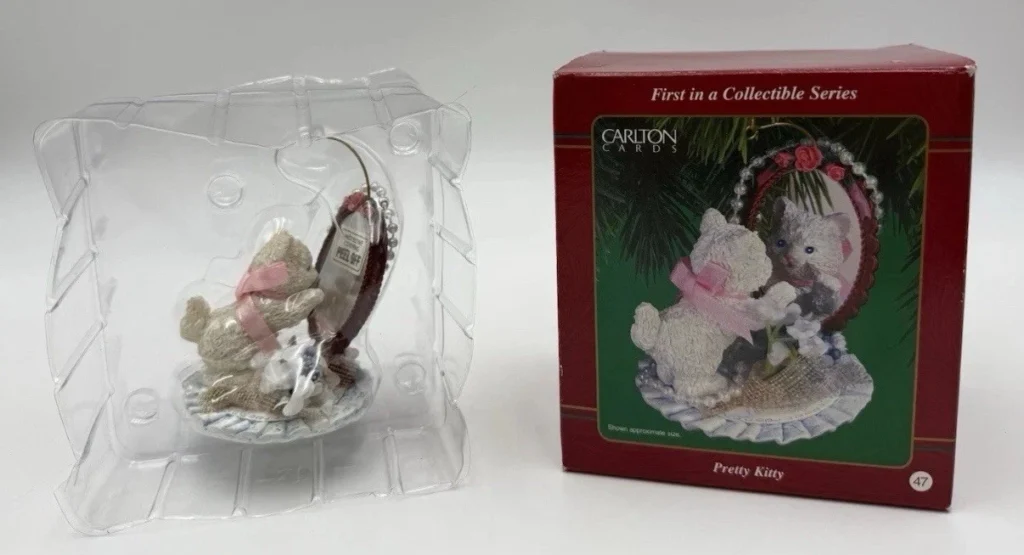
Not every Hallmark ornament is a gold mine. Most hover in the $5–$20 resale range. But certain Keepsakes—especially early numbered pieces, specific pop-culture licenses, and “Baby’s First Christmas” styles in top condition—have sold for well over $100. Some documented sales and price guides show standout pieces in the $300+ zone.
Check for: original boxes with price tags, intact plastic packaging, and popular themes (classic cars, Star Trek, Star Wars, Barbie, trains, early 80s stuff). Ornaments from the 1970s–early 80s in mint condition are especially worth a second look. If you hit a yard sale with shoeboxes of Hallmark, it’s worth scanning for those older boxes and special series.
13. Christopher Radko Blown-Glass Ornaments
Radko ornaments aren’t “antique,” but collectors treat the earlier ones like they are. These hand-blown, highly detailed glass pieces—especially retired limited editions—regularly sell for far above retail. Some rare designs and boxed retired pieces list and sell in the high double to low triple digits, with especially coveted examples around $200+.
Look for hang tags, original boxes, and early production years (1990s–early 2000s). Themes that cross over—like certain Santas, nostalgic foods, or animals—do well. These turn up in thrift stores when people declutter “the fancy ornaments we never use.” Just double-check they’re not modern reproductions and inspect for cracks or repainting.
14. German Nutcrackers (Especially Steinbach)
Wooden nutcrackers are everywhere now, but true German pieces—especially from Steinbach and similar Erzgebirge makers—are in a different league. New Steinbach nutcrackers can sell in the low hundreds, and older limited-edition or large figures remain very collectible on the secondary market. Individual pieces from reputable German sellers commonly list in the $150–$300+ range.
To spot a good one, look for “Made in Germany” or “West Germany” on the base, solid wood construction, and detailed painting. Characters (Santas, kings, soldiers, storybook figures) tend to sell better than generic designs. If you find one with a box and paperwork, treat it gently—there are die-hard nutcracker collectors out there.
15. Bucilla and Other Vintage Felt Stockings
Heavily beaded and sequined felt stockings—often with Santa, snowmen, or full scenes—are another sleeper hit. Many started as Bucilla kits from the 1960s onward, and finished vintage stockings now sell surprisingly well. Depending on design and workmanship, finished Bucilla stockings frequently list between about $70 and $200+, and elaborate or rare patterns can push even higher.
Flip the stocking over and look at the stitching: hand-sewn felt appliqué, dense beadwork, and embroidered names are all good signs. Some sellers and specialty shops even focus on retired Bucilla kits and finished stockings specifically. If you love sewing, picking up half-finished kits cheap and completing them yourself is another way to create either heirlooms or profitable flips.
16. Vintage Christmas Kitchenware: Pyrex, Poinsettias, and Spode Trees
Holiday dishes might not seem exciting, but some patterns are red-hot. Vintage Pyrex casserole dishes and bowls with Christmasy designs—like red Golden Holly and Poinsettia promos or turquoise Snowflake—regularly list from around $50 up into the $150+ range depending on size and condition.
On the more traditional side, Spode’s “Christmas Tree” china, which dates back to 1938, remains a holiday staple. While individual plates might not fund your retirement, sets and older English-made pieces can add up fast, and discontinued serving pieces are especially sought after. If you’ve got a half-forgotten “good Christmas dishes” set in the attic, it’s worth checking what specific pieces you have before donating.
17. Old-Fashioned Advent Calendars and Christmas Postcards
Paper ephemera gets tossed constantly, which is why surviving pieces can be surprisingly collectible. Vintage German Advent calendars from the 1950s and early 60s—especially glittered, unused ones from known makers like Richard Sellmer—can sell anywhere from about $25 to $50+ each, sometimes more for special designs.
Early 1900s embossed Santa postcards are another category where a yard-sale shoebox can turn into real money. Individual cards in nice condition often sell in the $5–$20 range, and themed or artist-signed lots can command much more. These are light, cheap to mail, and easy to store. If you enjoy the artwork, you can also scan and print copies for your own décor, then sell the originals to collectors.
18. Random “Junk Drawer” Extras: Hooks, Boxes, and Paper Bits
Here’s the wild card: sometimes the money isn’t even in the ornament, it’s in the packaging. Original ornament boxes, spare plastic bulbs for ceramic trees, replacement bubble light tubes, and even old metal ornament hooks can all sweeten a listing. Collectors will pay extra for complete sets or authentic period packaging to match their displays.
So before you toss the tattered Shiny Brite box or the worn label from a Gurley candle, think like a reseller. Group small pieces together—“lot of vintage ornament hooks and hardware,” “original ceramic tree bulbs,” “empty mid-century ornament boxes”—and you may squeeze extra profit out of what looks like trash.
How to Tell If Your Find Is Actually Worth a Bundle
Values change, and not every old ornament is a winner. A few quick rules of thumb:
- Check SOLD listings on auction and resale sites, not just asking prices. That’s where you see what people actually paid.
- Condition is everything. Chips, cracks, missing parts, bad rewiring, and heavy fading will all cut into value.
- Original packaging helps. Boxes, tags, instructions, and certificates all add dollars.
- Watch for reproductions. Lots of popular pieces (especially aluminum trees, ceramic trees, and Santa mugs) are being remade. Age clues—weight, markings, wear patterns—matter.
If you’re not sure, you can always list an item with clear photos and a fair starting price and let the market tell you what it’s worth.

