

Affiliate disclosure: This post may contain affiliate links. Please see full disclosure.
Emergency supplies need to be easy to reach, open, and use on a day when you haven’t got much energy to spare. After 60, a sensible preparedness check starts with those everyday jobs, whether you’re managing joint pain, recovering from surgery, or simply tired of hauling heavy boxes.
Turning 60 doesn’t suddenly make you frail. But a setup you put together years ago may no longer suit you, and there’s no prize for keeping it awkward. I’d rather have familiar food in a cupboard I can reach than an impressive stockpile that needs a stepladder and someone else’s hands.
Start with what you can comfortably do today
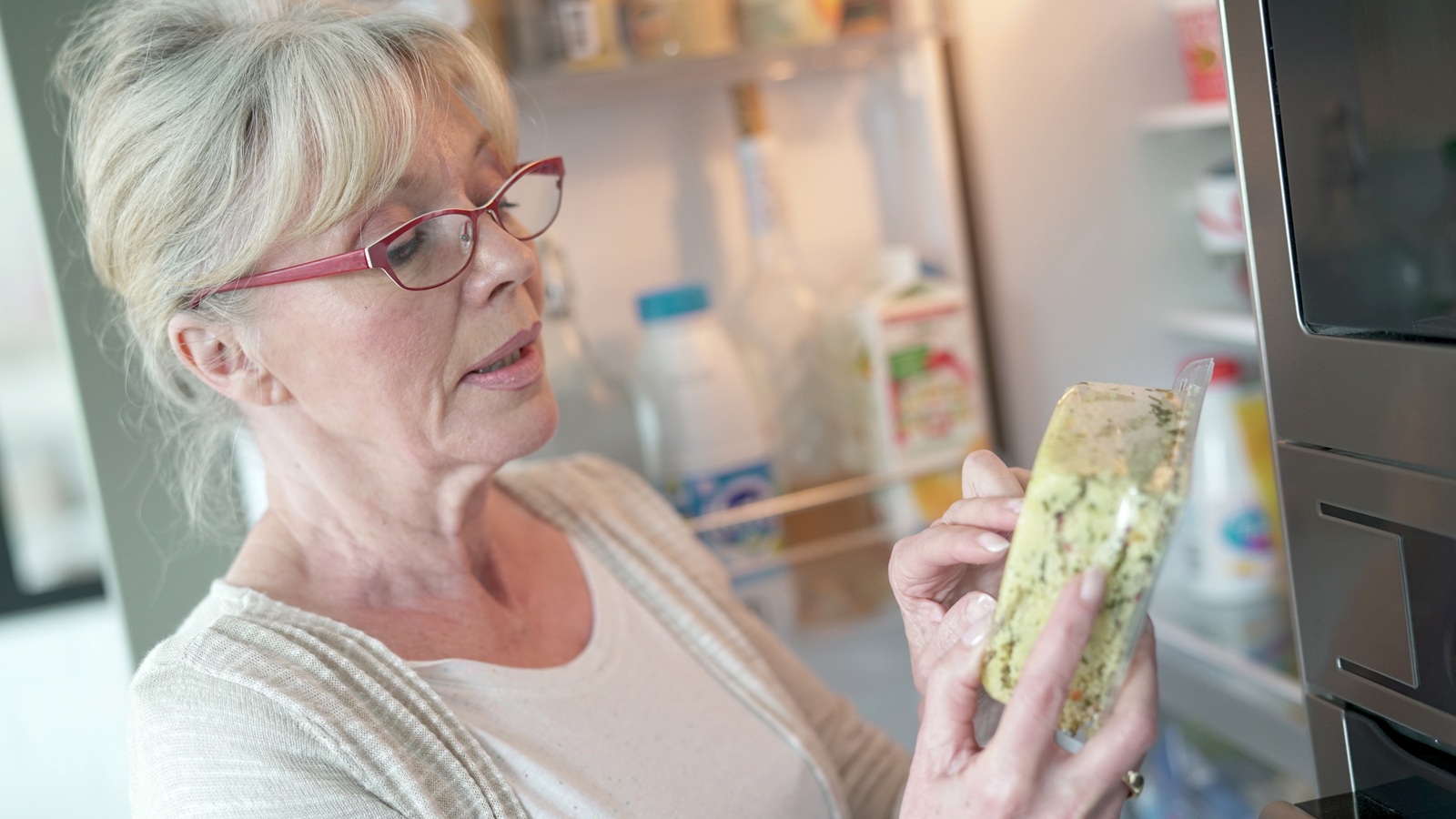
Choose an ordinary task and follow it from start to finish. Can you get a drink from your stored water, open something for lunch, and find a working flashlight without moving furniture or carrying a heavy tote? Check in daylight, with help nearby if you need it. This isn’t a test of how much you can lift.
Notice where the job becomes difficult. Perhaps the bottle is manageable but its cap isn’t. Perhaps the food is easy to reach but the can opener lives in a drawer that jams. Fix the actual snag before buying more supplies.
If your strength or mobility varies, arrange things for a less energetic day. Keep your usual walking aid available while you check the route. An occupational therapist can help you work out storage and carrying methods suited to your own movements, particularly after a change in health.
Divide your water into containers you can handle
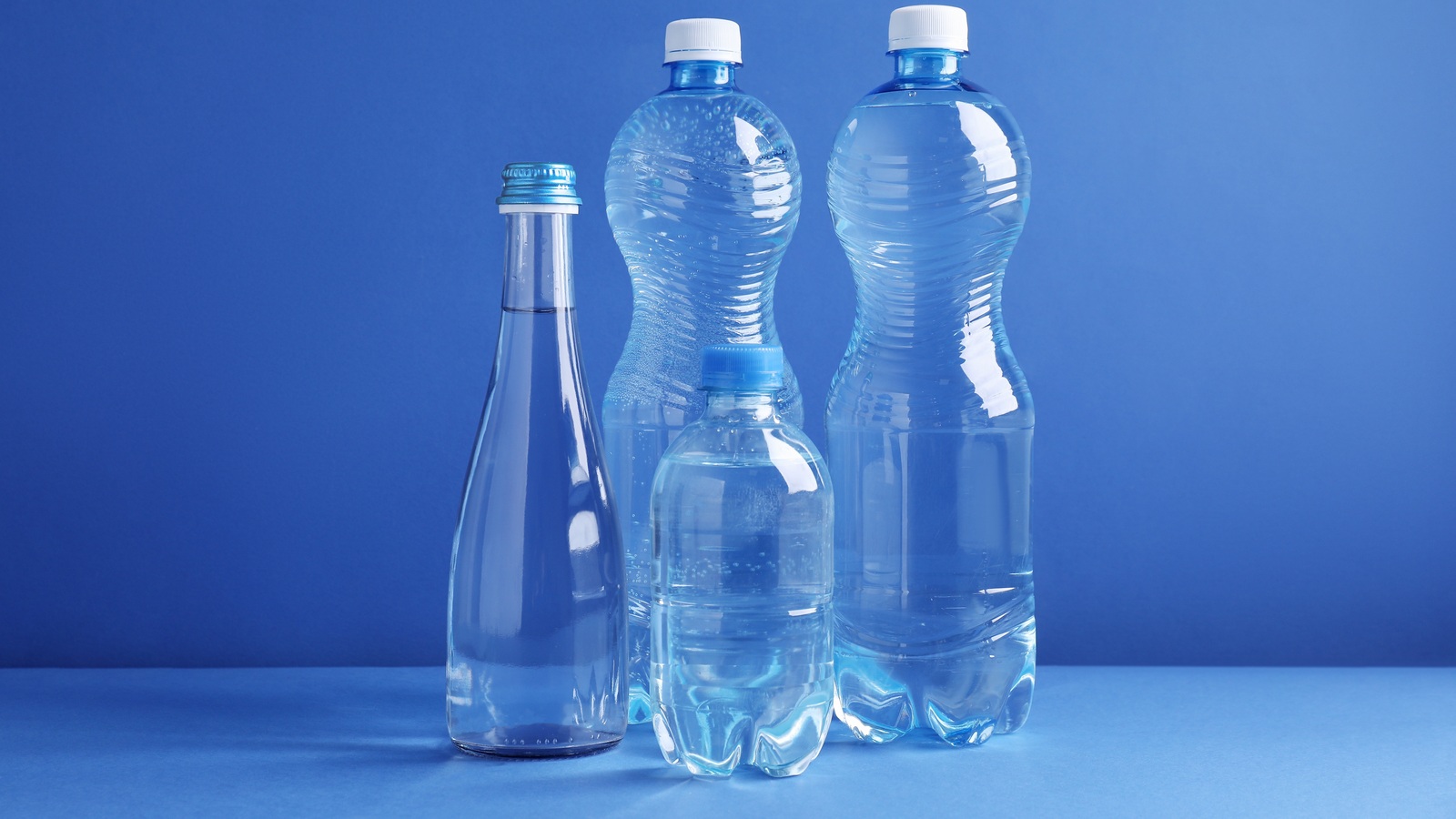
A gallon of water weighs about 8.3 pounds before you count the container. Five gallons weigh roughly 42 pounds. That makes a large water jug a poor everyday choice if you struggle to lift and tip it.
Try a quart bottle, a half-gallon jug with a comfortable handle, or several small sealed bottles. A quart of water weighs about 2 pounds; half a gallon weighs about 4.2. Check the cap as well as the weight, and buy one to try before committing to a whole case.
Keep the total supply adequate while making each container smaller. A starting reserve is at least 1 gallon per person per day for three days, with a two-week supply if possible. That allowance covers drinking and some other uses; it isn’t an instruction to drink a gallon daily. Account for pets and additional needs, and follow any prescribed fluid limits.
For one person, three days’ water could be six half-gallon jugs rather than one large container. Keep some within easy reach where you spend your time. Don’t create a lifting job every time you want a cup of tea.
If you fill your own containers, use suitable food-grade ones, clean and sanitize them first, and replace the stored water every six months. Keep water cool and away from sunlight and chemicals.
Give useful supplies the easiest storage space

Put the things you need most where you can reach them without stretching overhead or bending deeply. The right shelf height depends on whether you stand or sit to use it. Try the position with the actual item, rather than assuming a cupboard is accessible because you can touch its door.
I’d move an occasional-use roasting pan before putting drinking water on a high shelf. Use small, shallow bins you can slide forward, and label their fronts in large, clear lettering. A box marked “LIGHTS AND BATTERIES” saves opening several identical containers.
Keep a flashlight beside the bed and another by your usual chair. Group spare batteries with the equipment they fit. Leave walking routes, doorways, and the space needed to turn with a walker or wheelchair clear.
Accessibility still has to work with safe storage. Medicines need their labeled conditions and protection from children or visitors who could take them accidentally. Food and electrical supplies need protection from damp and potential flooding. A reachable shelf above the floor may be a better compromise than a low box.
Build a food reserve around meals you already eat

Add a few extra portions of familiar shelf-stable food to your regular shopping. Then use the oldest items first and replace them as you go. This is easier to manage than a separate emergency menu nobody particularly wants.
Choose portions you can finish without relying on refrigeration for leftovers. Small cans, single-serving fruit cups, nut butter, crackers, and shelf-stable milk in individual cartons can be useful if they suit your diet. Check whether a product is ready to eat or needs cooking, and include utensils.
Plan at least some meals that need neither heat nor added water. Dry beans and rice can be economical pantry staples, but they still need water, cooking equipment, and time. They won’t solve lunch during a power outage if your only cooking option is electric.
Test the packaging during a normal meal. Pull rings, foil seals, and food pouches can be surprisingly awkward. Try a comfortable manual can opener or an opening aid before you need it. If chewing or swallowing is difficult, choose shelf-stable options that fit the texture and preparation instructions from your care team.
Home-canned food can be part of a working pantry when it has been prepared using tested methods. Date the jars and plan to use them within a year for best quality, unless specific directions say otherwise. A sealed lid doesn’t establish that an untested recipe is safe. I wouldn’t build a reserve around claims that homemade food will last for decades.
Make medication planning a pharmacy conversation

Ask your pharmacist and prescriber how to maintain an appropriate emergency medication supply, including refill timing and what to do if your usual pharmacy closes. The workable amount depends on the prescription and refill rules. Don’t skip doses to build a reserve.
Keep an up-to-date paper list of medicines, strengths, doses, timing, and allergies, plus pharmacy and prescriber numbers. Include supplements. Store a copy with your emergency paperwork and update it when treatment changes.
Ask about packaging you can open while keeping medicines secure from children and other people. For refrigerated medicines, get product-specific instructions for storage temperatures, cooling during an outage, and when to seek a replacement. Keep the necessary cooler and supplies ready, and don’t put medicine directly against ice unless its instructions permit it.
If storage conditions have been exceeded, contact the pharmacist or manufacturer promptly for advice. Don’t assume the medicine is usable because it looks normal, or stop essential treatment without urgent professional guidance.
Plan equipment backup before buying a power source
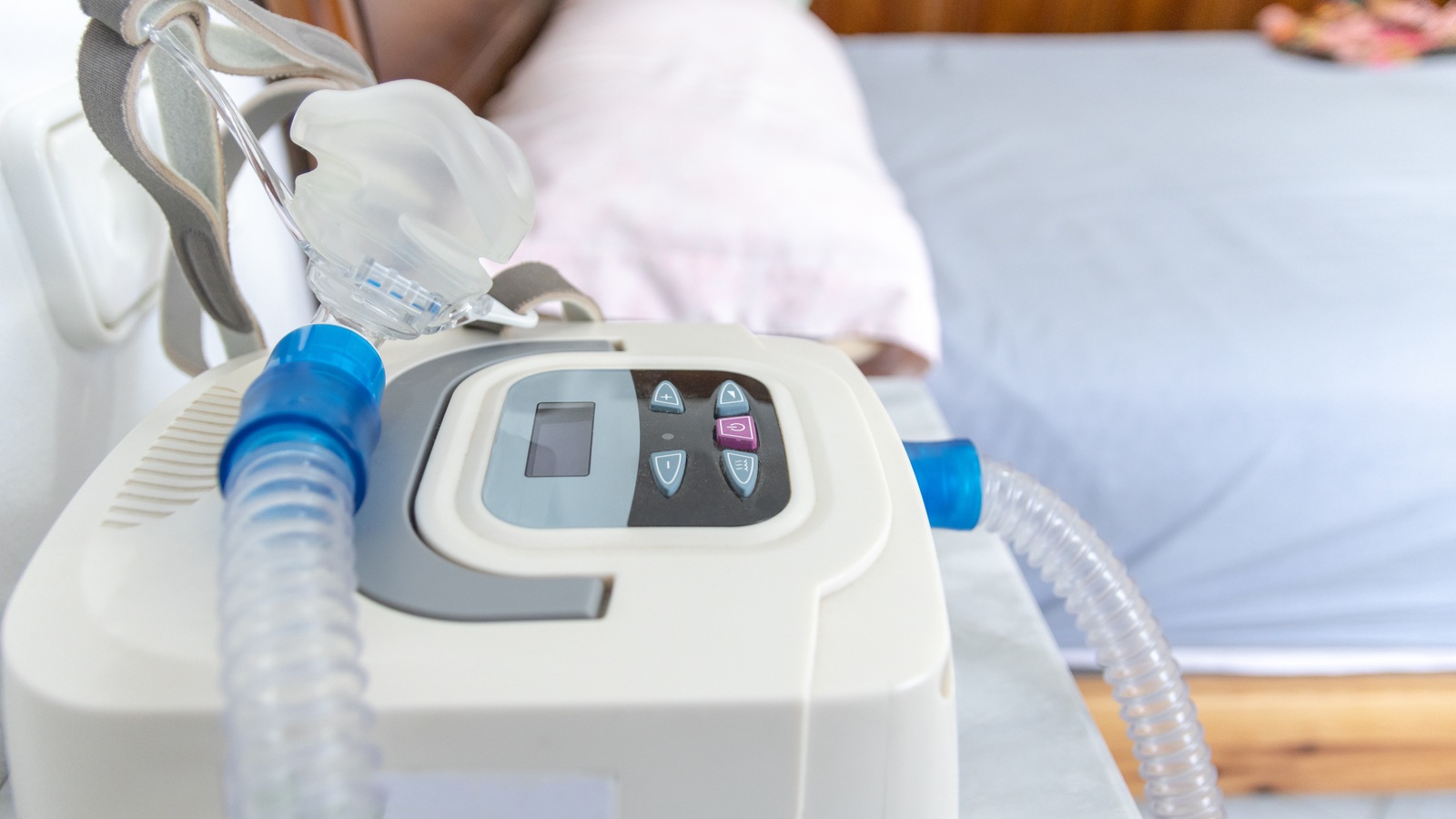
For a CPAP machine, oxygen concentrator, powered mobility device, or other medical equipment, work through a power-outage plan with your clinician and equipment supplier. Write down the model, supplier number, approved backup power, and what to do if a treatment is interrupted.
Ask how long the backup will run with your actual settings and accessories, how you’ll recharge it, and when you must move somewhere with reliable power. A battery advertised for charging phones isn’t evidence that it will run medical equipment safely. Practice an approved changeover with someone qualified to show you.
Ask your utility about medical-needs registration, but arrange another option for getting care or reaching a powered location. If life-sustaining equipment loses power and no safe backup is available, seek emergency help immediately.
Include the less bulky items you rely on, too: glasses, hearing-aid batteries or an approved charger, and personal care supplies. Keep compatible spares together so someone helping you can find them.
Agree on specific help with specific people

Build a support network with agreed check-ins and practical jobs. A neighbor might check after an outage; a relative might arrange transport; a friend farther away might be the person everyone contacts if local communications are disrupted. Ask each person rather than assuming they’ll be available.
Decide when to check in, what to do if there’s no reply, and who takes over if the first helper can’t get through. Share the location of essential supplies and arrange secure access with someone you trust. Keep contact numbers on paper as well as in your phone.
If you need accessible transport, confirm how to request it and whether it can carry your mobility equipment. In an apartment, discuss the evacuation plan with building management, including what happens when elevators aren’t working. Ask local emergency management what assistance is available and how early it must be arranged.
Offer something useful in return if you can. You might coordinate calls, keep a shared contact list, or provide a place for a neighbor to charge a phone when your power is still on. Help can go both ways.
Keep the leaving-home bag manageable
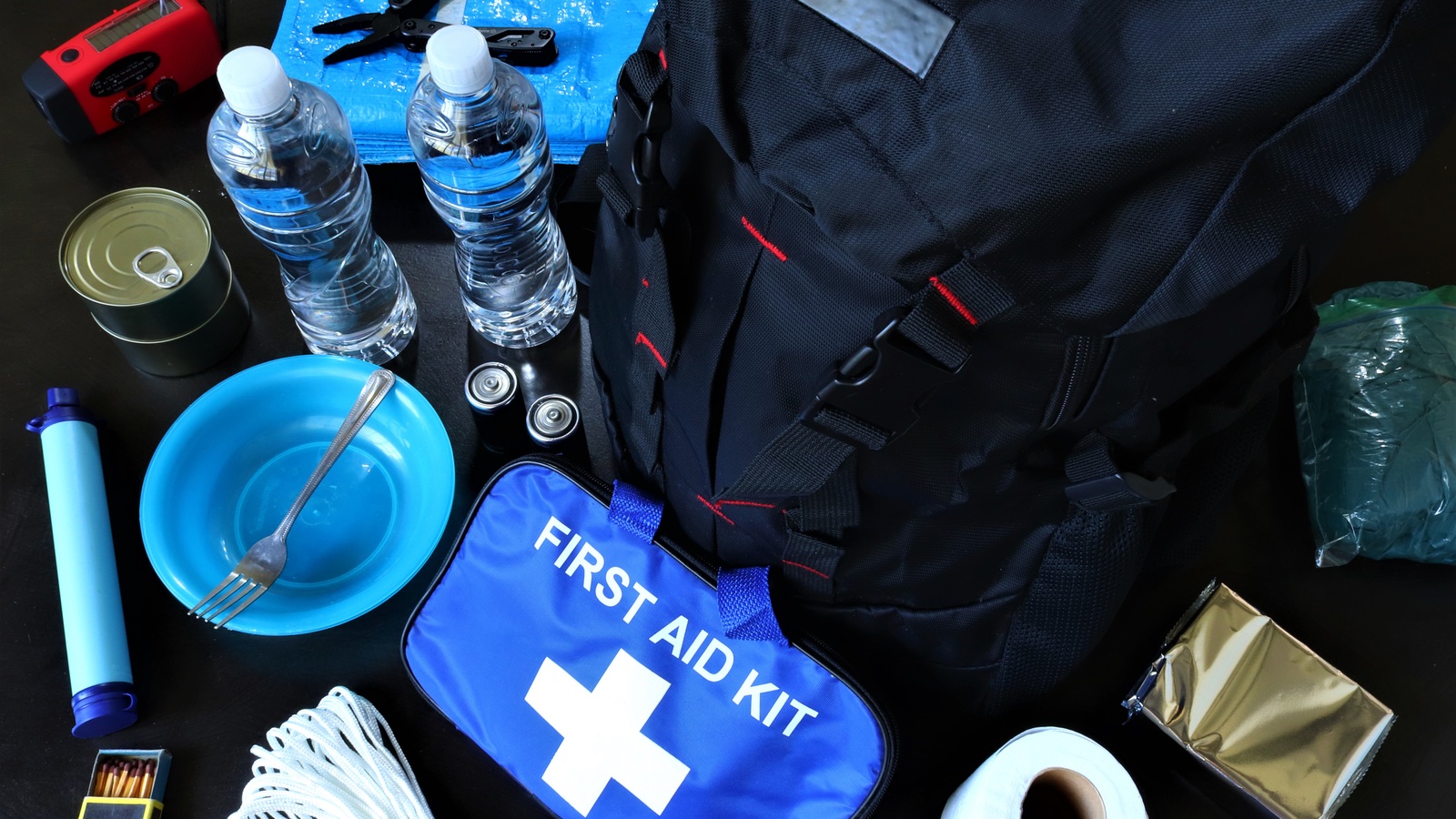
Keep a small bag for leaving home separate from the larger reserve you intend to use there. Prioritize essential paperwork, appropriate medication supplies, phone and charger, glasses, and immediate personal needs. Add a clear reminder for refrigerated medicines or daily equipment that can’t stay packed.
Check whether you can move the bag while using your walking aid and keeping your balance. A wheeled bag may suit a level route but be useless on stairs. If someone else will carry it, agree that job as part of the transport plan.
Review the setup after a medication change, new equipment, or a change in mobility. Pair a quick supply check with writing your grocery list so replacing a used item becomes ordinary household work.
Start with one awkward job today. Move the water, try the can opener, or make the pharmacy call. Once that job is easier, tackle the next one.
You might also like…
Forget meal kits: the freezer prep method that’s cheaper and faster
20 items under $20 that make a real difference in an emergency

