Affiliate disclosure: This post may contain affiliate links. Please see full disclosure.
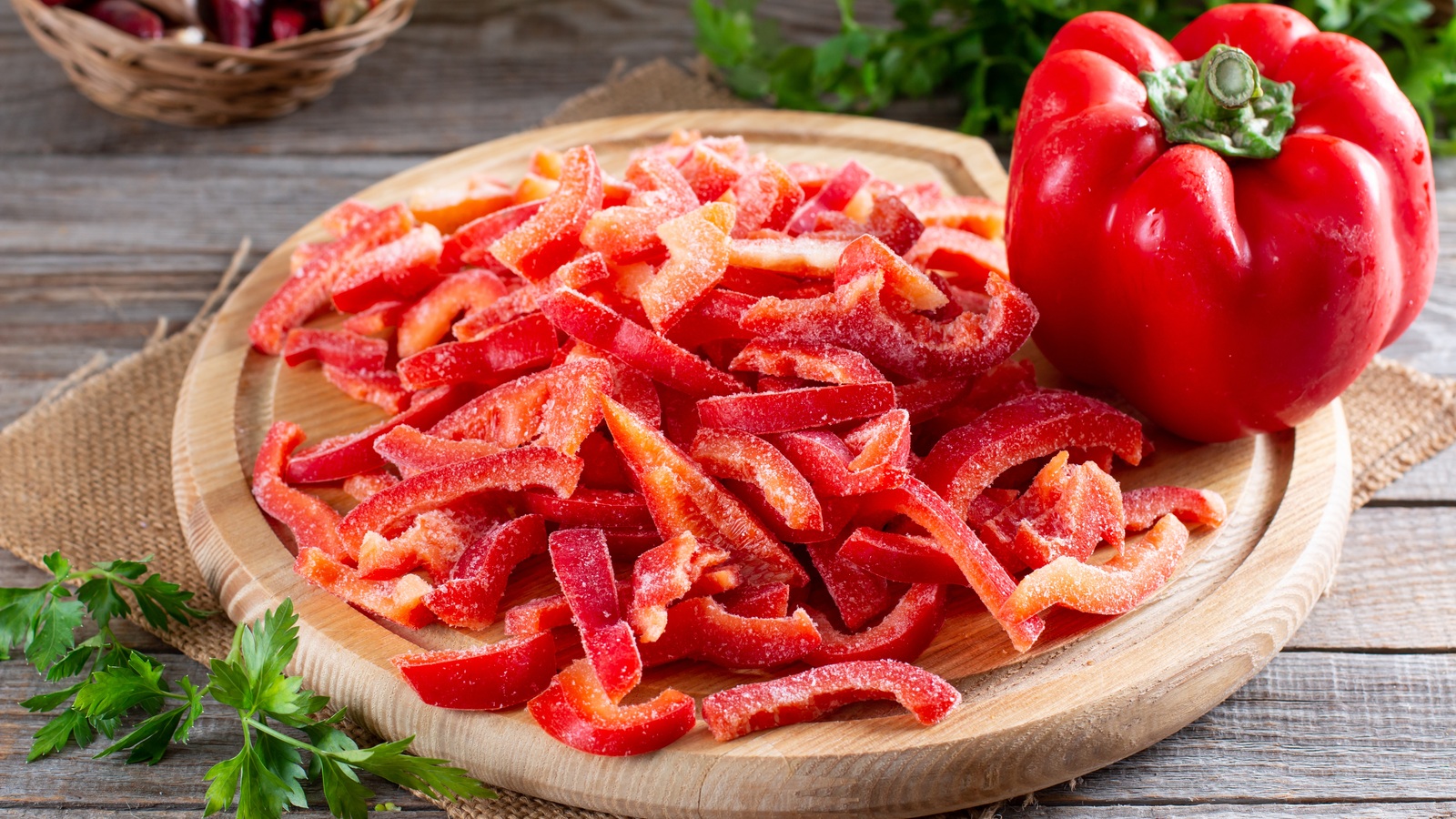
Dry your cut bell peppers well, freeze them in a single layer on a tray, then bag them while they’re still frozen. That extra step lets you take out a handful for dinner instead of thawing a whole bag to get at a few pieces.
For the last picking from the garden, I’d keep the job simple. Bell peppers can go into the freezer raw, with no blanching, peeling, or special equipment. The useful bit is doing the preparation now, in shapes and amounts you’ll actually cook with.
Choose sound peppers and make room for a tray
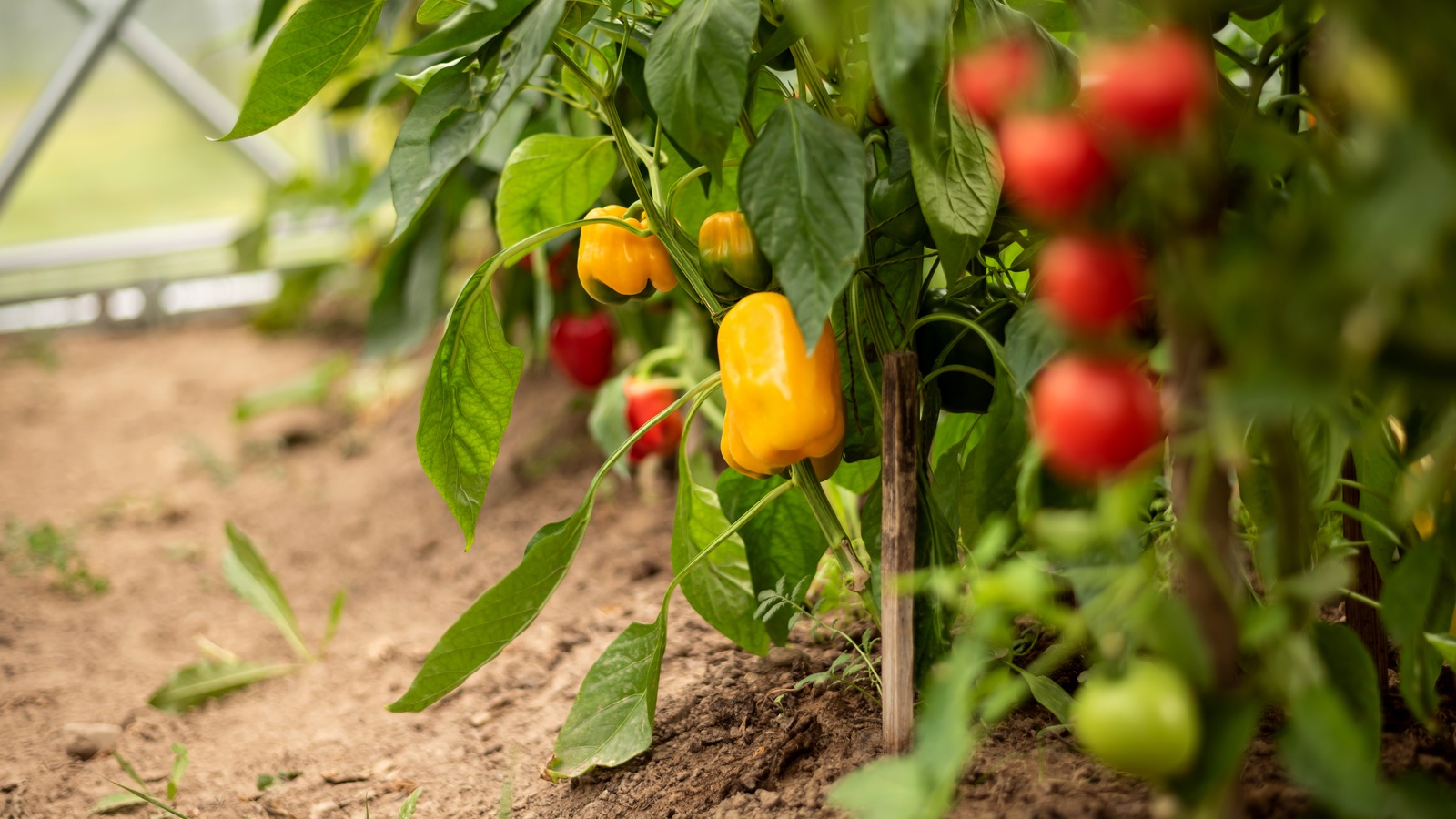
Use firm, healthy bell or other sweet peppers. Green peppers are fine; they don’t have to turn red before you freeze them. Sort the harvest before you start chopping, and discard peppers that are moldy, slimy, or rotting. Freezing won’t improve tired produce.
You’ll need a knife, a clean cutting board, a towel, a rimmed baking sheet or other shallow freezer-safe tray, and freezer bags or containers. Parchment makes it easier to lift the frozen pieces, but isn’t essential.
Check that the tray fits in the freezer before covering it with peppers. A small metal pan works just as well for a small harvest. If there’s only room for one tray, process manageable batches and refrigerate the remaining peppers until you’re ready for them.
Wash first, then remove the stems and seeds
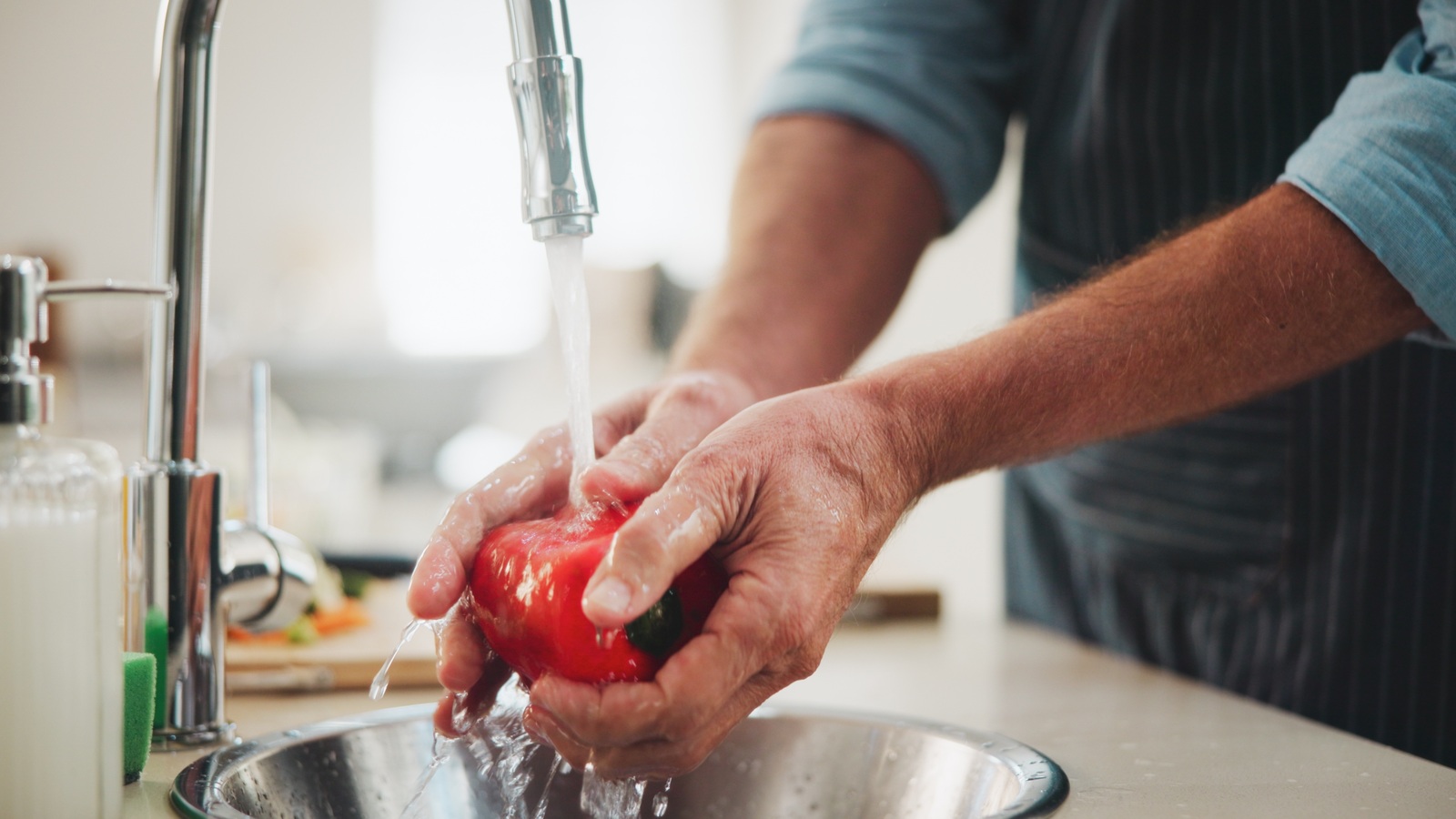
Start with clean hands and equipment. Rinse the whole peppers under running water, rubbing the surface gently to remove dirt. You don’t need soap, detergent, or a produce wash.
Dry the peppers with a clean towel. Cut them open, remove the stems and seed cores, and scrape out the loose seeds and pale ribs. Trim away small bruised areas on otherwise sound fruit. Check inside as you work, particularly around the stem, rather than assuming a good-looking exterior means the whole pepper is sound.
If you rinse out stray seeds, drain the pieces and pat them dry again. Water sitting in the hollow of a pepper or clinging to cut edges adds unnecessary ice. Drying doesn’t mean leaving the harvest on the counter for hours; blot away the surface moisture and carry on.
Cut for the meals you make most often
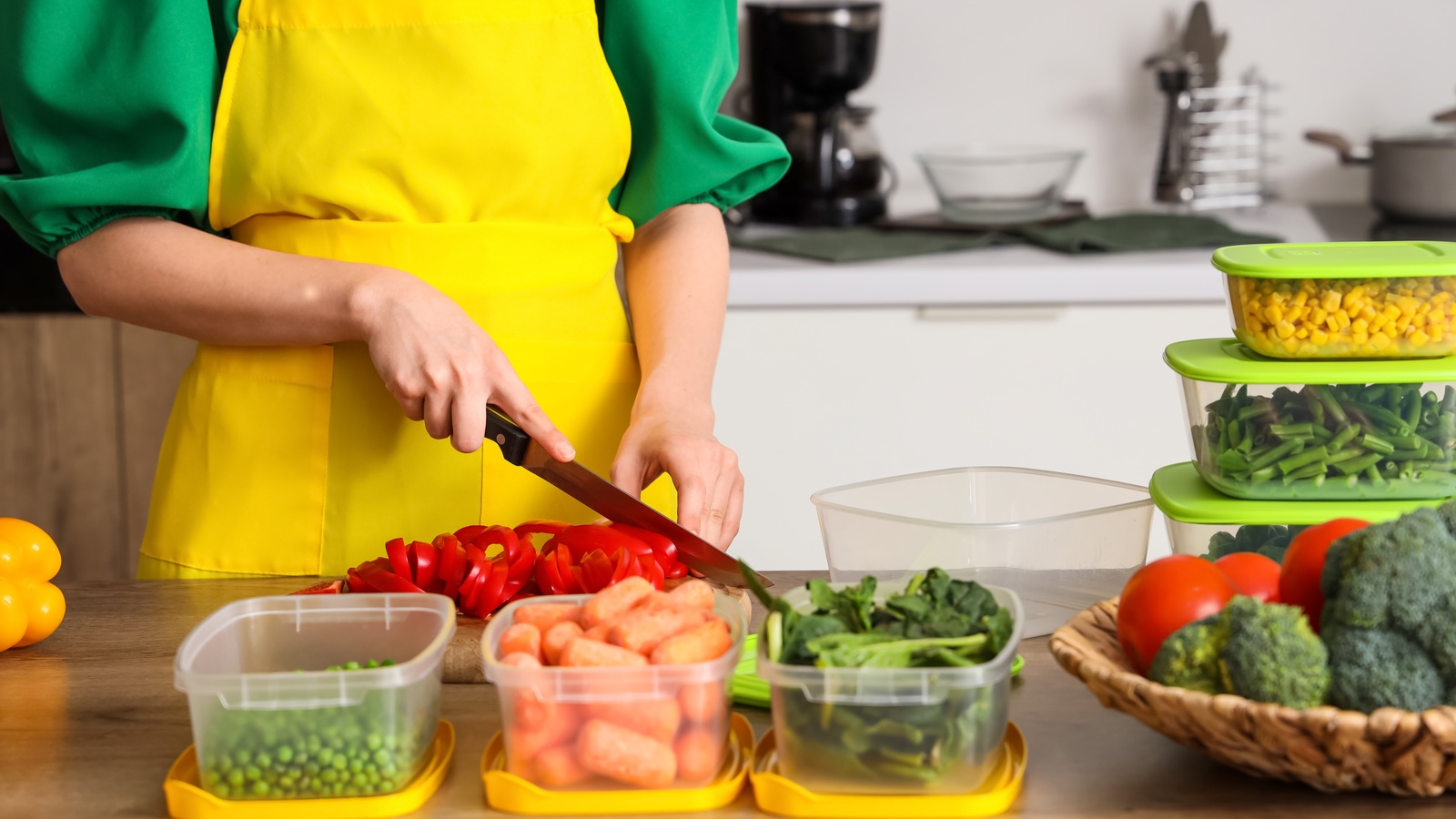
Dice peppers for scrambled eggs, chili, or a tomato sauce. Cut strips for fajitas and skillet meals. Roughly 1/2-inch pieces are a useful starting point for dice, while strips can be as narrow or chunky as you prefer. Keep each batch reasonably even so the pieces cook at a similar rate.
I’d divide a mixed harvest by cut rather than spend time separating every color. A bag of diced peppers and a bag of strips give you two useful cooking options without much extra work.
Think about portions while you’re chopping. If you usually add 1/2 cup to an omelet or 1 cup to a pot of chili, those are sensible amounts to package. Measure a portion before freezing if you want an accurate recipe quantity; loosely packed frozen strips leave a lot of gaps in a measuring cup.
Skip blanching for the simplest method
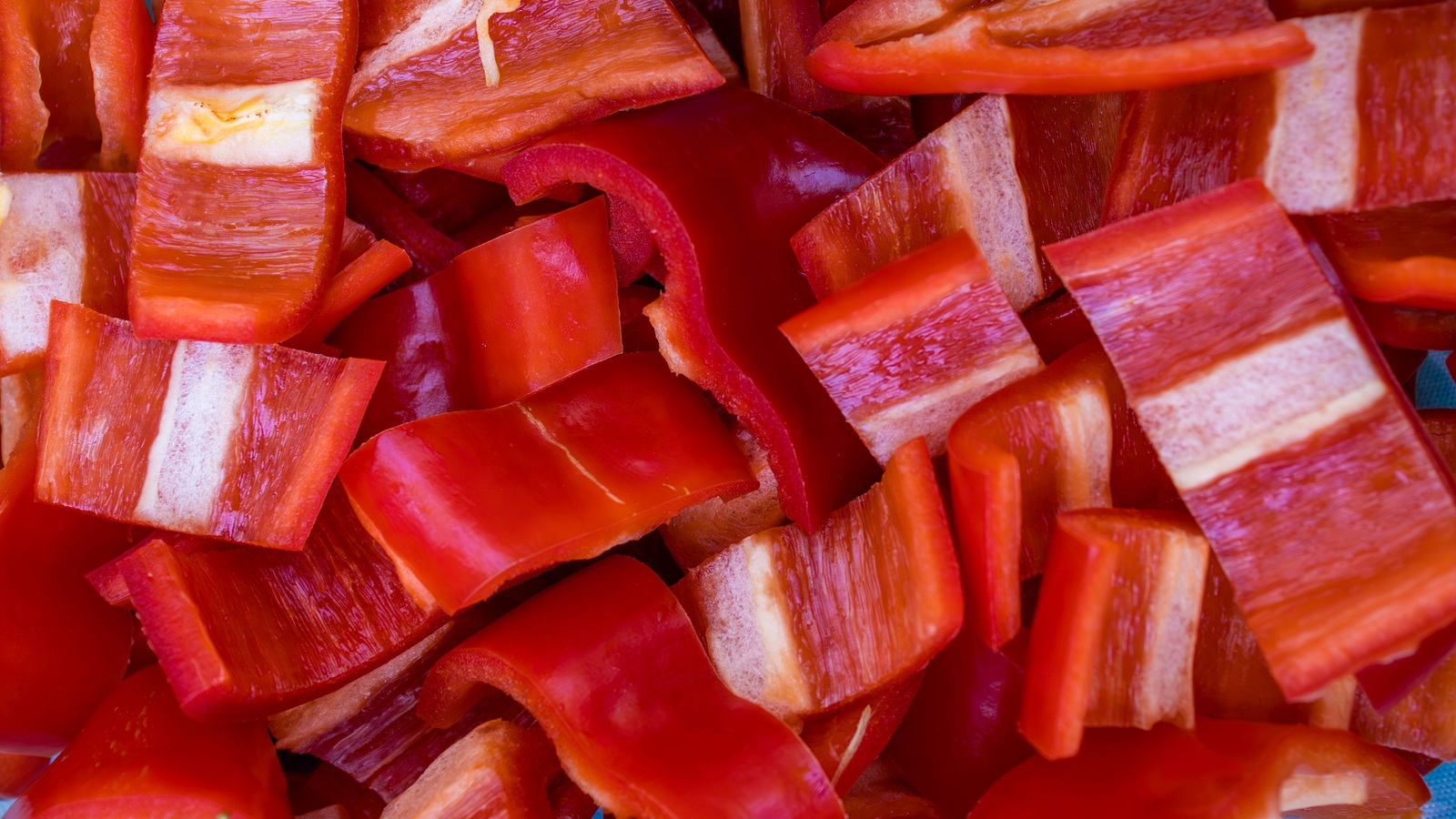
Sweet peppers can be frozen raw or blanched. Blanching means briefly heating vegetables in boiling water, then cooling them quickly. It’s necessary for the quality of many frozen vegetables, but bell peppers are an exception to the usual rule.
For small bags of everyday cooking peppers, I’d freeze them raw. It saves heating a pot of water and cooling and drying another batch of wet vegetables. Raw-frozen peppers also retain more firmness than peppers blanched before freezing, although neither will have the crunch of a fresh pepper once thawed.
If you prefer the blanched method, use halves or 1/2-inch strips or rings. Use 1 gallon of water per pound of prepared peppers. Water-blanch halves for 3 minutes, or strips and rings for 2 minutes, starting the timer when the water returns to a boil. Then cool promptly in ice water. Drain and dry them well before tray-freezing. Blanching isn’t a way to rescue spoiled peppers or guarantee a crisp thawed result.
Freeze the pieces separately before packing
Spread the prepared peppers over your tray in one layer. Separate overlapping strips and break up piles of dice. A few touching edges aren’t a disaster, but a deep heap will freeze together.
Put the tray level in the freezer and freeze until the pieces are firm before transferring them to containers. Start checking small pieces after about an hour, but judge by their condition rather than the clock. Thick pieces, a crowded tray, and different freezers all affect the time needed.
The centers should be hard, not merely frosty on the outside. Once they’re frozen, lift the parchment or use a clean spatula to loosen the pieces and transfer them promptly. Don’t leave the tray on the counter while you answer the phone or start another job.
If the whole harvest won’t fit in one layer, use another tray or do a second batch. If you skip tray-freezing entirely, pack exact meal portions instead. They’ll probably freeze together, but that matters much less when you intend to use the whole portion.
Use freezer packaging and remove excess air
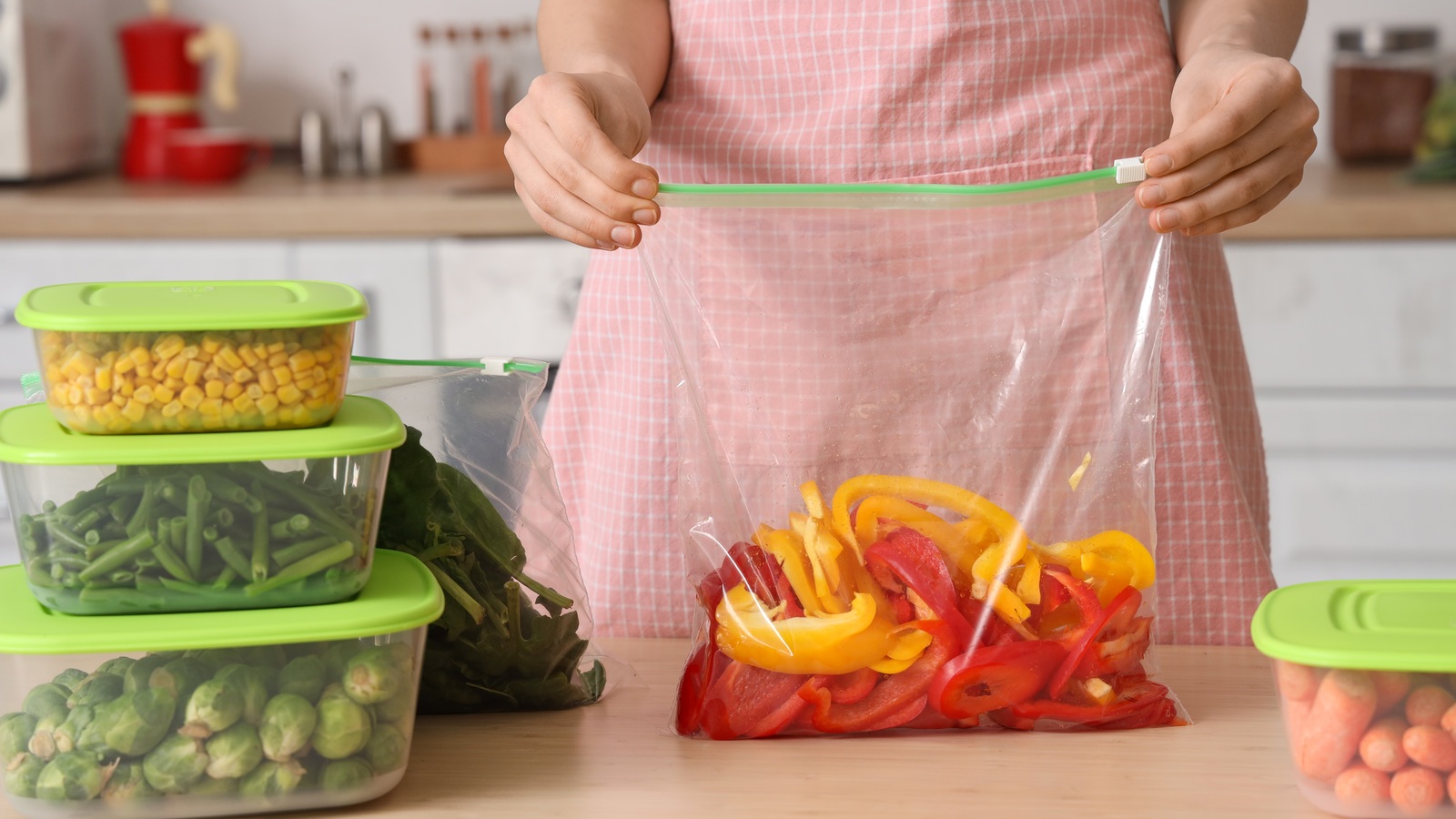
Choose bags or containers intended for freezer storage. Thin sandwich bags and bread bags don’t provide the same protection for long storage. For raw pepper pieces, fill containers without leaving unnecessary empty space; a large tub holding a handful of peppers leaves plenty of air around the food.
With a freezer bag, gently press out excess air before sealing, then arrange the pieces in a shallow layer so the bag stores flat. You don’t need a vacuum sealer. If you already have one, pre-freeze the pieces before sealing them and follow the machine’s instructions.
Freezer burn develops as food loses moisture during frozen storage. Good packaging and a tight seal help limit that drying. Blotting the peppers is useful for avoiding icy clumps, but it doesn’t replace a properly closed freezer bag.
Label each package with the contents, cut, and freezing date. Keep the freezer at 0°F (-18°C) or colder and aim to use the peppers within about eight months for good quality. That is a quality target, not an automatic safety deadline for food that has stayed continuously frozen.
Cook them from frozen and allow for extra moisture
Expect thawed peppers to be softer than fresh ones. Ice crystals damage the structure that gives fresh vegetables their firmness, so even carefully prepared peppers won’t emerge like freshly cut salad strips.
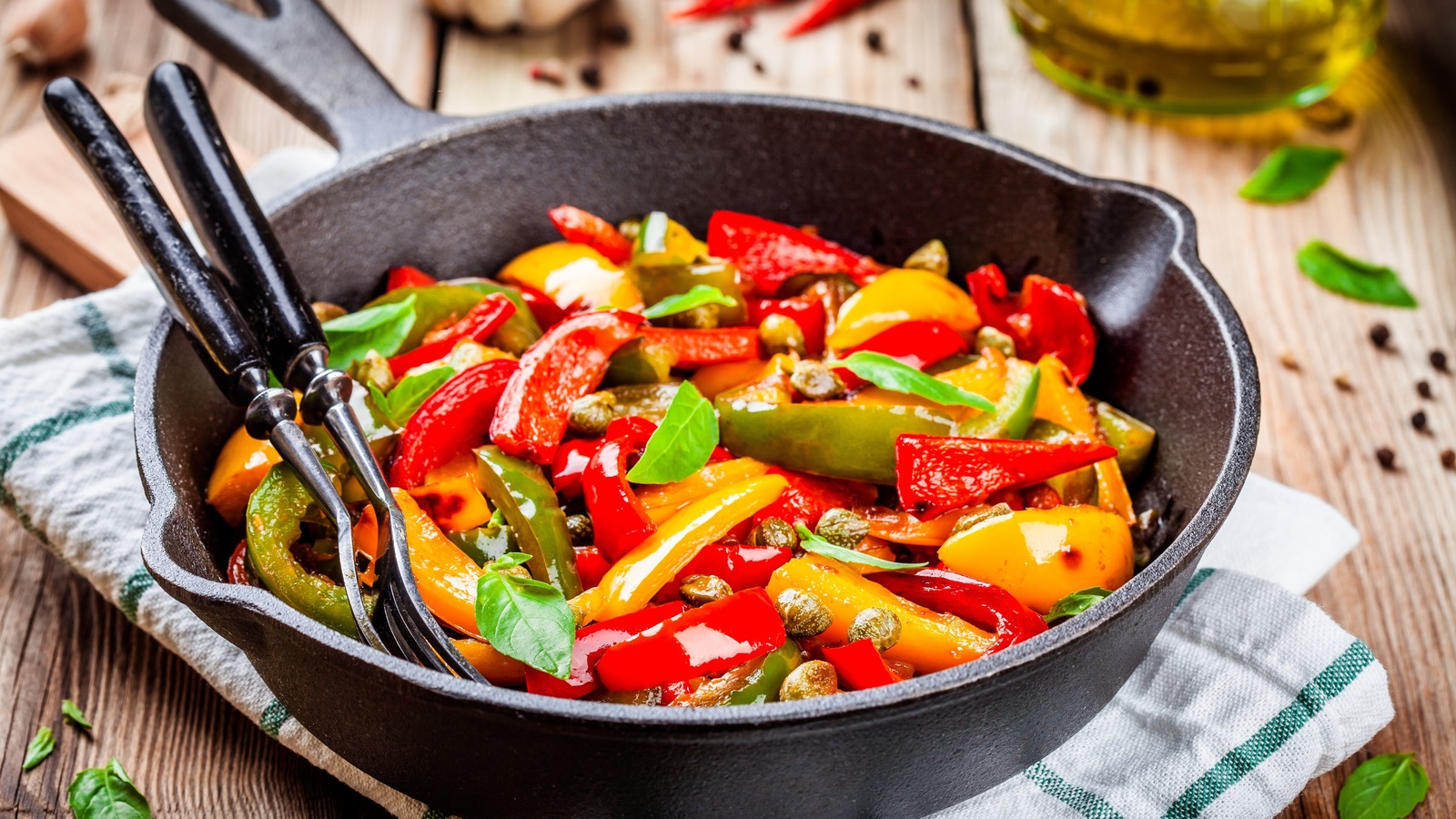
For most cooked meals, add the peppers straight from frozen. Stir dice into simmering soup or sauce, or cook a small batch of strips in a skillet. For eggs, cook the peppers first so released water can evaporate before you add the eggs. Avoid crowding a skillet if you want the peppers to sauté rather than sit in a pool of liquid.
If a recipe needs thawed peppers, thaw them in the refrigerator and drain excess liquid as appropriate. Keep fresh peppers for a crunchy snack or salad when that’s the texture you want.
Pour out only what you need, press excess air from the bag, and return the rest to the freezer promptly. Keeping the remaining pieces frozen is what keeps that convenient handful from becoming a block again.
You might also like…
Why Are My Peppers Turning Purple? Causes and Solutions
Companion Planting Peppers: Complete Guide to the Best and Worst Companion Plants for Peppers