
Affiliate disclosure: This post may contain affiliate links. Please see full disclosure.

Companion planting peppers is pretty easy, and there are plenty of great companion plants to choose from. There are all kinds of benefits to companion planting, ranging from increasing the health and productiveness of your peppers, to maximizing crop yield from the available space.
Let’s take a look at some of the best and worst companion plants for peppers, whether you’re growing sweet peppers and hot peppers.

Why Bother Companion Planting Peppers?
You’ll find lots of detailed information about the benefits of companion planting in general in our guide to companion planting vegetables. For pepper plants, interplanting them in the same garden bed with helpful and compatible plants has many benefits for the pepper plants, the soil, pollinators, and other plants.
RELATED ARTICLE: How to Transplant Pepper Seedlings
Natural Weed Control
Because of the open growth habit you create when you prune pepper plants, you’ll likely experience issues with weeds. Interplanting low-growing and fast-growing crops and root crops with peppers helps to limit the growth and spread of weeds, making this strategy a form of natural weed control.
Natural Pest Control
Similarly, the right companion plant can act as effective natural pest control in multiple ways. There are many pests that will happily devour your pepper plants unless you take action. The right pepper companion plants can deter pests and encourage predatory insects that will eat the pests and limit or prevent them from creating damage.
Some companion plants for peppers also act as trap crops. You don’t interplant trap crops right in the middle of your peppers. Instead, you plant them a little removed from the peppers. That’s because trap crops are specifically used to attract the pests that you want to keep away from your peppers. The pests find the trap crops hard to resist, so are more likely to leave your peppers alone while they feast on the trap crops.
Encourage Pollinators and Beneficial Insects
Big, bold, and bright blossoming plants make good companion plants for peppers and other vegetables, fruits, and herbs because they attract pollinators and other beneficial insects, including predators. To attract beneficial insects in large numbers to your garden space you need to choose flowering plants that have bright blossoms and pleasing, attractive scent.
Increased Health and Resilience
Certain plants can improve the health, quality, and resilience of pepper plants, tomato plants, and other nightshades. Those that have nitrogen fixing capabilities, for example, increase the availability of nitrogen in the soil surrounding them, providing more nitrogen for uptake and use by you pepper plants.
RELATED ARTICLE: How to Grow Bell Peppers: Pepper Growing Guide, Tips and Tricks
Best Companion Plants for Pepper Plants
Alliums – Onions, Garlic, Chives, and Leeks

Alliums make some of the best companion plants for peppers and most other fruits and vegetables. The allium family includes onions, garlic, chives, and leeks. They make particularly great companion plants for peppers because they repel many insects, including aphids. Onions, garlic, chives, and leeks deter aphids and other pests with their strong, distinctive scent, and act as a great form of natural aphid control.
Aphids are one of the most prolific and problematic pepper plant pests, and they’re difficult to control, naturally or otherwise. Ants also farm aphids, holding and protecting them. This causes still further problems and results in weaker plants and smaller harvests. Alliums also deter whitefly, cabbage looper, flea beetles, and carrot fly. All alliums, but particularly onions and garlic, are also great for repelling Colorado potato beetles and all but the most persistent rabbits.
Basil

Companion planting basil with pepper plants and tomato plants improves their health, flavor, and vigor. Basil repels nematodes, aphids, asparagus beetle, whitefly, thrips, black fly, mosquitoes, and tomato horn worm. With a bit of clever companion planting, you can further boost the efficacy of basil as a pest deterrent by interplanting the three key herbs to boost the pest-repelling aromatics present in basil. Plant chives, chamomile, and oregano alongside your basil to maximize its ability to deter pests from your garden space. And you can, of course, use all three of these herbs in a variety of culinary and herbal preparations. Basil is a good companion plant for peppers because it’s also verdantly leafy, so it helps to provide shade, retain moisture, and crowd out weeds.
Rosemary

On its own, rosemary is a fantastic culinary and medicinal herb with plenty of powerful properties. It’s also easy to grow in the garden, and comes back year after year. In some climates, it even grows year-round. Interplanted with peppers, rosemary repels many pests, including mosquitoes and aphids.
Yarrow

If you’ve read my companion planting article, then you know I’m a huge fan of interplanting yarrow. It has multiple benefits as a companion plant for peppers and most other plants. The showy clusters of tiny flowers attract pollinators which will also pollinate whatever the yarrow is near. And this plant also attracts other beneficial insects, including predators. Hover flies, for example, adore yarrow, as do many predatory wasps, ladybugs, and lacewings. These little critters will then do you a solid and eat large quantities of pests like aphids, cabbage worms, Japanese beetles, squash bugs, and spider mites, among others, that like to feast on your bell peppers.
The Carrot Family – Dill, Cilantro, and Carrots
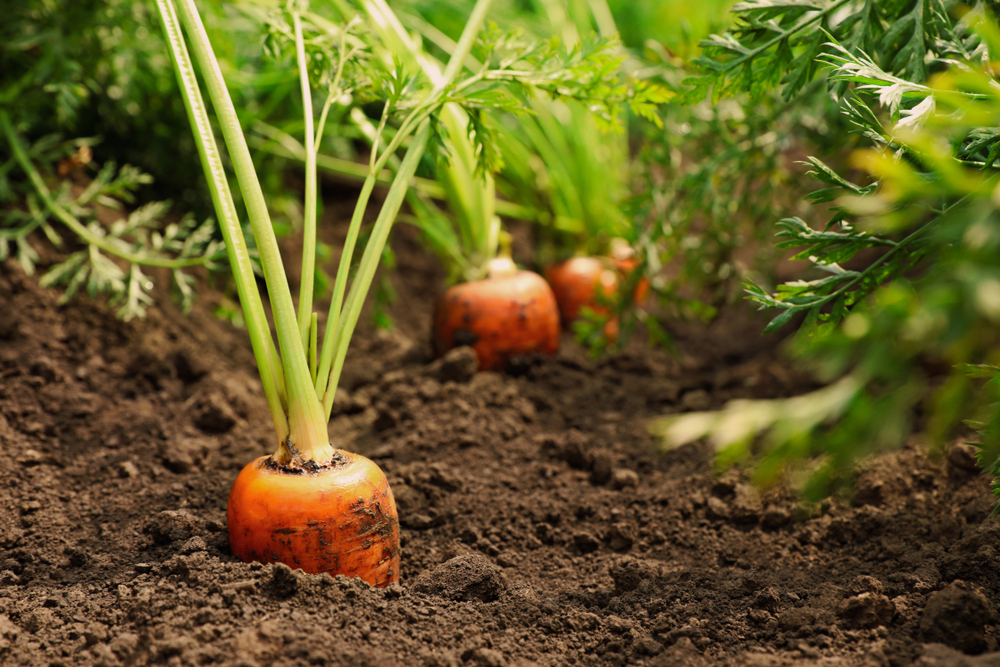
Dill, cilantro, and carrots make awesome companion plants for peppers because, like yarrow, they are loved by predatory insects and parasitic wasps. In the case of parasitic wasps, these tiny flying insects feed on the nectar from the large flower clusters, then go on to parasitize the pests they target, including tomato hornworm and aphids. Ladybugs, lacewings, and hoverflies also feast on the nectar from the flower clusters before moving on to devour aphids, caterpillars, whiteflies, squash bugs, cabbage worms, spider mites and other pepper pests.
Sunflowers

Sunflowers are undeniably beautiful, but they are also powerful plants for natural pest control and they attract pollinators. But even when they’re not flowering, sunflowers have glands on the undersides of their leaves that produce extra floral nectar that encourages and rewards beneficial pest-eating insects like predatory wasps. And the sunflowers start producing this life-giving nectar when they’re just a few inches tall. Plus, as they mature, they provide plenty of shade, too, to help protect your peppers and soil from excess heat without blocking airflow. So be smart and encourage the good bugs by planting lots of sunflowers around your garden and in your pepper patch.
Sweet Alyssum

Sweet alyssum is another of my favorite companion plants for peppers and pretty much any other plants. It acts as a living mulch, providing important and much-needed ground cover to protect the soil from damaging summer heat. While it’s great as a companion for any plant, it’s particularly good for members of the nightshade family, whether you’re growing bell peppers, tomato plants, or egg plants.
Sweet alyssum provides a beautiful, low-growing carpet of dark green foliage and bright white flowers that help to bring in pollinators and parasitic and predatory insects to seriously boost your natural pest control. And, because of its growth habit, it blocks out weeds, too, acting as a natural form of weed control. This versatile little plant has so may benefits in the organic vegetable garden that it’s a must-have, as far as I’m concerned.
Pak Choi and Radishes
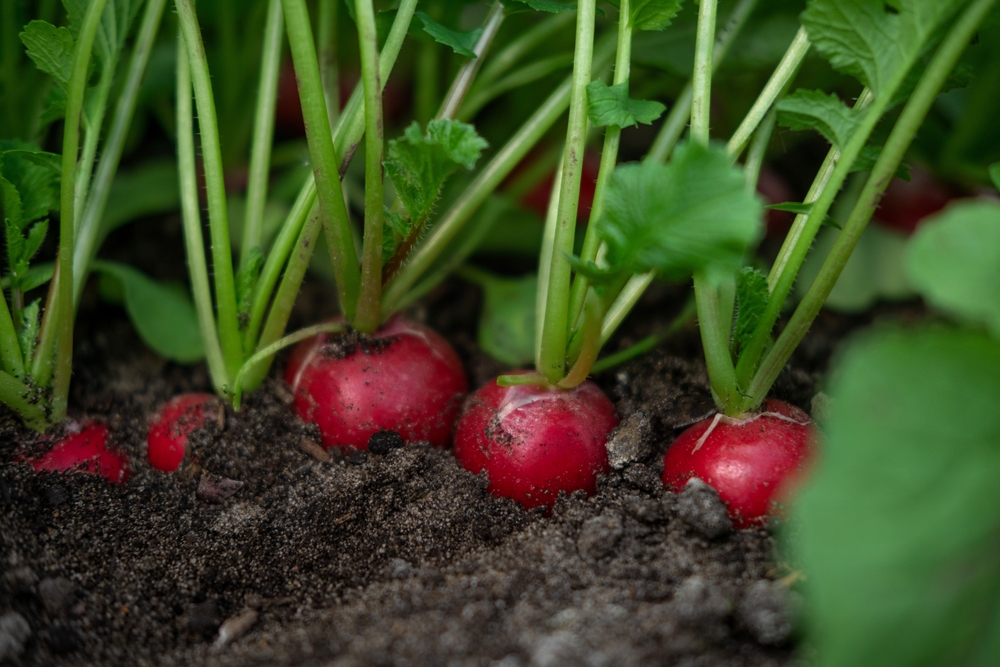
Pak choi and radishes are trap crops. They lure pests away from the plants you’re trying to protect. In this case, planting pak choi and radishes around your peppers helps to attract flea beetles. These common pepper pests are incredibly destructive and can stunt a whole young pepper plant crop. You need the pak choi to be larger and more mature than the peppers for best results, so plant them before the peppers. Flea beetles prefer the succulent, juicy leaves of the pak choi and, when given the option, will migrate to those plants and away from your peppers.
Beets
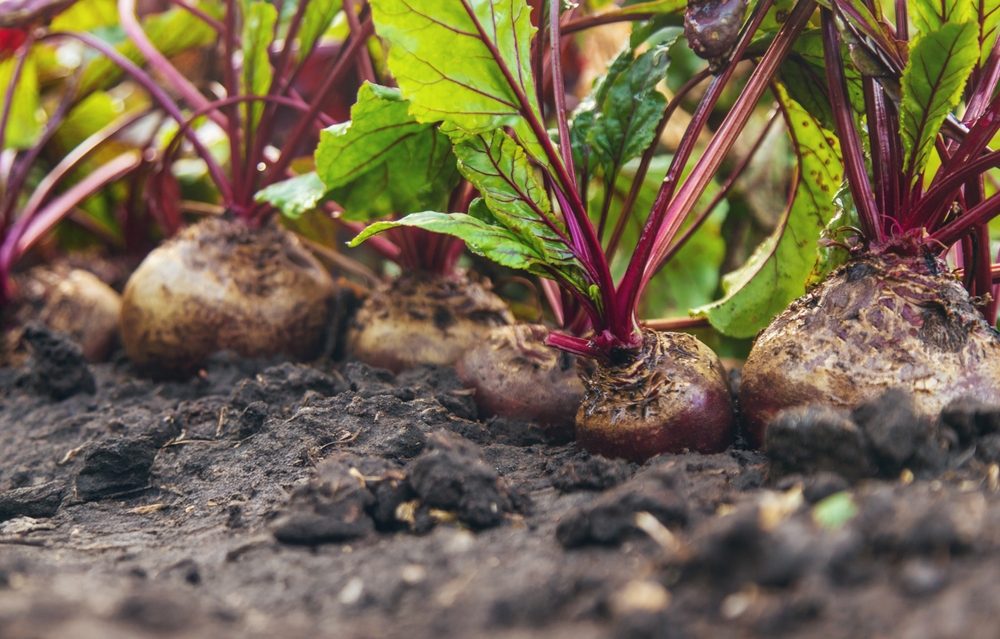
Beets straight from the garden are tender, earthy, and delicious. They’re one of my favorite things to grow, because you can eat the entire plant and even eat the ones you thin out, leaves and all. Planted near peppers, beets provide ground cover to retain soil moisture, limit evaporation, and block out weeds. Plus, sowing beets lets you get an extra crop from what would otherwise be wasted space. Because they’re root crops, they grow lower than your peppers and can cope with being shaded by the peppers.
Nasturtiums
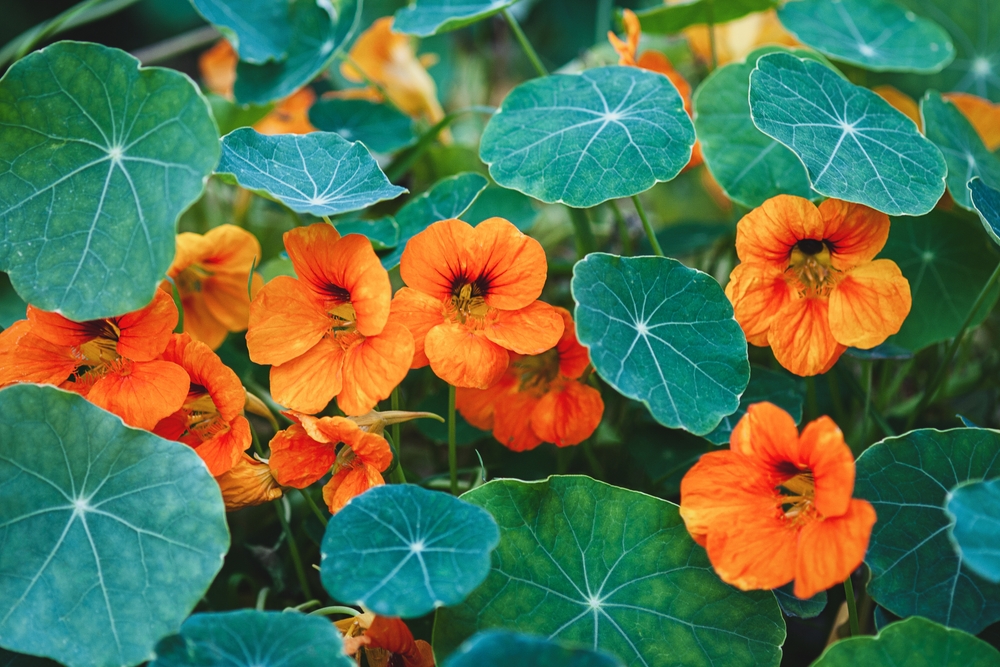
Nasturtiums are the perfect companion plant for peppers because aphids cannot resist them. If you live in an area prone to aphids, then it’s a forgone conclusion that you’ll be battling them the whole growing season. So be smart about it and plant plenty of nasturtiums close to your peppers. They act as a trap crop because aphids would rather feast on the nasturtiums than almost anything else you choose to grow. Just remember that aphids can’t travel too far, so you need to plant the nasturtiums fairly close to your peppers. As an added bonus, this trap crop will also encourage predators that eat aphids and other pests.
Remember, aphids spread diseases as well as cause black sooty mold, and nobody wants black spots on their pepper plants. So aphid control is critical.
White Clover
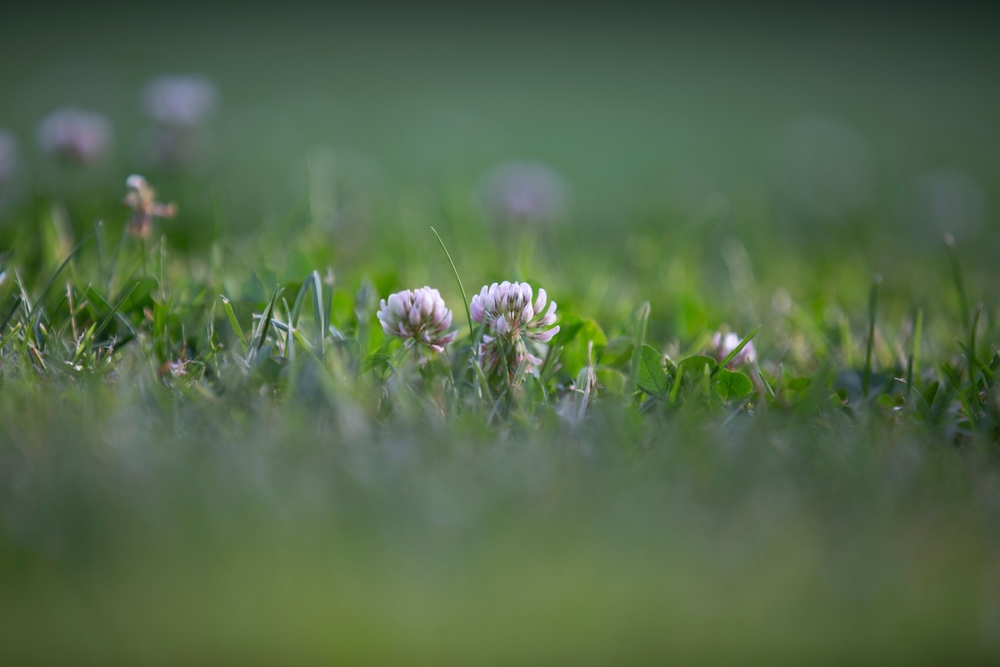
White clover is one of the best options for living mulch in the vegetable garden that grows back year after year. For the nightshade family, whether you’re growing hot peppers or sweet peppers, one of the main issues is weed control. Another is moisture evaporation. White clover takes care of both of these issues. In fact, it’s one of the best forms of natural weed control you can get.
Grow it between rows and it seriously inhibits weed growth by virtue of the low-growing blanket it produces. And, the huge numbers of tiny flowers are attractive to pollinators and predatory insects, boosting your natural pest control efforts. As you mow it, it also breaks down into nutrient-rich organic matter to improve the soil, too. Plus, as it grows, it provides nitrogen for nearby plants, making white clover a solid all-rounder as a companion plant.
Cowpeas

Cowpeas may seem like an odd companion planting choice, but they’re actually very useful for peppers and other members of the nightshade family. Their use as pepper plant companions is two-fold. Firstly, as they grow, they provide ground cover to limit evaporation and block out weeds. Secondly, they are nitrogen fixers, so they provide plenty of nitrogen to the peppers grown nearby, helping to increase pepper production.
French Marigolds
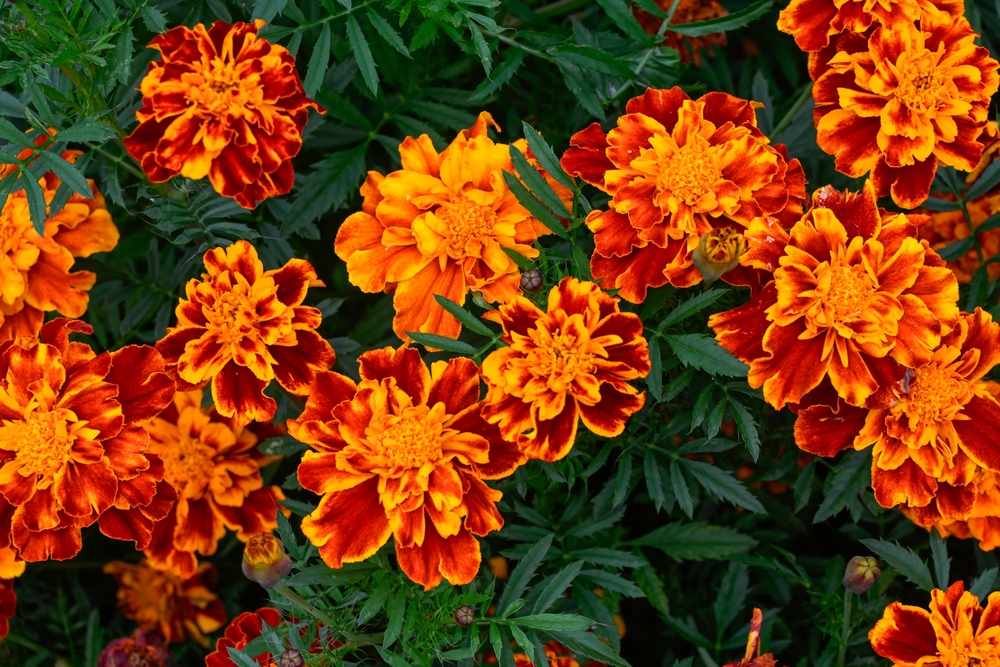
French marigolds are amazing companion plants, even if you’re not growing peppers. But when it comes to peppers, French marigolds make awesome companions because their scent deters potato bugs, flea beetles, aphids, and squash bugs, and their roots release a substance that wards off root nematodes and eelworms below the soil which commonly attack pepper plant roots.
Petunias

Another good choice for your garden beds, as a companion plant for peppers, tomatoes, eggplant, and more, petunia is a flowering plant with solid pest-repelling capabilities. Use it to deter asparagus beetles, leafhoppers, aphids, tomato worms, cabbage worms and other common pepper pests.
Geraniums

Geraniums smell wonderful and their flowers attract useful insects to pollinate your peppers and eat pests. But their real power lays in their fragrance, which repels a host of common pepper pests, including cabbage worms, flea beetles, Japanese beetles, loopers, thrips, and more.
RELATED ARTICLE: What Temperature Is too Cold for Peppers?
The Worst Pepper Companion Plants
Not every plant is a great match for peppers. Some have different nutritional needs, others can actually harm or inhibit pepper plant growth and fruit production. And other plants attract insects that you really don’t want around your peppers.
Fennel
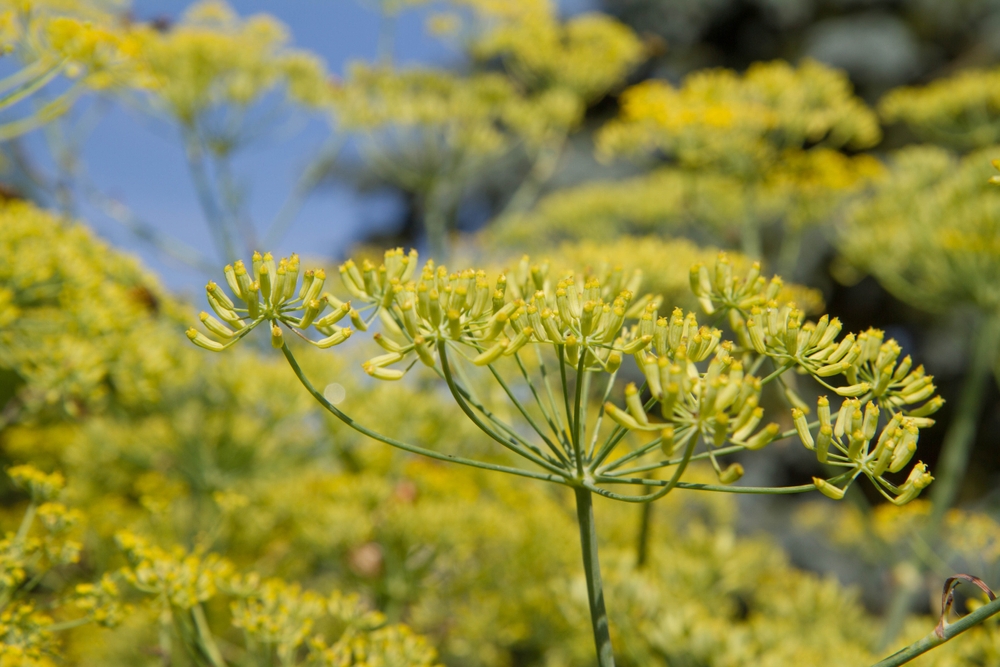
Fennel isn’t a good match for many plants in the vegetable garden, and peppers are no exception. Fennel attracts all kinds of pests so it’s useful as a trap crop that you plant far away from the majority of your other crops, but you should avoid interplanting it with your peppers.
Cabbage, Broccoli, Kohlrabi

Cabbage, broccoli, kohlrabi, and, in fact, anything in the brassica family do not make good companions for peppers. Firstly, they require different nutrient profiles and soil conditions, with cabbages favoring neutral soil and peppers doing better with lightly acidic soil. Secondly, brassicas attract all kinds of bugs, including hordes of different caterpillars, and whiteflies.
RELATED ARTICLE: Why Are Your Pepper Leaves Turning Yellow?
FAQs About Companion Planting Peppers
Yes, you can plant peppers and tomatoes together as they’re both members of the nightshade family. And while they both benefit from the same soil conditions and companion plants, they also suffer from the same diseases and pests, so there’s a risk to planting them together. Also note that, to ensure a healthy soil profile, you shouldn’t plant peppers where you planted tomatoes (or peppers or potatoes or eggplant) the year before, and vice-versa, because they are all members of the same family, and crop rotation is vital to soil health.
Yes, eggplants make good pepper companion plants because they’re members of the same family. But, just like tomatoes, they suffer from the same pests and diseases, so it’s a bit of a risk planting the whole crop of both plants together. And, just like with other nightshades, you shouldn’t plant eggplants where you planted peppers or other nightshades the year before.
Yes, you can plant jalapenos next to bell peppers or even other hot pepper varieties. Just remember that if you want to save seed, you’ll need to cover the pepper flowers with a fine mesh bag to avoid cross-pollination. But that means you’ll need to pollinate by hand to ensure your peppers actually produce fruit.
Do peppers and tomatoes grow well together?
Yes, you can plant peppers and tomatoes together, and many gardeners do. They both like full sun, warm weather, fertile soil, steady moisture, and similar garden care. The downside is that they are both nightshades, so they can attract some of the same pests and suffer from some of the same diseases. If you grow them together, give them enough spacing, keep airflow good, and avoid overhead watering where possible.
For crop rotation, treat peppers, tomatoes, potatoes, and eggplants as the same crop family. Don’t plant peppers where any of those nightshades grew the previous year if you have enough space to rotate them. This is mainly about reducing pest and disease buildup, not “ensuring a healthy soil profile.”
Are eggplants good companion plants for peppers?
Yes, eggplants can grow well with peppers because they like similar conditions: warm weather, full sun, fertile soil, and consistent moisture. The risk is that both plants are nightshades, so they can attract some of the same pests and suffer from some of the same diseases. If you grow them together, give them plenty of spacing, keep airflow good, avoid splashing soil onto the leaves, and watch for common nightshade problems.
For crop rotation, treat eggplants, peppers, tomatoes, and potatoes as the same crop family. Avoid planting eggplants where peppers or other nightshades grew the previous year if you have enough room to rotate them.
Can hot peppers and sweet peppers grow together?
Yes, you can plant jalapeños next to bell peppers or other hot pepper varieties. Cross-pollination won’t change the peppers you harvest that season, so your bell peppers won’t turn hot just because they grew beside jalapeños. The issue only matters if you want to save seeds, because those seeds may grow plants with mixed traits next year.
If you want pepper seeds to stay true to type, isolate the varieties, cover unopened flowers with fine mesh bags, or hand-pollinate protected blossoms. For everyday growing and eating, sweet and hot peppers can grow near each other without a problem.