

Affiliate disclosure: This post may contain affiliate links. Please see full disclosure.

Last year, a friend of mine spent three weeks eating down her pantry during a real rough patch. She had pasta, tinned tomatoes, rice, and dried beans. The usual things people tend to stock up on. What she didn’t have was anything to leaven bread, anything probiotic after a round of antibiotics, or any meaningful source of B vitamins once the cheese and eggs ran low. She didn’t starve. But she wasn’t really okay, either. Yes, I sent a care package for the whole family, but we can’t always rely on the kindness of others.
That story stuck with me, because it’s not really about prepping in the doomsday sense. It’s about the gap between “we have food” and “we have what we need to stay nourished, functional, and well.” Supply chains are genuinely less reliable than they were a few years ago. Prices spike without warning. Getting sick, losing income, or facing a prolonged disruption to your usual shopping routine is something most families will experience at some point. None of that is doom and gloom. It’s just reality.
Most resilience pantry lists tell you to stock extra pasta and tinned soup. That’s fine as far as it goes. But the items that actually make the difference when you’re eating from your stores for weeks aren’t the obvious staples. They’re the gap-fillers, the nutritional insurance, the ingredients that let you keep making real food instead of just surviving on beige carbohydrates.
Here are 18 things I keep stocked that most lists skip entirely.
1. Nutritional yeast flakes
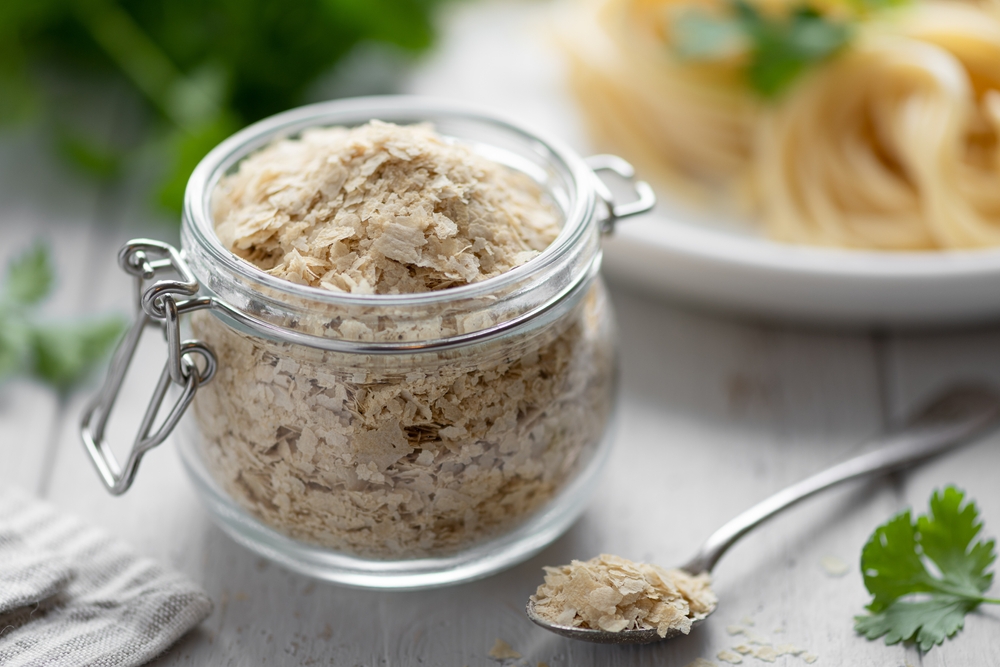
This one surprised me when I first really looked into it. Nutritional yeast is one of the best shelf-stable sources of B vitamins you can keep in your pantry, including B12, which is almost exclusively found in animal products. If your access to fresh dairy, meat, and eggs gets disrupted for any length of time, B12 depletion becomes a real concern. Deficiency symptoms (fatigue, brain fog, nerve issues) can develop faster than most people expect, especially in anyone who was already borderline low.
Beyond the nutrition, it tastes good. It has a savoury, slightly cheesy, umami flavour that makes bland emergency food significantly more palatable. Stir it into rice, soups, lentils, or pasta. Use it as a flavour base when you’re out of cheese. It keeps well in a sealed container for at least a year, and a little goes a long way. I buy it in 500g bags and go through it even in normal times.
One flag worth noting: nutritional yeast is not the same as brewer’s yeast or active dried yeast. It won’t leaven bread. It’s purely a flavour and nutrition ingredient.
2. Cream of tartar
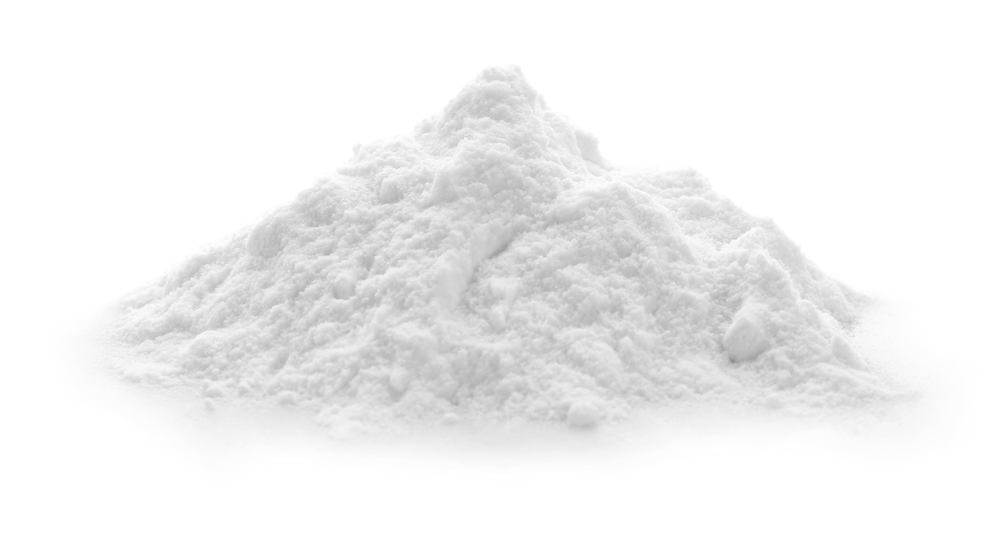
Most people have a small pot of this at the back of a cupboard for making meringue. But kept in larger quantities, cream of tartar is genuinely one of the most versatile things you can stock.
First, it’s a reliable yeast substitute in baking. Combine 1/4 teaspoon of cream of tartar with 1 teaspoon of baking soda and you’ve got a single-use leavening agent that gives a decent rise to quick breads, soda bread, and pancakes. No yeast needed. That matters because yeast supply, as many of us discovered not that long ago, can disappear from shelves surprisingly fast.
Second, mix 1 tablespoon of cream of tartar with 1 cup of milk powder and you get a reasonable buttermilk substitute for baking. Activated by heat and moisture, the tartaric acid mimics the slight tang and protein structure of real buttermilk in scones, cakes, and quick breads.
It’s also a powerful natural cleaner for stainless steel and copper, which is a small bonus. Cream of tartar keeps indefinitely in a sealed container, so there’s no downside to buying a larger bag than you think you need.
3. Live miso paste
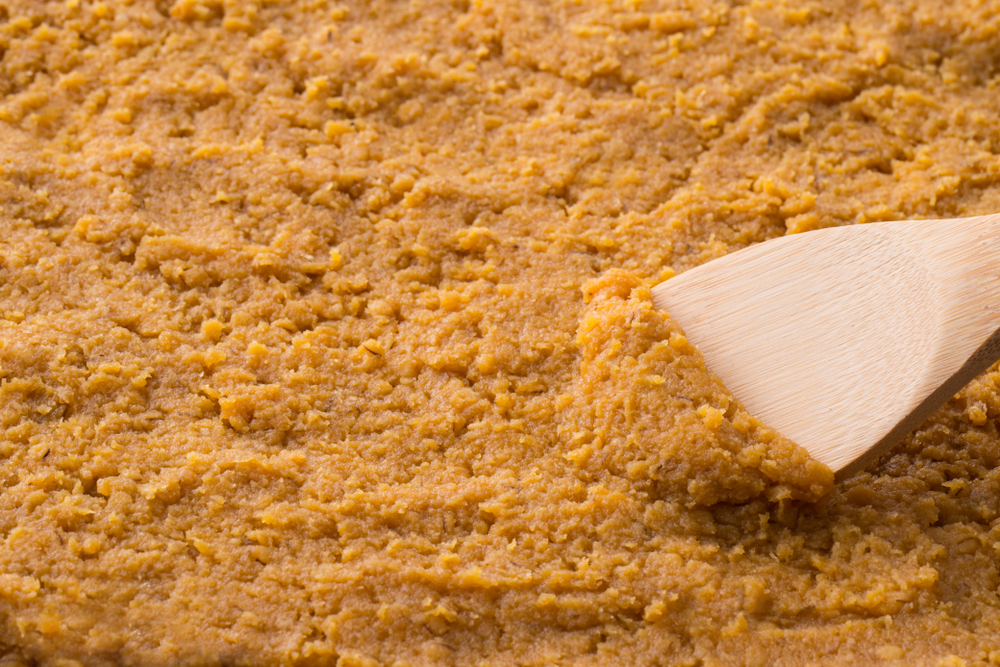
Here’s the thing about gut health when you’re under stress or eating a restricted diet: it falls apart fast. Processed food, reduced fibre, repeated antibiotic use, and stress all hammer the gut microbiome. Normally you’d reach for yogurt, kefir, or fermented vegetables. But when those aren’t available or accessible, live miso paste is one of the most resilient probiotic foods you can keep stocked.
“Live” matters here. Pasteurised miso has had the bacteria killed off; it still tastes good but won’t do anything for your gut. Look for unpasteurised or traditionally fermented miso, which will usually say “live cultures” or “unpasteurised” on the label, and keep it refrigerated. It has a very long fridge life, often 12 months or more once opened.
Dissolve a tablespoon in hot (not boiling) water for a simple miso broth. Add it to dressings, marinades, soups, and stews, but always stir it in at the end of cooking since high heat kills the live cultures. It also adds deep savoury flavour to almost anything, which makes it doubly useful in a restricted pantry situation.
For anyone on a limited diet, recovering from illness, or taking antibiotics, a daily cup of miso broth is a genuinely useful habit. It’s not a cure-all, but consistent, small inputs of diverse probiotic bacteria do make a measurable difference to gut resilience.
4. Gelatin powder
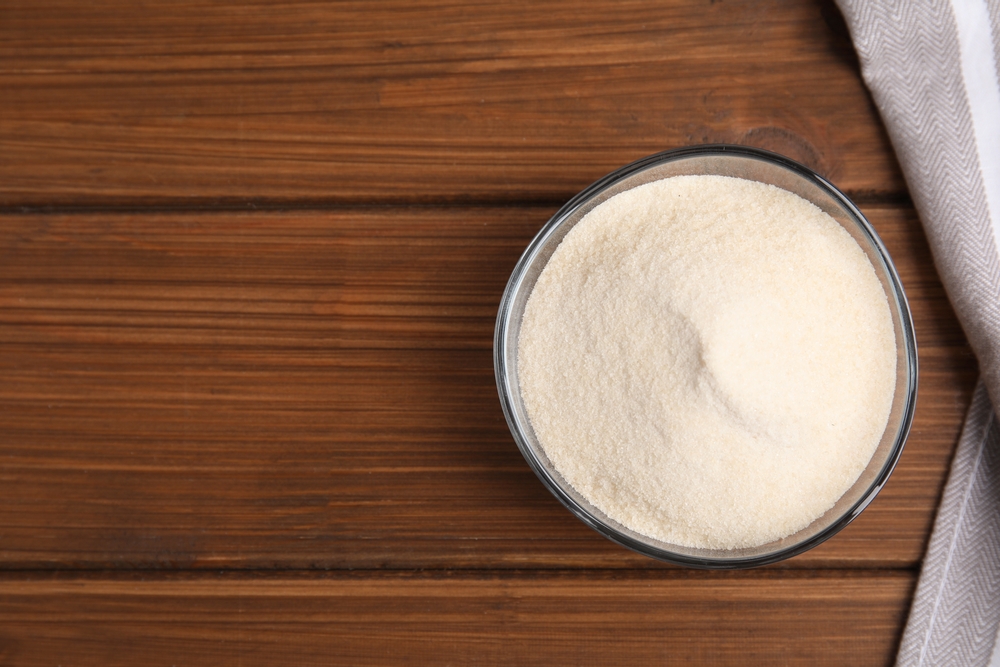
Gelatin is essentially pure collagen protein, which means it’s absorbed differently from muscle-meat protein and does things that a chicken breast can’t. It’s rich in glycine, proline, and hydroxyproline, which are the amino acids your body needs to repair connective tissue, joints, cartilage, and skin. If you’re doing heavy physical work, which is exactly what many of us would be doing more of in a disruption scenario, your connective tissue load goes up significantly. Gelatin helps support that.
It’s also useful for anyone with joint issues, gut inflammation, or who is recovering from illness or injury. Glycine in particular has a calming, anti-inflammatory effect and is involved in building stomach lining tissue.
Practically speaking, you can dissolve gelatin powder into broths, soups, juices, or water. It sets liquid into jelly, which is useful for making high-protein snacks, panna cottas, or fruit jellies for children who won’t eat much else when they’re sick. It has an almost indefinite shelf life in a sealed container. I keep a large bag and use it regularly in everyday cooking, not just as an emergency supply.
One note: gelatin is animal-derived (usually porcine or bovine). For vegetarian or vegan households, agar agar does some of the same culinary jobs but lacks the protein and amino acid profile.
5. Full-fat milk powder
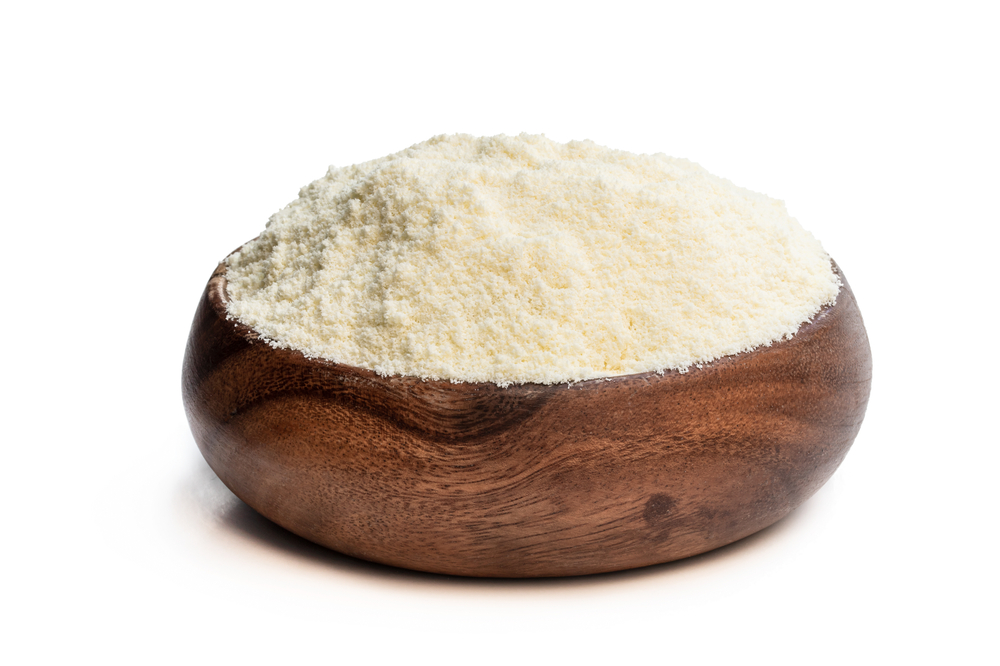
Full-fat milk powder is one of those things I ignored for years because I associated it with bad instant coffee. That was a mistake. It’s genuinely useful, both as an everyday ingredient and as nutritional backup when fresh dairy isn’t available.
A 2kg bag reconstitutes to around 16 litres of milk, which is a lot of nutrition for the shelf space it takes up. It’s a source of fat, protein, calcium, and fat-soluble vitamins A and D. You can drink it reconstituted, use it in baking exactly as you’d use fresh milk, stir it into porridge, make yogurt from it, or combine it with cream of tartar as a buttermilk substitute.
Full-fat matters for shelf stability and nutrition: low-fat versions have reduced fat-soluble vitamins and in my experience taste noticeably worse. Sealed, it stores well for 2 to 5 years depending on how it’s packaged. Once opened, keep it in an airtight container and use it within a few months.
It’s also one of the few ways to give children a decent calcium and fat intake when fresh milk runs out.
6. Apple cider vinegar with the mother
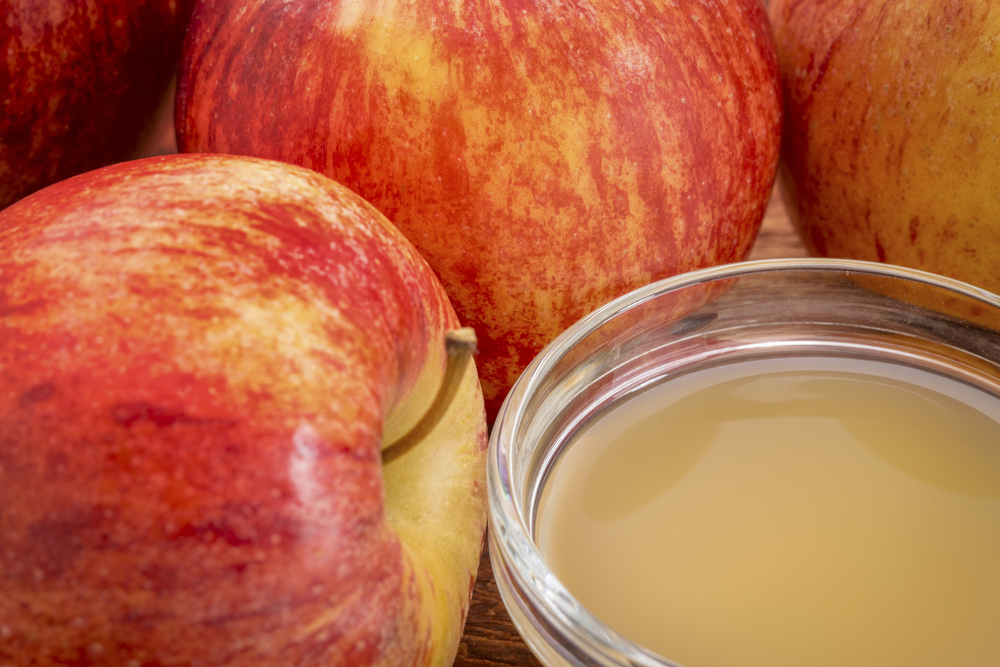
Regular white vinegar is a fine pantry staple, but raw apple cider vinegar with the mother is different in a few practical ways that matter. The “mother” is the colony of beneficial bacteria and enzymes that forms during fermentation, and it gives raw ACV modest probiotic and prebiotic properties alongside the standard acidic uses.
In the pantry, it’s a preservative for quick pickles and lacto-fermentation. It extends the life of sauces, dressings, and chutneys. Diluted in water (1 to 2 tablespoons per glass), many people find it helpful for digestion, though I’d encourage you to look into the actual evidence base rather than take the more enthusiastic health claims at face value. What I can tell you from personal experience is that a splash of ACV in soups, dressings, and slow-cooked dishes adds a brightness that makes simple food more interesting.
It also has genuine cleaning and antimicrobial applications, though it’s not a substitute for proper disinfectants. For mildew, general surface cleaning, and produce washing, it works well. An unpasteurised bottle keeps almost indefinitely at room temperature.
7. Vitamin C powder (ascorbic acid)
Scurvy sounds like a historical curiosity, something that happened to sailors in the 1700s. But symptoms of vitamin C deficiency start appearing at around 4 to 6 weeks of genuinely low intake, and they’re not dramatic at first: fatigue, joint aches, slow wound healing, bleeding gums. Exactly the kinds of things you might chalk up to stress or being run down.
Fresh fruit and vegetables are the main dietary source of vitamin C, and they’re often the first thing to become scarce, expensive, or unavailable in a supply disruption. Dried and tinned produce loses a significant amount of vitamin C depending on processing and storage time.
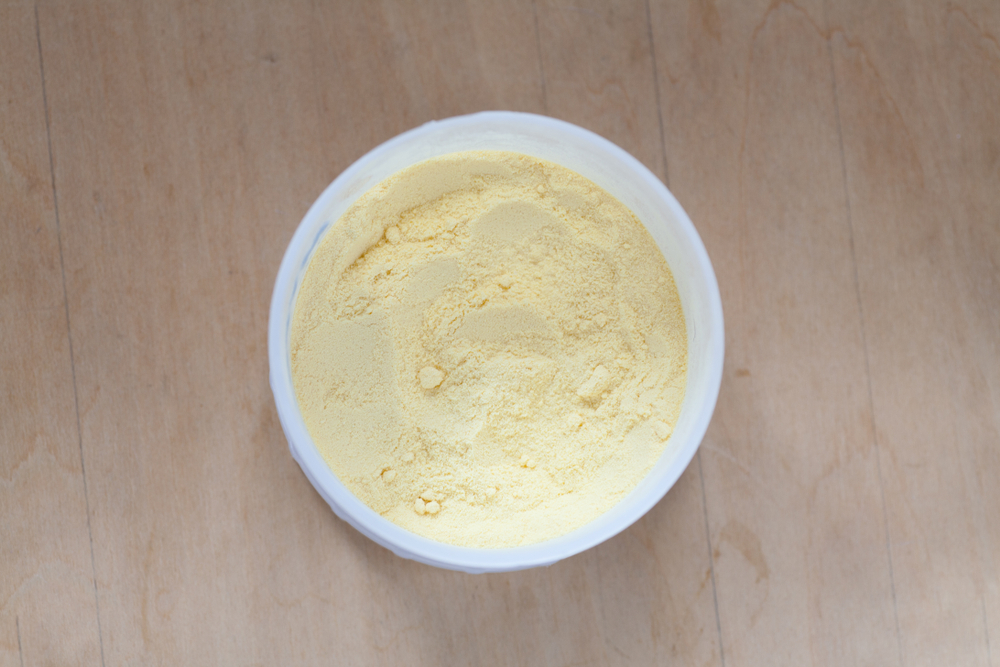
Ascorbic acid powder is cheap, takes up almost no space, and keeps for 2 to 3 years sealed. A quarter teaspoon (around 1,000mg) dissolved in water or juice covers your daily requirement many times over. It’s also a useful food preservation tool: add a pinch to sliced fruit or vegetables to prevent browning, or use it in home canning and fermentation to maintain colour and nutrient content. I’d verify the appropriate dosage for children vs adults before stocking, as the upper tolerable limits differ significantly by age.
8. Red lentils and split peas
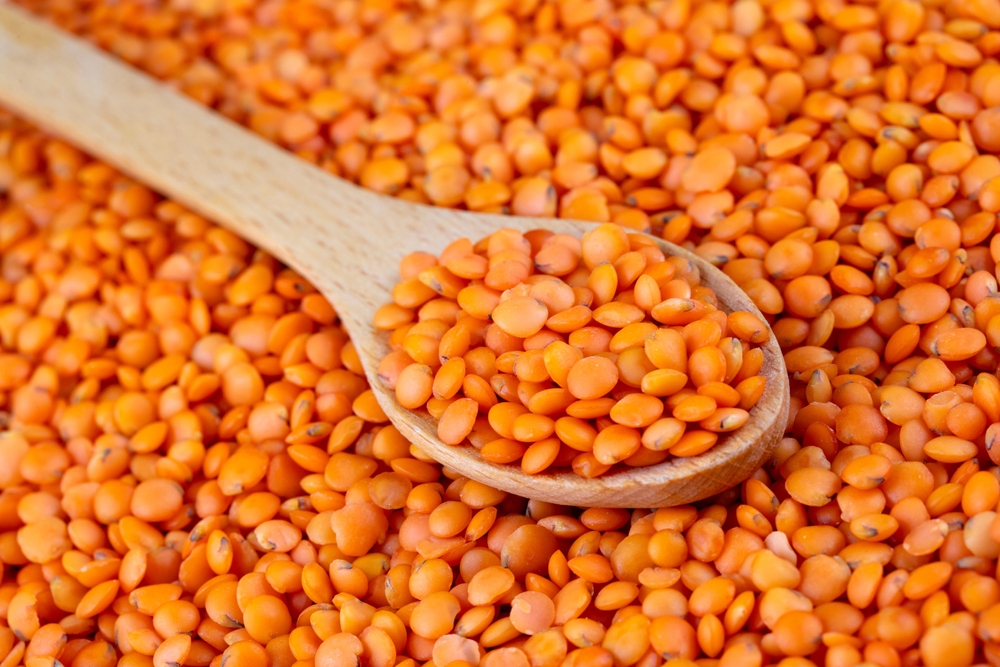
Most resilience pantry lists include dried beans and lentils. The one thing they often miss is that not all legumes are equal when it comes to speed and fuel use. Red lentils and split peas don’t need soaking and cook in 20 to 30 minutes. Whole dried beans and chickpeas can need 8 hours of soaking and 90 minutes of boiling. In a scenario where you’re rationing gas or cooking over a fire or a small camp stove, that difference is significant.
Red lentils also break down into a soft, thick, easily digestible mush, which makes them the best option for feeding children, elderly people, or anyone who’s unwell and can’t manage heavy food. They’re a complete source of protein when paired with any grain (the amino acid profiles complement each other), and they’re rich in iron, folate, and fibre. A 2kg bag is cheap, stores for 3 to 5 years in a sealed container, and makes dozens of meals.
Split yellow and green peas are similarly fast-cooking and make a thick, warming soup with very little added. Keep both.
9. Whole grain wheat berries or rolled oats (not flour)
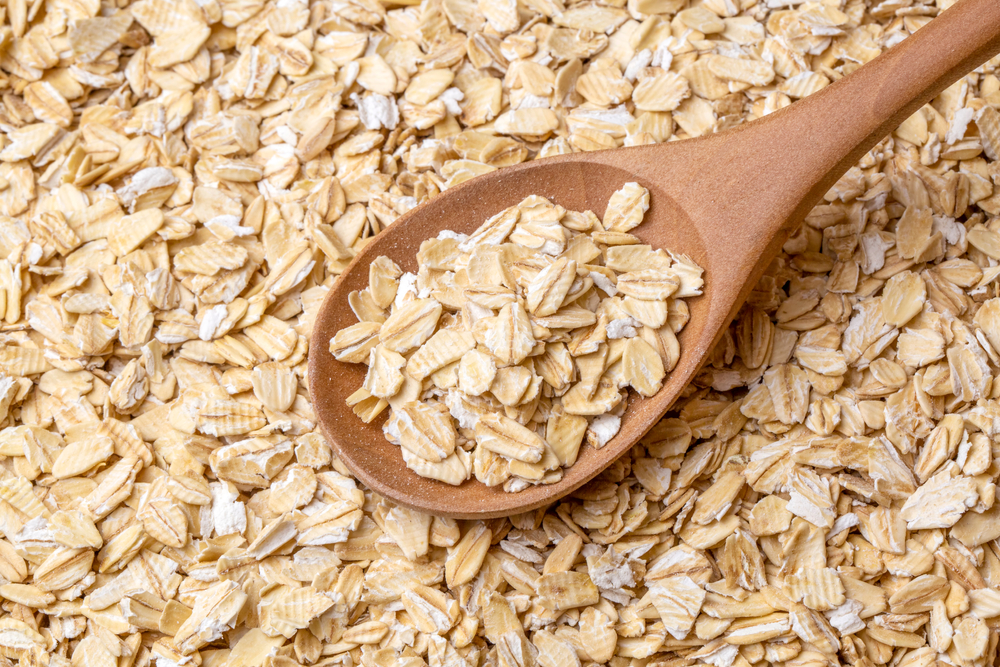
Here’s something that trips a lot of people up: flour has a relatively short shelf life. White flour keeps for about a year; wholemeal flour closer to 3 to 6 months because the bran contains oils that go rancid. If you buy large quantities of flour for your emergency pantry and then don’t rotate it fast enough, you end up with stale flour that makes bad bread.
Whole wheat berries, on the other hand, keep for 25 to 30 years in sealed storage because the protective bran and germ haven’t been exposed. You can grind them fresh as needed with a hand grain mill (which you’d want to own if you’re serious about this), cook them whole as a nutty, protein-rich grain, or sprout them for fresh greens. A grain mill is a real investment but pays for itself quickly if you bake regularly.
Rolled oats are a more accessible option that keep for 2 to 4 years and need no processing. They cook in minutes, work as a baking ingredient, and are a dense source of fibre, beta-glucan, protein, and slow-release carbohydrates. I keep both in my pantry: oats for daily use and wheat berries as a genuine long-term reserve.
10. Bulk sea salt
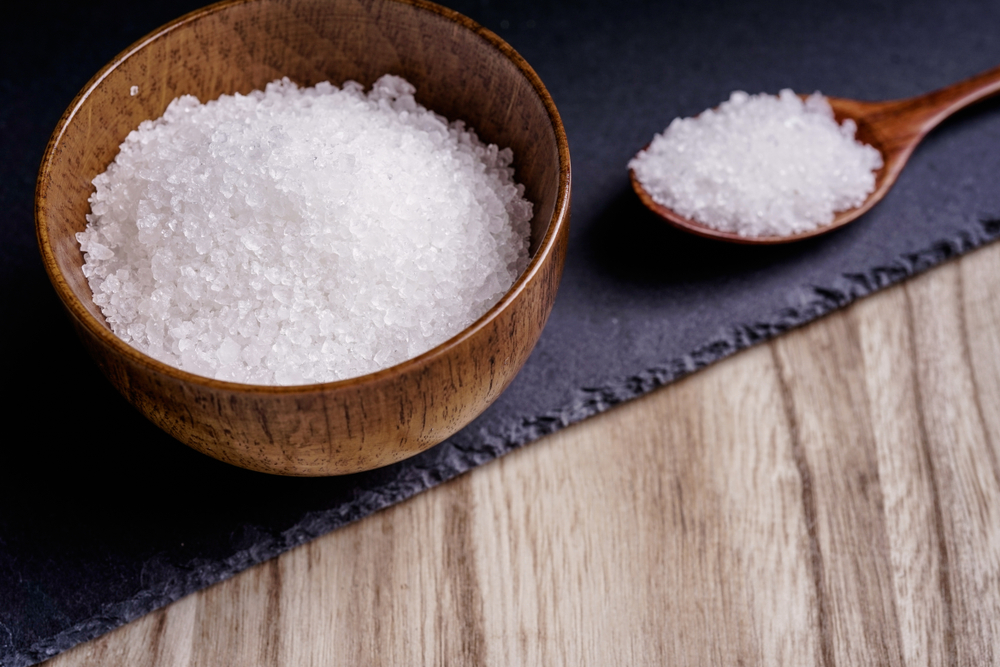
Salt is one of the oldest and most effective food preservation tools in human history, and most households stock nowhere near enough of it. The standard supermarket box of table salt contains maybe 750g. That’s fine for seasoning but almost useless for serious food preservation.
To make sauerkraut or fermented vegetables, you need approximately 2% salt by weight of your vegetables. To cure meat or make preserved lemons, you need considerably more. To brine eggs or preserve a harvest of tomatoes, you’re going through salt fast.
A 5 to 10kg bag of coarse sea salt costs very little and takes up minimal space. It keeps forever. Beyond preservation, salt is an electrolyte that becomes important when people are sick, sweating heavily, or doing physical labour in heat. It’s also a useful surface disinfectant and a key ingredient in lacto-fermentation.
RELATED: 55 Everyday Items That Vanish First When Disaster Hits
11. Dried mushrooms
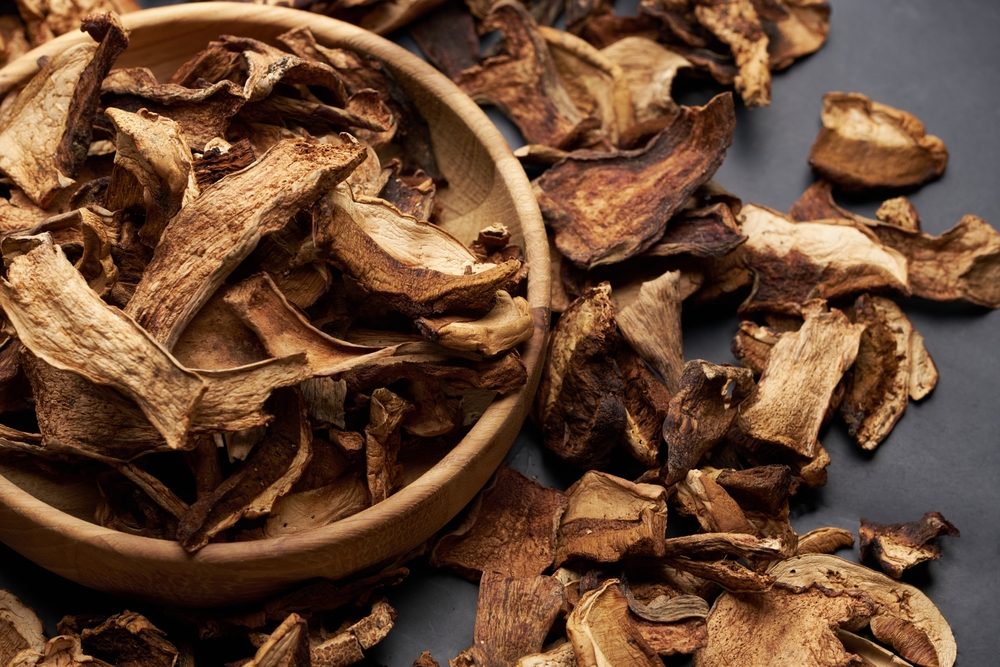
Dried mushrooms are one of the most nutritionally dense shelf-stable ingredients you can stock, and they’re almost never on resilience pantry lists. Dried shiitake, porcini, and oyster mushrooms are concentrated sources of B vitamins, copper, selenium, and ergosterol, which converts to vitamin D2 when exposed to UV light. In northern winters when sun exposure is low and fresh produce is expensive, that matters.
Functionally, they provide the kind of deep savoury umami flavour that makes simple food taste like real food. Rehydrate them in warm water for 20 to 30 minutes, and use both the mushrooms and the soaking liquid, which contains significant flavour and nutrients. They work in soups, risottos, pasta sauces, grain dishes, and anywhere else you’d use fresh mushrooms. A small handful goes a long way.
Dried well, mushrooms keep for 1 to 3 years in a sealed container. They’re also extremely lightweight, so they’re high value for their storage footprint.
12. Citric acid
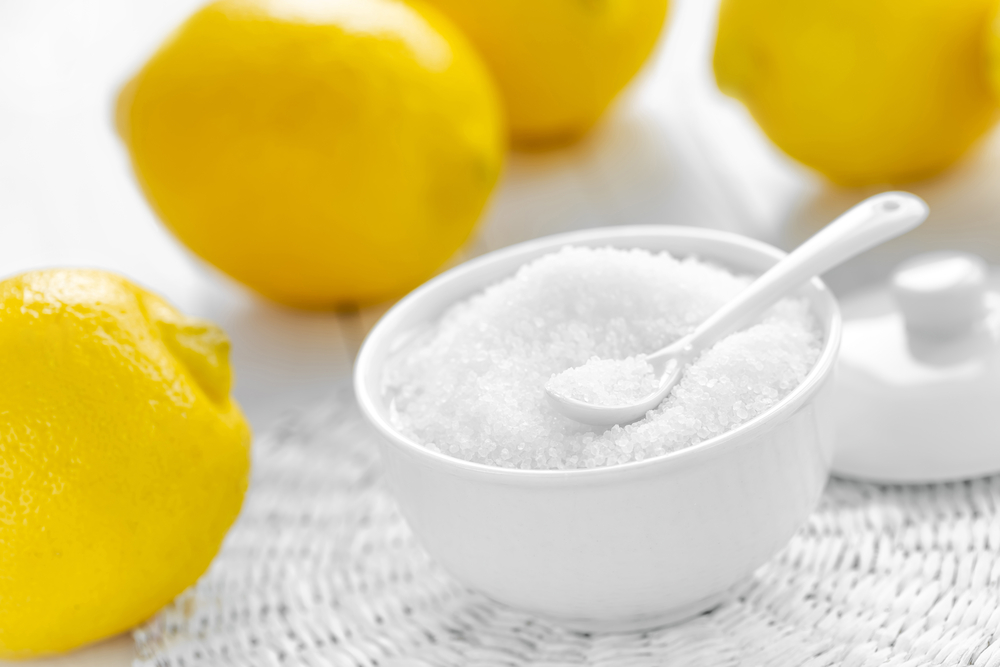
Citric acid is a white crystalline powder that tastes sharply sour, and it’s one of those ingredients that quietly does the work of several others. It’s the key souring agent in food preservation, canning, and fermentation. Add a pinch to tinned tomatoes to boost acidity and extend life. Use it in place of lemon juice in preserves, cordials, and curds when fresh lemons aren’t available. It’s essential for making fresh mozzarella and ricotta at home.
A quarter teaspoon of citric acid is roughly equivalent to 2 tablespoons of fresh lemon juice for acidity, and it’s pH-stable in a way that bottled lemon juice isn’t. For home canning, this matters: consistent acid levels are what make preserved food safe, and commercial citric acid is more reliably measured than fruit juice.
It also descales kettles and coffee equipment, which is a small practical bonus. A 500g bag is cheap, takes up almost no shelf space, and will last years sealed.
13. Baking soda in bulk
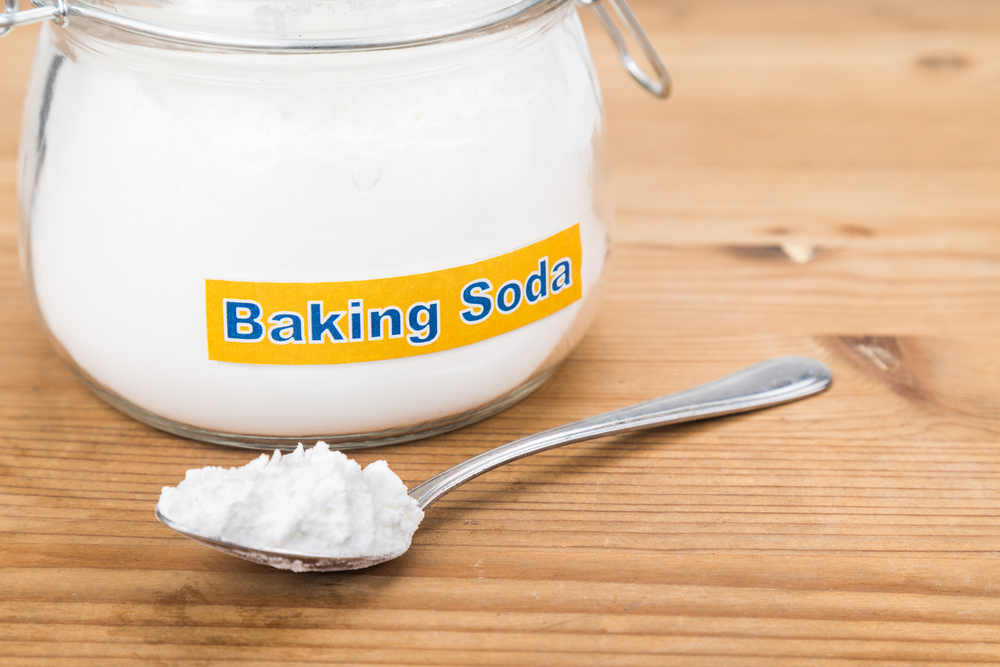
Most households have a small box of baking soda. What I’m suggesting is keeping 2 to 3kg of it. Here’s why that’s worth it.
Baking soda is leavening agent, antacid, cleaner, deodoriser, fire suppressant for small kitchen fires, and a component in homemade toothpaste and skin treatments. When combined with cream of tartar or an acidic liquid (buttermilk, yogurt, vinegar), it replaces baking powder entirely. Baking powder, by contrast, is a mixture that has a shorter shelf life because of its cream of tartar or starch component. Baking soda alone, stored in a sealed container, keeps indefinitely.
For families with children, baking soda is also involved in countless natural remedy applications: soothing bites and stings in a paste, treating mild heartburn, cleaning produce. It’s one of those genuinely multi-use pantry items that earns its place several times over.
RELATED: 50 Everyday Items Worth More Than Gold in a Crisis
14. Whole peppercorns and other whole spices
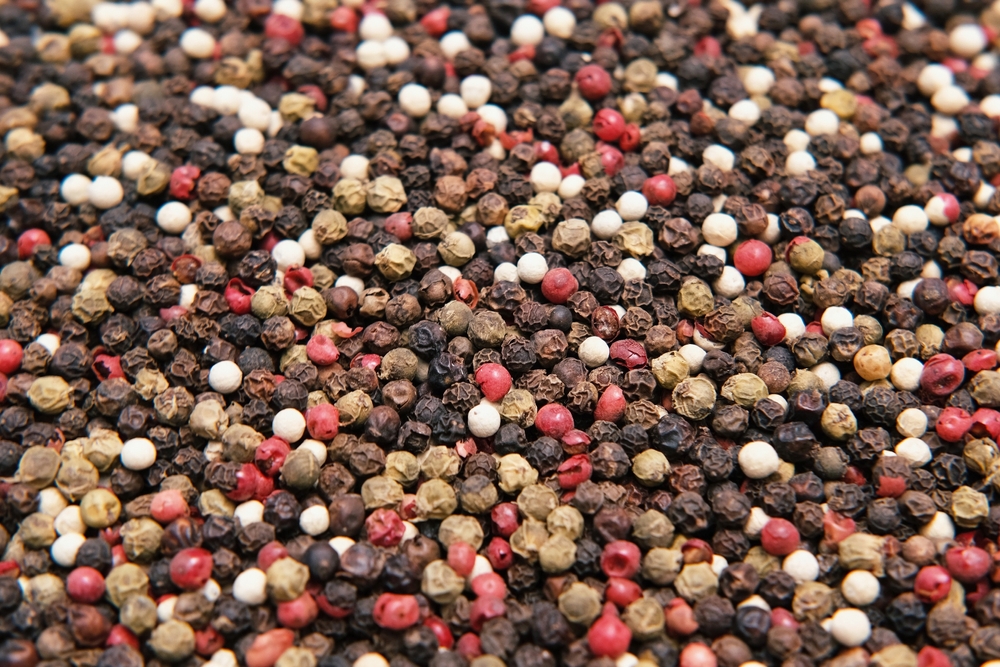
Ground spices lose their potency relatively fast, around 6 to 12 months for most. Whole spices keep for 2 to 5 years and taste significantly better. If you’re eating from your stores for any meaningful period, flavour becomes more important than you’d expect. Monotonous, unseasoned food causes appetite fatigue, which means people (especially children) stop eating enough even when food is available.
Whole peppercorns, coriander seeds, cumin seeds, dried chilli flakes, and cinnamon sticks are the ones I prioritise. A small hand grinder or a heavy pestle and mortar is all you need to get fresh-ground spice, and the difference compared to stale pre-ground powder is enormous. These also add genuine antimicrobial properties, which matters in food safety and preservation contexts.
Buying whole spices in bulk from Asian grocery stores or online is dramatically cheaper than buying small supermarket jars. This is one area where stocking up properly costs you almost nothing extra.
15. Coconut oil or quality lard

Dietary fat is often the first thing to get scarce in a restricted pantry, and it’s the thing that causes energy crashes, fat-soluble vitamin deficiencies, and serious cooking limitations fastest. Butter goes rancid. Most vegetable oils are refined and have a shorter shelf life than their labels suggest once opened.
Coconut oil (refined or unrefined) has a very high saturated fat content, which makes it stable at room temperature for 2 years or more. It has a high smoke point and works for frying, baking, and spreading. Lard, particularly lard you render yourself from pork fat, has a similar stability and an even higher smoke point. It also makes the best pastry you’ll ever eat, but that’s a side benefit.
Both are deeply unfashionable in mainstream nutrition circles, which I find somewhat ironic given how well they store and how useful they are for cooking real food from scratch. I keep both. The coconut oil sits in the pantry; a jar of lard lives in the fridge, where it keeps for months.
16. Dried medicinal herbs and teas
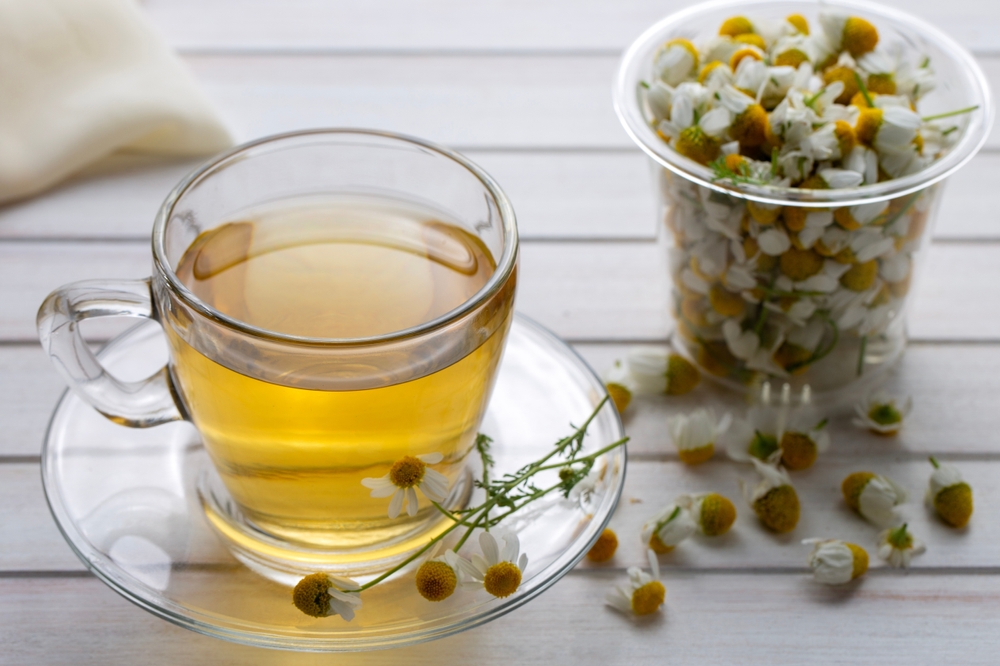
This is an area where I’ll tread carefully, because I’m not a doctor and I’m not going to suggest you treat serious illness with chamomile. What I will say is that there’s a meaningful gap between pharmaceutical medication and doing nothing, and dried herbs fill some of that gap in genuinely useful ways.
Chamomile is reliably calming and helps with sleep, which matters more than people think during prolonged stress. Nettle leaf is nutrient-dense, rich in iron, calcium, and vitamin K, and makes a decent mineral-rich tea. Dried elderflower makes a pleasant, mildly antiviral tea and a lovely cordial when sugar is available. Peppermint is genuinely useful for nausea and digestive discomfort. Dried ginger works similarly and stores well as a powder.
I grow a lot of these in my garden and dry them, but you can buy them in bulk from herbal suppliers cheaply. A handful of well-chosen dried herbs takes up almost no space and gives you something useful for the everyday minor ailments that become more frequent when people are stressed, cold, eating differently, and less active than usual.
17. Rennet tablets or liquid rennet
This one is more specific to households with access to fresh milk, whether from animals you keep or from a local farm. If you ever find yourself with more milk than you can drink and no refrigeration to extend its life, being able to make fresh cheese is enormously useful.
Rennet is the enzyme that causes milk to coagulate into curds. Combined with citric acid (see above), it lets you make fresh mozzarella in about 30 minutes. With just salt and patience, you can press a simple farmer’s cheese or paneer. These are genuinely high-protein, high-fat foods with good nutritional density and far longer shelf lives than fresh milk.
Liquid rennet has a limited shelf life even refrigerated, so rennet tablets are the better option for a resilience pantry. They keep for several years sealed in a cool, dark place. A single tablet makes many batches of cheese. If you’ve never made fresh mozzarella at home, I’d genuinely encourage you to try it in normal times before you need it. It’s one of those skills that feels like a magic trick until you do it once, and then it seems absurdly simple.
18. Activated charcoal capsules
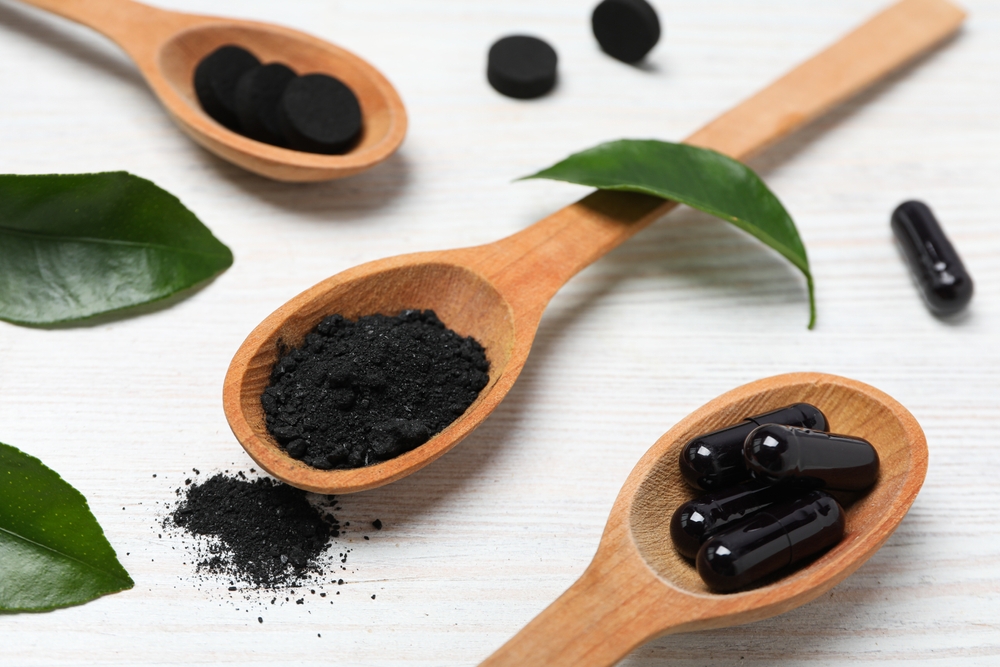
This is the one item on this list that’s more first-aid than food, but I include it here because food safety incidents become more likely in a disruption scenario: eating unfamiliar preserved foods, impromptu butchery, improvised cooking setups, reduced refrigeration. Food poisoning happens, and activated charcoal is one of the few things you can keep on a shelf that genuinely helps.
Activated charcoal works by adsorbing (binding to) toxins in the gut before they’re absorbed into the bloodstream. It won’t help with toxins already circulating, so it needs to be taken quickly after ingestion of a suspect food or substance. It’s also not appropriate for all types of poisoning, so please do check current guidance or talk to a pharmacist or physician about how to use it correctly. This is not a substitute for calling poison control or seeking medical attention when those are available.
That said, for minor food poisoning and upset stomach, many people find it helpful. It also has uses as a water filtration component in basic filter setups. A bottle of capsules keeps for 2 to 3 years, takes up almost no space, and is cheap. I keep it alongside basic first aid supplies rather than in the kitchen, but it earns its place.
A few practical notes on stocking up
There’s no point buying 5kg of miso paste if you’ve never used it before and won’t start now. The best resilience pantry is built from things you already eat and cook with, bought in larger quantities and rotated regularly. If you try to maintain an emergency stockpile of unfamiliar ingredients that you never touch, you’ll end up with expired products and no real skills for using them under pressure.
Start by adding two or three of these items to your next grocery order. Cook with them. Get comfortable with them. Then build from there. The goal isn’t a bunker. It’s a household that can keep eating well for several weeks without going to a shop, and that can adapt when the things it normally relies on aren’t available.
That’s a much lower bar than most people think, and it’s genuinely achievable without spending a lot of money or dedicating significant storage space. The items above, bought in modest bulk, would fit in a single large shelf unit and cost less than a few weeks of normal grocery shopping. The peace of mind is worth considerably more than that.
You might also like…
18 pantry items that last for years when you store them properly
Why Smart People Prep | 24 Logical Reasons to Start Prepping Today

