

Affiliate disclosure: This post may contain affiliate links. Please see full disclosure.

My grocery bill last month made me actually wince. And I grow a lot of my own food. I can’t imagine what it’s like for people buying everything at the store right now. Protein, specifically, has gotten brutal. Beef prices are up. Chicken breasts that used to be a cheap reliable staple aren’t what they were. And eggs. Well, you already know about eggs.
But here’s what I’ve noticed after years of feeding a household on a careful budget: most people are overpaying for protein because they’re buying the most marketed cuts and the most convenient forms, not the most economical ones. The meat industry doesn’t advertise chicken thighs as hard as it advertises boneless skinless chicken breasts. Nobody’s running Super Bowl commercials for dried lentils. But those less-glamorous options are where the real value is, and in many cases, they’re nutritionally superior too.
These aren’t sacrifices. They’re swaps. And a few of them might actually become permanent fixtures in your kitchen once you realize how much better they taste.
Why protein prices keep climbing
Feed costs, fuel, labor, drought, disease outbreaks in poultry flocks: it all flows downstream to the grocery store shelf. This isn’t a blip. Protein costs have risen steadily for years and there’s no real sign of a return to what things used to cost. Which means adapting your buying habits isn’t a temporary fix: it’s just smart kitchen management going forward.
The good news is that a lot of the swaps I’m going to share actually involve better food. More collagen, more flavor, more nutrient density. The cheap stuff is often cheap because it takes more effort to prepare, not because it’s inferior. Once you learn to work with it, you won’t look back.
And before anyone says it: no, these aren’t suggestions to stop eating meat or go vegetarian. Plenty of these swaps are meat-to-meat: just smarter, less-marketed cuts of the same animal. A few involve non-meat proteins that are worth adding to a regular rotation. The goal is getting the same or better protein quality while spending meaningfully less at the checkout.
RELATED: 18 Cheap Cuts of Meat Making a Comeback as Prices Continue to Rise
1. Chicken thighs instead of chicken breasts

This is the single easiest swap on this list and the one with the most immediate payoff. Boneless skinless chicken breasts are often twice the price per pound of boneless skinless thighs at the same store. Thighs have more fat, which means more flavor, and they’re far more forgiving to cook. A breast dried out in the oven is a sad thing. A thigh is almost impossible to ruin. Use thighs anywhere you’d use breasts: stir-fries, curries, soups, sheet pan dinners, meal prep bowls.
2. Bone-in, skin-on chicken pieces instead of boneless
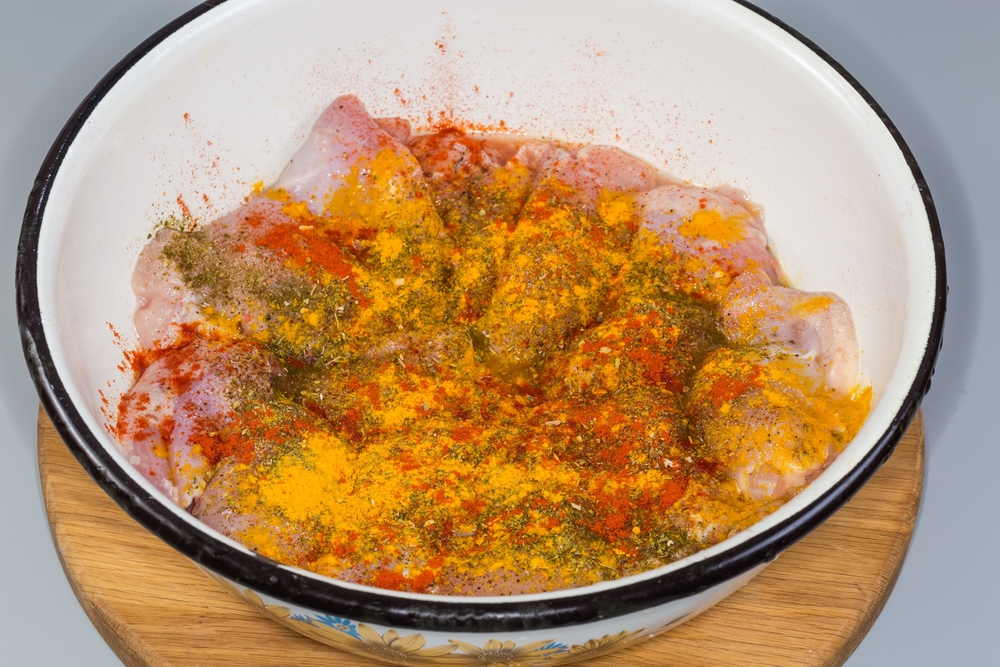
Go one step further and buy the whole bone-in, skin-on pieces rather than the boneless version, and you’ll save even more. You’re paying a premium for the convenience of deboning. Learn to do it yourself in about two minutes, or just cook the meat on the bone and pull it off after. It’s more flavorful that way anyway. The bones go straight into a bag in the freezer for stock.
3. Whole chicken instead of parts
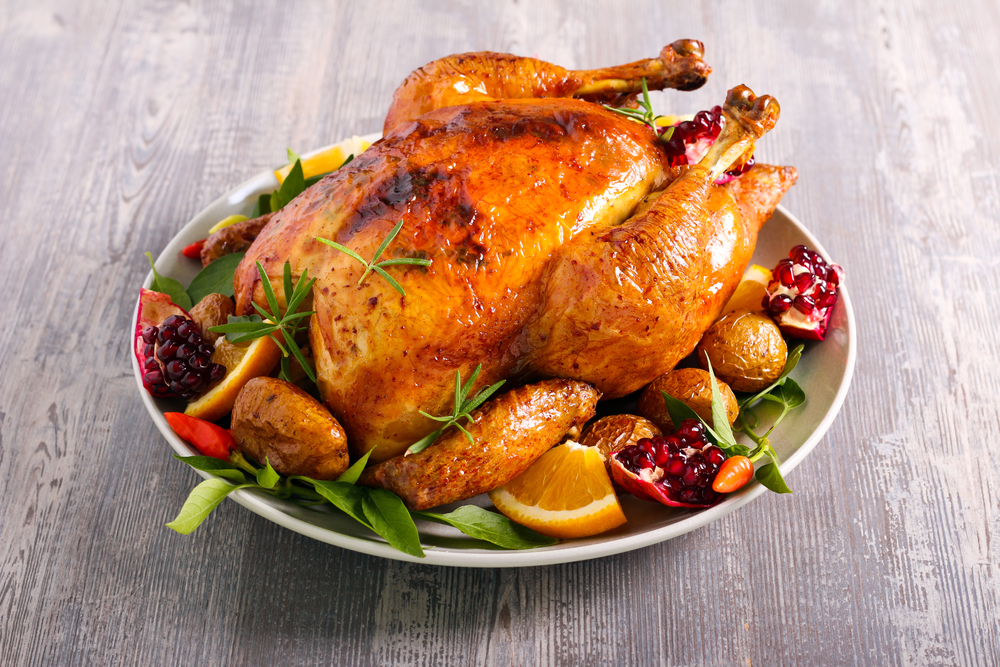
A whole chicken is almost always cheaper per pound than buying it in parts. You get a couple of dinners, the carcass for broth, and the schmaltz (rendered chicken fat) if you want to save that for cooking. Do that, because it’s excellent. Breaking down a whole chicken yourself takes about five minutes once you’ve done it a few times. There are plenty of good video tutorials if you’re not sure where to start.
4. Chicken drumsticks instead of any other cut
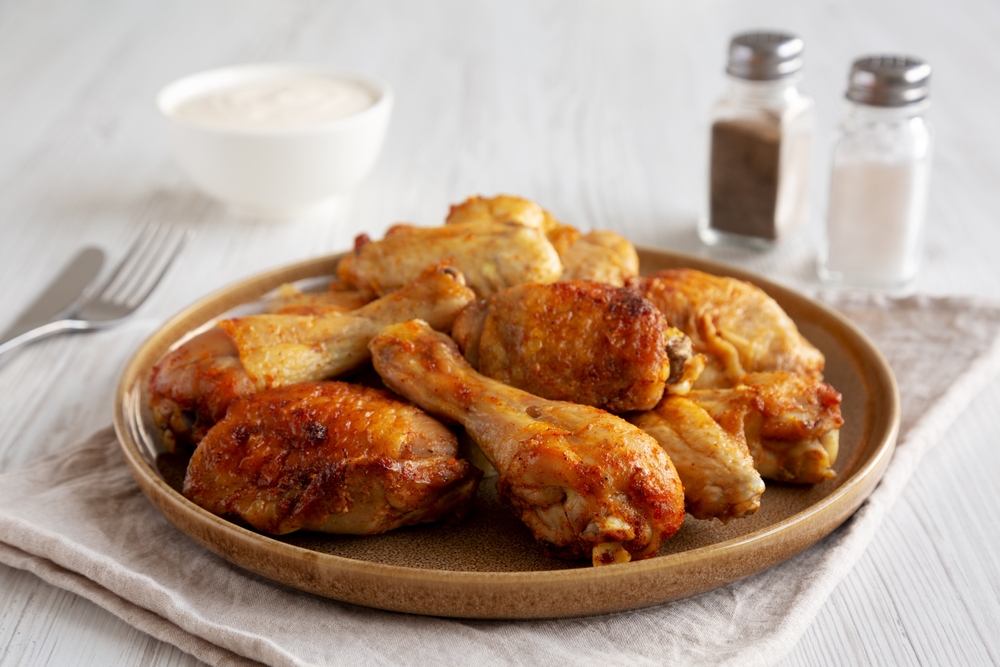
Drumsticks are often the cheapest chicken cut by a significant margin. Sometimes they go as low as $0.79 to $0.99 per pound when they’re on sale. Kids love them. They roast beautifully, they braise well, and they hold up in soups. The only thing they’re not great for is recipes that need uniform small pieces, but for most weeknight dinners, they’re perfect.
RELATED: 19 Easy Budget Friendly Chicken Drumstick Recipes Bursting With Flavor
5. Pork shoulder instead of pork loin

Pork loin is lean and relatively bland. Pork shoulder (sometimes labeled as Boston butt) is fatty, collagen-rich, and deeply flavorful. It costs a fraction of the price and takes well to long, slow cooking: braising, slow cooker, oven roasting at low heat. A 4-pound shoulder can feed a family of four twice over, and the leftovers are better than the original meal. Shred it and use it in tacos, grain bowls, sandwiches, fried rice, eggs. It goes with almost everything.
The trick with pork shoulder is time, not effort. You can cook it at 275°F (135°C) for 6 to 8 hours in a covered Dutch oven with very little liquid and almost no active work, and you’ll get something that rivals anything you’d pay good money for at a restaurant. It’s one of those cuts that actually rewards low-skill, hands-off cooking.
6. Pork belly instead of bacon

If you use a lot of bacon, buying a piece of pork belly and slicing or curing it yourself is significantly cheaper. Uncured pork belly runs roughly half the cost of packaged bacon per pound in most areas. You can slice it thin for a bacon-adjacent product, or cut it into thick chunks for braising and roasting. It’s richer than bacon and goes a long way.
7. Chuck roast instead of ground beef
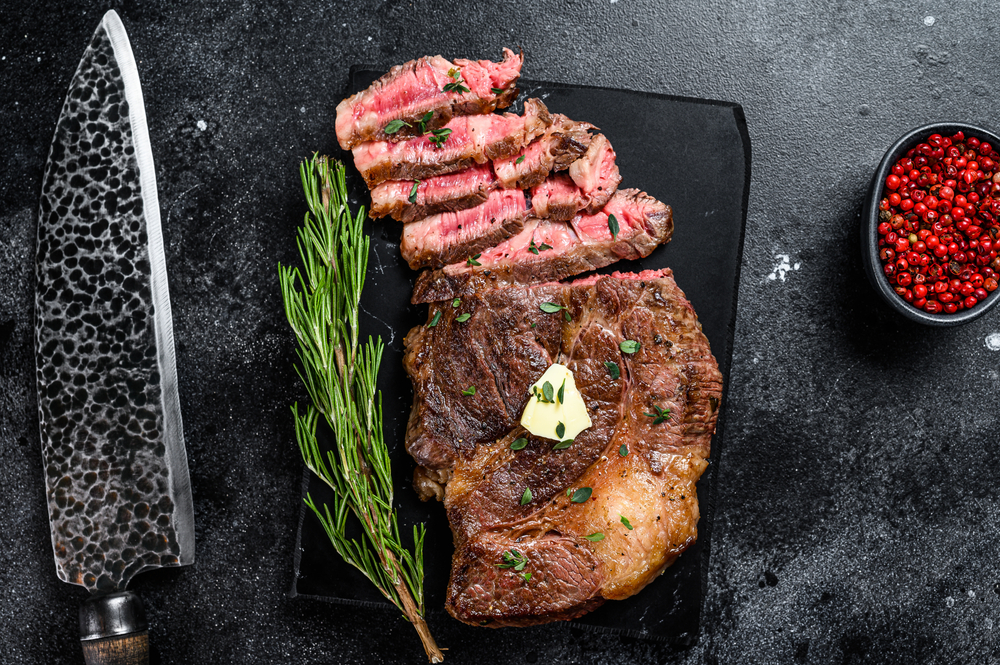
Ground beef has gotten expensive. A chuck roast, which you can grind yourself in a food processor or ask the butcher to grind for you, is often cheaper per pound and has better flavor because of the fat content. Or don’t grind it at all. Braise it low and slow at around 300°F (149°C) for 3 to 4 hours and you get a pot roast that pulls apart into tender shreds, which you can use exactly like ground beef in sauces, tacos, and pasta dishes.
8. Liver and other organ meats

I know. Bear with me. Chicken liver is often the cheapest protein at the store, sometimes under $2 per pound. Beef liver runs a bit more but is still a fraction of steak prices. Organ meats are extraordinarily nutrient-dense. Liver in particular is one of the most concentrated sources of B12, iron, vitamin A, and folate you can eat. A little goes a long way. If you’re new to liver, start with chicken liver: it’s milder, cheaper, and great in pâté, dirty rice, or fried quickly in butter with onions. Once a week is plenty and it costs almost nothing.
9. Canned fish instead of fresh

Canned salmon and sardines are among the most underused proteins in most American kitchens, and they genuinely shouldn’t be. Wild-caught canned salmon delivers the same omega-3s as fresh salmon at maybe a quarter of the price. Sardines packed in olive oil are cheap, shelf-stable, and loaded with calcium (especially when you eat the bones, which are completely soft and edible). Both are great in pasta, on toast, in grain bowls, or mixed into salads. If you’re not eating sardines yet, try them once before you decide you don’t like them. A lot of people are surprised.
Canned mackerel is another one worth knowing about. It’s even cheaper than sardines in most stores, has a bold flavor, and is excellent mashed with mustard and lemon on crackers or toast. Canned tuna is the obvious one, and it’s still a solid buy. Look for skipjack or light tuna, which tends to be lower in mercury than albacore if you’re eating it regularly several times a week.
10. Dried beans and lentils instead of canned

Canned beans are convenient and still a good deal compared to meat, but dried beans are dramatically cheaper. A one-pound bag of dried chickpeas costs roughly the same as one can of chickpeas and yields the equivalent of about three and a half cans once cooked. Lentils are even better because they don’t need soaking. They go from dry to cooked in 20 to 30 minutes. Black lentils, red lentils, green lentils: all cheap, all high in protein and fiber, all incredibly versatile. I make a lentil soup at least once a week in winter and it costs almost nothing.
If soaking dried beans overnight feels like a barrier, try this instead: cover them in cold water, bring to a boil for two minutes, then turn off the heat and let them sit for an hour. That’s a quick soak that works just as well as the overnight method. Drain, cover with fresh water, and simmer until tender. Usually 45 minutes to 1.5 hours depending on the bean. Batch cook a big pot, then freeze in portions the size of one can. You’ve just made your own canned beans for pennies.
11. Eggs from local flocks or your own hens
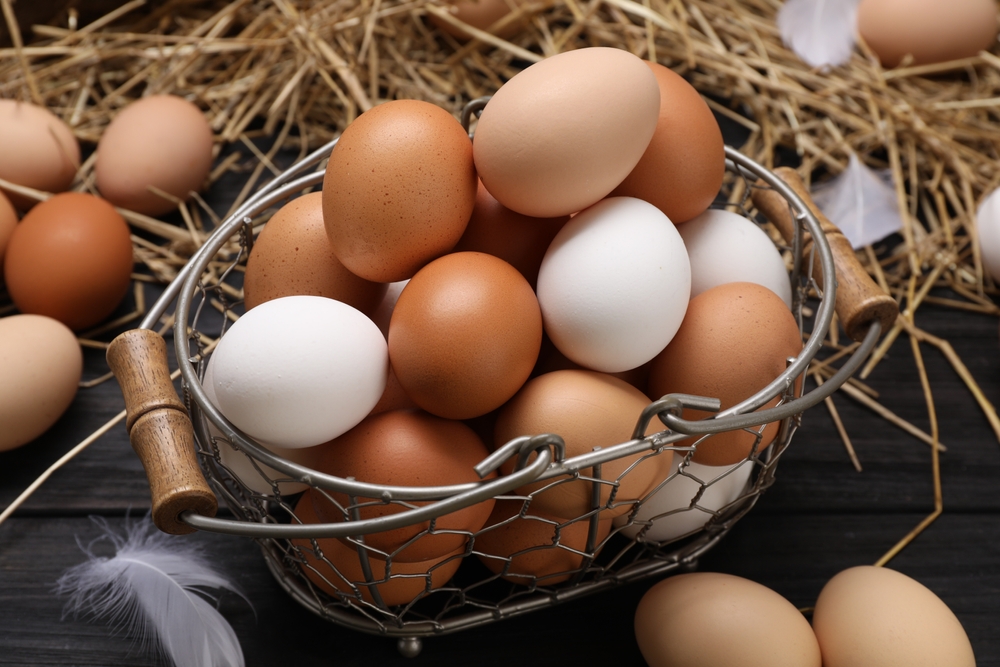
If you have backyard chickens, you already know. If you don’t, it’s worth knowing that eggs from small local flocks, sold at farmers’ markets, farm stands, or directly from neighbors, are often cheaper than grocery store eggs right now, especially during a period of high commercial egg prices. And the quality difference is striking. A yolk from a pastured hen is deep orange and stands up tall. Grocery store yolks are pale yellow and flat. Eggs are a complete protein, fast to cook, and endlessly useful. If you’re not eating eggs every day, you should be.
If you do have the space for even three or four hens, the math works out pretty quickly. High-producing breeds like Golden Comets or Leghorns can lay 280 to 320 eggs per year each. Feed costs vary by region, but even factoring that in, your cost per egg drops well below what you’d pay at the store within the first year.
12. Tofu and tempeh as partial replacements
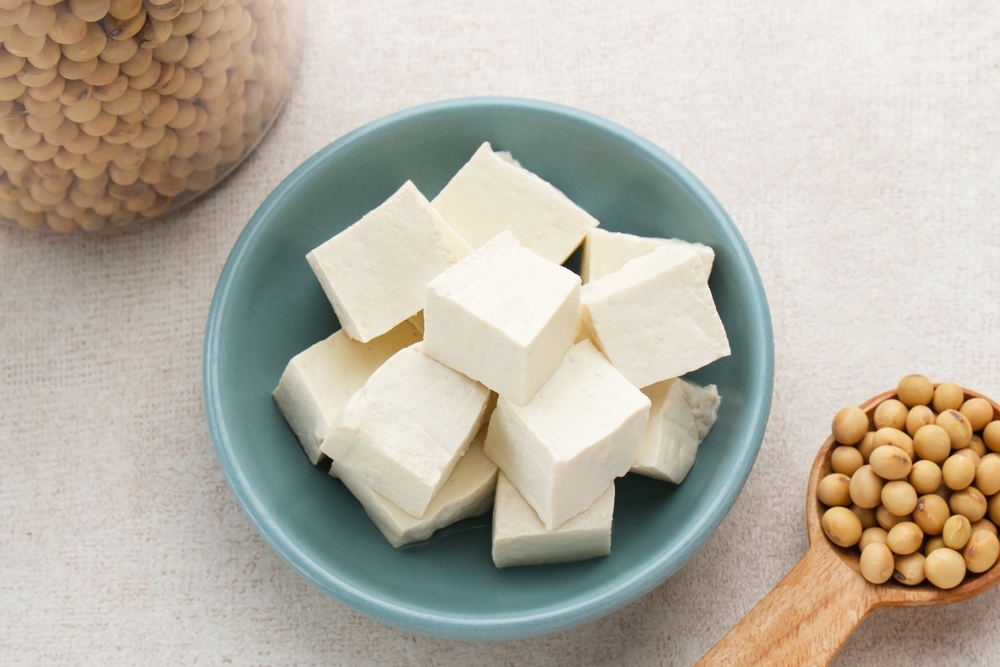
I’m not suggesting you give up meat. But using tofu or tempeh to stretch a meat dish, rather than as a full replacement, cuts cost without cutting protein. A 14-ounce block of firm tofu costs around $2 to $3 and contains roughly 30 to 35g of protein. Tempeh is even higher in protein and has a more substantial texture. Add either one to a stir-fry or curry along with half the meat you’d normally use, and you’ll get the same protein hit for less money. Tempeh in particular benefits from pressing and marinating before cooking. Give it at least 30 minutes in whatever sauce you’re using.
13. Cottage cheese instead of Greek yogurt or ricotta
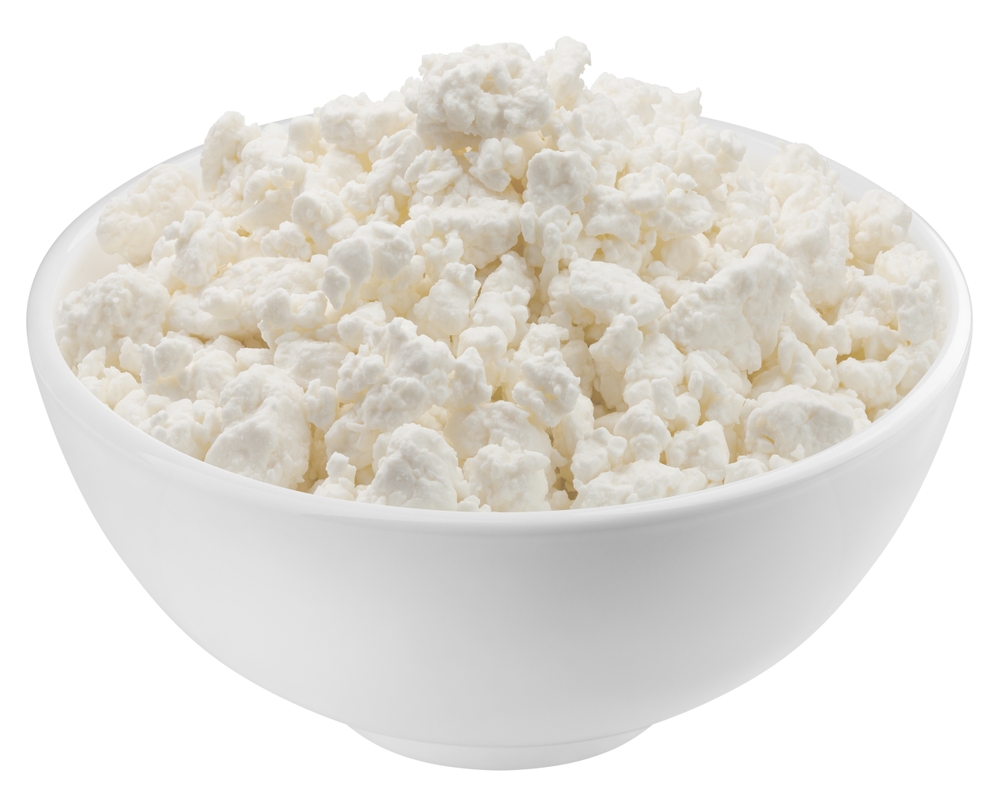
Full-fat cottage cheese is often significantly cheaper than Greek yogurt per gram of protein, and it’s more versatile than people give it credit for. Blend it smooth and it becomes an almost identical substitute for ricotta in lasagna, stuffed shells, and dips. Eat it as-is with fruit or honey for a high-protein snack. Use it in pancake batter for a protein boost. It’s one of those foods that went through a long period of being unfashionable, but the nutrition profile is excellent and the price is right.
14. Frozen fish instead of fresh
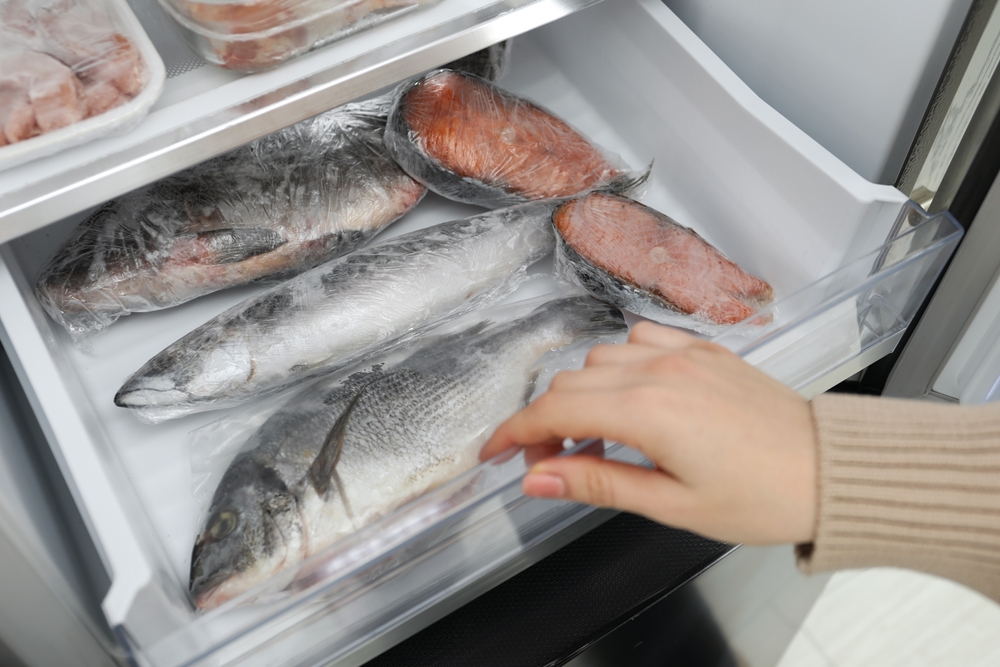
Most “fresh” fish at a grocery store has been previously frozen anyway. Buying it already frozen is almost always cheaper and often the same fish. Frozen tilapia, frozen cod, frozen pollock, frozen shrimp. All are solid proteins at much lower prices than the fresh counter. Thaw overnight in the refrigerator, pat dry before cooking, and you won’t notice the difference. Shrimp in particular is worth buying frozen and in bulk when it’s on sale.
RELATED: 12 Salmon Ideas You’ll Actually Want to Cook
15. Split peas and bean soups as a main meal
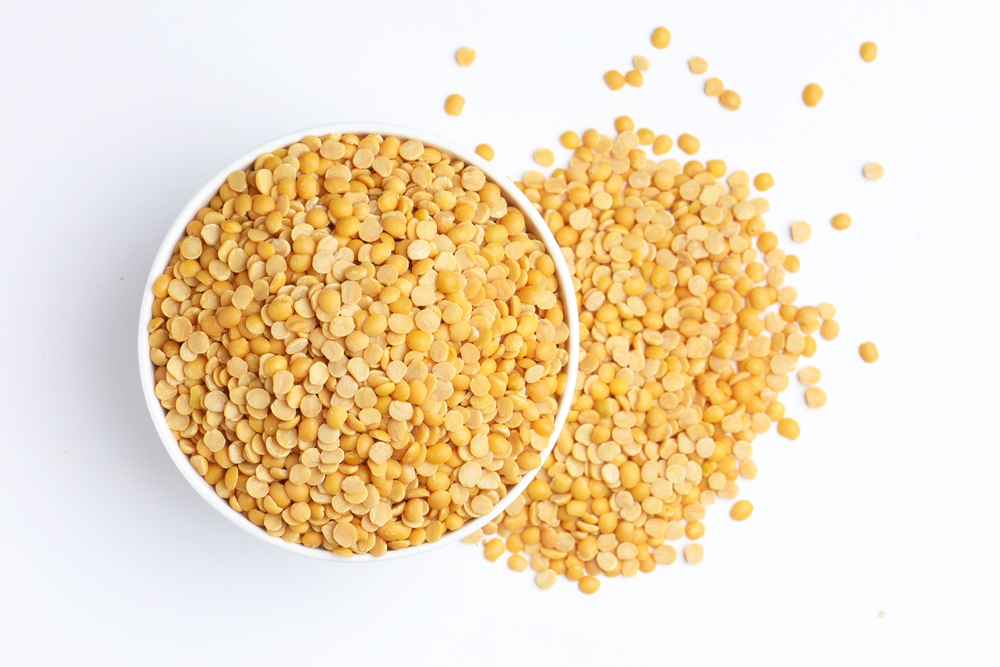
This is less a swap than a mindset shift. A pot of split pea soup costs maybe $3 to $4 to make and feeds four to six people a genuinely filling meal. Same with white bean soup, black bean soup, minestrone with cannellini beans. These aren’t side dishes or sad backup plans. These are real, satisfying meals when done properly. A good ham hock or smoked turkey leg added to a bean soup for flavor costs very little and transforms the whole thing. You’re not eating poor. You’re eating smart, the way people ate before processed convenience food convinced us that cheap and nutritious were mutually exclusive.
A few practical tips for buying protein on a budget
Buying in bulk when prices are low and freezing is the single most effective thing you can do. When pork shoulder goes on sale for $1.49 per pound, buy four of them if you have freezer space. Same with chicken. Vacuum sealing extends quality significantly. Properly vacuum-sealed meat can last 2 to 3 years in the freezer without quality loss, compared to 4 to 6 months for standard freezer bags. A basic vacuum sealer is one of the most useful kitchen investments you can make if you buy in bulk regularly.
Get to know your butcher or meat department staff. Markdown meat, pieces that are approaching their sell-by date, is usually perfectly fine and deeply discounted. A lot of stores mark it down in the morning. Ask when the markdown happens at your store and plan your shopping accordingly. That meat goes straight into the freezer when you get home. I’ve gotten excellent cuts for 50% off this way more times than I can count.
Watch the unit price, not the package price. A larger package is almost always cheaper per ounce, even if the sticker price looks higher. And store brands are generally the same product as name brands for protein. There’s no meaningful quality difference between store-brand canned salmon and the premium version in the fancy tin.
Learn to make stock. Every chicken carcass, every ham bone, every set of shrimp shells. These are free flavor and nutrition that most people throw away. A gallon of homemade chicken stock costs essentially nothing if you’re already cooking chicken regularly. It replaces store-bought broth in every recipe and is dramatically better. Store it in the freezer in one-cup portions and you’ve always got it on hand.
The bottom line
You don’t have to eat worse to spend less on protein. You just have to be willing to move away from the cuts and products that the food industry has convinced you are the default. The “cheap” options on this list, chicken thighs, pork shoulder, dried lentils, liver, canned fish, are often better food than the expensive alternatives. More flavor, more nutrition, more bang for every dollar you spend.
It takes a small shift in how you shop and cook. But once it becomes habit, you won’t miss the expensive stuff at all. And your grocery bill will thank you.
You might also like…
18 Hearty From-Scratch Recipes for Home Cooking
12 Easy Comfort Food Recipes Your Whole Family Will Crave
18 pantry items that last for years when you store them properly

