
Affiliate disclosure: This post may contain affiliate links. Please see full disclosure.
Making dinner without electricity is a useful off-grid skill, even if you never intend to live off-grid. So is knowing how to keep drinking water clean and wash your hands when the taps stop running. These are ordinary household jobs with a few extra decisions attached.
For a short outage, I’d start with the next meal and the next trip to the bathroom. Work out how those will happen with what you already own. A cupboard full of ingredients is more useful when you can turn them into something edible without an electric can opener, a microwave, or a sink full of washing up.
Make a meal that doesn’t need cooking

Practice putting together a proper meal from shelf-stable food your household likes. Crackers with nut butter and fruit, or ready-to-eat canned beans and vegetables with a suitable dressing, can be perfectly serviceable. Choose foods that fit any allergies, dietary needs, or chewing difficulties.
Read the labels before counting something as ready to eat. A packet that looks convenient may still need simmering, and a can may say its contents must be heated. Keep a manual can opener with the food, and check that the person likely to prepare dinner can use it.
Work in portions you can finish. A small carton of shelf-stable milk may be more useful than a large one when you can’t refrigerate what’s left. Once opened, many shelf-stable foods need refrigeration, so the unopened storage instructions no longer apply.
Try this on a normal evening. Make the whole meal, including drinks, and deal with the packaging and dishes afterward. You’ll quickly spot whether the food you’ve stored creates a job you haven’t planned for.
Protect cold food instead of repeatedly checking it
Note when the power goes off and keep refrigerator and freezer doors closed. An unopened refrigerator keeps food safe for about four hours; a full freezer holds a safe temperature for approximately 48 hours, or 24 hours when half full. Those are estimates, not permission to ignore the food’s actual temperature.
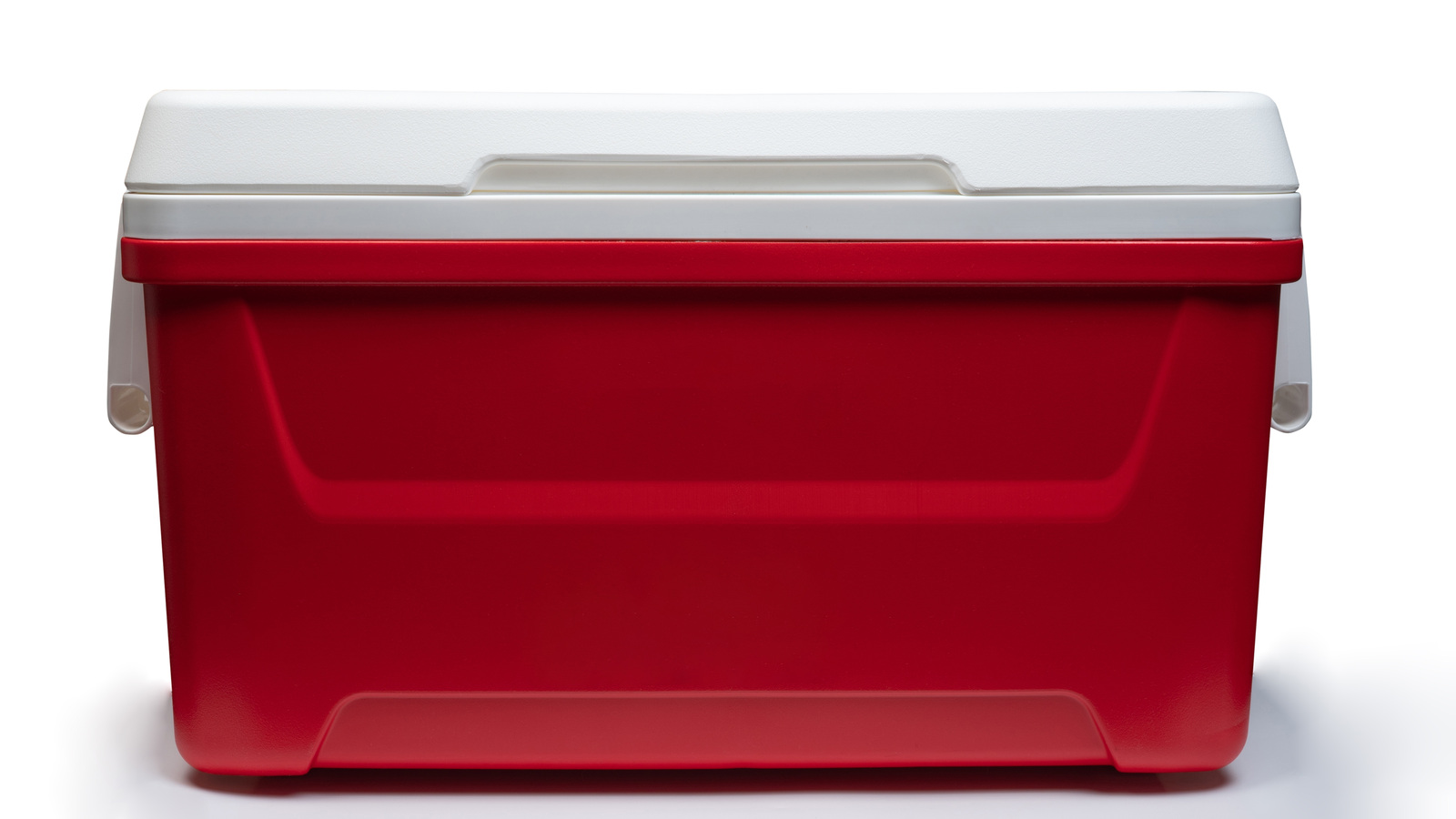
Keep appliance thermometers in place before an outage, and have a cooler and ice packs ready. If power is still off as the four-hour point approaches, move refrigerated perishables into the cooler if you can keep them at 40°F (4°C) or colder. Don’t open the freezer just to see whether it still feels cold.
Learn to make the discard decision, too. Perishable foods such as meat, milk, eggs, and leftovers need to be discarded after unsafe time and temperature exposure. Discard those foods if they have been above 40°F (4°C) for more than two hours. Without another cold source, discard refrigerated perishables after four hours without power. Never taste food to test its safety.
I’d keep a printed food-safety chart with the cooler. It gives you something firmer to work from than the understandable wish to save an expensive grocery shop.
Learn one safe outdoor cooking method
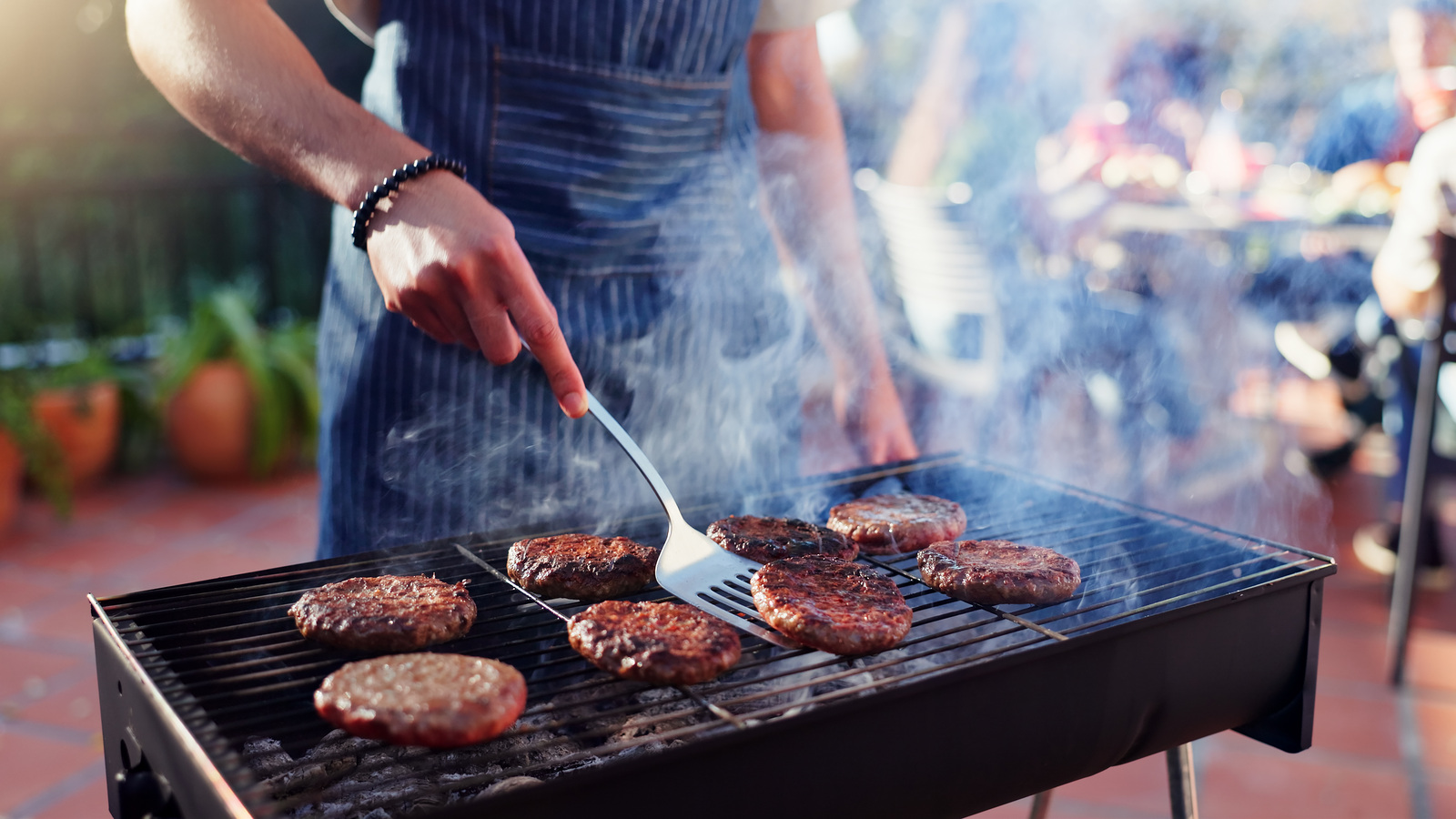
If you already have a camping stove or grill and somewhere suitable to use it, practice making one simple meal on it. Read the instructions, learn the lighting and shutdown steps, and check which pans and fuel it takes. Boiling water and warming a small pan of food are useful starting points.
Camping stoves, charcoal grills, and portable fuel-burning generators must stay outdoors. A garage with the door open, a kitchen beside an open window, or an enclosed porch isn’t a safe substitute. Carbon monoxide can build up without a smell to warn you.
Use a stable, noncombustible surface in a clear outdoor location, with the clearances the manufacturer requires. Keep children and pets away, and don’t improvise a windscreen that could overheat a fuel canister. If wind, rain, building rules, or lack of space prevent safe use, have the no-cook meal instead.
If you use a generator, keep it at least 20 feet from doors, windows, and vents, with exhaust directed away from buildings. Keep working battery-backed carbon monoxide alarms indoors. Never use a cooking stove or oven to heat the house.
Use stored water without contaminating or wasting it
Find out what happens to your water supply when electricity fails. An electric well pump may stop, and a municipal supply can also be affected. An outage doesn’t automatically make tap water unsafe, so check your utility’s alerts rather than guessing.
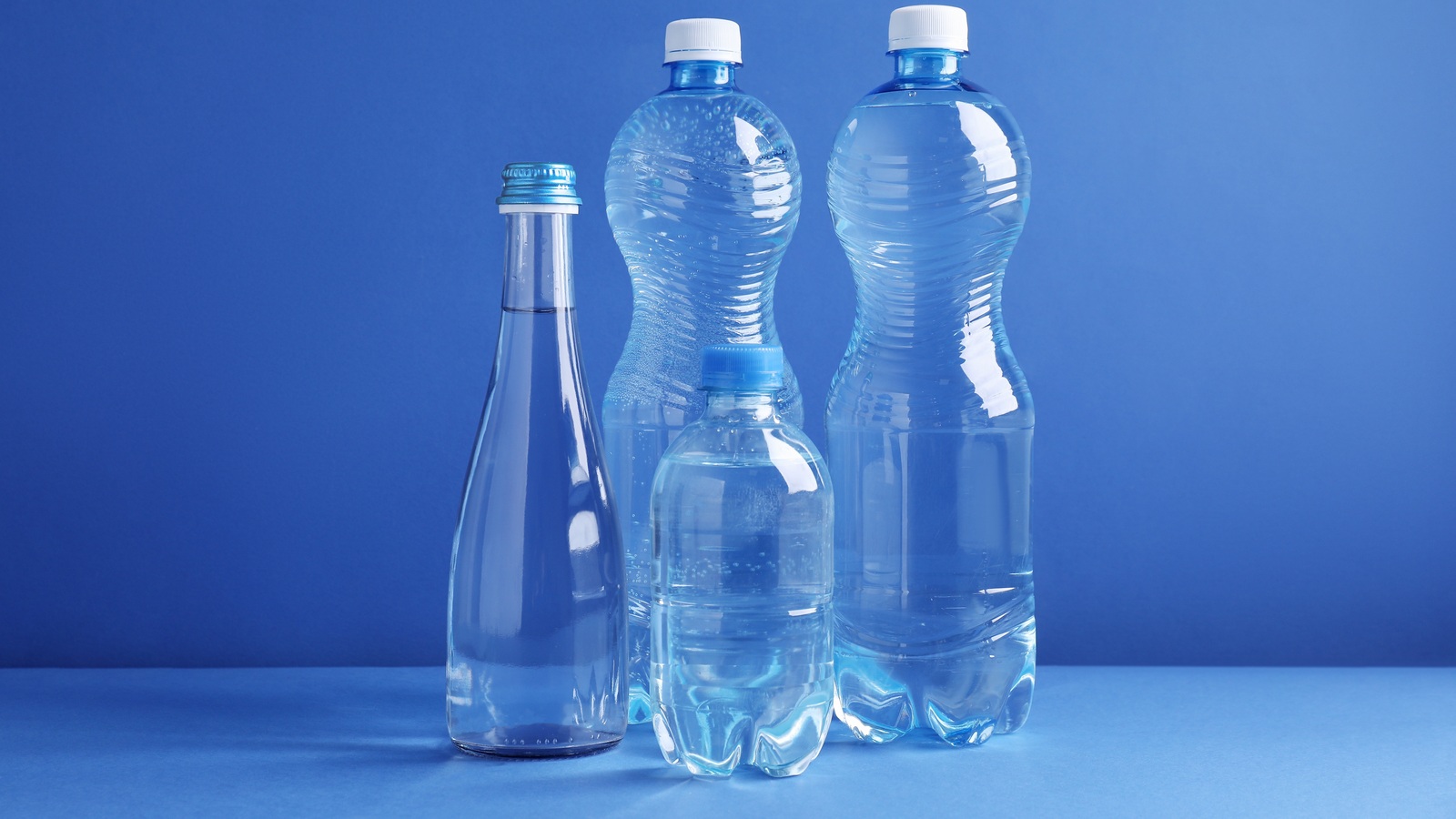
Keep a starting reserve of at least 1 gallon per person per day for three days, adding more if practical and allowing for pets and other needs. That total covers drinking and some cooking and hygiene; it won’t support normal showers and unrestricted washing up.
Practice pouring a small amount into a cup or basin without lifting an awkward container over the sink. Smaller food-grade containers or a jug with a tap can make this easier. Keep the opening and lid clean, and don’t dip hands or a used cup into the supply.
Label any separate water kept for non-drinking jobs so nobody mistakes it for drinking water. Water collected from a roof, pond, or stream hasn’t become safe to drink simply because you’ve collected it carefully.
Know what water treatment can and cannot fix
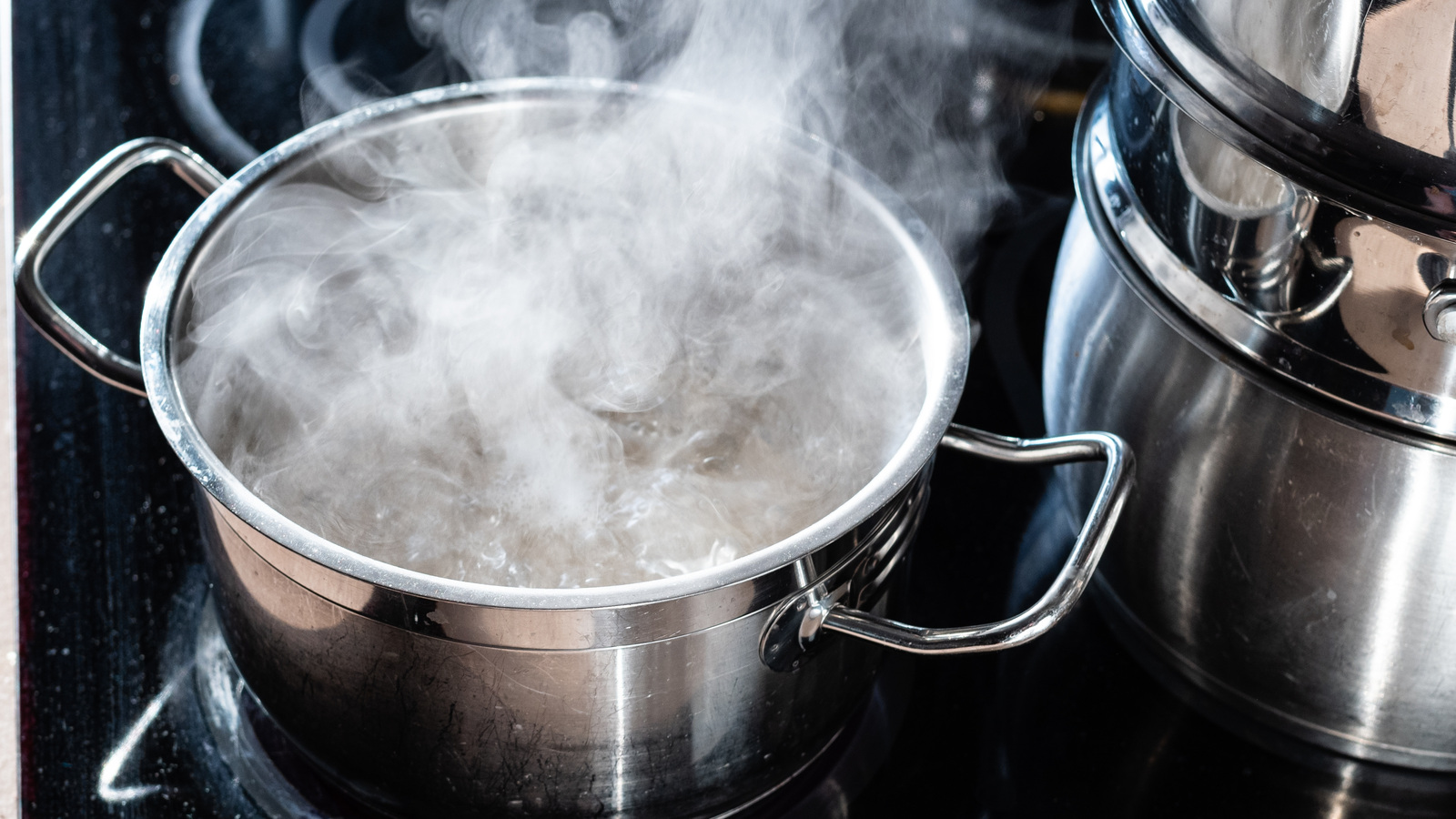
During a boil-water advisory, use commercially bottled water or follow the boiling instructions. For clear water, the usual method is a rolling boil for one minute, or three minutes above 6,500 feet. Let it cool and keep it in clean, sanitized containers with tight covers. If water is cloudy, let it settle and draw off the clear water, or filter it through a clean cloth before boiling.
That cloth removes debris. It doesn’t make the water safe by itself, and an ordinary filter pitcher isn’t a replacement for boiling during a boil-water advisory.
Read the actual notice. A “do not drink” or “do not use” advisory is different from a boil-water advisory. Boiling doesn’t remove harmful chemicals or toxins, and a do-not-use notice may prohibit skin contact as well as drinking. Use the alternative water supply specified by local officials.
For a short interruption, stored drinking water saves you having to find a safe heat source, boil batches, and cool them while everyone is thirsty. Water treatment is useful knowledge, but I’d still keep a ready-to-use supply.
Set up handwashing before you start handling food
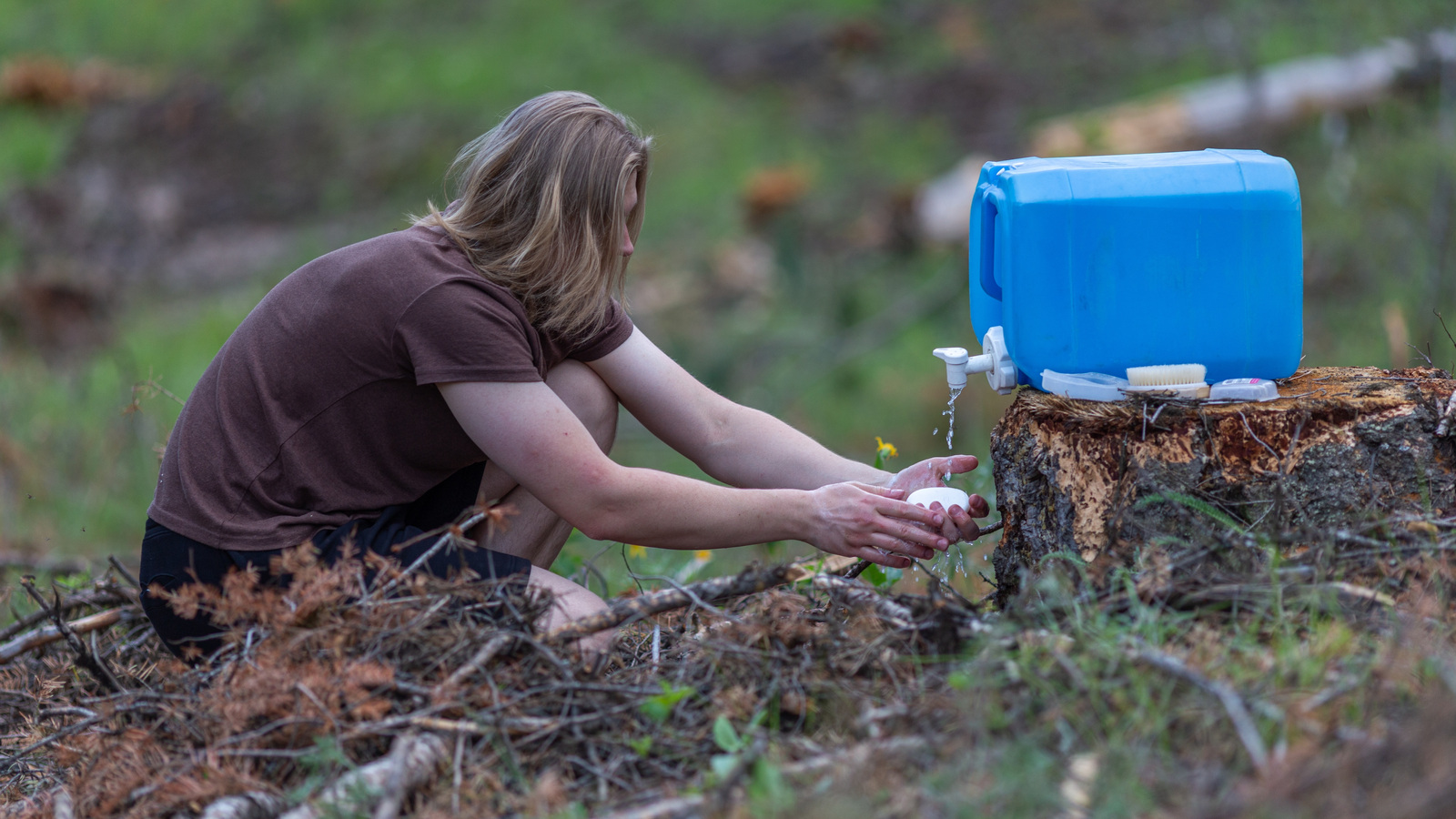
If safe running water isn’t available, set a water container with a tap over a catch basin. Put soap and a clean drying towel or paper towels beside it. Position everything securely so you can wash without balancing a heavy jug or touching dirty basin water.
Wash with soap and water for at least 20 seconds, especially before preparing food and after using the toilet or changing a diaper. Stop the flow while you rub your hands, then rinse. Pouring a small stream from a jug can also work if someone helps.
Use safe water for brushing teeth. Follow the local advisory for bathing and handwashing, since those instructions depend on what’s wrong with the water. A washcloth and a small basin can handle a basic wash when a shower isn’t practical.
If soap and water aren’t available, use hand sanitizer containing at least 60% alcohol. It isn’t as effective on visibly dirty or greasy hands, and it doesn’t replace every use of soap and water.
Reduce washing up and check the toilet arrangements
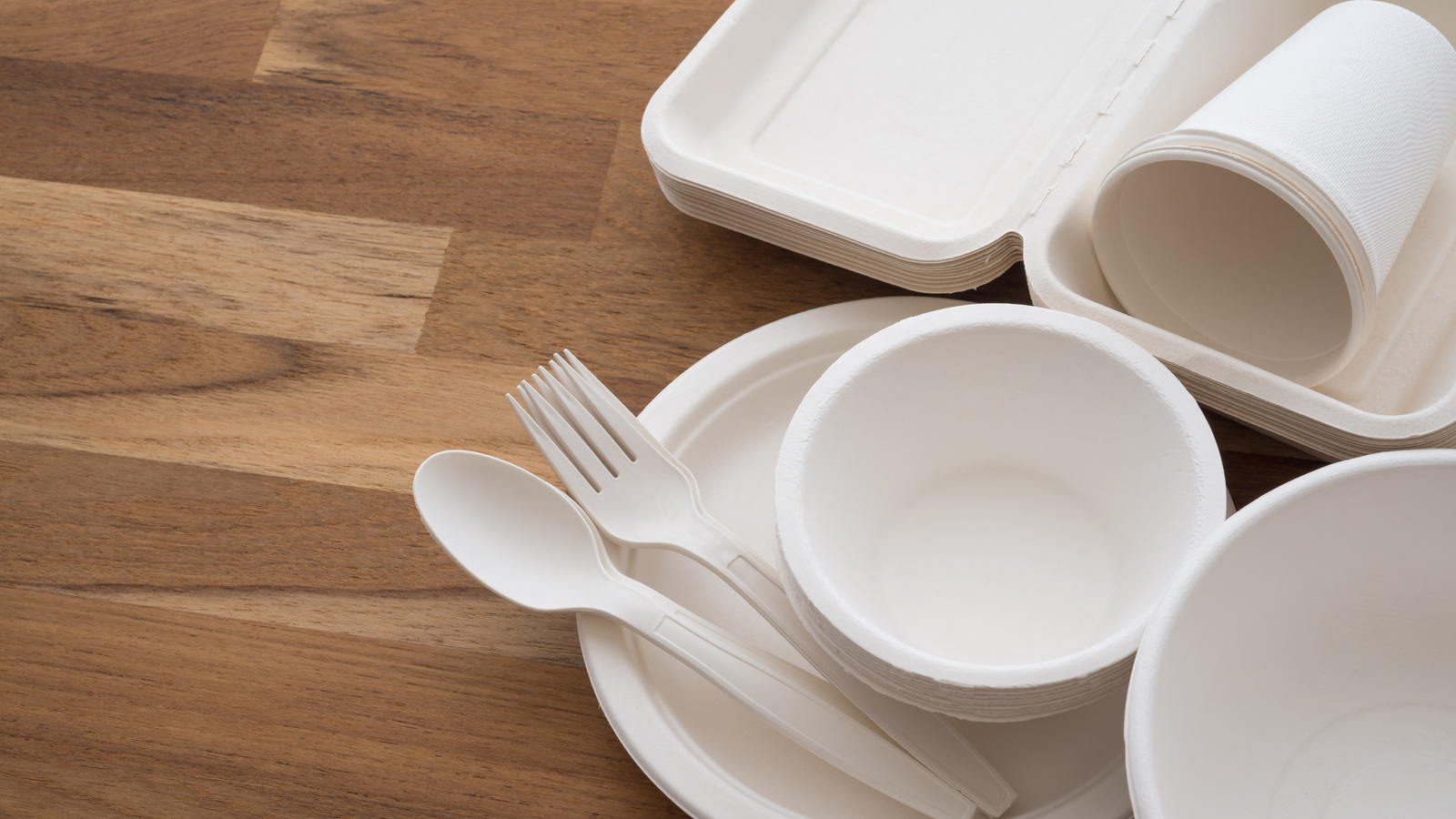
Use one cup per person and prepare meals with as few utensils as practical. Scrape food scraps into the trash before washing dishes. If your water supply remains safe, wash with dish soap and safe hot water, rinse, and let dishes air-dry. Heat any water using an approved appliance in its proper location, and mix it carefully to avoid burns.
During a water advisory, follow the specific washing and sanitizing directions. Disposable plates and utensils can be a reasonable temporary choice when water or safe dishwashing is limited. Don’t spend your last drinking water washing a pile of pans for a meal you could have made without them.
Check whether your toilet and wastewater system depend on a pump. Septic systems with electrical components may back up if water use continues normally during an outage. Get instructions for your own system from its service provider, and follow sewer utility notices. Don’t assume that being able to flush means the waste is being moved safely.
If toilets become unusable, use an approved temporary arrangement and local waste-disposal instructions, or move somewhere with working facilities. Keep toilet waste and cleanup equipment away from food preparation and drinking water.
Practice the awkward jobs and recognize when to leave
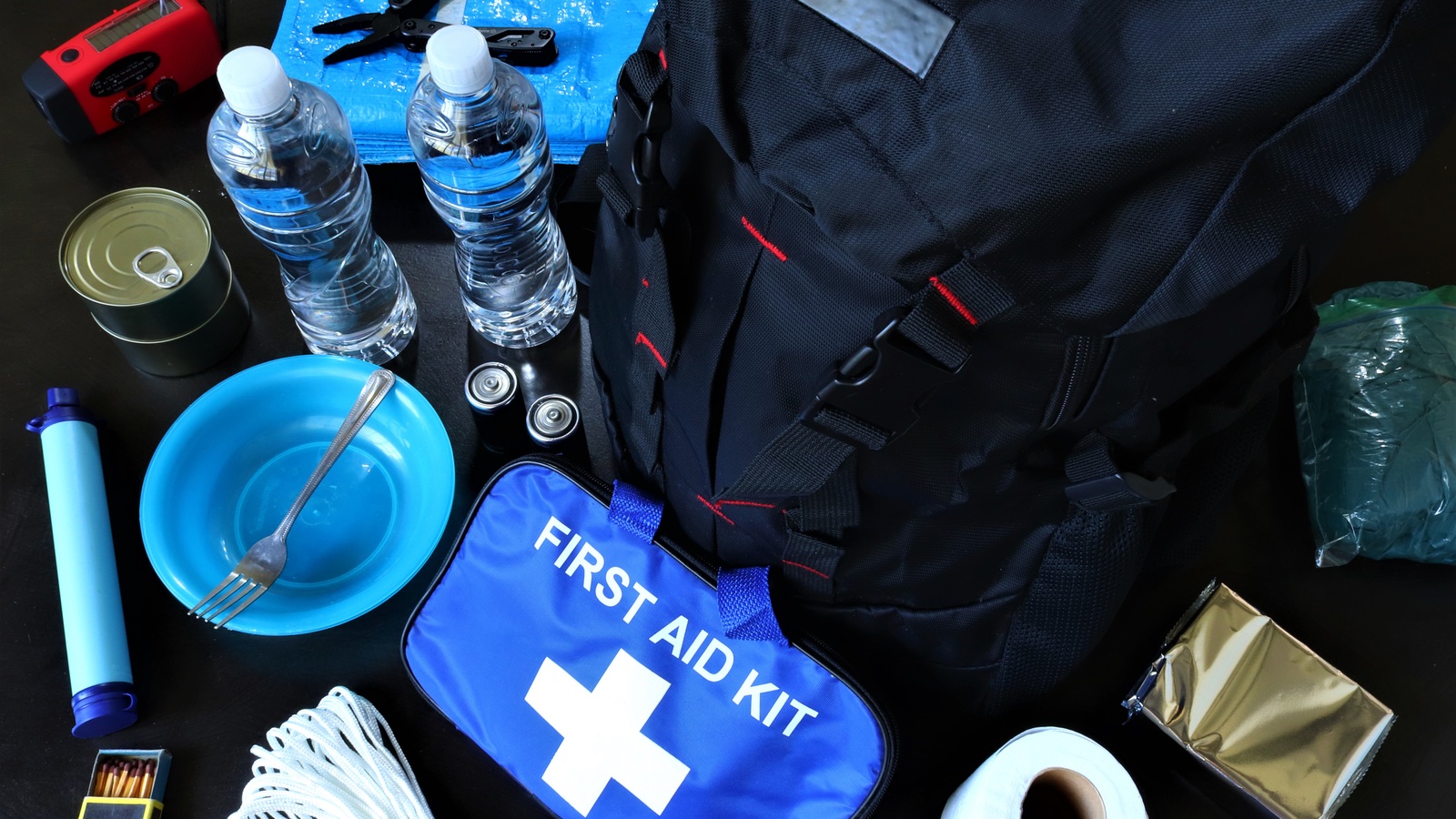
Choose a daylight practice session without switching off essential equipment. Make one no-power meal, dispense water, and wash your hands using the backup arrangement. Note what was missing or difficult, then fix that specific problem. You may need a better can opener or a clean basin rather than another expensive appliance.
Keep a flashlight or headlamp where you can reach it, plus paper copies of useful instructions and contact numbers. Agree who will check on anyone nearby who may need help.
Basic household skills have limits. If the home becomes dangerously hot or cold, sanitation fails, or essential medical equipment can’t be powered safely, arrange help or go to a suitable powered location. Make medical backup plans with the clinician and equipment supplier in advance, and follow evacuation instructions.
The next time you make lunch, try doing the preparation without plugging anything in. It’s a small, useful way to find out whether your backup plan works.
You might also like…
55 Everyday Items That Vanish First When Disaster Hits
The Winter Blackout Kit Every Household Needs
Before the Heating Goes On: Furnace Care You Can Do and Jobs to Book

