Affiliate disclosure: This post may contain affiliate links. Please see full disclosure.
You can grow genuine saffron in a small sunny garden bed or a few deep pots, but the harvest will probably fit in a tiny spice jar. Each flower produces just three usable red threads, and it takes roughly 150 flowers to make 1 gram of dried saffron. That’s why I’d grow it as an interesting, worthwhile little food crop rather than a way to slash the grocery bill.
The plant itself isn’t especially demanding once you’ve given it the right conditions. It needs good drainage, plenty of sun, and a summer rest before its autumn flowers appear. The fiddly part is picking those threads while the flowers are fresh. There is one non-negotiable safety rule, though: edible saffron comes from Crocus sativus, not just any purple flower sold as an autumn crocus.
A small patch produces a few pinches, not bags of spice
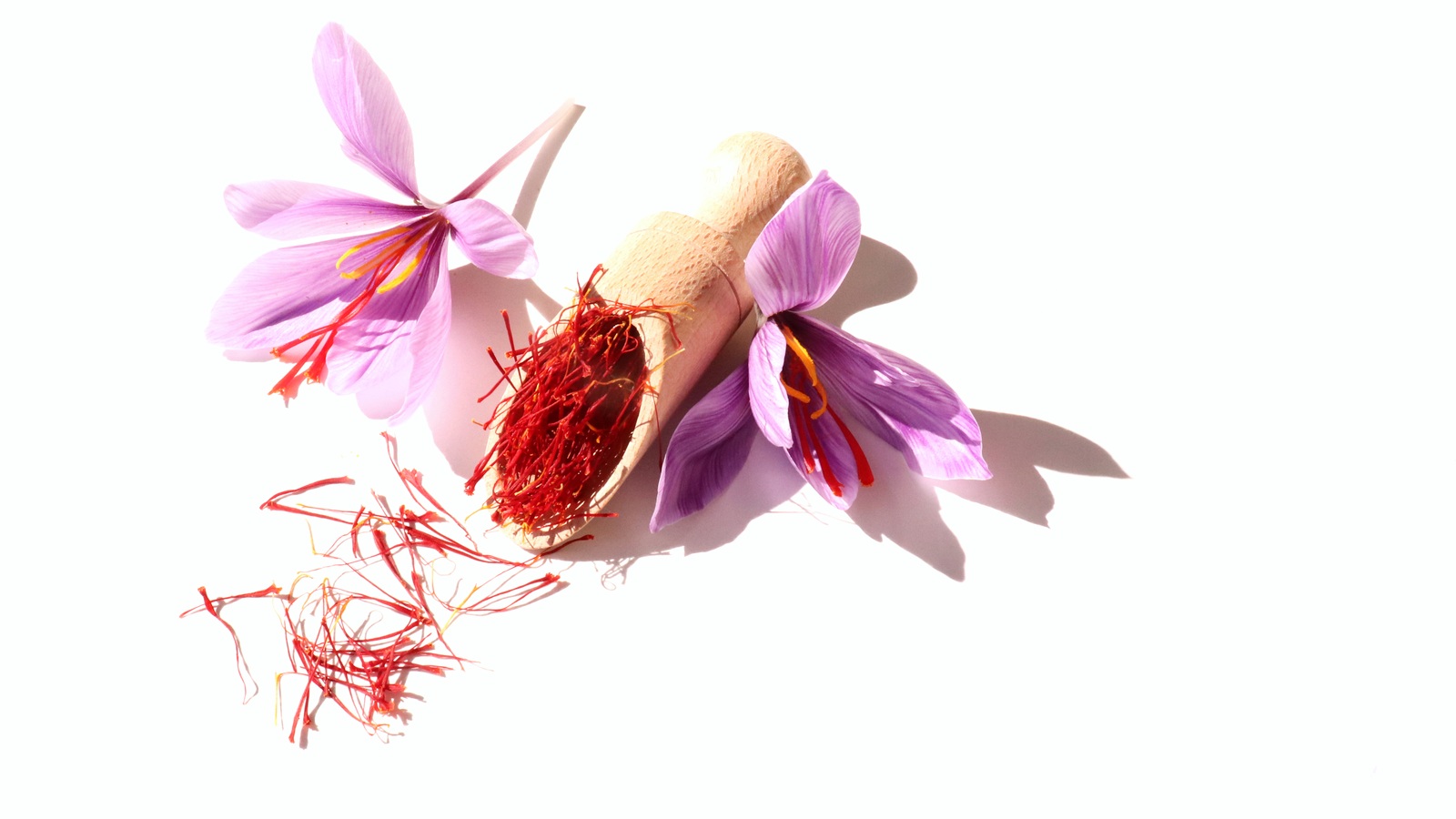
The harvest is tiny because you’re collecting only the stigmas, the slender red parts in the center of the flower, rather than the whole bloom. Around 150 flowers are needed for 1 gram of dried saffron. That’s 450 individual red stigmas, all picked by hand. It’s a surprisingly good explanation for the price of the stuff.
For a sense of scale, 15 flowers would give you roughly 0.1 gram of dried threads, 30 flowers about 0.2 gram, and 75 flowers around 0.5 gram. These are back-of-the-envelope estimates using the 150-flowers-per-gram figure, not guaranteed harvest weights. Some threads are larger than others, and drying changes the weight.
Notice that those numbers are flowers, not corms. A big, healthy saffron corm may produce several flowers in a season; a smaller or newly planted one might produce just one, or none. Larger planting corms tend to flower more readily, and the growing conditions matter enormously. If you plant 25 or 30 corms, I wouldn’t promise 25 or 30 flowers, let alone a set number of grams.
A two-by-three-foot bed is plenty of room to try around 25 to 30 corms with sensible spacing. You might get enough saffron for a few special meals in a successful season, or hardly anything in your first autumn. That’s okay. A small patch lets you find out whether saffron suits your garden before paying for hundreds of corms.
Growing your own makes more sense if you enjoy unusual edible plants, want to know exactly what you’re cooking with, or like the idea of harvesting a spice you normally buy in a tiny packet. If you rarely cook with saffron, you might never recover the cost of the original corms in grocery savings. And if you do use it often, a handful of plants won’t replace what you buy.
Buy the right saffron crocus, not an ornamental lookalike
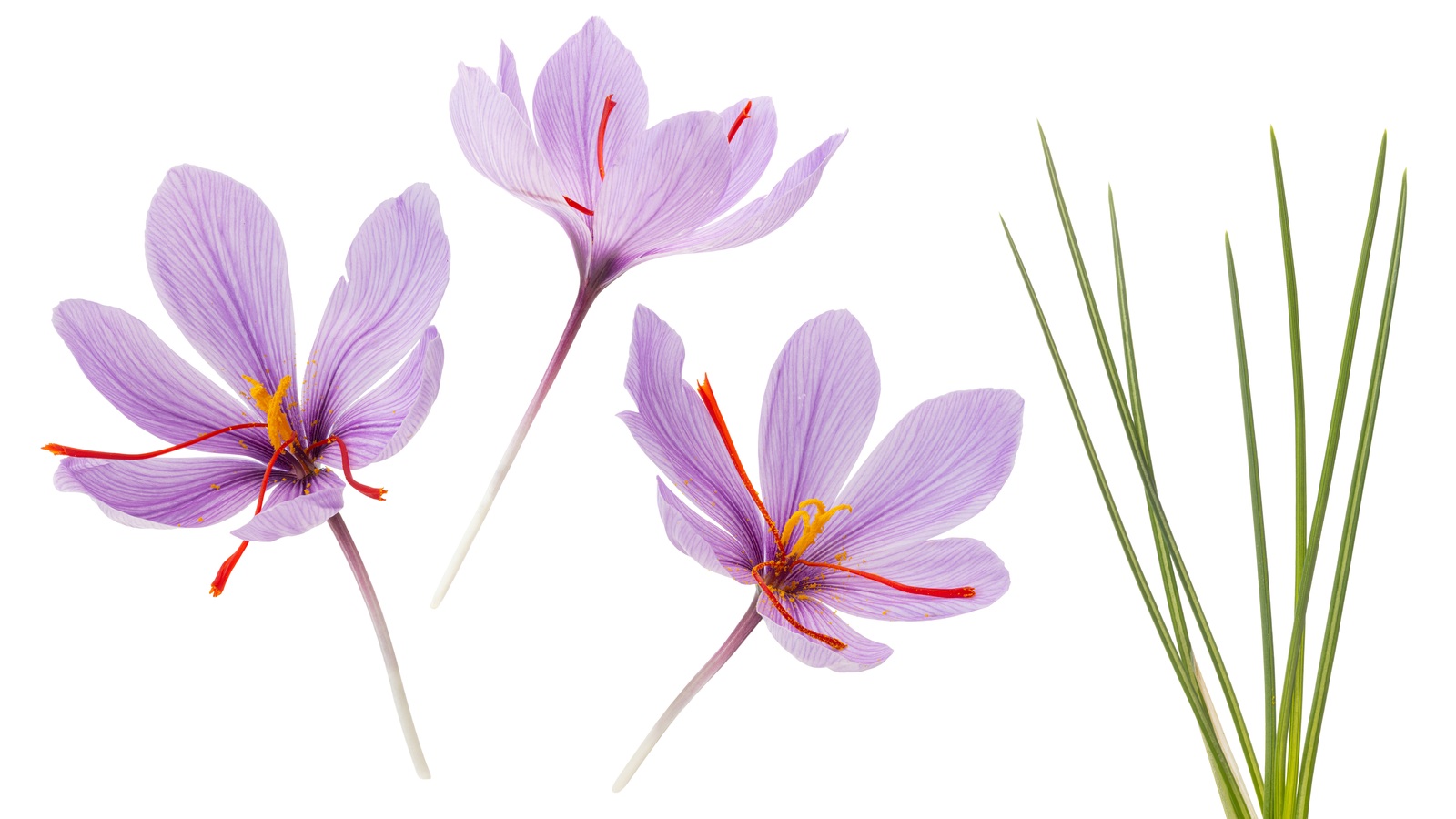
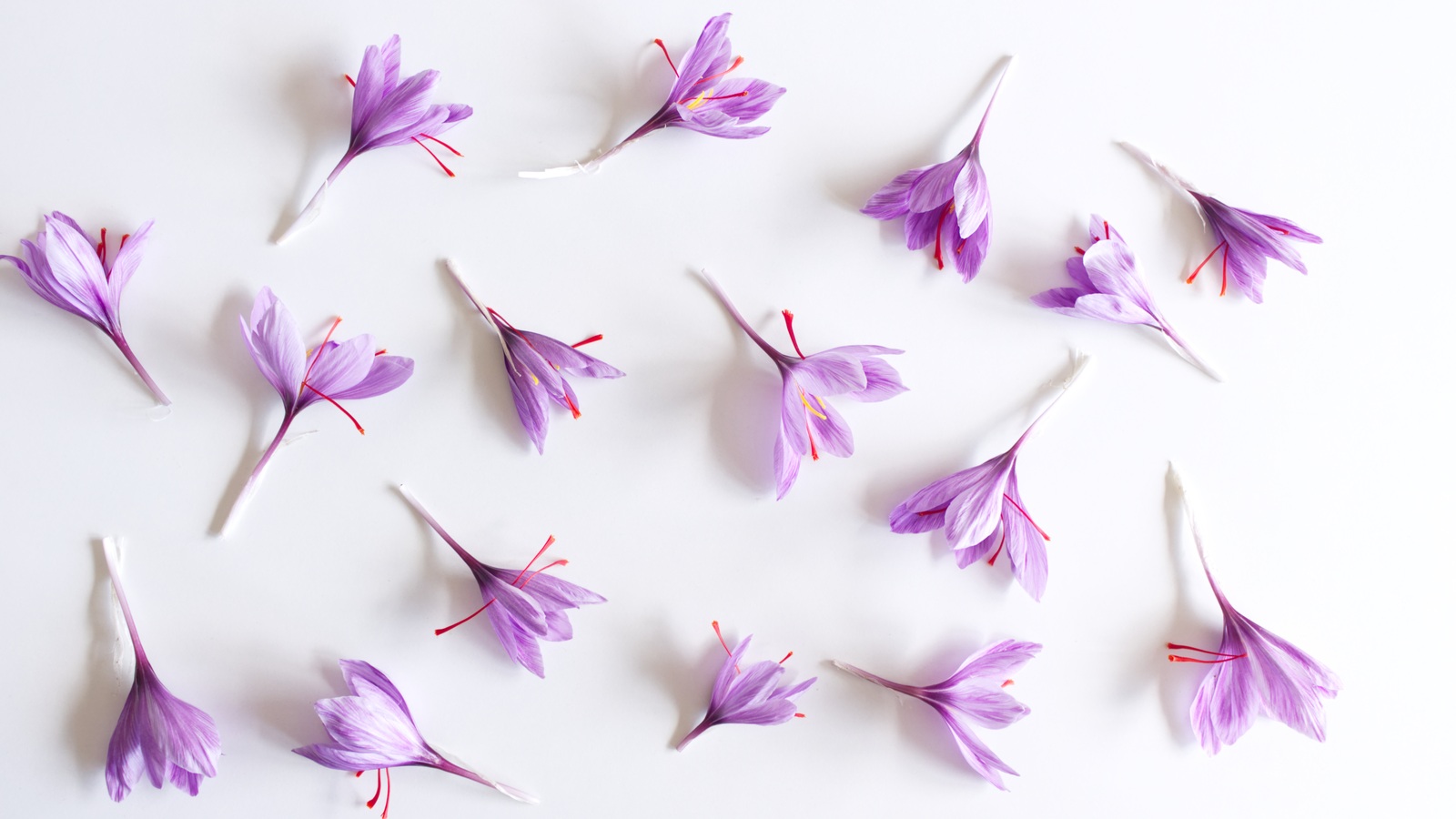
This matters more than any planting trick. Culinary saffron comes from Crocus sativus. It has pale lilac-purple flowers and three long, deep-red stigmas that often hang out beyond the petals. Those three red stigmas are the part you dry and use as spice.
The name ‘autumn crocus’ is dangerously vague. Colchicum autumnale, also called meadow saffron or autumn crocus, is poisonous. It’s a different plant, and eating it can cause severe poisoning. Other decorative crocuses aren’t substitutes for the culinary species, either.
There are identification differences: true crocuses have three stamens, while colchicums have six. Saffron crocus also has its characteristic three long red stigmas. But I would not rely on a casual flower comparison to decide something is edible, especially when there’s a toxic lookalike involved. Buy clearly labeled Crocus sativus corms from a reputable specialist supplier, keep the original packaging, and plant them separately from ornamental autumn-flowering bulbs. If you can’t confidently verify what a flower is, don’t harvest it for food.
Only harvest the red stigmas from confirmed saffron crocus flowers. The corms, leaves, petals, and the shorter yellow pollen-bearing parts aren’t what you use to make culinary saffron. And keep unknown corms away from children and pets; confusing a harmless-looking garden plant with an edible crop is a risk I wouldn’t take.
Give saffron sunshine and soil that drains quickly
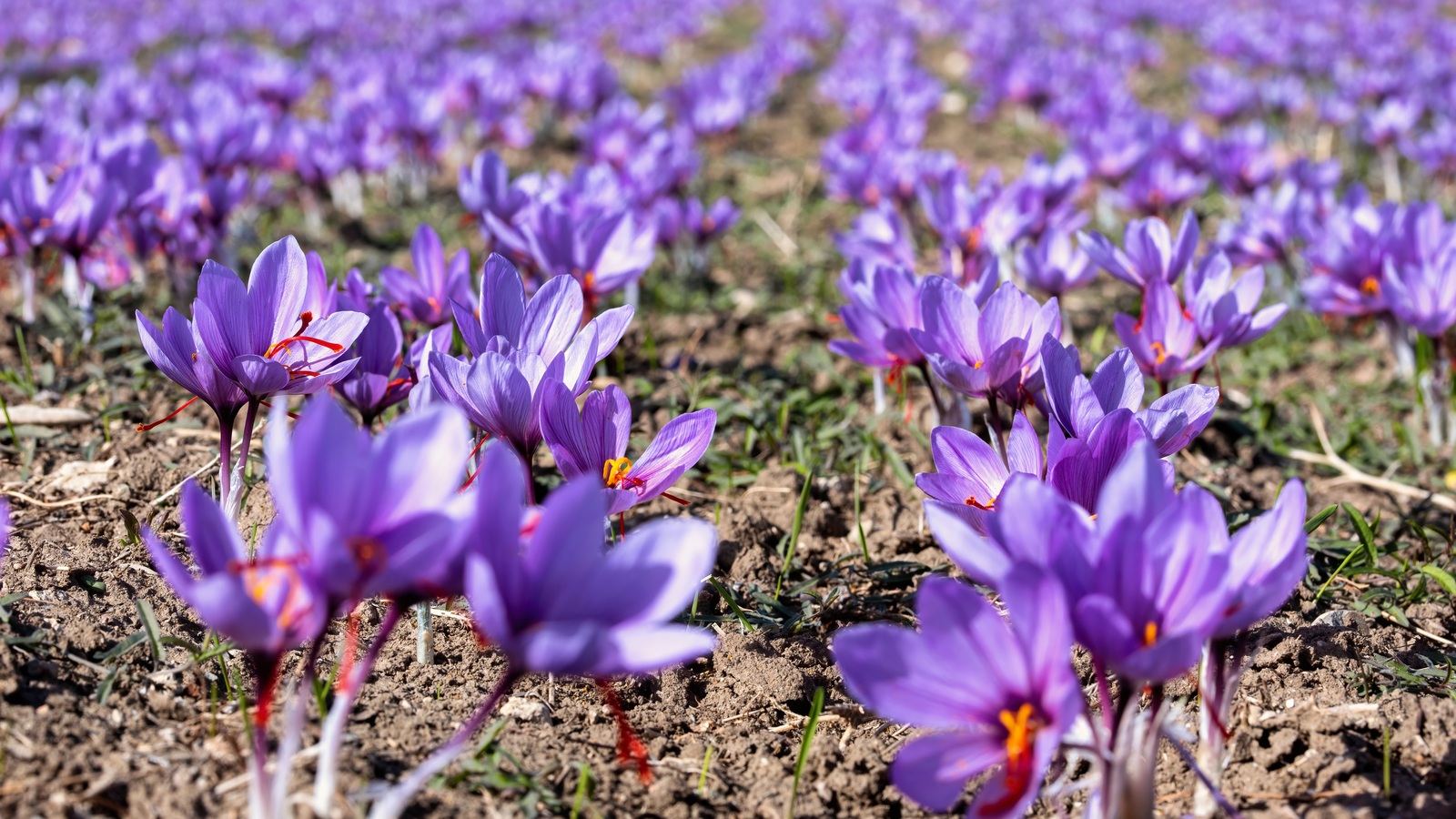
Full sun and free-draining soil are the main requirements. Saffron comes from a Mediterranean growing cycle, with green growth during the cooler months and a dormant period through summer. In a garden that stays wet for long stretches, it’s much easier to lose the corms to rot than to lose them because you forgot to feed them.
Sunny sites with sandy or loamy, well-drained soil suit Crocus sativus. You don’t need perfect sandy soil. If your garden drains reasonably well, an open border or the edge of a vegetable bed can work. Just don’t choose the lowest, soggiest spot, or put saffron where a sprinkler will soak it throughout its summer dormancy.
If you garden on heavy clay, I’d rather use a raised bed or a large pot than keep throwing grit into a poorly drained planting hole. A little grit in an otherwise waterlogged hole doesn’t magically fix the surrounding drainage. For a bed, improve the soil structure with suitable organic matter and make sure excess water actually has somewhere to go.
Saffron is particularly well suited to a sunny raised herb bed, a gravel garden, or a container that won’t be watered automatically with summer vegetables. A dense planting between thirsty tomatoes might look like an efficient use of space, but those are two crops with quite different summer watering needs.
Plant corms in late summer, not with your spring bulbs
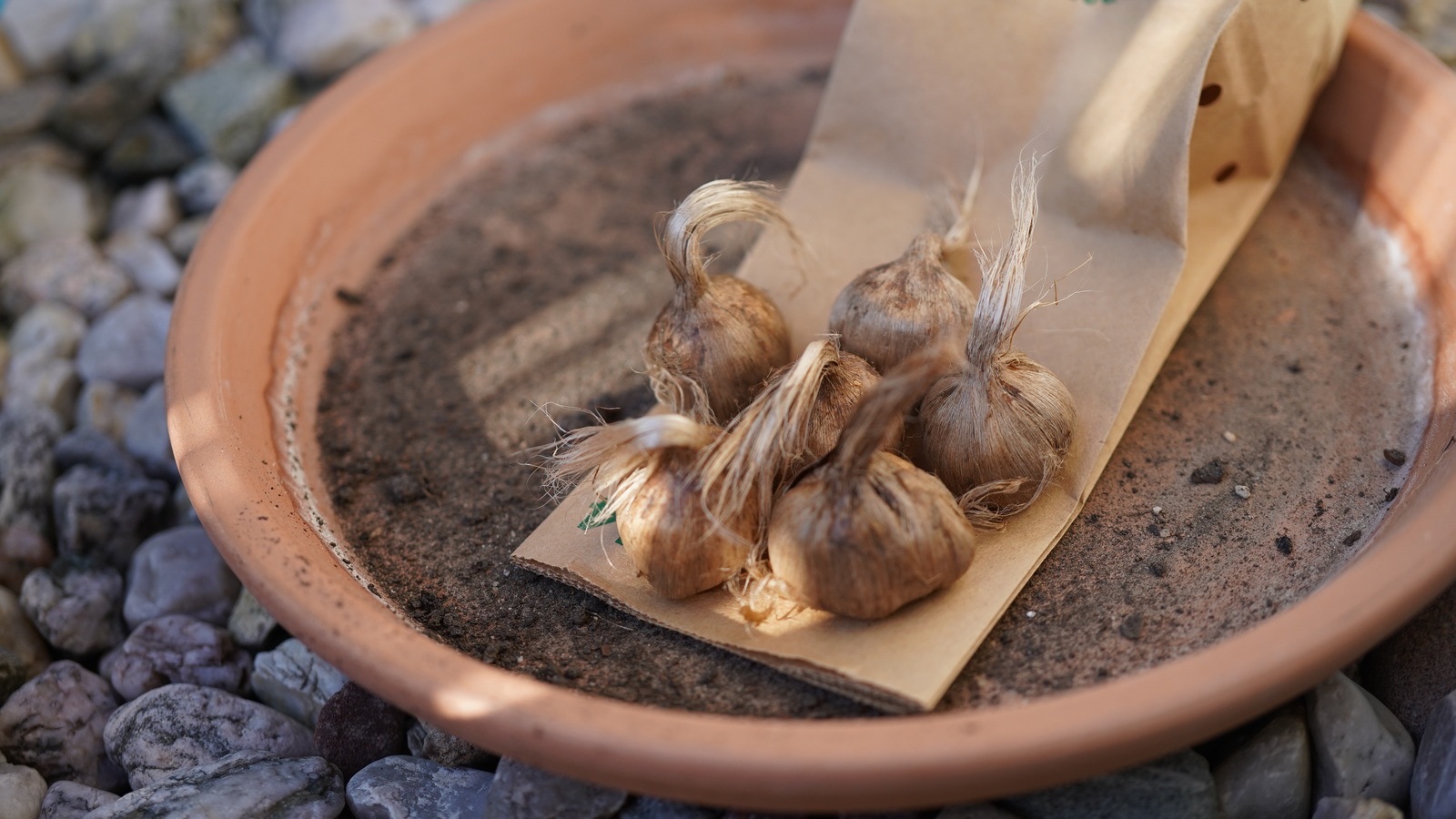
Saffron is sold as corms, often casually called bulbs. A corm is a solid underground storage stem rather than a true layered bulb. Saffron is sterile and doesn’t make useful seed, so buying corms is the normal way to get started.
For much of the Northern Hemisphere, late summer is the usual planting time. August and September are sensible targets in many temperate gardens, with timing adjusted to local climate and delivery dates. The autumn flowers generally appear around October or November, sometimes later in the first year. In the Southern Hemisphere, follow your local late-summer and autumn seasons rather than the Northern Hemisphere months.
A useful starting method is to plant the corms 4 to 6 inches (10 to 15 cm) deep and about 4 inches (10 cm) apart, with their growing tips pointing upward. Firm them in gently and water after planting to settle the soil. Planting recommendations vary slightly with soil, climate, and cultivation system, so follow specific guidance supplied with your corms if it’s suited to your region.
Choose firm, plump corms, not soft or moldy ones. If your budget allows, I’d favor fewer, larger, flowering-size corms rather than a cheap bag of tiny ones. Small cormlets can grow into productive plants, but you may need to wait another season or two to see much of a harvest.
Unlike most ornamental crocuses planted in fall for spring flowers, saffron crocus is already preparing to bloom that same autumn. Waiting until late October to plant in a cool climate may leave you with leaves but no meaningful first-year harvest. That’s not necessarily a dead plant, just a missed or delayed flowering opportunity.
Pots are a perfectly sensible option
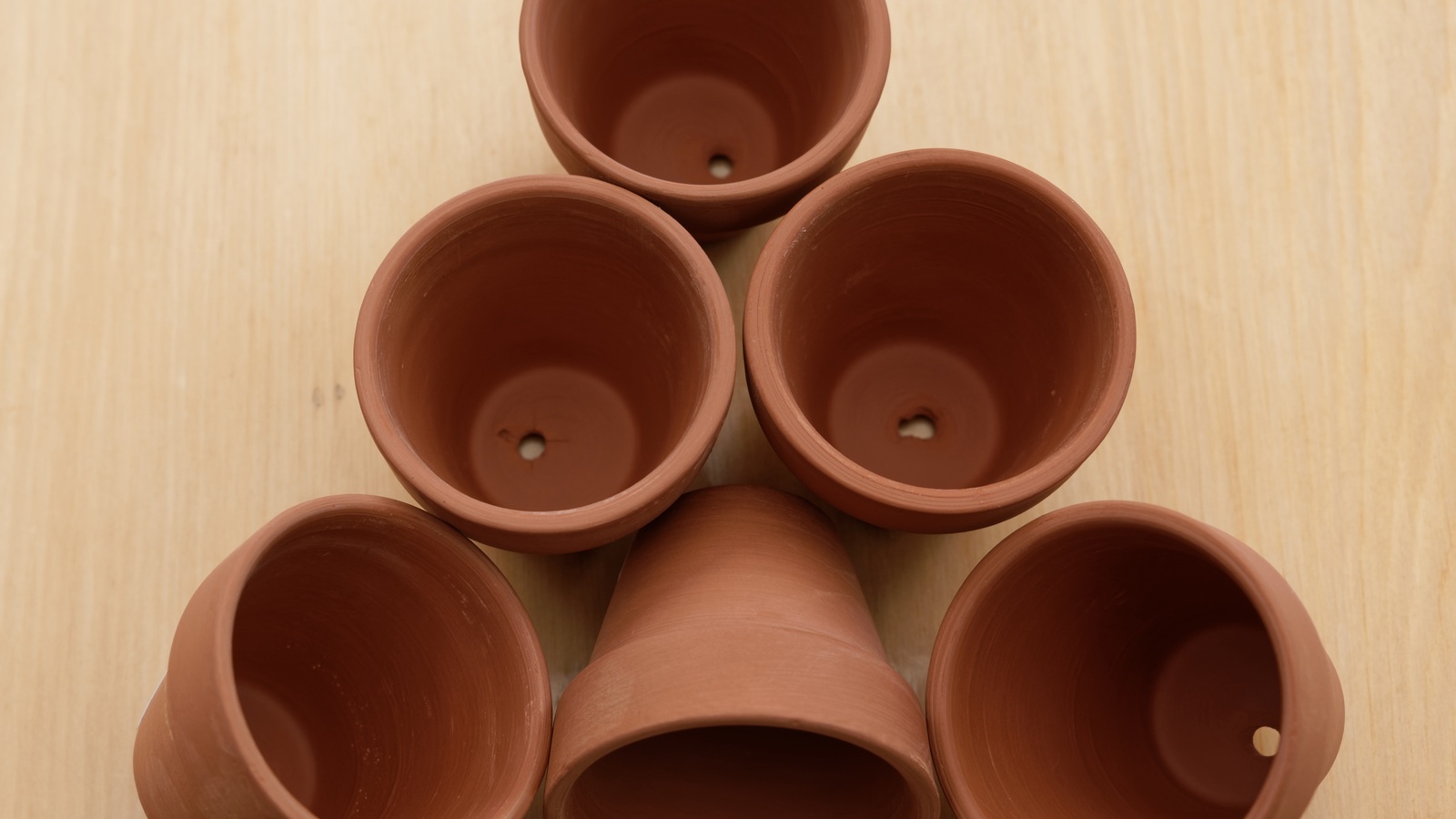
You don’t need a dedicated garden bed. A container can be easier to manage, especially if your soil stays wet or you want to keep the saffron separate from other crocuses. It also makes the plants much easier to watch when those short-lived flowers start opening.
Choose a pot with drainage holes and enough depth for the corms to sit at their proper planting depth with room for roots beneath them. A container around 12 inches deep is a practical choice; use a reasonably broad one if you’re planting more than a few corms. Fill it with a free-draining potting mix. Don’t use dense garden soil in a pot, and don’t put a layer of stones in the bottom as a substitute for drainage holes.
Keep the pot in good sun outdoors while conditions suit it. Water it after planting, then check the mix rather than keeping it constantly damp. Pots dry faster than garden beds while the plants have leaves, so you may need to water in dry spells. As the leaves yellow and the plants become dormant in late spring or summer, cut back on watering. Crocuses in containers need moisture checks during active growth and good drainage throughout.
In a very cold region, a container offers the option of moving the corms to an unheated but protected space during severe winter weather. Don’t put them on a warm windowsill and expect them to behave like a year-round houseplant. In hot, wet-summer climates, a sheltered location while they’re dormant can also prevent an otherwise sound planting from sitting soggy for months.
Water during growth, then let the corms rest
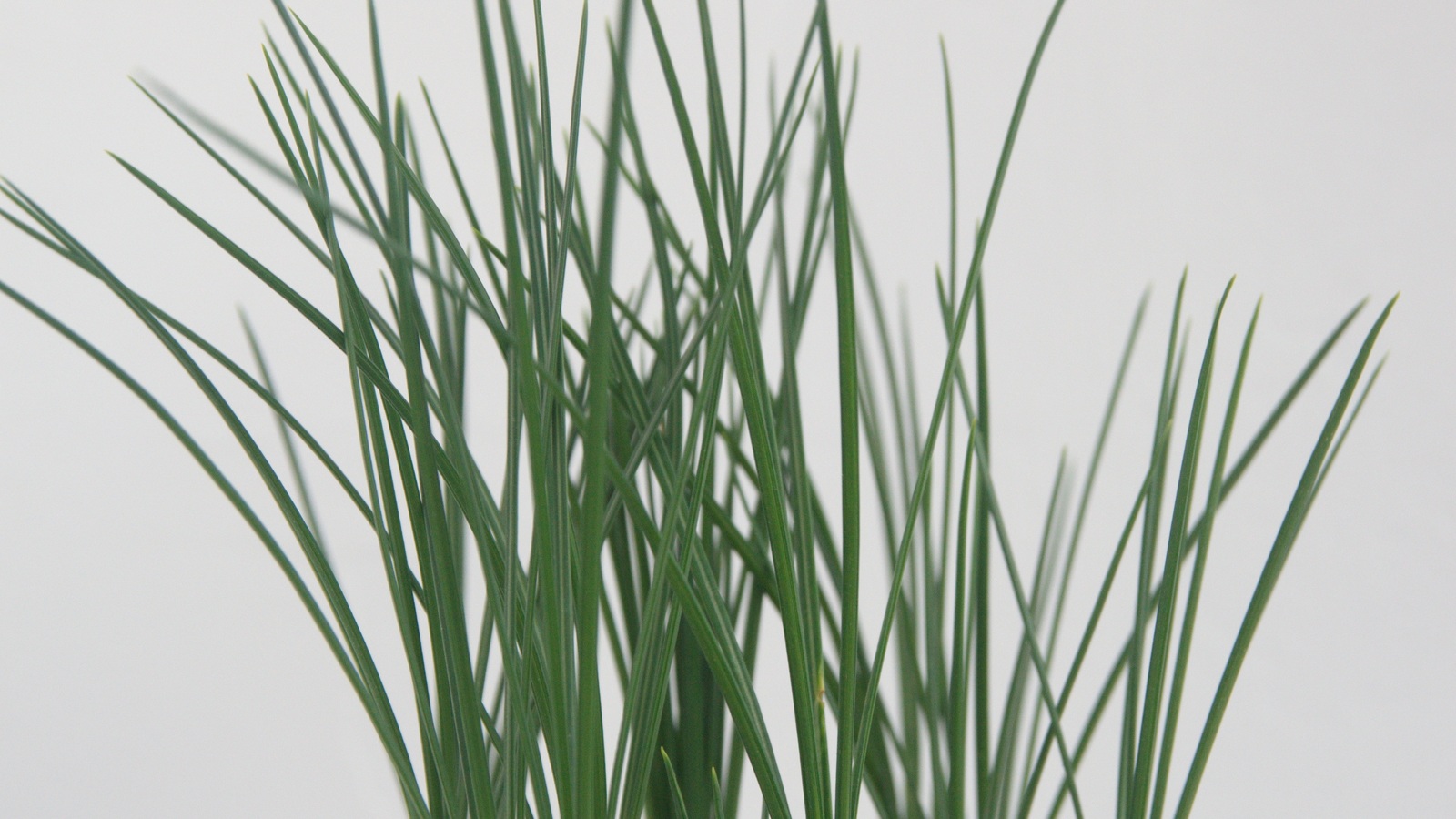
Saffron has an upside-down calendar compared with many familiar food crops. It flowers in autumn, makes long, narrow green leaves during the cooler part of the year, and goes dormant as late spring turns into summer. The leaves are doing useful work even when there isn’t a flower in sight.
After planting, give the corms a good initial watering. When the plants are growing, check whether the soil is drying out and water as needed, especially in pots or unusually dry weather. Natural autumn and winter rainfall may be sufficient outdoors. The aim is a well-drained root area with some moisture during growth, not permanently wet soil.
Once the foliage starts dying back naturally in late spring or early summer, the corms are moving into dormancy. Stop routinely irrigating an in-ground patch during that summer rest. In a rainy summer, good drainage becomes particularly important. The exact timing will vary by climate, so watch the plant rather than following a rigid monthly watering calendar.
I wouldn’t give a small saffron patch heavy fertilizer applications, either. In reasonably fertile garden soil it generally needs little feeding. A little mature compost worked in before planting can help improve a poor bed, but too much rich organic material or repeated feeding won’t make the red threads appear by magic.
Harvest a little every day while the flowers are opening
This is where saffron asks for patience. The flowering season is fairly short, and an individual bloom may only look good for a day or two. When you notice the first buds, check the patch daily. You don’t want to wait until the weekend and discover that all the flowers have collapsed in the rain.
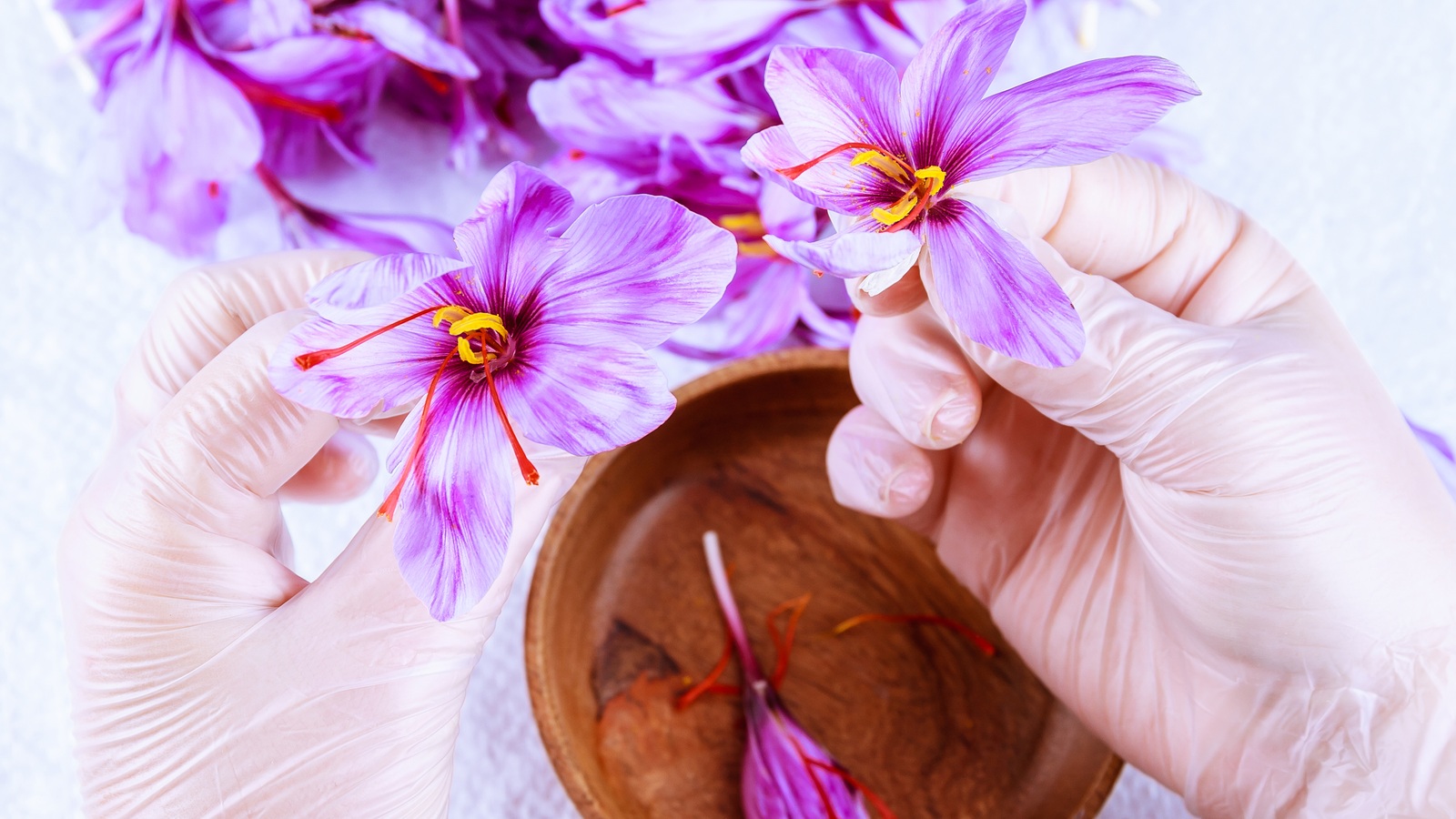
Harvest on a dry morning when the flowers have opened enough to see the center but before the petals start wilting. Clean fingers or fine tweezers work well. You can pick an entire flower and separate the stigmas indoors over a clean dish, or remove the red threads carefully from flowers in place. Either way, only take the three deep-red stigmas from each confirmed Crocus sativus flower.
The red stigmas are different from the shorter yellow-orange stamens, which produce pollen and aren’t the part sold as saffron threads. Try to avoid adding bits of petal, dirt, or yellow stamen to your harvest. You’re collecting a food ingredient, so use clean hands, utensils, and a clean working surface.
A few flowers won’t take long to harvest. A bigger patch can become a daily commitment for a couple of weeks, especially if flowers are opening in batches. That’s the hidden work behind saffron’s reputation. Growing it is relatively straightforward; separating hundreds of fragile little threads certainly isn’t.
Dry the threads properly and store them away from light
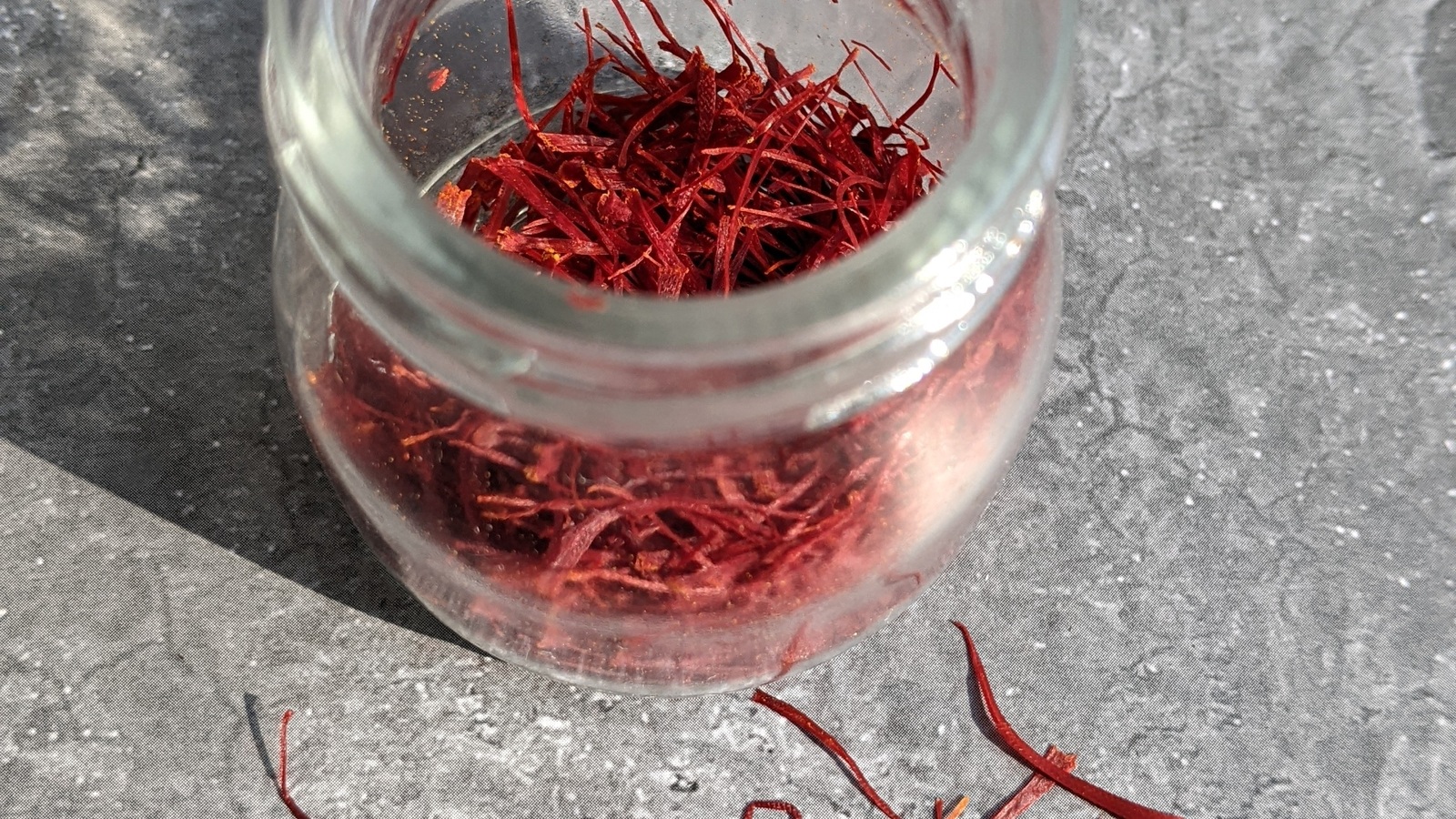
Freshly harvested saffron is moist and perishable. For a modest home harvest, spread the red stigmas in a thin layer on clean paper or a fine mesh surface in a dry, airy room, away from direct sunlight. Allow at least 24 to 48 hours and check them carefully. The threads need to feel completely dry before you seal them up; in a humid room, they may need longer.
There are controlled low-heat drying methods, too, but a hot household oven is easy to overdo when you’re dealing with less than a teaspoon of delicate material. If you do use heat, follow a reliable saffron-specific method and monitor it closely. Air drying and several carefully timed oven-drying methods are used for saffron. The priority is thoroughly dry, clean threads, not speed.
Once they’re dry, put them in a small airtight jar, ideally dark glass, and store it in a cool, dark, dry cupboard. Keep the threads whole until you’re ready to use them. A few dried strands can be steeped in a little warm water and added to rice, bread, fish, or a sauce to distribute the color and flavor more evenly.
Don’t be disappointed if your first dried harvest looks almost comically small. It will. Even a few strands turn a familiar dish into something that came directly from your own garden, which is a much more satisfying result than forcing a savings calculation that doesn’t work.
Leave the leaves alone and give the patch time to multiply
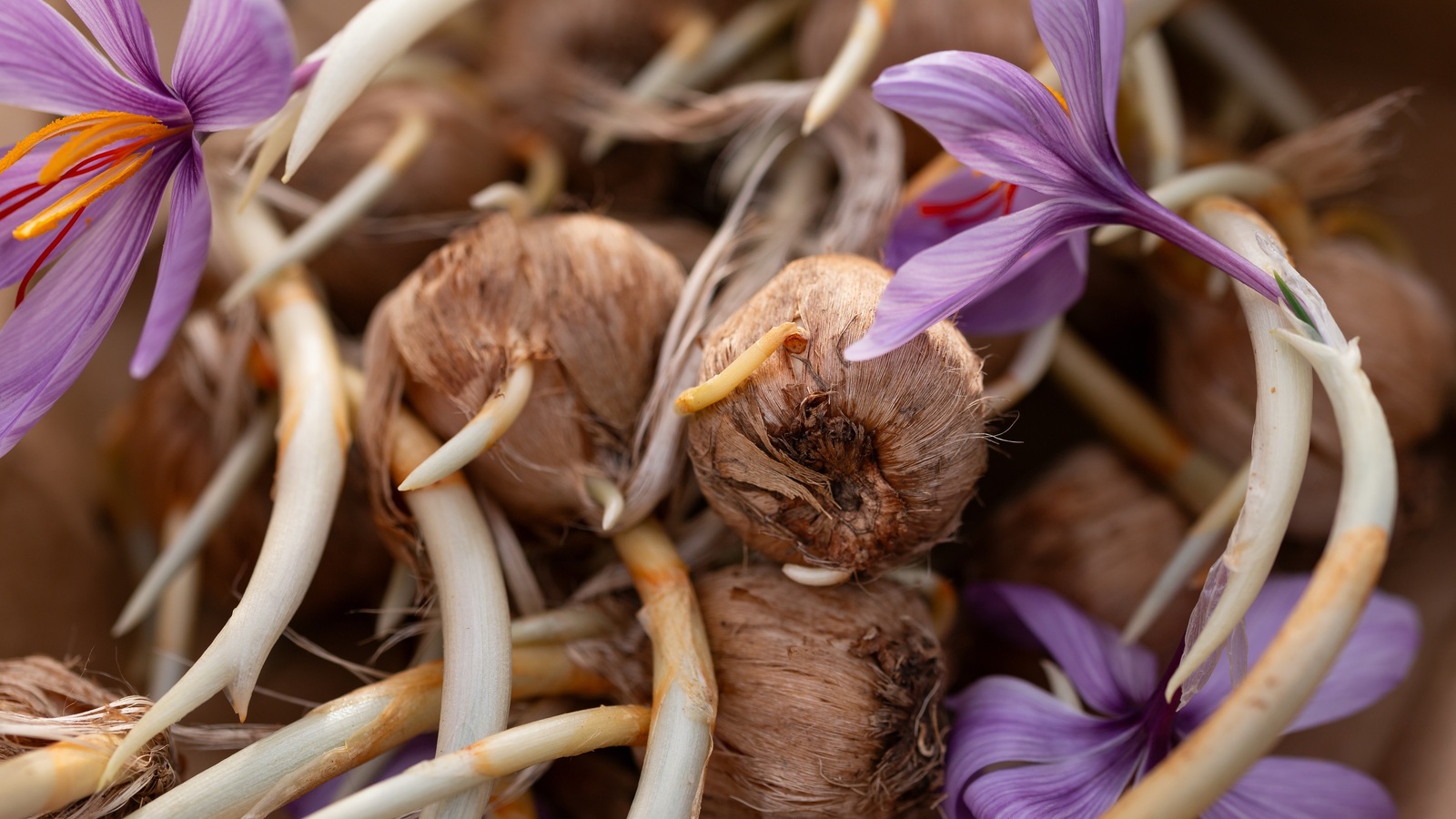
Once the flowers are finished, the plant isn’t finished. The long, grassy leaves may remain green through winter and into spring. Leave them alone while they’re growing. They help replenish the corms that will support future flowers, so cutting them off to tidy the patch can undermine next year’s crop.
The original corm makes replacement corms and smaller daughter corms underground. Some of those smaller cormlets need two or three years to grow large enough to flower. A six-year field study found that flowering tended to increase through the first three seasons before declining in older plantings, although a backyard bed won’t follow the same timetable exactly.
You can normally leave an uncrowded patch in place for several years if the climate and drainage suit it. When flowers become less plentiful or the corms are tightly packed, divide them while dormant after the leaves have completely yellowed and dried. Every three to five years is a reasonable time to inspect a productive patch; don’t dig everything up each summer just because it’s possible.
Gently lift the corms, separate healthy daughter corms, discard any soft or rotten ones, and replant at the proper depth and spacing. Label the patch clearly before the leaves vanish, so you don’t accidentally disturb it while planting summer crops. That’s a small detail, but one that can save a lot of rummaging through dry soil later.
Watch for rot, rodents, and missed flowering
Saffron doesn’t have a huge list of routine maintenance jobs. The main problems are usually tied to a damp site, hungry animals, or the plant’s normal life cycle being mistaken for failure.
The corms disappear or the leaves are chewed
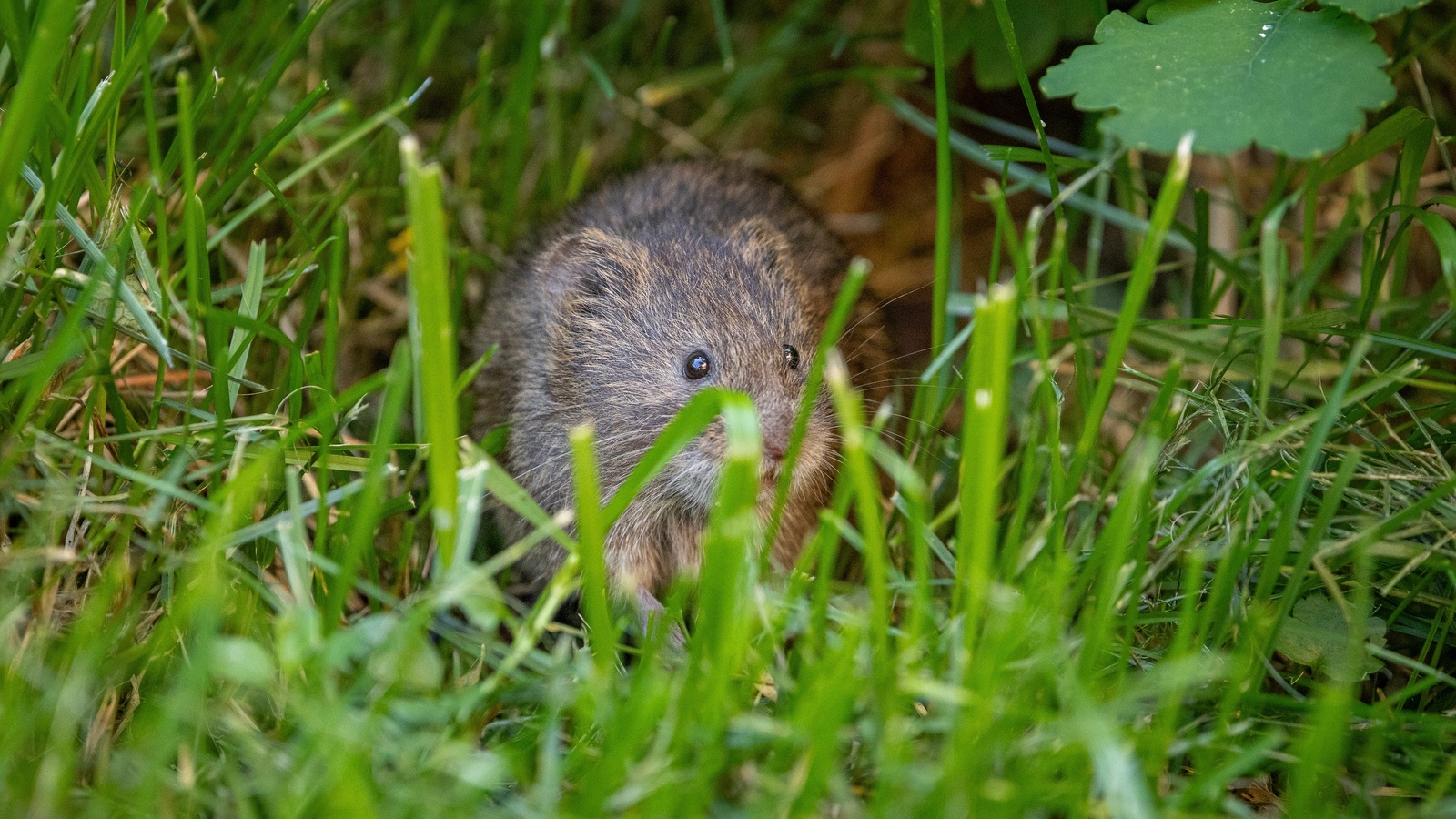
Mice, voles, gophers, and other rodents may eat or carry off corms. Where that is a known problem, plant in a buried wire-mesh basket or a protected raised bed, using mesh fine enough to exclude the local pests while allowing drainage. Rodent damage is a recognized risk for saffron plantings. Check that your container or bed is secure rather than routinely using poisons around an edible crop.
The leaves grow, but there are no flowers
Check the corm size, how late you planted, how much sun the patch gets, and whether summer conditions were wet. Healthy foliage without flowers in the first year doesn’t necessarily mean the corms are useless. Smaller corms often need time to bulk up. Mark the spot, leave the foliage to mature, and judge the planting over more than one autumn.
The corms become soft or moldy
Rot usually points to excess moisture or poorly draining soil, sometimes made worse by damaged planting stock. Don’t replant rotten corms or try to rescue them with fertilizer. Improve drainage or switch to a raised bed or pot, and start with firm, healthy replacement corms.
Is a small saffron patch worth growing?
I’d start with 20 to 30 good corms if I had a sunny, well-drained space and wanted to try saffron without making a big investment. That gives you enough plants to enjoy the flowers, practice harvesting, and see how they behave through the following year. If you have only a patio, start with a deep pot and fewer corms instead.
Don’t plan your annual spice budget around the first harvest. A small planting might give you a few pinches, not even half a gram, and the numbers can swing from year to year. But the corms can multiply if you let them complete their growing cycle, and a little of the real spice goes surprisingly far in the kitchen.
The key is choosing genuine Crocus sativus, getting the drainage right, and being there to pick the flowers when they’re ready. Do those three things, give the plants a few seasons, and a very ordinary patch of garden can produce something genuinely rather special.
You might also like…
10 Things to Do This Fall for a Healthier, More Productive Garden Next Spring
Start an Autumn Compost Heap With What Your Garden Already Gives You