Affiliate disclosure: This post may contain affiliate links. Please see full disclosure. AI-assisted.
Plain, uncooked oats, a bruised apple, and the seeds you scoop out of a winter squash can all go to backyard birds. So can a little firm, unsalted beef suet on a cold day. The grease left in the roasting pan, the oatmeal left in your bowl, and anything moldy are better kept well away from the feeder.
I grow a lot of my own food and keep poultry, so I hate wasting good food and I’m fussy about what sits around a feeding station. Both instincts are useful here. Save the few things birds can make use of, put out a little, and see what gets eaten. Treat scraps as extras alongside suitable bird food.
Winter kitchen scraps worth saving for birds
Firm, unsalted suet or plain lard
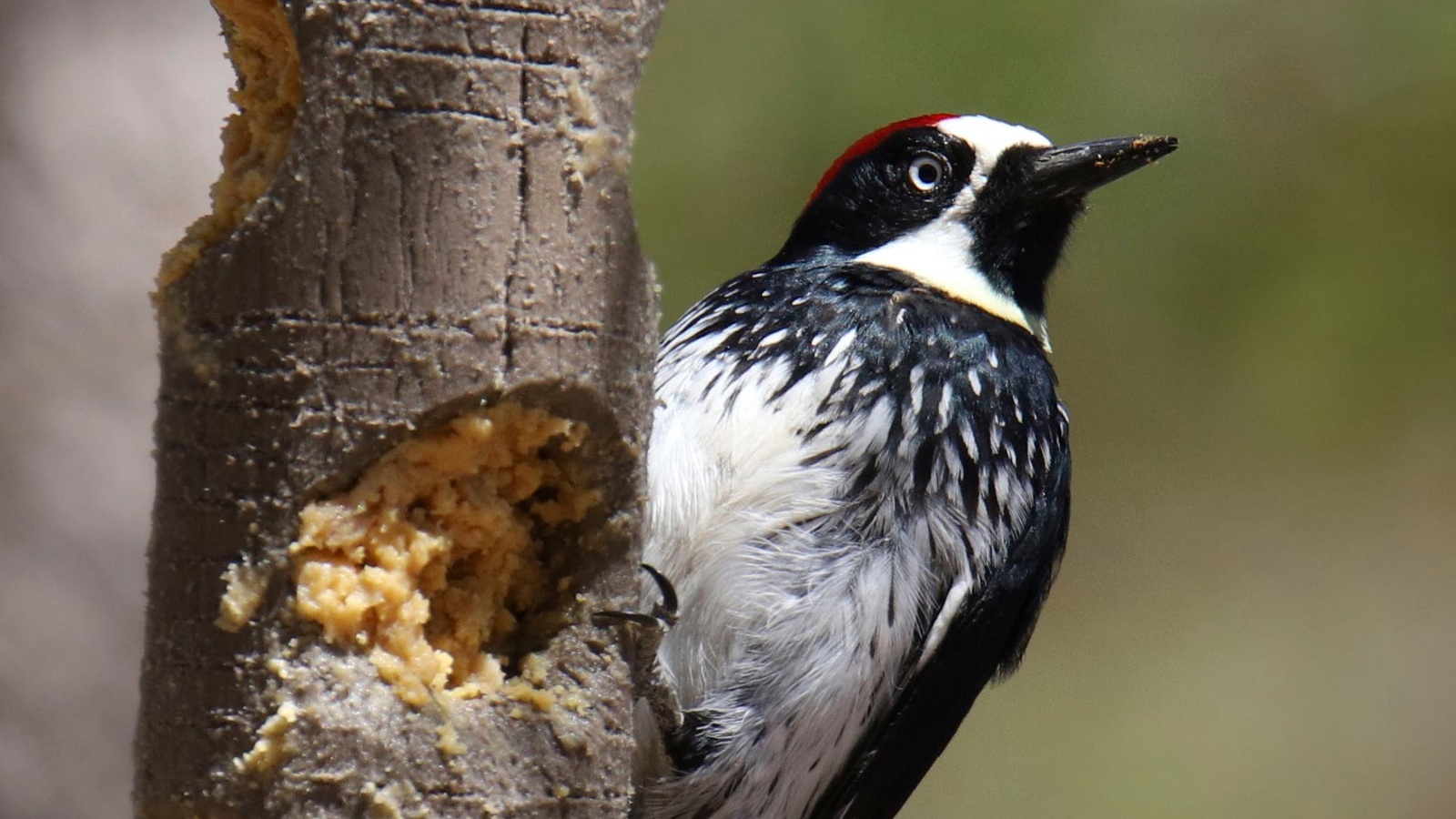
A small piece of plain beef suet gives woodpeckers, nuthatches, and chickadees a concentrated source of energy in cold weather. If you have clean, hard beef suet from trimming meat, use it only in freezing weather because raw suet can turn rancid quickly above freezing. Rendered suet keeps better, and plain, unsalted lard set into a firm block is another option when it’s cold enough to stay solid.
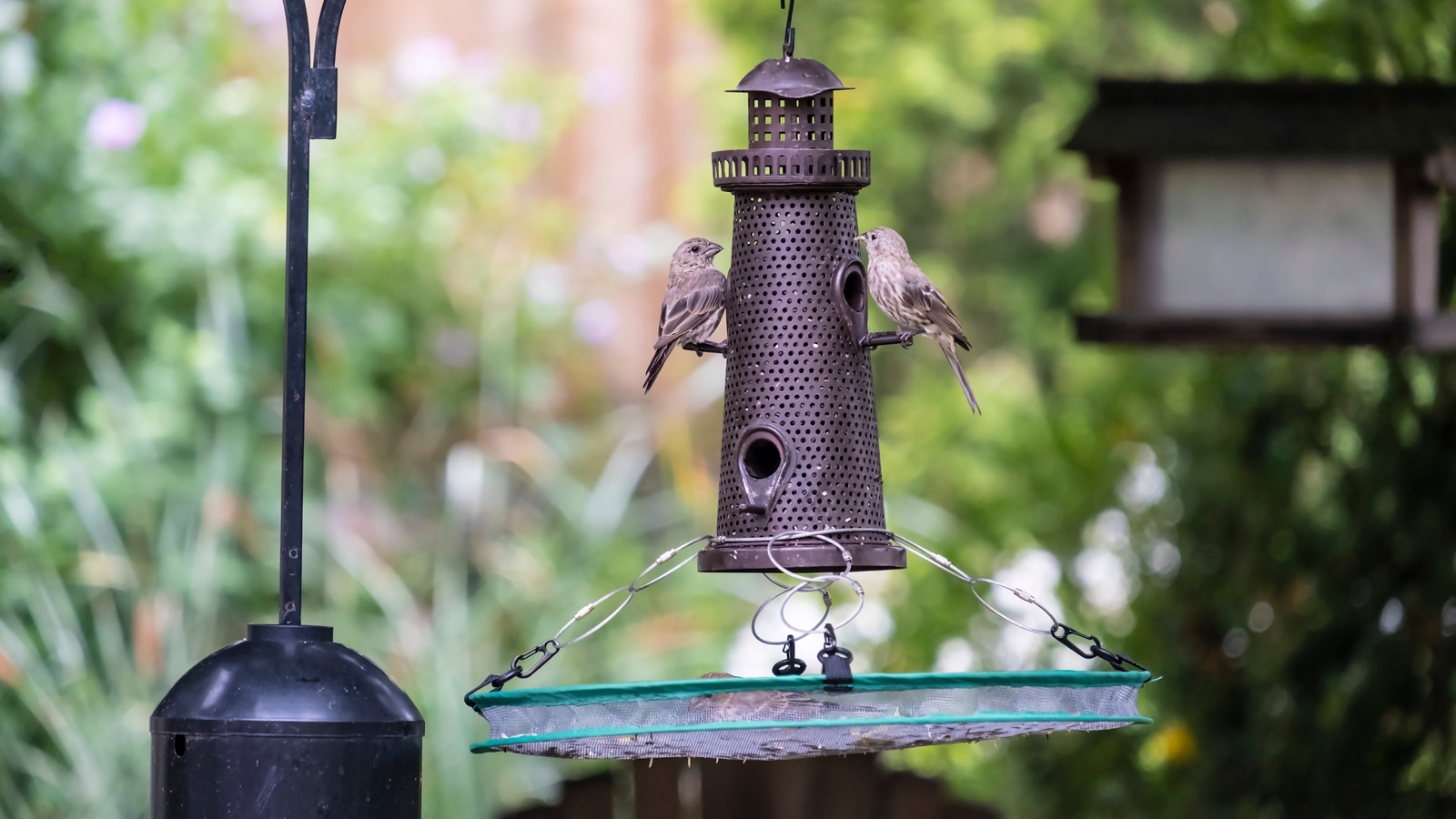
Use a wire suet cage you can take apart and clean. Pull the fat if a thaw makes it soft or greasy, since it can smear onto feathers. Keep bacon drippings, turkey or chicken roasting juices, and used frying oil out of the feeder. Even unsalted pan drippings are a poor swap for a firm piece of suet.
Dry, plain rolled oats
A pinch of dry, uncooked rolled oats is an easy extra for seed- and grain-eating birds. Use the plain oats from the cupboard. Sweetened packets and leftover cooked oatmeal can stay indoors. Cooked oats get sticky and can harden around a bird’s beak.
Offer a small amount in a clean, sheltered feeder that keeps the flakes dry. I’d start with just a pinch alongside a little of the seed the birds already take. If the oats stay behind at the end of the day, tip them out and stick to seed. A damp mat of oats in the feeder is reason enough to stop.
Apples, pears, and berries
A firm apple with a bruise is still useful. Trim off the damaged spot, core it, and set out a few slices. Firm pear slices or a few fresh berries work too. Fruit can appeal to American robins and other thrushes, even if they rarely visit a tube feeder. I’d try an apple first. It’s easy to offer a little and keep the rest in the kitchen.
Put fruit in a removable feeder cup or on a fruit spike off the ground. Skip fruit that’s moldy, slimy, or starting to ferment. Take uneaten pieces in before dusk, and sooner if they’re turning to mush. That makes more sense to me than putting half an apple out and waiting three days to see if anything wants it.
Pumpkin and winter squash seeds
When you split open a fresh pumpkin or winter squash, scoop out the seeds and rinse off the stringy pulp. Dry the seeds thoroughly and chop them for smaller birds. You can spread them out to dry or dry them in the oven. If you use the oven, let the seeds cool completely before serving or storing them. Keep them free of salt and seasoning.
Use a small, covered feeder cup if the seeds are too wide for the ports on your usual feeder. Try a few at a time. Wet seeds can spoil the dry birdseed you mix them into, and a heap of pumpkin scraps on the ground gives mice and rats an easy meal. I’d put the stringy pulp in a managed compost bin and keep the seeds for the birds.
Kitchen scraps to keep out of the bird feeder
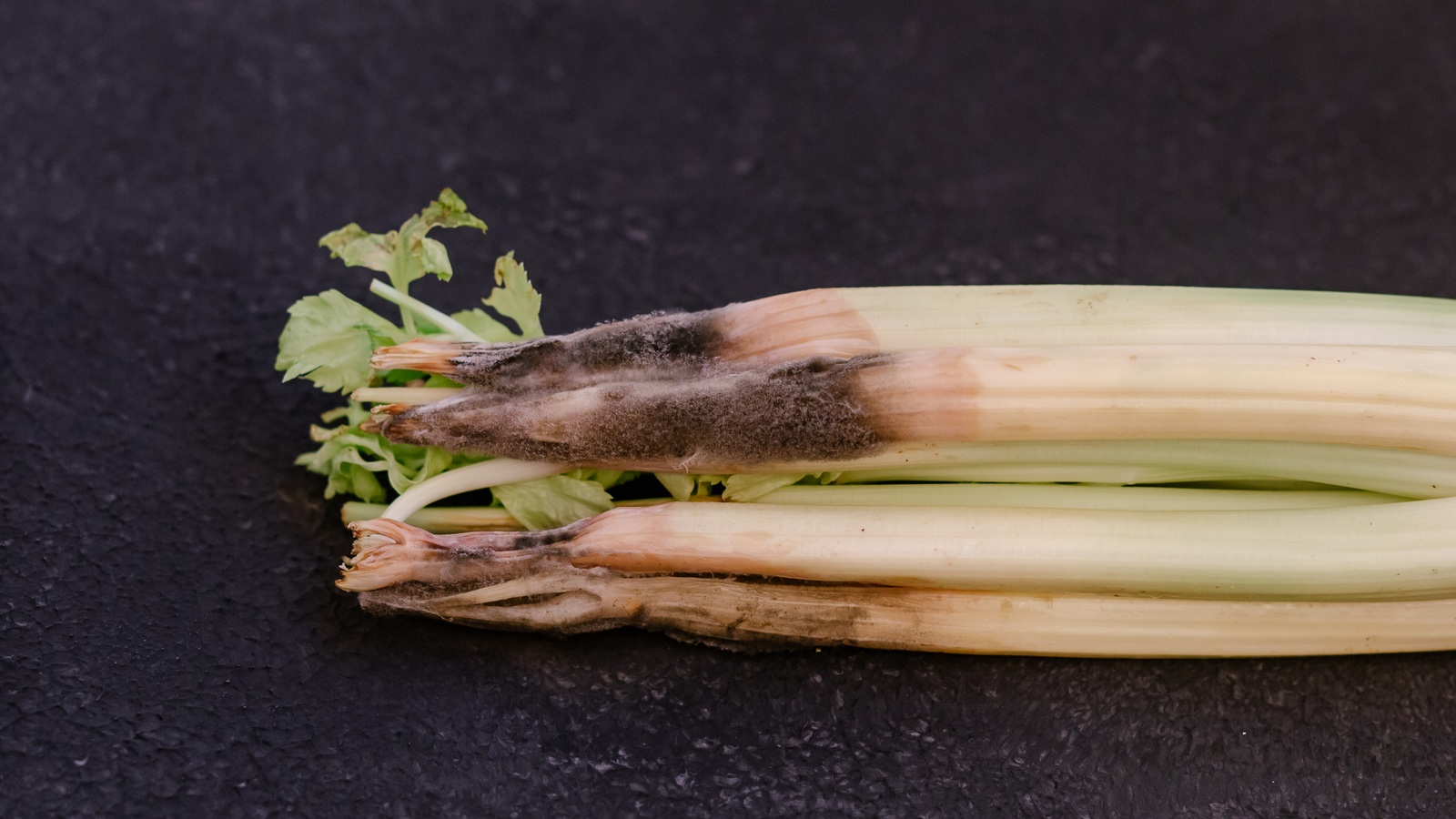
Skip salted foods and anything moldy, including salted nuts, chips, crackers, seasoned seeds, and salty dinner leftovers. If you find mold or a musty clump in a feeder, discard the whole fill and wash the feeder before putting out any more food.
Leave bread out of the regular feeding mix. It fills birds up without giving them much nutrition, and half a loaf leaves plenty to pick up beneath the feeder. I’d save that space for seeds the birds will actually eat.
Keep avocado and chocolate out of the feeder altogether. That includes avocado flesh, peel, and pits, chocolate chips, and any baked goods made with chocolate.
Feed a little and clean up before dusk
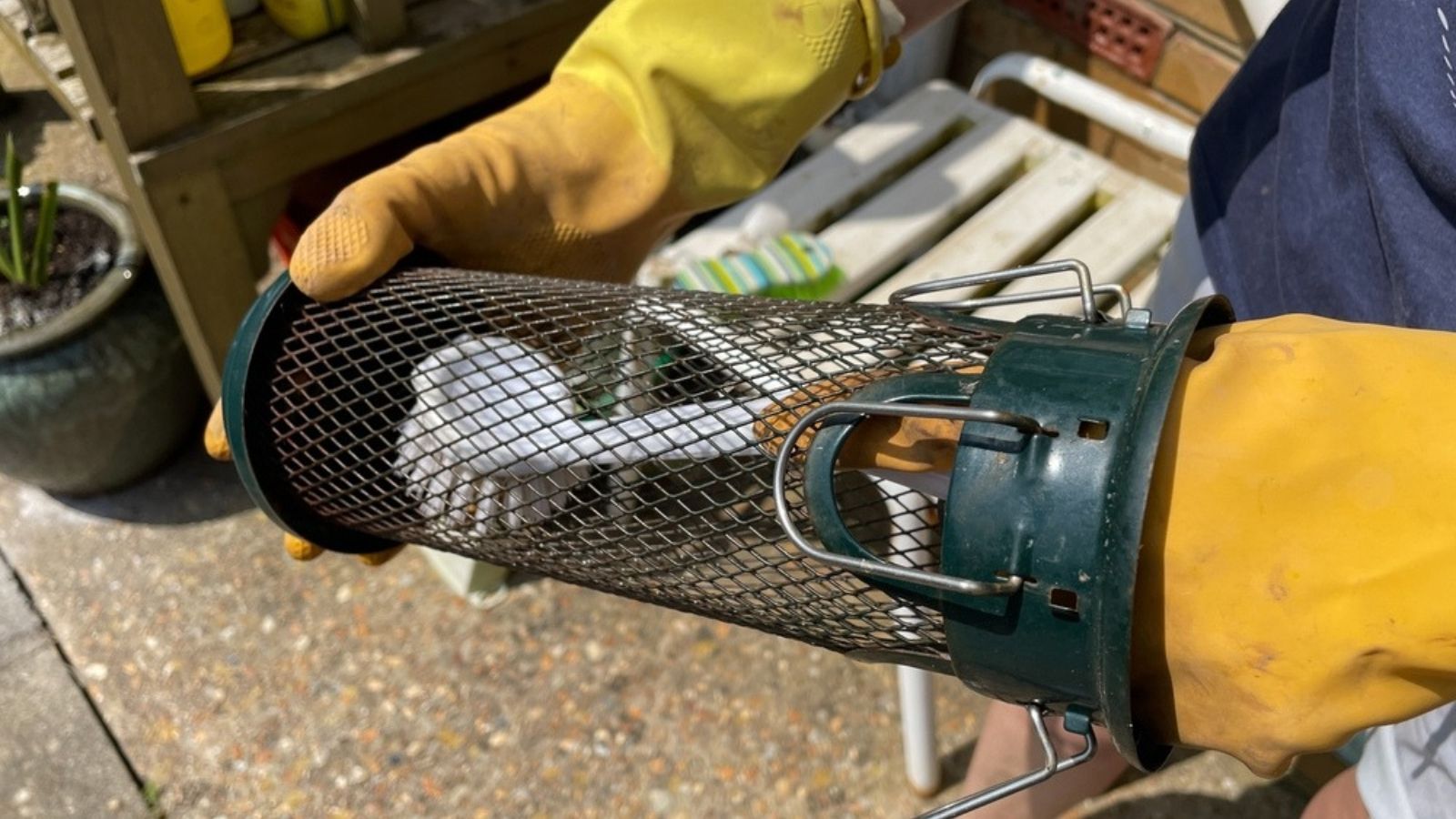
Start with what the birds can finish in a morning. Keep wet scraps separate from dry seed so one soft pear slice doesn’t spoil a whole feeder. Take in fruit cups and clear ordinary food spills from underneath before dusk. If you see fresh signs of rats, take the feeders down while you deal with the problem. Spilled food, a climbable pole, and poorly stored seed are all worth checking when you’re working out how to feed birds in winter without attracting rats.
I’d wash high-use winter feeders weekly, and sooner after wet weather or if you see droppings, wet seed, or spoiled food. Wash removable cups that held fruit after each use. Take the feeder apart, scrub off stuck food and dirt, and disinfect it outdoors, rinse it well, and let it dry fully. For a bleach-safe feeder, use one part household bleach to nine parts water and soak for at least 10 minutes after washing. Keep feeder cleaning out of the kitchen sink and wash your hands when you’re done.
If you find a sick or dead bird in the yard, take down the feeder and birdbath for two weeks, clean them outdoors, and follow any local wildlife agency instructions. Leave the bird alone and contact your state wildlife agency or a wildlife rehabilitator.
The permaculture gardener in me would sooner leave a stand of seed heads and grow a few native shrubs with berries for birds than feel obliged to put food out every day. If you keep chickens or other poultry, avoid attracting wild birds to the areas your flock uses. If you can’t keep wild birds away from the flock, skip the feeder and secure the poultry feed.
You might also like…
How to Feed Birds in Winter Without Attracting Rats