
Affiliate disclosure: This post may contain affiliate links. Please see full disclosure.

Birds eat tomatoes. Not all birds, and they’d mostly rather eat other things, but if ripe tomatoes, or young tomato plants are readily available and unprotected, and there’s no better food source nearby, they’ll go for your tomato crop. Don’t get me wrong – I like birds and actively encourage them in my vegetable gardens. They’re useful creatures that eat scores of aphids and other pests, and some also help pollinate some crops. But I still don’t want them to eat my tomatoes, so I get creative to keep birds off my tomatoes while still welcoming them into the growing space.
Do Birds Eat Tomato Plants and Tomatoes?
Yes, birds eat both tomato plants and tomatoes. While they usually prefer the ripe fruit, birds may also nibble on the leaves and stems of the plant. Robins, blackbirds, starlings, and mockingbirds are just a few of the birds likely to eat your tomatoes. They peck at the ripe fruit, and can knock fruit from the plants, leave the fruit and plants open to insects, mold, rot, and diseases, so bird damage has the potential to be a significant problem.

Identifying Bird Damage on Tomato Plants
Birds eating tomatoes tend to create small, irregularly-shaped holes in the fruit due to their beak’s shape and the way they peck at the tomato. How much damage they do depends on the bird and how forcefully they peck. You may also observe the fruit’s insides, such as seeds and flesh, removed or discarded nearby, as birds often consume only the juicy parts of the fruit they find most appealing.
In contrast, insect damage typically results in small, round holes, as many insects have mouthparts designed for piercing or chewing through the fruit’s outer skin. These holes may be accompanied by other signs of insect activity, such as the presence of insects themselves or their eggs, frass (insect excrement), or trails left by some pests like slugs or snails.
Other critters, such as squirrels, rats, and raccoons, will also chow down on your tomatoes if they can. These animals tend to leave larger bite marks on the fruit, reflecting the size and shape of their teeth. In many cases, they may take a large chunk or even the entire fruit, as their strong jaws and teeth can easily break through the tomato’s skin and flesh. Mammal damage may also include other signs of their presence, such as tracks, droppings, or evidence of digging around the plants.
How to Protect Tomato Plants From Birds: Easy, Effective Strategies
Tomato plants are delicate and at risk from a variety of pests and diseases. And birds are a major source of frustration for the tomato grower. Take a look at my top recommendations to protect tomato plants from birds. These are the strategies I use every year in my growing space to protect all kinds of plants from birds, including the humble tomato plant, my peppers, brassicas, and more.
RELATED POST: How to Make Tomato Plants Produce More Fruit
Physical Barriers
One of the most effective ways to keep birds from eating tomatoes is by implementing physical barriers. These barriers can prevent birds from accessing a tomato plant while still allowing sunlight and air circulation.
Cloches
Cloches are dome-shaped or bell-shaped protective covers that protect individual plants from various threats, including birds, insects, and harsh weather conditions. They are usually either plastic or glass.
Plastic cloches are lightweight, affordable, and durable. They are typically made from clear or semi-transparent plastic, allowing sunlight to penetrate and warm the air inside while also providing protection from pests like birds. Some plastic cloches have adjustable ventilation openings to regulate temperature and humidity, ensuring optimal growing conditions for the plant.
Glass cloches, on the other hand, are more traditional and visually appealing. They are generally heavier and more fragile than plastic cloches but can provide better insulation and heat retention. Glass cloches also allow sunlight to pass through while protecting plants from pests and unfavorable weather.
To use cloches for protecting tomato plants from birds, place the cloche over the individual plant, ensuring that it covers the entire plant without touching its leaves or fruit. Make sure the cloche is securely anchored to the ground to prevent it from being knocked over or lifted by wind or curious animals. Check on the plant regularly to monitor its growth and adjust the cloche accordingly, as the tomato plant may outgrow the cloche over time.
In addition to keeping birds away, cloches can also protect young tomato plants from frost, making them a valuable tool for extending the growing season or giving plants a head start in colder climates. However, it is essential to remember that cloches should be removed or adequately ventilated during hot weather to prevent overheating and damage to the plants.
Covered Tomato Cages
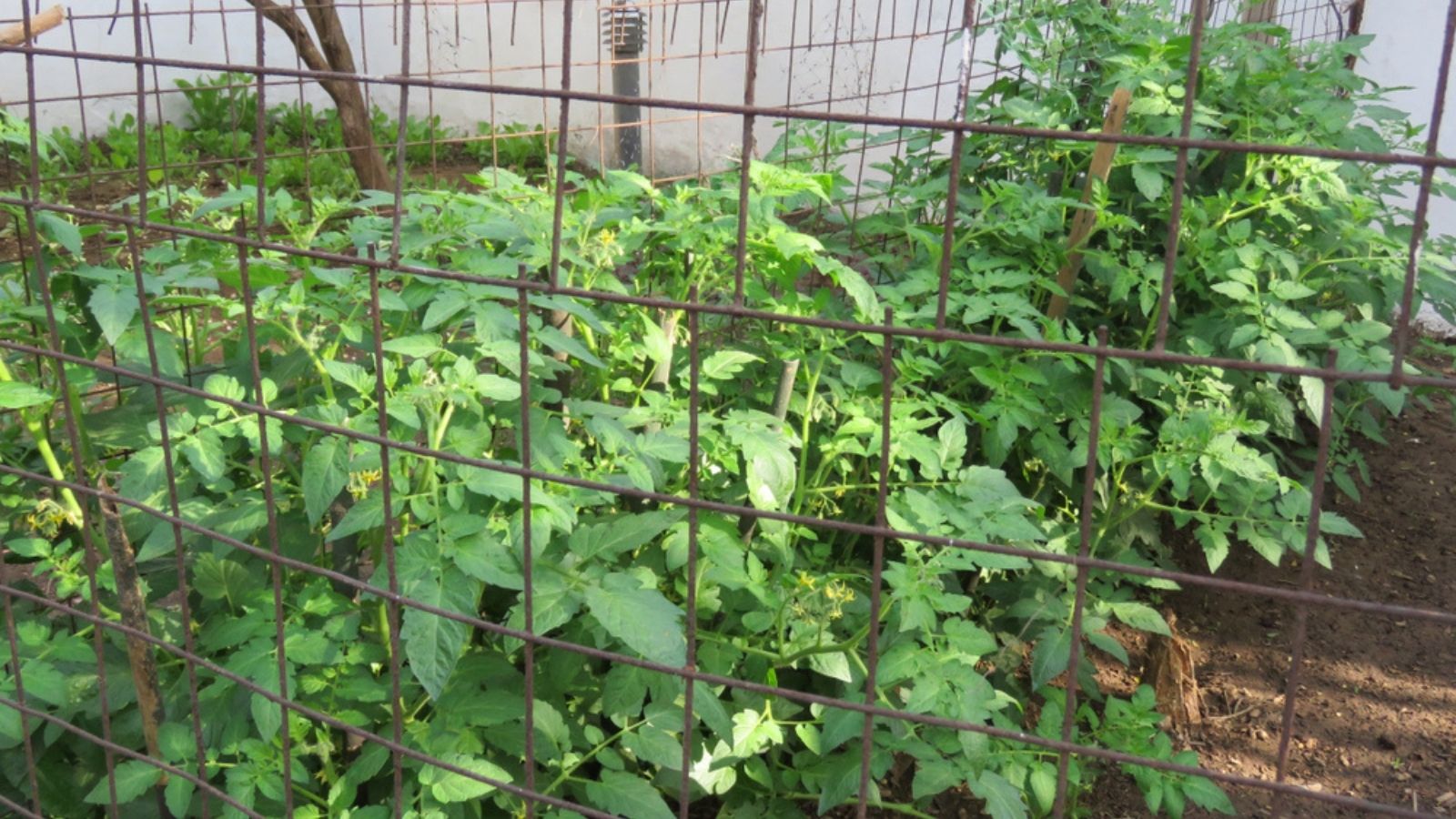
Covered tomato cages are a practical and effective solution for protecting tomato plants from birds while also providing structural support to the plant. The cage consists of bamboo, metal poles, or thick plastic, and supports the tomato plant as it grows, preventing it from bending or breaking under the weight of the fruit.
But you can adapt a tomato cage to also offer bird protection. Like this:
- Choose the right tomato cage: Select a tomato cage that is appropriate for the size and type of tomato plant you are growing. Some tomato plants grow larger and require more substantial support, while others are smaller and need less reinforcement. Ensure that the cage is tall enough to accommodate the mature plant’s height and wide enough to provide ample space for the plant’s growth.
- Assemble the cage: Place the tomato cage around the plant, gently threading the plant’s stems and branches through the cage openings. Press the cage’s legs into the ground to secure it in place. It is best to install the cage while the tomato plant is still young and small, as it can be challenging to fit a mature plant into a cage without damaging it.
- Cover the cage with netting or mesh: Choose a netting or mesh material that is durable and has small enough openings to prevent birds from reaching through it. Bird netting or garden mesh are suitable options. Drape the material over the cage, ensuring that it covers the entire structure, including the sides and the top.
- Secure the netting or mesh: Attach the netting or mesh to the cage using zip ties, clips, or garden twine, making sure it is tightly secured at the bottom to prevent birds from sneaking under the netting. Regularly check the netting to ensure it remains intact and securely fastened to the cage.
Covered tomato cages not only protect your tomato plants from birds but can also deter some insects and other pests, such as squirrels or raccoons, from damaging the plants.
Bird Netting
Bird netting is a lightweight, flexible material that can be draped over your tomato plants to prevent birds from accessing the fruit. It is essential to secure the netting tightly around the base of the plants to prevent birds from getting trapped or sneaking under the netting.
Row Covers
Row covers are made from lightweight, breathable fabric that can be laid directly over your tomato plants to keep birds away. These covers allow sunlight and air circulation while also providing some protection against insects.
Distractions
Another strategy for keeping birds away from tomatoes is to offer distractions that may divert their attention from your plants.
Place a Birdbath
A birdbath can provide a water source for birds, potentially reducing their interest in your tomato plants. Place the birdbath away from your garden to draw birds to a different area.

Offer an Alternate Food Source
Providing an alternate food source for birds is an effective method to divert their attention from your tomato plants. By offering a more appealing and easily accessible option, you can encourage birds to focus on the alternative food instead of your tomatoes. There are two primary ways to offer an alternate food source: using bird feeders and growing companion plants that birds find attractive.
Yes, this sounds counter-productive as you’re encouraging more birds to your garden, but it definitely works as part of a multi-pronged approach to protect your tomato plants. And it encourages other birds that will help control insect pest populations.
Growing companion plants that birds like to eat can be another effective way to distract them from your tomato plants. Some companion plants that are particularly attractive to birds include sunflowers, millet, and amaranth.
RELATED POST: 12 Best Herbs and Flowers for Companion Planting With Vegetables
- Sunflowers: Sunflowers are not only visually appealing but also produce seeds that are favored by many bird species. Plant sunflowers around the perimeter of your garden or in a separate area to attract birds away from your tomato plants. As the sunflowers mature and produce seeds, birds will be more inclined to feed on the sunflower seeds than your tomatoes.
- Millet: Millet is a fast-growing grain that produces small seeds, which are an attractive food source for various bird species. Plant millet near your tomato plants or in a separate location to draw birds away from your tomatoes.
- Amaranth: Amaranth is another grain-producing plant that is appealing to birds. The seeds of amaranth can be a valuable food source for birds, and the plant itself can add visual interest and color to your garden.
Bird feeders are a popular and convenient way to offer birds an alternative food source. They come in various styles and sizes, including tube feeders, platform feeders, and hopper feeders. Fill the bird feeder with seeds, such as sunflower seeds, safflower seeds, or mixed birdseed, which are all attractive to a wide variety of bird species. Place the bird feeder away from your tomato plants, ideally at a distance that discourages birds from easily moving between the feeder and your garden.
Scare Them Away
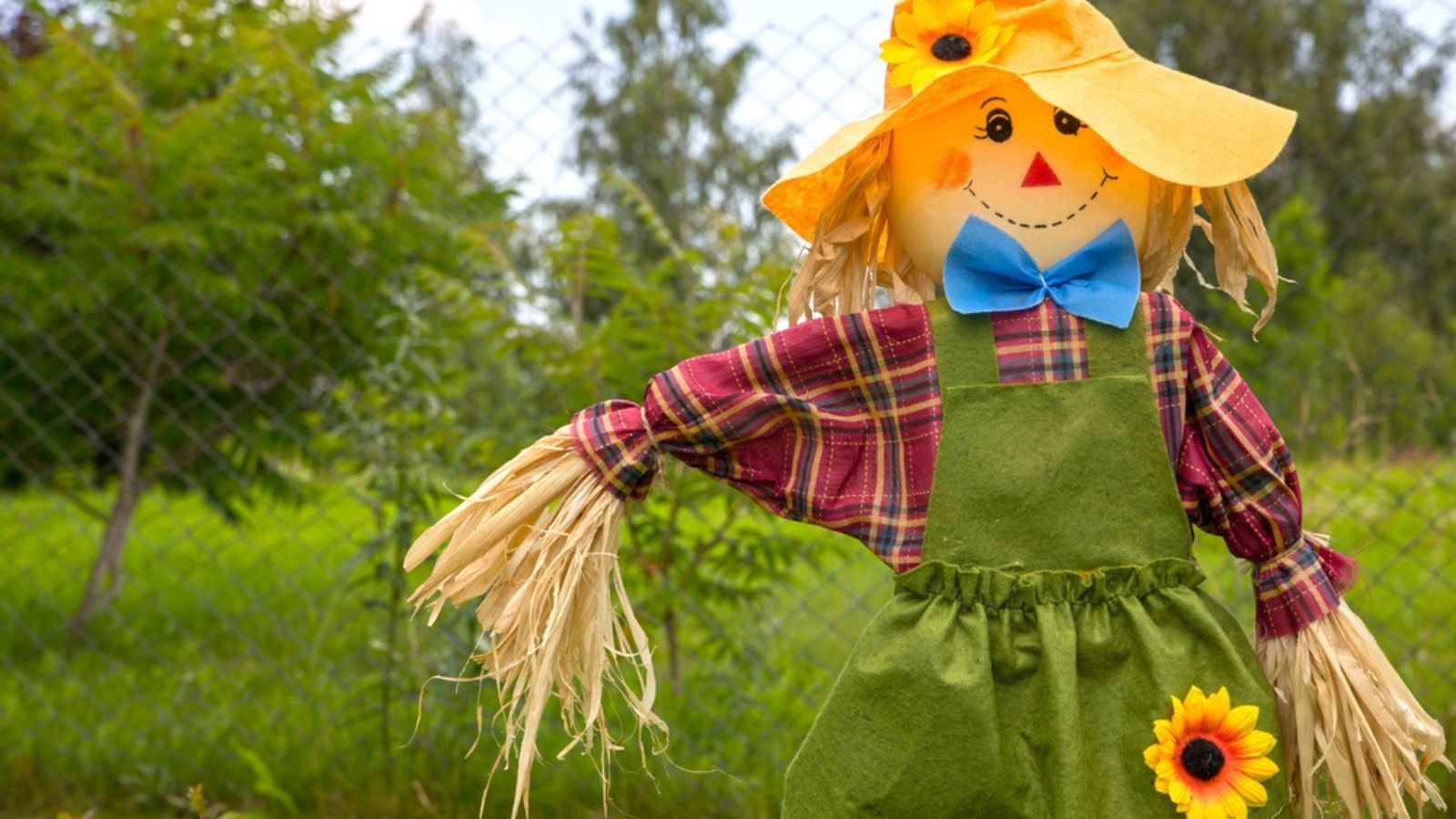
Using scare tactics can also help to deter birds from your tomato plants. Creating a scarecrow can be a great activity to do as a family!
Reflective Objects
Hanging reflective objects, such as old CDs or reflective tape, around your garden can startle birds and deter them from approaching your tomato plants. Any shiny objects that catch the light will help to stop birds feasting in your tomato garden.
Wind Chimes
The noise created by wind chimes can be an effective deterrent for birds. Hang wind chimes near your tomato plants to keep birds at bay. Make wind chimes from noisy and shiny objects, and they work on multiple levels to protect your tomato garden.
Faux Predators
Placing fake predators, such as owl or hawk decoys, near your tomato plants can scare birds away. Remember to move these decoys periodically to maintain their effectiveness, as birds may become accustomed to them if they remain stationary. To protect tomato plants even more convincingly, you can get faux predators that move a little, such as owls with moving heads. You can also scare birds by rigging up a large fake bird-kite attached to your wall or a long pole. These are lightweight, inexpensive contraptions that “fly” on the wind above your crops, mimicking the motion of real birds of prey.
FAQs
What birds eat tomatoes in the garden?
Various bird species may eat tomatoes, including robins, blackbirds, starlings, and mockingbirds. The specific birds that may target your tomatoes depend on your location and the native bird species in your area.
Can you eat a tomato that a bird has pecked?
If birds have only pecked the surface of the tomato, it is generally safe to eat the unpecked portion after cutting away the affected area. However, it is essential to wash the tomato thoroughly