
Affiliate disclosure: This post may contain affiliate links. Please see full disclosure.
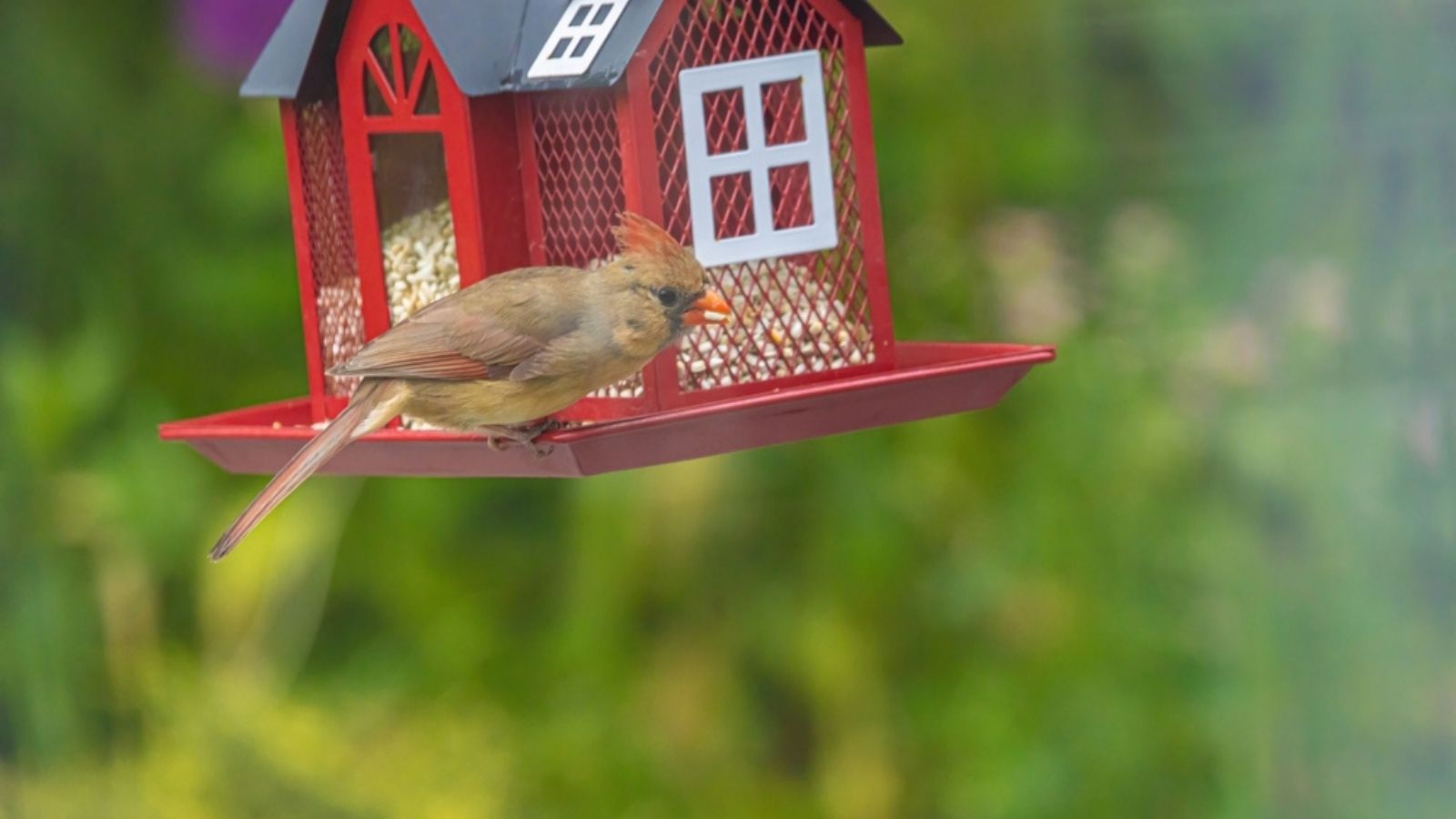
You can feed backyard birds through winter without laying out a nightly buffet for rats, but the food that reaches the ground matters more than the feeder you buy. Start with shelled seed, a well-positioned hanging feeder, and a way to catch or clear spills before dusk. If you see evidence of rats, stop feeding while you deal with the problem rather than hoping a different seed mix will make them disappear.
I grow a substantial amount of my own food and keep livestock, so I’m particularly fussy about where feed ends up. A handful spilled once is easily dealt with. The same handful falling every day under a feeder, beside a shed or near the house, creates a dependable food supply. Rats don’t need an invitation, and once they’ve learned there’s an easy meal waiting, shifting a feeder a few feet won’t necessarily put them off.
The real problem is what falls beneath the feeder

Birds spill seed as they feed. Some drop it accidentally; others rummage through a cheap mixed blend, tossing aside grains they don’t want. Sunflower seeds in their shells also leave a heap of hulls, which looks worse than it is because not every hull contains food. But whole uneaten seeds and discarded pieces among those shells are still worth a rodent’s attention.
Ground feeding makes the problem more obvious. Seed scattered over grass, a picnic-table-style platform full of grain, or a pile of crumbs beside a hedge is accessible to birds and rats alike. In winter, when vegetation is sparse and food can be harder to find, a replenished patch beneath a feeder is especially attractive. Spilled seed can establish a reliable food source for rodents, and the problem can be difficult to undo once rats are visiting regularly.
A suspended feeder isn’t automatically rat-proof either. Rats climb poles, trees, fences, and rough walls. If a feeder is hanging a foot from the kitchen window, you’re bringing a food source right up to the building, regardless of how high it’s suspended. That’s not a trade I’d make just for a closer view of the chickadees.
Look for rats before you see one
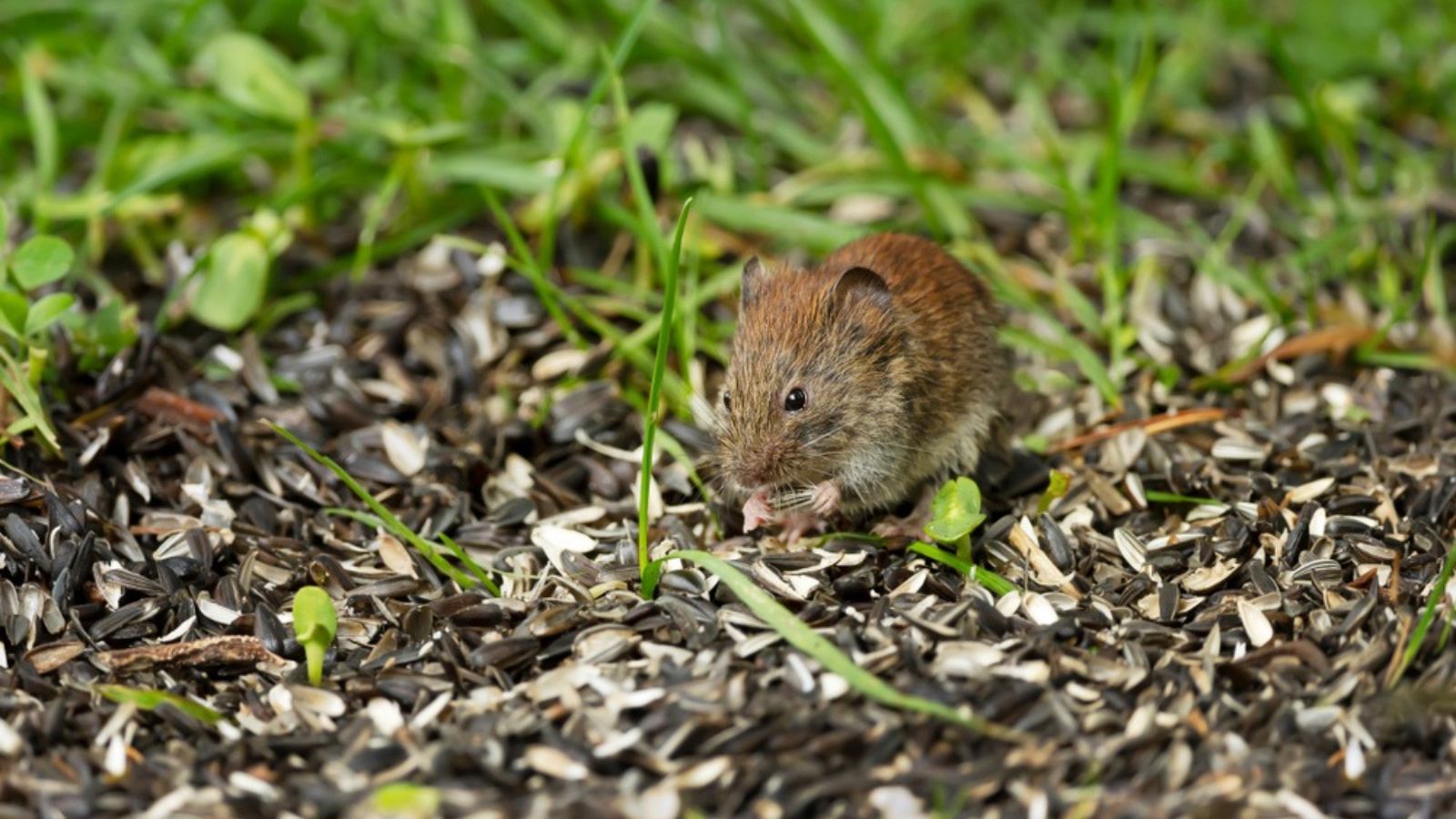
The first evidence is often under the feeder rather than on it. Look for freshly disturbed seed, little tracks across bare soil or snow, runs through flattened grass, and small holes along the edge of a shed, deck, retaining wall, or planting bed. A narrow, repeatedly used path between cover and the feeding area deserves a closer look.
Check the feeding station at dusk and again the following morning. Is the seed that fell yesterday gone? Has a bag of stored bird food been gnawed? Are there droppings or fresh tooth marks near the storage bin? Droppings and gnaw marks are established signs of rodent activity, although older evidence alone doesn’t prove that animals are still present.
You might spot a rat after dark, but don’t rely on the idea that rats are strictly nocturnal. They can forage in daylight, too. A motion-activated camera aimed at the feeder pole or ground, without placing bait, can show you what’s actually happening and how animals are reaching the food. Squirrels, voles, mice, and ground-feeding birds can all confuse the picture if you’re judging only by missing seed.
If there’s fresh droppings near the feeding area, pause your normal sweeping routine there. Do not dry-sweep or vacuum rodent urine and droppings; wet them thoroughly with an appropriate disinfectant, follow the product’s contact time, and wipe up with gloves using the correct cleanup precautions. The advice to sweep seed daily applies to ordinary food debris, not a visibly contaminated surface.
Choose seed that birds actually eat, with less waste
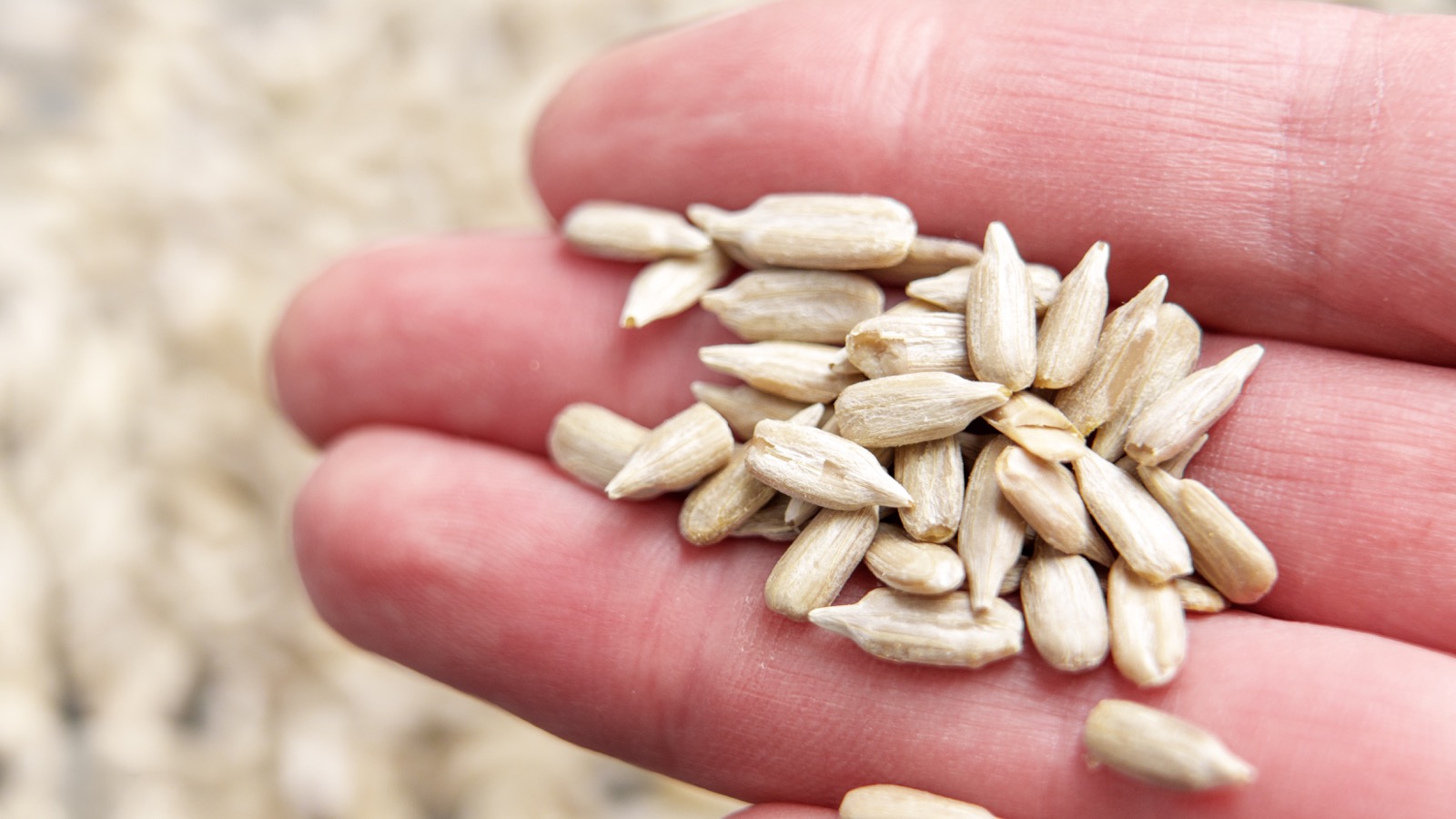
For a general winter feeding station, my starting choice would be sunflower hearts or chips, sometimes sold as hulled or no-mess sunflower seed. The shells have already been removed, so birds aren’t building a carpet of husks beneath the feeder. Many seed-eating backyard birds readily take sunflower, and shelled, no-mess mixes reduce the discarded material that falls beneath feeders.
There’s one catch: no-mess doesn’t mean no food gets dropped. A sparrow can still knock a whole sunflower chip onto the ground, and a rat is perfectly happy to eat that. Shelled seed also needs careful storage and frequent small refills because exposed kernels can deteriorate in damp conditions. Don’t fill an enormous feeder and leave the same seed hanging through a succession of wet days.
I would avoid bargain blends dominated by fillers that your visiting birds consistently throw out. You don’t need the fanciest mix on the shelf. Watch which grains your birds take and which are accumulating beneath the ports. If they keep rejecting one component, stop paying for it.
Suet in a suitable cage or dedicated feeder can be useful for winter visitors, but it isn’t a rodent deterrent. Rats can eat dropped chunks and may reach the feeder itself. The same goes for peanuts and mealworms. Choose food for the birds you want to support, then control access and leftovers rather than assuming one food is magically rat-proof.
Catch dropped seed without creating another rat feeder
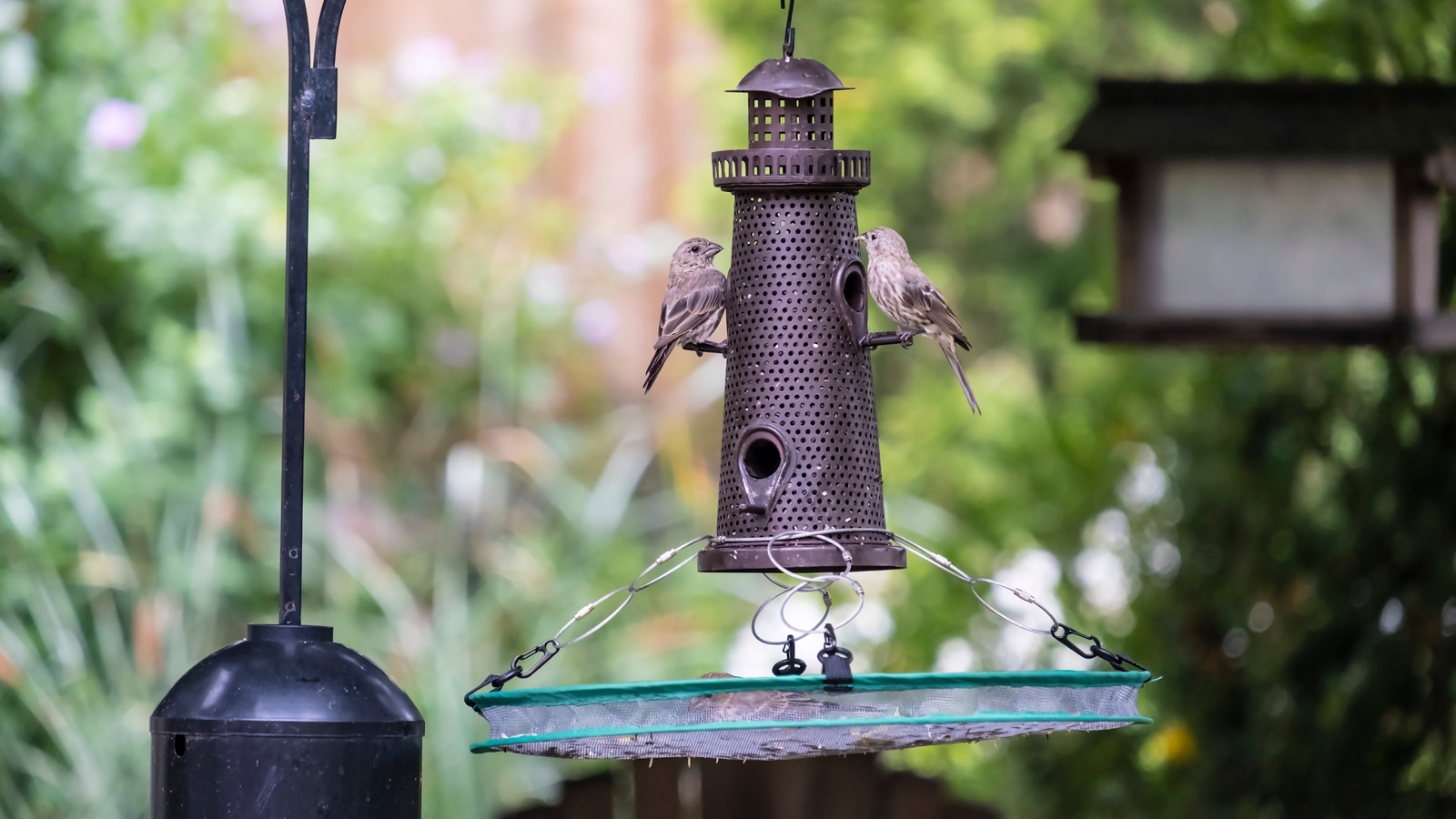
A seed-catching tray fixed beneath a hanging feeder can intercept some of the kernels birds scatter. It needs to be wide enough for the way that feeder spills, securely attached, and easy to remove and wash. Tiny decorative saucers often catch very little. Small catch trays may not intercept enough seed to solve a rodent problem.
An overflowing tray is just an elevated dish of rat food. Empty it before evening and whenever it’s wet or full. Clean away droppings and spoiled material; seed left in a contaminated tray isn’t suitable to put back in the feeder. A tray should reduce the amount you have to clean up, not become an unwashed second feeding station.
If you’re choosing a new feeder, favor one with well-designed ports that don’t throw seed everywhere and a removable base you can actually wash. A feeder that looks lovely but takes twenty minutes to dismantle generally doesn’t stay as clean as it should.
Use a baffle, and leave room around it
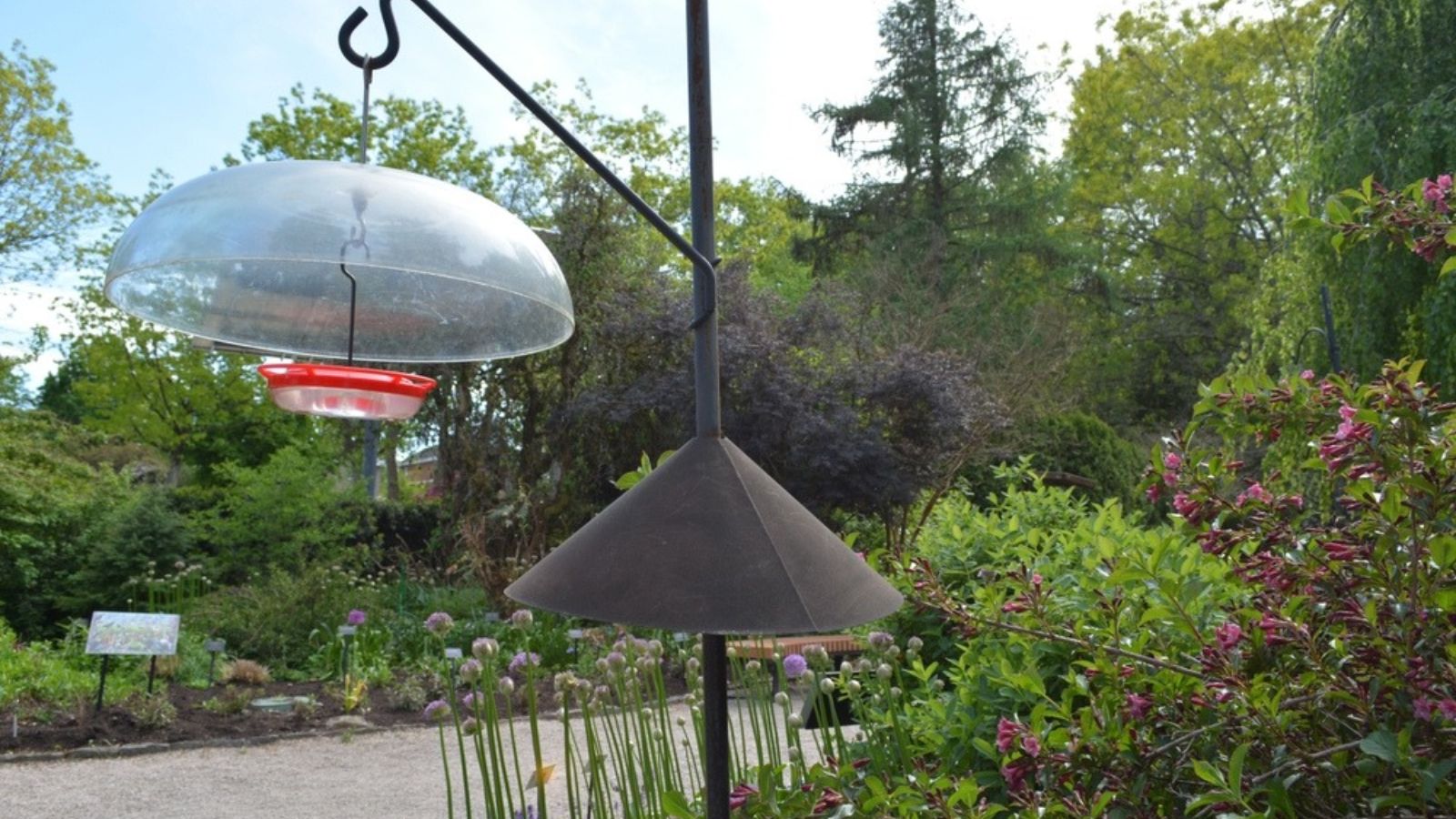
I prefer a freestanding metal pole with a correctly fitted smooth baffle to hanging food from the house, a tree, or a fence. A cone- or cylinder-shaped baffle can make climbing much harder, provided an animal can’t simply jump onto the feeder from another direction. It has to be mounted at the correct height for its design, with sufficient clearance from overhanging branches, walls, rails, and shrubs.
A baffle won’t do anything for seed already scattered on the ground. Nor can it compensate for a feeder located directly beside a dense hedge that gives rats cover and a launching point. Keeping bird feeders away from the house and using guards are established rodent-prevention measures. Exact distances depend on your yard and the feeder’s design, but I would prioritize a clear route for cleaning underneath it and a position away from the building.
Don’t move a feeder into an exposed danger zone for birds just to get it farther from the house. Think about cats, windows, and hawk cover, too. The sensible compromise is a site where birds can see danger, cats can’t easily ambush them, and rats can’t climb straight up from an adjacent structure. Put the station where you can reach it comfortably in freezing weather, or that daily cleanup job will soon get forgotten.
Sweep up spilled seed before nightfall
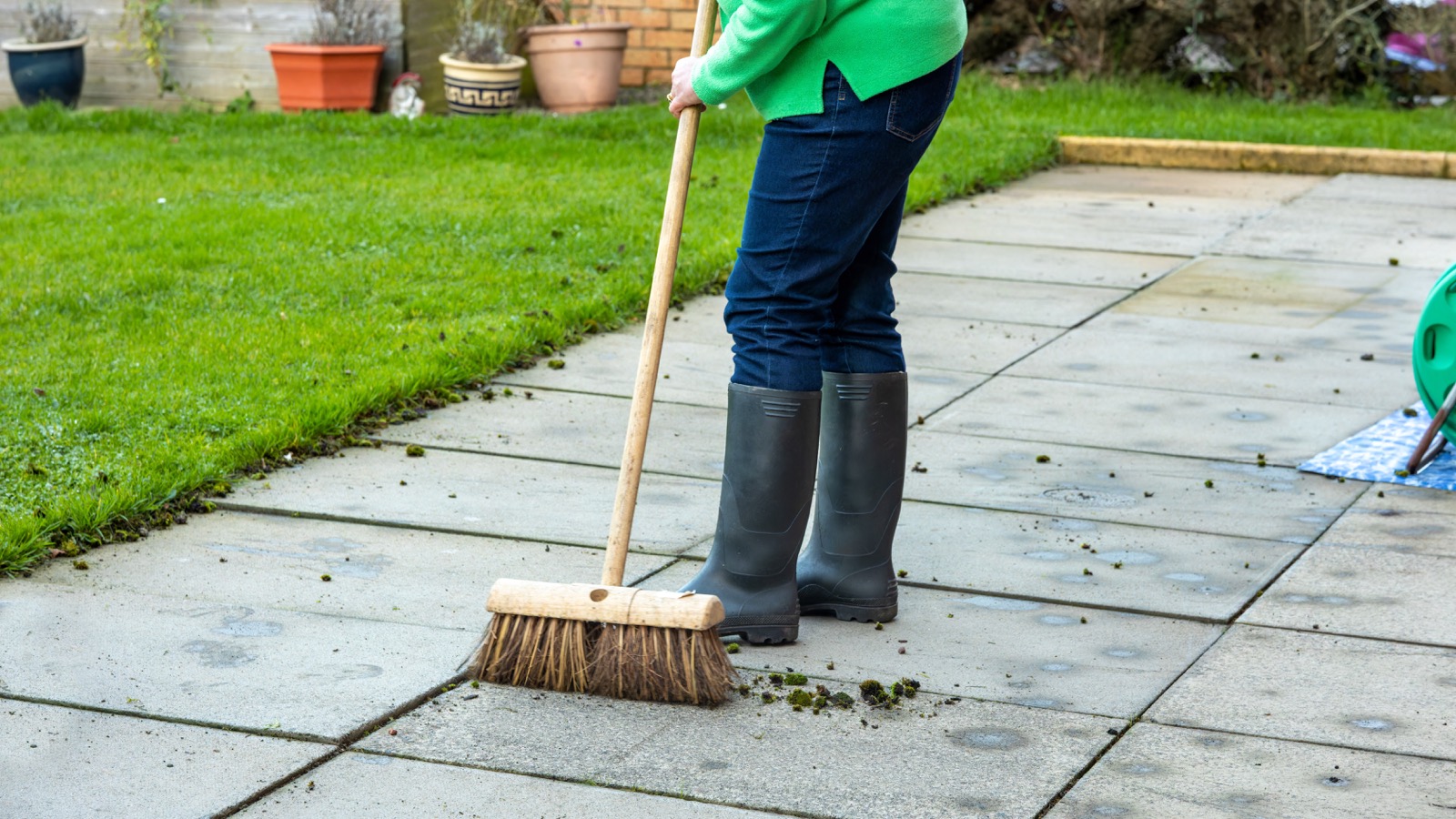
If I were changing only one habit, I’d make it an end-of-day check beneath the feeders. On clean paving or a hard surface, sweep up ordinary seed debris and put it in the trash. On bare earth or grass, a small rake or hand tool can lift the visible accumulation, although kernels that fall deep into long grass are difficult to recover. That’s a good reason not to position a messy feeder above dense lawn in the first place.
Pay special attention after high winds, busy feeding periods, and visits from larger birds that shake or empty feeders. Clear spills from the nearby shed threshold and around stored feed, too. Accumulated seed and hulls beneath feeders can become dirty or moldy and attract rodents. Don’t tip old birdseed onto the compost heap as an easy disposal shortcut if rats already have access to it.
Refill little and often rather than topping off a half-full feeder automatically. If the birds are leaving food behind, reduce the amount. In a small yard, a single manageable feeder is often better than a crowded arrangement of six, each scattering food in a different direction.
Store birdseed like livestock feed, not garden clutter
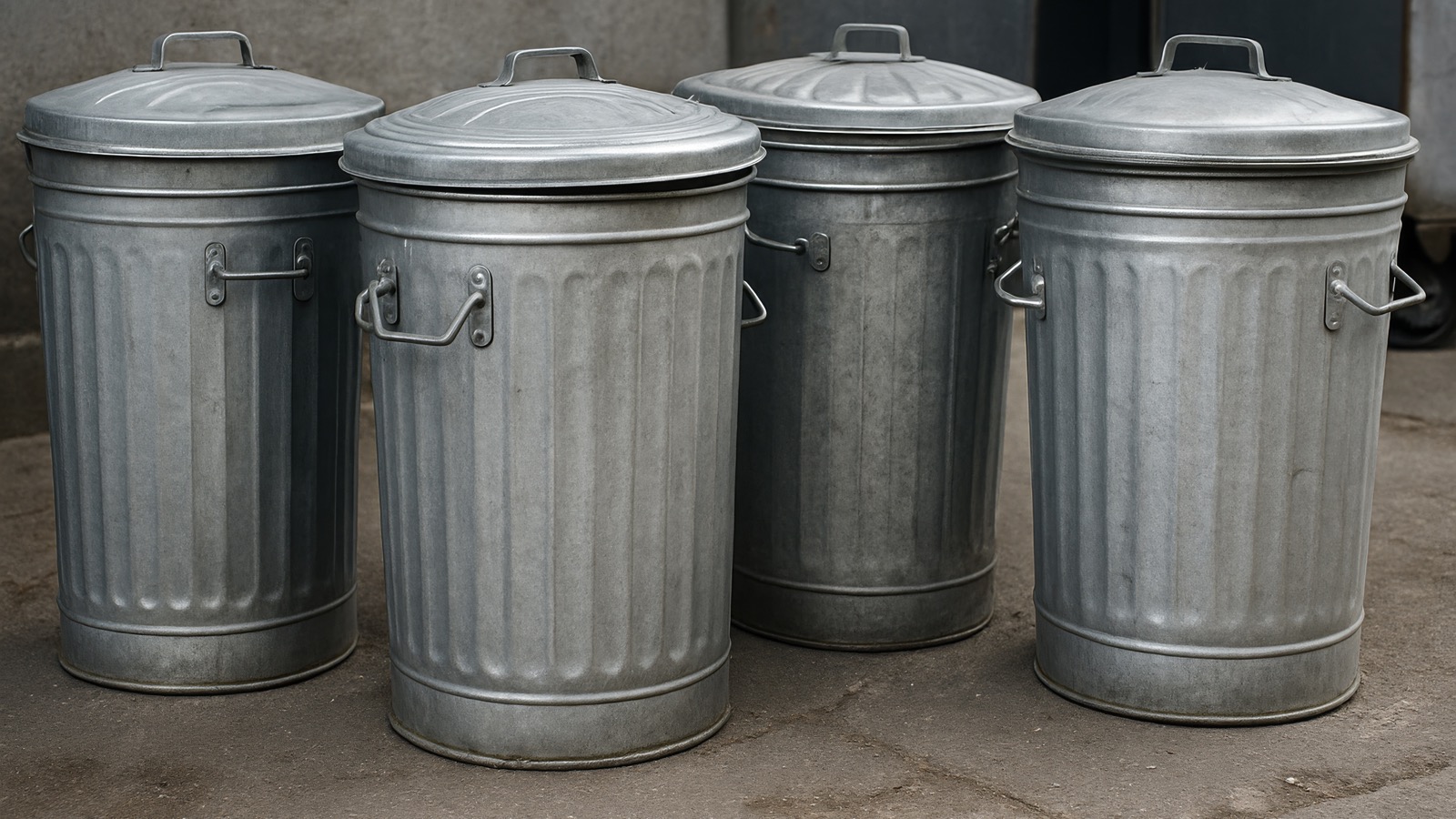
A paper seed sack left open in the shed defeats all the care you take with the feeder. Rats and mice can gnaw through bags, and damaged plastic tubs aren’t dependable long-term barriers. I keep feed management simple: use a sturdy container with a tight-fitting lid, preferably metal for bulk grain or seed, and clean up spills when refilling.
Keep the bin away from damp, inspect the lid and bottom for damage, and don’t leave a scoop buried where it stops the lid closing properly. If you also keep chickens, rabbits, or other animals, check their feed stores and spilled rations. A tidy wild-bird station won’t resolve a rat problem if there’s a permanent buffet beside the coop.
Inspect possible routes into the house at the same time. Seal appropriate entry gaps around foundations, pipes, and vents without blocking required ventilation. Removing food and shelter and closing access points around the house are complementary parts of prevention, not separate jobs.
If rats appear, stop feeding and remove the food source
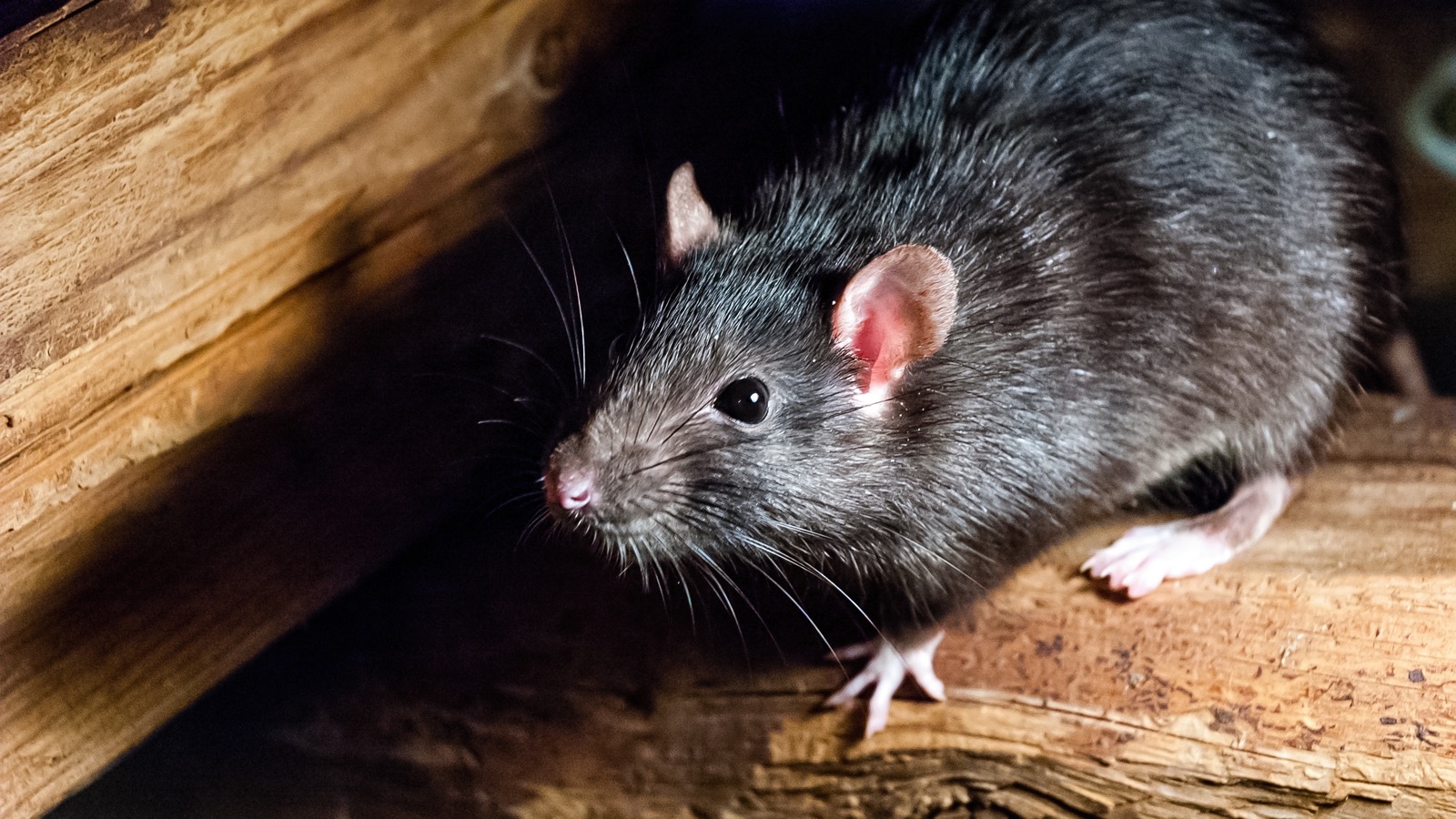
If you’ve seen a rat at the feeder or found fresh convincing signs, take the feeders down for now. Clear spilled seed, empty the catch trays, secure stored feed, and look for other food sources. This isn’t a failure to care for wild birds. It’s the responsible choice when a feeding station is supporting an unwanted rodent population.
A break of a couple of weeks from feeding is a sensible first step while you assess activity and fix the setup. Don’t treat two weeks as a promise that every rat will disappear. If there are active burrows, persistent droppings, or rodents getting indoors, you may need a longer pause and professional pest-control help.
Make sure you haven’t merely shifted the meal elsewhere. Fallen fruit, unsecured garbage, compost with accessible kitchen scraps, and livestock or pet food can keep rats in the area. I’d address these sources before spending money on an elaborate new feeder. Avoid scattering poison around a garden that also supports birds, pets, and other wildlife; seek properly targeted professional advice for an established infestation.
When the area has remained free of fresh rat signs and you’ve improved the feeding setup, restart with one feeder and a small amount of seed. Watch the ground every evening for the first couple of weeks. If rats return, stop again and investigate rather than trying a rotating succession of gimmicky deterrents.
Keep helping birds even while the feeder is down

Winter birds use more than a seed station. Native seed-bearing plants, berry-producing shrubs suited to your region, standing seedheads, and shelter in well-chosen garden plantings all offer resources without concentrating spilled commercial seed at one spot. As a permaculturist, that’s the sort of long-term support I like: a garden that provides food and habitat as part of its normal life.
You can leave seedheads standing where they won’t create an access route to the house, plant for different seasons, and keep a birdbath clean if conditions and local disease guidance permit. Those options need maintenance too, and none makes a rat-proof garden, but they reduce reliance on an overflowing feeding station.
Feeders also bring birds together, which can spread disease. Clean seed feeders regularly, more often when heavily used or wet, remove stale food, rinse thoroughly, and let them dry before refilling. Clean the ground beneath the station as well as the feeder itself, and follow any local wildlife-health advice to suspend feeding when disease is reported.
My test is simple: by dusk there should be no accessible pile of seed under the feeder, no open bag of bird food nearby, and no fresh signs of rats. If keeping up with that is unrealistic for your yard or your schedule, pause the seed feeding and let the planting do more of the work. The birds are supposed to benefit from your generosity, not the rats.
You might also like…
How to Keep Birdseed Dry Through a Week of Rain
How To Stop Squirrels Raiding Your Bird Feeder (It’s Not A Baffle)

