Affiliate disclosure: This post may contain affiliate links. Please see full disclosure.
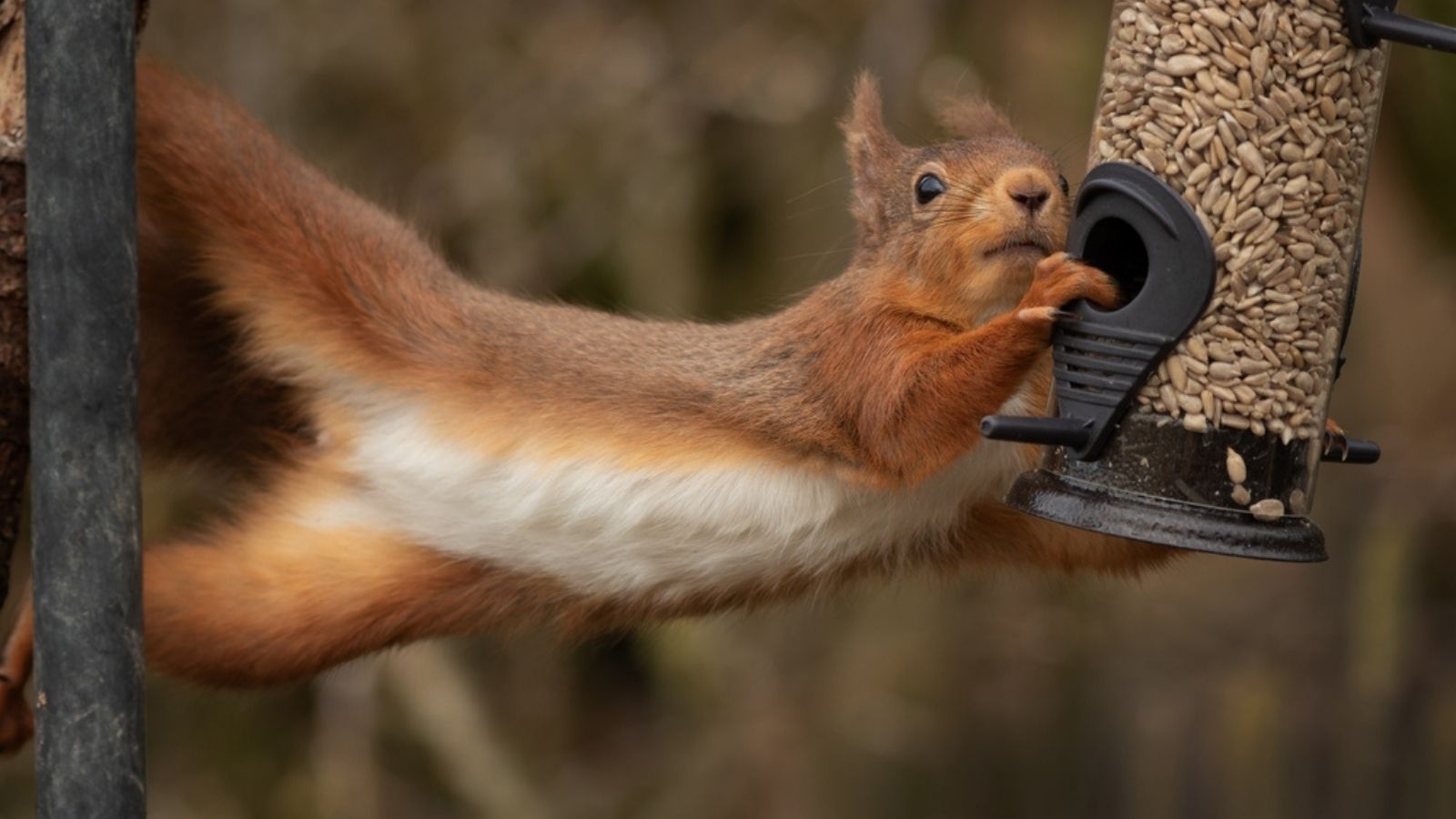
I’ve watched squirrels defeat enough supposedly squirrel-proof setups that I have a healthy respect for their determination. Move the feeder and they jump farther. Add a complicated obstacle course and one particularly committed squirrel spends three days studying it before apparently earning an engineering degree and helping itself to the sunflower seeds anyway.
Baffles and squirrel-resistant feeders certainly have their place, but there’s another option that’s considerably simpler. Change what’s on the menu.
Safflower seed is eaten by plenty of the birds we actually want to see at a feeder, but squirrels generally find it less appealing than sunflower seed. As a master gardener and permaculture practitioner, I like this kind of solution because you’re not continually fighting the animal. You’re simply making that particular food source less rewarding.
Swap sunflower seed for safflower
Sunflower seed is excellent bird food. Unfortunately, squirrels appear to have received that memo too. If you’ve filled a feeder with sunflower hearts or seeds, you’re providing a very desirable, calorie-rich food that squirrels are perfectly happy to work for.
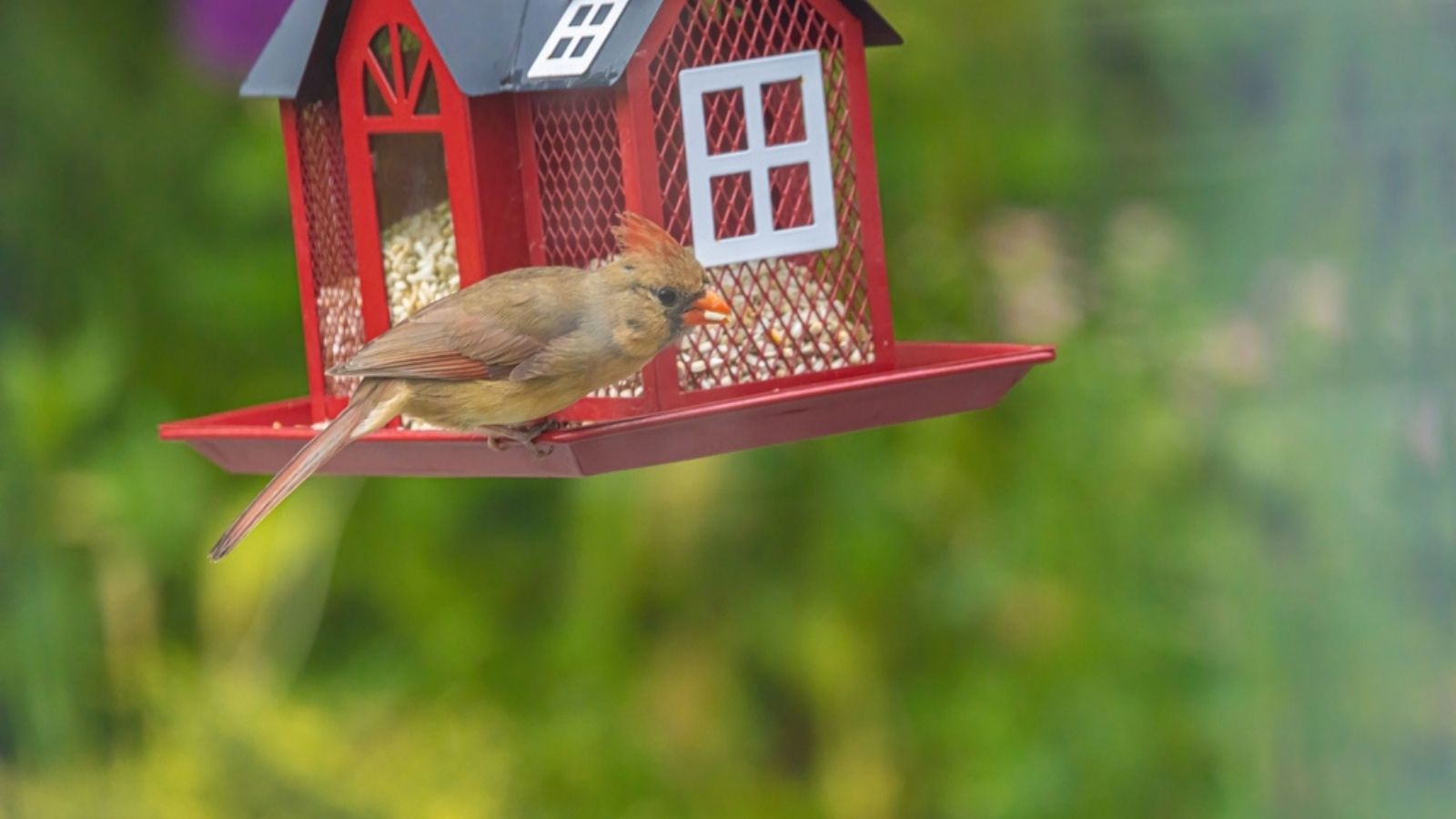
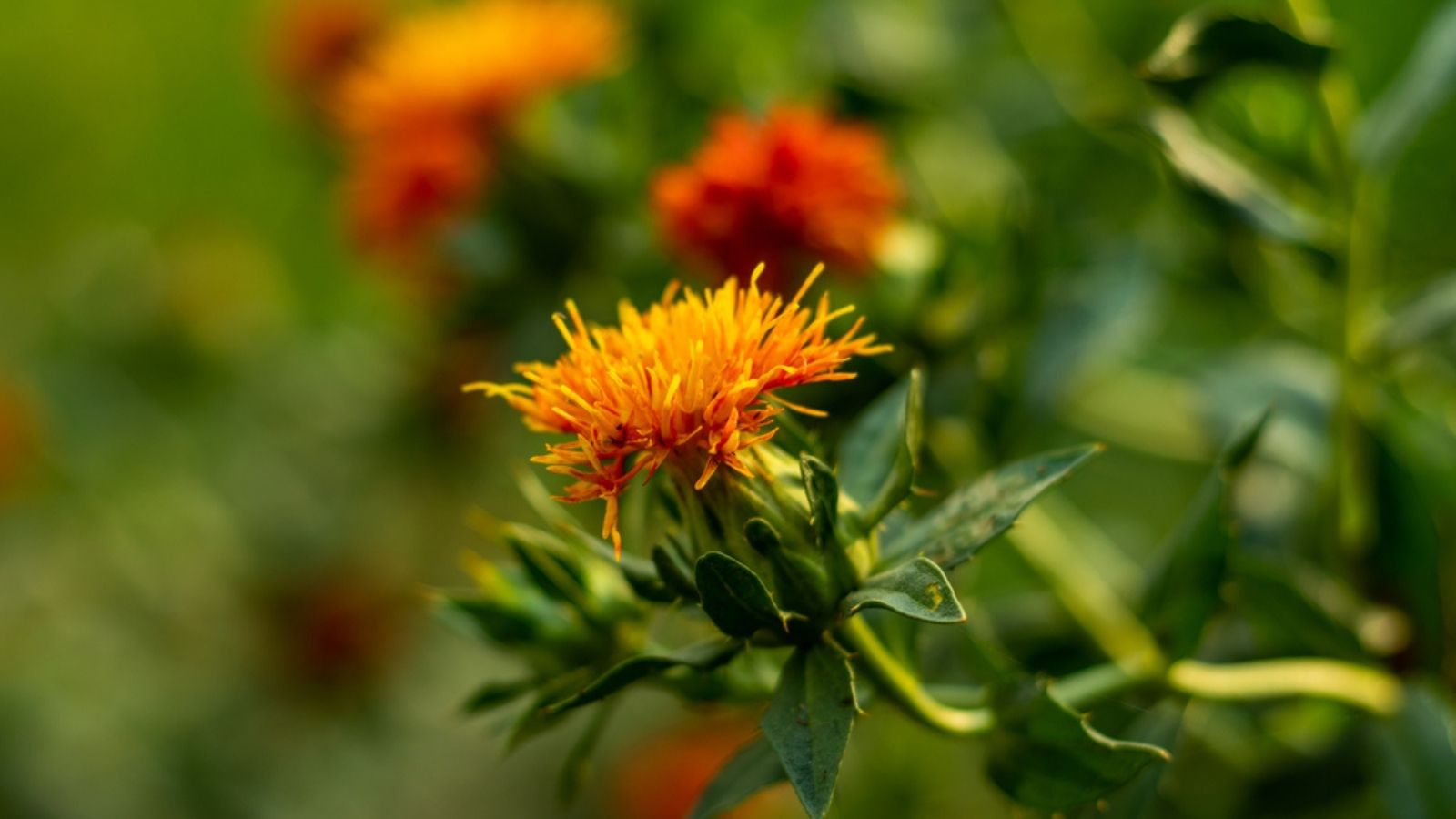
Safflower (Carthamus tinctorius) gives you a way to change that equation. Its pale seeds have a tough outer shell, and squirrels generally don’t find them as tempting as sunflower seeds. They’re still readily eaten by cardinals, grosbeaks, sparrows, and doves, while chickadees will also take them. Cardinals are particularly fond of safflower, so changing seed doesn’t mean resigning yourself to an empty feeder. House Digest has also covered the range of birds you can attract with safflower seed.
I’d use straight safflower rather than tossing a little into a standard seed mix. If the feeder still contains sunflower seeds, peanuts, cracked corn, or other foods the squirrels really want, they’ll happily rummage through the safflower to get to them. At that point you’ve merely given them a slightly more complicated buffet.
The same applies underneath the feeder. Clean up spilled sunflower seed while you’re making the switch or you’ll still have squirrels hanging around beneath it.
Give the birds a little time to adjust
Don’t panic if your feeder suddenly goes quieter when you first change the seed. Safflower isn’t universally loved by every feeder bird, and birds that are accustomed to finding sunflower seeds in that particular spot may take some time to investigate the new offering.
Its hard shell also suits some birds better than others. Cardinals and grosbeaks have hefty bills designed for cracking seeds, so they tend to cope with safflower extremely well. Smaller or softer-billed species may show less interest. That’s one reason I wouldn’t describe safflower as a replacement for every type of bird food in the garden.
I prefer having different feeding stations for different birds anyway. A safflower-filled hopper or tray feeder can cater to cardinals, chickadees, grosbeaks, doves, and sparrows, while a separate nyjer feeder serves finches. If you’re trying to attract insect-eating birds, suet is another option entirely. Diversity works better than expecting one bag of seed to satisfy everything with wings.
Keep the safflower dry and don’t endlessly top fresh seed over old material, either. Bird feeders need regular cleaning, particularly when seeds become damp or contaminated with droppings. I only put out an amount that’ll be eaten within a reasonable period, rather than filling a huge feeder and leaving the bottom layer quietly turning into something unpleasant.
RELATED POST: 15 fun facts about squirrels that make them weirdly lovable
Safflower deters squirrels, but squirrels don’t read gardening articles
There is an important catch. Safflower is a deterrent, not an invisible force field.
Some squirrels will eat it. In fact, bird-feeding guidance specifically notes that although squirrels generally dislike safflower, some populations seem to develop a taste for it. Individual squirrels are also different. One may turn up its nose and leave, while another apparently decides that free food is free food.
So if you have a particularly stubborn squirrel, I’d combine safflower with sensible feeder placement rather than expecting the seed to perform miracles. Keep the feeder away from fences, trunks, roofs, and branches that provide convenient launching points. Squirrels can be extraordinarily difficult to exclude completely, even with purpose-built feeders and baffles.
What I wouldn’t do is cover poles in grease or petroleum jelly in an attempt to make them slippery. Those products can get onto fur and feathers and interfere with their insulating properties, so greasing feeder poles isn’t a good squirrel-control method.
For many feeders, though, you don’t need to start constructing defenses worthy of a medieval castle. Empty out the squirrel-favorite mix, clean up the spill underneath, and try straight safflower seed instead. You may still see the occasional squirrel come over to investigate, but there’s a decent chance it’ll decide your bird feeder has become considerably less interesting and go bother somebody else’s.