
Affiliate disclosure: This post may contain affiliate links. Please see full disclosure.
You know that moment when you’re minding your own business… and a squirrel launches itself across two branches like it’s auditioning for Mission: Impossible?
Yeah. Same.
Squirrels are basically fluffy chaos with excellent engineering. And the more you learn about them, the harder it is not to root for them (even when they’re being little gremlins). Here are 15 fun facts that make squirrels weirdly lovable in a very “how are you real” kind of way.
1) “Squirrel” basically means “shadow tail,” which is honestly perfect

The name Sciurus comes from Greek roots that translate to “shadow-tail.” ()
Once you know that, you can’t unsee it: that tail is like a portable shade, a balance pole, and a drama flag all at once. Also? “Shadow tail” sounds like a Batman side character who steals birdseed.
2) Their front teeth never stop growing… and the orange color is not a fashion choice
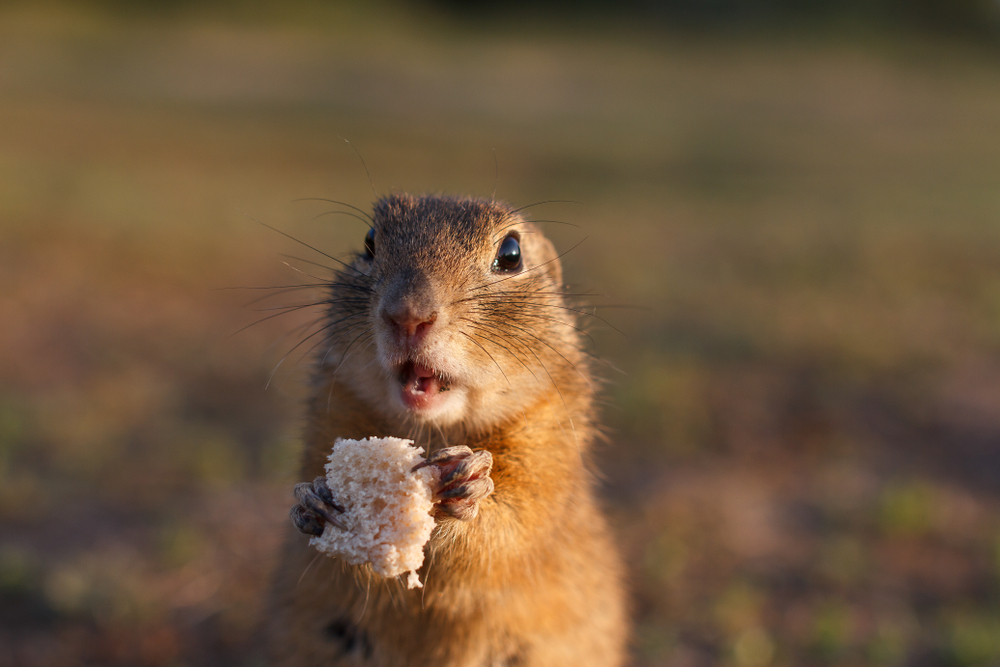
Squirrels are rodents, which means they’ve got those famous front incisors that keep growing and have to be worn down by gnawing.
And that orange tint? It’s linked to iron in the enamel, which helps make the outer layer harder.
So when you see a squirrel chewing like it’s trying to open a tiny safe, it’s not just being chaotic, it’s doing tooth maintenance.
3) They can rotate their back ankles so they can run down trees head-first
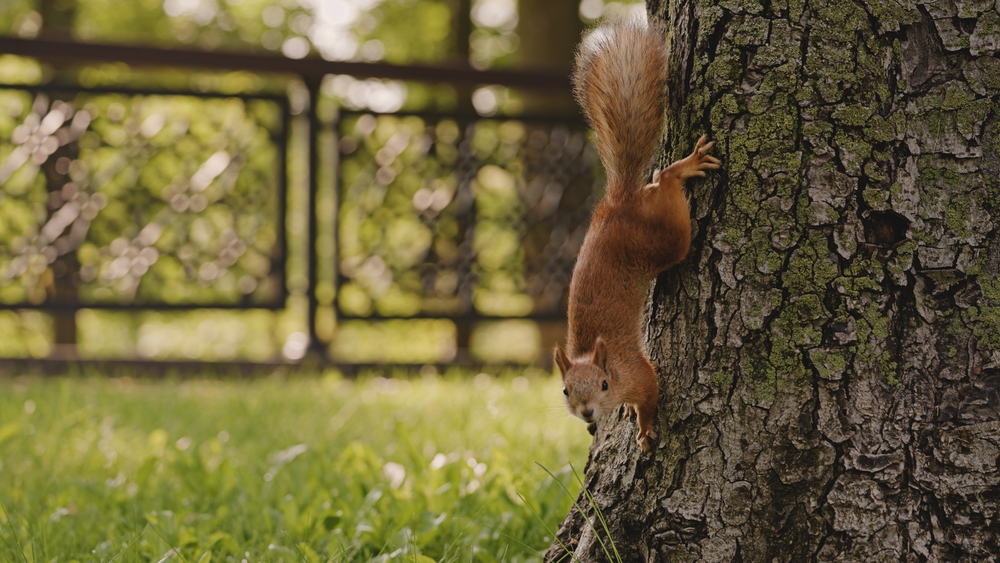
This is one of my favorite “wait, WHAT?” facts. Many tree squirrels can rotate their hind feet so their claws still grip the bark while they go down head-first.
That’s why they look so confident doing upside-down tree sprints while I trip over a flat sidewalk. It’s not magic. It’s very specific ankle hardware.
4) Squirrels do real-time math before a jump (and sometimes invent parkour)
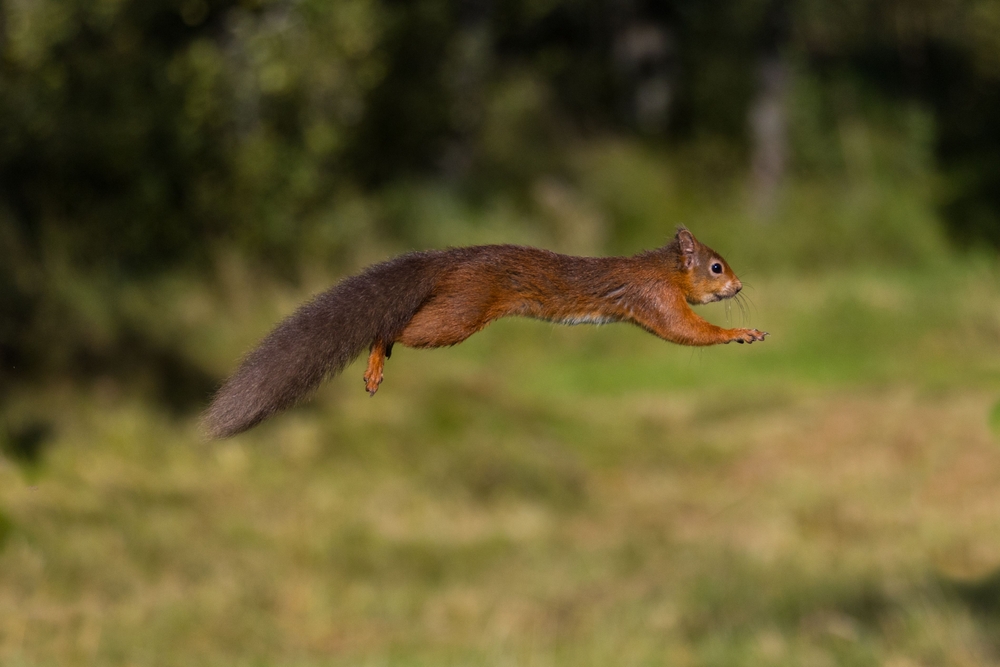
Researchers studying fox squirrels found they make split-second decisions that factor in things like distance and how bendy a branch is.
When the setup is extra tricky, they’ve even been observed bouncing off a vertical surface to adjust their speed, basically, parkour.
So yes, your local squirrel may be doing physics problems midair while you’re just trying to remember your email password.
5) They’re not “randomly burying nuts”, they use serious memory skills
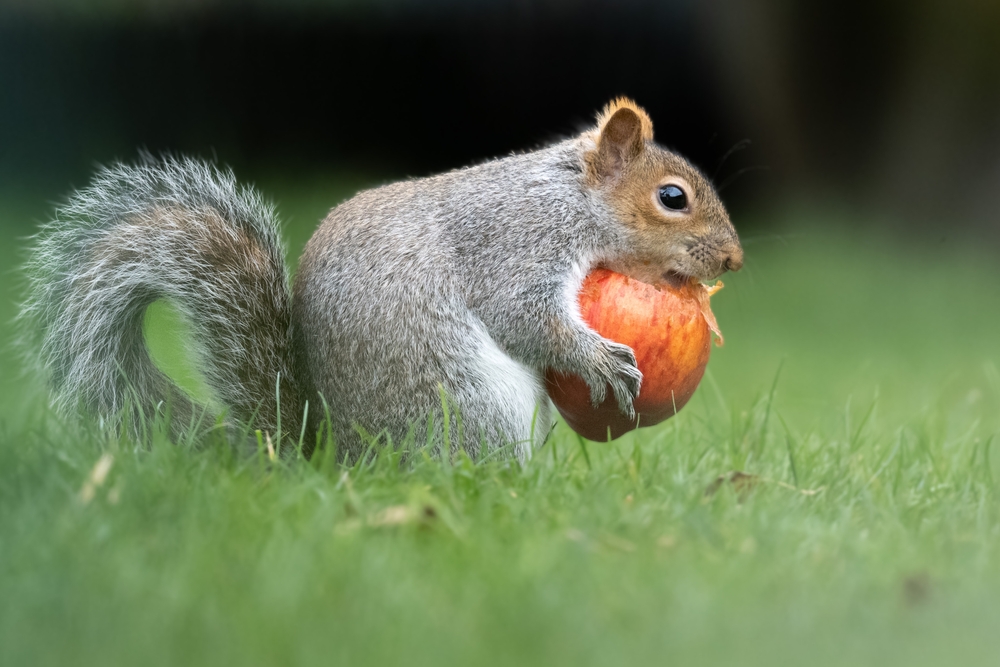
Scatter-hoarding squirrels stash food in lots of little hidey-holes, and research suggests they remember way more of those locations than you’d expect.
They use spatial memory, such as landmarks and layout, not just “sniff around and hope.”
Basically, squirrels are running a distributed pantry system, and it’s… kind of impressive.
6) And when someone’s watching, they’ll “fake bury” food to mess with thieves
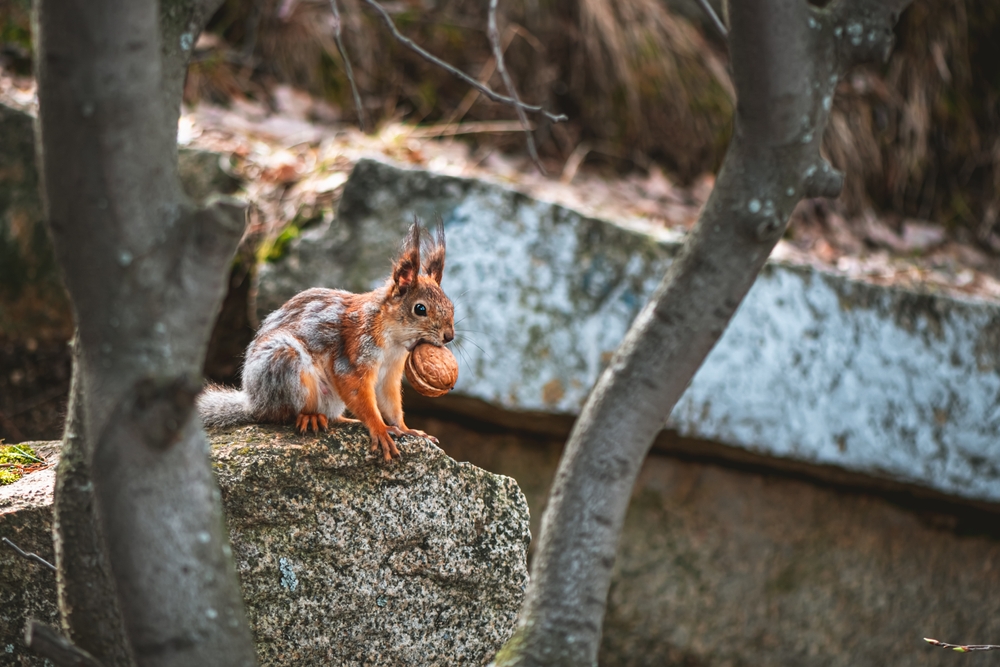
Yes. Deception. From a fluffball.
Eastern gray squirrels have been observed doing “deceptive caching,” where they pretend to bury food if they think another squirrel is spying.
It’s like watching someone put their phone in an empty pocket so a pickpocket gives up. Petty? Maybe. Smart? Absolutely.
7) Some squirrels do “acorn surgery” to stop the nut from sprouting
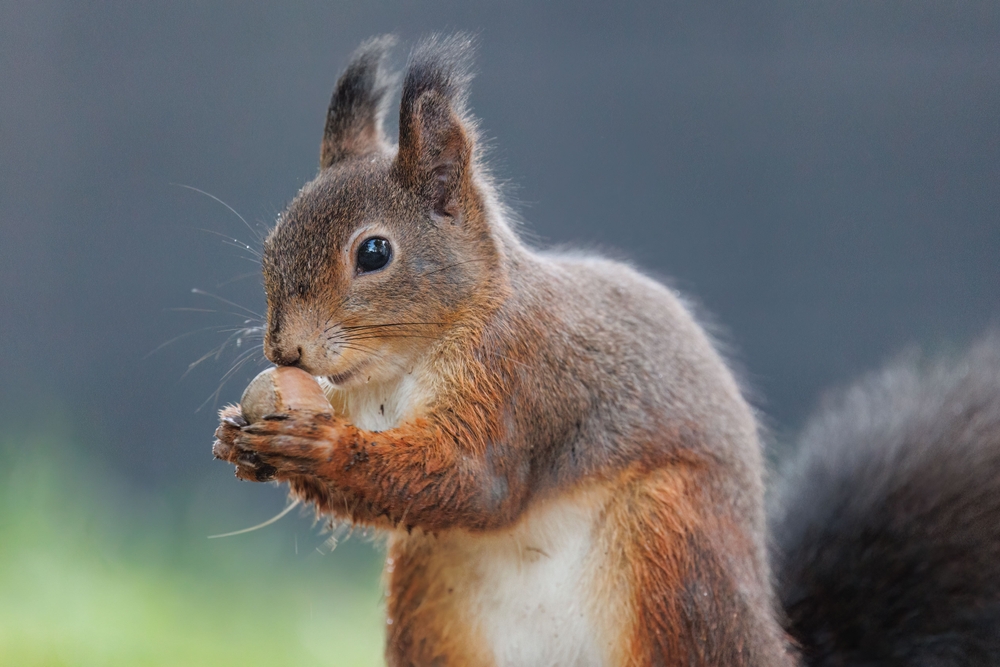
Here’s the nerdy plot twist: certain squirrels will remove the embryo from some acorns before storing them, which prevents germination and keeps the food stash from turning into a plant.
This isn’t random chewing, it’s targeted, purposeful behavior tied to how different oak species sprout.
Imagine stocking your pantry and also needing to perform tiny produce “anti-sprout surgery.” Squirrel life is intense.
8) The whole “squirrels forget half their nuts and plant forests” thing is… complicated
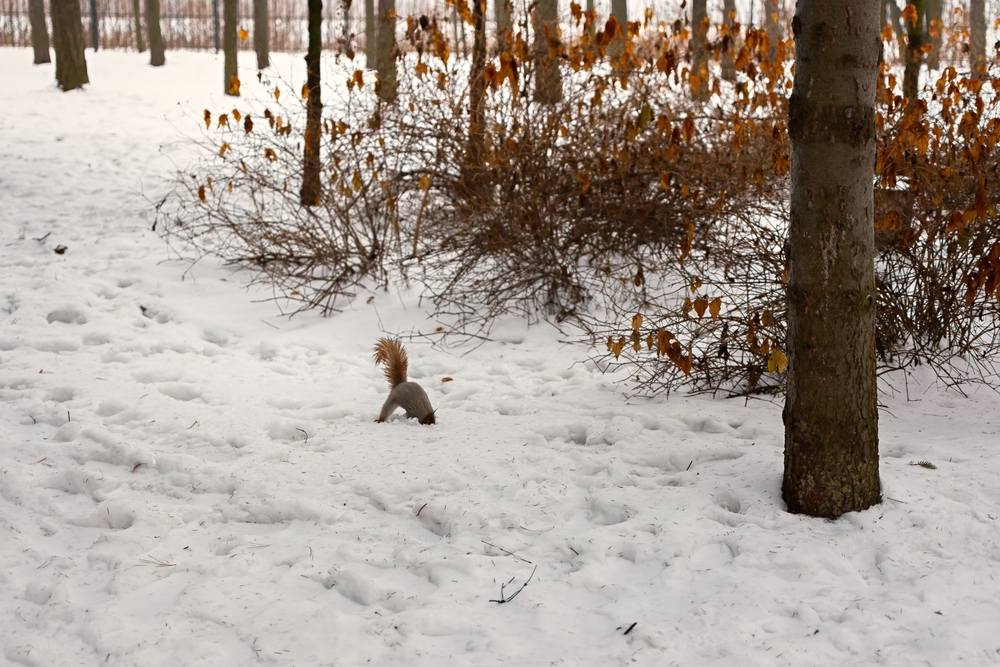
Do squirrels forget some buried food? Yep. And those forgotten nuts can sprout, which can help spread trees.
But the specific “they forget half” statistic gets repeated like it’s a law of nature, and it’s not that clean.
The truth is more interesting: squirrels are both seed predators and accidental seed dispersers, depending on what happens to the cache.
9) Flying squirrels don’t fly, they glide on a built-in “parachute”
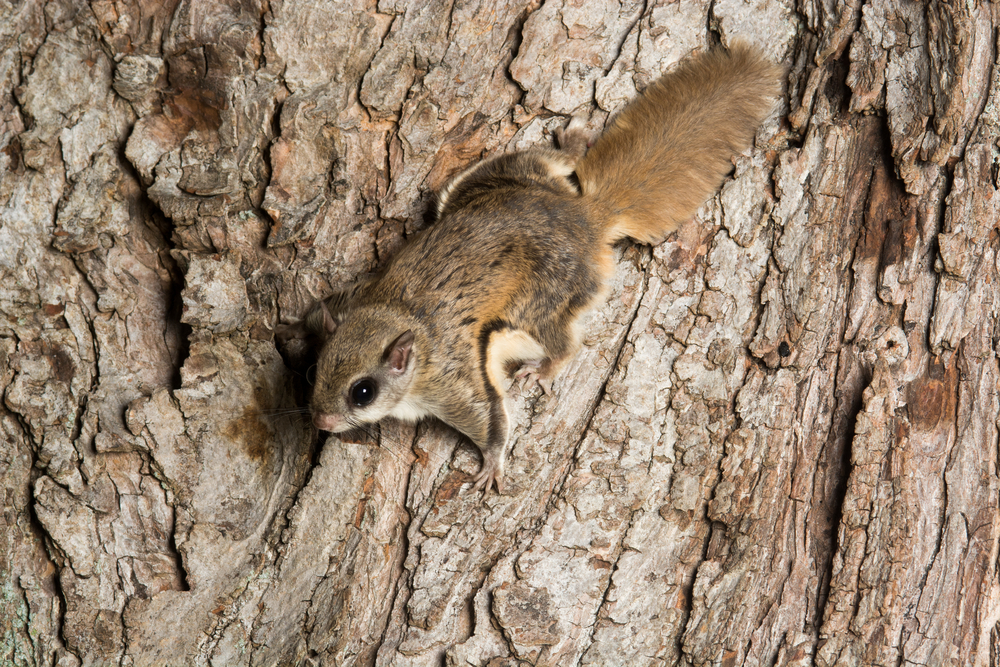
Flying squirrels have a membrane of skin (patagium) that stretches between their limbs, letting them glide from tree to tree.
They steer by adjusting their limbs and body position, and their tail helps with control like a rudder.
It’s less “flap flap” and more “tiny furry hang-glider.”
10) And yes, some flying squirrels literally glow pink under UV light
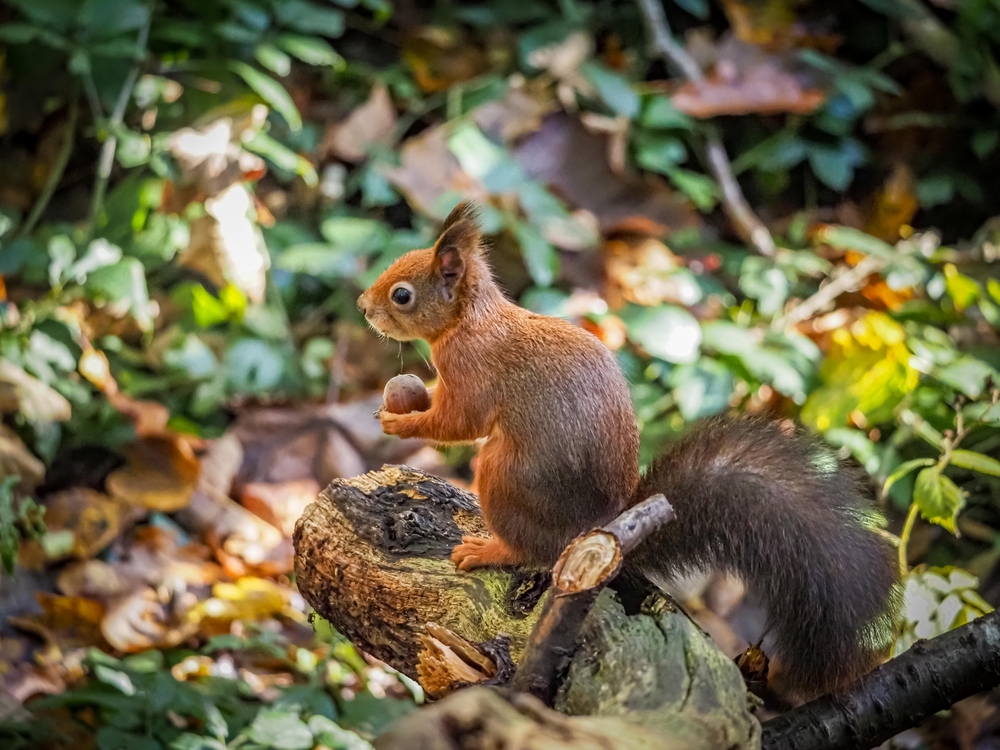
This is not a meme. It’s real science.
Research published in the Journal of Mammalogy reported ultraviolet fluorescence in New World flying squirrels, meaning under UV light, their fur can glow pink.
Even scientists aren’t totally sure why it happens, which makes it feel even more like squirrels are just out here collecting weird side-quests.
11) Some squirrels eat fungi and spread spores (a.k.a. “poop mycology”)
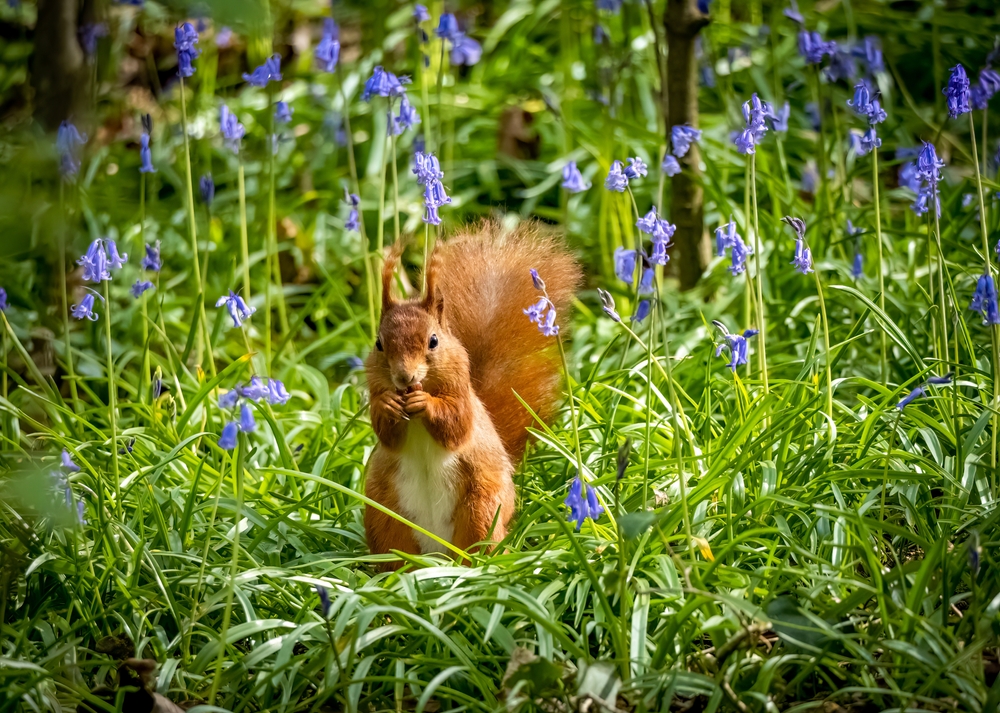
Northern flying squirrels and other small mammals eat truffles and other fungi, then disperse fungal spores in their feces.
Those fungi can be important partners for tree roots (mycorrhizae), so squirrels can play a role in moving those spores around the forest.
It’s gross. It’s amazing. Nature loves a weird delivery system.
12) Squirrels have different alarm calls depending on the danger
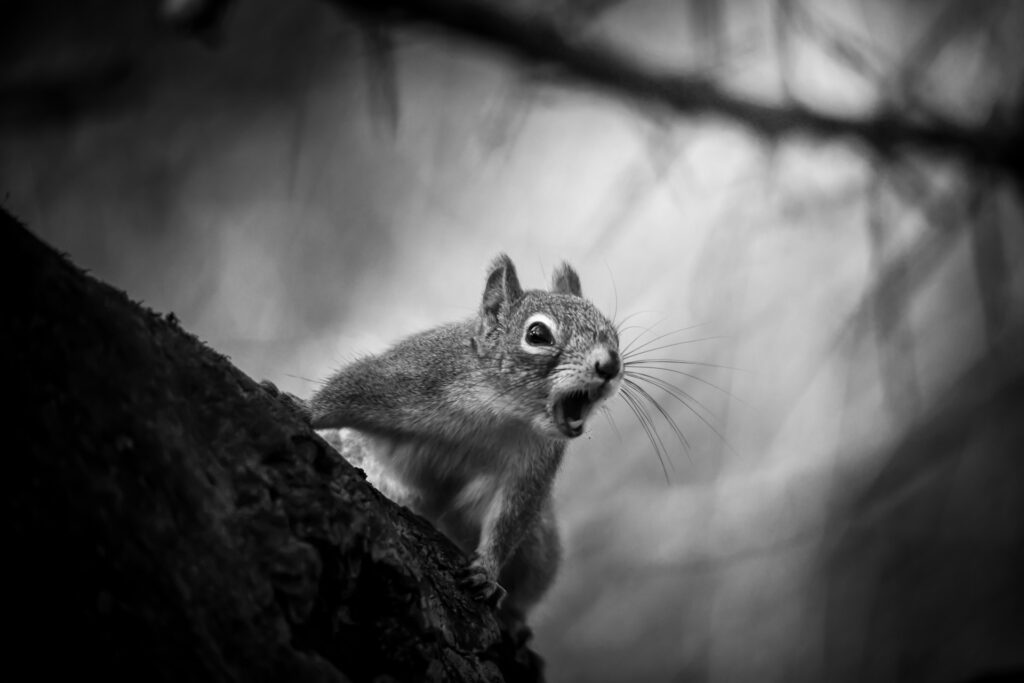
In ground squirrels, researchers have documented alarm calls that differ for aerial versus terrestrial predators.
And young squirrels can respond differently depending on which call they hear, meaning those sounds actually carry information, not just “AAAAAH.”
So when you hear frantic squirrel yelling, you might be listening to a very specific neighborhood alert system.
13) Tail-flicking can be a warning… and sometimes a flex
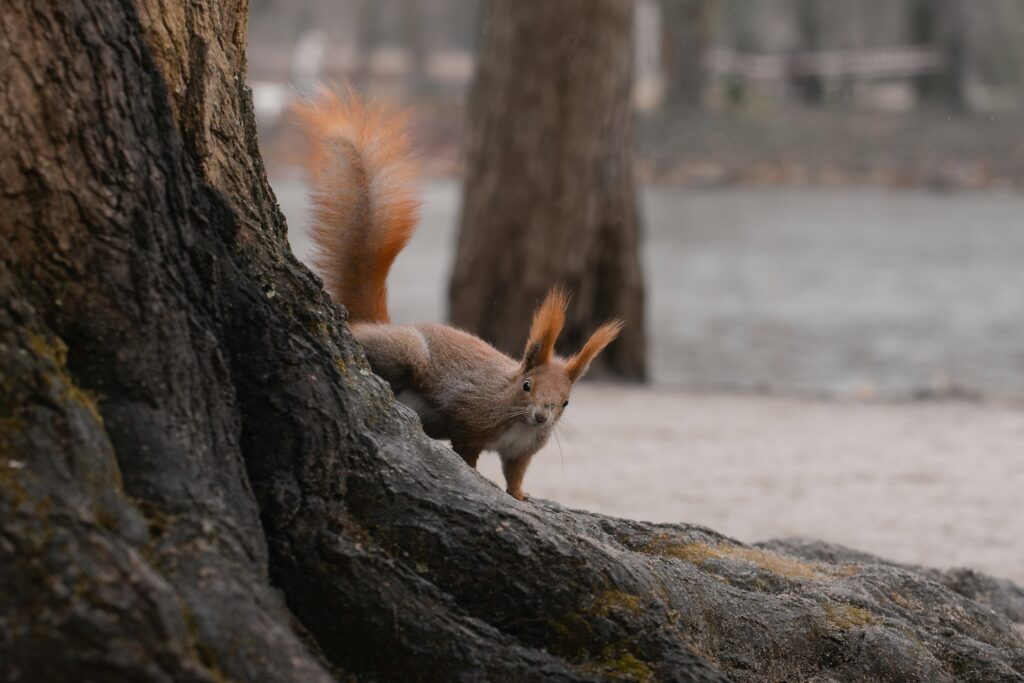
Squirrels use their tails to communicate, like flicking or flagging as a signal.
Some ground squirrels even use tail-flagging behaviors during encounters with rattlesnakes, which researchers have studied as part of their anti-predator signaling.
Translation: that cute tail wag might be saying, “I see you. Don’t try it.”
14) “Splooting” is real, and it’s peak summer energy
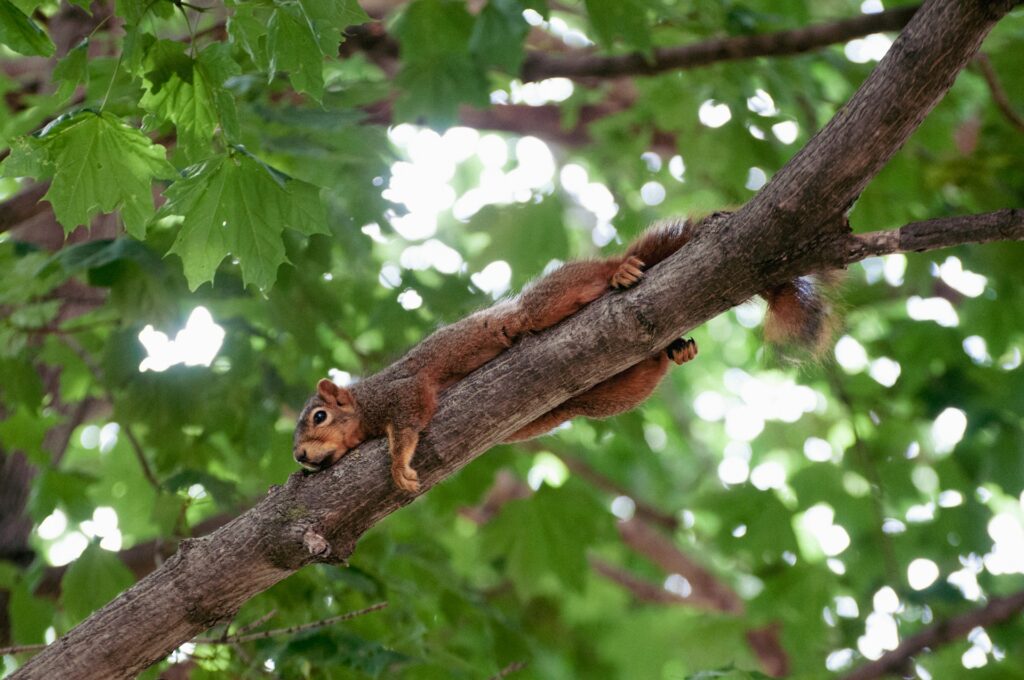
If you’ve seen a squirrel sprawled out flat like a little furry pancake, that’s often called “splooting” (or heat-dumping behavior).
They do it to cool down, max surface area, cool ground, zero dignity. Relatable.
It’s one of those animal behaviors that looks hilarious until you realize it can be a sign it’s genuinely hot out.
15) Some squirrels hibernate so hard they drop below freezing
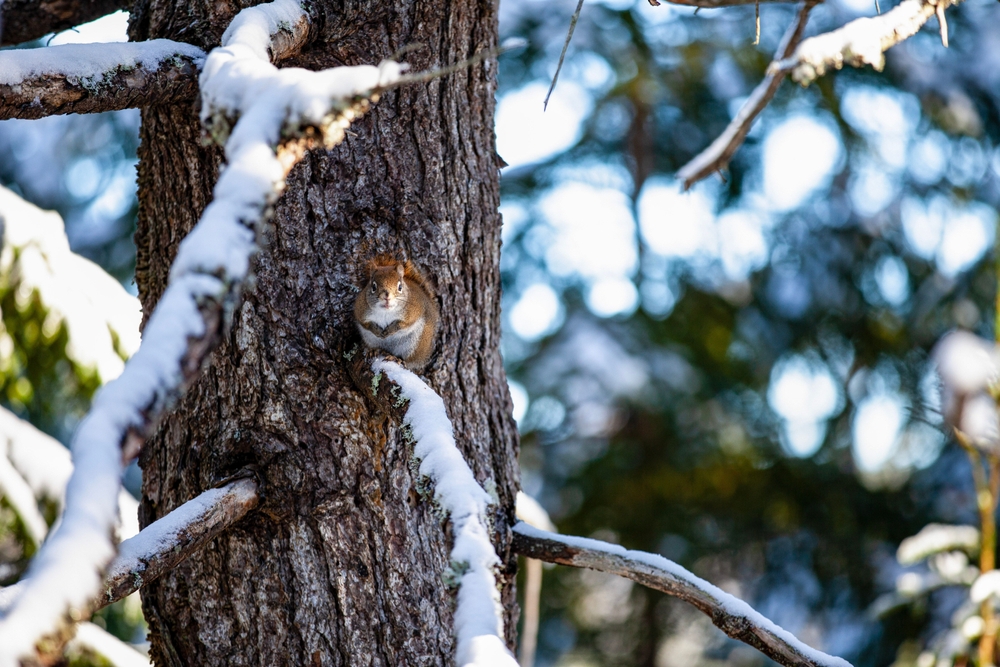
Not all squirrels hibernate (many tree squirrels stay active), but Arctic ground squirrels are on another level.
They can supercool and reach subfreezing body temperatures during hibernation, and research has documented heart rates dropping to about one beat per minute.
Wrapping it up
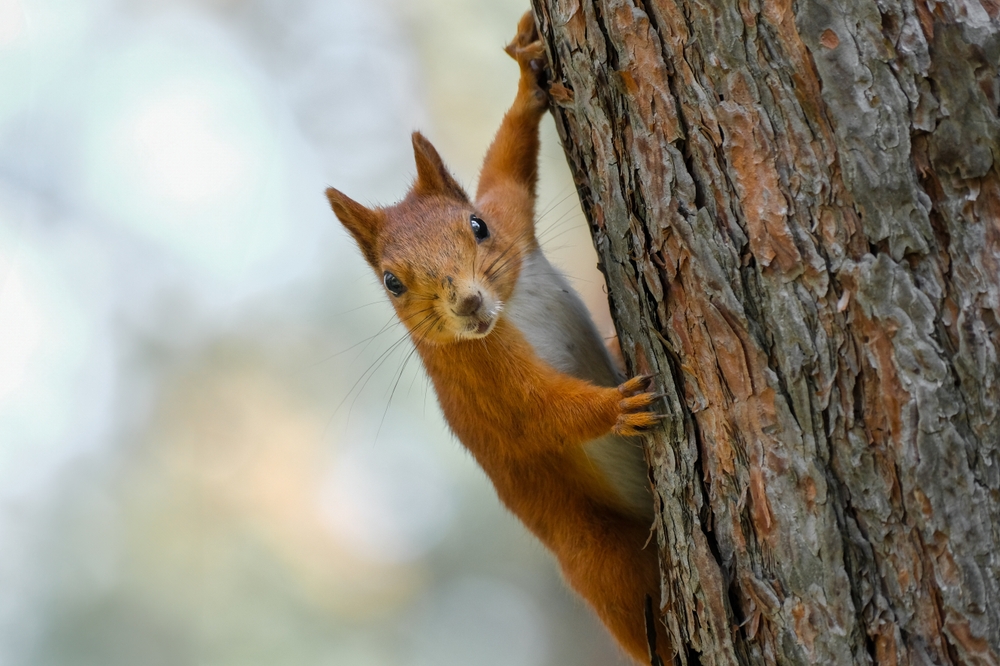
That is… a biological mic drop. If squirrels ever start giving TED Talks, I’m buying a ticket.
If you want to make this extra fun, next time you spot a squirrel, try “narrating” what it’s doing like a nature documentary host who’s had too much coffee. It improves the experience by at least 30%.
One quick human note, because I care about your fingers: wild squirrels are wild. Enjoy them from a respectful distance, and don’t try to hand-feed or handle them.