

Affiliate disclosure: This post may contain affiliate links. Please see full disclosure.
A row of homemade coffee syrups can turn the morning coffee into something worth getting out of bed for, especially when the days are short and the kitchen is cold. I’d start with vanilla, gingerbread, or toasted hazelnut for lattes and hot chocolate, then add one of the fruit or herb syrups for tea and festive fizzy drinks. Some of these take only a few minutes at the stove; others, like boiled cider and proper caramel, ask for a bit more attention. The recipes stay with their original creators, so you can pick a flavor and make it properly.
Keep homemade syrups refrigerated in clean, covered containers and label them with the preparation date. Storage varies with the ingredients and recipe. Butter, candy, fruit, and diluted honey mixtures do not become shelf-stable simply because they contain sugar. For perishables, chill promptly at 40°F (4°C) or below and within two hours of preparation. Use small portions for serving and keep the rest chilled.
Vanilla, cookies, chocolate and candy
Nutty syrups and toasted flavors
Caramel, toffee and dark sweeteners
Vanilla, cookies, chocolate and candy
Start with the comforting stuff: vanilla that tastes of real beans, a sugar-cookie syrup made with baking extracts, and a marshmallow batch that actually starts with toasted marshmallows. They’re particularly good choices for coffee, cocoa, or a mug of warm milk.
1. Vanilla bean syrup
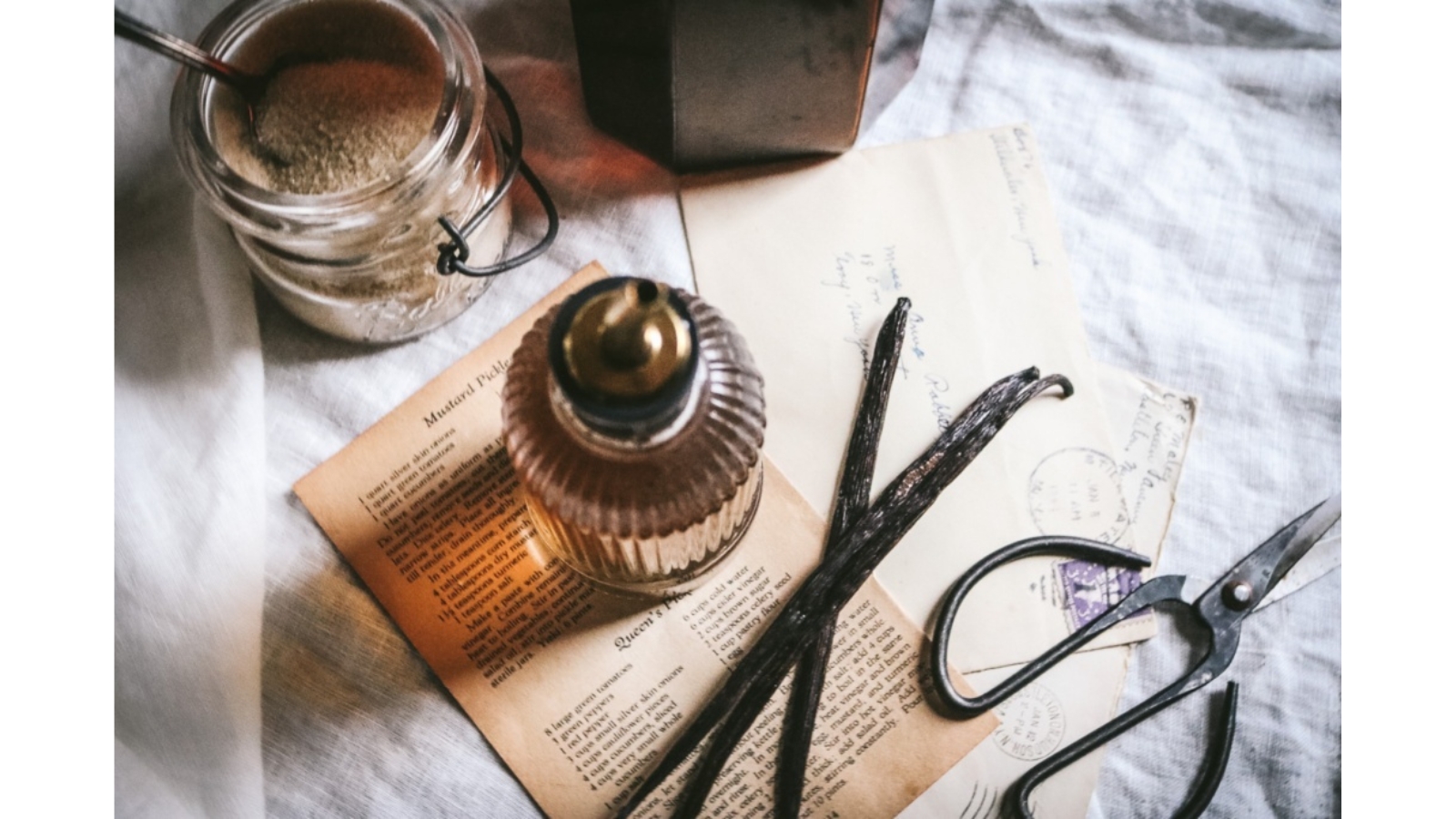
A proper vanilla syrup is the bottle I would keep closest to the coffee maker. This one uses both the scraped seeds and the pod, giving it a fuller vanilla flavor than a quick splash of extract. Rachael also includes paste and extract alternatives, so you can still make a batch without buying a whole vanilla bean.
2. Sugar cookie syrup
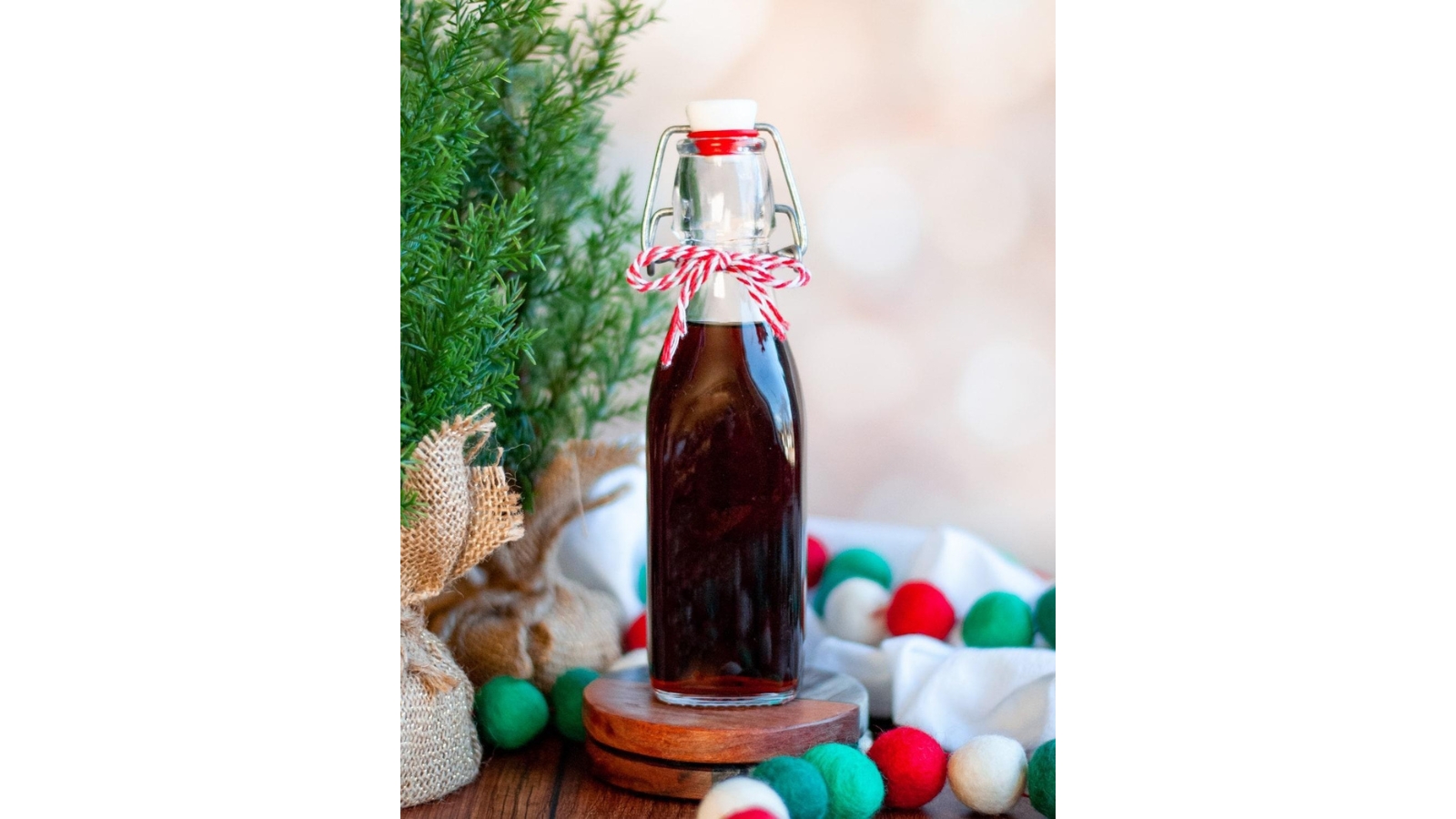
Brown sugar gives this syrup some depth, but the combination of vanilla, almond, and butter extracts is what makes it taste like a sugar cookie rather than ordinary sweetened coffee. Try it in a latte with a little frothed milk. Check your butter-extract label if you need the syrup to be dairy-free.
3. Toasted marshmallow syrup
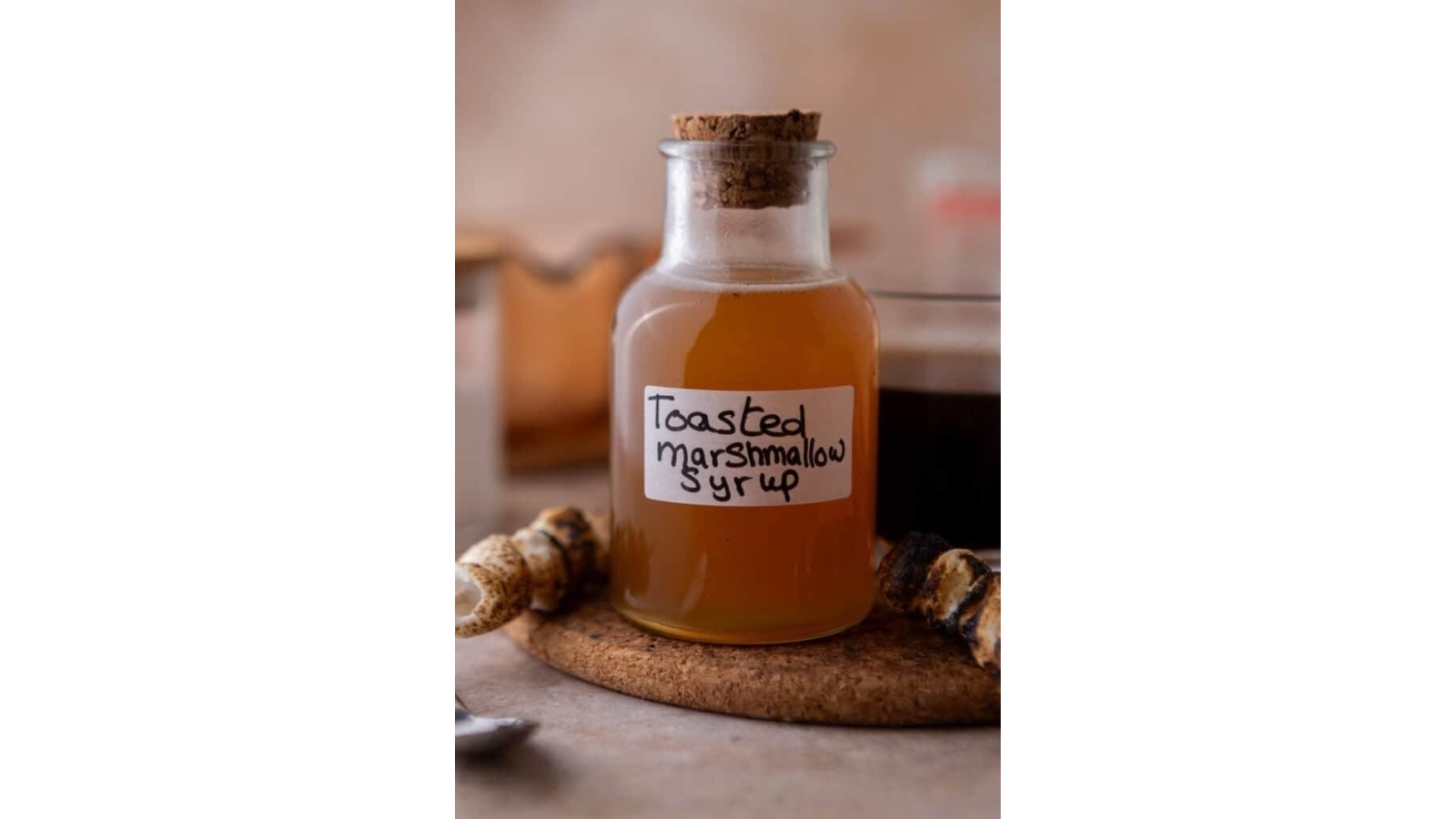
Toasting the marshmallows first gives this syrup its browned, slightly caramelized edge. It is particularly tempting in hot chocolate, where that flavor would otherwise require holding a marshmallow over a flame. The finished syrup can turn rather jelly-like in the refrigerator, so warm a small portion gently when you want to use it.
4. Cookie butter syrup
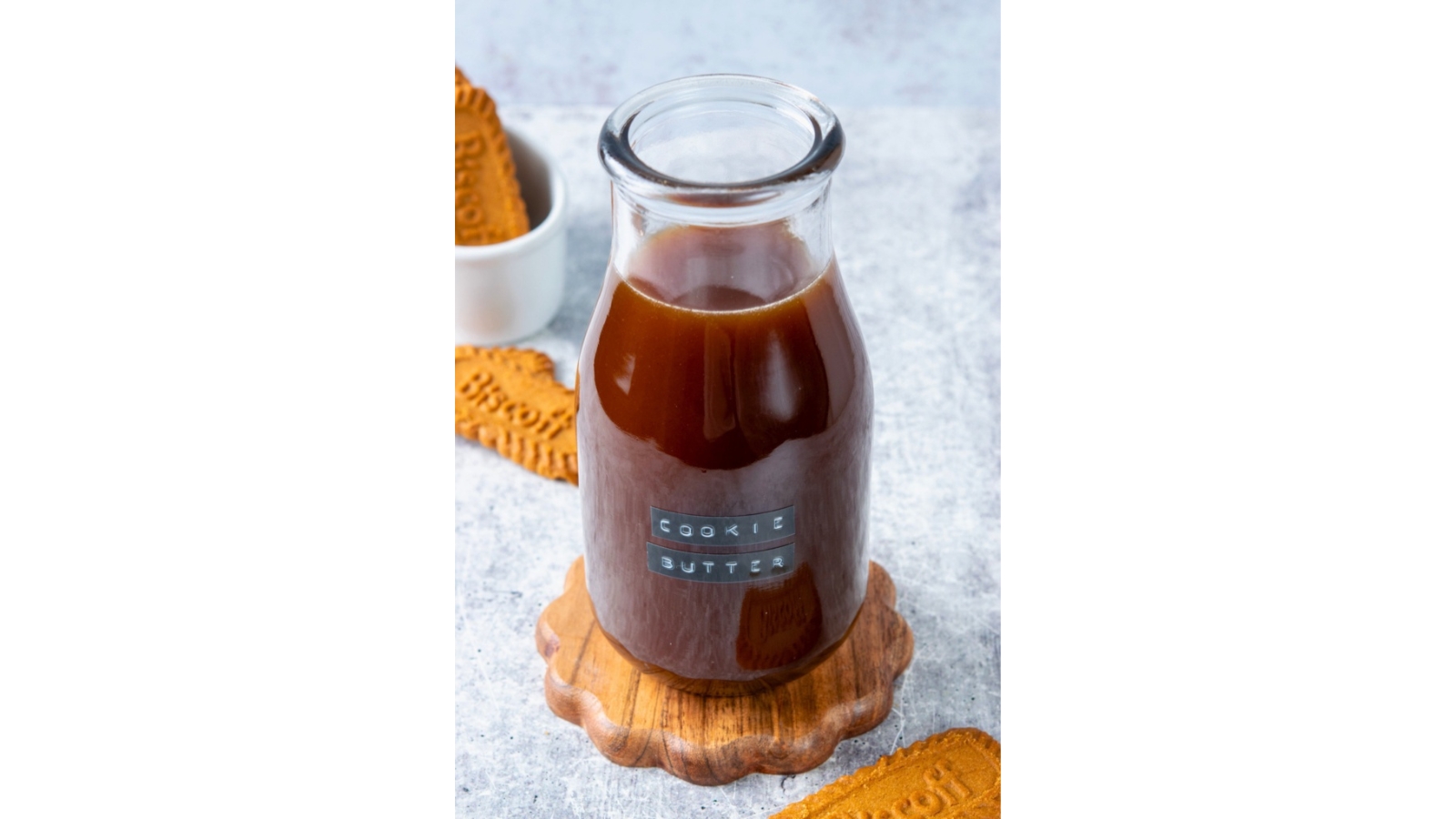
Cookie butter does a lot of the flavor work here: the spiced biscuit spread gets whisked into brown sugar syrup for a drinkable version of that familiar cookie flavor. I like the idea of this in strong coffee, where the spices have something to stand up to. Use smooth cookie butter and check the label for wheat if that matters in your kitchen.
5. Candy cane peppermint syrup
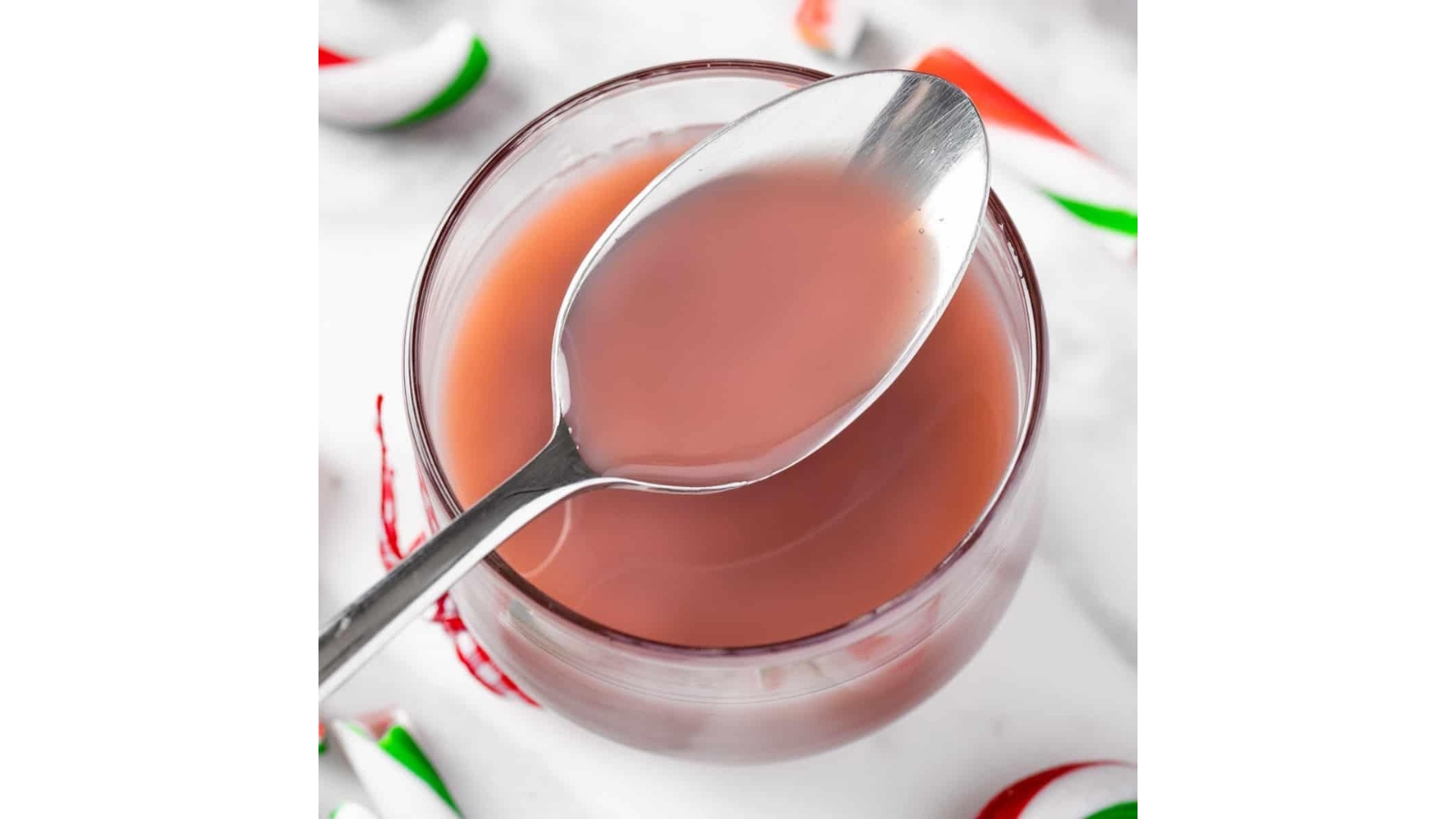
This is a good use for the candy canes left hanging on the tree once Christmas is over. Crushed candy canes dissolve into a small batch of syrup, bringing both the peppermint flavor and a little color. Add it to hot cocoa, or use a splash alongside the chocolate syrup above for a homemade peppermint mocha.
6. Chocolate simple syrup
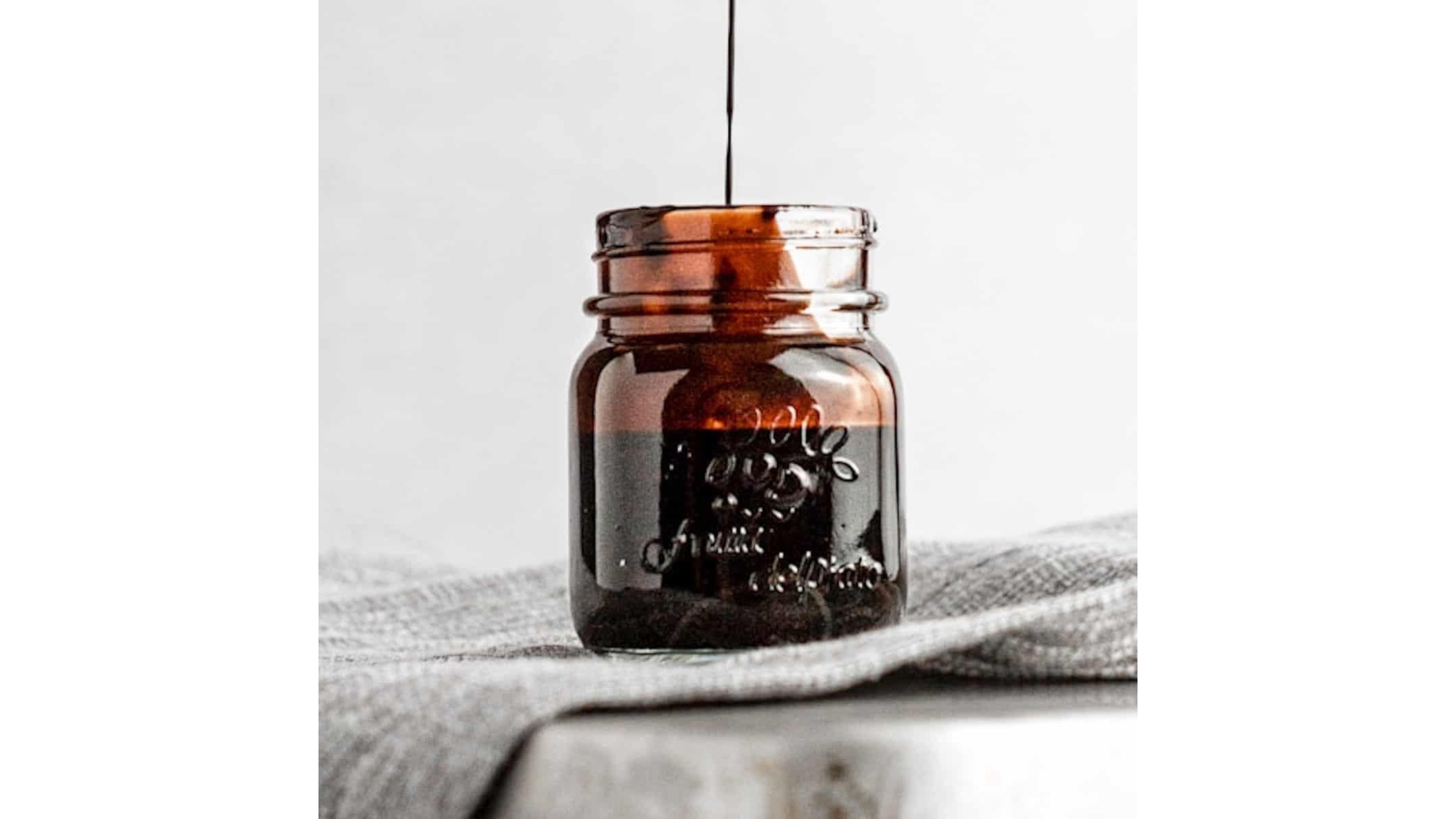
A mocha doesn’t require a bottle of thick chocolate sauce. Cocoa powder, sugar, and water make a pourable syrup that is easy to stir into hot coffee or milk, without cream or melted chocolate to complicate things. It is also useful when someone wants chocolate milk and you’ve run out of the store-bought stuff.
Warm spices for winter drinks
Gingerbread is all about molasses, chai brings black tea into the mixture, and cardamom gets to shine without a dozen other spices competing with it. Pick the one that works with your drink rather than opening every spice jar in the cupboard.
7. Gingerbread syrup
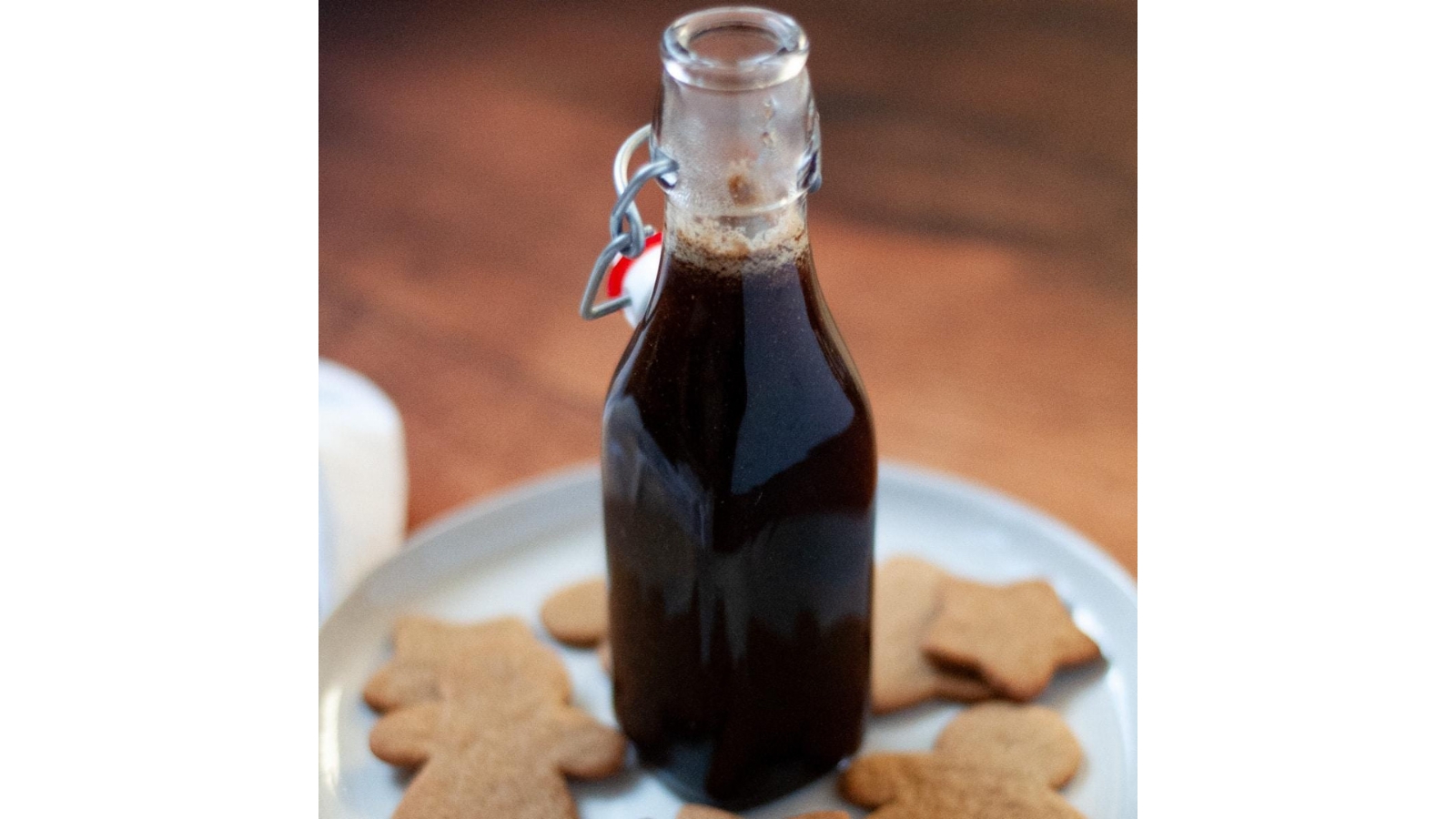
Molasses is what makes this taste like gingerbread rather than cinnamon-sweetened coffee. Ginger and cinnamon bring the warmth, while a little vanilla rounds it out. This is the syrup I’d reach for when a plain latte feels a bit too ordinary for December, and it works in black tea as well.
8. Chai simple syrup
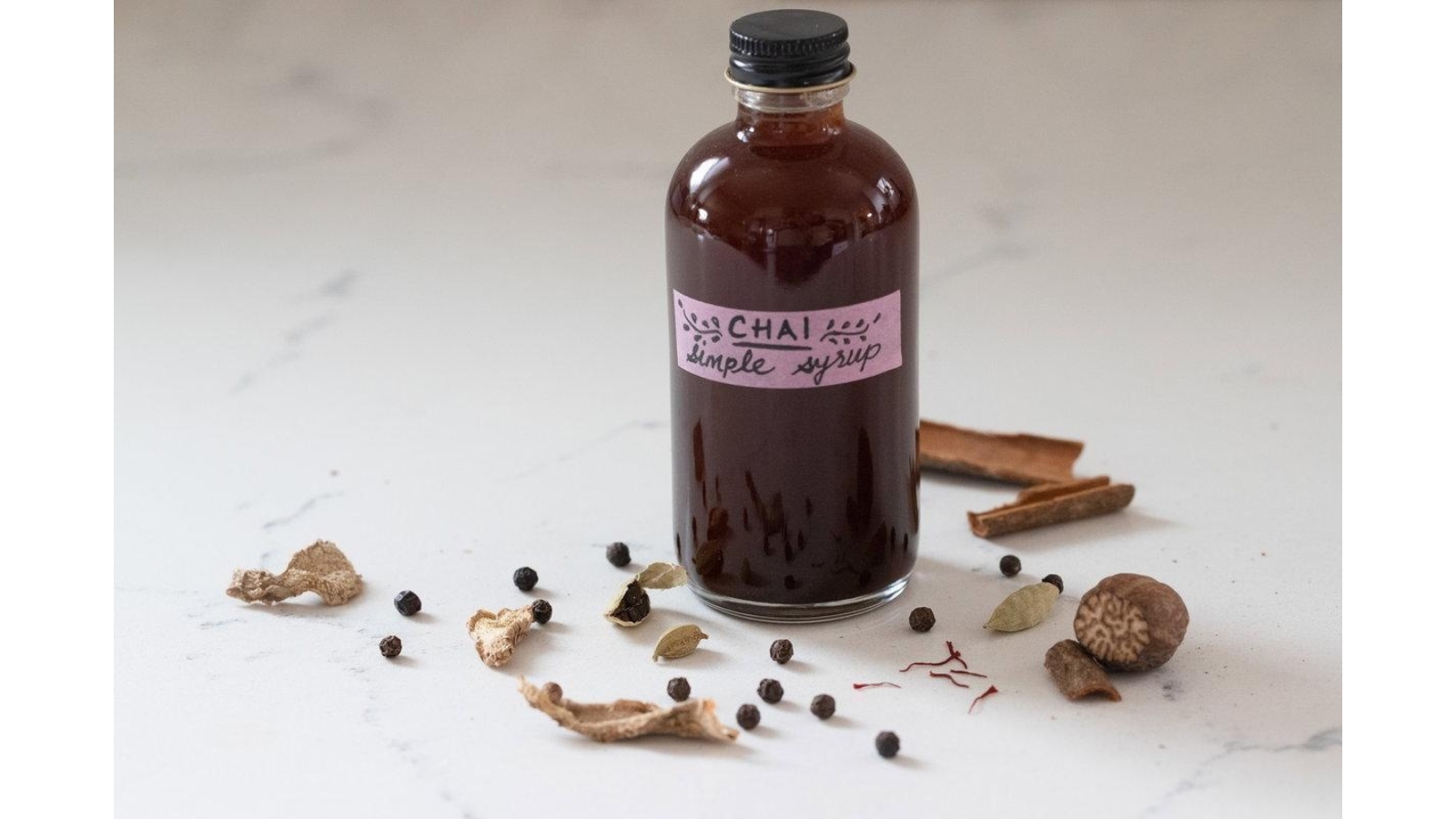
There’s actual black tea in this chai syrup, not just a handful of spices labeled chai. Puja steeps it with chai masala, then strains the mixture, so the syrup carries both the tea and its warming spice blend. Add it to steamed milk for a quick chai-style drink, or experiment with a little in coffee. Remember it contains caffeine.
9. Maple cinnamon dolce syrup
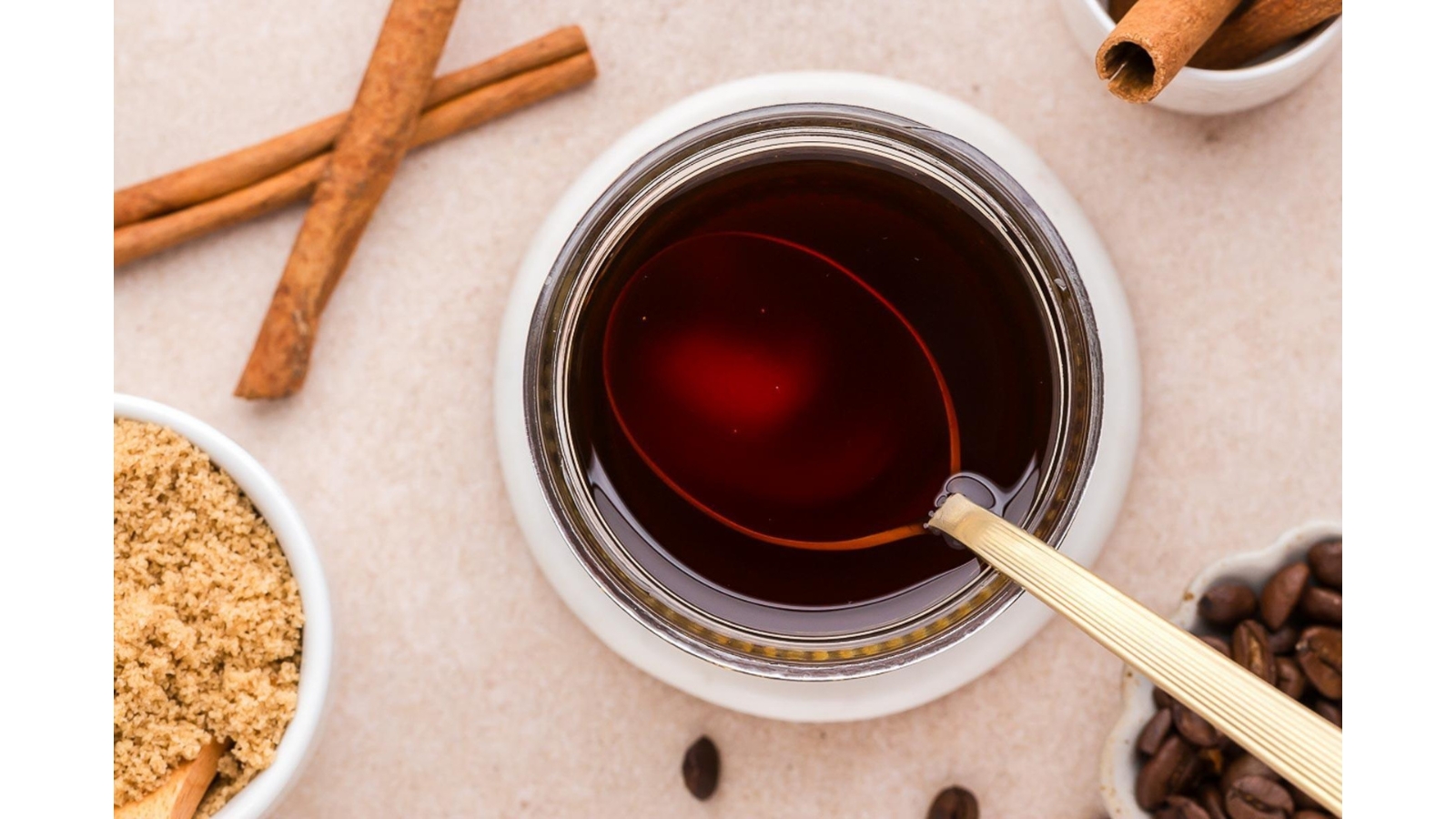
Maple syrup and brown sugar make a satisfying base for cinnamon sticks to infuse. The result has more going on than cinnamon alone, without turning into a thick pancake topping. A little in coffee sounds good, but I would also keep this bottle in mind when there’s a pot of hot apple cider on the stove.
10. Pumpkin spice syrup
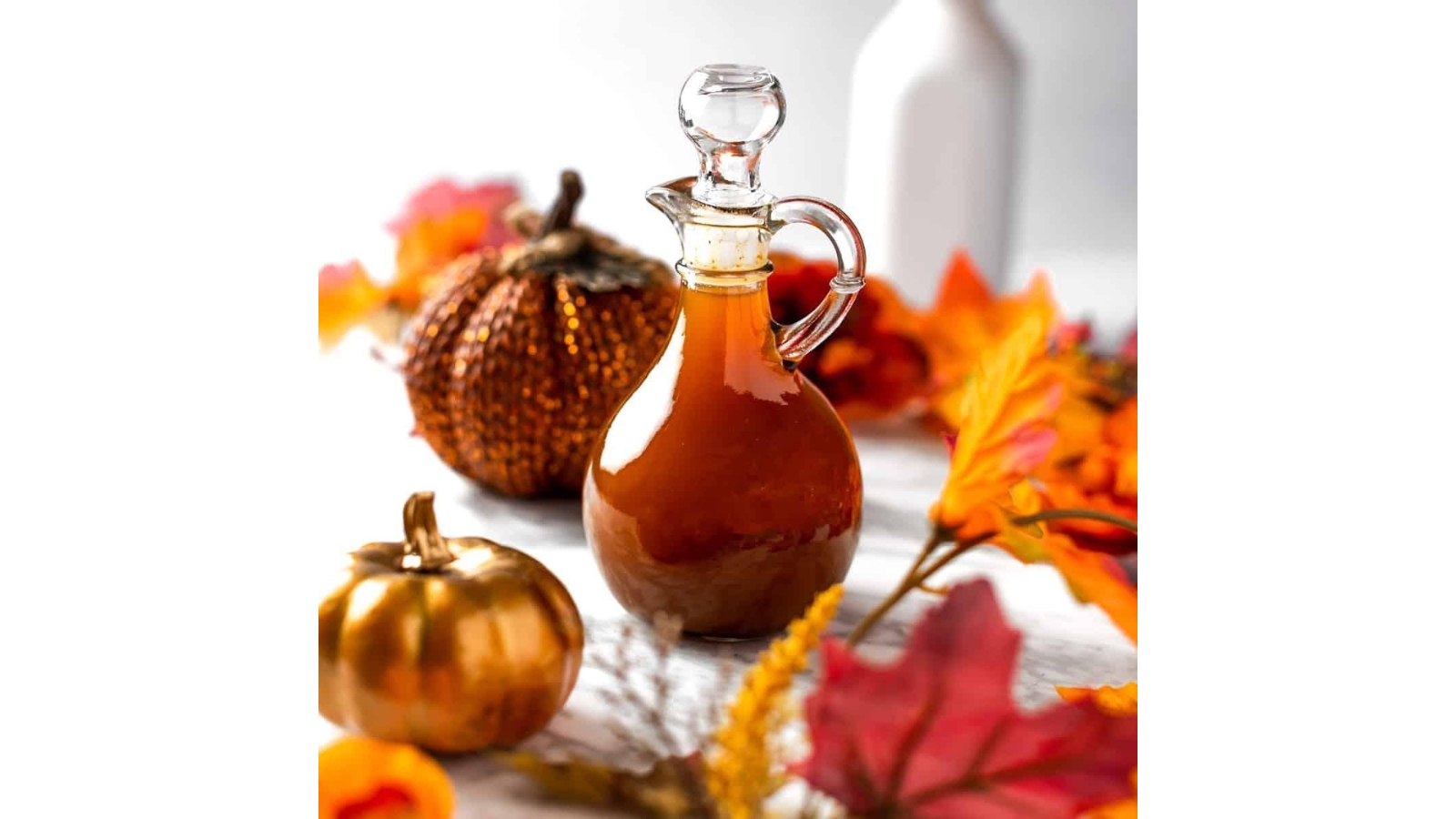
Real pumpkin puree goes into this syrup, which is a much better starting point for pumpkin flavor than orange-colored sugar water. The mixture is strained through cheesecloth so it can work in a drink without leaving a spoonful of pumpkin pulp at the bottom. It takes an extra step, but that’s the difference between a syrup and a pumpkin sauce.
11. Cardamom syrup
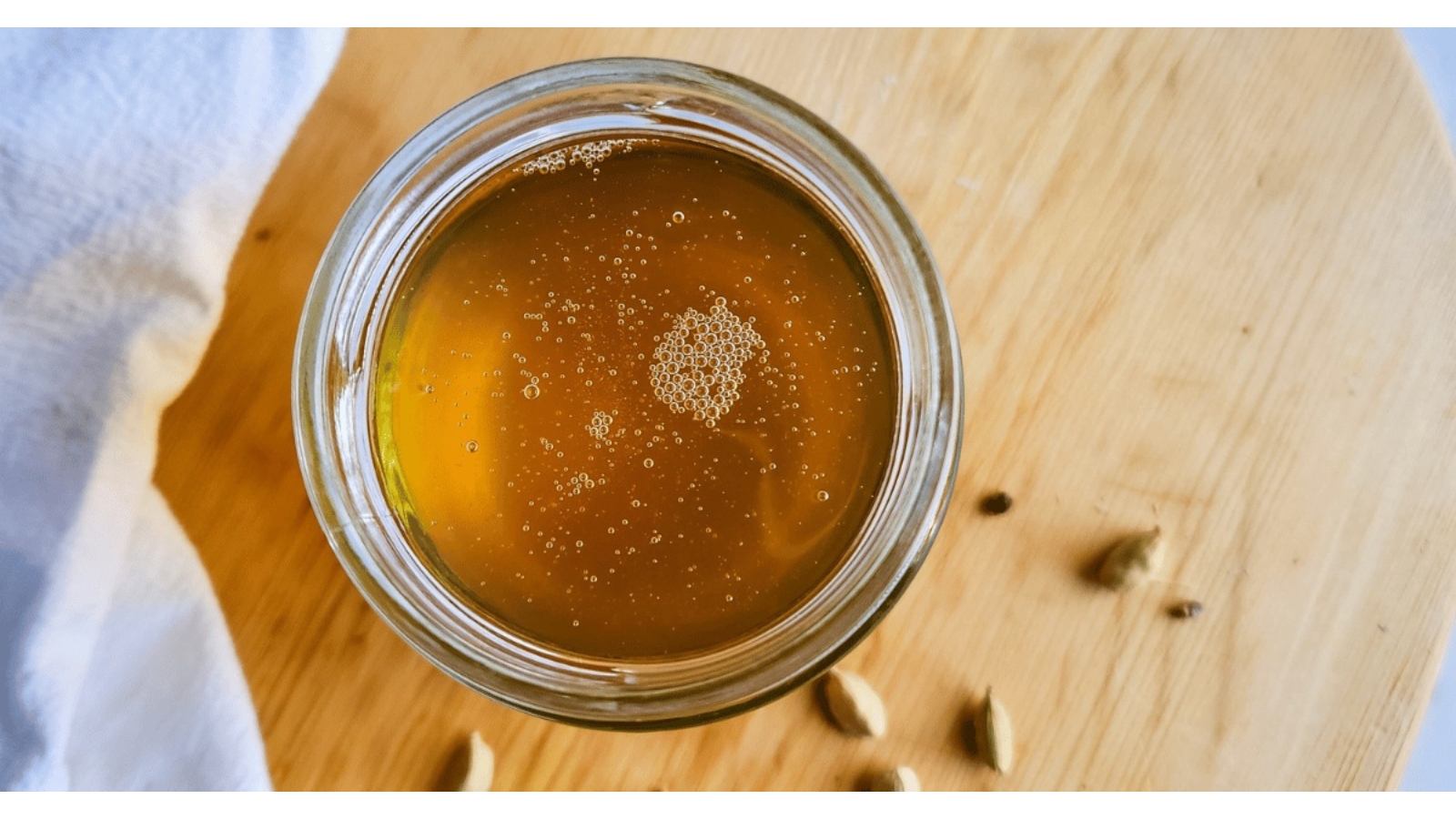
Green cardamom has a fragrant, almost citrusy warmth that deserves an outing without the rest of the chai spices. Rachael gently crushes the pods before infusing them, which is worth doing rather than dropping them in whole. Try this in coffee or black tea when cinnamon has had quite enough attention for one holiday season.
12. Honey ginger syrup
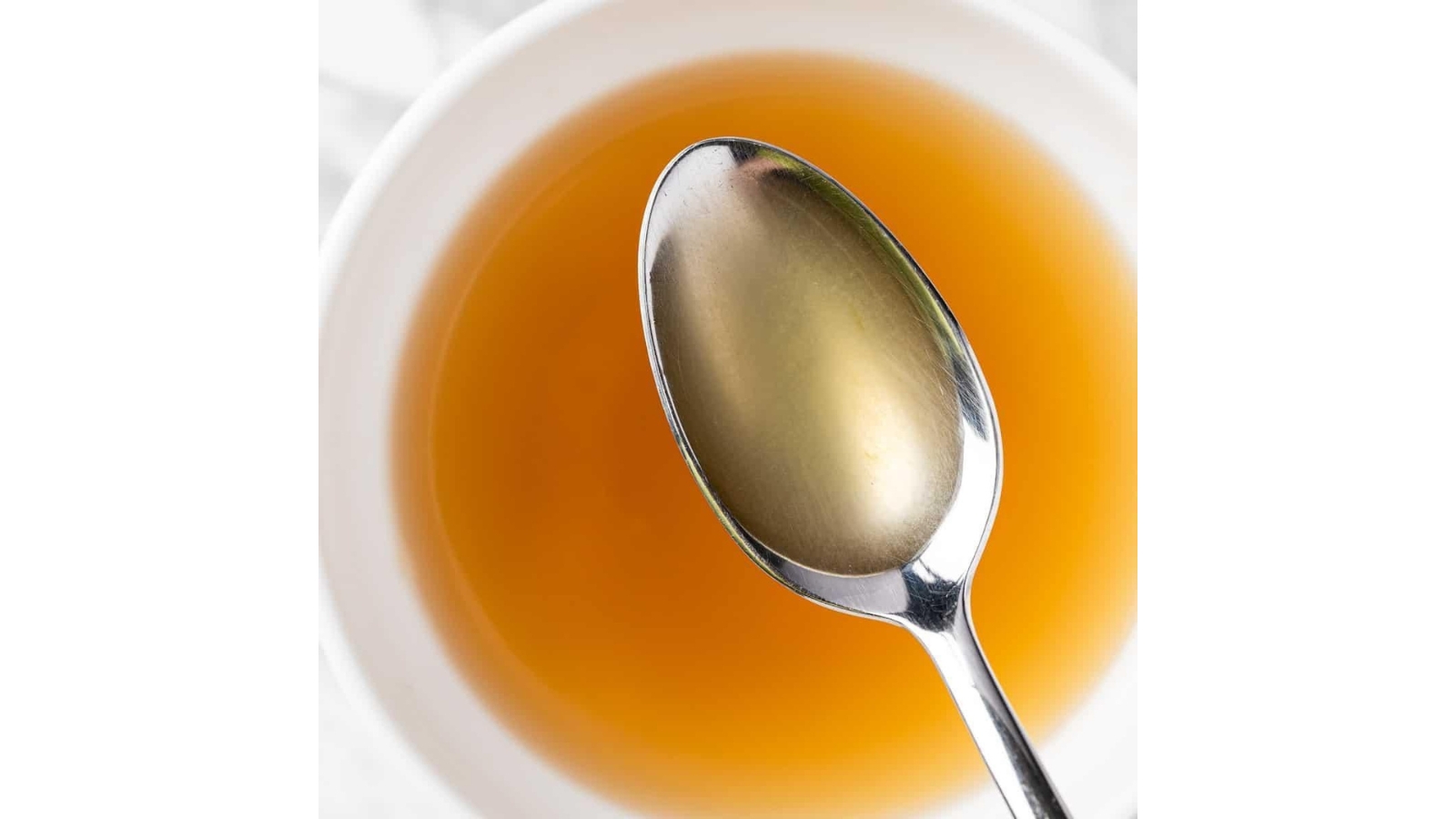
Fresh ginger gives this syrup a lively bite, while honey softens the sharpness without burying it. I’d put it beside the tea rather than the espresso machine, especially for anyone who finds peppermint and caramel a little too sweet. Because the honey is diluted with water, keep the syrup chilled rather than treating it like a jar of plain honey.
Nutty syrups and toasted flavors
There is a big difference between nut-flavored extract and a syrup made by infusing actual hazelnuts, pistachios, or chestnuts. These take a little more preparation, and anyone serving guests should label the nut and peanut ingredients clearly.
13. Toasted hazelnut syrup
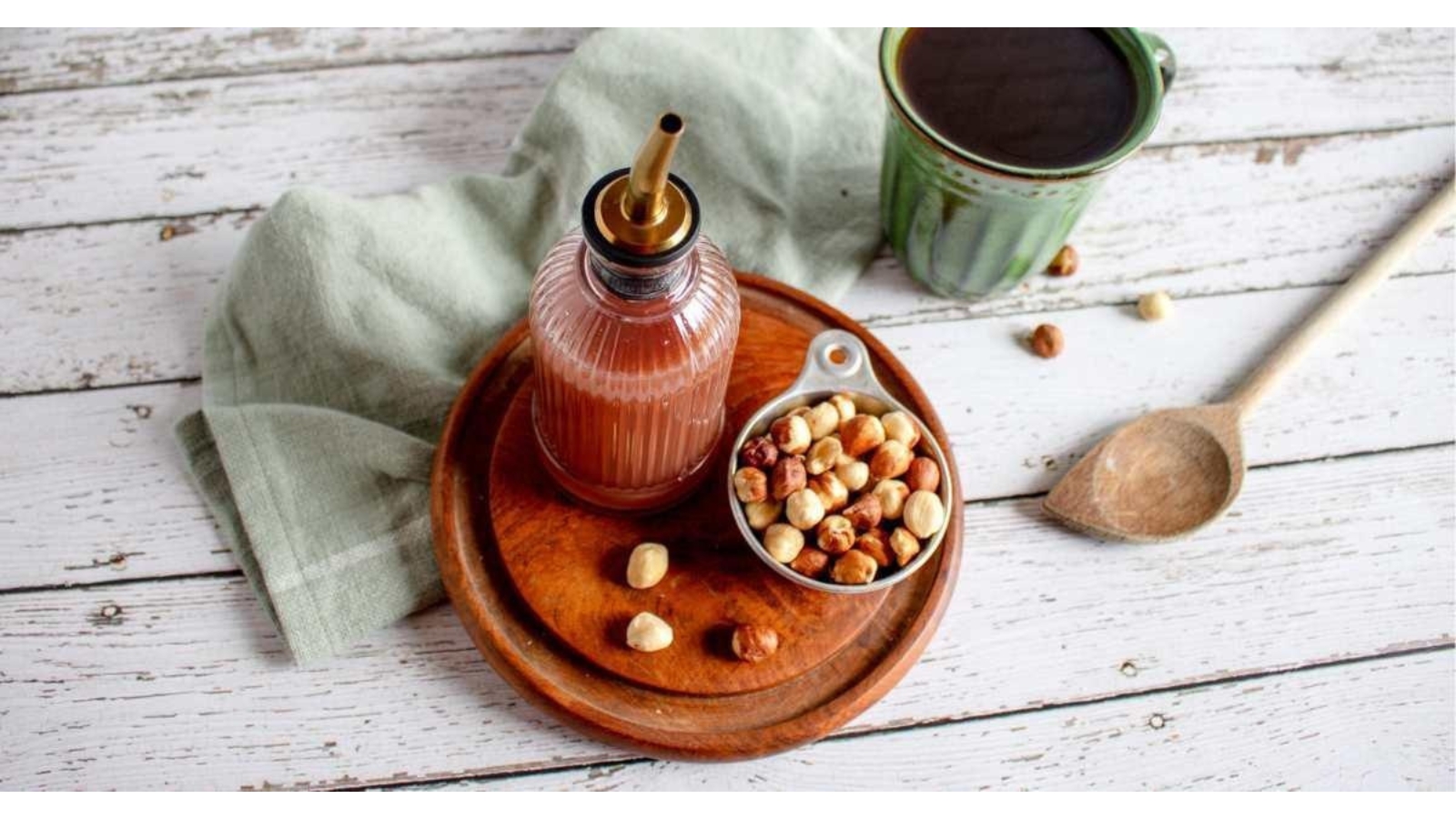
Roasting the hazelnuts before simmering them is the important detail here. You get that warm, toasted-nut flavor from the nuts themselves, with extract only an optional addition. It’s a sensible one to make for hazelnut lattes or hot chocolate, especially if you find some bottled hazelnut flavorings a bit overpowering. It contains tree nuts.
14. Pistachio syrup
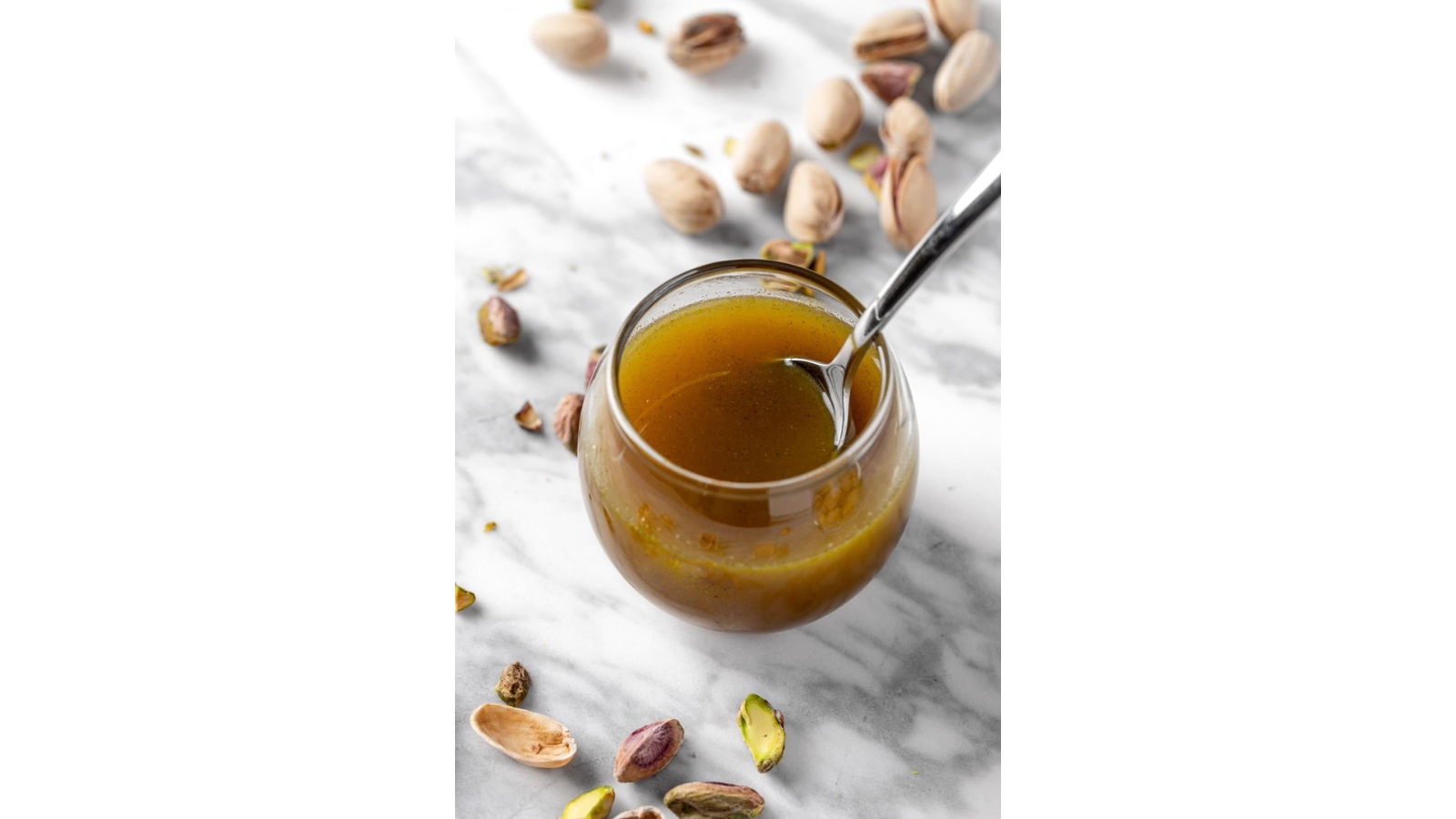
Pistachio syrup needn’t be bright green to be the real thing. This recipe finely chops shelled pistachios, infuses them into the sugar syrup, and strains out the pieces. What remains is a genuine nut-flavored base for a pistachio latte, with no food coloring necessary.
15. Almond orgeat syrup
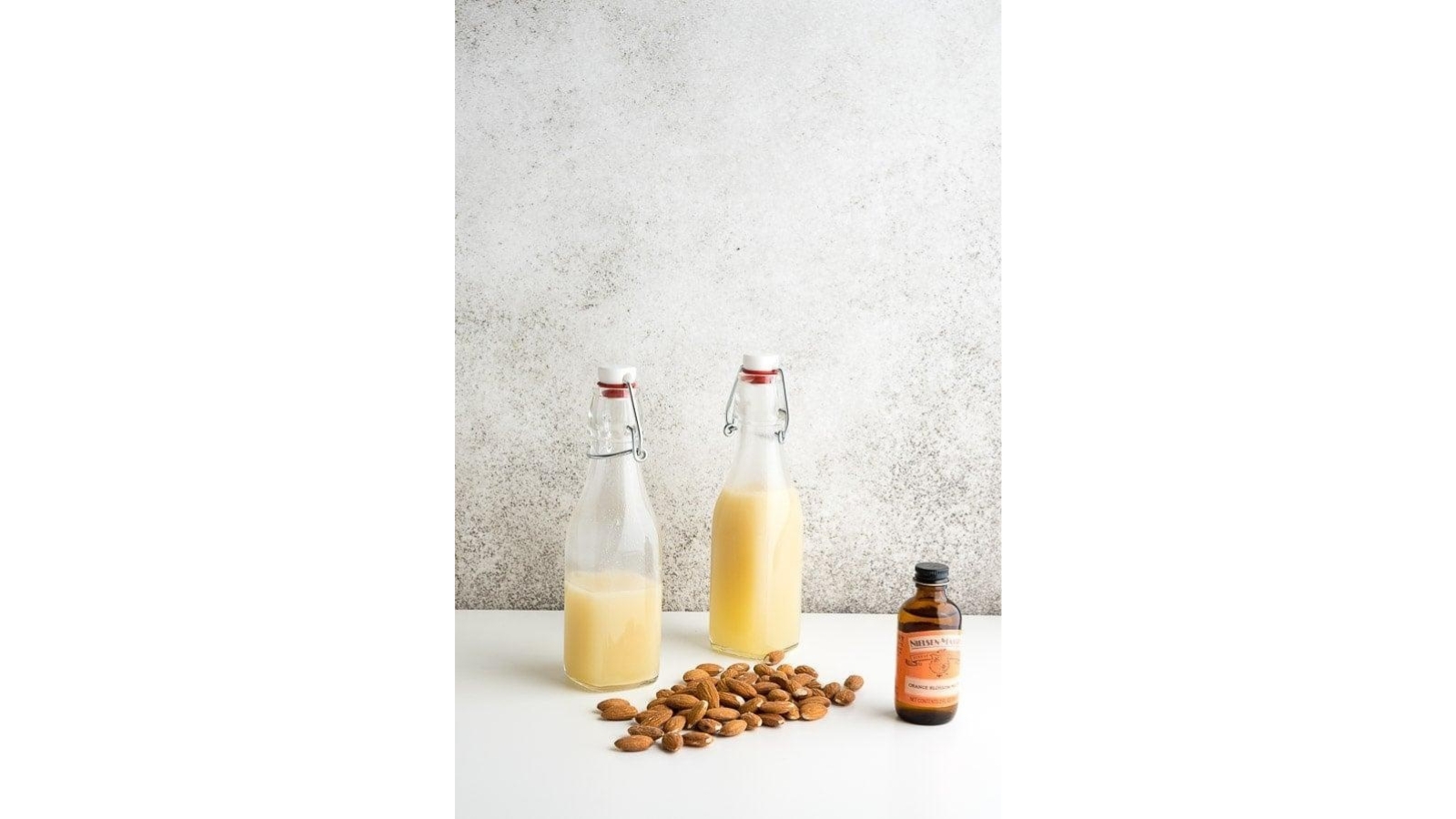
Orgeat is almond syrup with an interesting extra note: a little orange flower water gives it a delicate floral finish. Toni’s recipe uses slivered almonds, and the page includes the syrup alongside a cocktail, so make sure you’re following the syrup component rather than the whole drink. I’d be curious to try a small splash in iced coffee. This one contains almonds.
16. Chestnut praline syrup
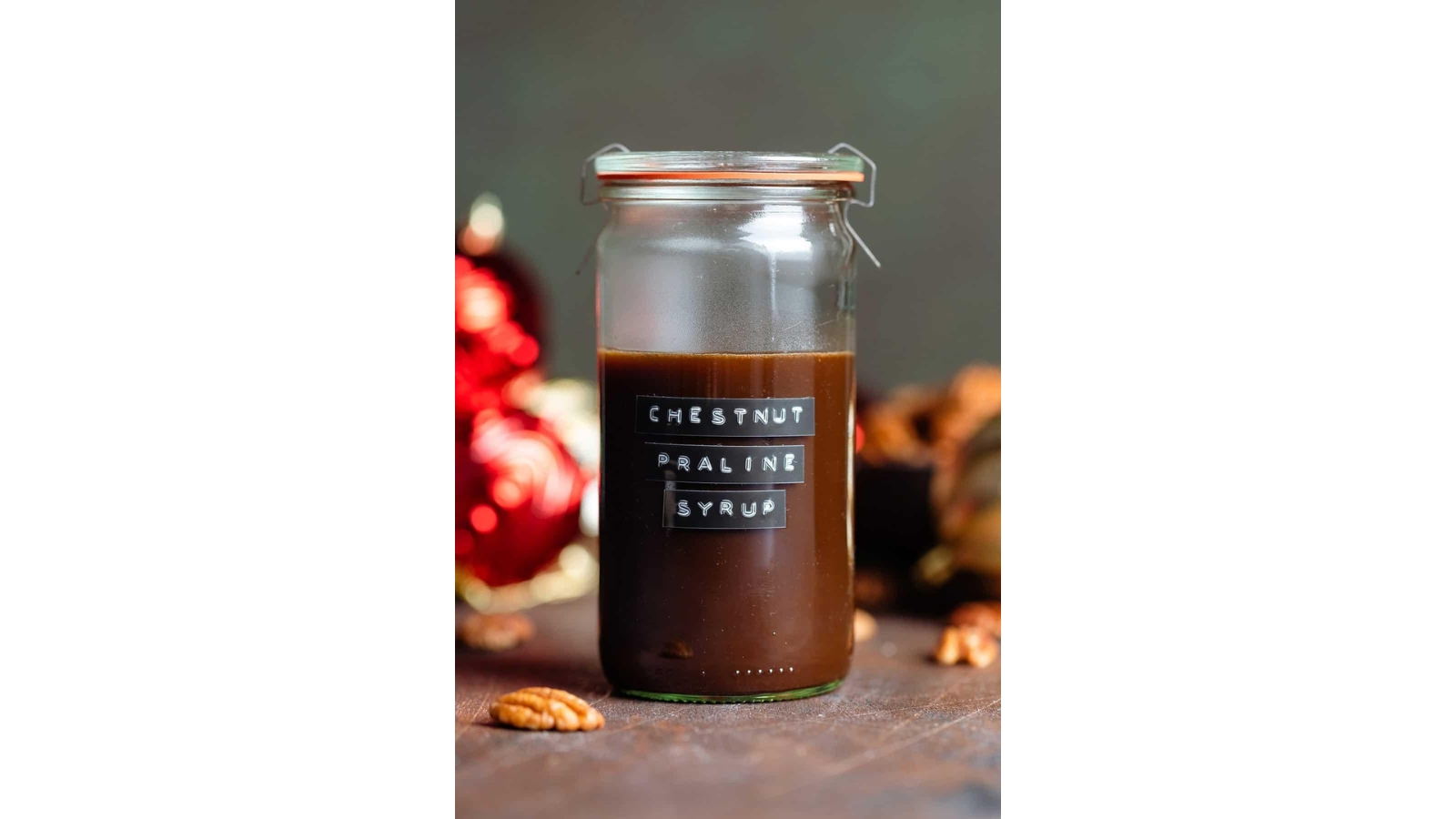
Chestnut praline sounds like something from a coffee-shop holiday menu, and this version earns the name with roasted chestnuts and pecans. They are chopped, simmered with brown sugar, and strained out to leave a deeply nutty syrup. It’s a different flavor from straight hazelnut, with a wintry richness that sounds particularly good against strong coffee or cocoa.
17. Peanut butter coffee syrup
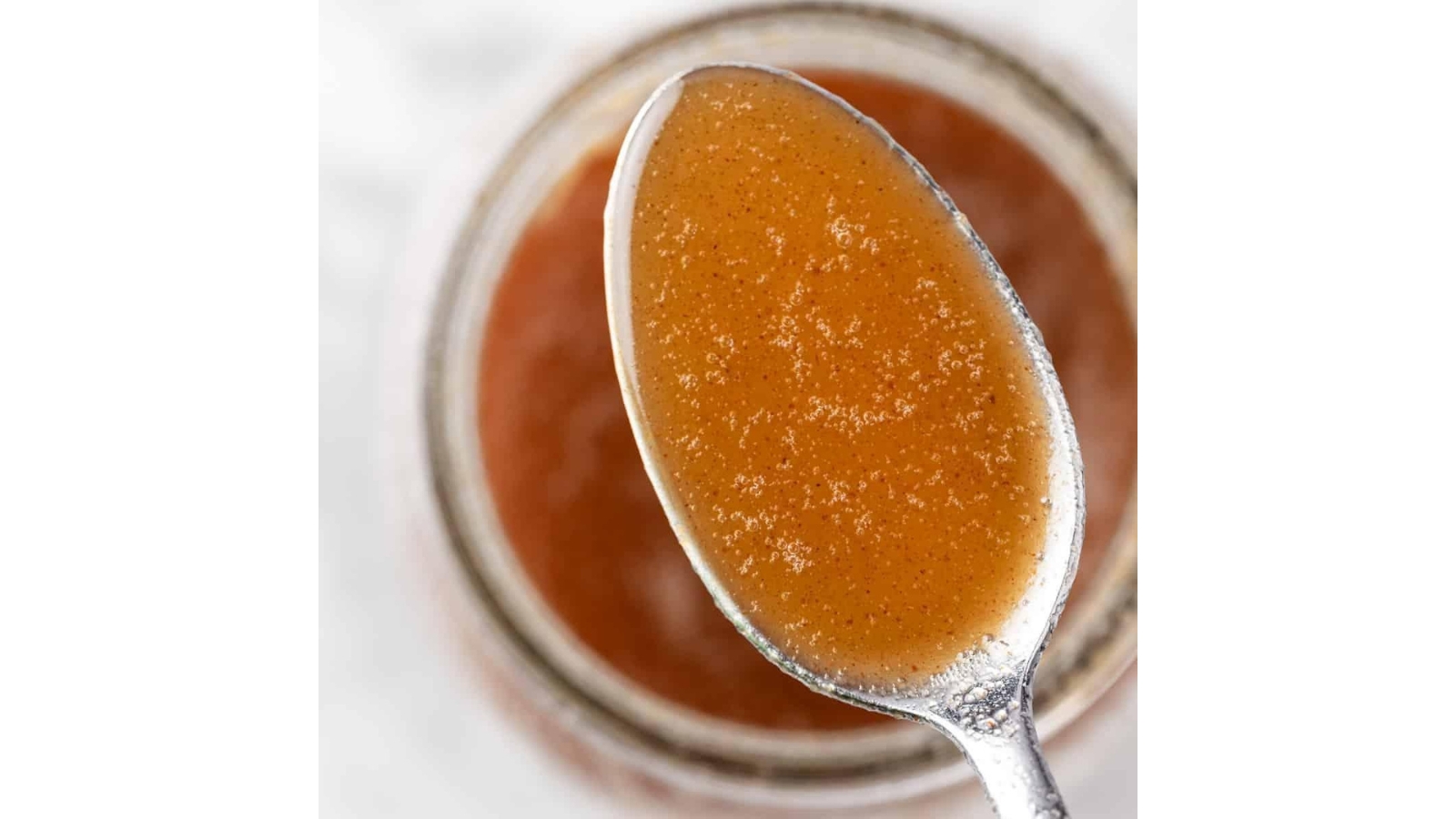
Peanut butter makes a thicker, creamier-feeling syrup than one made by simply infusing nuts and straining them away. Smooth peanut butter is heated with sugar and water, then stirred into coffee for a peanutty finish. Chocolate would be an obvious partner here. Give the bottle a shake or stir before using it, since this is more of an emulsion than a clear syrup.
18. Toasted coconut syrup
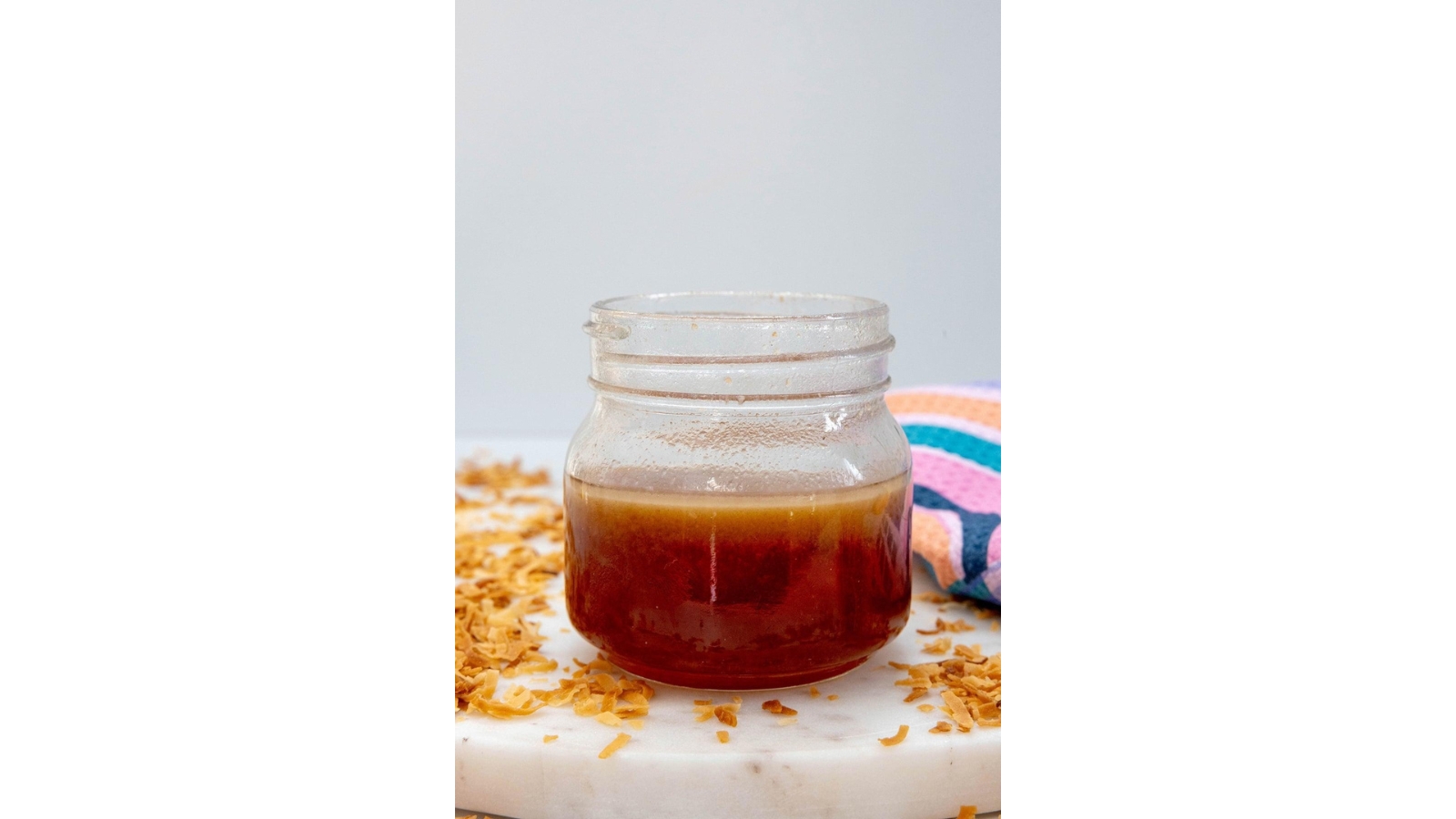
Coconut can taste flat in a syrup unless you toast it first. Sues uses unsweetened coconut, so the finished infusion gets its flavor from those golden, fragrant flakes rather than added coconut milk. It would be especially good in coffee with a chocolate note, and there’s no need to make the whole drink taste like a tropical cocktail.
Caramel, toffee and dark sweeteners
These aren’t four names for brown sugar syrup. Proper caramel starts with amber sugar, butterscotch contains butter, toffee nut takes a candy shortcut, and the date version gets its sweetness from fruit.
19. Caramel coffee syrup
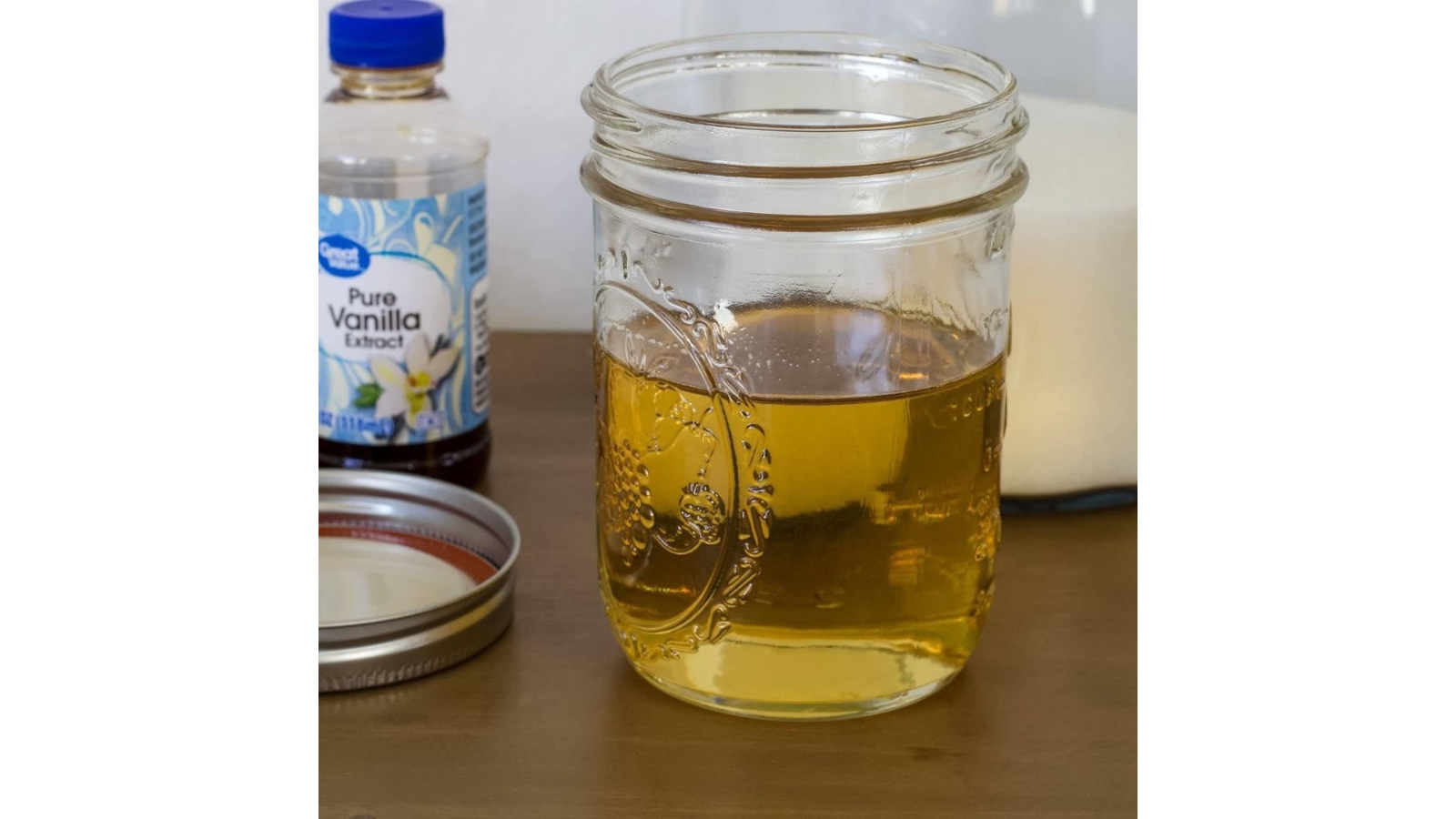
This is caramel made the proper way, by cooking sugar until it turns amber before adding hot water to make it pourable. There is no cream or butter, so it behaves like a coffee syrup rather than a sticky dessert sauce. Be careful when the water goes in, because hot caramel can bubble and spit. The payoff is that slightly bittersweet caramel flavor that plain brown sugar can’t quite imitate.
20. Butterscotch coffee syrup
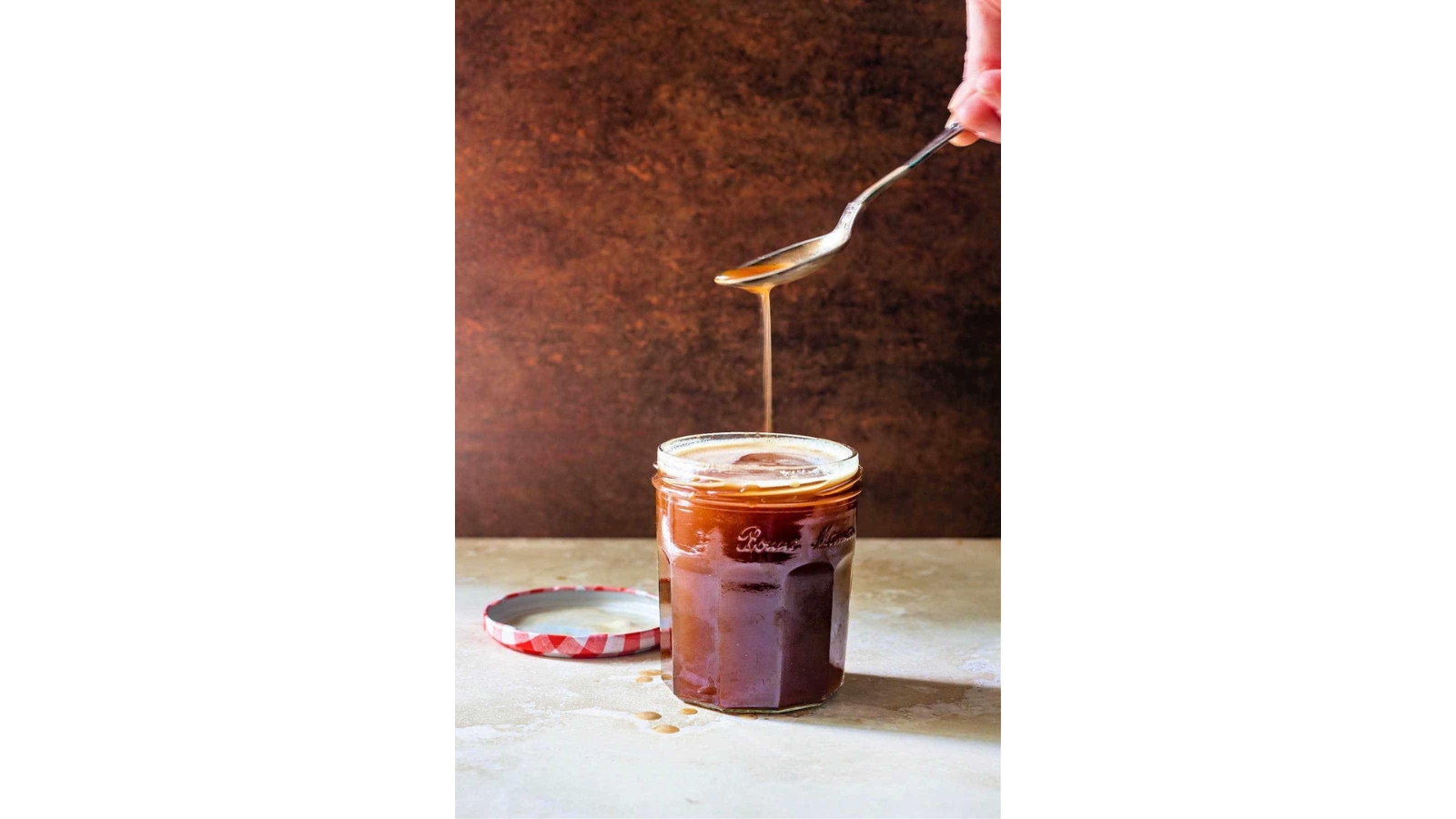
If you want real butterscotch flavor, this is the more involved route. Jennifer cooks dark brown sugar with butter, then blends it with a separate simple syrup. That butter brings a richness candy-flavored syrups can’t quite reproduce, but it also means the syrup needs refrigeration and may separate as it cools. The recipe explains how to bring it back together.
21. Toffee nut syrup
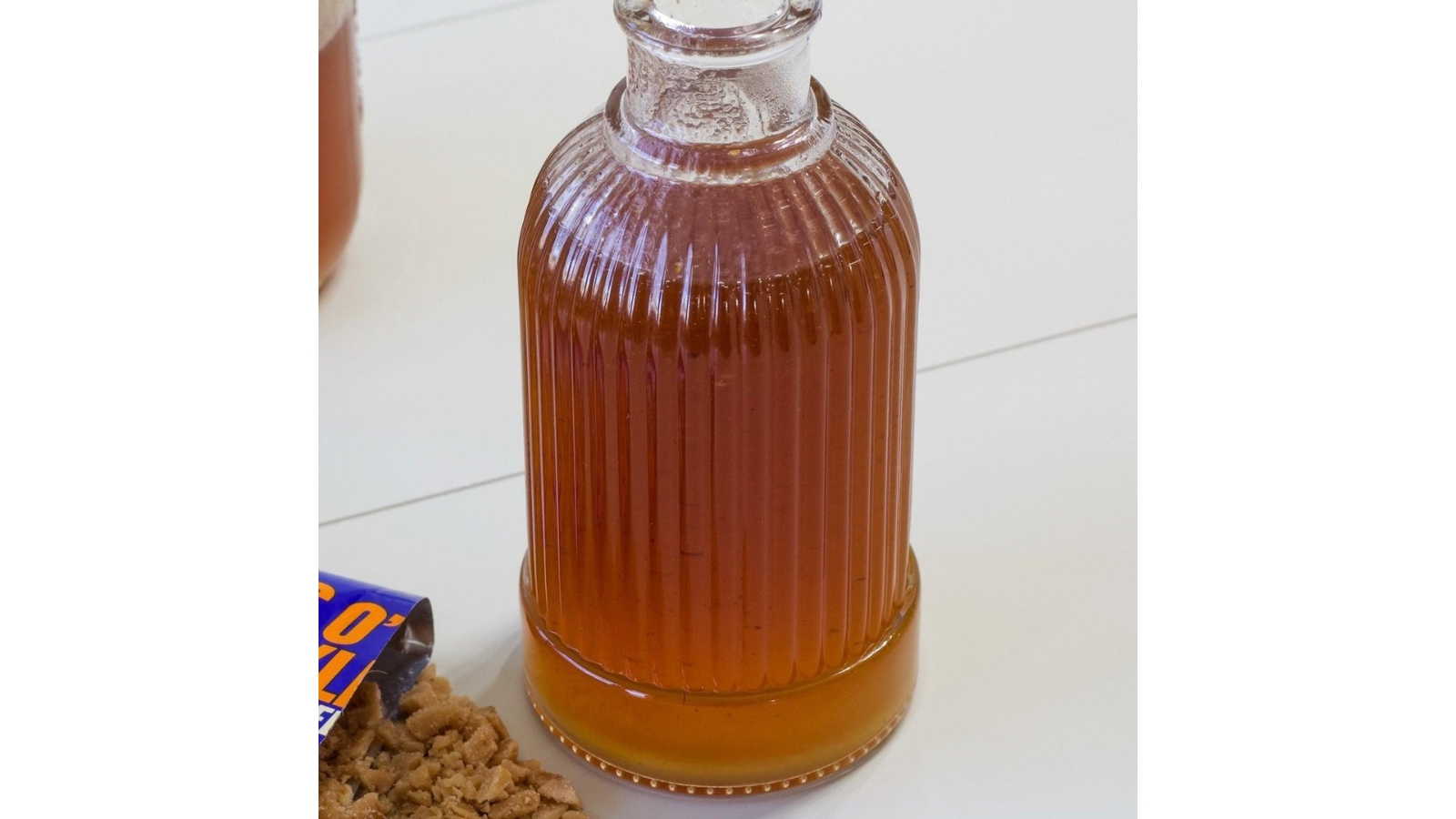
Toffee bits make this the shortcut for days when you want a sweet, buttery coffee-shop flavor without cooking a batch of candy first. They melt into the sugar-and-water base before the mixture is strained. It is distinct from butterscotch, though both have a place on the winter drinks tray. Check the toffee package if you need to avoid dairy or almonds.
22. Date syrup
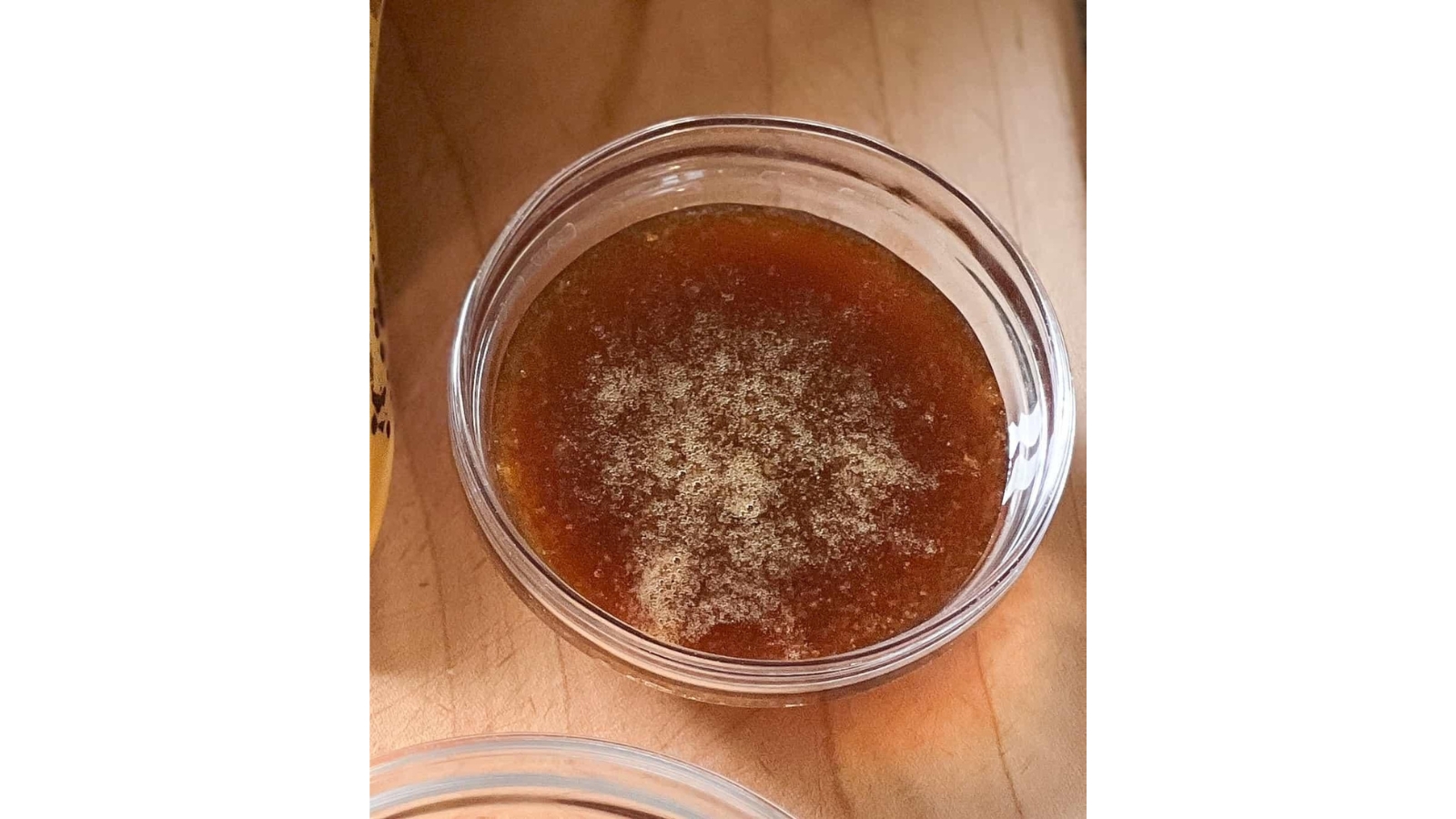
Dates give this syrup its dark sweetness without adding a separate scoop of granulated sugar. The fruit is soaked, mashed, strained, and the liquid reduced, so you end up with an actual pourable syrup rather than thick date paste. It’s a little more work for a relatively small yield, but interesting if you want a fruity, almost caramel-like sweetness in tea or coffee.
Festive fruit syrups
This is where the drinks station gets colorful. Cranberry, blood orange, pomegranate, and hibiscus can make wonderful fizzy drinks, though the more acidic syrups are generally a safer flavor pairing with tea or soda than with dairy. Pear and apple are quieter winter choices.
23. Spiced cranberry syrup
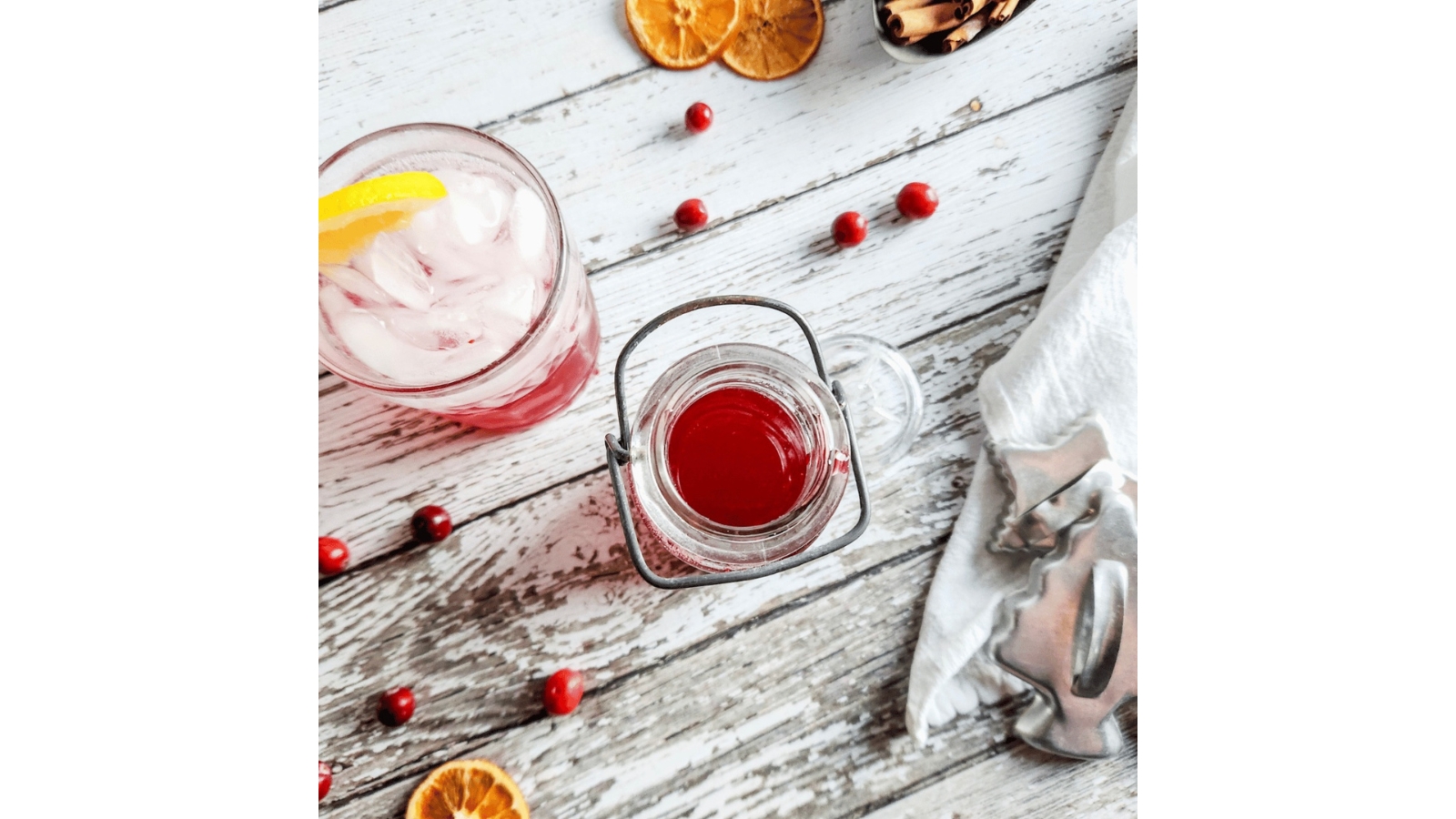
Orange zest, cranberries, cinnamon, cardamom, and allspice make this smell like Christmas while it’s on the stove. The cranberries keep the finished syrup bright and pleasantly tart rather than simply sweet. I’d pour it into sparkling water or hot tea first; acidic fruit syrups can be awkward with dairy, and there’s no reason every holiday flavor has to become a latte.
24. Pear syrup
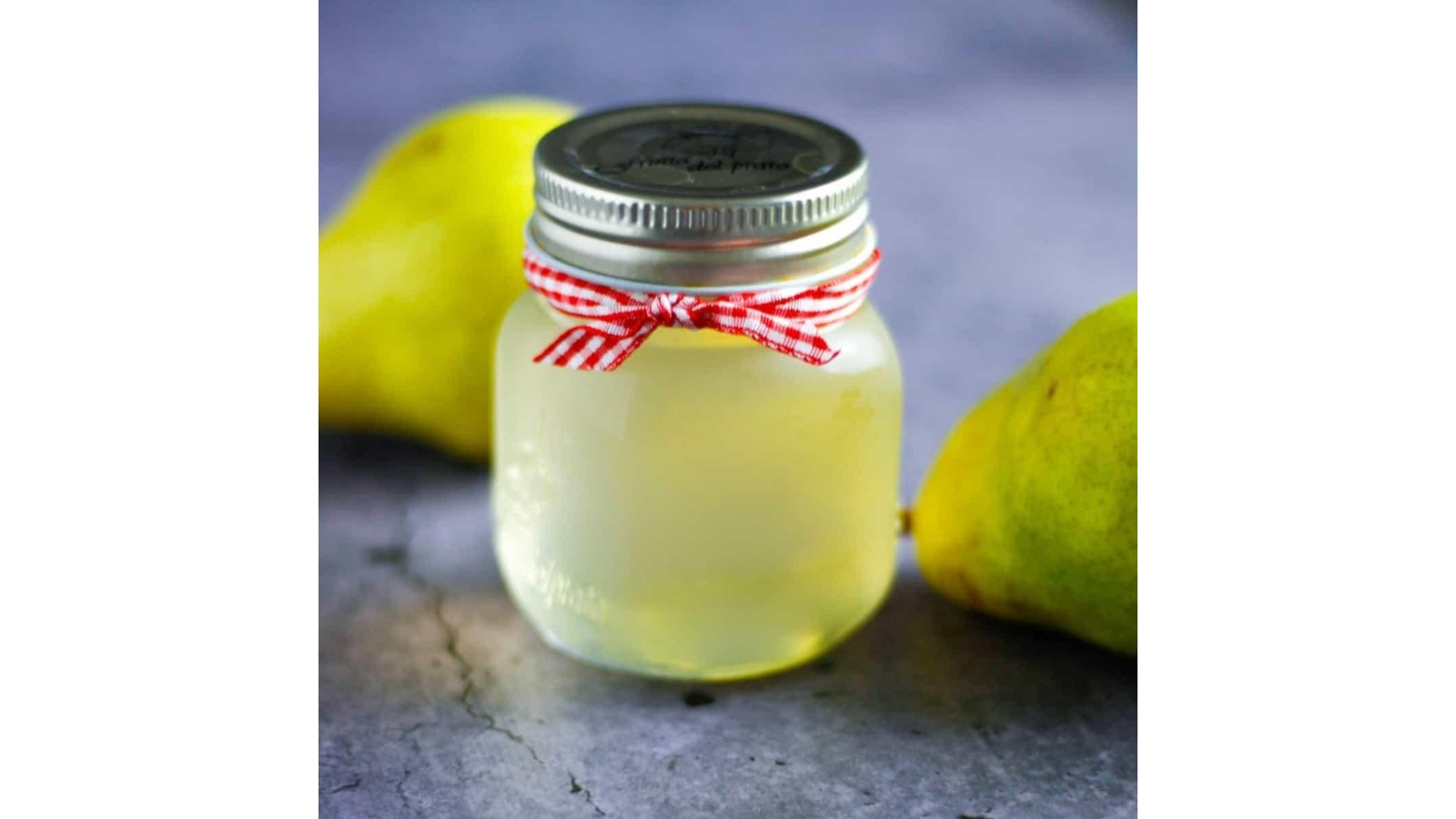
Pear doesn’t shout over the rest of a drink the way raspberry or citrus can. Simmered and strained fresh pear gives this syrup a gentle, mellow fruit flavor, which could be particularly nice in black tea or a simple winter soda. It is a useful choice when you want a seasonal drink without cinnamon, peppermint, or another heavy spice blend.
25. Boiled apple cider syrup
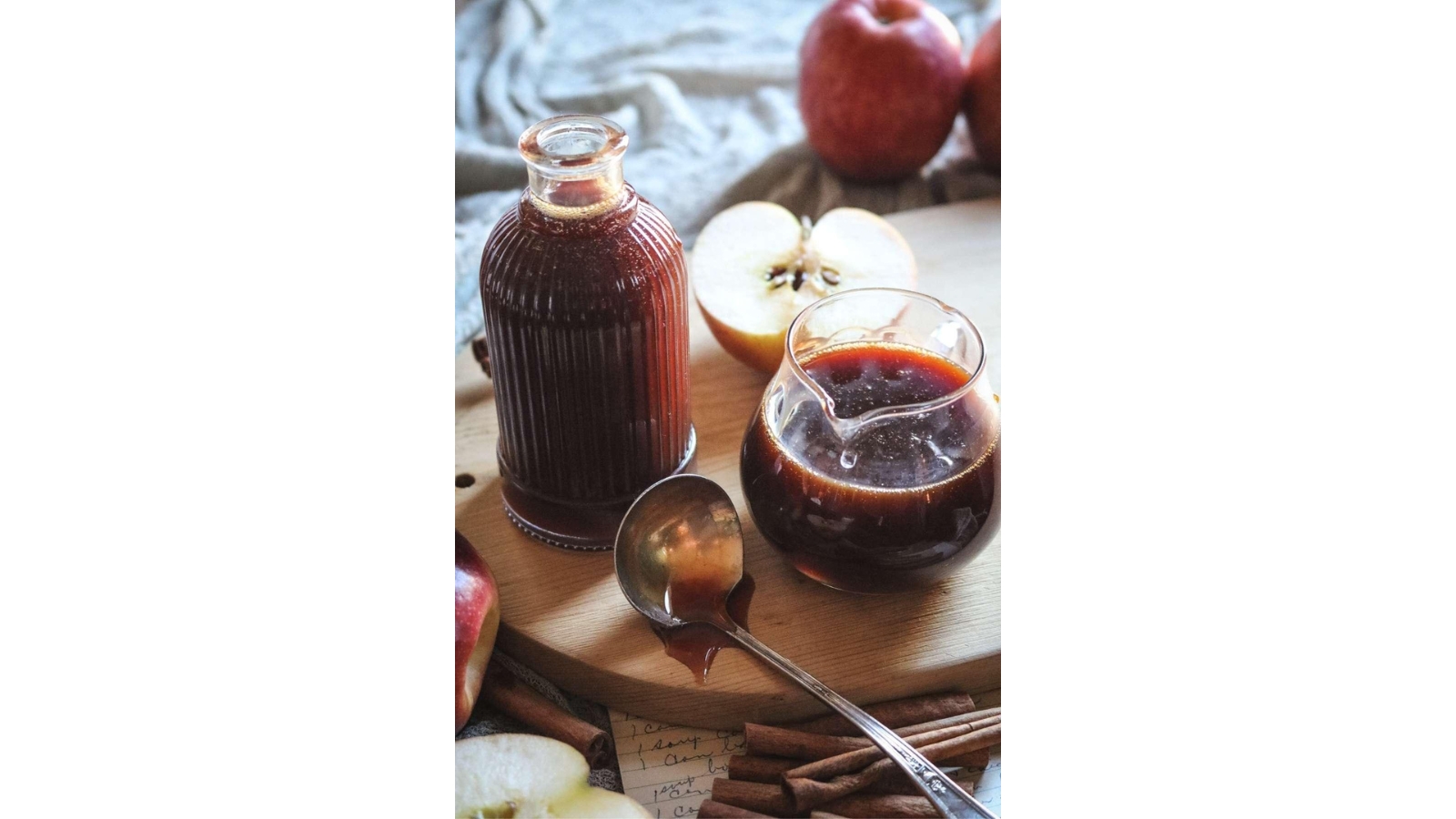
Boiled cider is the patient option. A whole gallon of apple cider is reduced to a small amount of concentrated apple syrup, with cinnamon sticks adding warmth as it cooks. It’s thicker than a regular simple syrup, so start with a little and stir it into a hot drink. The batch can earn its keep in baking too, rather than living beside the coffee machine for one week.
26. Blood orange syrup
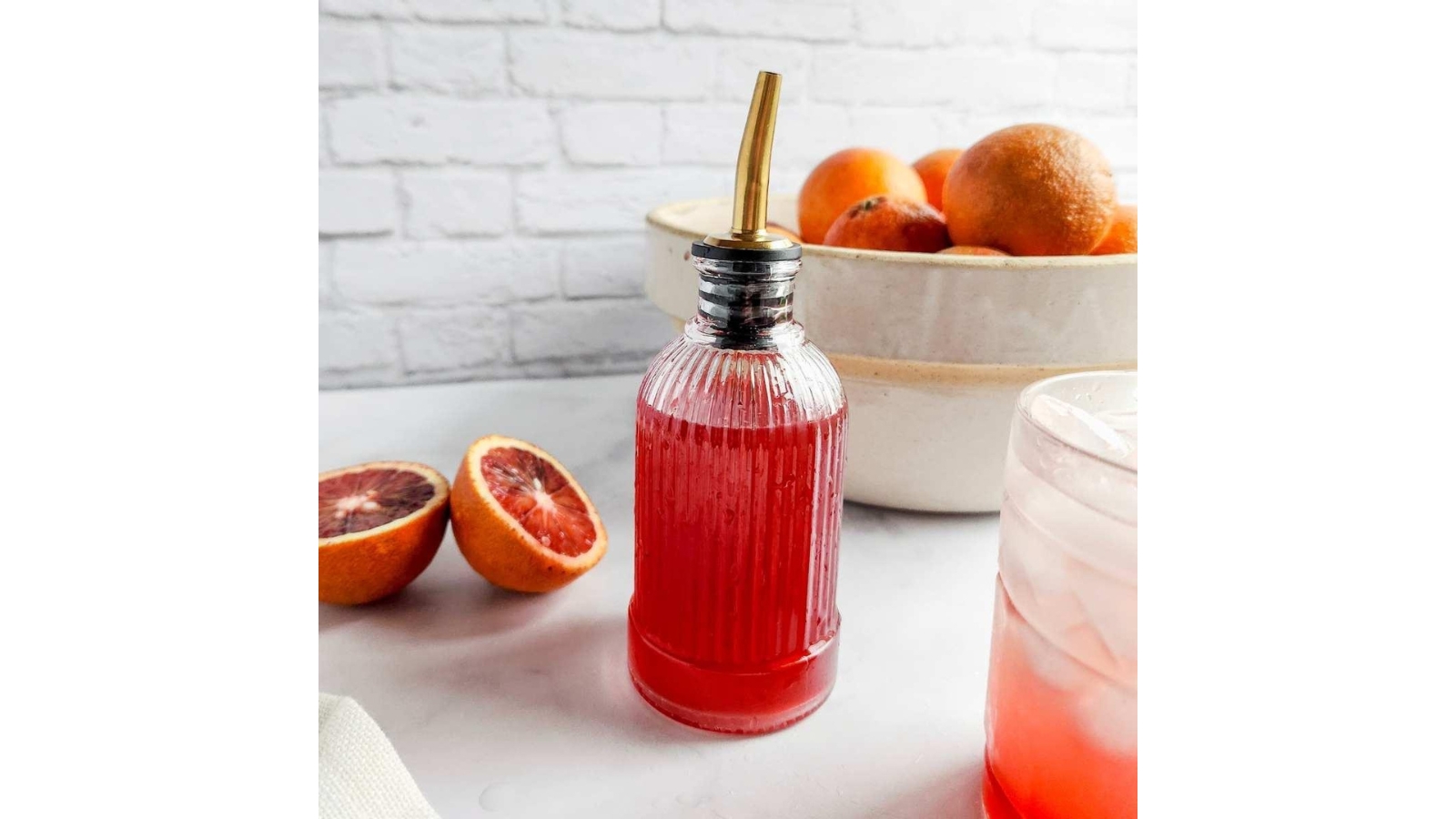
Blood oranges bring both their distinctive color and a pleasantly sharp citrus flavor to this syrup. The recipe starts with the juice itself, and Rachael suggests a little water if you want a thinner pour. I’d use it in sparkling water or tea for a bright winter drink. Be cautious about adding acidic orange syrup directly to milk, which can curdle.
27. Black cherry syrup
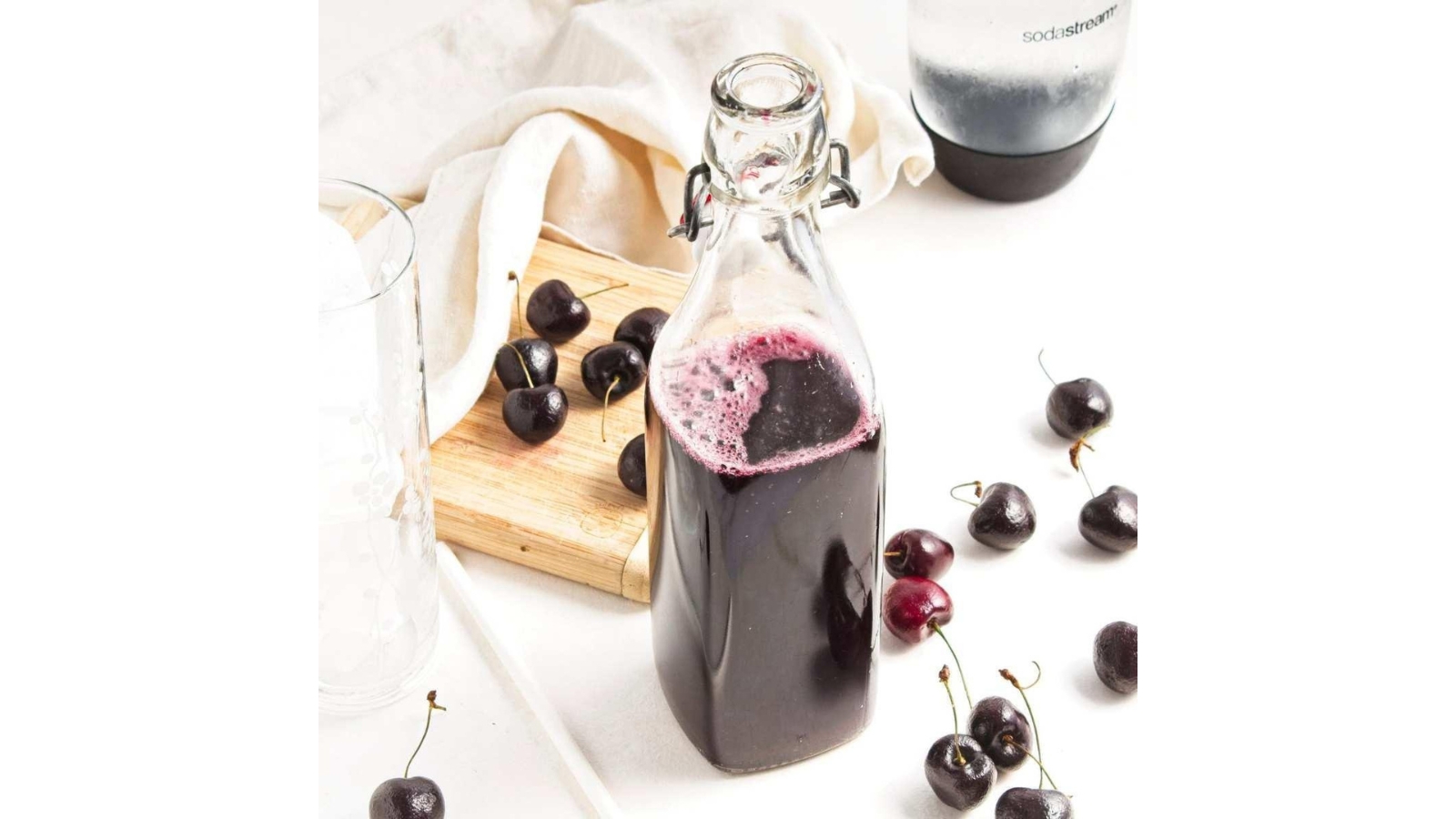
Cherries and vanilla are a good combination, but this recipe wisely keeps the vanilla optional. The pitted fruit cooks down into a dark syrup, then gets strained for use in sodas and other drinks. A splash with chocolate would be an interesting holiday pairing to try, although I’d test that in a single mug before making a whole jug.
28. Raspberry syrup
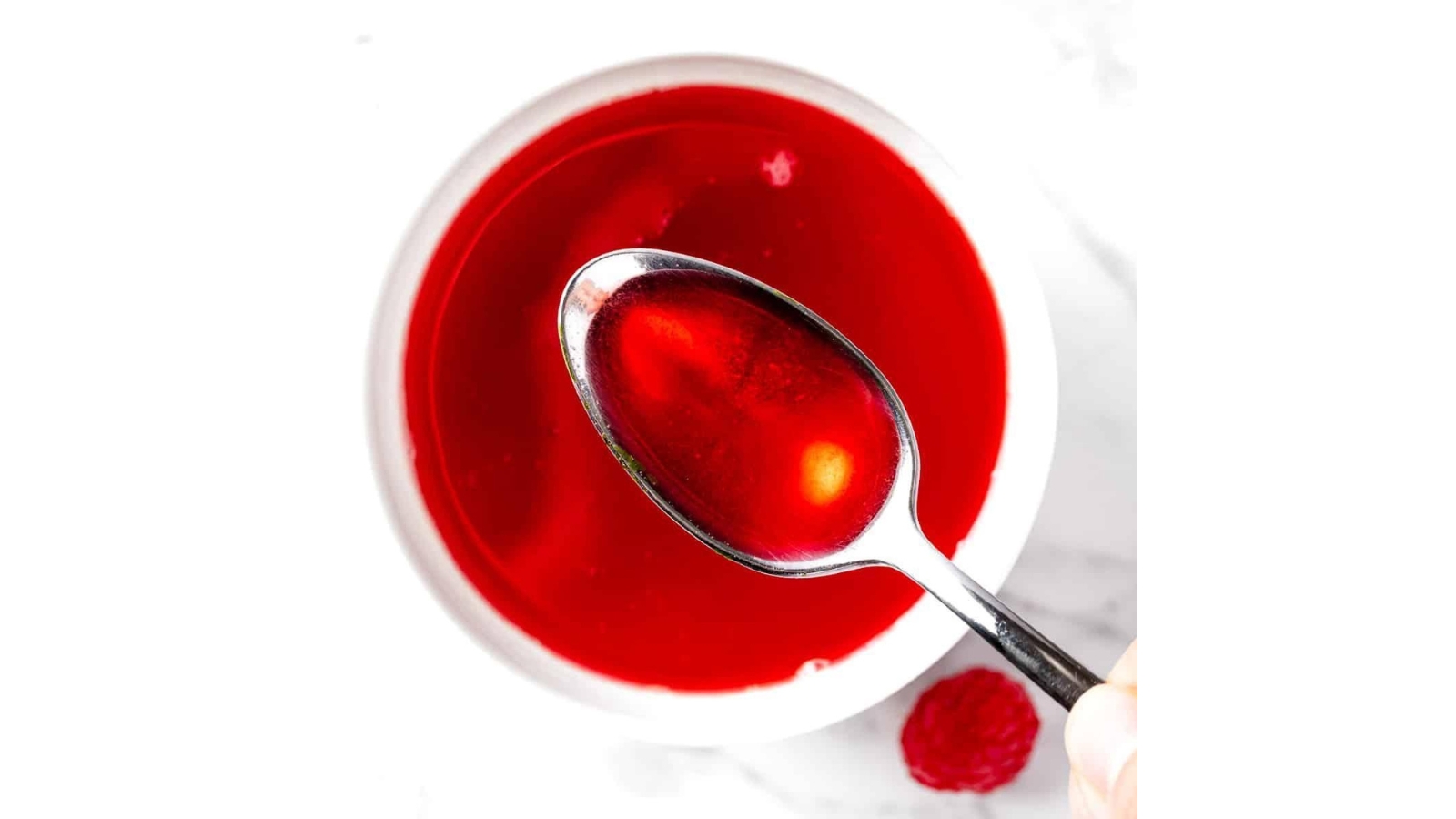
Raspberry syrup is worth making for the color alone, but it also brings the sharp fruitiness that very sweet holiday drinks often need. The berries are cooked and strained, so you don’t end up with seeds floating around in a glass. Try it with sparkling water or a little chocolate in cocoa, depending on how adventurous you’re feeling.
29. Dried fig syrup
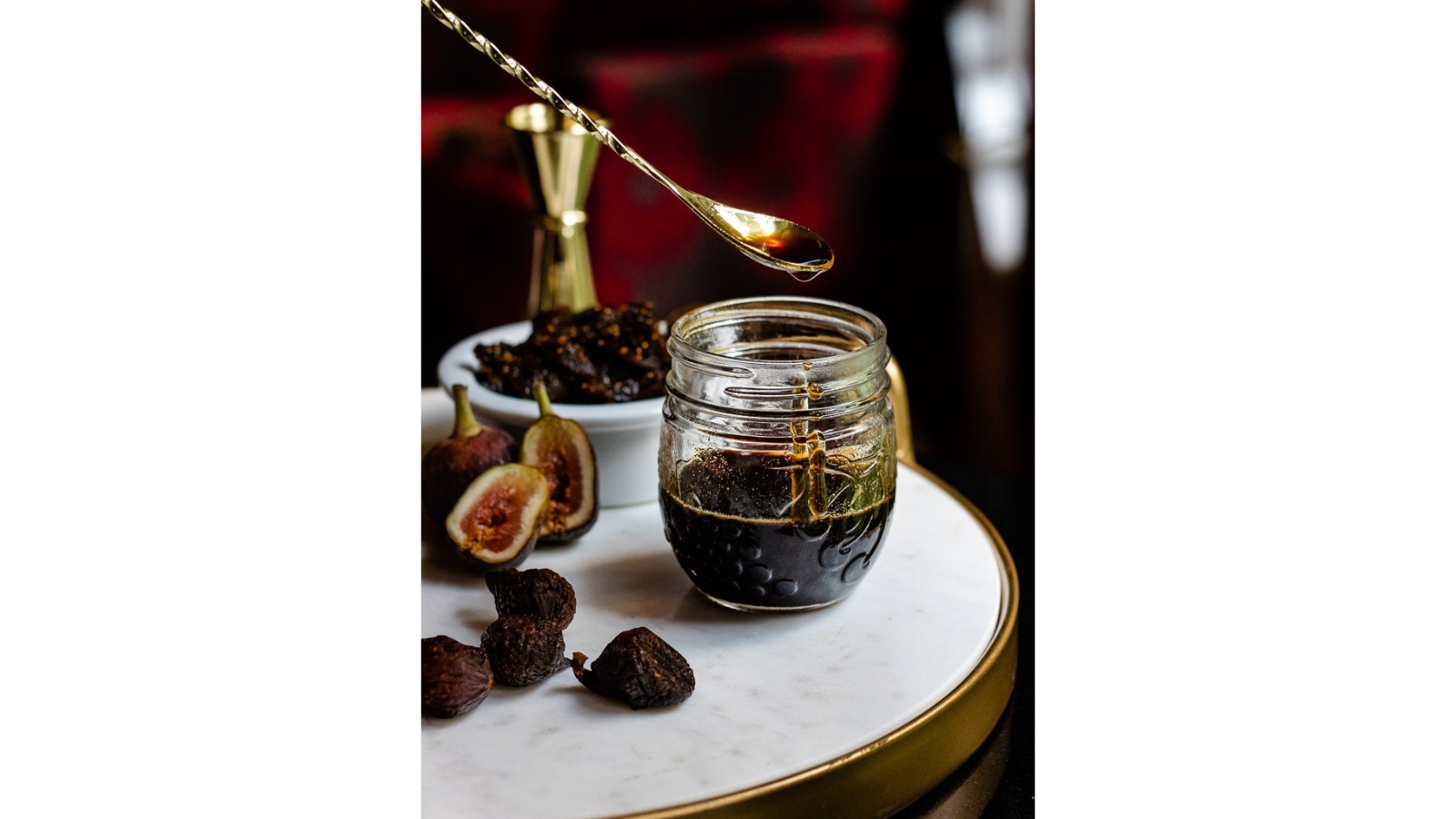
Dried figs have a rich, mellow flavor that feels quite different from a bowl of fresh berries. Heather infuses sliced dried figs, then finishes the strained syrup with vanilla and lemon juice. The original recipe is cocktail-minded, but I can see the appeal of experimenting with a little in black tea. It’s a more grown-up winter flavor than another bottle of candy syrup.
30. Pomegranate grenadine
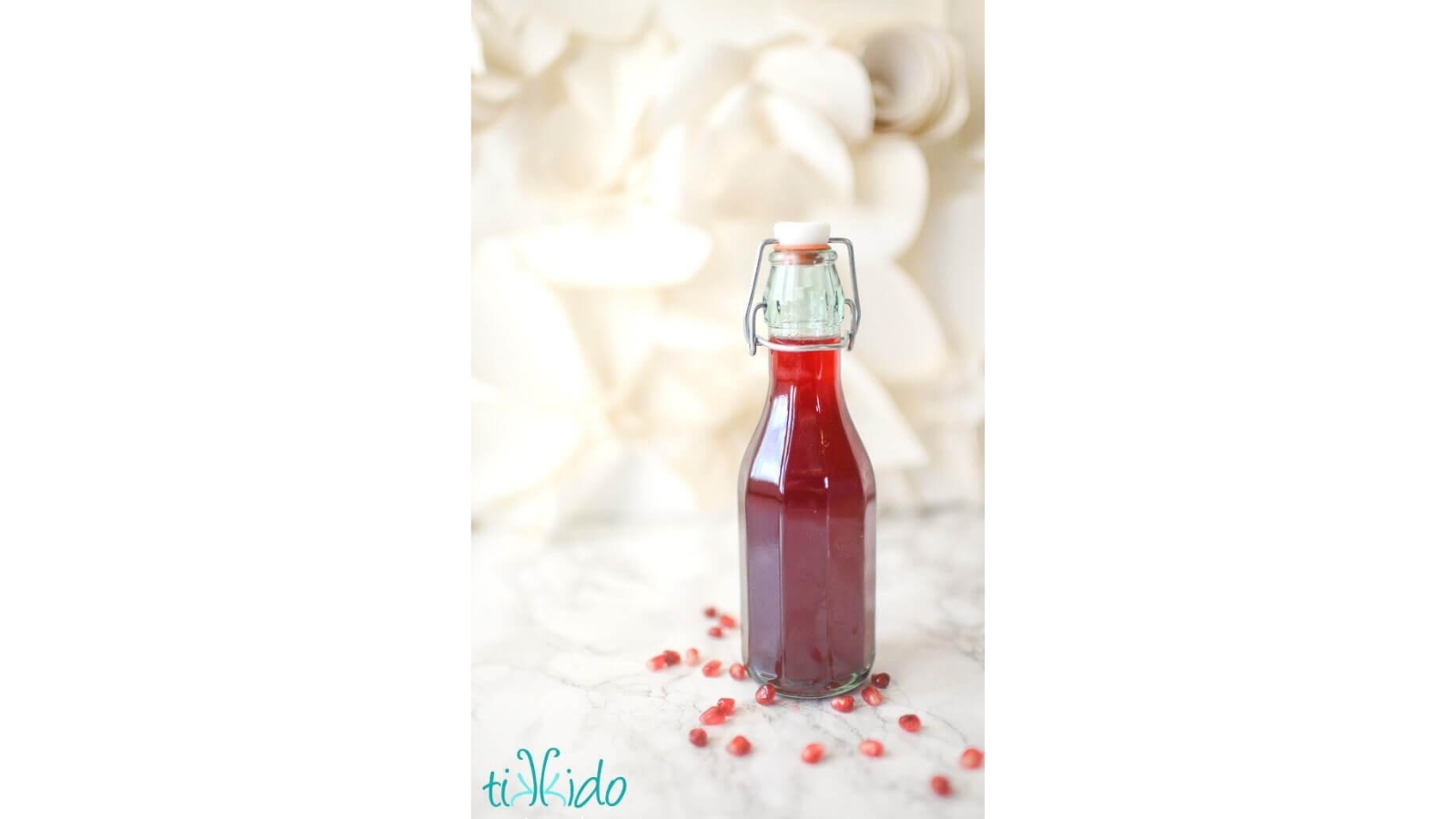
Proper grenadine tastes of pomegranate, not cherry candy. Nicole’s version starts with pomegranate juice and adds a little lemon and orange blossom water, giving you a ruby-colored syrup for holiday sodas and mocktails. It belongs at the drinks station even if it never goes anywhere near an espresso. This recipe doesn’t require alcohol, and the finished syrup still needs refrigeration.
31. Banana syrup
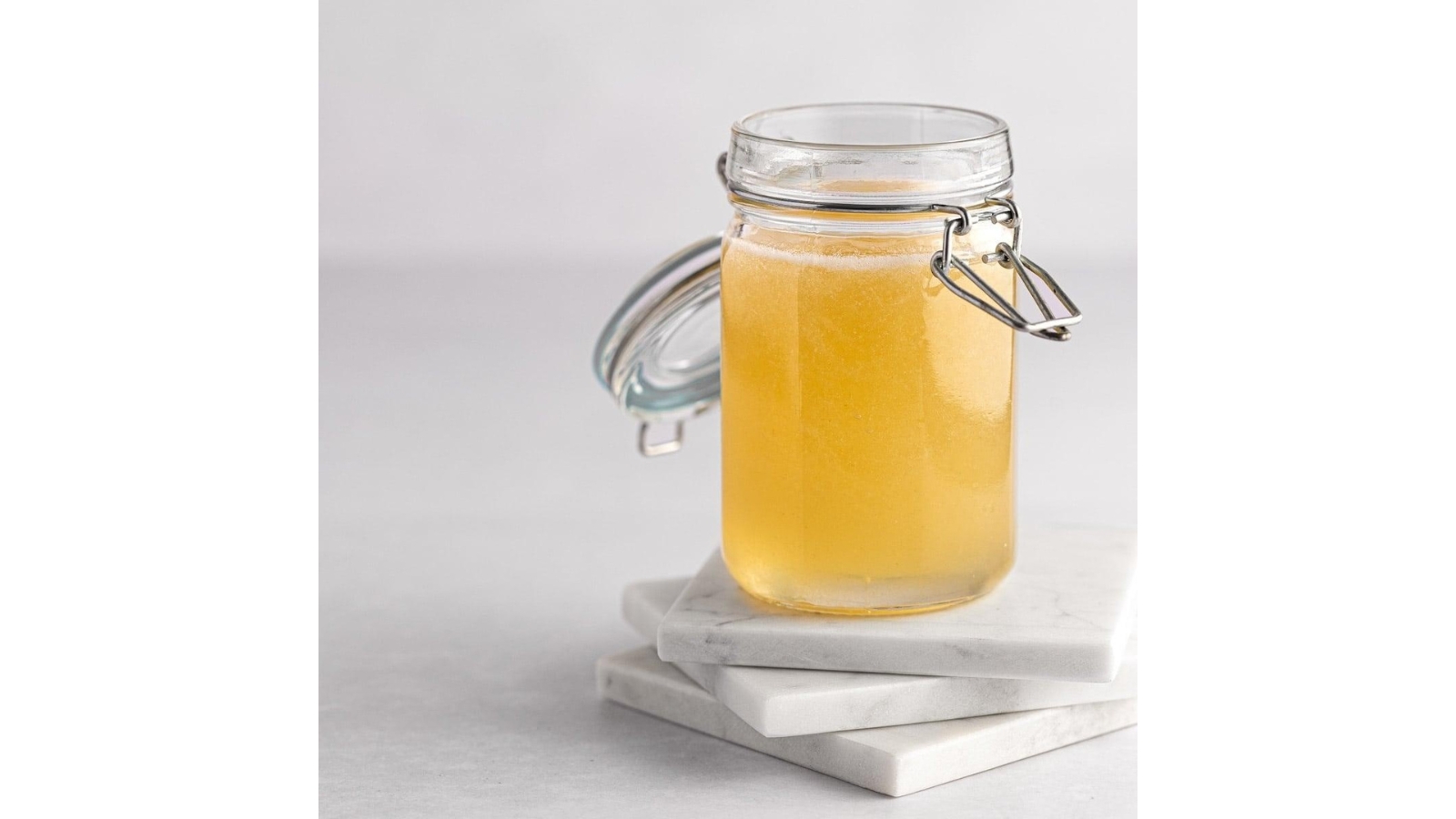
Banana syrup sounds slightly unlikely until you think about banana-and-chocolate desserts. Here, sliced banana flavors a concentrated sugar syrup and is strained away, leaving something you can experiment with in cocoa, coffee, or warm milk. I’d start with a modest amount; banana can take over a drink more quickly than vanilla.
Tea and botanical syrups
For anyone who has had enough of cookies and caramel, there’s fragrant Earl Grey, rosemary, lavender, and ruby-red hibiscus. These are flavorful infusions, so start with a modest splash and taste before adding more.
32. Earl Grey syrup
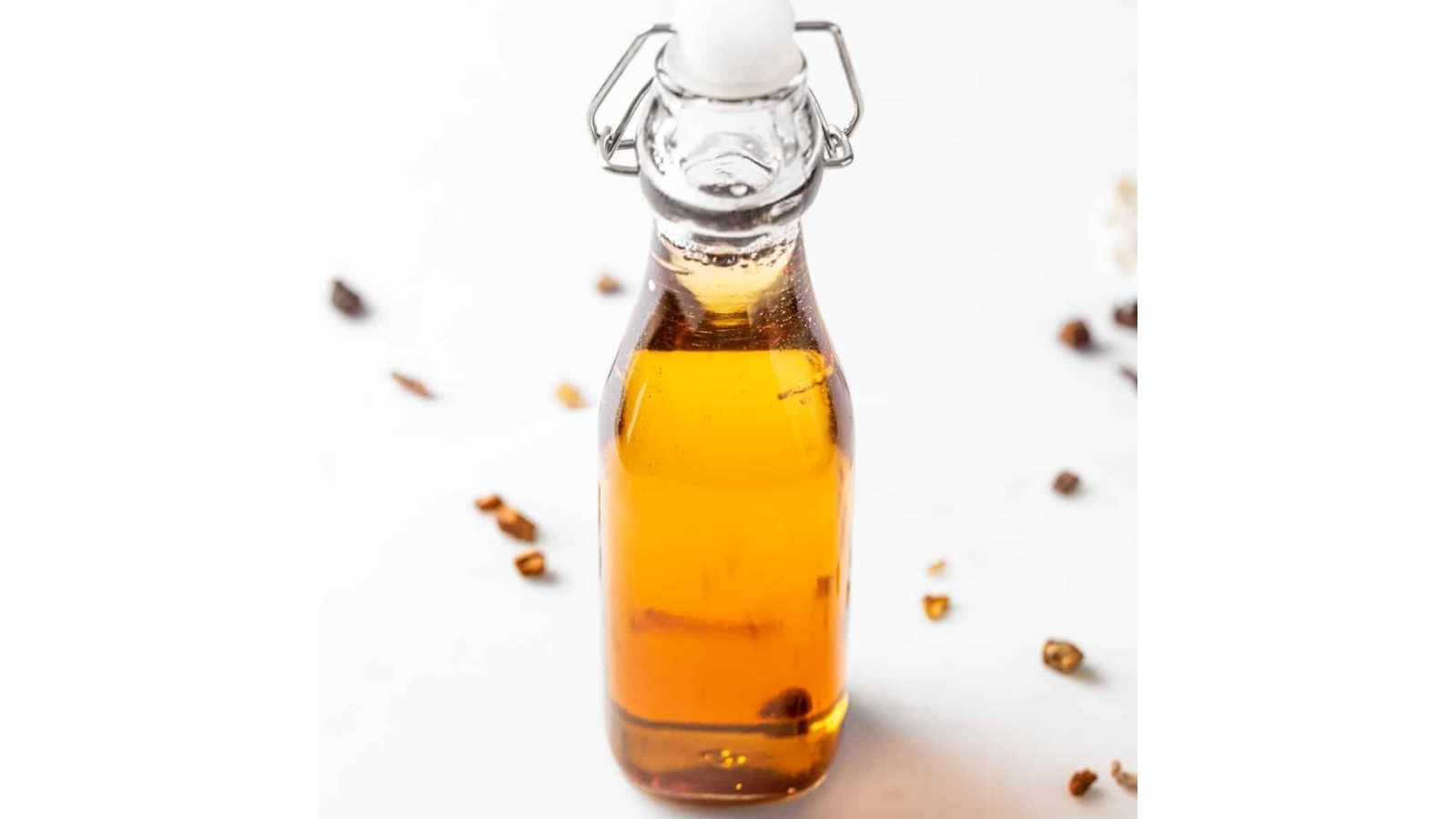
Earl Grey’s bergamot aroma is the reason to make this instead of a plain sweet tea syrup. The tea steeps first, then sugar is dissolved into the infusion, leaving a fragrant sweetener for milk tea or a tea latte. It’s an easy way to offer something a little different at the holiday drinks station without reaching for another baking spice. It contains caffeine.
33. Rosemary syrup
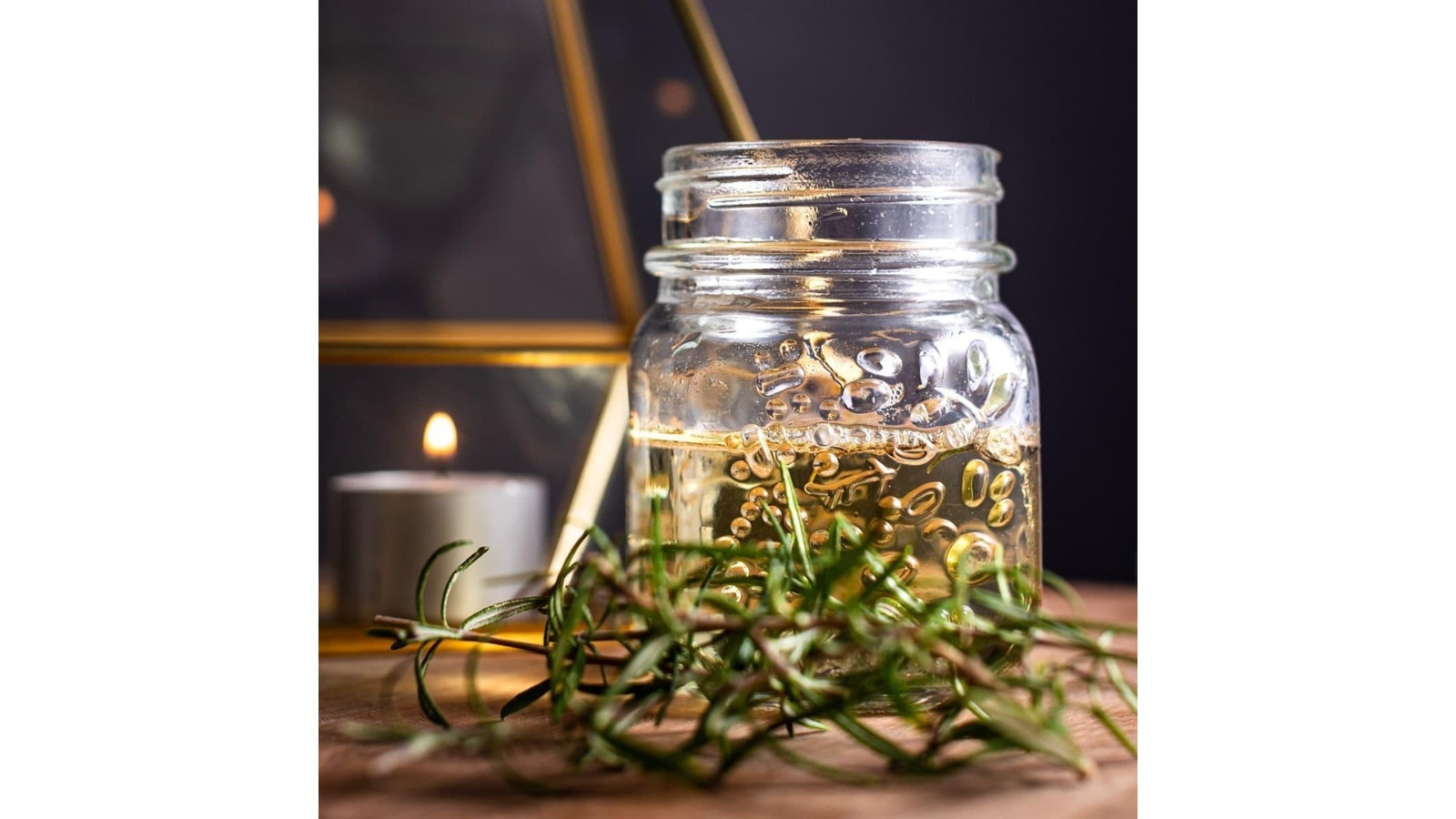
A small amount of rosemary syrup can make an ordinary sparkling drink feel quite festive, particularly with a slice of citrus. Fresh culinary rosemary is simmered and strained for a punchy herbal infusion. I’d use a light hand and taste as I went; you want a pleasantly piney note, not the sensation of drinking a herb garden.
34. Lavender syrup
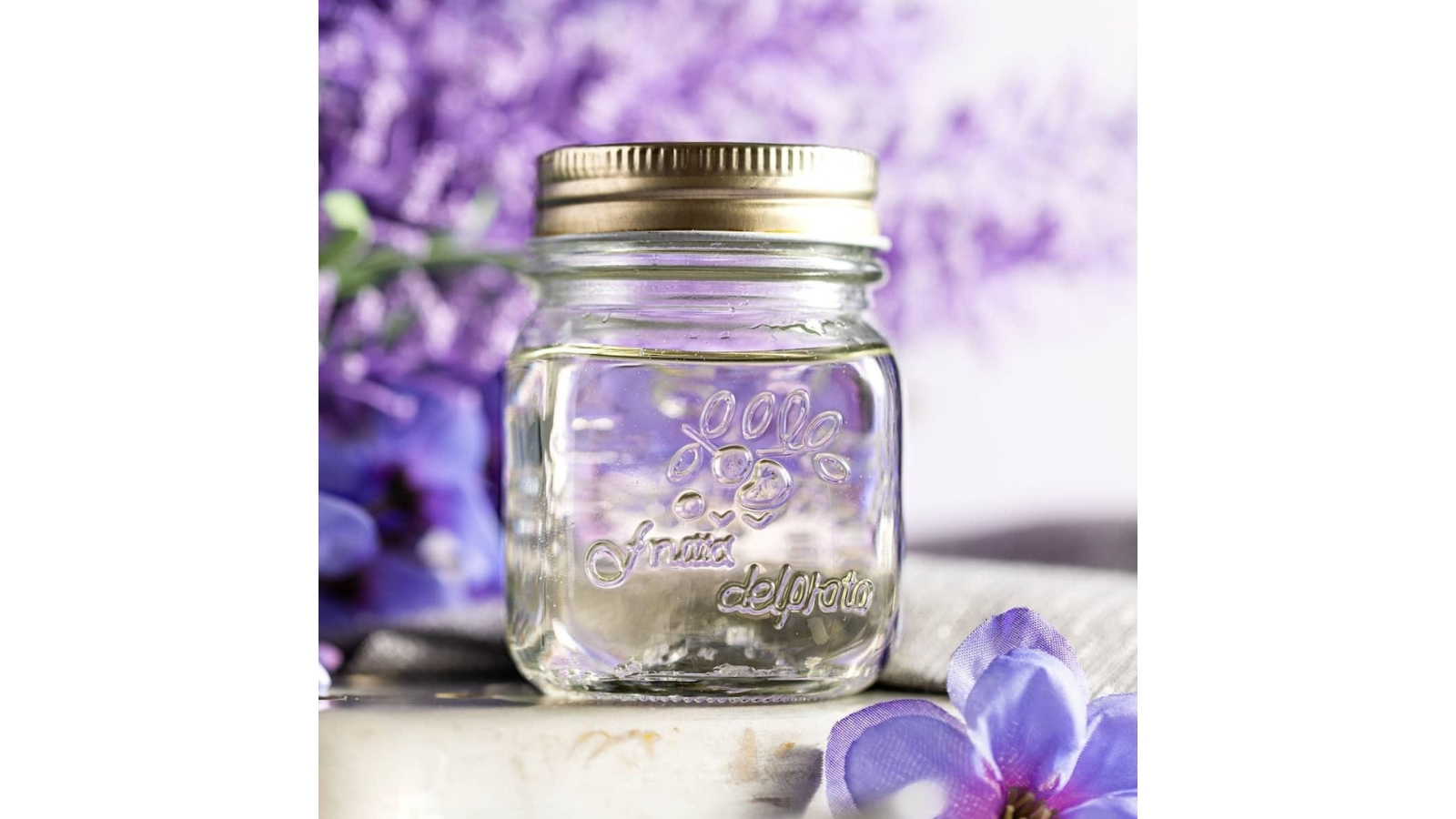
Lavender is one of those ingredients where more is very rarely better. This recipe uses fresh lavender in a strained syrup, giving you a floral note for tea or a gently flavored latte. Make sure the flowers are culinary lavender from a food-safe source, not florist’s stems or essential oil. Start with a small pour and see whether you like it.
35. Hibiscus syrup
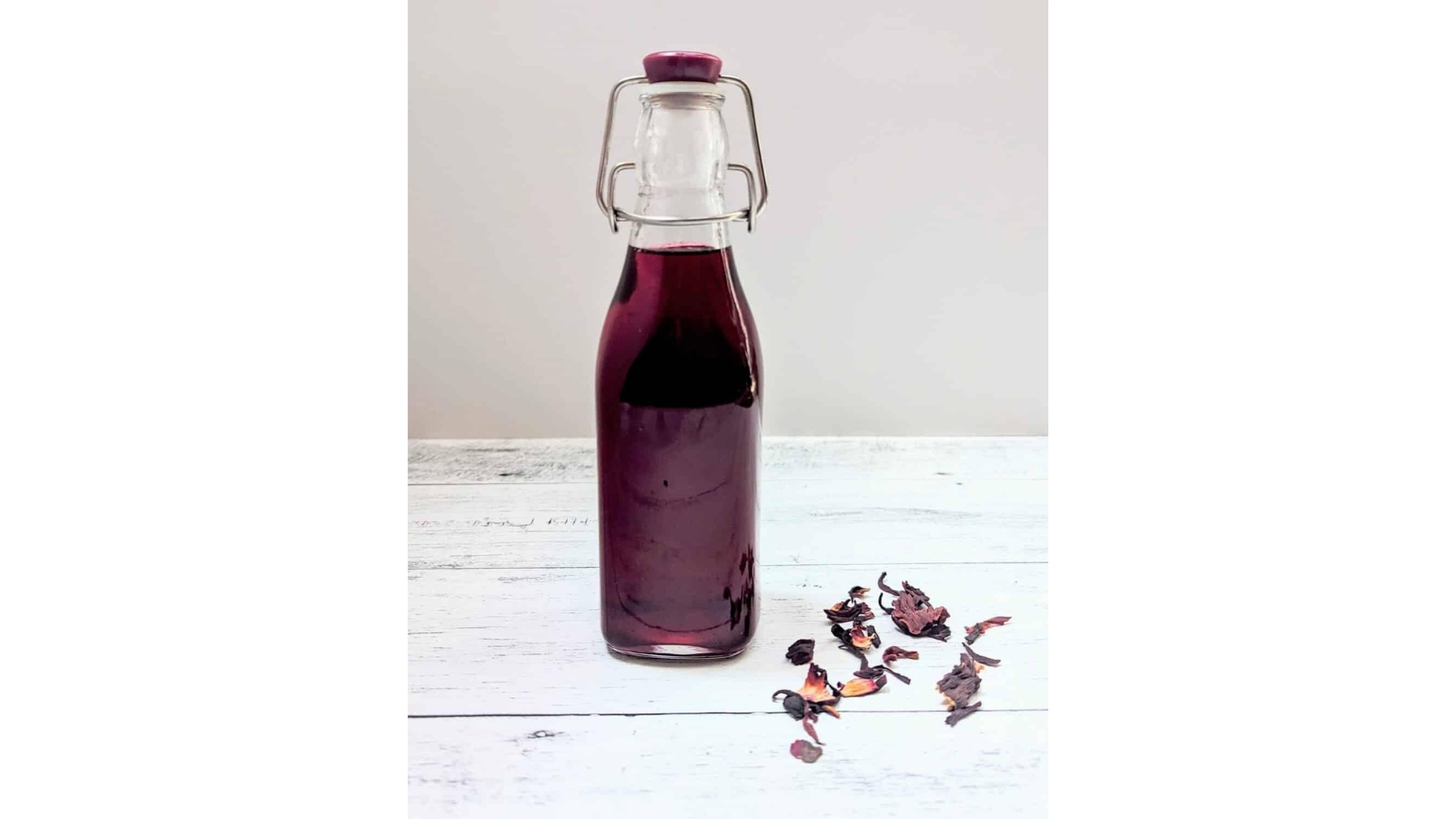
Hibiscus makes a wonderfully dramatic deep-red syrup, but it has plenty of flavor behind the color: bright, tart, and distinctly floral. Kaylen uses dried hibiscus flowers, which make this a handy pantry project when fresh winter fruit is expensive. It would be excellent in sparkling water or a holiday mocktail, particularly for people who’d rather skip the caramel-and-cookie flavors.
For ideas on arranging the mugs, coffee maker, and supplies, see these coffee and tea stations.
You might also like…
18 Cozy Ways to Make Your Home Feel Warmer Without Touching the Thermostat

