
Affiliate disclosure: This post may contain affiliate links. Please see full disclosure.
During a boil water advisory, you can usually still shower, wash clothes, and flush the toilet. But water that anyone might swallow, whether that’s in a drinking glass, a bowl of soup, or your dog’s water dish, needs to be commercially bottled or properly boiled first. And if your local notice says something more restrictive, follow that notice instead.
A broken water main, pressure drop, or failed treatment process can leave a water supply at risk of germs even when the water looks perfectly normal. My approach to any household disruption is to work out what genuinely needs changing, rather than trying to turn every ordinary task into an emergency. With a boil water notice, the big job is keeping unsafe water out of mouths and food.
Check which kind of water advisory you actually have
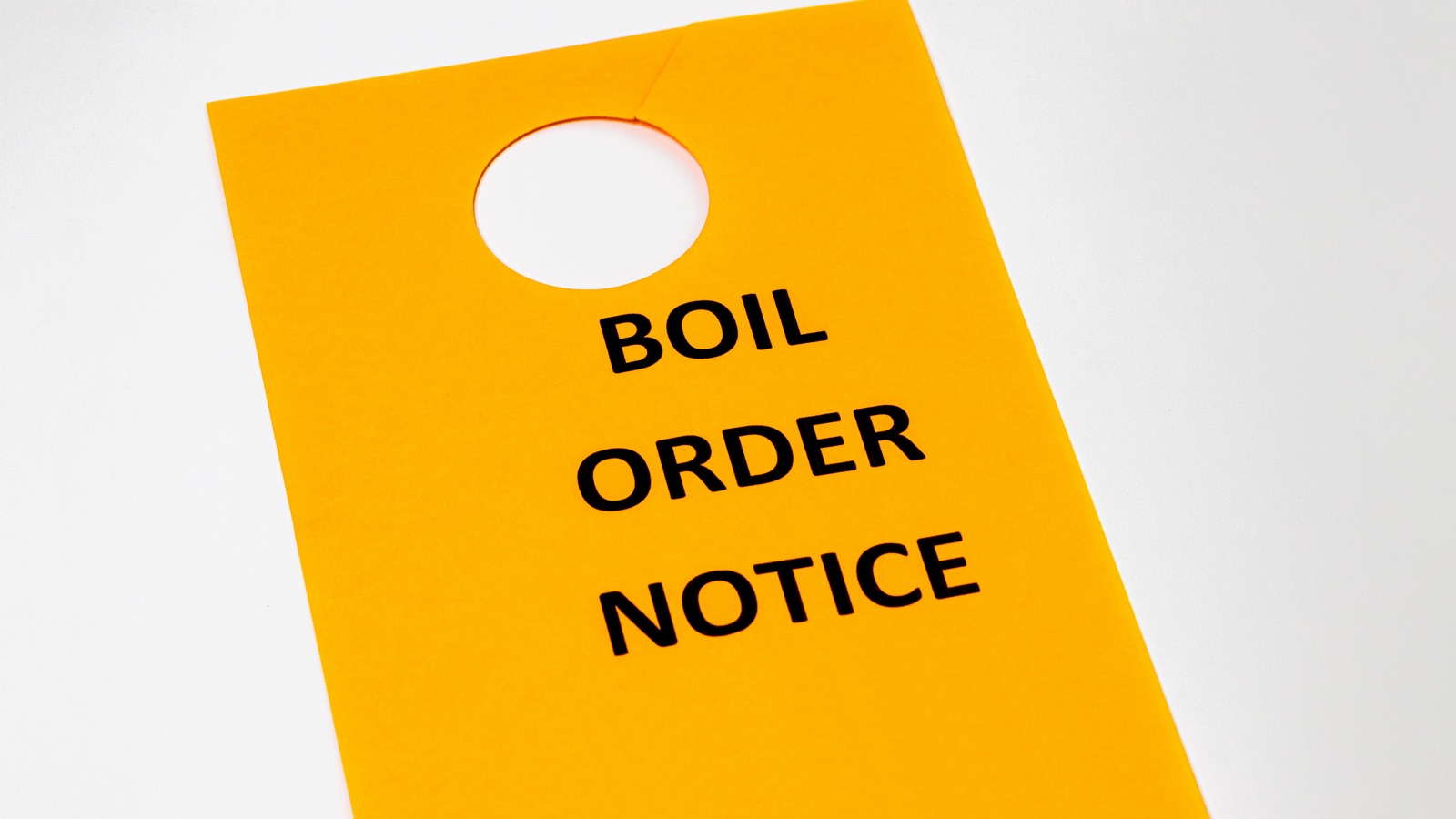
The wording matters. A boil water advisory usually concerns bacteria, viruses, or parasites that can be killed by boiling. A “do not drink” notice generally means chemicals or toxins may be present, so use commercially bottled water for anything you might swallow. A “do not use” notice is more serious: avoid tap water altogether because contact or inhalation could be dangerous.
Boiling does not remove toxic chemicals, fuel, or radioactive contamination. That includes hazards such as lead or arsenic. In some cases, boiling can concentrate chemicals as water evaporates. Don’t assume your usual boiling routine makes a chemical-contamination notice safe. Check your utility or local health department’s official updates, including the affected streets and any separate instructions for bathing, cleaning, or toilets.
Boil the water properly, then keep it clean
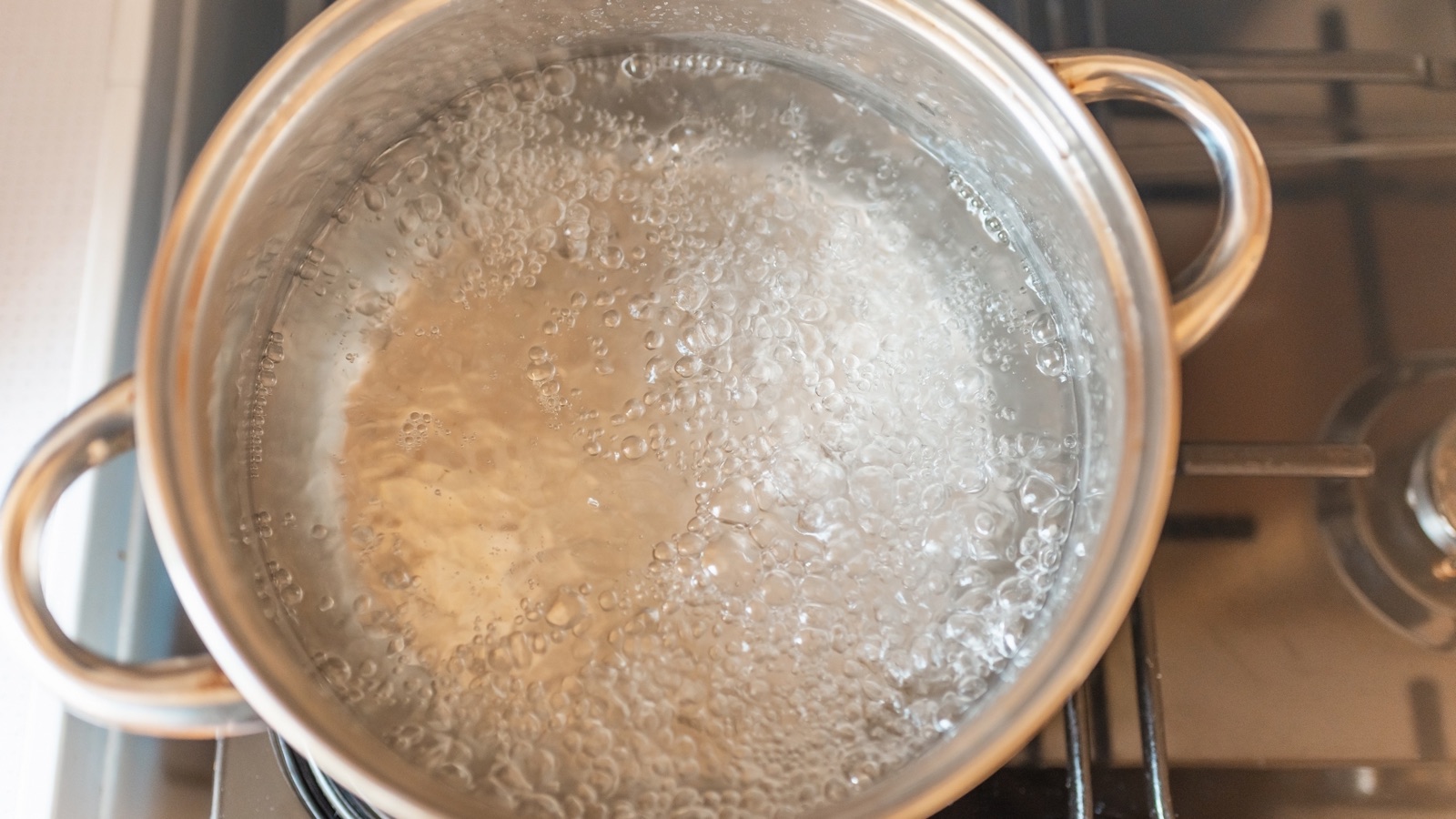
For an ordinary boil water advisory, start with cold tap water. If it’s cloudy, let particles settle or pass it through a clean cloth or coffee filter, then boil the clearer water. Bring it to a full rolling boil for one minute, or three minutes if you’re above 6,500 feet elevation. The timer starts when the water is boiling vigorously, not when the first bubbles appear. Let it cool naturally before drinking or handling it.
Use a clean, sanitized, food-safe container with a close-fitting lid. I’d keep one labeled jug for drinking and a separate vessel for unboiled water, especially if several people share a kitchen. A freshly cleaned pitcher isn’t much use if someone tops it up straight from the tap or dips a dirty cup into it. Safe storage and clean containers are part of the job, not an afterthought.
A pitcher filter, refrigerator filter, or ordinary countertop carbon filter doesn’t replace the boiling step. Even filtered tap water must be boiled unless your local authority has specifically approved another treatment method for the incident. And don’t pour water straight from a hot-water heater into a glass and assume it’s ready to drink.
Use safe water for anything you eat or drink
Use boiled and cooled water or commercially bottled water for drinking, making cold drinks, mixing juice, brushing produce, preparing uncooked food, and making ice. The same applies to water you add to a recipe that won’t then get a reliable full boil. If you’re cooking rice, pasta, or soup, use safe water from the start or make sure the water itself has reached the required boil before adding food. When in doubt, I wouldn’t risk a whole meal to save boiling a pot first.
Coffee machines, pod brewers, and hot-water dispensers aren’t a substitute for boiling unless the equipment is known to meet the official temperature-and-time requirement. Many machines heat water without holding it at a rolling boil for a full minute. Use bottled or already-boiled water instead. Don’t forget the refrigerator dispenser and automatic ice maker: water and ice from appliances connected to the affected supply aren’t safe to consume during the advisory. Discard suspect ice and drinks made with it.
Wash salad greens, fruit, and vegetables with safe water, including produce you’ve just picked from the garden. Tap water can still be used to water garden plants, including edible crops, under an ordinary boil water advisory. There is no blanket rule requiring vegetables to sit outside for days afterward. The important precaution is washing harvested produce with safe water before eating it.
Take extra care with babies and people at higher risk
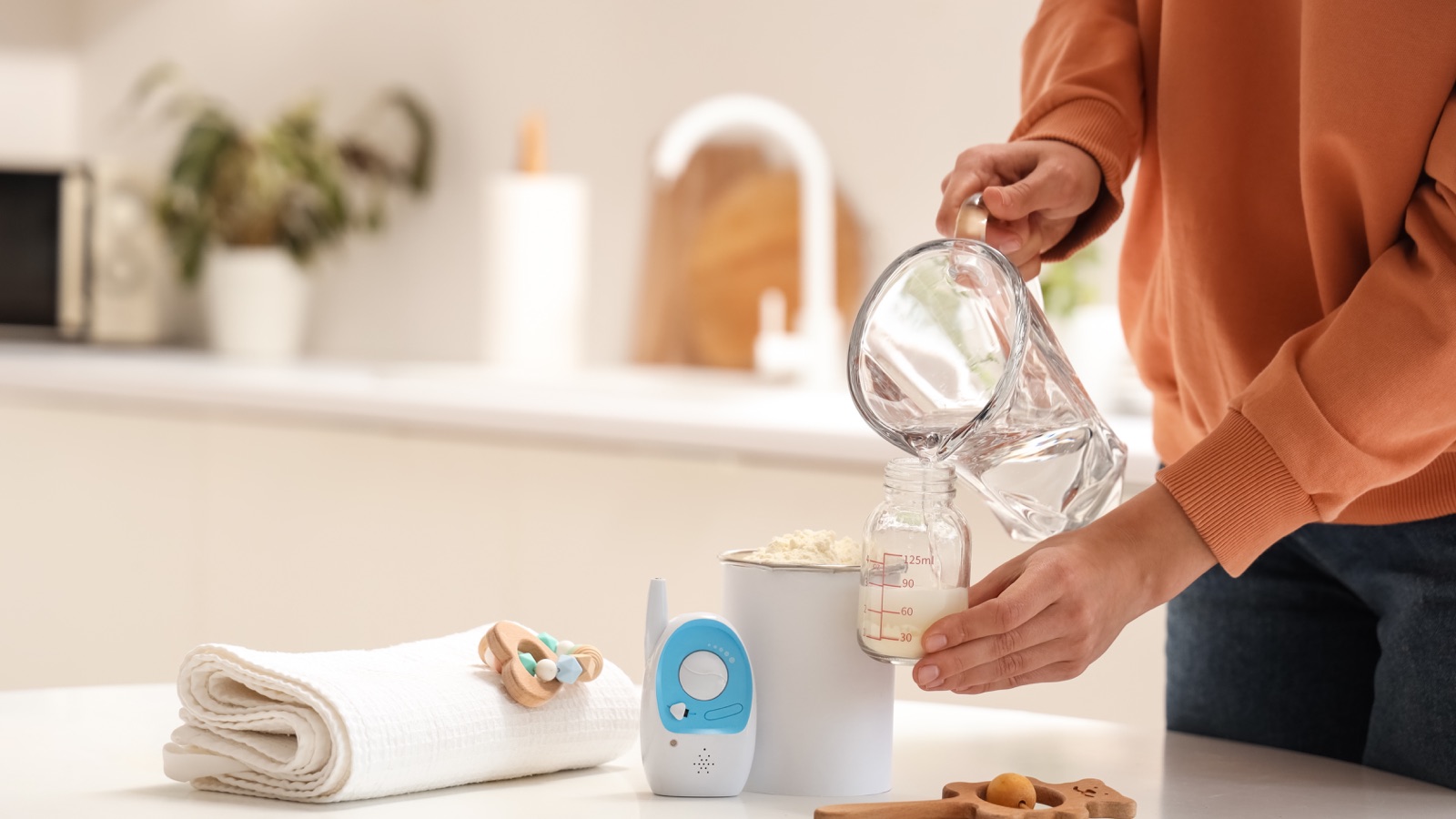
For formula-fed babies, sealed ready-to-feed formula is the safest choice during a water emergency. If you need to prepare powdered formula, use bottled water or tap water made safe as directed, and follow the formula’s exact mixing instructions. Never dilute a bottle to stretch supplies. Clean and sanitize feeding equipment with safe water, and follow current extra preparation precautions for babies under two months, premature babies, or babies with weakened immune systems; powdered formula itself isn’t sterile.
Anyone with a seriously weakened immune system or other particular medical vulnerability should follow their clinician’s advice as well as the local notice. If somebody develops diarrhea, vomiting, fever, or other concerning symptoms after possible exposure, seek medical advice and mention the water advisory. A water advisory doesn’t mean everyone who took one sip will become ill, but it isn’t worth testing your luck.
Teeth, showers, handwashing, and toilets

Use boiled and cooled water or bottled water for brushing teeth, rinsing your toothbrush, or any mouth rinse. You don’t want the last mouthful of your morning routine to undo all the care you’ve taken over breakfast.
Adults and older children can generally bathe or shower using tap water during a boil water advisory, provided they don’t swallow it. Keep it out of mouths and avoid water play where children might drink it. For babies and toddlers, a sponge bath is a safer option. If you’ve got open wounds, healing surgical sites, or specific medical needs, ask your healthcare team or local health department what precautions apply.
In many advisories, ordinary handwashing with soap and tap water is permitted; dry hands thoroughly and follow any additional local direction, particularly when handling food or caring for someone vulnerable. Laundry and toilet flushing can generally carry on as normal. These permissions apply to a boil water advisory, not automatically to a do not use notice.
Wash dishes safely without wasting gallons of bottled water
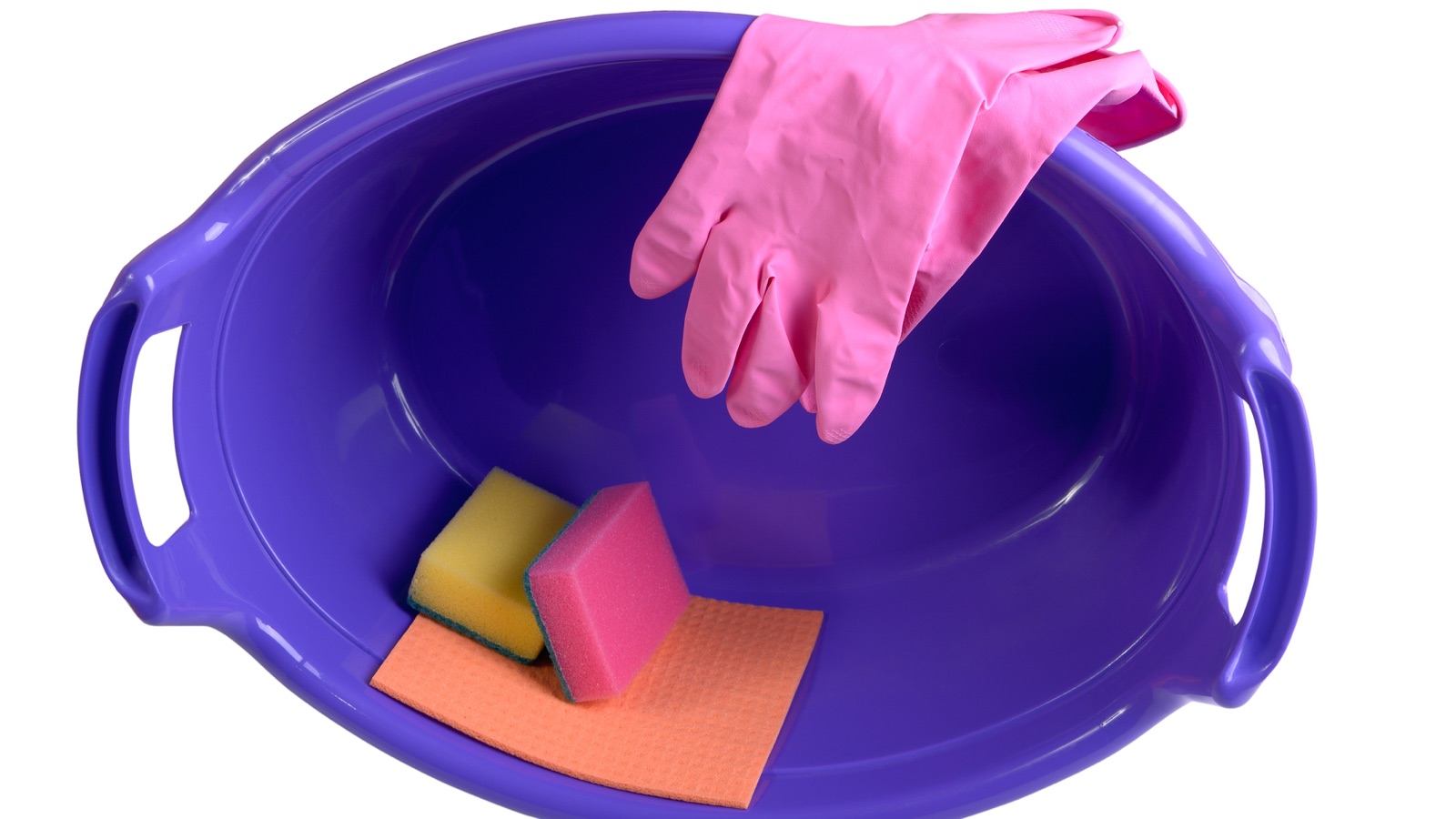
You don’t usually need to boil every sinkful of dishwater. If your dishwasher has a verified sanitizing cycle or a final rinse of at least 150°F (66°C), it can generally be used during a boil water advisory. Check its manual rather than assuming a hot wash setting reaches that temperature.
For handwashing, wash and rinse dishes with hot tap water and detergent as normal. Then, in a separate basin, mix 1 teaspoon of unscented household liquid bleach into 1 gallon of warm water. Soak the washed dishes for at least one minute and let them air-dry completely. Don’t towel-dry them, add extra detergent to the sanitizing basin, or mix bleach with other cleaners. Use the exact dish-sanitizing method in the public-health instructions, and give any stricter local instructions priority.
Baby bottles, nipples, breast-pump parts, and food-contact surfaces need their own careful cleaning and sanitizing, using methods approved for the equipment. If safe water is scarce, I’d cut down on complicated food prep before I’d compromise on clean feeding equipment.
Don’t forget pets, livestock, and the garden
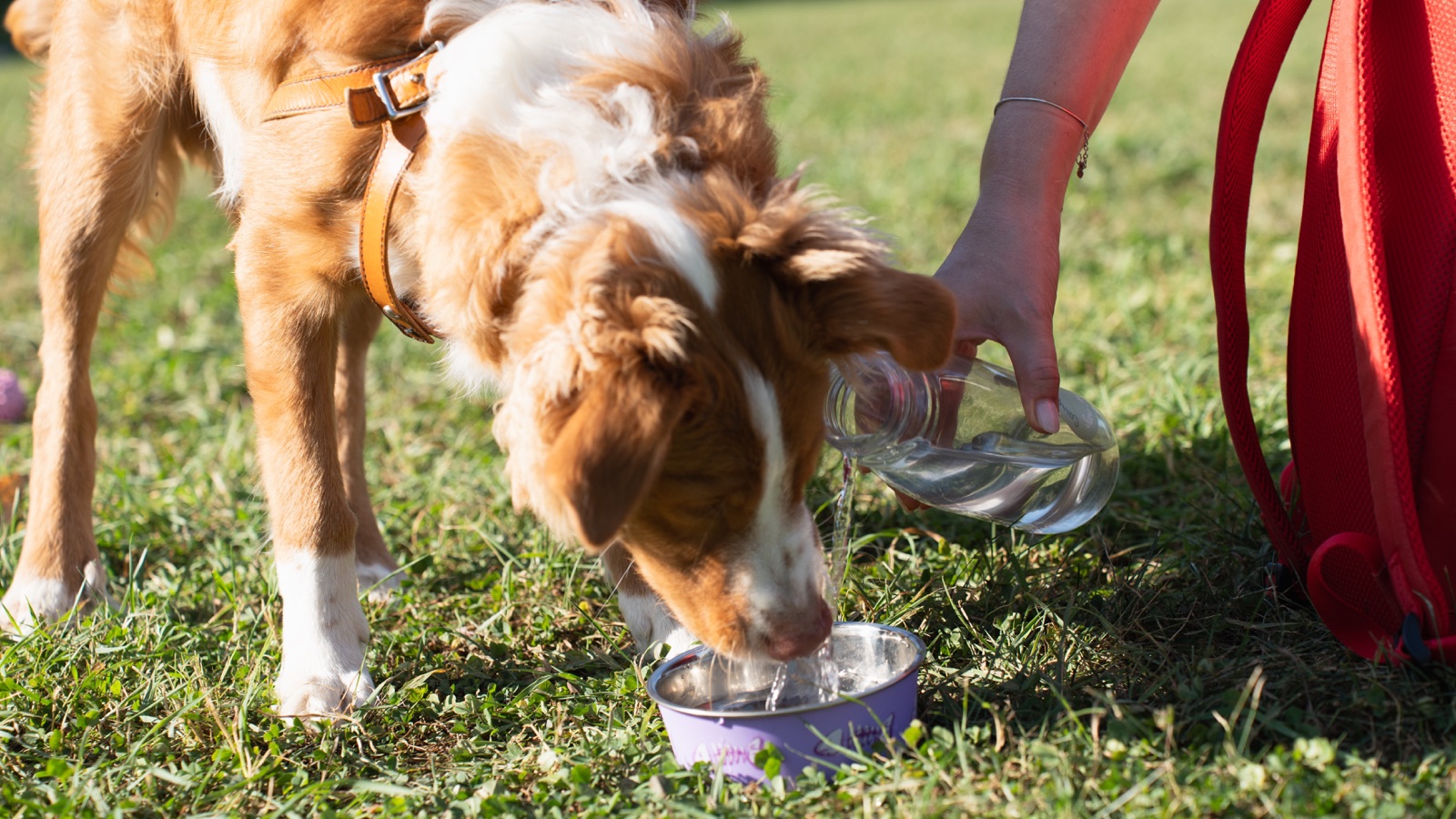
Pets need bottled or properly boiled, cooled drinking water too. As a Certified Canine Nutritionist, I don’t regard the dog’s bowl as an optional extra when household water safety changes. Wash drinking bowls with safe water, or sanitize them appropriately, and make sure nobody absentmindedly refills them from the affected tap.
The same practical caution applies to animals in your care, although specific needs differ by species and how water is supplied. If you keep livestock, check the notice with your veterinarian or local agricultural authority, especially where large volumes of water or automatic drinkers are involved. Don’t silently assume a notice written for household taps answers every stock-water question.
For ornamental plants and food gardens, tap water can normally still be used during a boil water advisory, but local restrictions always win. Keep it off harvested produce that is about to be eaten, and rinse anything you’ll eat raw with safe water.
When the advisory ends, check the pipes and appliances
Keep boiling until your utility or local health department officially lifts the notice. Clear-looking water and a return to normal pressure are not proof that testing is complete. Afterward, your water provider may tell you to flush faucets and plumbing before returning to normal use. Follow their timing, not a universal five-minute rule from somewhere else.
Dispose of suspect ice, clean ice bins, and flush refrigerator water lines or change filters when instructed. Follow the appliance manufacturer’s cleaning instructions, particularly for ice makers and filtration systems. If the incident affected a private well, ask your local health department what testing or disinfection is needed rather than assuming a municipal all-clear applies to it.
A small drinking-water reserve makes the next advisory easier

I prefer practical preparedness to elaborate stockpiles that nobody can lift or find. Keep enough commercially sealed drinking water and suitable clean containers to get through the first disruption, and remember people with extra needs, pets, and any animals you’re responsible for. Smaller jugs are often easier to handle than one enormous container. If carrying heavy water is difficult, manageable emergency-water storage is worth planning before there’s a problem.
A covered pot for boiling, a few clean bottles, and a clear household rule about which water is safe will do more good than a cupboard full of gadgets you haven’t tested. The moment an alert arrives, read the exact notice, set aside safe drinking water, and keep checking official updates. That is the simplest way to keep everyday life going without guessing at the safety of your tap.
You might also like…
14 Things you’ll be glad you packed in your bug out bag if you ever have to leave home in a hurry
Getting Your Family Involved in Prepping Without the Doom and Gloom
The centuries-old fire-starting trick that worked before matches existed (and can save you in an emergency)

