
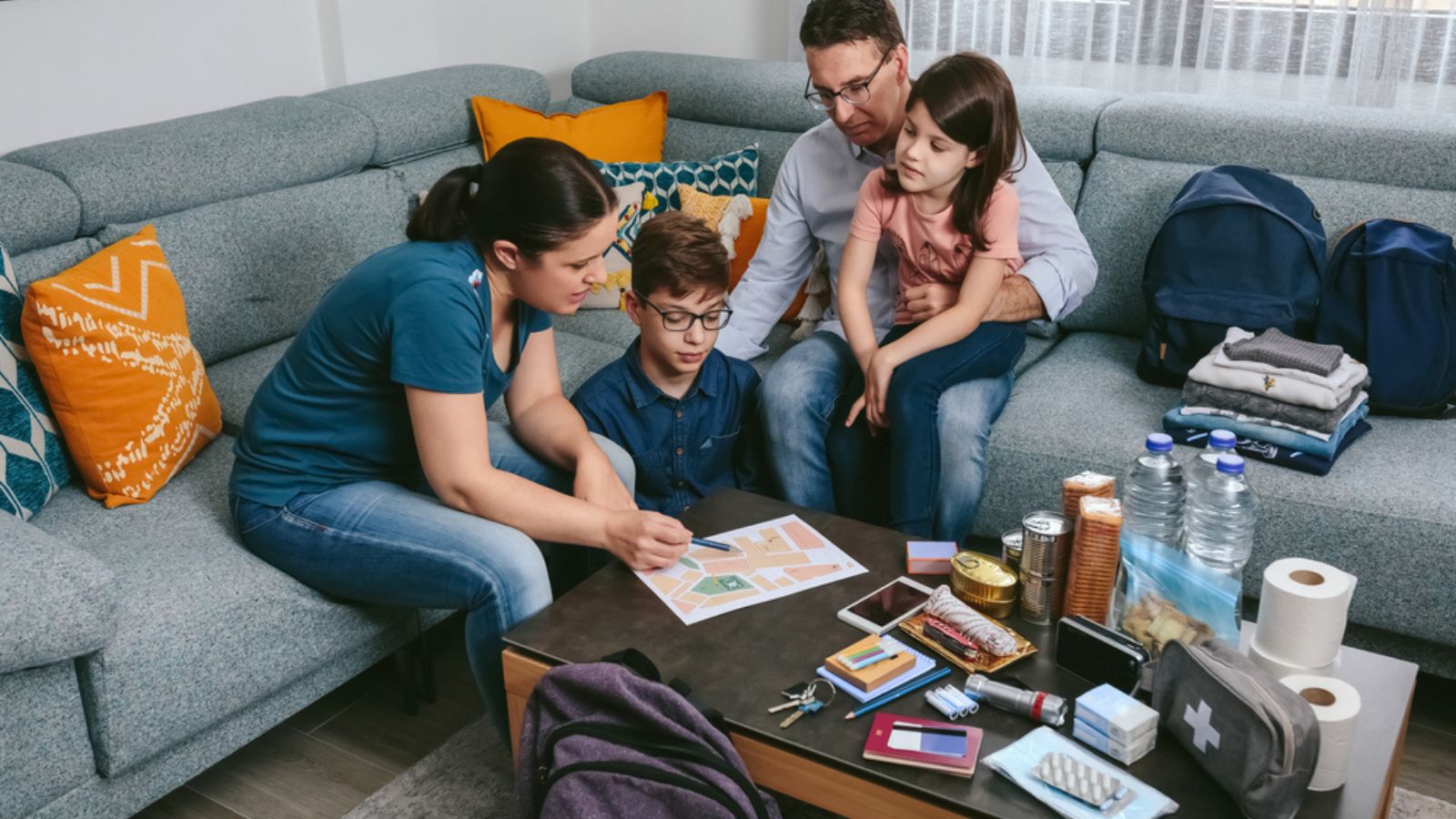
Affiliate disclosure: This post may contain affiliate links. Please see full disclosure.
The easiest way to get your family involved in prepping is to stop trying to turn everyone into a prepper. Start with something ordinary, like the power going out through dinner, and figure out what would make that evening less of a nuisance. A working flashlight, a familiar meal that doesn’t need cooking, and a way to contact each other are much more useful than an argument about hypothetical disasters.
If you’re the only person interested in emergency preparedness, it’s tempting to make the plan, buy the supplies, and announce that everyone is now ready. But a plan that exists entirely in your head isn’t much help when you’re out or can’t get home. You want the people sharing your home to understand the basics and have a say in how they work.
Growing much of my own food and keeping livestock has taught me to think about the knock-on effects when everyday systems stop working. Animals still need water, people still need feeding, and equipment doesn’t become easier to use just because it’s an emergency. You don’t need land or livestock to make the same practical decisions.
Start with a familiar interruption, not a frightening prediction
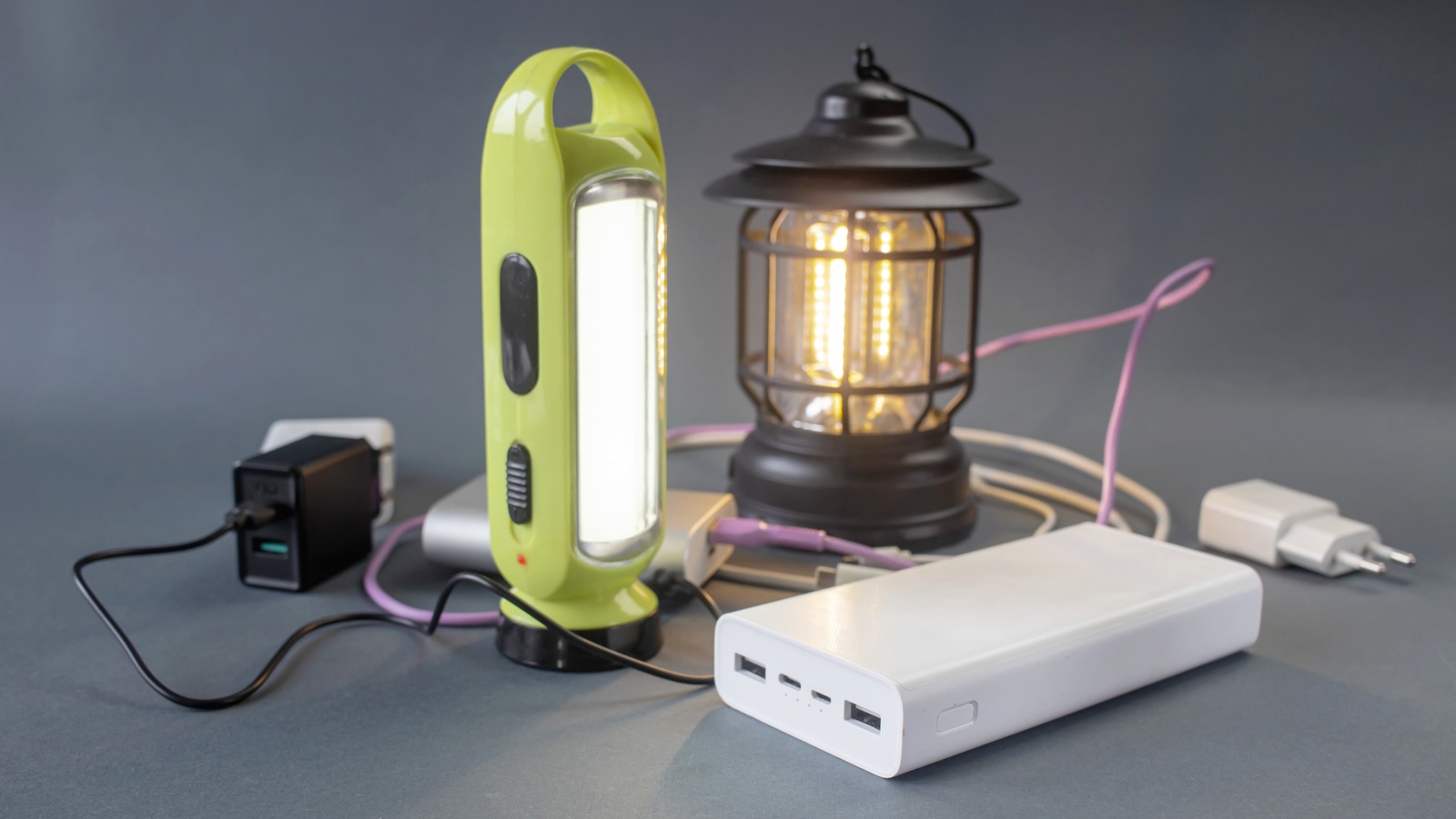
A short power outage is a good place to begin. The lights go off, the Wi-Fi disappears, someone wants dinner, and nobody can remember where the flashlights went. That’s relatable. You don’t have to start talking about disasters that seem unlikely or far removed from your family’s life.
Ask one straightforward question: ‘If we lost electricity for the evening, what would bother you most?’ One person might be worried about keeping their phone charged. Another might think about keeping the house warm, getting a meal together, or making sure an older relative is all right.
Don’t dismiss an answer just because it isn’t what you expected. The person concerned about their phone may also be the one who’ll happily check that the backup battery works. Someone worried about dinner can help choose food that doesn’t need a microwave. Those are useful contributions, even if nobody mentions the word ‘preparedness.’
Keep to one familiar scenario. Once the household has sorted out an evening without electricity, you can think about a water outage, a snow day, or being unable to get to the store. There is no prize for trying to prepare for everything in one conversation.
Find something everyone actually wants

One person may see prepping as sensible planning, while another thinks it means panic-buying and filling the garage with expensive gear. You don’t have to settle that disagreement. You can agree that having drinking water, food, and a way to reach each other is sensible.
I’d begin by asking everyone to name one thing they’d like to make easier during a disruption. Then look for the overlap. Perhaps the shared aim is simply being comfortable at home for a couple of days if the stores are closed. That’s enough to make a start.
Talk about boundaries too. If money is tight, agree on a modest budget. If storage is limited, make space for a few things that matter instead of buying a large kit. If one family member hates clutter, choose supplies that earn their place in ordinary life. An apartment household doesn’t need to copy somebody’s homestead setup.
And please don’t buy expensive gear for someone who has already said they don’t want it. They may be perfectly willing to help organize the pantry or put contact numbers on paper without becoming interested in your hobby. That’s participation, not resistance.
Give people a job that makes sense to them
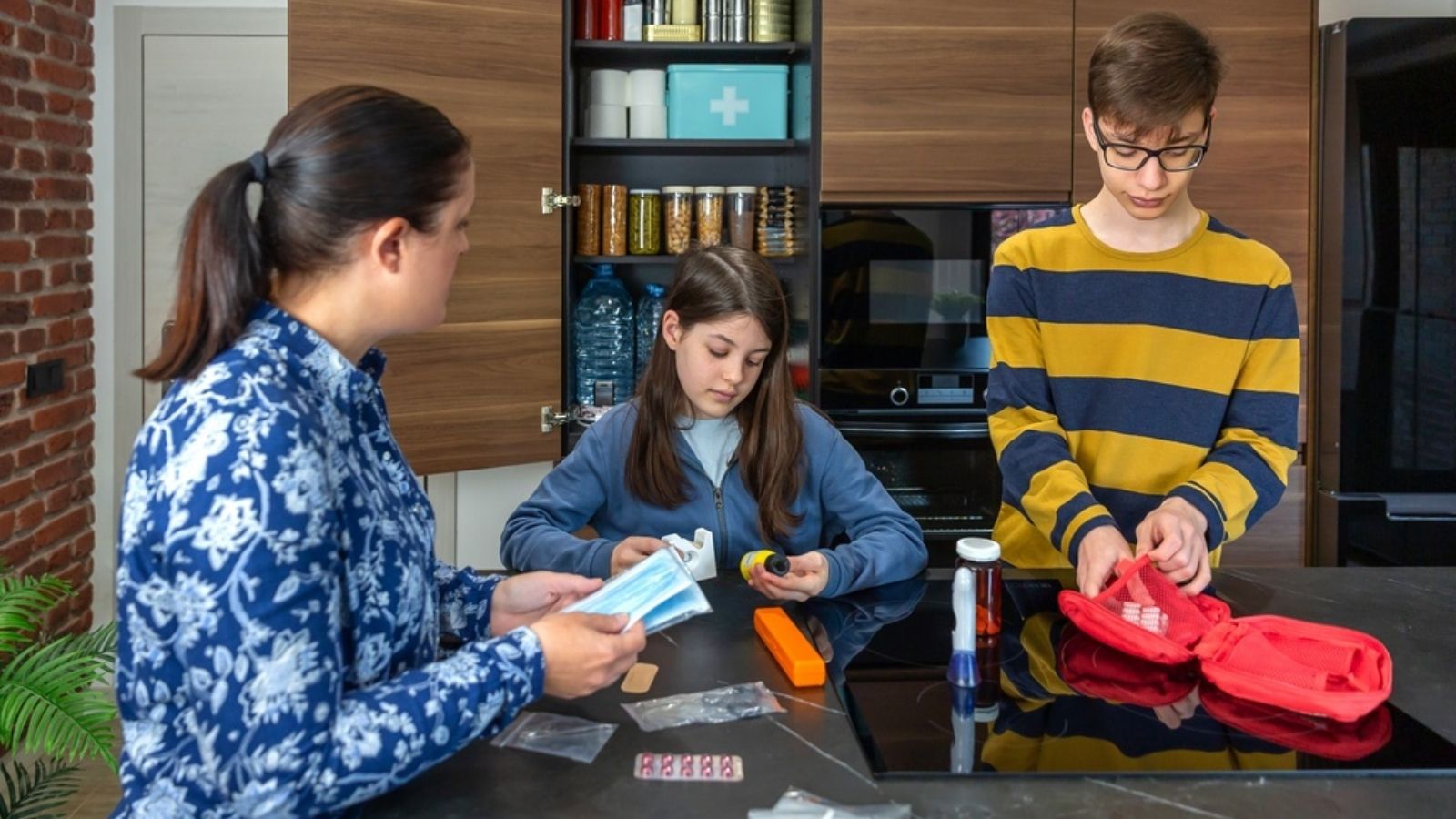
People remember a plan better when they’ve helped choose it. Match the jobs to what each person can do, enjoys doing, and considers important. It doesn’t need to become a formal household exercise.
Some useful starting jobs are:
- Have one person find a sensible, easy-to-reach home for two working flashlights and check the batteries.
- Ask somebody else to choose two meals the household could eat without electricity.
- Let the organizer make a short contact sheet and check that the telephone numbers are current.
- Invite an older child to choose familiar snacks and locate a flashlight, while adults keep responsibility for safety-critical tasks.
Teenagers may be happy to test a power bank if it means their own phone will stay charged. Someone with limited mobility may be best placed to tell you whether the water containers are too heavy or the manual can opener is impossible to grip. Listen to them before deciding what to buy.
With younger children, keep the explanation simple: sometimes lights or water stop working for a while, and the family has a plan to make things easier. Helping assemble supplies and learning who to contact can be reassuring. Frightening predictions and adult responsibilities aren’t. Children can benefit from calm, age-appropriate preparation, but they’re still children.
Make the food familiar and easy to use

Emergency food doesn’t have to mean strange packets of powdered meals or a shelf full of things nobody likes. Look at what you already eat. Crackers, peanut butter or another suitable spread, canned beans or fish, ready-to-eat canned meals, shelf-stable milk, and fruit cups may already be regular purchases.
Ask everyone to choose a breakfast, lunch, and dinner they’d genuinely eat if the stove and microwave weren’t available. Think about the practical details. Does the food need a can opener? Does it need water to prepare? Is there a person with allergies, a medical diet, or difficulty chewing or swallowing? Does opening a large container mean you’ll have leftovers you can’t safely refrigerate?
Choose a few options you know the family likes, add extra portions to your normal shopping, use them as you ordinarily would, and replace them. This is more sustainable than forgetting about a separate stockpile until everything is out of date. The site’s guide to emergency foods your family will actually eat has more specific food ideas if you’re struggling to find meals everyone agrees on.
Water is worth planning separately. A good starting reserve is at least one gallon of water per person per day for three days, with extra for pets and individual needs. That covers drinking and some basic household uses. You can build the reserve gradually and divide it into containers people can actually lift.
If the electricity really does go out, don’t keep opening the refrigerator to inspect dinner. A closed refrigerator keeps food safe for about four hours, while a full unopened freezer can maintain safe temperatures for about 48 hours, or 24 hours if it’s half-full. Plan some shelf-stable meals so nobody has to gamble on perishable food.
RELATED POST: 18 Emergency Foods Your Family Will Actually Eat
Write a one-page plan for keeping in touch

For a lot of families, the communication plan will be more useful than anything they’ve bought. It should be short enough to understand at a glance and available even when a phone has no charge or the internet is down.
Put everyone’s telephone number on one sheet, along with one trusted relative or friend who lives outside your immediate area. Include the school’s or childcare provider’s number, important caregivers, and anyone you would need to contact quickly. Keep a copy in an obvious place at home and let household members carry one if that suits their circumstances.
Agree on a meeting place just outside the home for an immediate emergency such as a fire, and another safe place farther away if you can’t return to the neighborhood. Those are two different situations, and one meeting spot won’t necessarily work for both. This is part of a practical family emergency and reunification plan. Always follow local emergency instructions about evacuation or sheltering.
Agree on a simple message as well. ‘I’m safe, at the library, trying again at six’ tells someone a lot more than repeated missed calls. Texts may sometimes get through when calls don’t, but they’re not guaranteed, which is why the contact and meeting arrangements matter.
If children are at school when services fail, find out the school’s procedure rather than inventing one at home. And if an older relative or neighbor might need checking on, ask what help they want and agree who will call or visit. Don’t assume people are available, or that they want somebody showing up unannounced.
Try a short, calm practice without switching off the power

You can learn a surprising amount in ten or fifteen minutes without pulling the main breaker or pretending there’s an emergency. I wouldn’t recommend deliberately shutting off the electricity for a family drill. That can disrupt medical equipment, alarms, refrigeration, and other important systems.
Instead, choose an ordinary evening. Ask everyone to find the flashlights without using their phone light. Make one of the chosen no-cook meals. Check that a power bank actually charges the phones in the house. Then see whether everybody can locate the contact sheet.
You may discover that the batteries are flat, the can opener is missing, or a phone has changed charging connectors. Good. Those are small, fixable problems that are much nicer to discover on an ordinary Wednesday than during a storm.
You can include a board game or a familiar comfort item for younger children, but there’s no reason to turn it into a timed challenge. Nobody should be embarrassed for forgetting something or made to feel that they failed a test.
One safety rule is non-negotiable. Grills, camping stoves, and generators must not be used inside the home as an improvised answer to losing electricity. Carbon monoxide from fuel-burning equipment can kill. The whole point of the no-cook meals is to have a safe, easy option without improvising.
Adapt the plan to the people and animals in your household

Young children, pets, older relatives, and anyone who relies on medication or powered medical equipment may need something different from the basic plan. It’s worth working through those needs with the person affected rather than making assumptions.
If a medicine needs refrigeration or a piece of essential medical equipment needs electricity, check the proper backup arrangements with the pharmacist, clinician, or equipment supplier. A normal phone power bank isn’t automatically a safe substitute for a medical power supply. If someone’s mobility or dexterity is limited, moving supplies to a lower shelf or using smaller water containers might make more difference than buying extra gadgets.
The practical questions around accessible food, supplies, and equipment are also covered in more detail in prepping after 60, although accessibility matters at every age.
Pets need water, food, and a plan for leaving home safely. Since I keep livestock, I see animal care as part of the everyday planning rather than a separate optional extra. A single cat and a flock of chickens obviously need different arrangements, but both deserve a thought before the power goes out.
The best plan is one people can carry out on a tiring day, not the one that looks most impressive on a printed checklist.
RELATED POST: Prepping After 60? Your Emergency Supplies May Need a Rethink
Make it a habit, then leave everyone alone about it
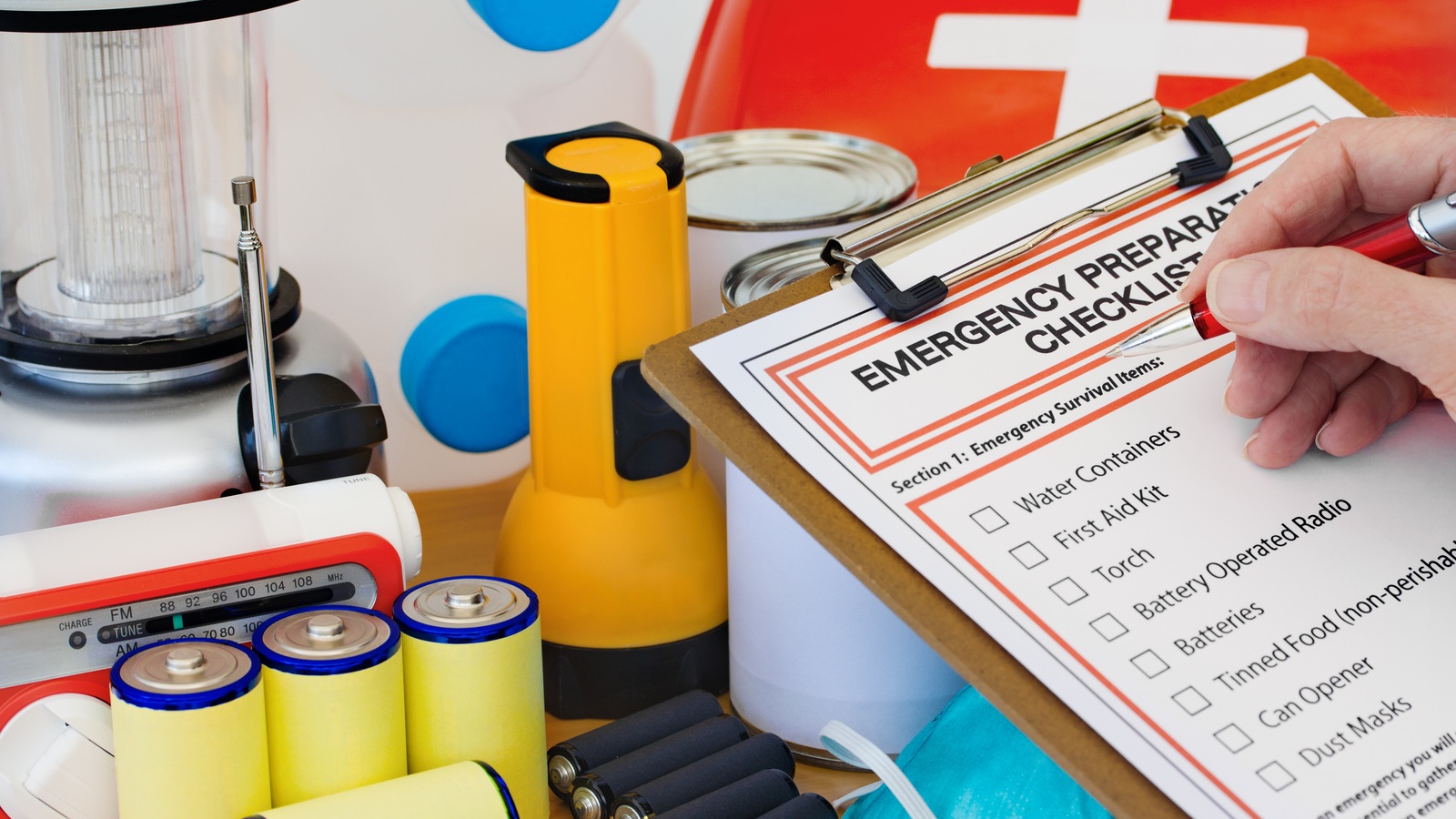
Once you’ve got light, a few familiar meals, water, and a contact sheet sorted, your family is better prepared than it was. You can add other things as the need becomes clear, without turning every grocery trip into a conversation about disaster.
Check the flashlights when you change the clocks. Rotate pantry food while you write the shopping list. Update the contact sheet when someone changes schools, jobs, or telephone numbers. Review what would be different if the weather, living arrangements, or medical needs change.
It’s absolutely fine if no one else ever calls themselves a prepper. If everybody knows where to find light, has something familiar to eat, and knows how to reach each other when life gets awkward, the important part is already working.

