Affiliate disclosure: This post may contain affiliate links. Please see full disclosure.
Young fruit trees need protection from more than freezing temperatures. Winter sunshine can split tender bark, mice and voles can chew through the trunk near ground level, and rabbits can strip bark above the snow. A little preparation in fall can prevent injuries that might otherwise set a tree back for years or kill it outright.
As an organic grower who produces a substantial amount of my own food, I see young fruit trees as long-term investments. They’re not difficult to protect, but the details matter. A trunk guard that’s too short, mulch piled against the bark, or a dry root ball going into winter can undo all the care you put into planting the tree.
Protect the trunk before winter sun damages the bark

Sunscald isn’t the same as a tree being scorched during summer. On bright winter days, the sun warms the south or southwest side of a thin-barked trunk. When the sun disappears and temperatures fall rapidly, those tissues can be injured. The damage may show up later as dead, sunken areas or vertical splits in the bark. Young apples, plums, cherries, and newly planted trees are particularly vulnerable.
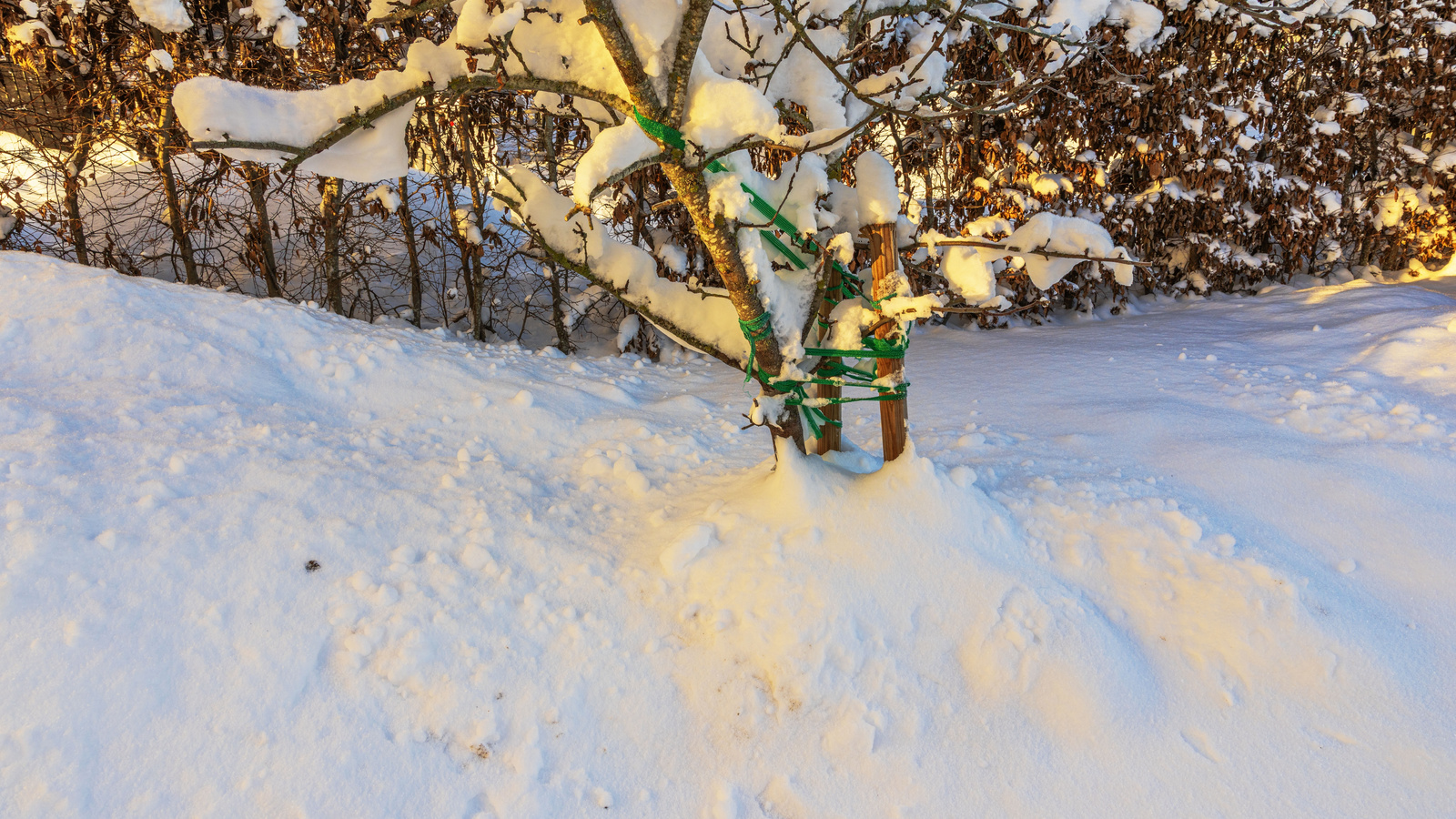
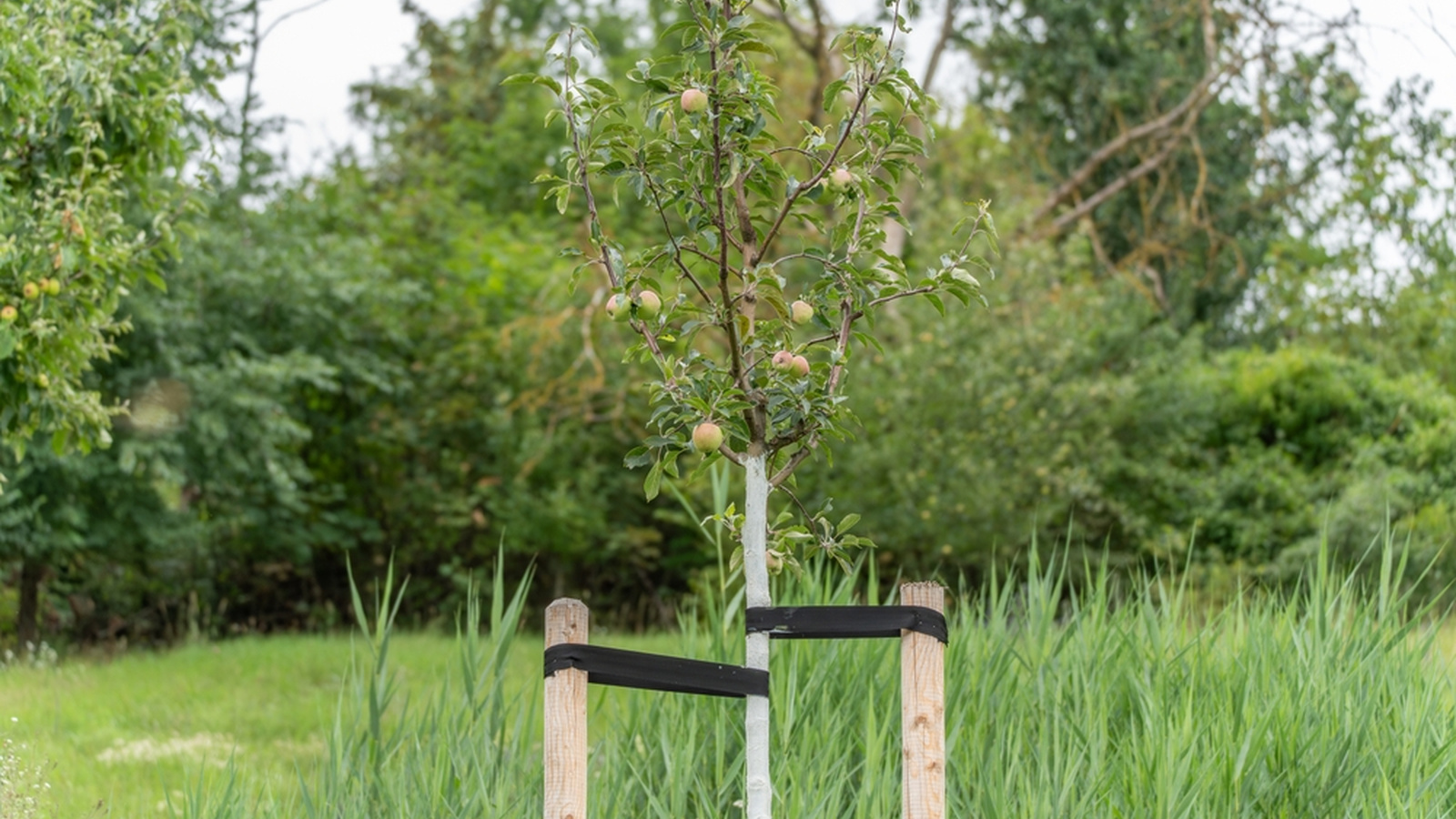
I recommend a light-colored, breathable tree wrap or purpose-made white guard on susceptible young trunks before the first hard freezes. Start near the ground and protect the trunk up to the lowest main branches, following the guard manufacturer’s fit instructions. White material reflects sunlight and reduces sudden bark temperature changes. Avoid black guards that absorb heat.
Put seasonal wraps on in late fall and remove them in spring after the main freezing risk has passed. Check them regularly for rubbing, trapped moisture, insects, or tightness. Leaving a restrictive wrap on a growing trunk all year can create the very sort of damage you were trying to prevent.
Keep rodents and rabbits away from the bark
Voles, field mice, and rabbits can do serious damage during winter, especially when snow covers their normal food. If they chew right around the trunk and remove the living tissue beneath the bark, they can effectively girdle the tree. You might not spot the damage until the snow melts, by which point the tree may be beyond saving.
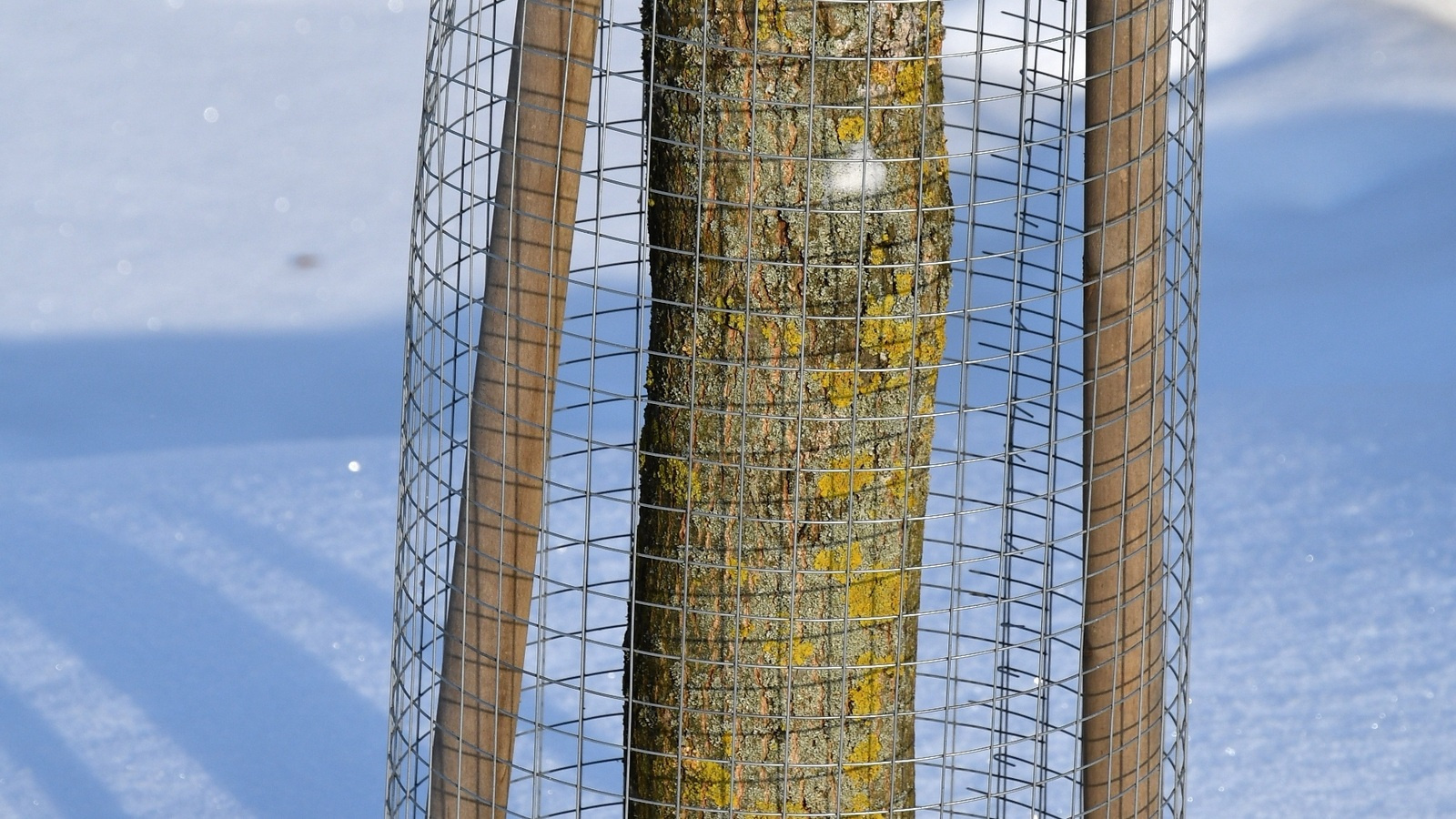
A cylinder of quarter-inch hardware cloth is a particularly useful low-tech barrier. Leave enough space between mesh and trunk for growth and to prevent rubbing, secure it so it can’t blow or fall against the bark, and bury the lower edge about 2 to 3 inches into the soil to stop small rodents getting underneath. In rabbit country, extend the cylinder at least 18 to 24 inches above the expected snow level, not merely above bare ground.
White ventilated plastic guards can also help against small mammals and sunscald, provided they fit properly. But a short spiral guard won’t stop a rabbit feeding higher up when there’s deep snow. If deer are a problem, you’ll need a taller fence or cage protecting the tree’s branches as well. One little trunk sleeve isn’t a deer-proof orchard.
Cut long grass and weeds short around the tree before winter so voles have less sheltered cover. Inspect guards after storms and heavy snow, and check for gaps. I’d rather rely on a physical barrier than assume a homemade repellent will keep hungry animals away for months.
Mulch the roots, not the trunk
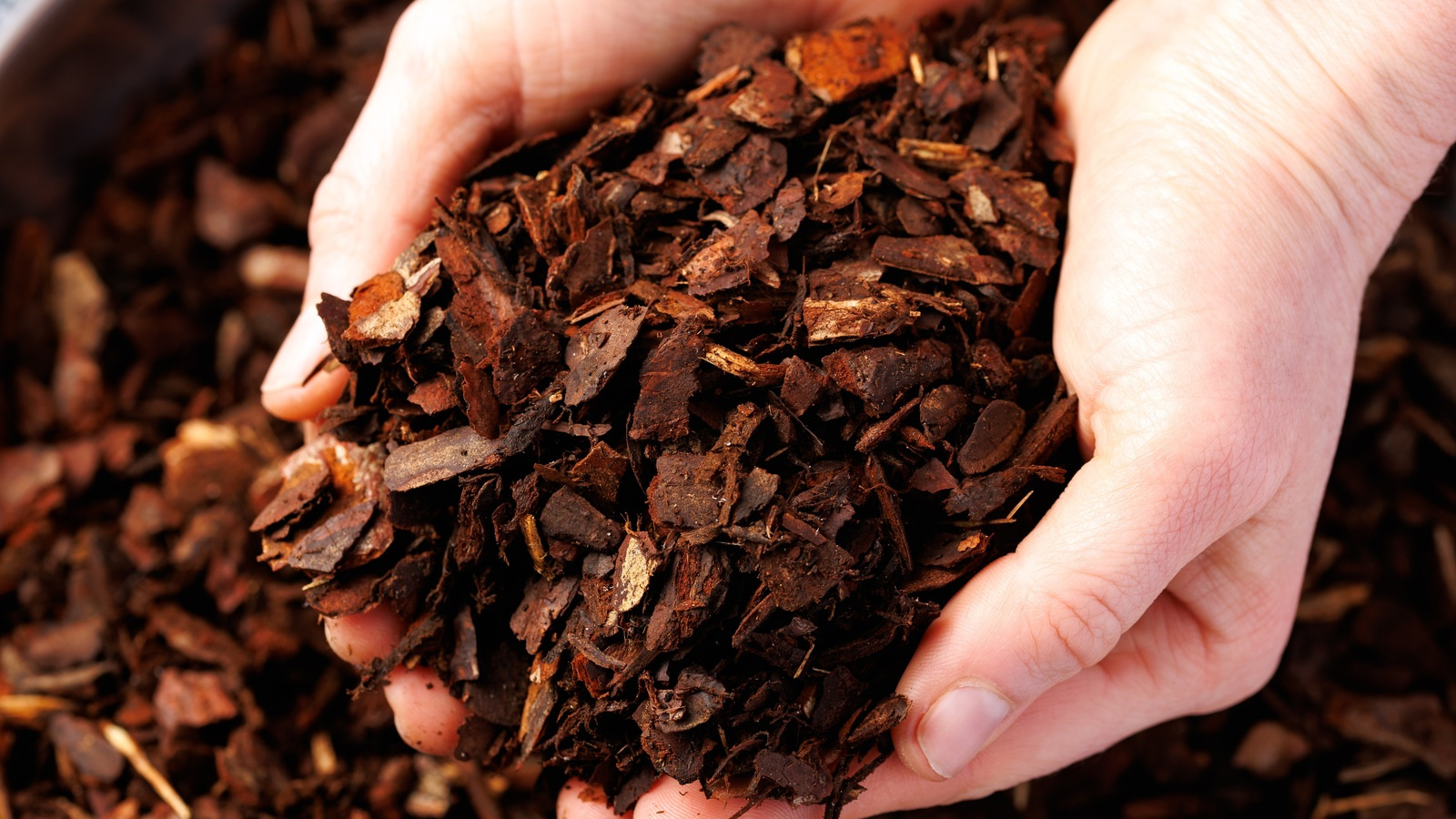
A layer of wood chips, shredded bark, or another coarse organic mulch helps buffer the root zone against sudden temperature swings while holding soil moisture and reducing weed competition. Spread around 2 to 4 inches over a generous circle, ideally several feet across, rather than making a tiny ring immediately beside the trunk.
Leave a bare gap of several inches around the trunk and root flare. Mulch piled up like a volcano holds damp material against the bark and provides hiding places for rodents. It can encourage decay rather than offering useful protection. I also keep the graft union uncovered on grafted fruit trees. These are basic details, but getting them wrong causes problems long after winter ends.
In areas with frequent wet winters, check that the ground isn’t waterlogged before adding more mulch. Organic matter is useful, but you don’t want to bury a young tree in sodden material or conceal a drainage problem.
Water before the ground freezes, if the soil is dry

A newly planted tree has a smaller, less established root system than an older tree, which makes drought stress more likely. If fall has been dry, water deeply while the ground is still unfrozen, preferably early enough in the day for the water to soak in. Moist soil holds heat better than very dry soil, and roots need adequate moisture going into dormancy.
Don’t water automatically because a freeze is forecast. First check several inches into the root zone: if the ground is already moist from autumn rain, you may not need to do anything. If it’s saturated, adding more water is counterproductive. In regions with dry winters and unfrozen soil, check moisture periodically rather than assuming dormant trees never need water.
Don’t encourage tender new growth late in the season
Avoid high-nitrogen feeding in fall and resist the urge to prune young trees heavily just before winter. Soft new growth is more vulnerable to cold, and the tree needs to harden off naturally. Save the main formative pruning for the appropriate dormant-season window in your region and for the particular fruit species. Peach and other stone-fruit pruning guidance can differ from apple pruning, especially where winter diseases are a concern.
If your tree is staked, check that ties aren’t cutting into the bark and that the tree can move slightly without being battered by the stake. Replace damaged ties and remove unnecessary stakes once the tree can support itself. A winter wind should not turn a support into a rubbing post.
Check for winter injury before spring growth begins

During winter, look for guards pushed out of place by snow, fresh gnaw marks, exposed roots, and mulch blown away from the root zone. After thaw, inspect the south and southwest sides of the trunk for splits or dark, sunken bark, and look near the soil line for rodent damage.
A small patch of damage doesn’t always mean the tree is lost. But a trunk chewed all the way around is much more serious, and extensive injury deserves assessment by a qualified local arborist or extension specialist. Don’t paint wounds with household sealants or cut healthy bark away to make the damage look tidy.
The best winter protection isn’t complicated. A correctly fitted light-colored trunk guard, a rodent-proof barrier where needed, mulch kept clear of the bark, and sensible watering before freeze-up protect the parts of the young tree that matter most. Once these are in place, the tree can spend winter doing what it should: resting and preparing for future harvests.
You might also like…
What Your Fruit Trees Need After Harvest, and What Should Wait
Grow a Living Fence for Privacy, Flowers, and Fruit (Even in a Small Yard)
Is It Too Late to Move Your Perennials? Check the Plant and the Ground First