
Affiliate disclosure: This post may contain affiliate links. Please see full disclosure.
A living fence can give you privacy, shelter, flowers, and even a harvest without another row of wooden fence panels. It’s one of my favorite ways to make a boundary actually earn its space. But there’s a catch: a hedge is made of living plants, and living plants have an annoying habit of growing.
You can absolutely grow a useful hedge in a small yard. The secret is choosing plants for the space you really have, not the tidy little shrubs pictured on their nursery labels. Get that right and you’ll have a beautiful, productive boundary for years. Get it wrong and you’ll spend those years wrestling with branches that want to live in your neighbor’s garden.
Decide what you want your living fence to do
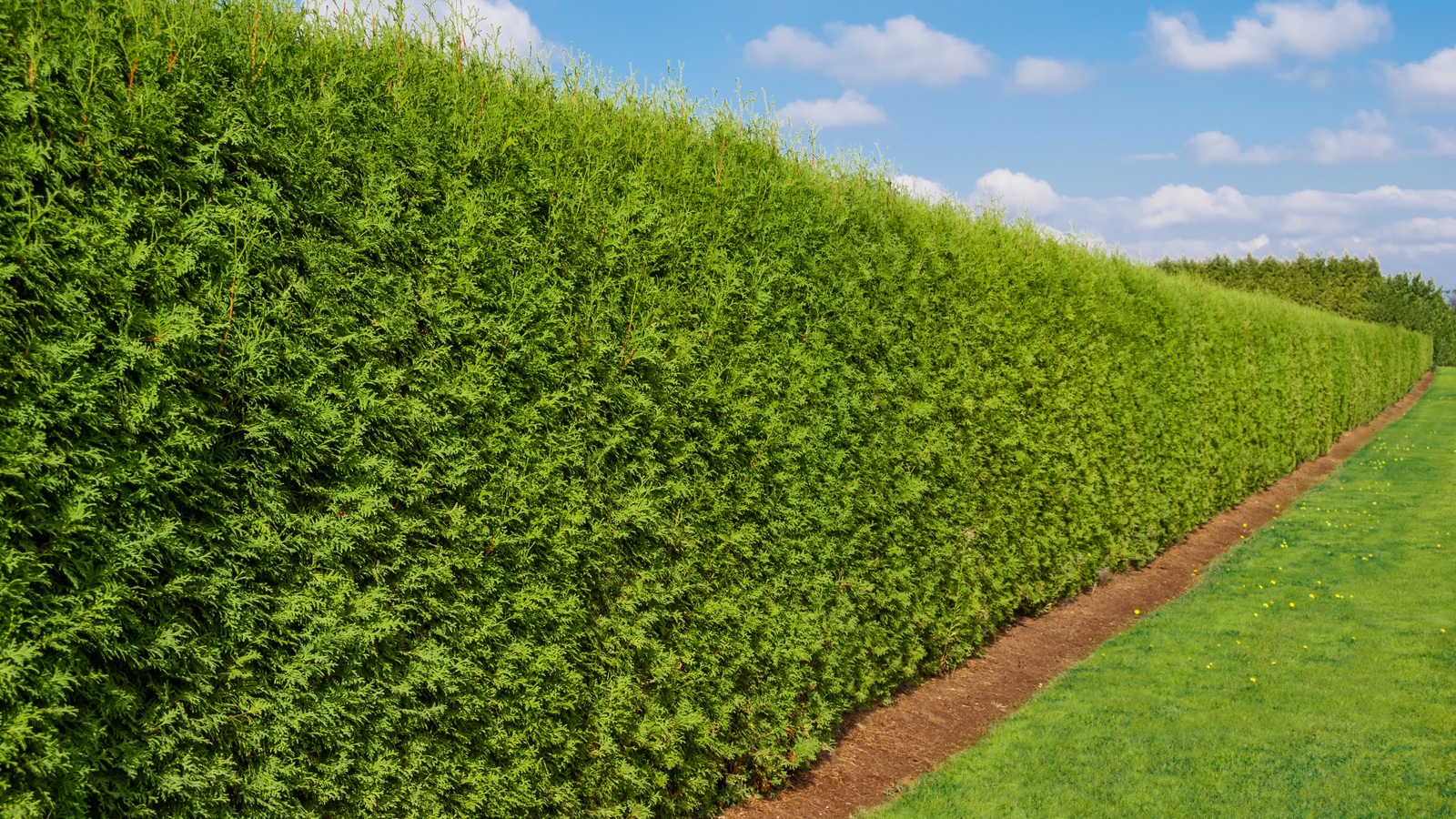
Privacy is often the first reason people consider a hedge, but it helps to be specific. Do you want to hide the patio from the sidewalk, screen a compost bin, block a view from an upstairs window, or simply mark where one part of the garden ends and another begins? Those are very different jobs.
A low hedge might be enough to make a seating area feel private without cutting off all the light. If you need a tall screen throughout winter, you probably want suitable evergreens. A deciduous hedge may be thick and leafy in summer but much more open once its leaves fall.
For me, the most rewarding boundaries do more than one job. A hedge that flowers for pollinators, shelters small birds, and produces something edible is a much better use of a strip of land than a row of plants chosen purely because they grow fast. Just don’t expect every species to do all those things equally well.
Measure the width, not just the length
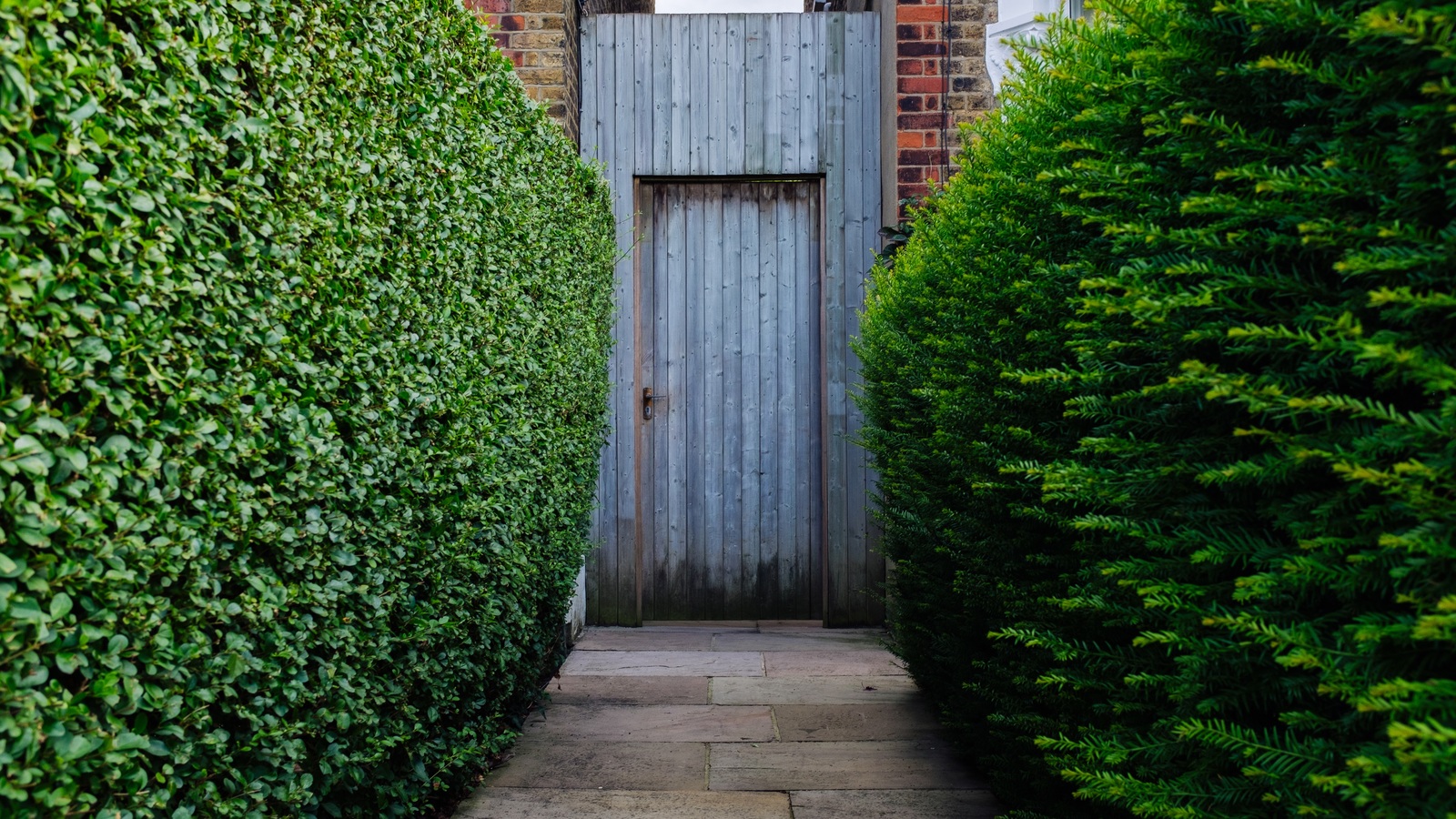
This is where I see small-garden hedge plans come unstuck. People measure 20 feet of boundary, then order plants without thinking about how far the branches will spread toward the path or vegetable beds.
Measure the available depth of the planting strip. Then check the mature width of the exact species and cultivar you’re thinking of buying. A shrub that naturally spreads 4 feet wide won’t stay comfortably inside a 2-foot strip just because you promise to prune it once a year.
Allow room to walk beside the hedge, pick fruit, clear weeds, and reach any fence or wall behind it. Think about gates, doors, underground utilities, and how close plants can grow to your neighbor’s property. In a genuinely narrow spot, a climber trained on a support or a slender screen may be more sensible than a traditional hedge.
Choose hedge plants that are useful, not just fast-growing
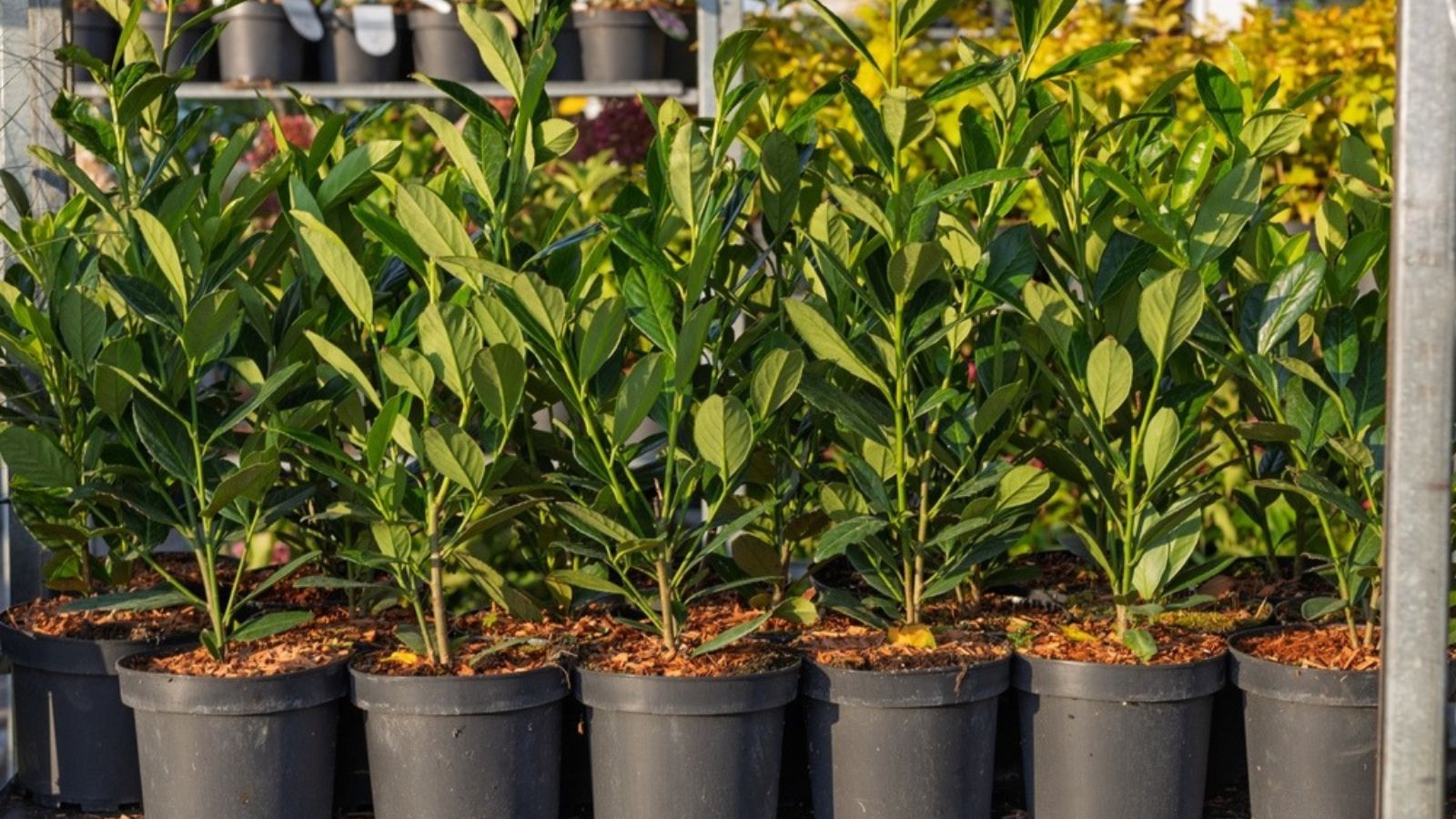
There are some lovely options, but the best choice depends on your growing zone, summer heat, winter temperatures, light, soil, and how much pruning you’re prepared to do. A native shrub in one part of the United States may not be native, appropriate, or even hardy where you live.
For year-round green screening: compact inkberry holly
Inkberry holly (Ilex glabra) is an evergreen native to parts of eastern North America. The straight species can grow quite large and may spread by suckering, but compact cultivars can make useful low screens in suitable gardens. It prefers acidic soil and does well with consistent moisture, so it isn’t my first choice for a dry, alkaline strip.
Look carefully at the cultivar’s eventual size rather than buying any plant labeled inkberry. Its flowers are useful to insects and the berries can feed wildlife, but the berries aren’t for people. If berries matter to you, check pollination requirements too.
For flowers and colorful foliage: compact ninebark
Ninebark (Physocarpus opulifolius) is a deciduous North American shrub with pretty flower clusters and cultivars with green, golden, or deep burgundy leaves. Compact ninebark selections can make an attractive informal boundary without the size of the full species.
It’s an excellent choice if you value flowers, seasonal color, and a loose, natural shape. It isn’t the plant I’d choose for winter privacy, though, because the leaves fall. And if you shear it into a rigid rectangle repeatedly, you can sacrifice some of the flowering that made you choose it in the first place.
For wildlife and a possible harvest: chokeberry
Black chokeberry (Aronia melanocarpa) has spring flowers, striking fall color, and clusters of dark berries that are edible but rather astringent straight from the bush. They’re much better suited to preserves or cooked preparations. The fruit is also useful to wildlife.
Some selections are much smaller than the wild plant, although a dwarf label doesn’t necessarily mean a narrow plant. Chokeberry can spread by suckering, so give it room and check the mature dimensions. The plant also offers flowers for native pollinators. A handful of plants could make a lovely informal border in the right part of the country, but it isn’t a tight evergreen screen.
For a more familiar edible hedge: currants
Red currants can make a handsome low fruiting boundary where the climate suits them. They have attractive leaves, clusters of tart fruit, and a manageable habit if you thin older canes and keep them accessible for picking. They’re more useful for a sunny, cool-climate garden than a baking-hot southern fence line.
You’ll need enough space to reach the fruit, and you shouldn’t clip the bushes indiscriminately like a formal privet hedge. Currants have their own spacing and pruning requirements. Some US states and localities also restrict certain Ribes plants because of white pine blister rust, so check local rules before ordering.
Don’t cram the plants together to get instant coverage
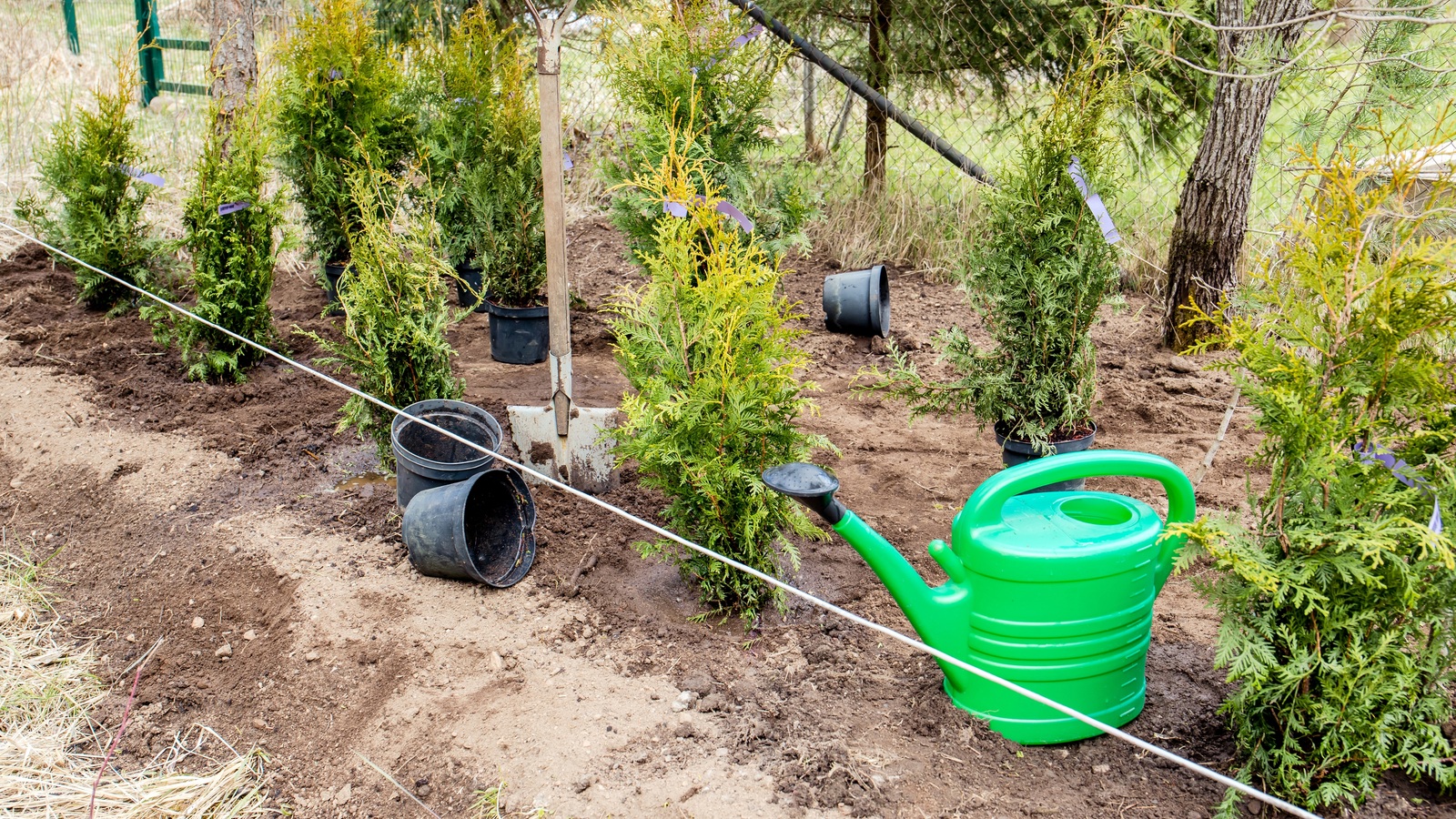
Tiny nursery shrubs can make a freshly planted hedge look rather sparse. It’s tempting to squeeze in twice as many so it fills the gaps faster, but in a few years those plants can be competing for light and space, with crowded, weak growth in the middle.
Use the spacing recommended for the exact plants and hedge style you’ve chosen. Traditional closely clipped hedges are often planted much nearer together than an informal row of flowering shrubs. As a broad guide, many standard hedges use plants spaced around 1 to 2 feet apart, but that’s not a universal rule for currants, ninebark, or larger wildlife shrubs.
Before digging, set the pots along the proposed line and stand back. Look at the available width and imagine the plants at their full size, not just their current height. I would rather wait for five healthy shrubs to fill out than pull out half of ten overcrowded ones later.
Plant a hedge the same way you’d plant any valuable shrub
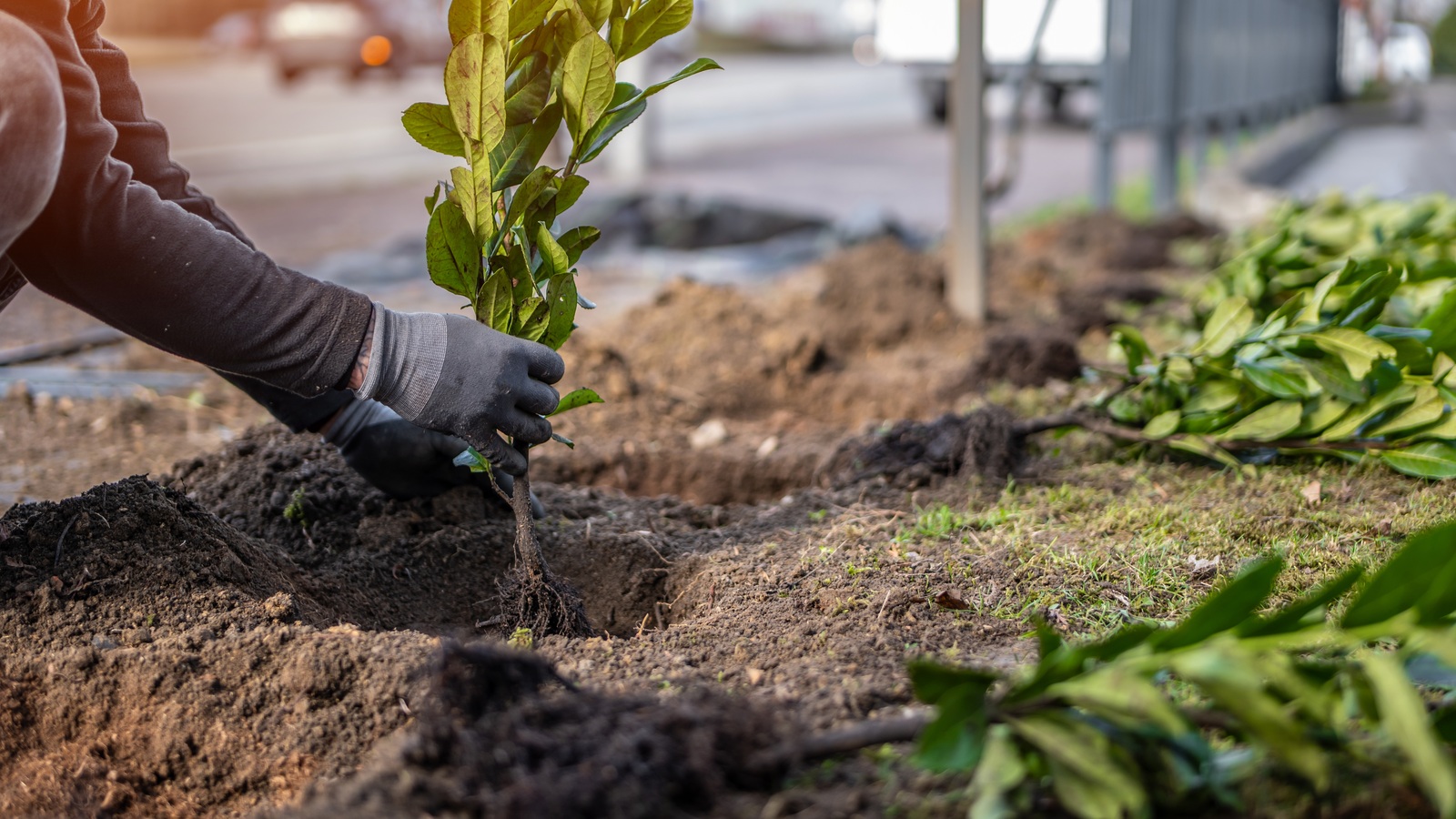
Clear the perennial weeds from the planting strip before you begin. Don’t just plant through grass and hope the shrubs will eventually win. Check drainage too. If the ground stays waterlogged, choose species that tolerate those conditions or address the problem before putting plants into it.
Bare-root deciduous hedging is often planted during dormancy, while container-grown shrubs offer more flexibility when the soil is workable. Avoid planting into frozen or waterlogged soil. Smaller hedging plants often establish more readily than expensive mature specimens, although you’ll wait longer for privacy.
Dig wide enough to spread the roots naturally, and set the plants at the correct depth for the species. Water thoroughly to settle the soil. Add a layer of organic mulch to hold moisture and suppress weeds, but leave space around each stem or crown rather than piling material against it.
Give your new hedge a chance to establish
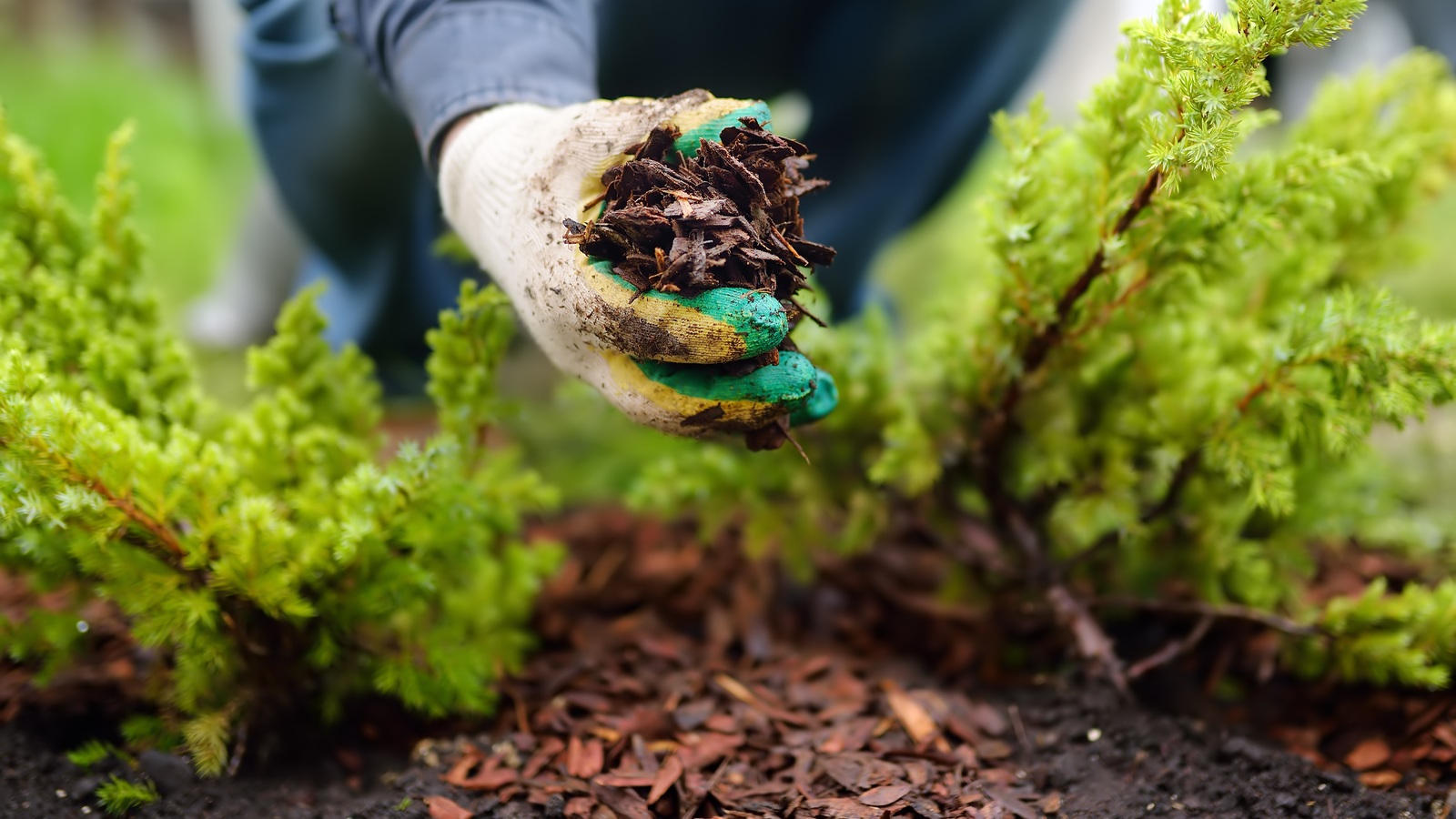
The first couple of growing seasons matter. Check the soil under the mulch before watering instead of giving every plant the same amount on a calendar schedule. Newly planted shrubs need reliable moisture until their roots have grown into the surrounding soil, especially through hot or dry spells.
Keep weeds down, replace failed plants promptly, and start the right kind of pruning early. A formal hedge usually needs help branching from low down rather than racing upward with bare legs. Fruiting shrubs and informal flowering hedges need a different approach, and often look better with selective thinning than with constant shearing.
If birds have built nests in the hedge, leave those areas undisturbed until nesting is over. A small, untidy patch is a very small price to pay for a garden that’s actually being used by wildlife.
Sometimes a conventional fence really is the better answer
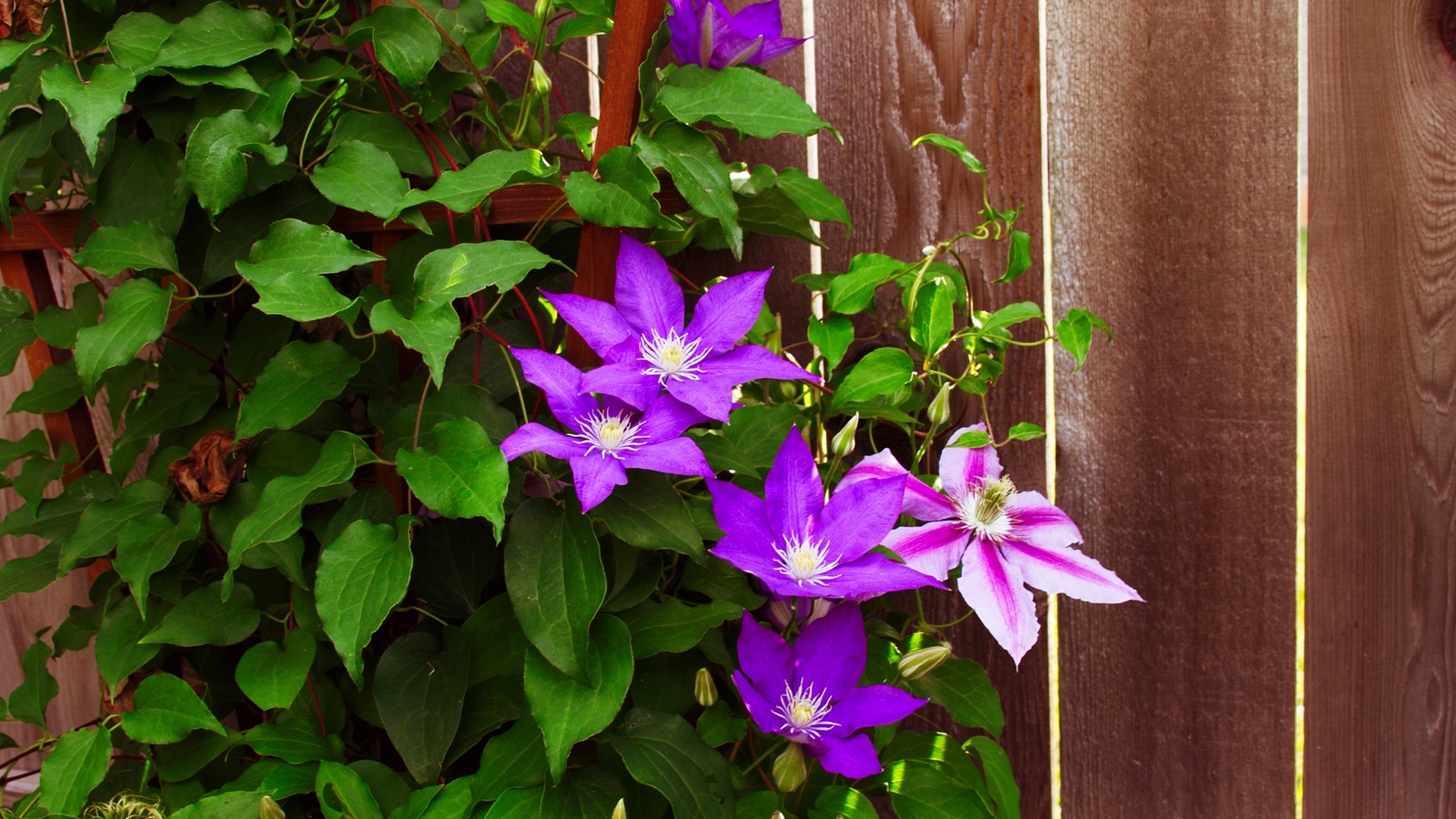
If you need instant security, have only a few inches of ground available, or can’t maintain the plants without reaching into a neighbor’s property, a hedge may not be the best solution. A fence with a climber, or a narrow strip of wildlife-friendly planting alongside it, can still give you much of the green effect without pretending you have space you don’t.
But where there is room, a living fence can be so much more interesting than timber panels. Flowers in spring, insects busy in summer, fruit or berries in fall, and somewhere for birds to shelter. That’s the kind of garden boundary I’d make space for.
You might also like…
18 winter gardening tips you should know for healthier plants in spring