Affiliate disclosure: This post may contain affiliate links. Please see full disclosure.
Once the last fruit is off your trees, start with the simple jobs: pick up rotten fruit, check the soil for moisture, refresh the mulch if it needs it, and make sure young trunks are protected. Don’t automatically reach for the pruning saw or a bag of fertilizer. Those jobs depend on which fruit you’re growing, where you live, and whether the tree is still actively growing or has gone dormant.
As a master gardener and organic grower, I’d spend the first few minutes looking at how the tree has done this year. Was there a lot of spoiled fruit? Did the leaves develop spots? Did the soil stay dry for weeks? A tree that has struggled through drought needs different attention from a healthy apple tree in a wet fall garden. Most of the work is about putting right what you can see, rather than giving every tree the same autumn treatment.
Start by clearing up spoiled fruit
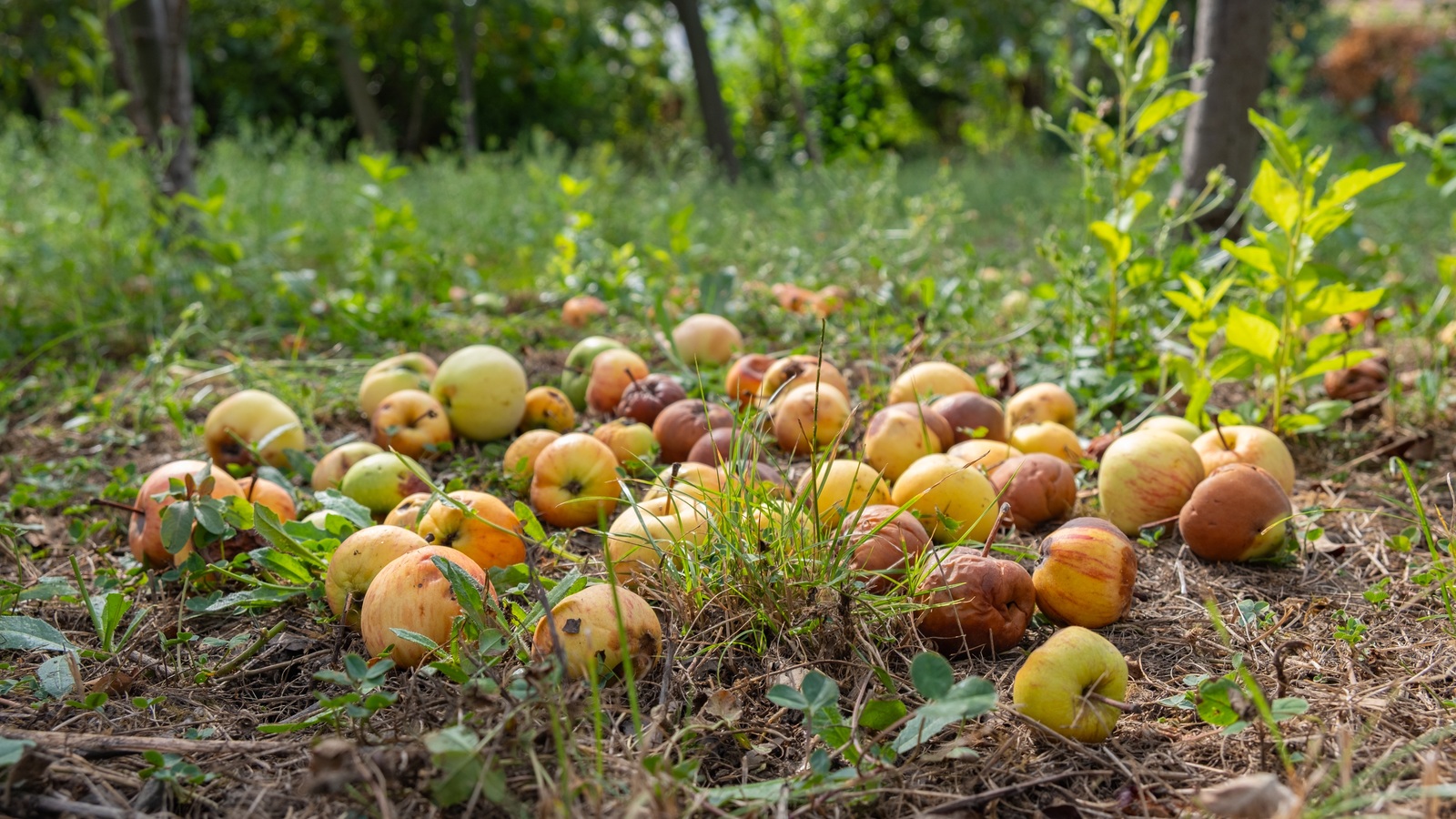
Pick up fallen apples, pears, plums, and other fruit that are already bruised, rotting, or being eaten by insects. Then look through the branches for fruit that has shriveled and stayed attached. These dried-up ‘mummies’ are particularly worth removing, because brown rot can survive in affected fruit and cause trouble again the following season.
It’s an easy job to put off, especially when you’ve just spent days picking and processing a crop. But a few rotting windfalls left under a tree can turn into a much bigger mess, and some fruit pests can complete part of their life cycle in or around fallen fruit. Don’t leave spoiled fruit hanging on the branches just because you can’t easily reach it from the ground. Use a fruit picker where practical, and leave anything requiring unsafe climbing to someone with suitable equipment.
Separate usable windfalls from waste as you collect them. Sound fruit can be dealt with promptly in the kitchen, but moldy, badly rotten, or insect-infested fruit shouldn’t go in the food basket. Where fruit is affected by a known disease, I wouldn’t put it into an ordinary backyard compost pile that will later be spread around the orchard. Home compost heaps don’t always get hot enough to destroy pathogens. Follow your local green-waste rules or dispose of it separately.
Be selective about fallen leaves
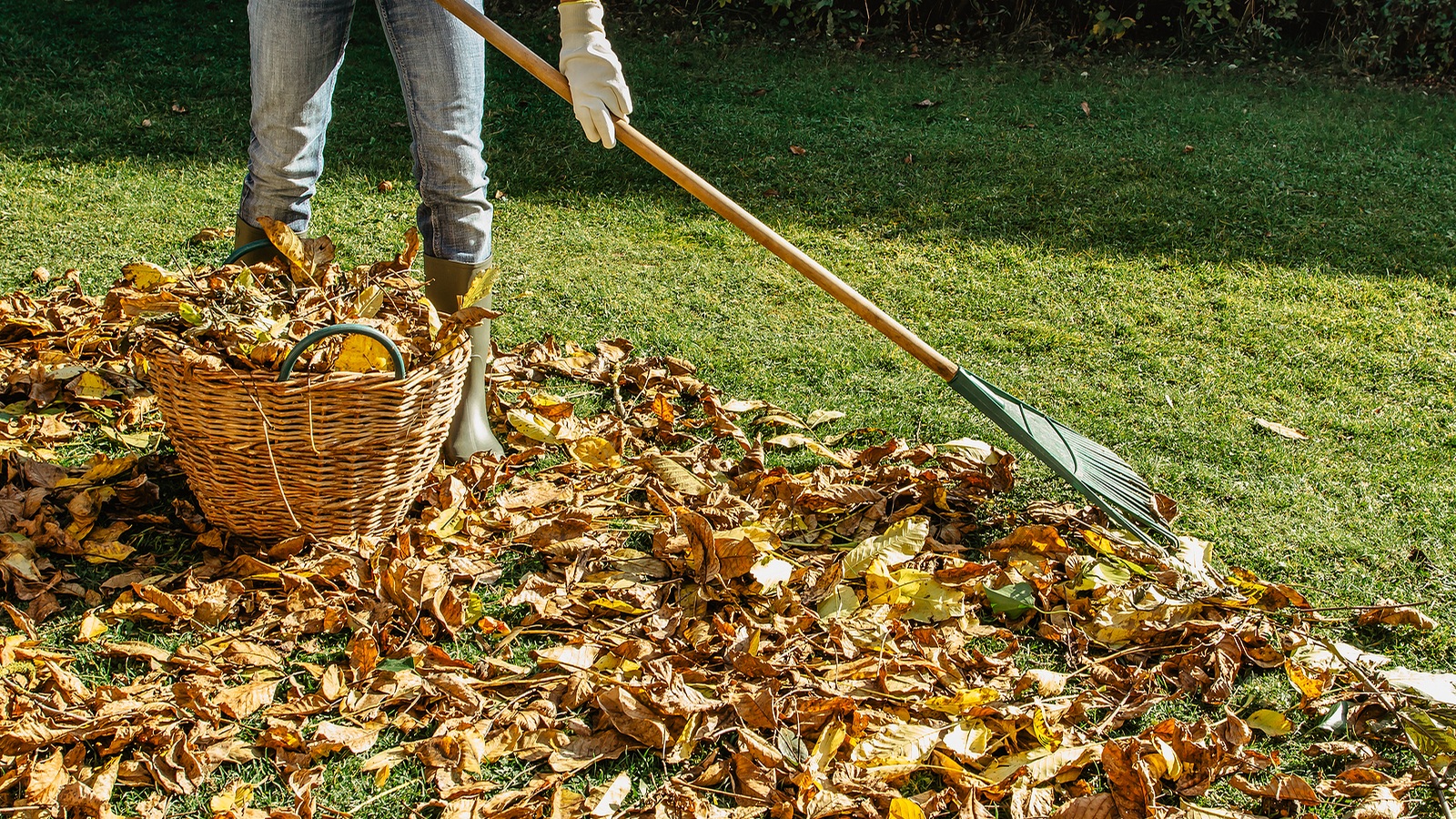
I don’t believe in clearing every last leaf out of a garden simply because it’s fall. Healthy leaves can be a useful source of organic matter, and there’s no sense throwing that away. Fruit-tree leaves are different when the tree has had a disease problem, though.
If your apple tree had olive-brown leaf spots or scabby fruit, manage the fallen leaves beneath it. Apple scab survives the winter in infected leaves on the ground, ready to release spores when conditions suit it in spring. You can rake up affected leaves and remove them, or thoroughly shred them to help them break down more quickly. The important thing is not to leave a thick layer of infected leaves intact around the tree.
For healthy trees without a recurring disease problem, you can collect leaves for leaf mold or move them to another suitable part of the garden. Clean up the diseased material that matters, but don’t turn the whole orchard into bare, lifeless ground on principle. That’s the balance I prefer with organic growing.
Check whether the roots actually need water
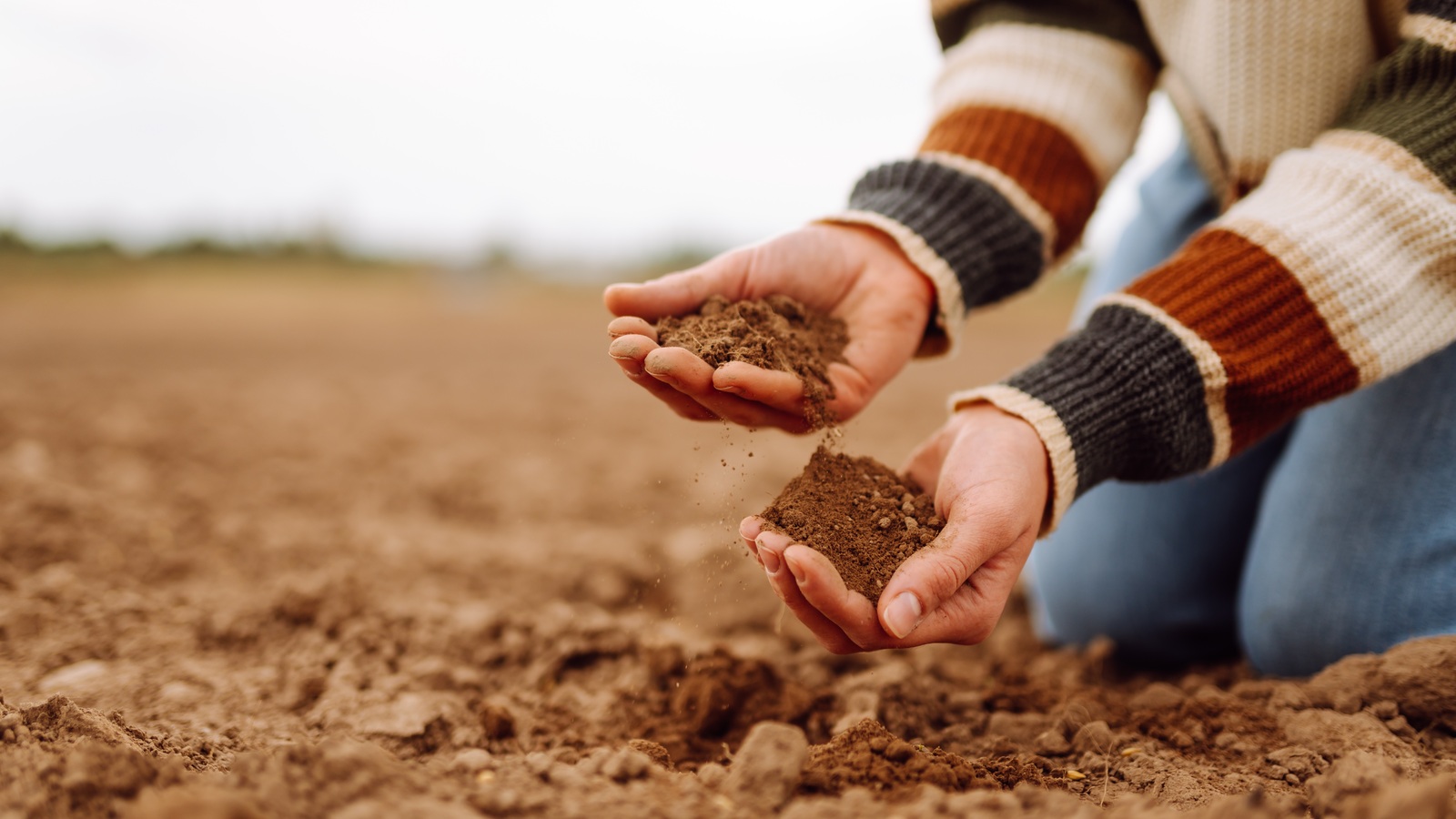
A finished harvest doesn’t mean a fruit tree can be left to dry out. Roots can remain active while the soil is warm enough, and young trees in particular need moisture while they establish. Equally, trees in a wet autumn don’t benefit from extra water simply because a gardening checklist tells you to give them a final soak.
Pull back a little mulch and check the soil with a trowel several inches down, ideally in a couple of places beneath the outer canopy rather than right against the trunk. If it’s cool and comfortably moist, leave it alone. If it’s dry and crumbly below the surface, water slowly over the root area so the moisture can soak in instead of running away. On clay soil, that may mean watering in stages; sandy soil often needs checking more frequently.
Water trees through dry fall weather before the ground freezes, especially if they’re recently planted or have had a hot, dry summer. As temperatures drop and reliable rain returns, reduce irrigation. Never try to water frozen ground or keep adding water to already saturated soil. Waterlogging deprives roots of air and can cause more problems than a spell of ordinary autumn dryness.
I’d pay particular attention to a dwarf tree, a young bare-root planting, or a fruit tree growing in a pot. All have less room to search for moisture than a big, established tree in open ground. Container trees still need their compost checked after harvest, even when their leaves begin to fall.
Give the root area a broad, sensible layer of mulch
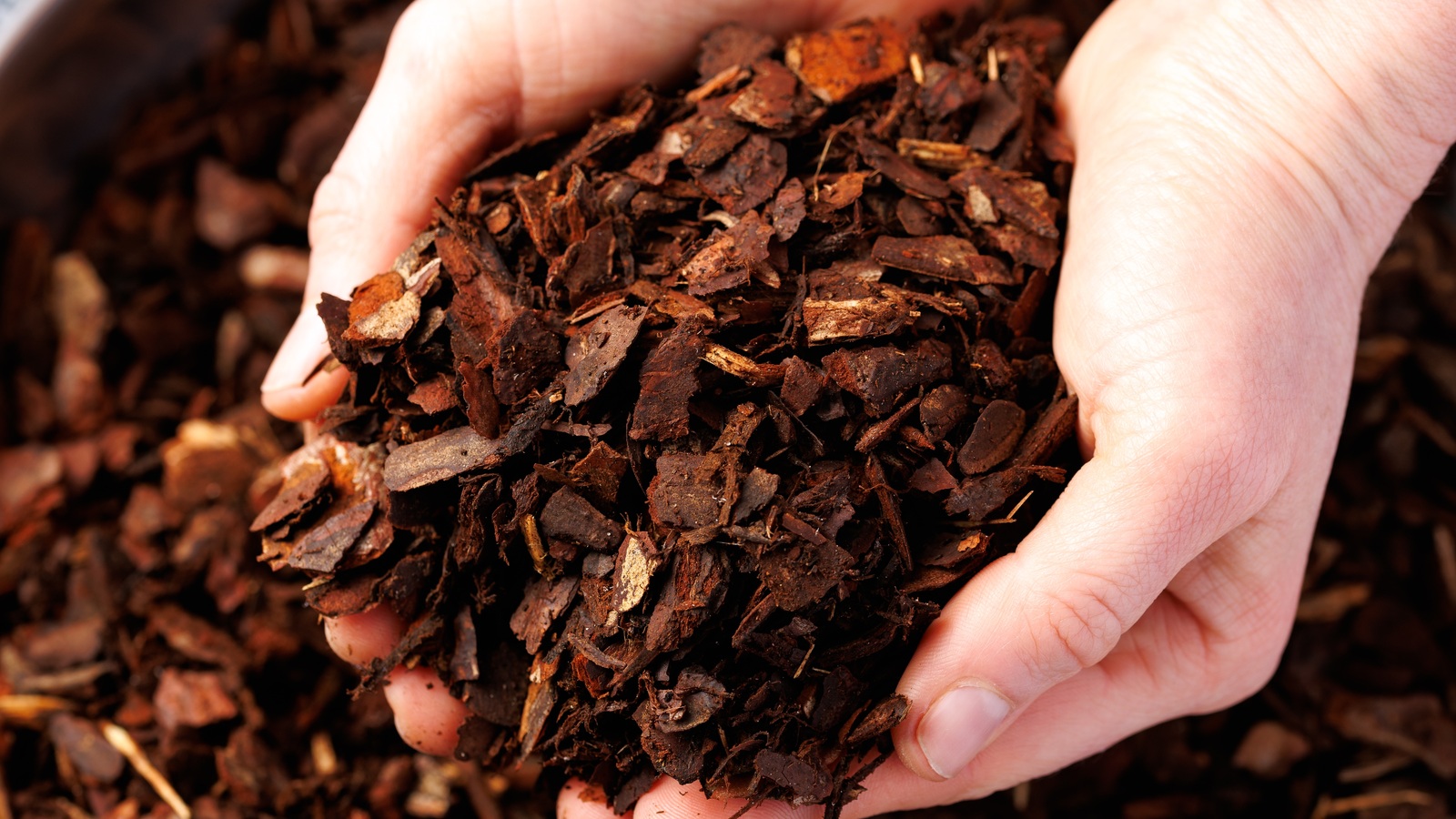
Mulch is worth checking once the ground is cleared. An organic layer over the roots helps hold moisture, slows weed growth, moderates soil temperatures, and gradually contributes organic matter as it breaks down. A layer around 2 to 3 inches deep is generally plenty for a garden tree. If there’s already a good layer, just top up the thin patches.
Use arborist wood chips, shredded bark, leaf mold, or clean shredded leaves. First remove the grass and weeds competing immediately around a young tree, taking care not to scrape its shallow roots. Spread the mulch widely, ideally toward the drip line, the area beneath the outermost branches. A broad, shallow ring does far more good than a tall little heap at the base.
Keep at least 3 to 6 inches clear around the trunk, with the root flare visible. Mulch piled against bark can trap moisture and provide cover for mice and voles. This is one of those garden jobs where adding more doesn’t make it better. And while decaying wood chips improve the soil over time, they aren’t a substitute for diagnosing a genuine nutrient shortage.
Protect young bark before winter
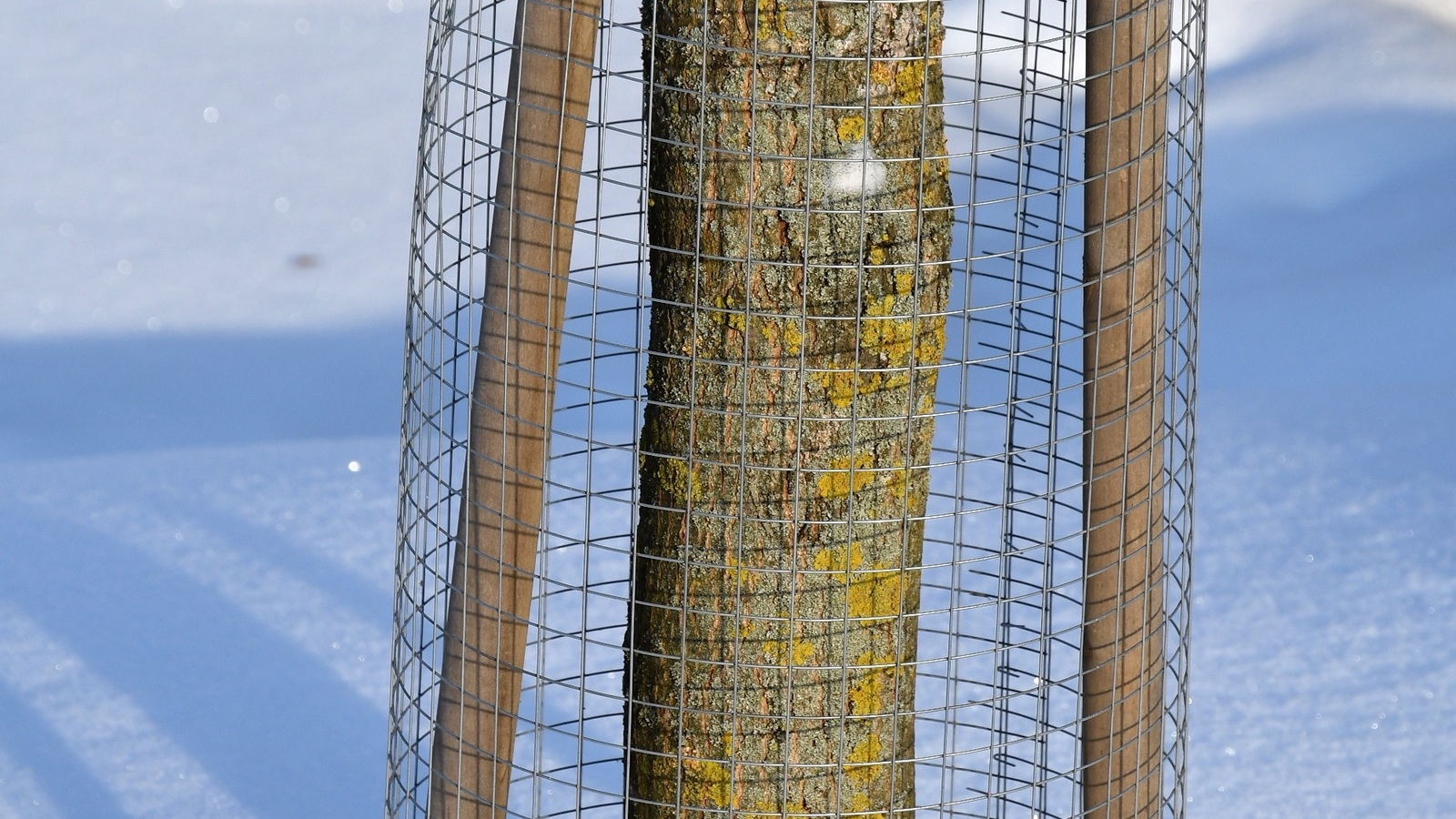
Rabbits, voles, mice, and deer can do serious damage to a young fruit tree while you’re waiting for spring. If an animal chews away the bark all the way around the trunk, it can interrupt the tissues carrying water and nutrients and kill the tree. Wire mesh trunk guards can prevent rodent damage, and you can make one from fine hardware cloth rather than buying a purpose-made plastic tube.
Use roughly 1/4-inch metal mesh to make a cylinder slightly wider than the trunk, not something that rubs tightly against the bark. Set the bottom an inch or two into the soil where burrowing voles are a problem. Make it tall enough to protect above the likely snow level; 18 to 24 inches is a reasonable starting point, but heavy-snow areas may need more. Check it regularly so fallen leaves don’t pack inside and the tree doesn’t outgrow it.
Deer need a different solution. A short trunk guard won’t protect the branches from browsing or stop antler rubbing. Where deer visit, a properly secured cage or fence around a young tree is far more useful. While you’re working there, check any stakes and ties. A tie that has started digging into the bark needs loosening or replacing; a well-rooted tree that no longer needs support shouldn’t be tied up indefinitely.
Cold-climate gardeners may also need to prevent winter sunscald, when bright sun warms thin bark and the temperature then falls sharply. Light-colored tree wrap applied in late fall and removed in spring can protect vulnerable young trunks. Don’t leave wraps on all year, and don’t assume every established fruit tree needs wrapping. The risk is much lower where winters are mild.
Leave routine pruning until the right season
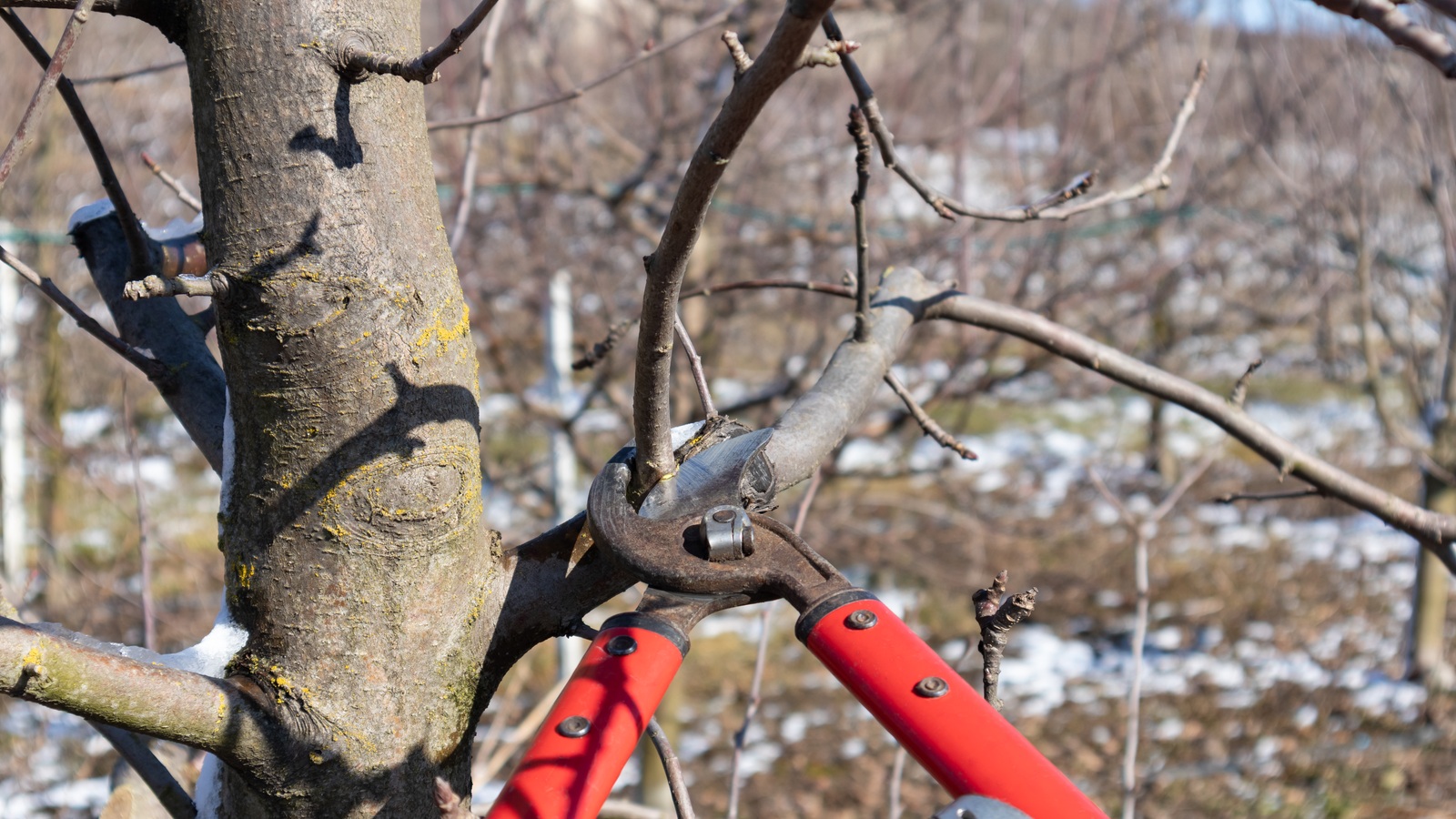
Fruit trees don’t all follow the same pruning calendar. Some benefit from pruning while dormant; others are more vulnerable to disease when cut in cold, damp weather. The date you picked the last fruit isn’t enough to tell you when to start cutting.
Apples and pears
For ordinary free-standing apple and pear trees, routine shaping and thinning are usually winter jobs, after leaf fall and before new growth begins. In relatively mild temperate regions, that may be from late fall through winter. In places with severe winter cold, waiting until late winter is generally safer. Dormant-season pruning is standard for established apples and pears, but there’s no need to do it on the afternoon you finish harvesting.
If a branch broke under the weight of the crop, deal with any immediate hazard. Otherwise, note the branches that crossed, shaded the center, or sagged badly and come back when it’s time to prune. Don’t remove a quarter of the tree in a burst of autumn enthusiasm. A heavy cut can encourage vigorous replacement shoots rather than more good fruiting wood.
Cherries and plums
Here’s the important exception to the ‘wait for winter’ rule. Many cherry and plum trees are best pruned during dry weather in spring or summer, not in the dormant winter months. Cherries are commonly pruned soon after their summer harvest; established plums are often pruned in midsummer. Cuts made in wet, cold weather are more vulnerable to problems such as silver leaf disease and bacterial canker.
So a cherry harvested in July may be ready for appropriate summer pruning, while a late plum harvested near the end of the warm season may be better left until a suitable spring or summer window. Young trees and specially trained fan or cordon forms also have their own pruning schedules. Don’t treat all stone fruits as winter-pruning jobs simply because they’ve lost their leaves.
Peaches, nectarines, and apricots
These need a species- and climate-specific approach too. In many North American growing regions, peaches are trained and pruned in late winter or early spring, close to the start of growth, rather than in fall. In damp climates where silver leaf and canker are concerns, spring or summer pruning in dry weather is often preferred for stone fruits. Check the advice for your species and local climate before making major cuts.
In all cases, it’s fine to make an urgent damaged branch safe. But a routine prune, especially one involving big cuts, deserves better timing than ‘the harvest is over.’
Don’t reward the tree with a late nitrogen feed

Fruit trees have used up resources making a crop, but that doesn’t mean they need an automatic feed immediately afterward. In climates heading toward frost, a late application of high-nitrogen fertilizer can encourage tender growth that may not harden properly before winter. Even manure or rich compost contains nitrogen, so I wouldn’t make a heavy autumn dressing of either just because it’s organic.
For many deciduous fruit trees, late winter or early spring is the usual time for feeding. The amount and type depend on the species, the tree’s vigor, whether it’s growing in grass or a pot, and what’s already in your soil. More fertilizer isn’t always more fruit; strong leafy growth can be a clue that the tree has had quite enough nitrogen.
If production was poor or growth unusually weak, fall is a useful time to take a soil sample and plan what to do next season. Testing can reveal problems with pH or nutrient availability before you spend money on products the tree may not need. Don’t apply phosphorus, potassium, lime, or a general-purpose fruit-tree feed on guesswork alone. A soil test and the tree’s actual growth give you a much better basis for deciding.
Check for the problems you can still identify
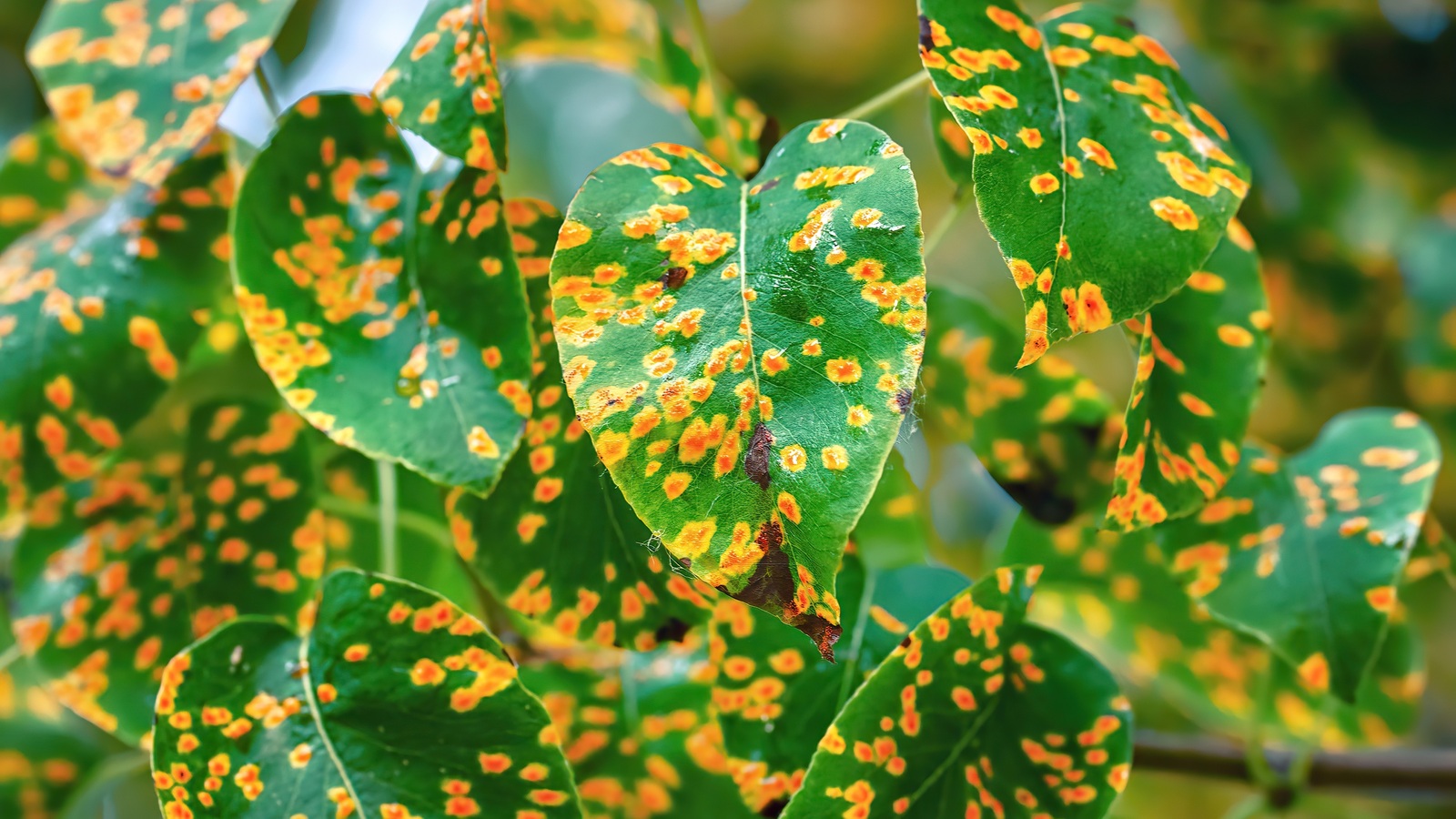
Before all the leaves have fallen and the evidence disappears, make a few notes about what happened during the growing season. Look for spots on leaves, cankers or cracked bark, fruit that rotted while still attached, insect holes, weak new growth, and branches that repeatedly bore very little fruit. Take photographs of anything unusual, including close-ups of the fruit and leaves.
That information is useful because some problems need attention at very particular times. Brown rot calls for removal of infected fruit; recurring apple scab makes leaf cleanup more worthwhile. Pest sprays, including dormant oils, are not an automatic final step after harvest. Their usefulness depends on the pest, tree species, product label, and correct treatment window. I wouldn’t spray a healthy tree just to feel that something had been done.
If the tree barely cropped at all, remember that feeding and pruning won’t necessarily solve it. Spring frost, lack of compatible pollination, a heavy crop the previous year, and weather during flowering can all affect yields. Make a note now while you still remember what happened, then investigate the actual cause before next season.
Match the jobs to your climate, not just the calendar
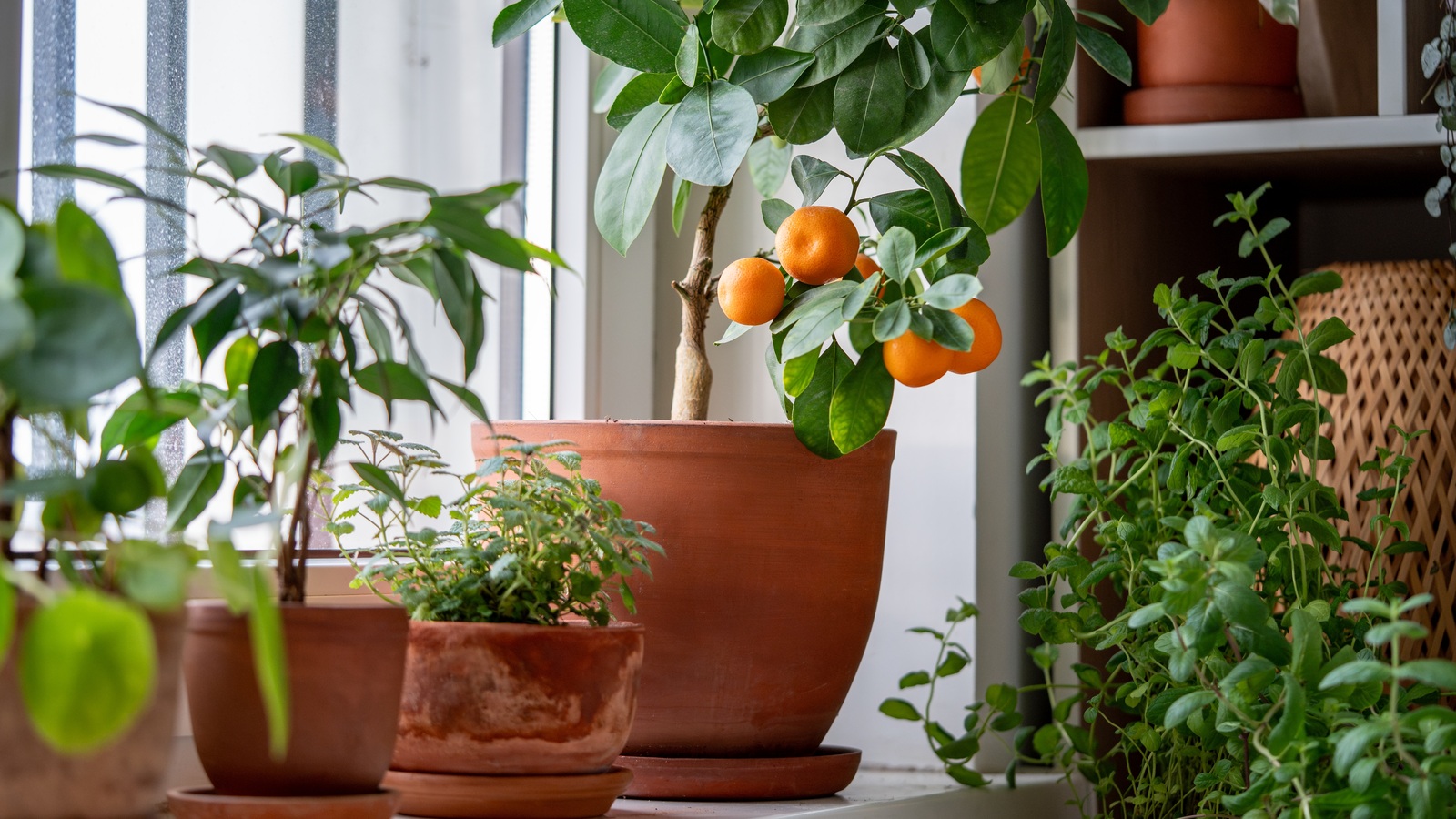
For an apple or pear tree finishing its crop in October in a cool climate, the priorities are mostly sanitation, soil moisture, mulch, and protection before winter. A peach picked in midsummer may have months of active growth left, so continuing to monitor water and pests matters more than winterizing it immediately.
Evergreen citrus in frost-free or mild-winter areas is different again. It doesn’t follow the same leaf-drop and dormant-pruning cycle as an apple tree, and watering needs can continue through winter. Container-grown trees may also need their pots protected from freezing in cold regions, because exposed roots are more vulnerable than roots insulated by the ground. Match any pruning, feeding, or frost protection to the actual tree and conditions.
My priority would be to finish the easy, worthwhile jobs now and keep a short list of the ones that need another season. Clear away the bad fruit, check the soil rather than guessing, protect vulnerable trunks, and leave the major cuts and fertilizer purchases until there’s a good reason to make them. That’s a much more useful way to prepare for the next harvest than trying to do everything in one weekend.
You might also like…
25 Winter Foraging Foods to Save Money on Your Grocery Bill
17 Easy Ways to Make Your Food Last Longer