Affiliate disclosure: This post may contain affiliate links. Please see full disclosure.
Plant these 12 foods once and you’ll be harvesting from them for a decade or more, some of them for 20, 30, even 50 years. If you’re trying to build a garden that feeds you with less digging, less replanting, and less money spent on seed packets every spring, this is where to put your effort. I’ve got every one of these growing right now, and some of my asparagus and rhubarb crowns are older than my kids.
The trade-off with perennial food crops is patience up front. Most of these ask you to wait a year or two before you get a proper harvest, and in exchange, they’ll keep producing with barely any input from you for the rest of their productive life. That’s a good deal. Here’s what to plant.
In a Nutshell
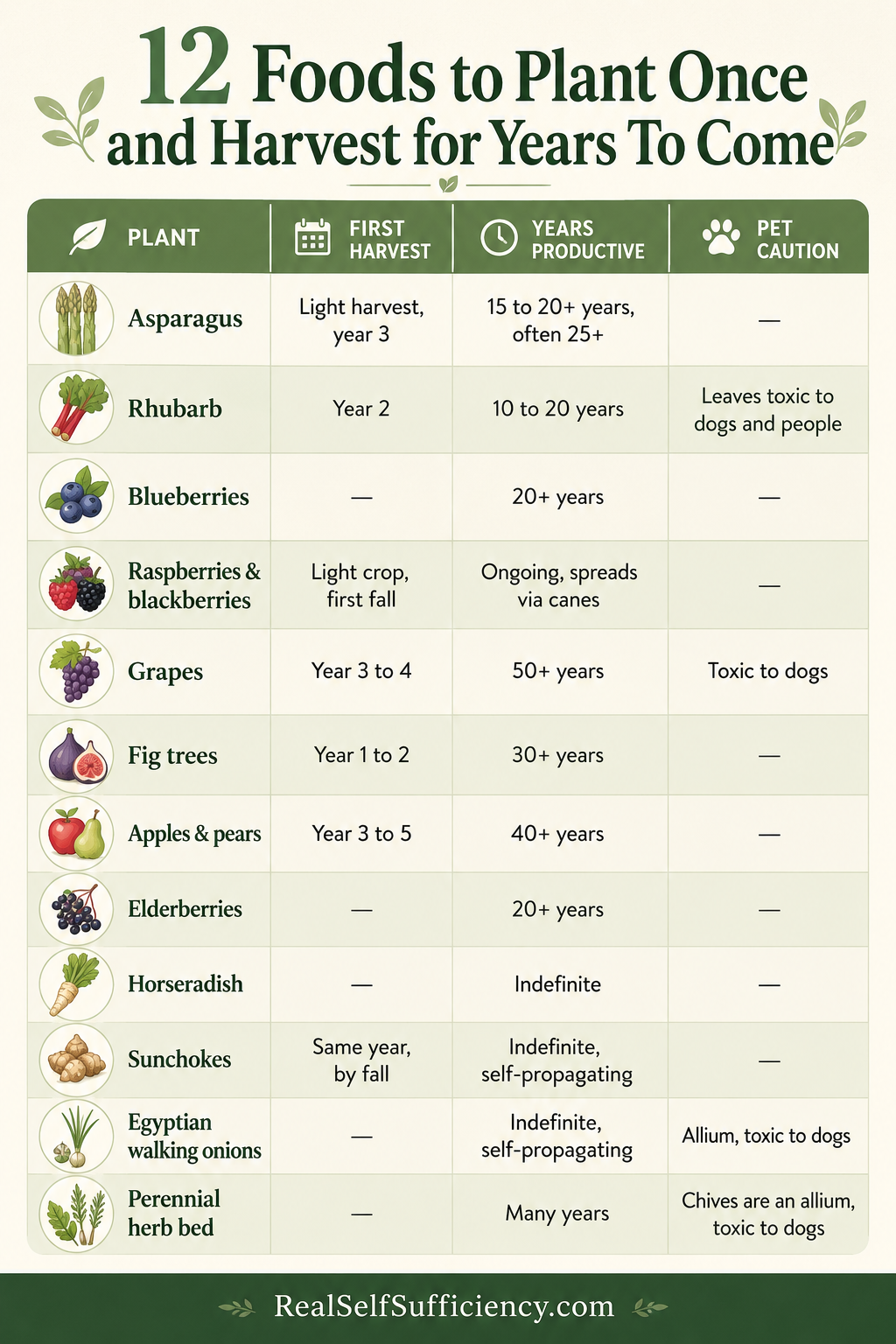
| Plant | First Harvest | Years Productive | Pet Caution |
|---|---|---|---|
| Asparagus | Light harvest, year 3 | 15 to 20+ years, often 25+ | |
| Rhubarb | Year 2 | 10 to 20 years | Leaves toxic to dogs and people |
| Blueberries | 20+ years | ||
| Raspberries & blackberries | Light crop, first fall | Ongoing, spreads via canes | |
| Grapes | Year 3 to 4 | 50+ years | Toxic to dogs |
| Fig trees | Year 1 to 2 | 30+ years | |
| Apples & pears | Year 3 to 5 | 40+ years | |
| Elderberries | 20+ years | Raw berries, leaves, stems toxic to dogs | |
| Horseradish | Indefinite | ||
| Sunchokes | Same year, by fall | Indefinite, self-propagating | |
| Egyptian walking onions | Indefinite, self-propagating | Allium, toxic to dogs | |
| Perennial herb bed | Many years | Chives and oregano toxic to dogs; thyme and sage are fine |
Asparagus
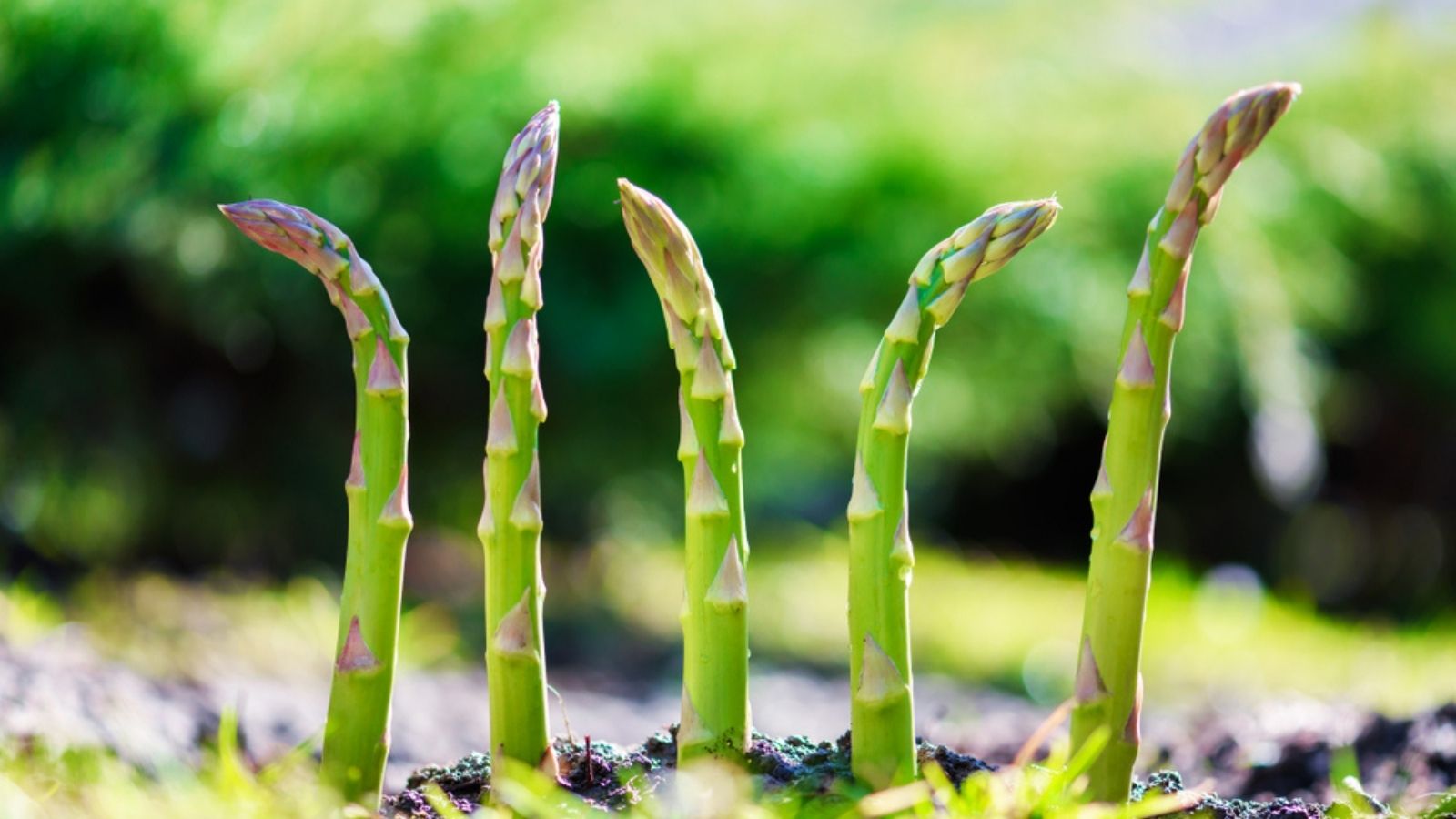
One asparagus bed, planted correctly, will keep giving you spears every single spring for 15 to 20 years, and healthy beds regularly push past 25. It’s the only true “plant once” vegetable on this list harvested as a spear rather than a fruit, root, or leaf, and once it’s established, there’s genuinely very little to do beyond an annual feed and a fall cutback.
The catch is patience. You need to leave the bed completely unharvested for the first two years so the crowns can build up energy reserves, and even in year three you only take a light harvest. Plant crowns rather than seed if you want spears sooner, and give them deep, well-drained soil since asparagus roots hate sitting wet over winter. I grow ‘Jersey Knight’ for its resistance to rust and its reliably fat spears, and I still get a small thrill every April when the first tips break the soil.
Asparagus is hardy down to USDA zone 3, but it needs a proper winter chill to trigger dormancy, so it doesn’t perform well in zones warmer than about 8.
RELATED POST: 15 Best Companion Plants for Asparagus (And the 5 Worst)
Rhubarb
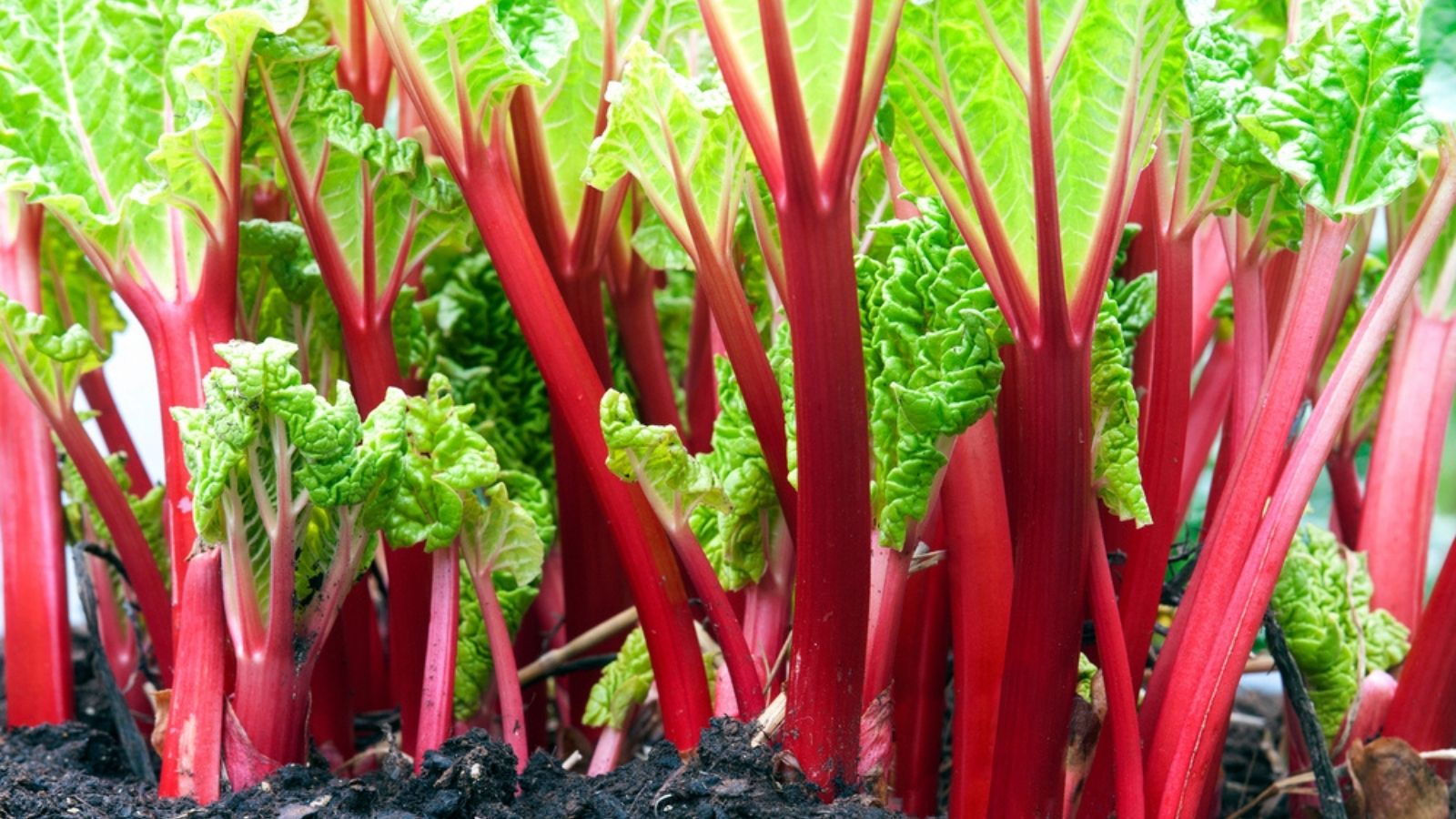
Rhubarb starts giving you usable stalks by its second year in the ground and will keep cropping for 10 to 20 years on nothing more than a yearly mulch of compost. It’s one of the most forgiving perennials you can grow, shrugging off frost, poor soil, and general neglect better than almost anything else in this list.
Plant crowns in early spring or fall, giving each one at least 3 feet of space since a mature plant gets genuinely huge. Harvest by pulling stalks rather than cutting them, and always leave at least a third of the plant intact so it can keep photosynthesizing. Divide the crown every 8 to 10 years once you notice stalks getting thinner, since that’s a sign the plant is overcrowded and running out of steam.
One safety note matters here. Rhubarb leaves contain concentrated oxalic acid and are toxic to both people and dogs. Only the stalks are edible. Compost the leaves or feed them to the chickens in moderation, but never eat them yourself, and keep dogs from grazing on trimmed leaves left in the compost pile.
Blueberries
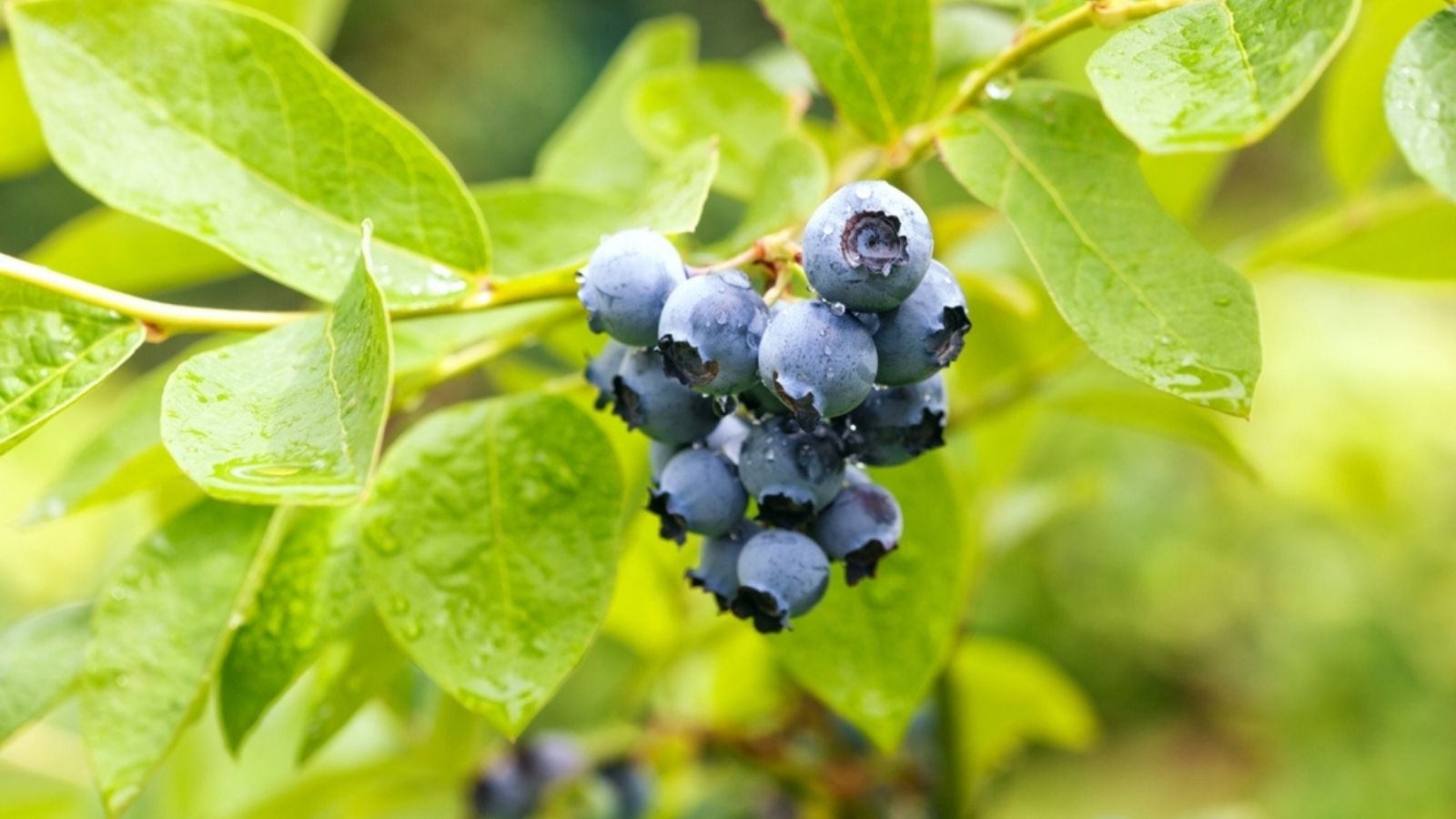
Blueberry bushes will keep fruiting for 20 years or more, but only if you get the soil right from day one. They need genuinely acidic soil, somewhere between pH 4.5 and 5.5, which is more acidic than most vegetable garden soil naturally is. Test your soil before planting and amend with elemental sulfur or acidic compost like pine needles if you need to bring the pH down.
Plant at least two different varieties for cross-pollination, since most blueberries produce a much heavier crop with a partner nearby even if they’re technically self-fertile. I grow ‘Bluecrop’ alongside ‘Patriot’ for a longer harvest window, since one ripens slightly earlier than the other. Mature bushes need very little pruning beyond removing dead or crossing wood each winter, and they’ll reward you with fruit from midsummer for as long as you keep them fed and mulched with something acidic.
Give them full sun and consistent moisture. Blueberries have shallow root systems and don’t cope well with drought, especially in their first few years.
Brambles: raspberries and blackberries
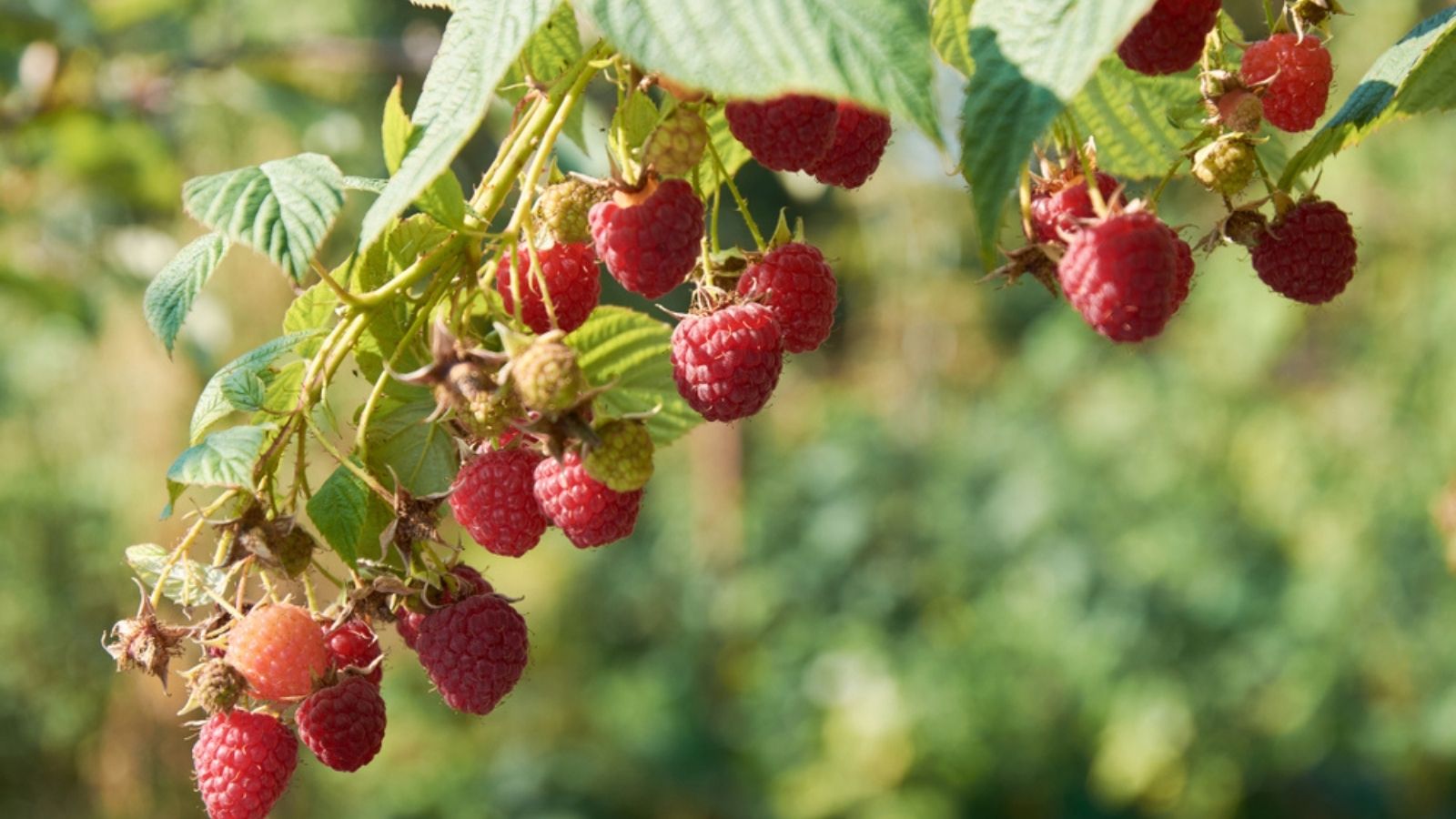
Raspberries and blackberries both fruit on canes that spread by suckering, meaning one initial planting will send up new canes year after year with essentially no effort from you beyond an annual prune. Everbearing raspberry varieties like ‘Heritage’ will even give you a light crop in their first fall, which is faster than almost anything else on this list.
The care is nearly identical for both, which is why I’m covering them together rather than repeating the same advice twice. Plant in full sun with a sturdy support system, since canes get top-heavy once loaded with fruit. Prune out old, spent canes right after harvest to make room for new growth, and be ready to manage the spread. Both brambles will happily colonize several extra feet of bed if you don’t keep them contained with a root barrier or regular digging out of unwanted suckers.
I let my blackberries have their own dedicated bed at the back of the garden specifically because I got tired of pulling up rogue canes from the strawberry patch.
RELATED POST: Best Blackberry Jam Recipe EVER – No Sugar, No Pectin, SUPER Easy!
Grapes
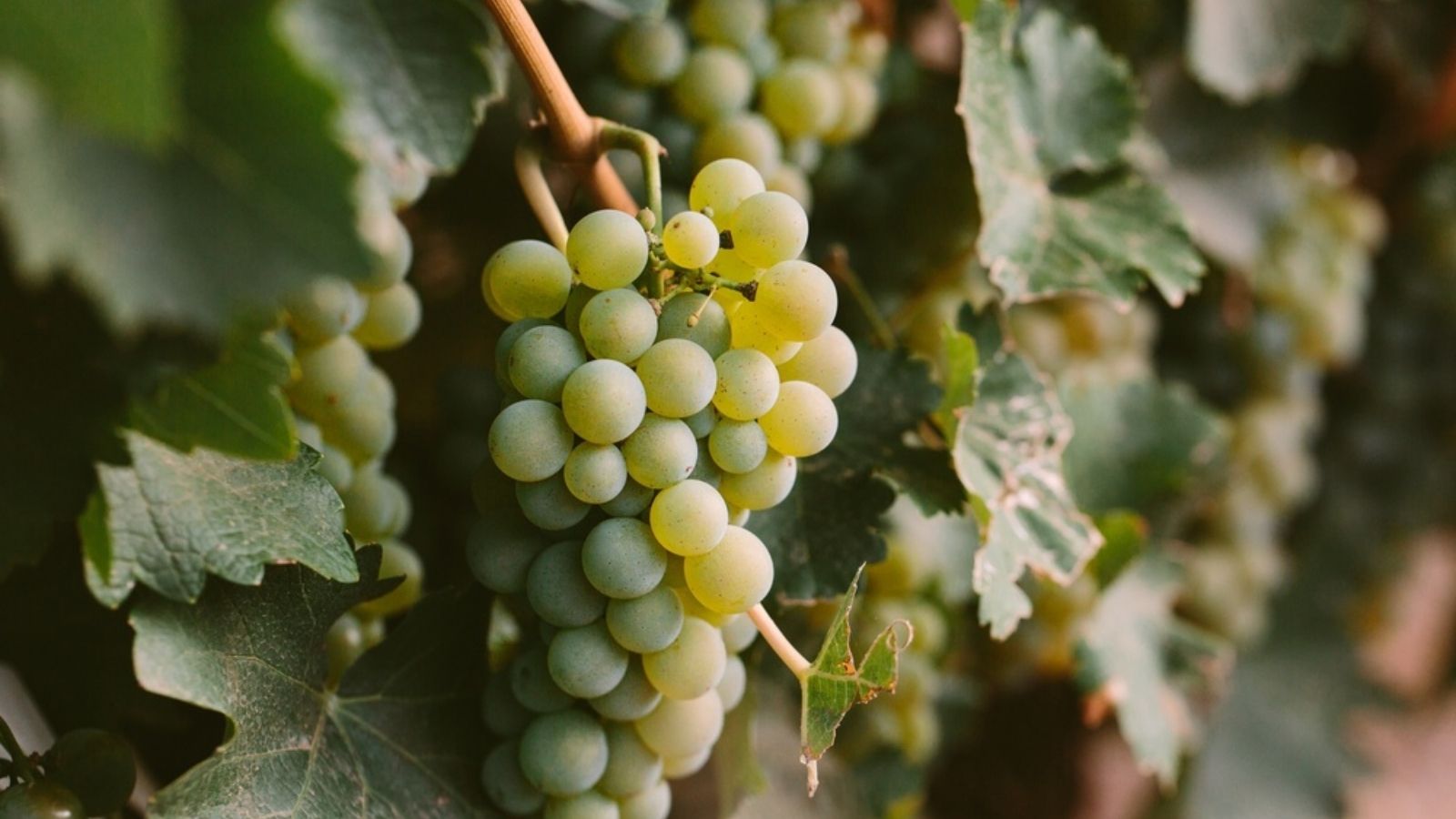
A well-sited grapevine can keep fruiting for 50 years or more, making it one of the longest-lived plants you’ll ever put in the ground. You won’t get much in the first two years while the vine establishes its root system, but by year three or four you should see a proper harvest, and established vines just keep getting more productive as their root systems mature.
Grapes need a sturdy trellis or arbor, since the vines can eventually reach 20 feet or more, and they need consistent pruning every winter to keep production focused on the strongest wood rather than a tangle of unproductive growth. Choose a variety suited to your climate. Cold-hardy types like ‘Concord’ handle down to zone 4, while muscadines need the warmth of zone 7 and up.
Here’s an important safety note if you keep dogs. Grapes and raisins are toxic to dogs, even in small amounts, and can cause kidney failure. Keep your vines fenced off or trellised well out of reach if you’ve got a dog that likes to forage for fallen fruit.
Fig trees
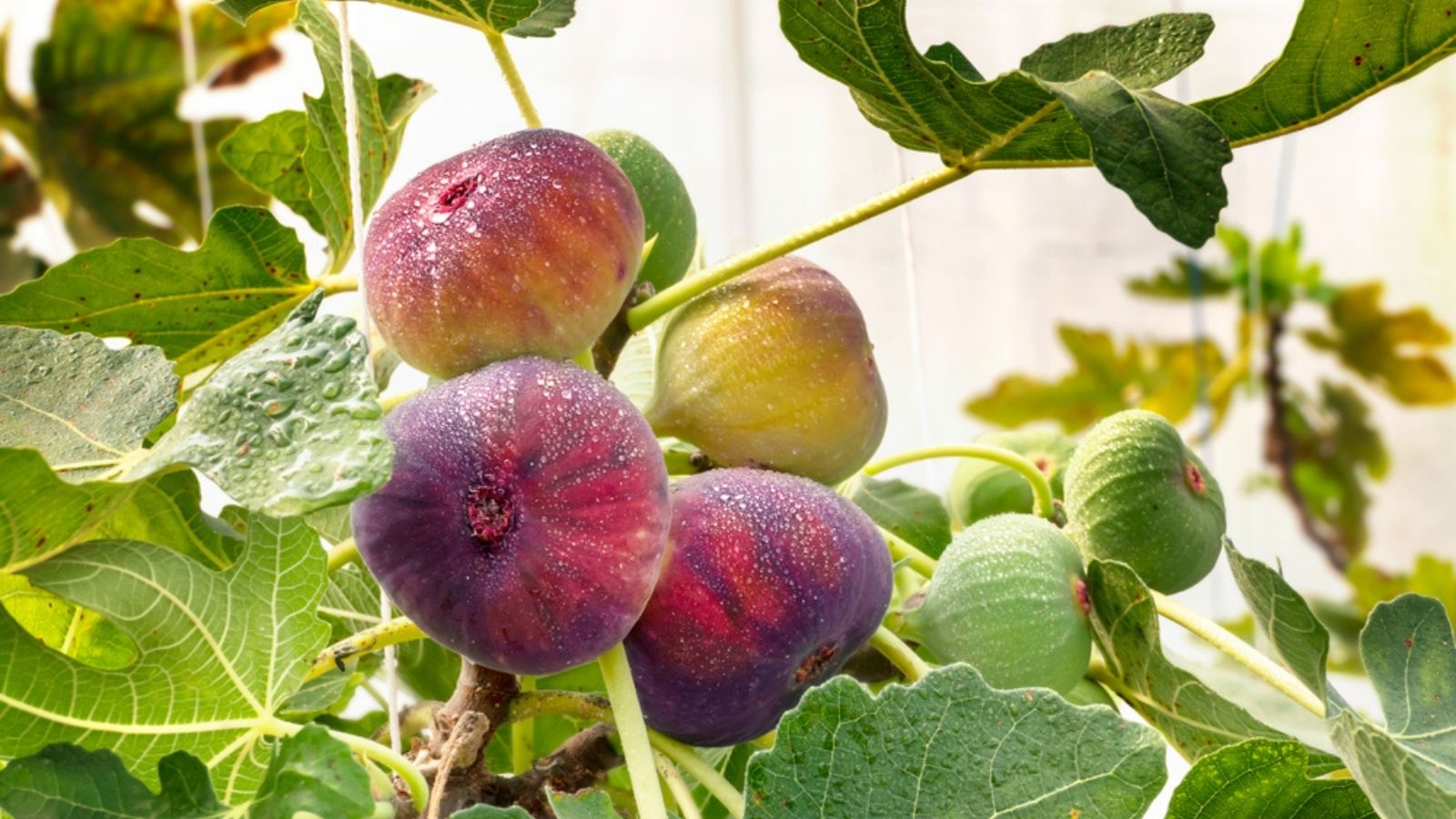
Fig trees will often give you fruit within one to two years of planting, making them the fastest-fruiting tree on this entire list. They’re self-pollinating, so you only need one tree to get a full crop, and they’re one of the easiest fruit trees to propagate for free since a cutting stuck in damp soil will often root within weeks.
Figs do best in zones 7 through 10, but gardeners in colder areas grow them successfully in large pots that get moved into a garage or unheated shed over winter, or by choosing a hardy variety like ‘Chicago Hardy’ and wrapping the trunk for protection. I grow mine against a south-facing wall, which gives it extra reflected heat and lets it push out two flushes of fruit most years instead of just one.
They need very little pruning beyond keeping the shape open, and once established, a fig tree will keep producing for well over 30 years.
Fruit trees: apples, pears, and other fruit
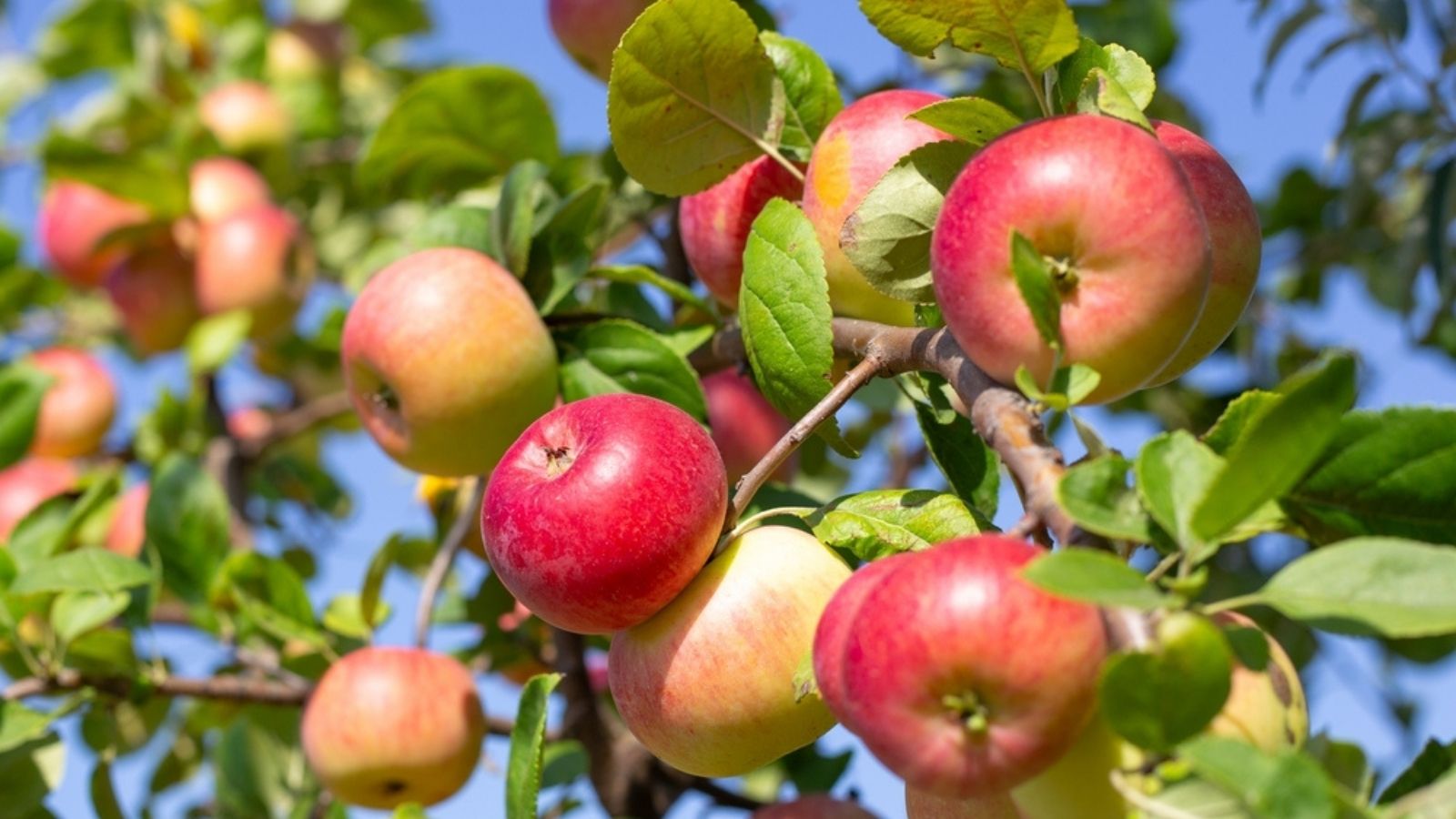
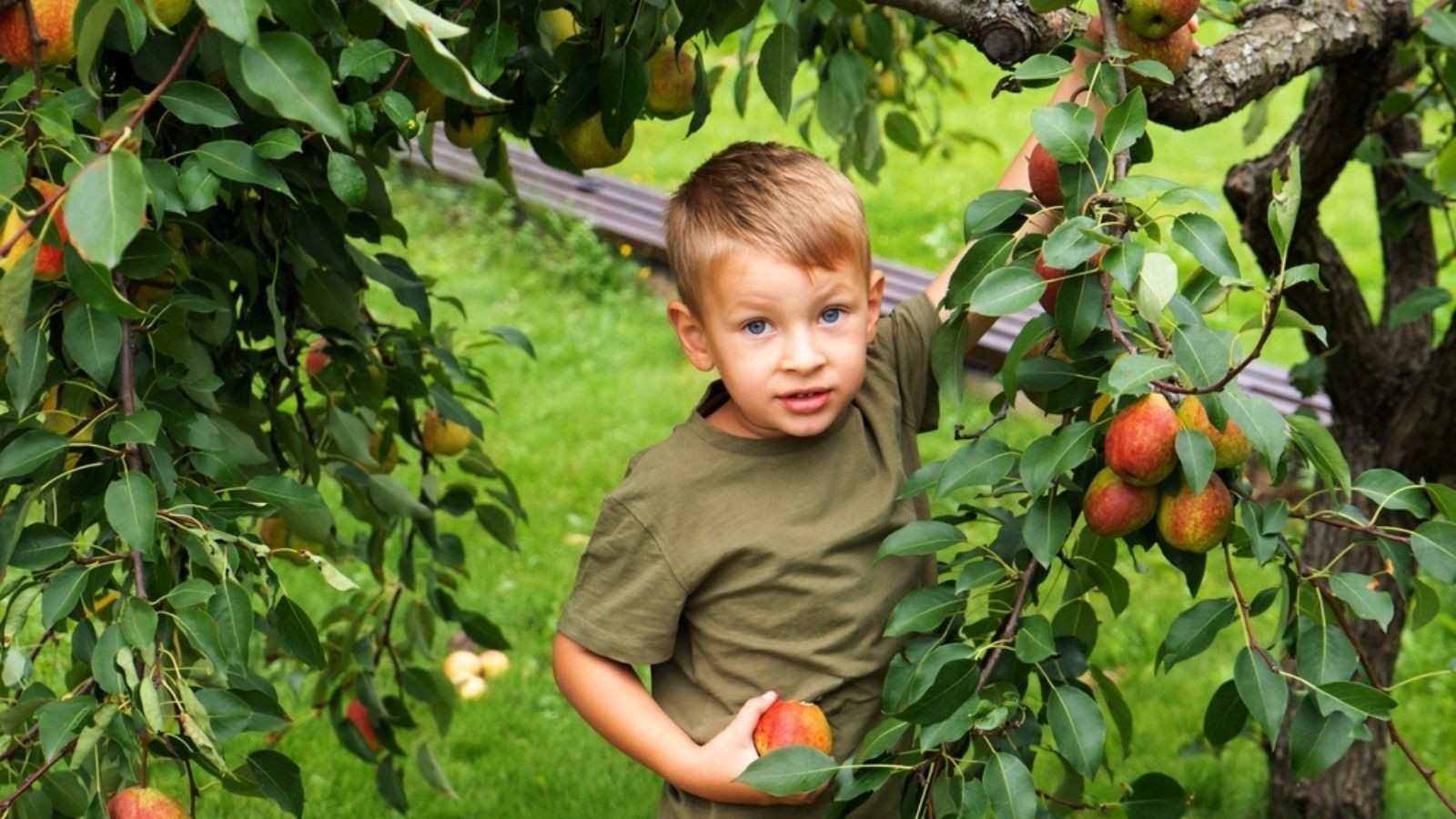
A well-chosen apple or pear tree will keep producing fruit for 40 years or more once it’s established, though you’ll typically wait 3 to 5 years for the first proper harvest depending on the rootstock. This is the biggest upfront patience investment on the list, but also the biggest long-term payoff, since one mature tree can produce hundreds of pounds of fruit a year.
Most apples and pears need a pollination partner, so check that your chosen varieties bloom at overlapping times or plant two compatible types together. Rootstock matters just as much as variety. Dwarf rootstocks keep trees to a manageable 8 to 10 feet and fruit sooner, while standard rootstocks grow much larger and take longer to bear but tend to live and produce for far longer overall.
I planted ‘Honeycrisp’ on a semi-dwarf rootstock alongside a ‘Bartlett’ pear specifically because their bloom times overlap, and both trees are now cropping heavily enough that I’m giving fruit away by the bushel every fall.
Elderberries
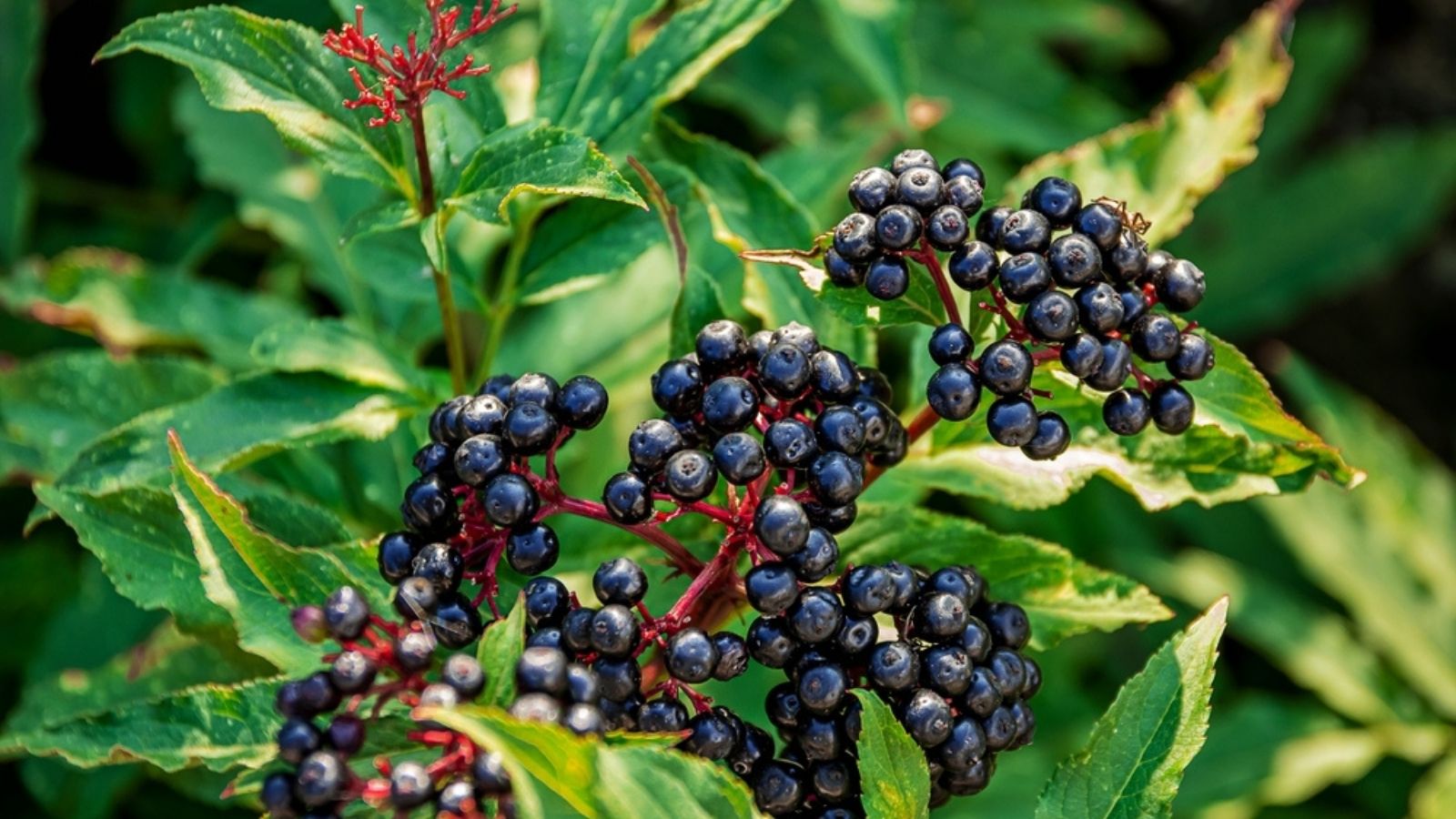
Elderberry shrubs are hardy down to zone 3 and will keep producing both flowers and berries for 20 years or more from a single planting, which is exactly why they’re such a cornerstone of a self-sufficiency garden. The flowers make a lovely cordial in early summer, and the berries are one of the most useful plants you can grow for a home herbal medicine cabinet, most famously in elderberry syrup for cold and flu season.
There’s one safety rule that matters here. Raw elderberries are not safe to eat, for you or for a dog that gets into the shrub. The seeds, leaves, and stems all contain cyanide-inducing compounds that cooking neutralizes, and the same parts are toxic to dogs in their raw state, so keep dogs from grazing on fallen berries or foliage. Unripe berries carry the same risk and should be removed before you cook anything down.
Elderberries fruit on both old and new wood, so a light prune in late winter to remove dead or crossing branches is all the maintenance they really need. Plant two varieties if you can, since cross-pollination noticeably improves the size of the crop.
RELATED POST: Super-Charged Elderberry Syrup for Colds, Flu, and Boosting Immunity!
Horseradish
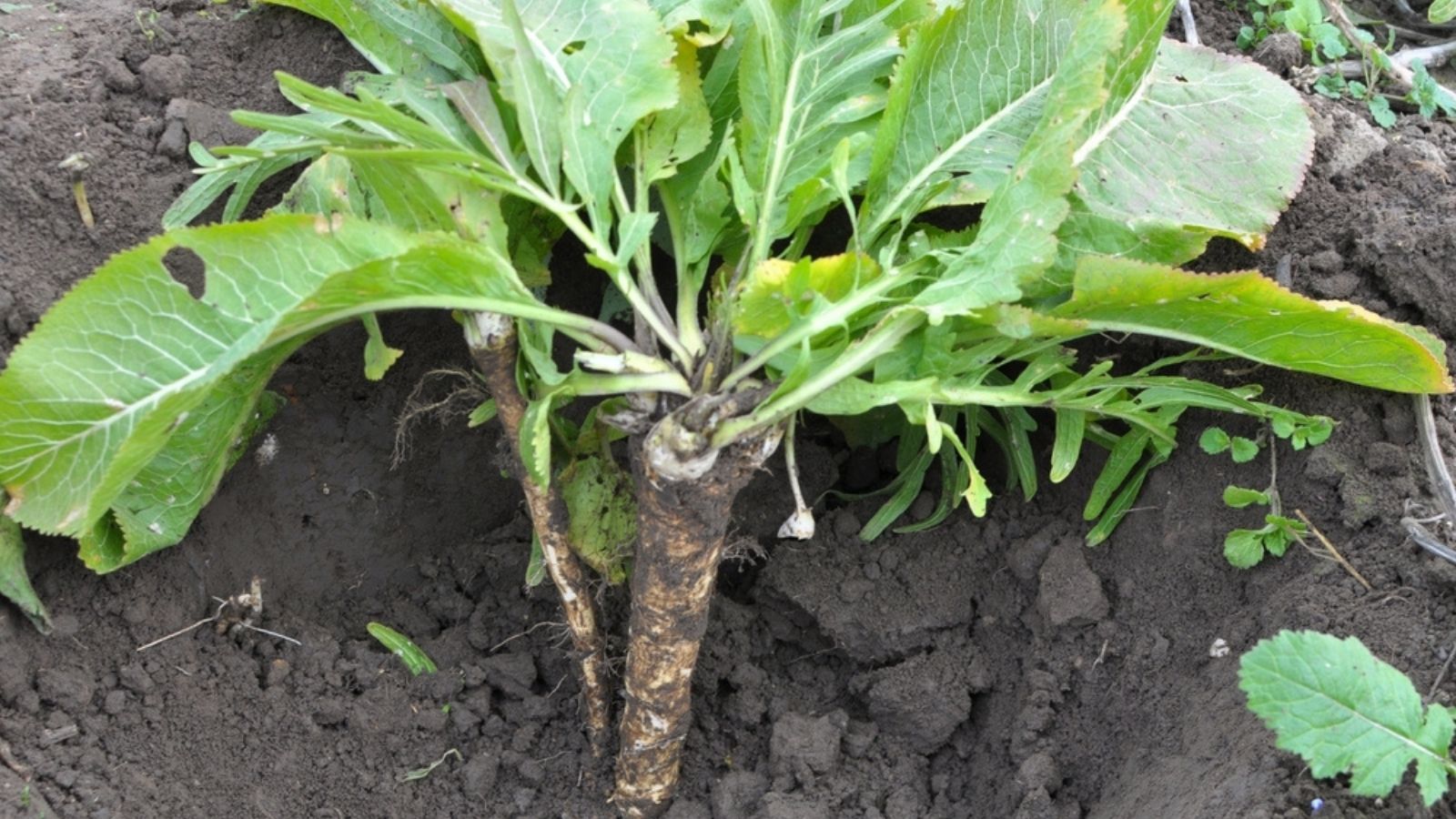
Horseradish is about as low-maintenance as food crops get. Plant a root cutting once, and it will keep sending up new growth and usable roots year after year with essentially zero care beyond harvesting what you need. The flavor only gets more pungent the longer a root stays in the ground, so you can leave it be for a couple of years before digging any up.
The catch is that horseradish spreads aggressively from any root fragment left in the soil, so a bed you don’t manage can become a horseradish bed whether you meant it to or not. I grow mine in a large buried container with the bottom cut out, which lets the roots go down but stops them from wandering sideways into the rest of the garden.
It tolerates poor soil and partial shade better than most root crops, and a single planting will realistically keep you in fresh horseradish sauce for the rest of your gardening life.
Sunchokes, also called Jerusalem artichokes
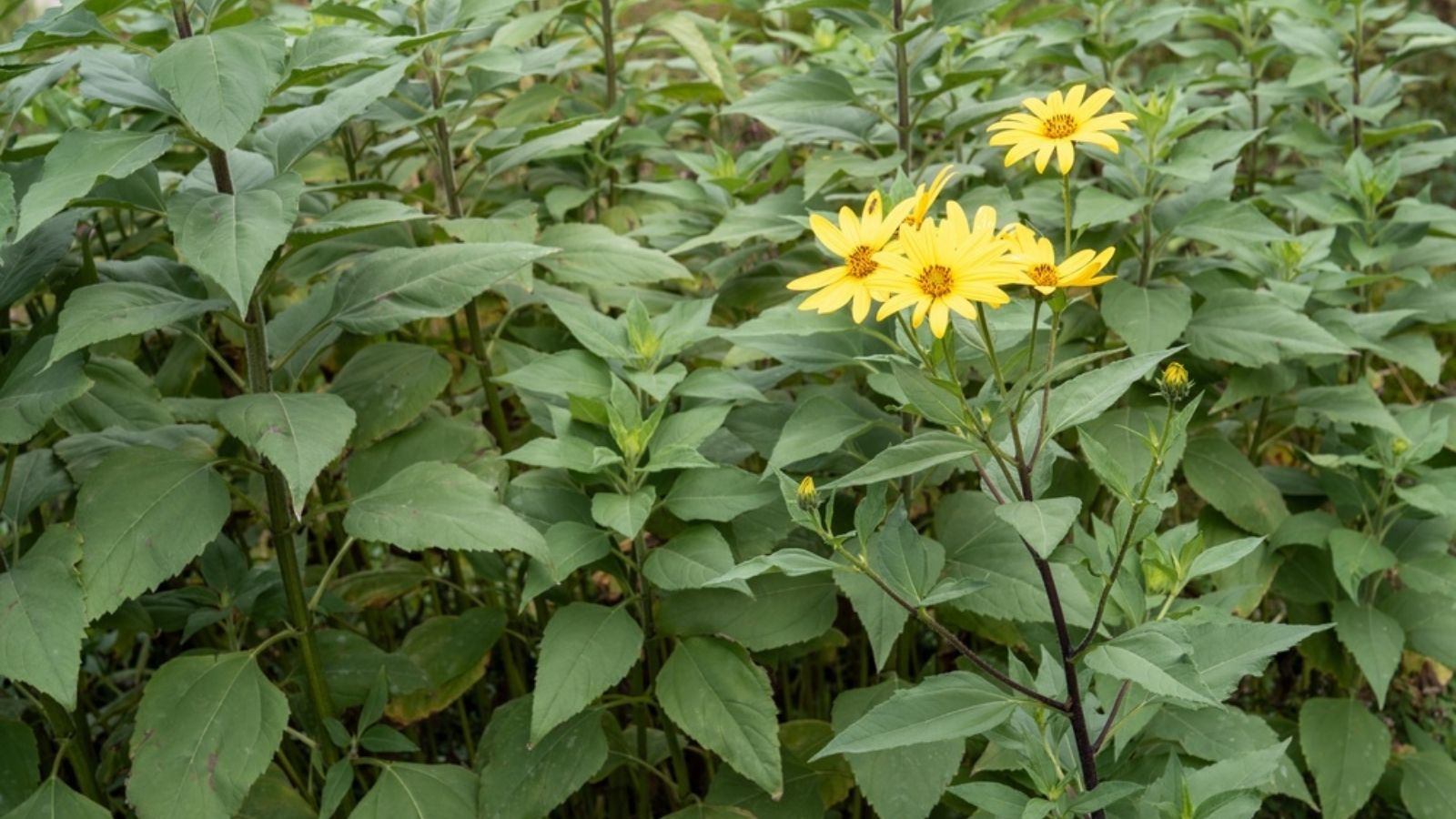
Sunchokes are one of the most prolific tuber crops you can grow, with a single planting often producing several pounds of tubers by fall and multiplying every year after that with no replanting needed. They’re also one of the few perennial vegetables that will genuinely thrive in poor soil and partial shade where little else produces well.
Here’s the warning that matters. Sunchokes have a well-earned reputation for becoming invasive if you don’t manage them. Any tuber left in the ground, even a small piece, will resprout the following year, so plant them somewhere contained from the start, ideally in a bed with a buried barrier, rather than trying to remove them later once they’ve spread through your whole garden.
Harvest after the first hard frost, which sweetens the tubers, and expect the plants themselves to tower to 6 feet or more by late summer, with cheerful yellow flowers that pollinators love.
Egyptian walking onions
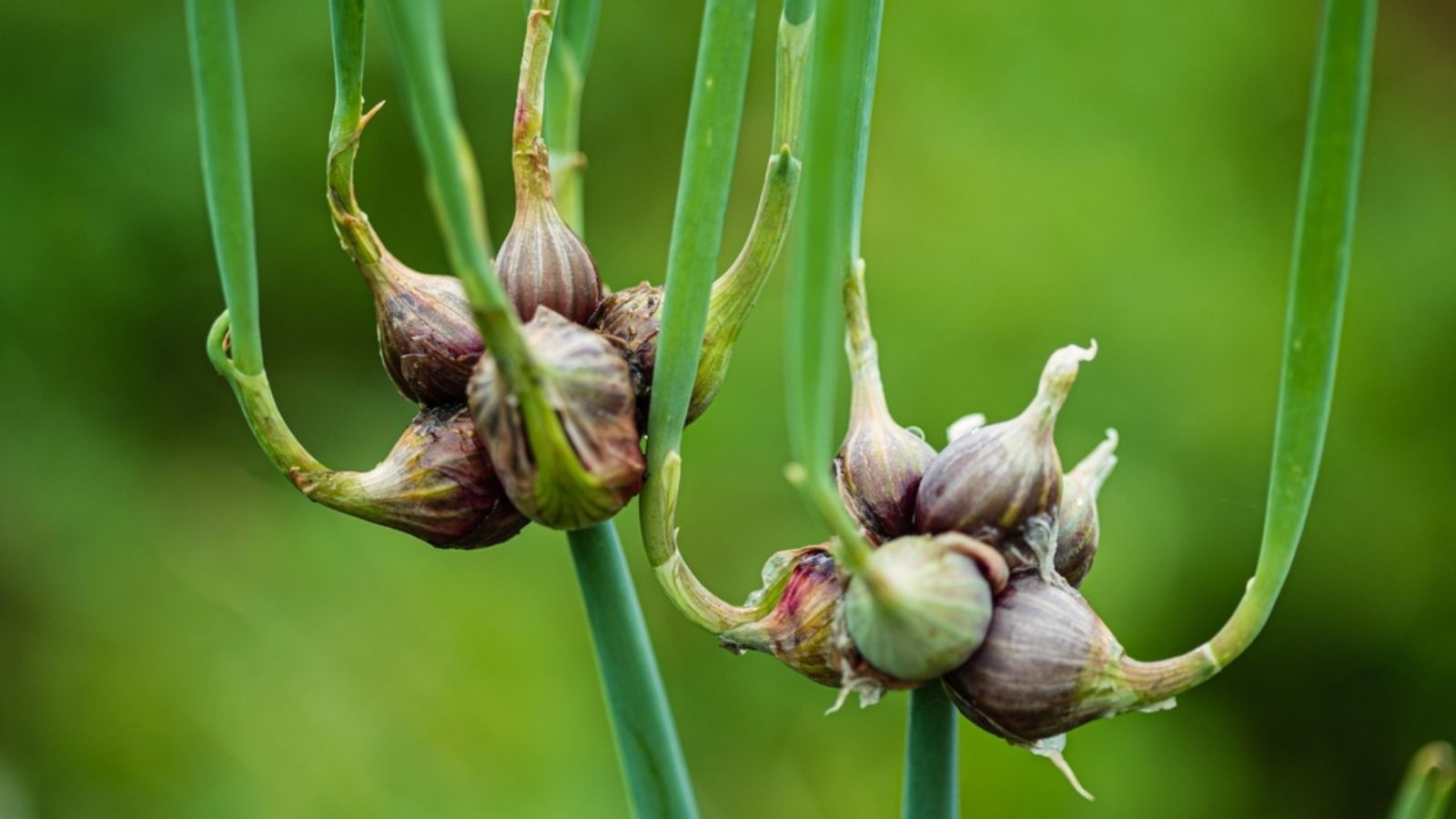
Egyptian walking onions are a genuinely odd perennial allium that produces small bulbils at the top of each stalk instead of flowers, and when the stalk gets top-heavy enough, it bends over and plants those bulbils in the soil a foot or two away. Left alone, a single planting will slowly “walk” across a bed year after year, which is exactly where the name comes from.
You can eat every part of the plant. The green tops work like scallions in spring, the bulbils can be pickled or used like small shallots, and the underground bulbs that form at the base are usable too, similar to a mild garlic. Because they’re perennial and cold-hardy down to zone 3, you’ll have fresh green onion tops available earlier in spring than almost any annual onion you could sow.
Give them a spot where you don’t mind them spreading, or harvest the bulbils regularly if you want to keep the patch contained to its original footprint. If you share your yard with a dog, it’s worth knowing that walking onions, like every allium, are toxic to dogs, so a patch that spreads unsupervised near a curious nose is worth fencing off or keeping well out of reach.
A perennial herb bed: chives, oregano, thyme, and sage
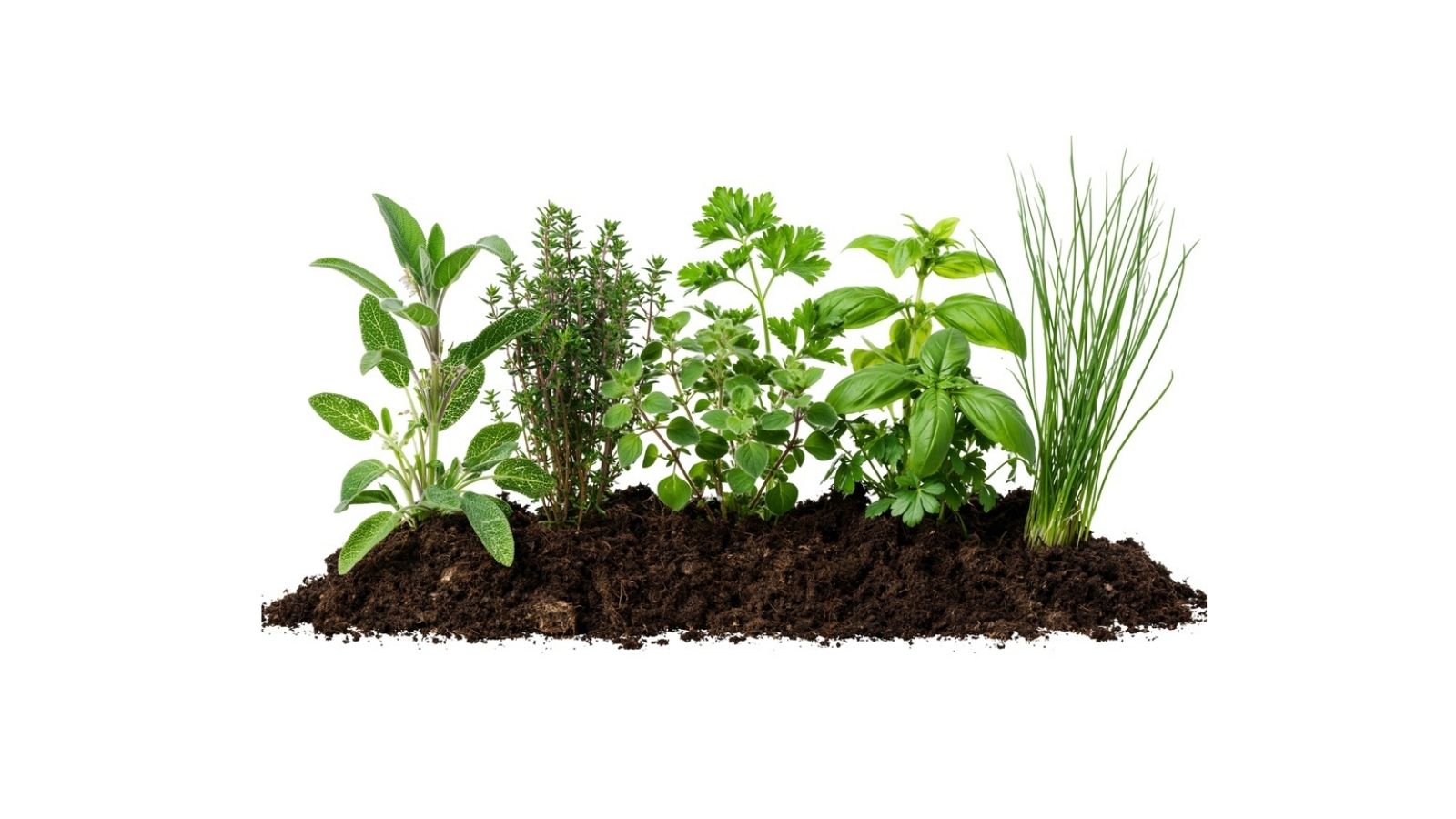
Chives, oregano, thyme, and sage are all hardy perennial herbs that come back stronger every year from a single planting, and grouping them into one bed is genuinely one of the highest-value, lowest-effort projects in a self-sufficiency garden. All four are hardy to at least zone 5, drought-tolerant once established, and need nothing more than an annual trim to stay productive.
Chives will even flower with edible purple blooms that pollinators adore, and I let mine self-seed a little each year because it’s basically a volunteer workforce restocking the bed for free. If you’ve got a dog, it’s worth flagging that chives are an allium, and alliums are toxic to dogs, so keep an eye on trimmings and self-seeded volunteers if your dog likes to forage in the garden. Oregano is also worth watching around dogs. It’s classified as toxic to them, though the reaction is typically mild vomiting or diarrhea rather than anything severe, so keep it out of reach of a dog that likes to graze. Thyme and sage, by contrast, are both considered non-toxic to dogs. Oregano and thyme both spread into low, dense mats that double as a living mulch, suppressing weeds around anything else you plant nearby. Sage gets woodier with age and benefits from a hard prune every few years to keep new growth coming rather than leggy old stems.
Plant all four together in a sunny, well-drained spot, since they share almost identical needs, and you’ll have a steady supply of fresh herbs for cooking without ever buying a plastic clamshell of them from the grocery store again.