

Affiliate disclosure: This post may contain affiliate links. Please see full disclosure.

Disclosure: This post contains affiliate links. Click here to read my affiliate policy.
Oregano, one of my favorite aromatic herbs, is a brilliant companion plant for many vegetables and other herbs. And there are a range of plants that can also help keep your oregano healthy. There are so many benefits of companion planting, from natural pest control to improving soil quality. Interplanting oregano plants with the right mix of other plants can help ensure a healthy harvest for everything in your garden space.

I use oregano for things other than its flavor. It’s a powerful antifungal, antiseptic, and antiviral. It’s also a potent anti-inflammatory and antioxidant, and, research tells us, it also has anti-diabetic and cancer cell suppression properties. These medicinal properties are pretty amazing for a little plant from the mint family, right? So you can see why I like to look after my oregano by interplanting it with plants that can help to protect it, rather than just using it as a companion plant for others (although I do that, too).
Let’s take a look at the best companions for oregano and a few that you should avoid.

What are the best oregano companion plants for your garden?
Oregano is an extremely versatile herb that pairs well with a wide variety of plants in the garden. Whether you are planting a herb garden, vegetable garden, or even just looking for some beautiful garden plants with pretty purple flowers that attract pollinators, you can pair oregano with many other plants that both complement and benefit from its growth and strong scent.
Strawberries
Strawberries and oregano make for an exceptional partnership. These two plants coexist perfectly in a garden setting and have similar environmental needs in terms of soil, sun, and water requirements.

Firstly, strawberries are a favorite of many garden pests. Slugs, for instance, are notorious for their love of these juicy fruits. However, the pungent scent of oregano can help protect your strawberries from these unwanted invaders. It acts as a natural insect repellent,This scent confuses and repels many pests, making it less likely they’ll find and devour your strawberries.
Another advantage of using oregano as a strawberry companion plant is their contrasting growth habits. Strawberries, a low-growing plant, spread across the ground and produce a horizontal carpet of green leaves and red fruits. On the other hand, oregano is a slightly taller, bushy herb that spreads outwards, filling in the gaps between strawberry plants. This intermingling of growth can discourage weeds and reduce the amount of bare soil exposed to the sun, helping to maintain moist soil and moderate temperature.
Rosemary
When you think about Mediterranean cuisine, the aromatic duo of rosemary and oregano likely comes to mind. Interestingly, these two herbs share more than just culinary ties—they also make excellent companion plants.

Rosemary and oregano hail from the same Mediterranean regions, which means they’ve evolved to thrive in similar growing conditions. Both herbs prefer full sun exposure and well-draining soil, characteristics typically found in their native environments. They’re also both drought-tolerant, which means they can withstand dry periods better than many other herbs. This shared preference for growing conditions simplifies care when they’re planted together, as you won’t need to adjust watering or placement for each plant individually.
In addition to their similar growing needs, rosemary and oregano both produce strong, aromatic oils, a trait common among many Mediterranean herbs. These potent scents can serve as a natural deterrent to many common garden pests, such as aphids and cabbage flies. When planted together, their combined aromas create an even more potent pest-repelling environment, offering better protection for both plants.
Plus, oregano is sometimes the victim of spider mites and aphids, but rosemary is a strong repellent for both.
Rosemary is typically larger and taller than oregano, which tends to spread out more horizontally and stay closer to the ground. The taller rosemary can provide a bit of light shade to the oregano during the hottest part of the day, while the lower-growing oregano can help suppress weeds that might compete with the rosemary. This beneficial interaction further boosts the overall health and productivity of your garden.
Asparagus
Asparagus crowns make excellent oregano companion plants. This pairing takes advantage of the unique characteristics and growth habits of both plants, creating a symbiotic relationship that benefits each.
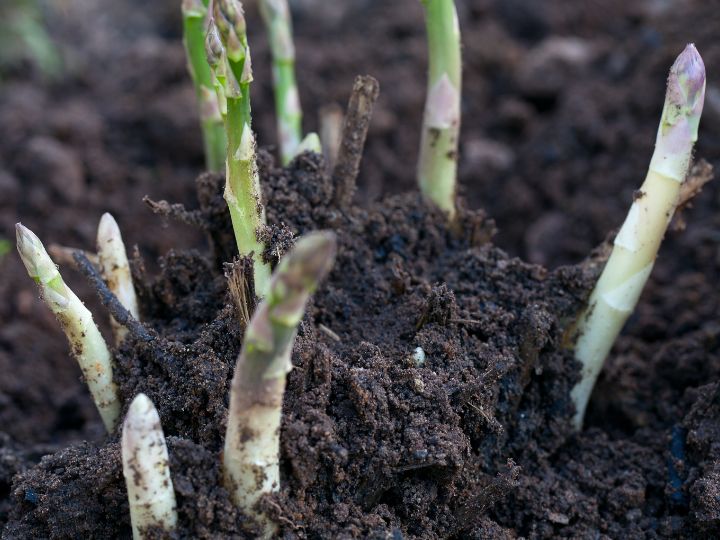
Asparagus plants are long-lived perennials that yield tasty, nutrient-dense spears year after year. One major threat to their productivity, however, is root knot nematodes—microscopic worms that attack the roots of plants, impeding nutrient uptake and stunting growth. Luckily, oregano’s aromatic oils act as strong repellants for these microscopic pests. It’s also effective at repelling the dreaded asparagus beetle. So it’s an excellent companion plant for asparagus.
In addition to its pest-repelling properties, oregano also serves as an excellent living mulch for asparagus. With its low-growing, spreading habit, oregano can cover the soil surface effectively. This ground cover reduces weed competition by blocking sunlight that would otherwise help weeds germinate and grow. The coverage helps maintain soil moisture by reducing evaporation, ensuring that the asparagus has sufficient water for optimal growth.
Squash
Growing oregano with squash in your garden can provide several significant benefits. Squash, with its large, broad leaves and sprawling growth habit, is a garden favorite, but it can also be a magnet for pests like squash bugs and vine borers. That’s where oregano steps in, making it one of the best companion plants for squashes, cucumbers, pumpkins, and melons.
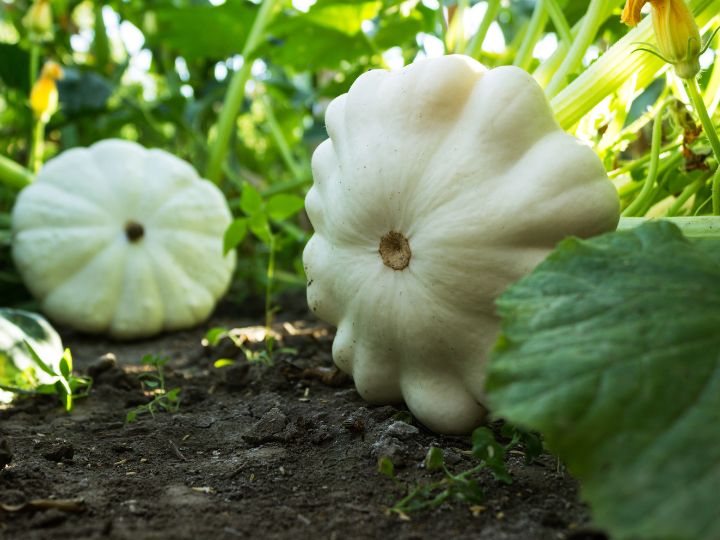
The strong scent of oregano is a natural deterrent to many pests, including the ones that often trouble squash. Squash bugs and vine borers can wreak havoc on your squash plants, but the pungent aroma of oregano can confuse these pests, masking the scent of squash and making it harder for pests to locate their target.
In addition to its role in pest control, oregano serves another vital function: weed suppression. Oregano’s dense growing habit allows it to cover the ground around the base of the squash plants, reducing the amount of sunlight that reaches the soil. This shade makes it more difficult for weed seeds to germinate and compete with your squash for nutrients and water.
This living mulch can also help conserve soil moisture by reducing evaporation, which is particularly beneficial during hot summer months when squash plants need plenty of water to produce their large fruits.
Cucumbers
Cucumbers are a must-have for many home gardeners due to their crisp texture and refreshing taste. However, they are also susceptible to several pests, including cucumber beetles.
The strong, distinctive scent of oregano is an excellent natural deterrent for these pests. Cucumber beetles, in particular, can pose a significant threat as they not only feed on the plants but also transmit bacterial wilt, which can be devastating for your cucumber crop.
Cucumber vine upwards, so a lot of soil is exposed around their bases, but oregano acts as ground cover, retaining moisture and keeping soil temperatures moderate.
Thyme
Thyme and oregano are both classic Mediterranean herbs that can benefit each other when planted together. With their shared preference for sunny conditions, well-drained soil, and relatively low water requirements, they thrive under the same growing conditions.

Just as importantly, both thyme and oregano are known for their potent, aromatic oils. These strong aromas are not only delightful in the kitchen but also very useful in the garden. The fragrant compounds in both plants can confuse and deter many common garden pests, making your garden a less appealing target for these unwanted visitors.
Melons
Growing melons and oregano together can create a vibrant and productive garden environment. These two plants complement each other in several ways, making them ideal companions.

Melons, like their squash relatives, are susceptible to pests like the squash vine borer. These pests can cause considerable damage, often leading to wilted and dying plants. Oregano, with its potent aroma, can serve as a natural deterrent, masking the smell of the melons and confusing the pests.
And, just like for squashes and cucumbers, the oregano acts as a living mulch to protect the soil and reduce evaporation.
Tomatoes, Peppers, and Eggplant
Tomatoes, peppers, and eggplants are all staples in the vegetable garden, but they’re so sensitive to pests. Oregano makes a great companion plant for these nightshades as the oregano plant, a strong aromatic herb, repels many of the insects that prey on nightshades.
Tomatoes, for example, are prone to a number of pests, including tomato hornworms, which can severely affect plant health and reduce fruit yield. But many of these pests, including the dreaded hornworms, do not like oregano, so it helps to protect your tomato plants.
Grapes
Oregano can also be a beneficial companion plant in the vineyard. Planting oregano around your grapevines helps suppress weeds that would otherwise compete for resources. This weed control is crucial for grapevines, which need ample nutrients and water to produce a healthy crop.
Many pests are attracted to the vineyard by the scent of grapevines, but the potent aroma of oregano can confuse them, making it more difficult for them to locate the grapevines.
Lavender
The pairing of lavender and oregano in the garden brings together two potent, aromatic herbs that can mutually benefit each other. Both plants thrive in full sun and well-drained soil, typical conditions in their native Mediterranean regions.
The strong scents of lavender and oregano can also help deter a variety of pests. Many harmful nsects find these strong smells confusing or unpleasant, which can discourage them from infesting your garden. By planting these herbs together, their combined aromas create a more potent pest-repelling environment, offering better protection for both plants.
Plus, the aesthetic combination of lavender’s tall, elegant flower spikes with oregano’s low, dense growth can make for a striking visual contrast in the garden.
Tarragon
Tarragon, a staple in French cooking, is a perfect companion plant for oregano. These two herbs share similar requirements for sunlight and soil conditions. They both thrive in well-drained soil and full sun, which simplifies garden management when they’re grown together.
The combination of their strong scents can help keep many pests away, thanks to the aromatic compounds they release.
Lemon Balm
The pairing of lemon balm and oregano can create an aromatic powerhouse. The strong scents of these two herbs combined can deter a wide range of pests, making your garden a less appealing target for unwanted visitors, including mosquitoes.

Lemon balm, with its light, citrusy aroma, and oregano, with its robust, earthy scent, work together to confound and deter pests.
Planting lemon balm and oregano together can provide a diversity of flavors for your kitchen. Whether you’re brewing herbal tea or spicing up a pasta sauce, these two herbs can offer a range of possibilities.
Sage
Pairing sage with oregano can create a harmonious blend of aesthetics, growth compatibility, and pest resistance in your garden.

The strong, herbaceous scent of sage combines effectively with the potent aroma of oregano to form a natural deterrent to many common garden pests. This aromatic pairing can help keep damaging insects like aphids and cabbage moths at bay, protecting your garden plants from potential harm. Oregano is a strong repellent in its own right, but it is susceptible to aphid damage. And sage helps with that.
Adding to their compatibility, sage and oregano also offer an appealing visual contrast. Sage, with its tall, grey-green leaves, towers above the low-growing, bright green foliage of oregano. This height differential can add depth and texture to your garden, enhancing its overall aesthetic appeal.
Cruciferous Vegetables (Brassicas)
Growing oregano alongside cruciferous vegetables, also known as brassicas, can offer significant benefits, especially in terms of pest control and weed suppression.

Cruciferous vegetables, which include crops like broccoli, kale, cabbage, and cauliflower, are often targeted by pests such as cabbage worms, moths, cabbage butterflies, and cabbage loopers. These pests can cause significant damage to your crop, reducing your yield and the overall health of your plants. However, the strong aroma of oregano can deter these pests, acting as a natural form of pest control.
Additionally, oregano, with its dense, low-growing habit, can serve as a living mulch around your brassicas. This helps suppress weed growth by denying weeds the light and space they need to establish themselves. By doing so, the oregano reduces competition for resources and helps to maintain soil moisture levels, both of which contribute to the health and productivity of your brassicas.
Celery
Celery and oregano make an excellent combination in your garden for several reasons. The main benefit of planting celery with oregano is the pest deterrence that oregano provides.
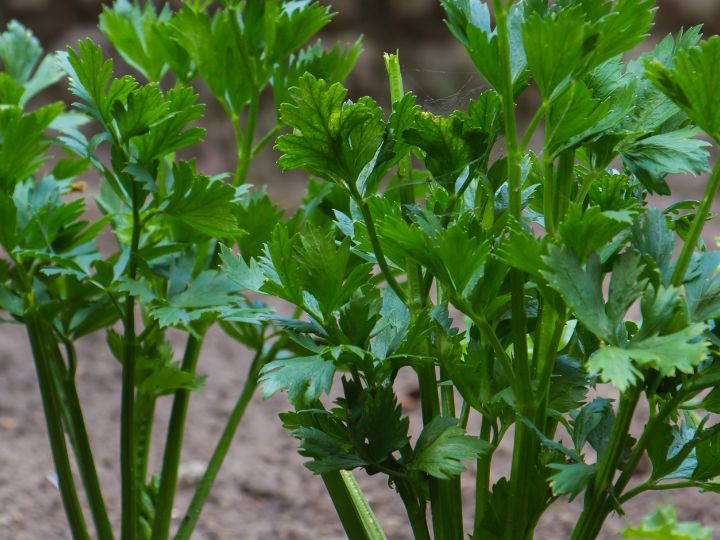
Celery is often plagued by a pest known as the celery leaf miner. These small harmful insects lay their eggs on the leaves of celery plants, and once hatched, the larvae burrow into the leaves, causing significant damage. However, the robust scent of oregano is known to repel celery leaf miners, providing a natural form of pest control for your celery crop.
Carrots
Pairing oregano with carrots in your garden offers several benefits, particularly in pest management and microclimate control.

Carrot flies are one of the most common and problematic pests for carrot crops. They’re attracted by the scent of the carrots, but can be effectively deterred by the strong aroma of oregano, particularly if you also add onions, garlic, or chives into the mix. This robust scent is not appealing to carrot flies, helping to protect your carrots from their destructive larvae that can otherwise cause significant damage to your crop.
Oregano, with its dense, low growth, can provide a protective shield, offering some shade and helping to keep the carrot tops from getting too much sun and turning green, a condition that makes them bitter and unappetizing.
Oregano can also handle the sandy soil that carrots thrive in.
Beans
Planting oregano with beans in your garden can result in several advantages, particularly in pest control and space utilization.

Beans are often a target for pests that oregano can repel with its potent aromatics.
Beyond pest management, the growth habits of beans and oregano make them compatible gardening companions. Beans typically grow upright, reaching for the sun, while oregano spreads out closer to the ground. This difference in growth patterns means they don’t compete for space, allowing both to thrive without hindering each other’s development.
And, beans are nitrogen fixers, helping to take nitrogen from the air and convert it into bioavailable nitrogen in the soil for the beans and neighboring plants to use.
Bee Balm
Bee balm and oregano make a great team in your garden, working together to attract beneficial insects and enhance pollination.

Bee balm, as its name suggests, is highly attractive to bees. Bees are essential pollinators, helping to increase the productivity of your crops. Oregano, too, attracts bees, along with other beneficial predator insects like ladybugs and lacewings, which help control pest populations naturally.
Pairing bee balm and oregano in your garden can create a buzzing hotspot for these helpful insects. This not only boosts pollination, leading to better fruit and seed production, but also enhances natural pest control.
The distinct fragrances of these two plants can deter many common garden pests, creating an additional line of defense for your garden. Bee balm is also another useful medicinal herb that I like to have in my home apothecary arsenal, so it makes sense to grow them together.
Plants to Avoid Growing with Oregano
While oregano pairs well with many plants, it’s important to remember that not all plants make good companions. Here are three plants that are not good companion plants for oregano and that you should avoid growing with oregano plants.
Basil
Basil and oregano may be a delightful combination in Italian cuisine, but in the garden, they can become fierce competitors. Both herbs are vigorous in their growth and have similar requirements for sunlight, water, and nutrients. This can lead to an overcompetitive environment where both struggle to obtain the necessary resources for optimal growth. In such situations, one or both may end up stunted or stressed, leading to a reduced harvest. So they do not make good companion plants.
Chives
Chives, like oregano, are a popular herb, but they have different watering needs that can cause issues when co-planted. Chives require more moisture than oregano, which prefers well-drained, somewhat dry soil. This disparity can complicate watering schedules and lead to either overwatering oregano or underwatering chives. It’s best to plant these herbs in separate areas that cater to their individual water preferences to ensure healthy growth.
Mint
While mint and oregano plants may both belong to the mint family, Lamiaceae, they do not make good bedfellows in the garden. Mint is an extremely vigorous and even aggressive grower, known to spread rapidly and invade the space of other plants. If planted with oregano, mint can quickly overrun it, hogging resources and crowding out the oregano. It’s advisable to plant mint in a separate bed or even a container to restrict its growth and prevent it from overwhelming other plants.