

Affiliate disclosure: This post may contain affiliate links. Please see full disclosure.

Disclosure: This post contains affiliate links. Click here to read my affiliate policy.
Ripe, juicy cantaloupes straight from the garden are divine. But companion planting cantaloupe is essential for a successful organic harvest, because they’re very prone to pests. Aphids, beetles, and other garden beasties can’t resist the allure of cantaloupe plants left unprotected. So, be ready for a fight, but stack the deck in your favor by interplanting the right plants alongside, amongst, or close to your cantaloupe plants.
Some, like corn, provide shade and a trellis, while others deter pests, attract predators, or even act as bait, being sacrificial trap crops to keep your cantaloupes safe.
Companion planting is my favorite permaculture technique and one of the keys to my success in my gardens. With canteloupe, I’m strategic, but my three favorite companion plants are corn, sunflowers, and marigolds, as they all have other benefits as well as helping to keep the canteloupe healthy.
Cantaloupes, or musk melons, thrive in full sun and well-draining soil. They prefer a soil pH between 6.0 and 6.5 and require ample space to grow, as their vines can stretch up to 12 feet long. So, when choosing companion plants, you should go with plants that do well in similar conditions.
The Science Behind Companion Planting
At its core, companion planting is about understanding the symbiotic relationships between different plant species. Some plants offer pest control benefits, others improve soil quality, and a few even help with pollination. The result? A thriving, self-sustaining garden ecosystem where plants grow stronger and healthier together
Companion planting can improve soil nutrition, promote beneficial insects, and deter harmful pests. It can also enhance pollination, which is vital for fruit-bearing plants like cantaloupes.
Companion planting is critical to healthy soil, healthy plants, and a thriving organic garden. And it’s insanely rewarding. I am genuinely obsessed with this technique, and I’m always looking to find that perfect combination of companion plants for every square inch of my growing space.
Best Companion Plants for Cantaloupe Melons
The best cantaloupe companion plants are those that attract beneficial insects, repel pests, behave as trap crops, and provide environmental help. In an ideal world, apart from sacrificial trap crops, the companion plants you choose should be more than just ornamental to really maximize the yield of your growing space. For example, I grow a lot of herbs and also use legumes and other veggies as companion plants, as well as edible and medicinal flowers. There are, however, a few exceptions.

1. Corn
Corn is an excellent companion to cantaloupe. Its tall, sturdy stalks act as a natural trellis, providing a perfect structure for vining plants like cantaloupe to climb. This helps keep the melons off the ground, reducing rot caused by contact with damp soil, and saves space in your garden.

Corn’s height promotes better air circulation around plants, reducing the likelihood of fungal diseases. It also provides some shade, protecting the melon plants from intense afternoon sun and acting as a windbreak against strong winds.
Corn can deter pests that cantaloupes are prone to, such as cucumber beetles, by attracting beneficial predators like parasitic wasps. In return, the dense foliage of cantaloupe vines can deter pests attracted to corn, like raccoons, from reaching the plants. This mutual relationship can help create a more productive and healthy garden.
If you also add pole beans to the mix, you’ve got a variation of the three sisters companion planting method.
2. Sunflowers
Sunflowers are beneficial companions for cantaloupes as they attract a variety of beneficial pollinators, including bees and butterflies, with their large, vibrant blooms. These pollinators can significantly boost the fruit yield of your cantaloupe plants by improving pollination.

These tall beauties also provide shade. In the peak of summer, the afternoon sun can damage sensitive cantaloupe plants, so shade from the tall heads and large leaves of the sunflower provide welcome shelter.
Sunflowers, like corn, can also act as a natural trellis for cantaloupe vines. Sunflowers are robust plants that are quite resistant to pests, making them less likely to introduce harmful insects to your cantaloupe plants. And they’re strong enough to bear the weight of full-size, ripening canteloupes.
3. Nasturtium
Nasturtiums are a valuable addition to your cantaloupe garden. They attract pests like aphids and squash bugs, drawing them away from your cantaloupes. Hence the term trap crop.
Just be sure to plant them a little away from your cantaloupe plants to draw the pests away.

Nasturtiums also attract beneficial insects such as pollinators and predatory insects like hoverflies, which are natural predators of aphids. They’re low-maintenance, too, and their leaves and flowers have a peppery taste that really jazzes up a salad, so you can make use of any that survive the aphid attacks.
4. Marigolds
Marigolds, with their bright blooms, are not just visually appealing but also serve as dependable companions for cantaloupes. Their ability to repel many common pests can contribute to a healthier, bug-free cantaloupe crop.

I really love marigolds, and strategically place them throughout my growing space every year.
Marigolds keep a number of pests in check, including aphids, cabbage maggots, potato beetles, corn earworms, cucumber beetles, flea beetles, Japanese beetles, nematodes, and squash bugs. These are my go-to companion plants for just about anything. I’ve got them dotted all over my garden.
Of particular importance to cantaloupes is the marigold’s ability to deter root nematodes. These microscopic worms can harm cantaloupe roots, hindering their capacity to absorb nutrients and water. This is one of the key reasons I use marigolds, as they protect all of your plants from root nematodes.
5. Radishes
Radishes deter cucumber beetles, a common pest for cantaloupes. These beetles damage the leaves and vines and can spread diseases. Planting radishes nearby can keep these pests from your cantaloupes.
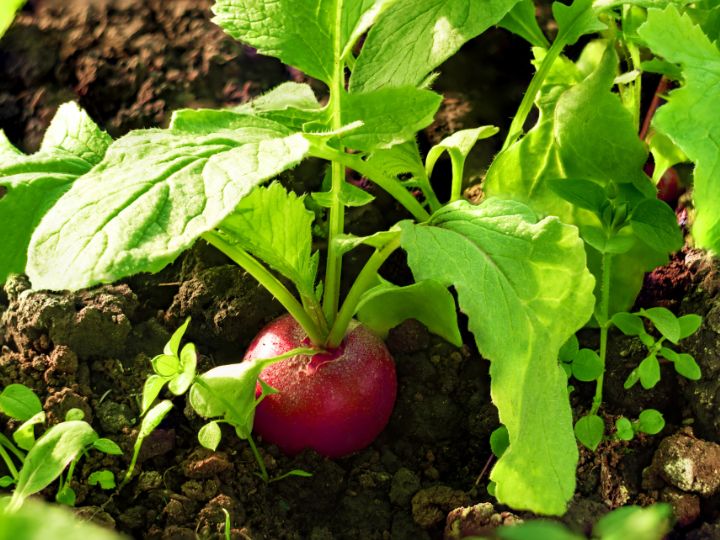
And, radishes mature quickly, so you can harvest them without disturbing the cantaloupe plants.
6. Lettuce
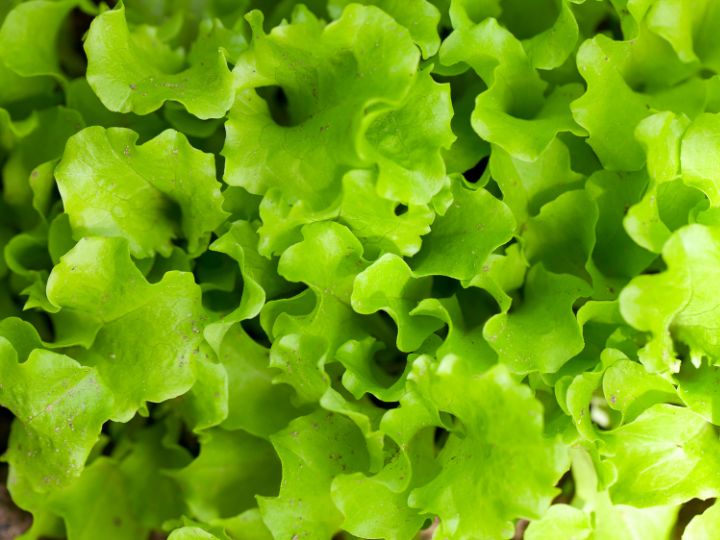
Lettuce is an excellent companion for cantaloupes. The lettuce plants, being low-growing, can serve as a living mulch for the cantaloupe vines, helping to retain soil moisture and suppress weeds. As lettuce prefers cooler temperatures and can tolerate some shade, it can benefit from being grown near the sprawling cantaloupe vines, which provide a bit of sun protection.
7. Catnip
Catnip, though better known for its irresistible allure to cats, serves an equally important role as an effective companion to cantaloupes. Boasting pest-repellent properties, it helps maintain a healthier, pest-resistant environment for your cantaloupe crop.
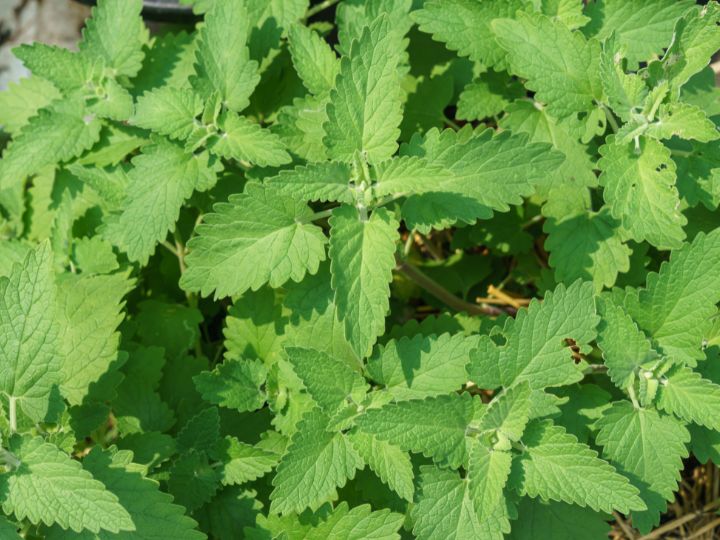
The herb’s distinct fragrance repels a variety of pests, such as aphids, squash bugs, and even larger threats like rabbits. Additionally, it’s a favorite among beneficial insects like lacewings and ladybugs, which feed on pests like aphids and are, in fact, one of my favorite forms of natural aphid control.
For cantaloupes, one of the primary benefits of catnip lies in its ability to deter aphids and squash bugs. Both pests damage cantaloupe plants, stunting growth and reducing yield.
Just remember it might also bring a few cats to your yard. But I don’t consider that a particularly bad thing, as cats help keep rodents off your property.
8. Basil
Tasty basil is great for companion planting. This fragrant herb is a beneficial ally to cantaloupes, bringing both pest-deterring properties and flavor enhancement to your garden.
Basil’s strong aroma deters a variety of pests, including squash vine borers and squash beetles, which can disrupt the healthy growth of your cantaloupe plants.
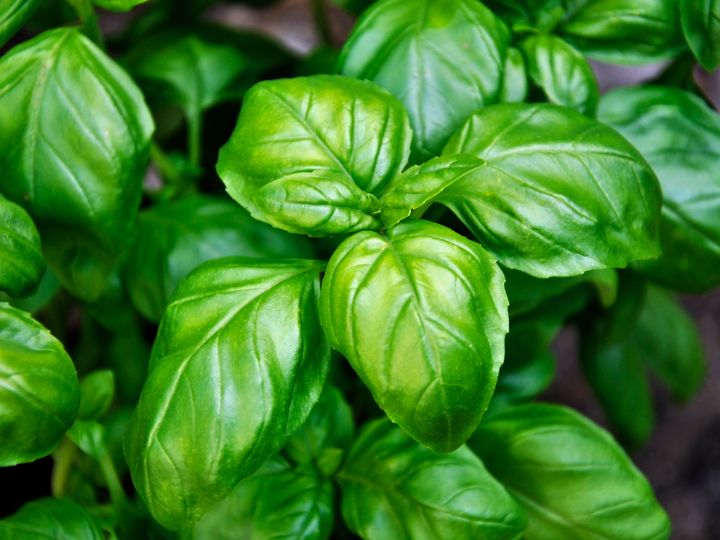
Although we’re not certain why, the prevailing school of thought is that the pungent scent of basil is off-putting but also masks the scent of the ripening melons.
Basil can also enhance the taste of neighboring plants. I know that seems odd, but it’s true, I promise! Basil enhances the flavor of melons, just as it does with tomatoes. It’s an invaluable garden companion. And, interestingly, basil can improve the health and vigor of its neighbors.
9. Oregano
Oregano’s strong, pungent aroma is more than just a culinary delight—it acts as a natural deterrent to many pests that may otherwise harm your cantaloupe crop. This fragrant herb effectively camouflages the sweet scent of ripening melons, masking their presence from potential invaders and keeping your plants healthy and thriving.
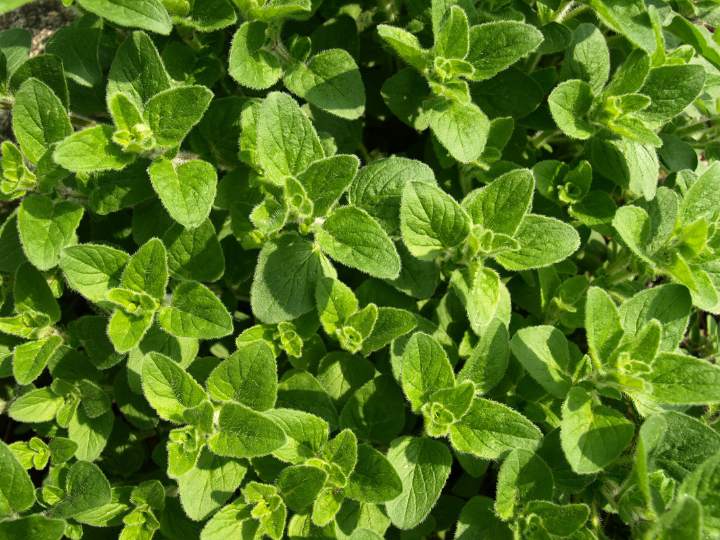
It’s also a popular hotspot for beneficial insects. Predatory wasps, which keep many pest populations in check, including the tomato hornworm, are particularly attracted to Oregano. These insects are natural predators to many pests that pose a threat to cantaloupes, such as aphids and cucumber beetles. By attracting these helpful creatures, Oregano helps maintain a balanced and controlled environment in your garden, which indirectly promotes the health of your cantaloupe plants.
10. Mint
Mint, popular for its refreshing aroma and taste, also brings significant benefits to your cantaloupe garden. A powerful ally in pest control, mint’s potent scent can deter loads of different pests, creating a protective barrier around your cantaloupe melons.
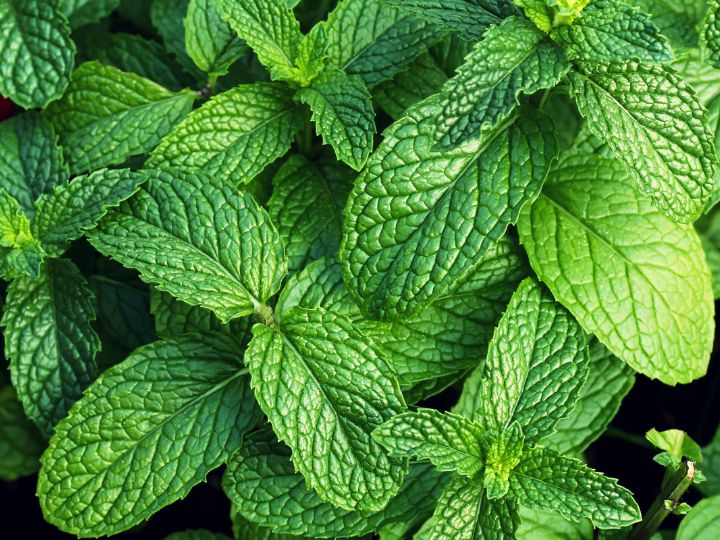
Its aroma masks the enticing scent of the cantaloupe plants, disorienting pests and keeping them at bay. And, like other herbs, mint attracts beneficial insects, too.
However, while mint brings significant advantages to your cantaloupe garden, it’s important to manage it carefully. Mint is known for its vigorous growth and can quickly spread and become invasive if not controlled. To prevent mint from overtaking your garden, you can grow it in containers placed strategically near your cantaloupe plants
11. Tansy
Tansy, with its cheerful yellow flowers and fern-like foliage, has potent pest-repelling properties. Tansy’s strong aroma repels all kinds of pests, including cucumber beetles and ants, which can pose threats to your cantaloupes.

Its bright yellow flowers serve as a beacon for ladybugs and lacewings, insects known for their voracious appetite for pests such as aphids. These beneficial predators can help keep the pest populations under control.
However, like many strong herbs, tansy can spread quickly and become invasive if not carefully managed. It’s essential to keep its growth in check and provide sufficient space between tansy plants and your cantaloupe vines to prevent competition for resources.
12. Cilantro
Cilantro, appreciated for its culinary uses, can also play a beneficial role in your cantaloupe garden. The strong aroma of cilantro can act as a deterrent for harmful pests, while its flowers serve as an attractive draw for beneficial insects. Plus, with its compact growth habit, cilantro can be conveniently planted between cantaloupe vines, making the most of your available garden space.

The distinctive scent of cilantro deters a variety of harmful pests. Plus, cilantro flowers attract beneficial insects like ladybugs and parasitic wasps.
13. Bee Balm
Bee balm, with its vibrant, uniquely shaped flowers, is more than just a captivating addition to your garden’s visual aesthetic; it also brings a multitude of benefits when planted alongside cantaloupes.

Bee balm’s vivid blooms are irresistible to a variety of pollinators, including bees, butterflies, and hummingbirds, boosting pollination rate and fruit yield.
This beautiful, fragrant plant repels an array of pests, helping to keep your cantaloupe plants healthy and bug-free.
Bee balm’s growth habit of forming dense clumps can also provide a little ground cover, potentially aiding in weed suppression and moisture retention.
However, while Bee Balm can bring undeniable benefits to your cantaloupe garden, it’s important to manage its growth to prevent overcrowding. Bee Balm can spread vigorously if not kept in check, so ensure to provide sufficient space and don’t be afraid to prune it heavily if it starts to get too unwieldy.
Companion Planting Layout for Cantaloupe Melons
No cantaloupe companion planting guide would be complete without a mention of how to lay out your companion plants. Thankfully, it’s super simple. Quick-cropping companions like radishes and lettuce do well fairly close to young melons, as you’ll pull them before the melons are big enough to cause too many problems.
Taller companions, like corn and sunflowers, can essentially grow anywhere. Just pay attention to the way your sun moves across your melon patch and position taller plants so that they provide afternoon shade and sturdy trellises.
Pest deterrents and beneficial insect attractors like marigolds can be interplanted around your melon plants as well as around the edges, providing a pest-repellling perimeter as well as working to get rid of any persistent pests that cross the external barrier.
Trap crops, you have to be careful with. They need to be close enough to your melons to draw away the pests, but not so close that they encourage the pests to feast on the melons and the trap crop.
What NOT to Plant with Cantaloupe Melons
Cantaloupes play nice with the vast majority of other plants, so there aren’t too many “worst companion plants” for them.
1. Potatoes
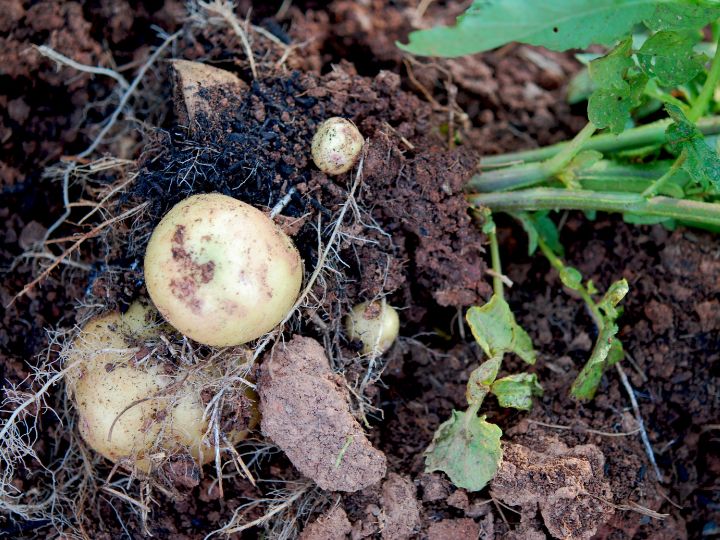
Potatoes and cantaloupes both require a lot of nutrients from the soil, leading to competition if planted together. Additionally, they are both susceptible to similar pests and diseases, which could lead to a higher risk of infestation or infection. Plus, potatoes attract aphids, which you definitely don’t want.
2. Cucumbers
Cucumbers and cantaloupes belong to the same family and are prone to the same pests and diseases. Planting them together can attract these pests and increase the risk of disease spread. Plus, if you plan to save seeds, then there’s a risk these plants will cross-pollinate, resulting in unstable hybrids that may not fruit or product deformed or unpalatable fruit.
3. Broccoli
Broccoli may stunt the growth of cantaloupe plants and vice-versa, because they both have heavy nutrient demands. However, if the soil is healthy enough and you add nutrient-rich mulch or natural fertilizers throughout the growing season, this shouldn’t be too much of a problem. It is possible, though, that neither plant will reach it’s optimal growth potential.
FAQs
Can you plant cantaloupes and watermelons together?
While you can plant cantaloupes and watermelons together as they have similar growing conditions, it’s crucial to manage space effectively as both plants need plenty of room to grow.
How much space should I leave between cantaloupes and companion plants?
Spacing depends on the specific companion plant, but as a general rule, allow 2-3 feet between cantaloupe plants and their companions to give the cantaloupe vines room to spread.
What pests do cantaloupes attract?
Cantaloupes can attract several pests, including cucumber beetles, squash bugs, and aphids. Employing good companion planting practices and organic pest control methods can help manage these pests.