
Affiliate disclosure: This post may contain affiliate links. Please see full disclosure.
It isn’t necessarily too late to move a perennial just because the first frost has arrived. The bigger questions are whether the soil is still workable, how hardy the plant is, and whether its roots have enough time to settle before the ground freezes. In a mild fall, you may still have a useful planting window. Where winter arrives early, waiting until spring may be much safer.
As a master gardener, I’d rather leave a healthy perennial in a less-than-perfect position for another few months than rush a move that costs it most of its roots. Autumn can be an excellent time for transplanting, but the calendar alone doesn’t tell you when to pick up the spade.
Check the plant before checking the date
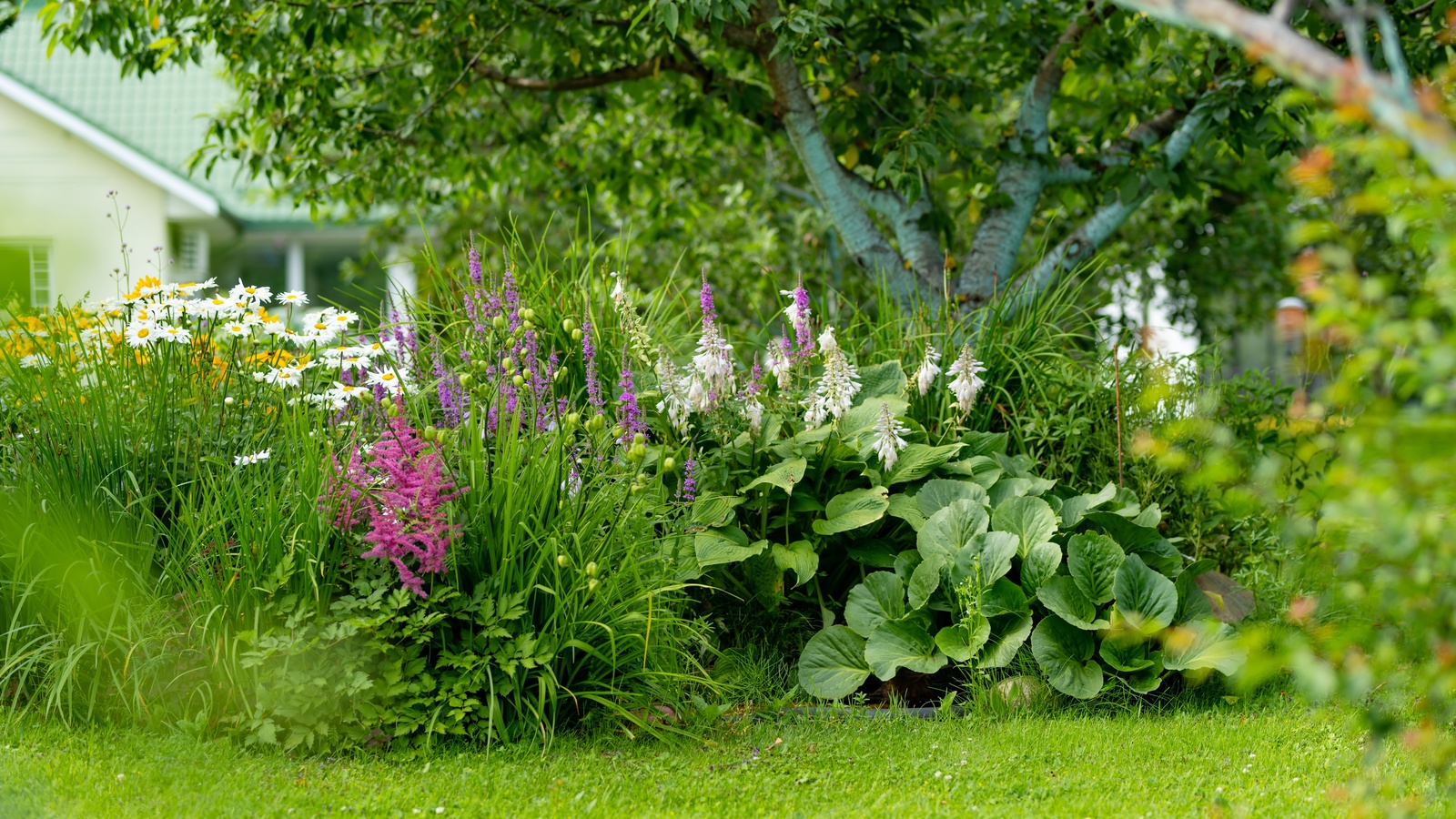
Many established, hardy, spring- or early-summer-flowering perennials can be moved in early fall once flowering has finished. Hostas, daylilies, and some hardy irises are typical candidates, although their individual requirements still matter. Peonies are often moved or divided in fall, but they resent careless handling and must be replanted with their buds at the correct depth.
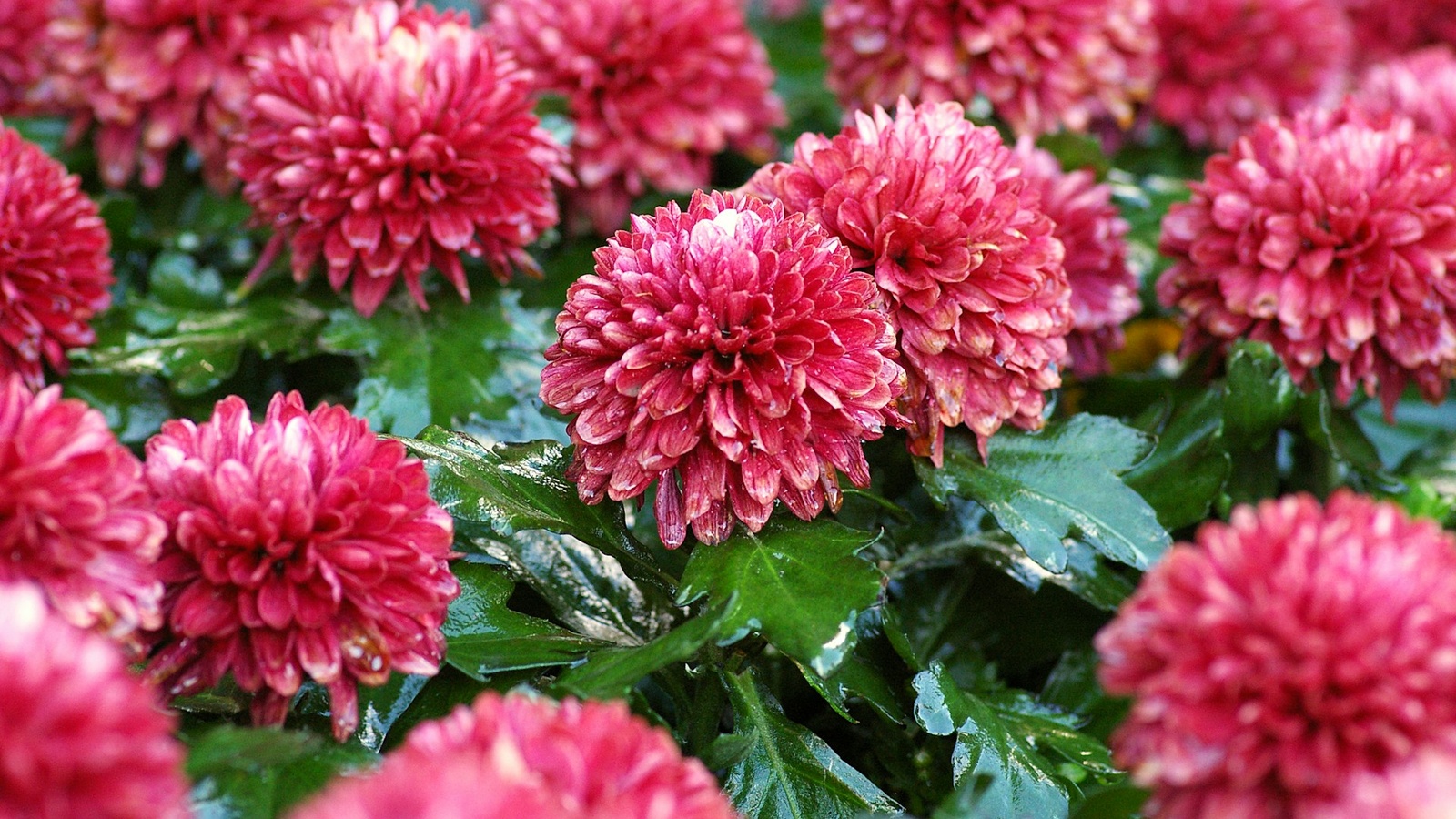
Fall-flowering asters and chrysanthemums are generally better divided in spring, when new shoots start appearing. That gives them time to rebuild before their next flowering season. Spring- and summer-blooming perennials are often divided in fall, while fall bloomers are better divided in spring, but moving a whole clump with minimal root disturbance isn’t quite the same as chopping it into smaller pieces.
Tender or borderline-hardy plants deserve more caution. A plant that barely survives your winters in its current sheltered position may struggle if its roots are disturbed immediately before the coldest weather. Equally, a large, old clump with a deep or sprawling root system is a much harder proposition than a young plant that can be lifted intact.
First frost isn’t the same as frozen soil
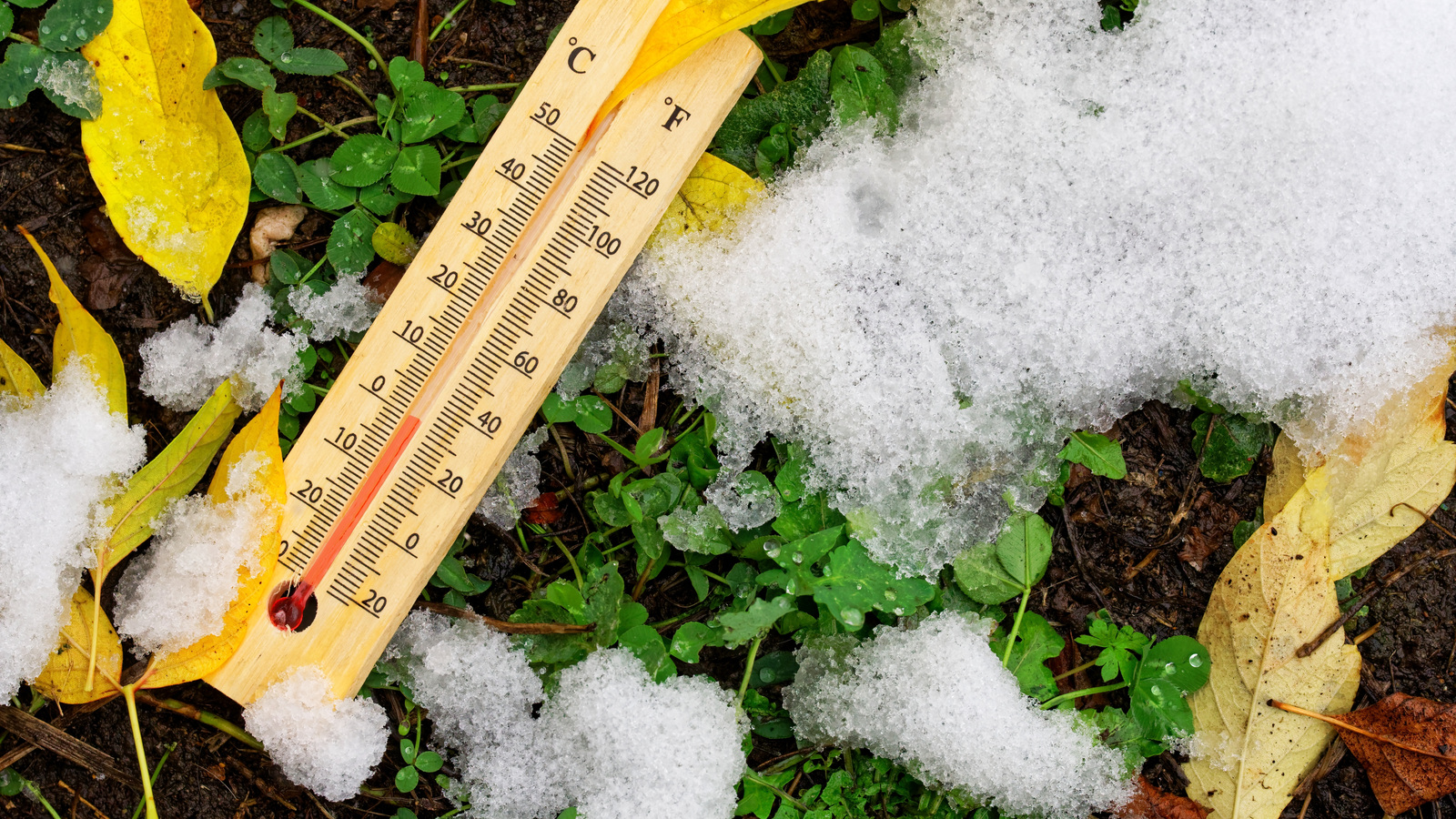
A light overnight frost can brown the leaves while the ground remains soft and roots can continue growing. What matters is the likely arrival of sustained cold and frozen ground, not merely the first chilly night. A practical target is to give an autumn transplant around four to six weeks before the ground is expected to freeze, especially in colder regions. That rooting window is especially important in northern gardens.
Look at your own local frost and soil conditions rather than following a blanket rule that says everything must be moved by October. An early-freezing northern garden and a mild coastal garden may have very different windows. USDA hardiness zones describe average winter minimum temperatures, but they don’t tell you exactly when your soil will freeze this year.
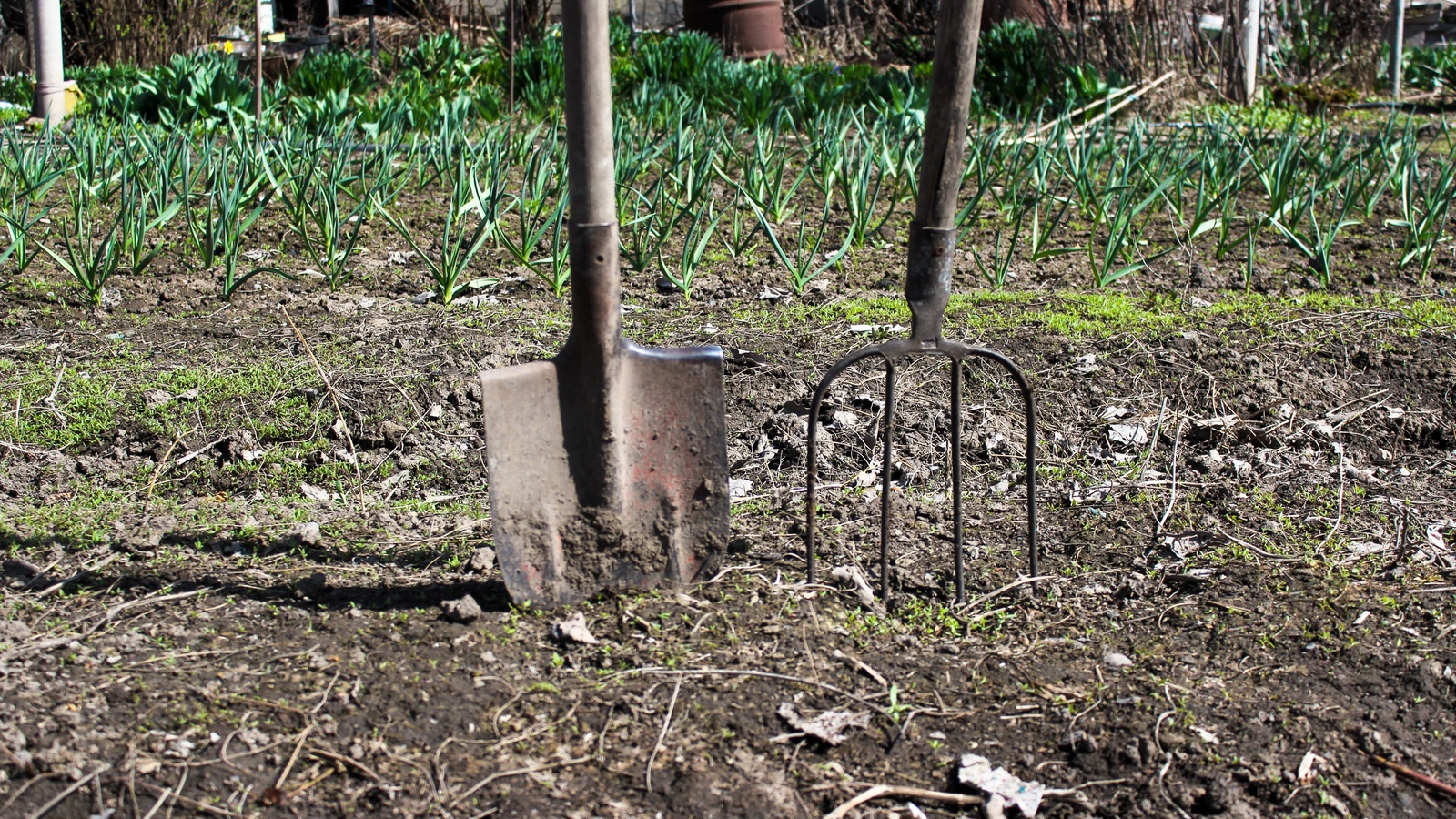
Check the soil with a spade. If it’s frozen, don’t force the move. If it’s saturated and smears into sticky clods, digging can damage the soil structure and leave disturbed roots sitting in wet ground. I also wouldn’t transplant into bone-dry soil with no realistic way to water. Slightly moist, crumbly soil is much kinder to both your plants and your back.
Prepare the new position before lifting anything
Make sure the new location really suits the plant. Check its sunlight, mature spread, drainage, and moisture needs. Moving something from overcrowded shade straight into baking afternoon sun may solve one problem and create another.
Clear competing weeds, then dig a hole wide enough to take the root ball comfortably at its original planting depth. Loosen compacted soil around the hole without creating a deep pocket that will later settle. If the whole bed needs improvement, work suitable compost into the wider growing area rather than filling one hole with a dramatically different mix. There’s no need for a strong fertilizer dose before winter.
Prepare the new hole before digging up the perennial. The less time the lifted roots spend exposed to wind and drying air, the better. Choose a cool, overcast day if possible.
Lift plenty of roots and replant promptly
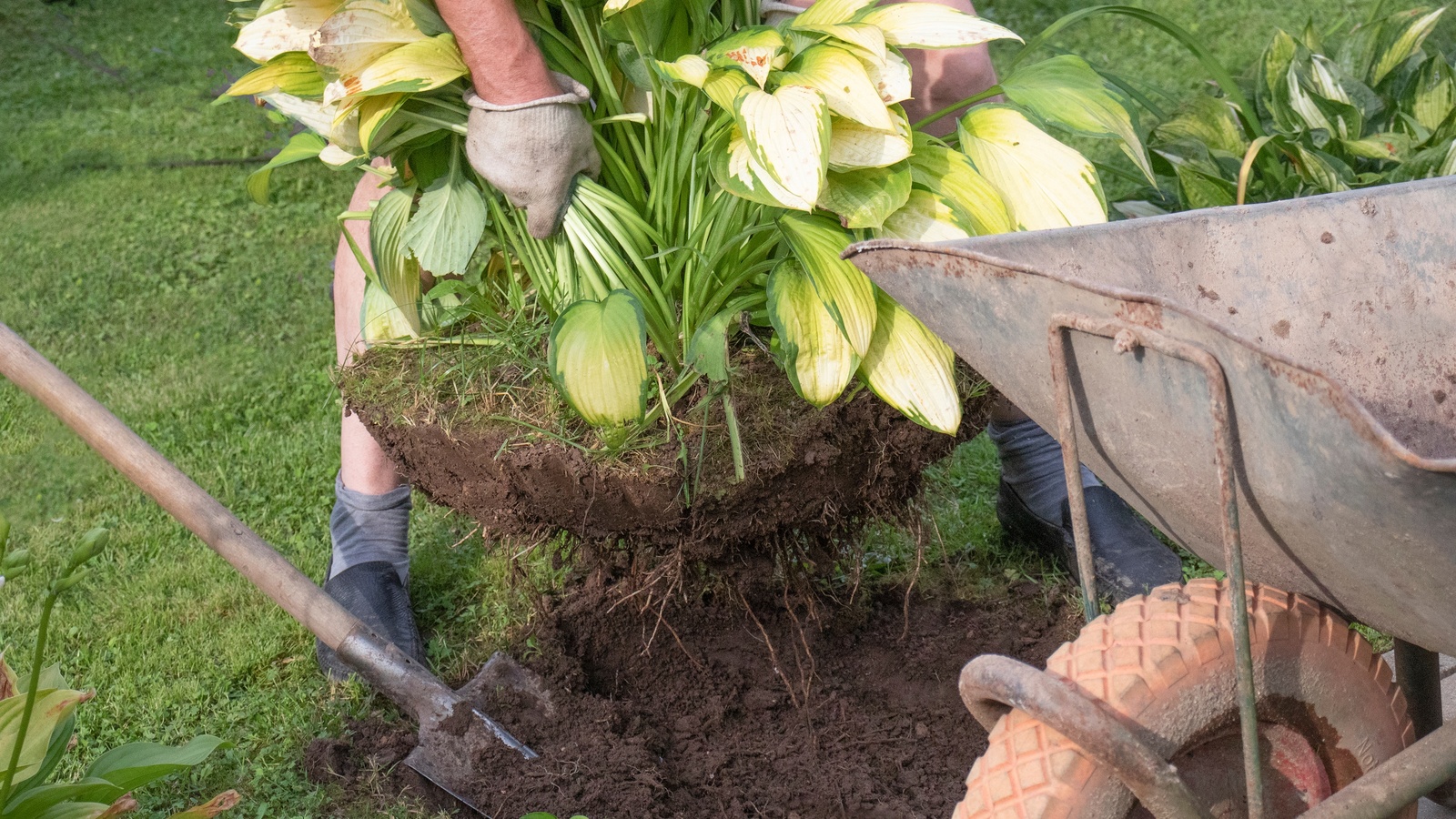
Water the plant beforehand if the soil is dry. Use a garden fork or spade to work around the outside of the clump, keeping well clear of the crown. Lift with as much undisturbed soil and root as you reasonably can, rather than yanking on the stems.
If you’re moving the plant rather than dividing it, don’t break up the roots unnecessarily. Set the clump in its new position at the same depth it was growing before, gently firm the soil around it, and water thoroughly to settle soil against the roots. Don’t bury the crown. Some plants, especially peonies and irises, have specific planting-depth requirements, so check those before you start.
Spread a modest layer of leaf mold, compost, or other suitable organic mulch over the surrounding soil to slow moisture loss and buffer temperature changes. Keep it away from the crown to reduce the risk of rot. There’s no need to cut every perennial down to the ground just because you’ve moved it; remove damaged growth if necessary, but leave healthy foliage when appropriate for the plant.
Water afterward, even when the weather turns cool
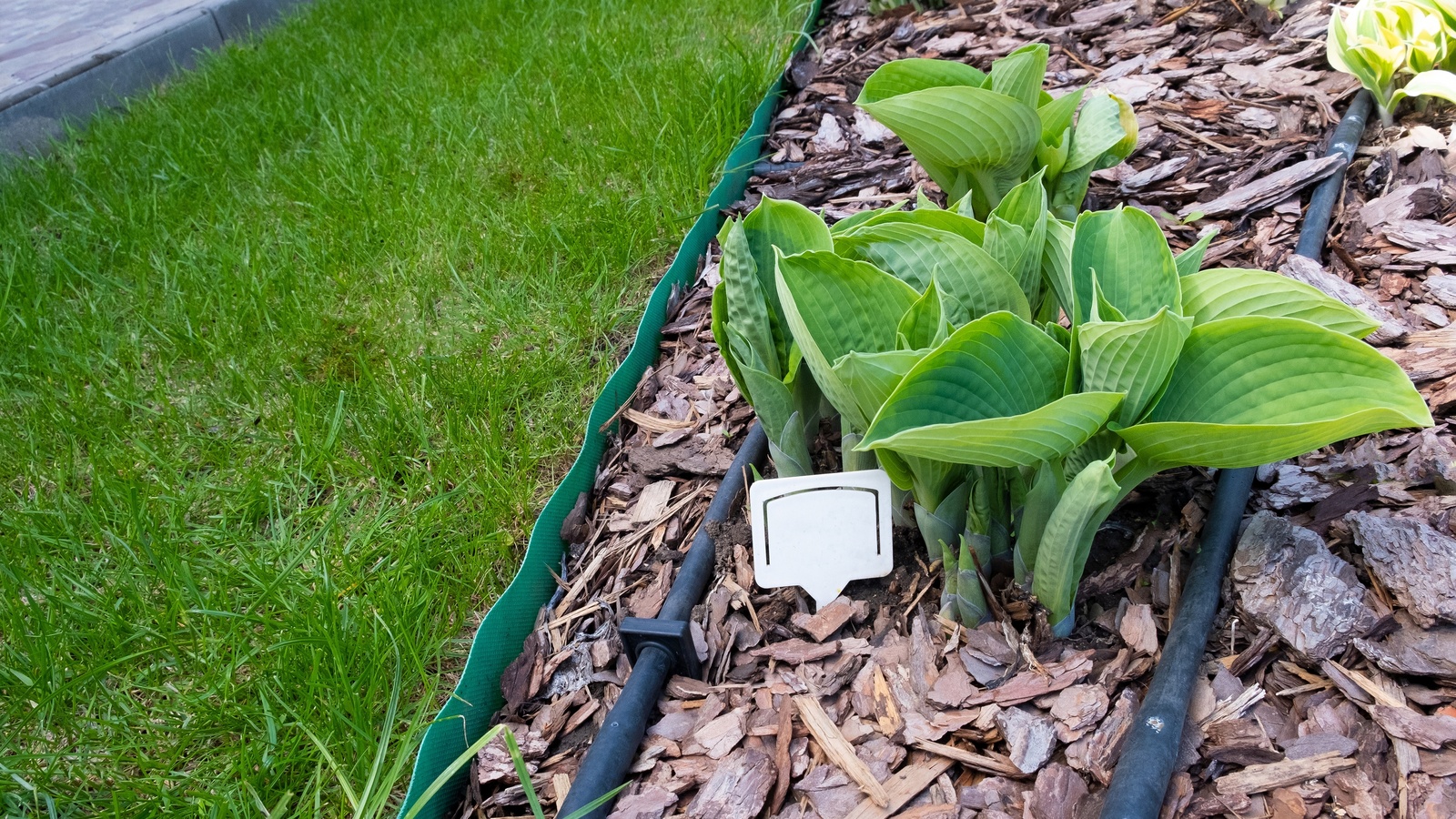
Autumn rain can help, but don’t assume it has soaked the newly disturbed root zone. Check the soil a couple of inches down and water when it starts to dry, continuing as needed until the soil freezes. Avoid keeping the roots constantly soggy. Recently moved perennials need careful watering while their roots reestablish.
Watch for exposed roots after repeated freezes and thaws, particularly on recently planted or shallow-rooted clumps. If frost heaving pushes a plant upward, address it when the soil is workable rather than pushing it into frozen ground.
Sometimes spring really is the better option
I’d leave the plant alone if the ground is already freezing, the site is waterlogged, the perennial is still putting on a late display, or it’s tender and would struggle to reestablish. I’d also postpone a difficult move of a big, deeply rooted clump unless there is a compelling reason to do it now. Plants moved too close to soil freeze-up may not establish enough roots before winter.
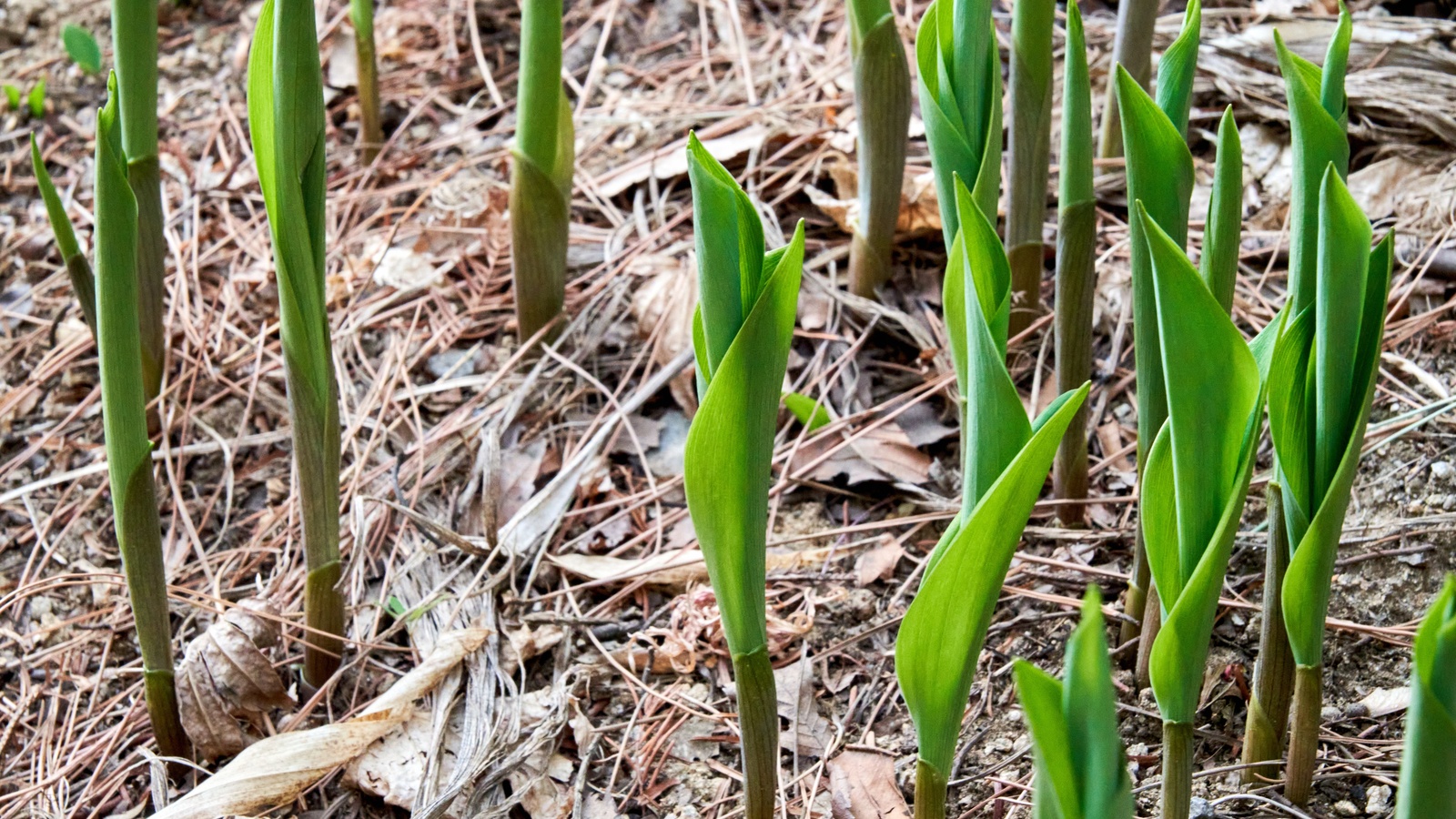
Mark the plant’s position while you can still see it, take a note of where it needs to go, and prepare the new space when conditions allow. Then move it at the right point in spring, preferably just as growth begins and before the plant is working hard to support a full canopy of leaves.
There is no prize for moving every perennial before winter. Give a hardy plant workable soil, a suitable position, sound roots, and enough time to settle, and an autumn move may work beautifully. If one of those conditions is missing, waiting is often the most experienced gardening decision you can make.