

Affiliate disclosure: This post may contain affiliate links. Please see full disclosure.
I hate that time of the year when the heat kicks on, you watch the thermostat climb, and all you can see is your utility bill doing the same thing. But I can’t let everyone freeze, can I?
There are days when you have to turn the heat up. But there’s a whole lot you can do before you touch that thermostat, too. Little things add up fast: the way you sit, what you wear, how you use light and fabric and even your oven. You can make the house feel warmer without actually heating the air much more.
Think of this as your “cozy toolkit” for stubbornly staying at 65°F (18°C) while still feeling like a human, not a popsicle.
1. Dress for the House You Actually Live In

If you’re in shorts and a T-shirt, of course you’re cold. I don’t know how many times I’ve told my kids to go add layers when they’re whinging because they’re cold, but they’re standing in front of me barefooted and wearing a tee.
Dress like you’re going for a casual winter walk: warm socks, soft pants, a long-sleeve tee, and a light sweater or hoodie. Indoors, I live in layers I can peel off if I start moving and warm up. A fitted base layer (thermal top or even a close-fitting T-shirt) under a looser layer traps heat near your skin and makes a bigger difference than one thick, heavy sweater.
The goal is “cozy campfire outfit,” not “I gave up and put on my coat.” Once you’re dressed like it’s actually winter, the whole house suddenly feels less frigid.
2. Put Warmth on Your Feet First

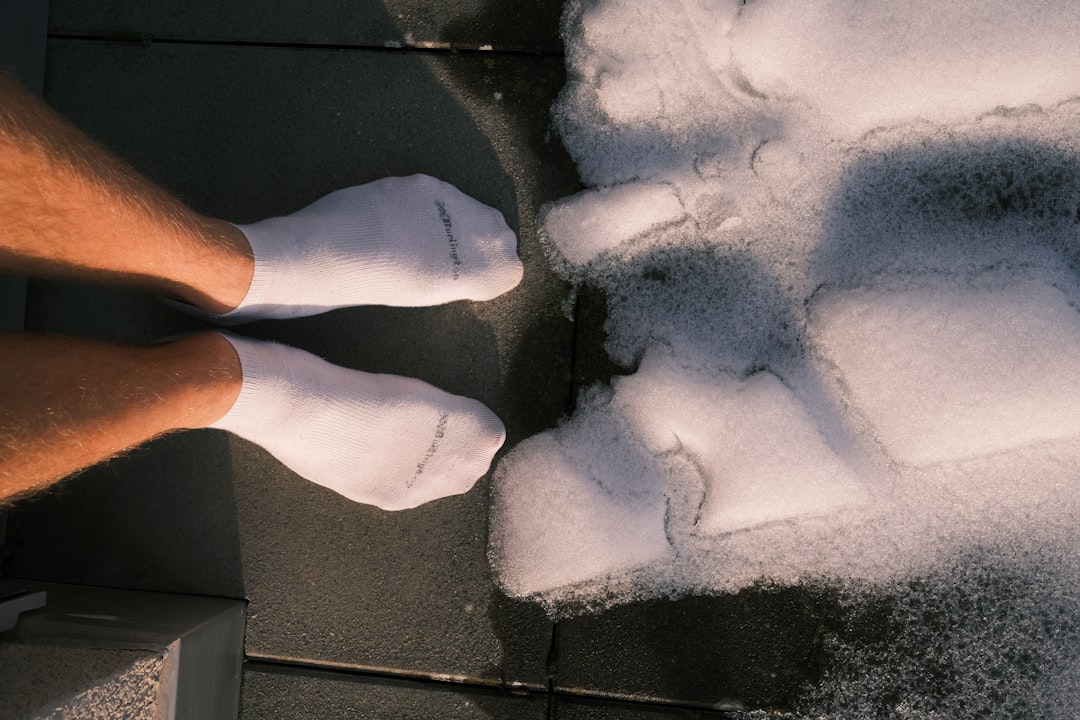
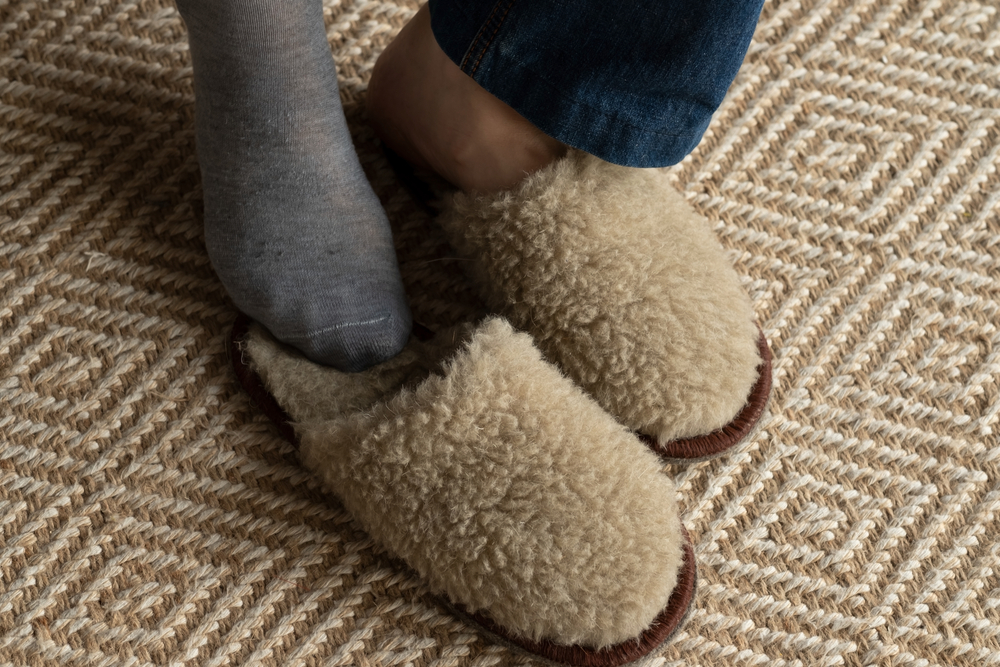
Cold feet will convince your brain the whole house is freezing. Fix that, and everything feels better.
Keep a basket by the door or couch with thick socks and slippers. If you can swing it, grab slippers with a real sole so you’re not feeling every cold board through your feet. On especially chilly days, I’ll layer thin socks under thick wool socks and call it good.
If your floors are ice-cold, think rugs. Even one cheap area rug under the coffee table gives your toes somewhere warm to land and cuts down on how much cold the floor steals from your body.
3. Switch from Sitting to Nesting
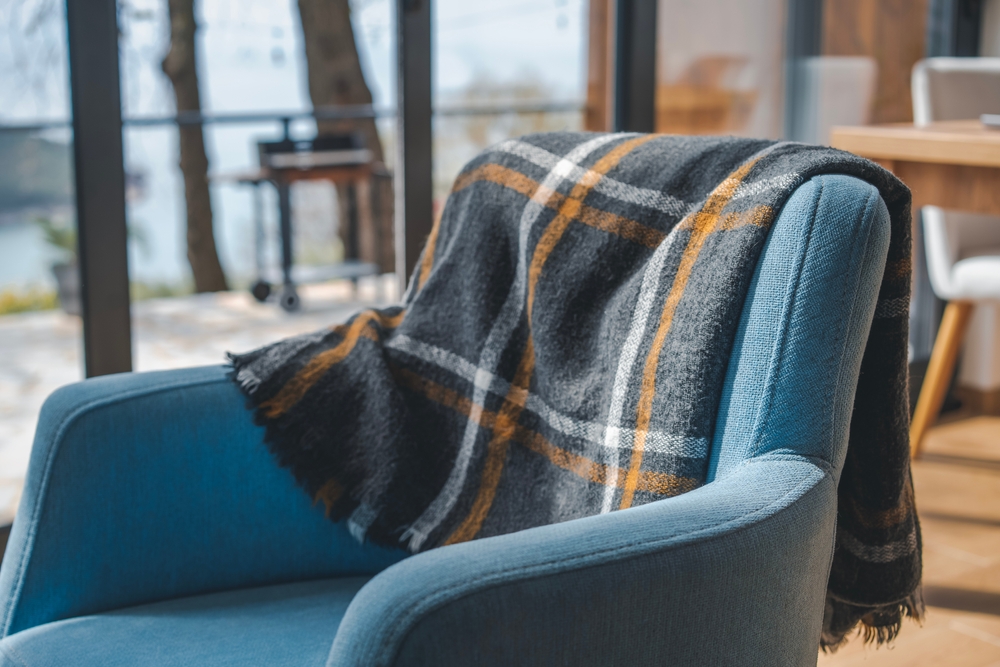
Perching on a bare chair in the middle of a room is a fast track to feeling cold. Make yourself a nest instead.
Pile throw blankets and cushions where you actually sit: couch corner, favorite chair, the end of the bed. Use a heavier blanket for your lap and a lighter one around your shoulders. If you work from home, keep a designated “desk blanket” on your chair so you’re not trying to type with frozen hands and hunched shoulders.
You’re not just decorating here; you’re trapping your own body heat instead of letting it escape into empty air. Think “small cozy fort,” not “stiff museum seating.”
4. Close Off Rooms You’re Not Using
Heating the whole house with body heat and blankets only works if you’re not trying to warm up 2,000 square feet at once.
Close doors to spare bedrooms, unused offices, and any rooms nobody will be in for the next few hours. If you don’t have doors, even hanging a curtain or a blanket across a hallway opening helps create smaller warm zones. The room you are in will stay warmer because your body heat isn’t wandering off down the hall.
I do this every winter evening: kitchen, living room, and bathroom door stay open; everything else gets shut. It’s amazing how much cozier it feels with just that one habit.
5. Hunt Down Drafts and Plug Them
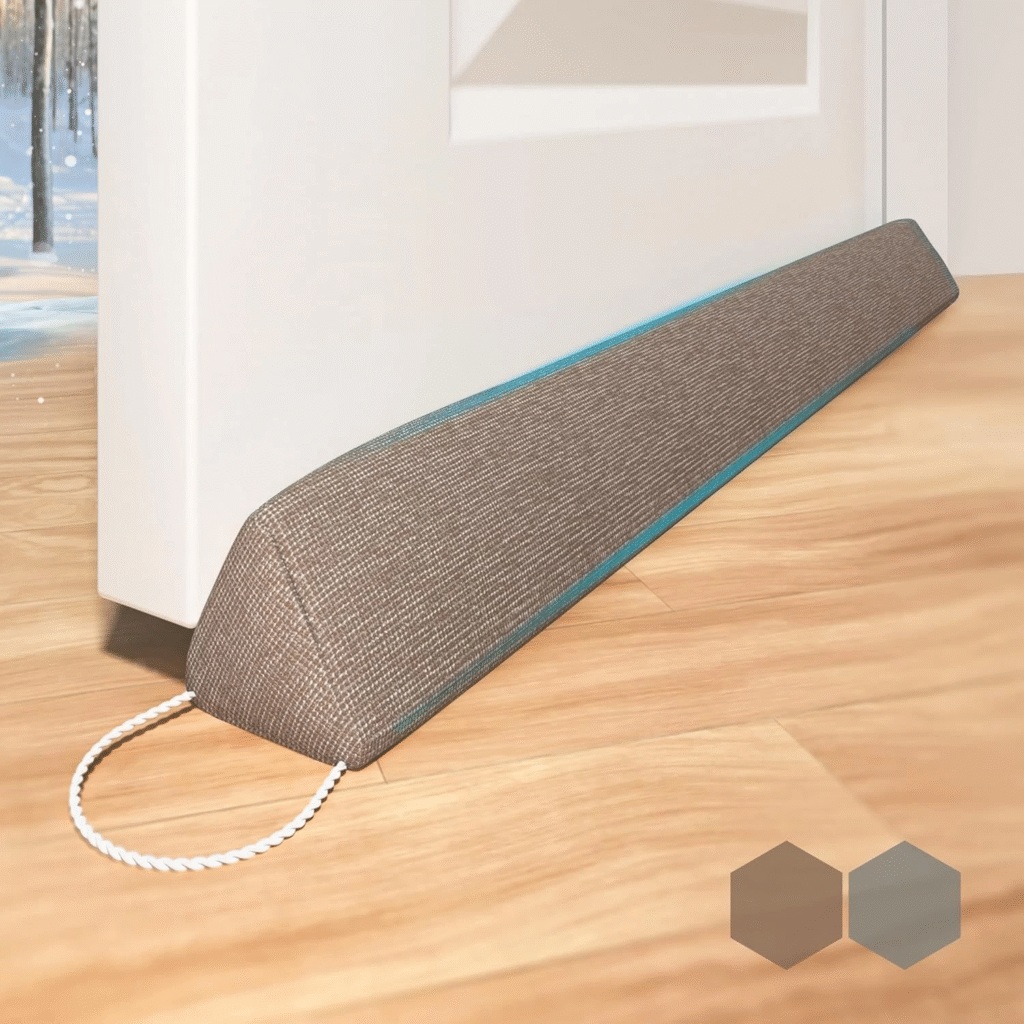
You don’t need a fancy energy audit to find the worst drafts. You can literally feel them with your hand.
On a cold, windy day, walk around and feel: around windows, under doors, along outlets on exterior walls. If you feel a breeze, fix that spot. Use draft stoppers at the bottom of doors, rolled towels in a pinch, and thick curtains or even an extra blanket over leaky windows at night. Foam outlet gaskets are cheap and help with weird cold air leaks.
You’re not trying to make the house airtight, just to stop feeling like you’re camping in a wind tunnel. Every little draft you block makes the room feel a few degrees warmer without touching the thermostat.
6. Layer Your Windows Like They’re Going Outside Too

Bare glass radiates cold into a room. Cover it like you mean it.
If you can, use two layers: a lighter curtain or blind you can open for daytime sun, and a heavier curtain you pull at dusk. In bedrooms, I like thermal or blackout curtains; in living spaces, even lined curtains or an extra fleece blanket clipped behind your regular curtains helps. Open things up when the sun is shining on that side of the house, then close them as soon as it moves.
You’re using your window like a solar panel in the day and a wall at night. It’s simple, but it works.
7. Use Rugs to “Insulate” Cold Floors
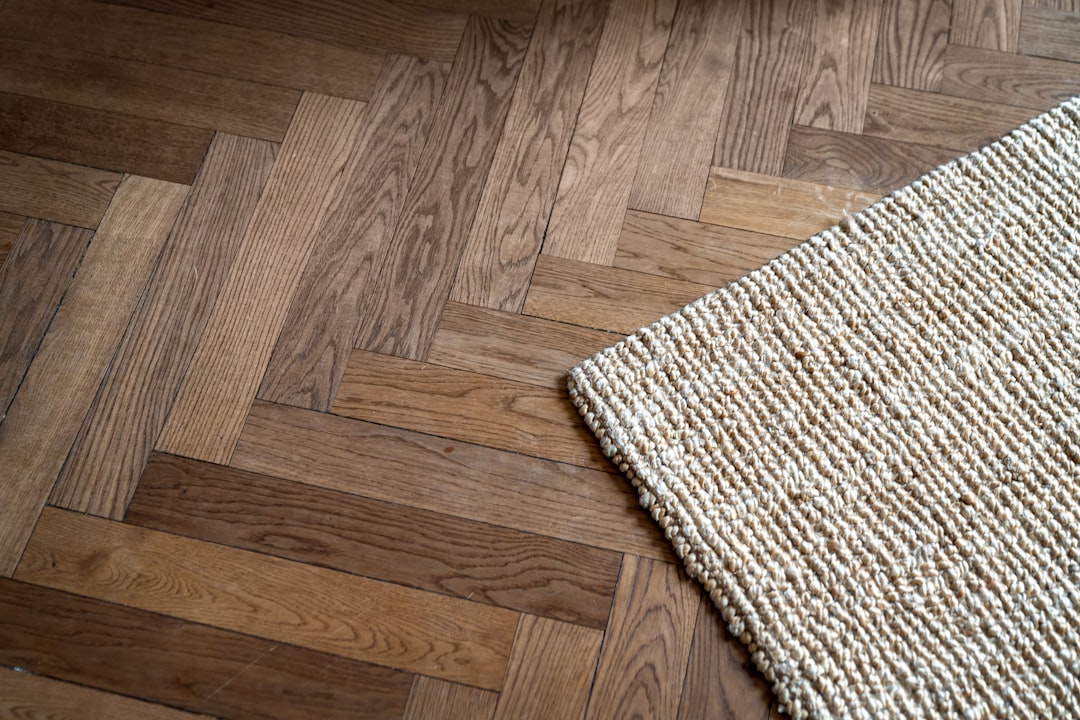
Hard floors are brutal in winter. They suck heat out of your body like it’s their job.
Throw rugs down in the spots you stand or sit most: beside the bed, in front of the couch, under the dining table, in front of the kitchen sink, near the bathroom vanity. Even a cheap, washable rug or runner helps. If you’ve got a really cold room, layering a thinner rug on top of a flat woven one adds a surprising amount of comfort.
Think of rugs as sweaters for your floors. You don’t need wall-to-wall carpet everywhere, just soft islands where your body interacts with the house most.
8. Warm Up Your Bed Before You Get In

There’s nothing worse than climbing into an icy bed and lying there shivering while the sheets slowly warm up.
About 15–20 minutes before you plan to crash, toss a hot water bottle under the covers near your feet or use an electric blanket or heating pad on low (and turn it off before you fall asleep if that’s your comfort zone). Even tossing your pajamas in the dryer for five minutes helps.
Blankets work best when they’re over warm air, not cold everything. Preheating the bed means you actually relax instead of curling up like a shrimp for half an hour.
9. Make Friends With Hot Drinks and Warm Bowls

A mug of something hot does two jobs at once: it warms your hands and your core.
Keep a rotation of cheap, cozy drinks on hand—tea, lemon and honey, cocoa, brothy soups. I’ll often heat up a mug of bone broth or herbal tea in the afternoon instead of reaching for a second coffee. For meals, lean into stews, chilis, and casseroles you eat from a bowl rather than icy salads.
You’re basically using yourself as a little woodstove: put warm things inside, and you feel warmer outside too.
10. Bake or Cook Strategically
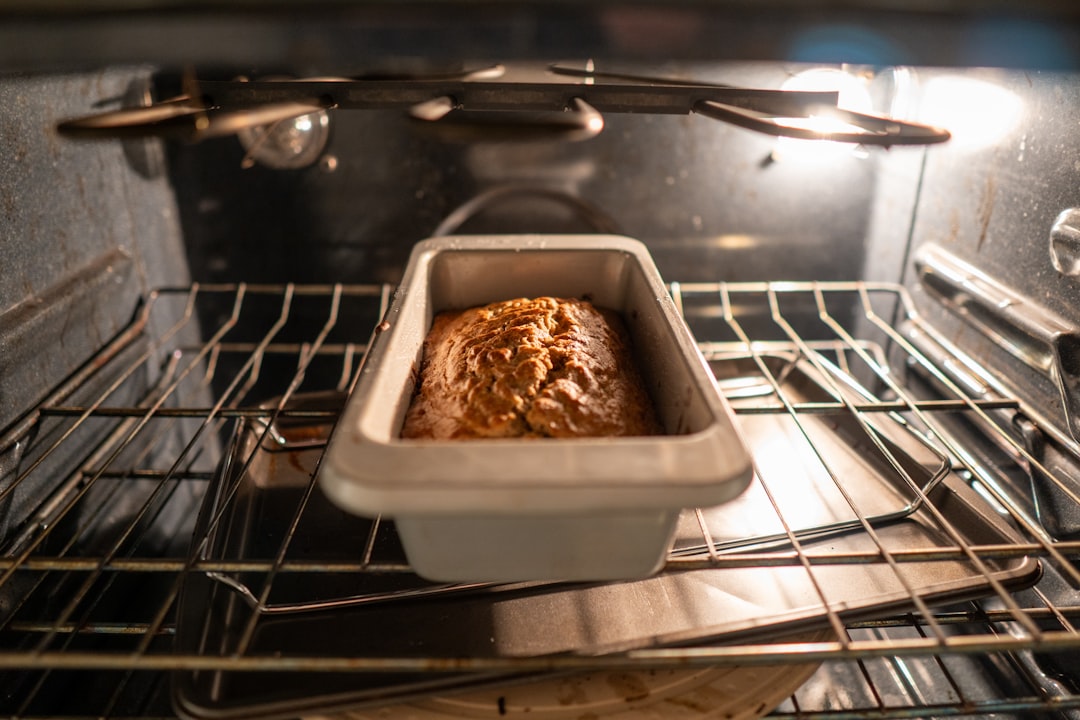
If you’re going to warm the oven, make it work for you.
On cold days, I time baking projects or long-simmering meals for when we tend to feel coldest—late afternoon or evening. Cook a lasagna, roast veggies, or bake bread, then when you’re done, turn off the oven and leave the door open a crack (if it’s safe to do so with kids and pets). The leftover heat gently spills into the room.
You’re paying for that heat either way; you might as well get dinner and a slightly warmer kitchen out of it.
11. Add a Little Humidity
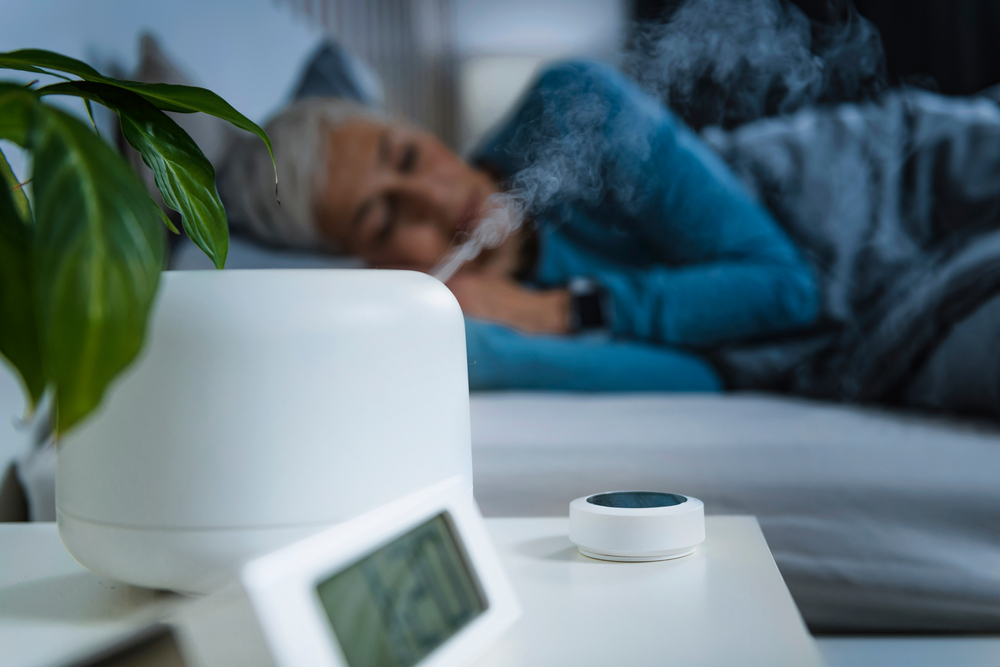
Very dry air feels colder at the same temperature. A little moisture makes it feel more comfortable.
If you have a humidifier, use it in the rooms you’re in most, especially at night in the bedroom. If you don’t, you can do it the low-tech way: set bowls of water near heat sources (but not on electronics), let laundry air-dry on a rack, or simmer a pot of water with some citrus peels and cinnamon on the stove.
You don’t want a rainforest in your living room—too much humidity is its own problem. But bumping a very dry house up into a comfortable range can make a 65°F room feel much less icy.
12. Rearrange Furniture Away From Cold Spots

Where you sit matters almost as much as what the thermostat says.
If your favorite chair is right up against an exterior wall or under a drafty window, you’ll feel colder even if the room is technically warm enough. Pull seating a bit closer to the center of the room, or angle chairs away from obvious cold spots. If a specific spot always feels chilly on your back, don’t sit there—move the furniture.
Sometimes shifting a couch six inches off a cold wall and adding a throw behind your shoulders is the difference between “I can’t get warm” and “this is fine.”
13. Use Lighting to Trick Your Brain (In a Good Way)
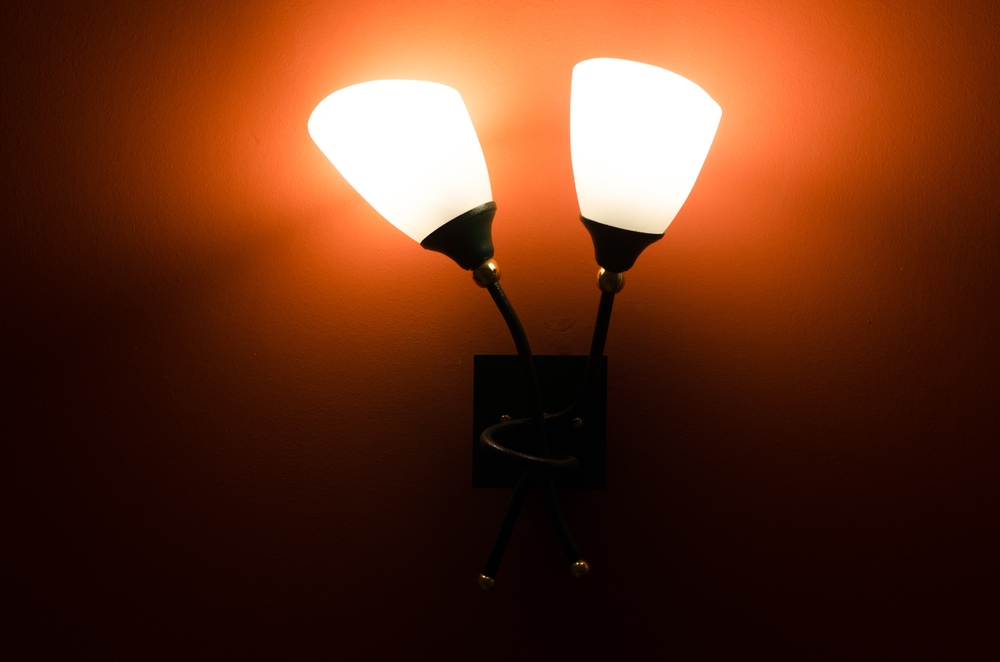
Cool, blue-white light makes a room feel colder. Warm, golden light feels cozy. Your eyes and brain can tilt your whole impression of the space.
In the evenings, use lamps with warm-toned bulbs instead of harsh overhead lighting. Turn on a couple of table lamps at eye level rather than blasting bright ceiling fixtures. If you like candles and can use them safely, a few around the room add warmth both visually and literally.
You’re sending your brain “campfire” messages instead of “hospital waiting room” messages. Same air temperature, completely different feel.
14. Move a Little on Purpose

If you’ve been sitting still for hours, you’re going to feel cold no matter what. Your circulation needs a nudge.
Set a timer every hour or so and do a five-minute warm-up: walk up and down the hallway, do a quick tidy sprint from room to room, carry laundry, dance in the kitchen while the kettle boils—whatever gets your blood moving. It doesn’t have to be a full workout; just stop being a statue for a few minutes.
By the time you sit back down, you’ll usually feel at least a couple of degrees warmer from the inside out.
15. Create a “Cozy Corner”

Instead of trying to make the whole house feel like a ski lodge, pick one spot and really go for it.
Choose a corner in the living room or bedroom and layer it up: soft chair or floor cushions, throw blankets, a lamp with warm light, a small rug, maybe a basket for books and warm socks. This becomes your winter spot—the place you drink tea, read, scroll, and decompress.
When your brain knows “that’s the warm, safe corner,” just sitting there can make you feel calmer and cozier, even if the thermostat never moved.
16. Double Up on Bedding Where It Counts

You don’t need seventeen blankets everywhere. You just need enough where you actually sleep.
On cold nights, think in layers: sheet, light blanket, then heavier comforter or duvet. If you share a bed with someone who runs hotter, give yourself an extra twin-size blanket on your side so you’re not fighting over covers or roasting them. A flannel or jersey sheet set also feels warmer when you first get in than regular smooth cotton.
You’re not trying to win a decorating contest—just build a warm little cave where your body can rest and repair instead of shivering all night.
17. Keep Coats, Hats, and Scarves by the Door (and Use Them)

It’s easy to forget how much heat you lose every time you pop outside.
Hang hooks or use a simple rack near the door for real winter gear: coats, hats, scarves, gloves. Then actually use them for quick chores, trash runs, or taking the dog out. If you don’t come back inside frozen, you won’t be as tempted to blast the heat “just for a minute” to thaw out.
Small moves like this keep your body more comfortable across the whole day, which adds up to fewer thermostat tweaks.
18. Lean Into Company Heat

This one’s simple: warm bodies warm rooms.
When you’ve got friends or family over, use that to your advantage. Close doors to keep everyone in a few main spaces. Turn off the vent in a tiny, packed room if it starts to feel stuffy. Light cooking, a few extra people, and some laughter do more for your comfort than another two degrees on the thermostat most nights.
Even if it’s just you and the dog, snuggle up under a blanket on the couch instead of spreading out. It sounds silly, but sharing heat is a very old, very effective trick.

