
Affiliate disclosure: This post may contain affiliate links. Please see full disclosure.
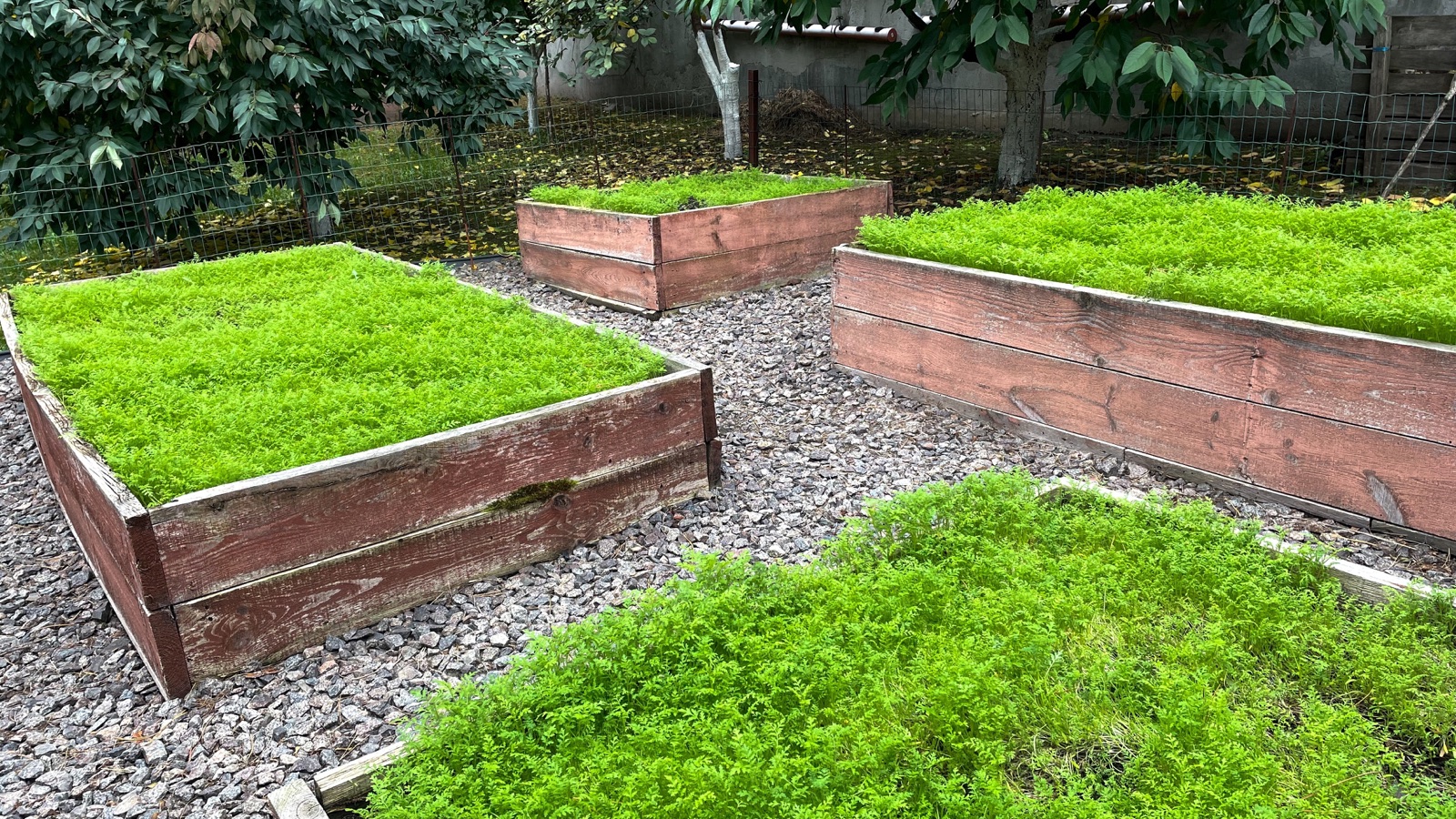
Oats, field peas, and forage radish are my first choices for vegetable beds that need easy spring access and have winters cold enough to kill them. Cereal rye is useful for later fall sowing, but there’s a catch: it survives winter and can be difficult to kill before next year’s vegetables go in. The right cover crop depends on your climate, when you can sow, and what you’re planting next spring.
Growing a substantial amount of my own food has taught me to value anything that protects good garden soil. Cover crops shelter it from hard rain and erosion, hold onto nutrients, and compete with weeds. Legumes, including peas and clover, also fix nitrogen with help from the right soil bacteria. But they take space, seed, and some management. A cover crop that delays the next harvest isn’t automatically an improvement.
Choose your cover crop by working backward from spring
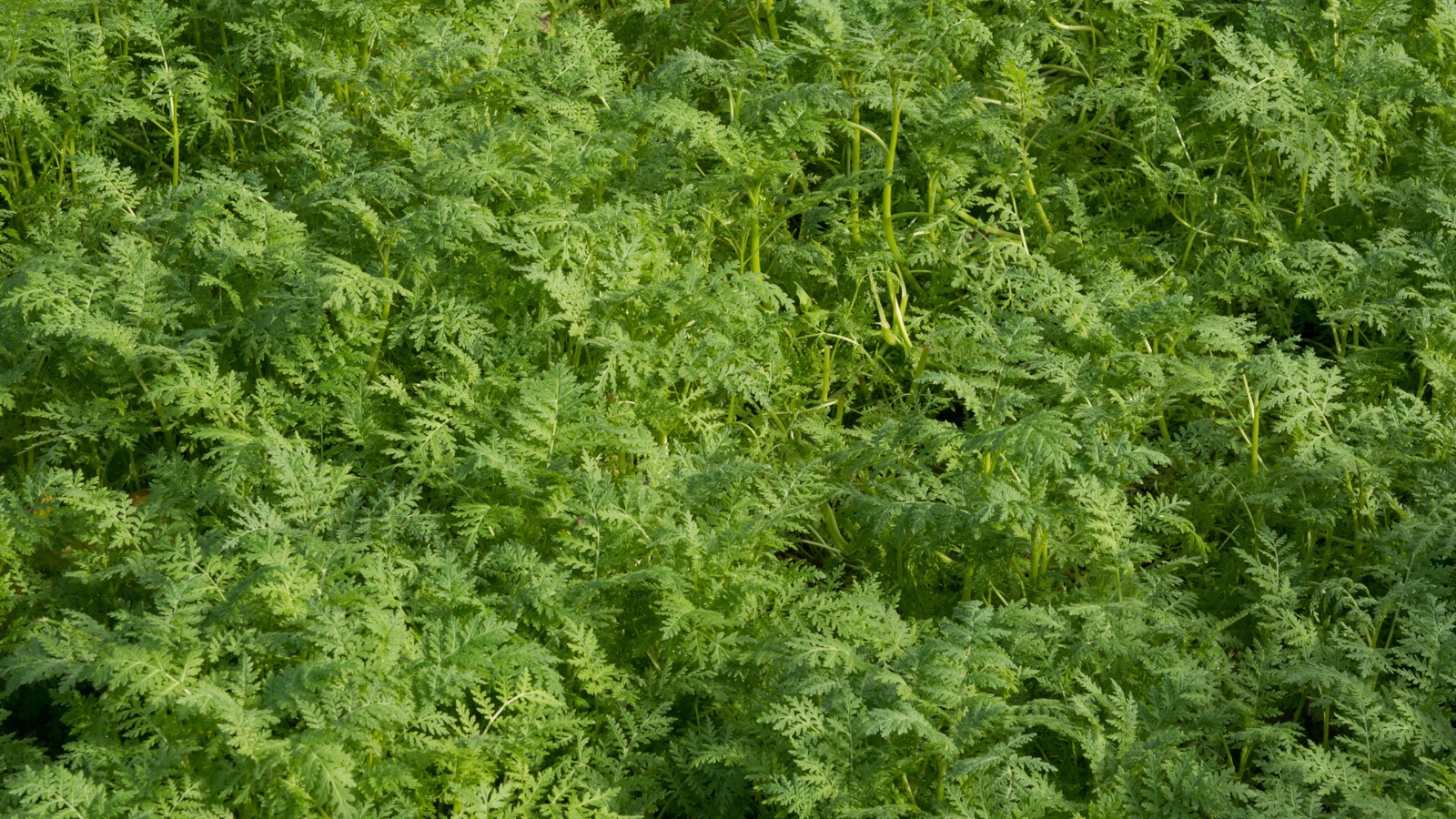
A bed needed for spinach or peas in early spring isn’t the same as one reserved for tomatoes or squash after the weather warms. If you need to plant early, favor a crop that winter-kills reliably in your region. If you’re planting later, a hardy cereal or legume has longer to build roots and foliage, provided you can terminate it properly.
Most fall cover crops need sowing from late summer into early fall so they establish before temperatures and daylight fall. In cold northern areas that often means August or September. Milder places may have longer, particularly for cereal rye. Local extension sowing windows are much more useful than a national date. If it’s already November, most of these species are too late for much of the northern US, though rye may still establish in some milder regions.
Spring termination is part of the decision, not a job to think about in April. Hardy covers need cutting, tarping, digging, or another method that actually stops regrowth. Allow roughly two to three weeks between successful termination and vegetable planting, potentially longer for heavy grain residue. Now choose a crop that fits the time you really have.
1. Oats for easy spring access
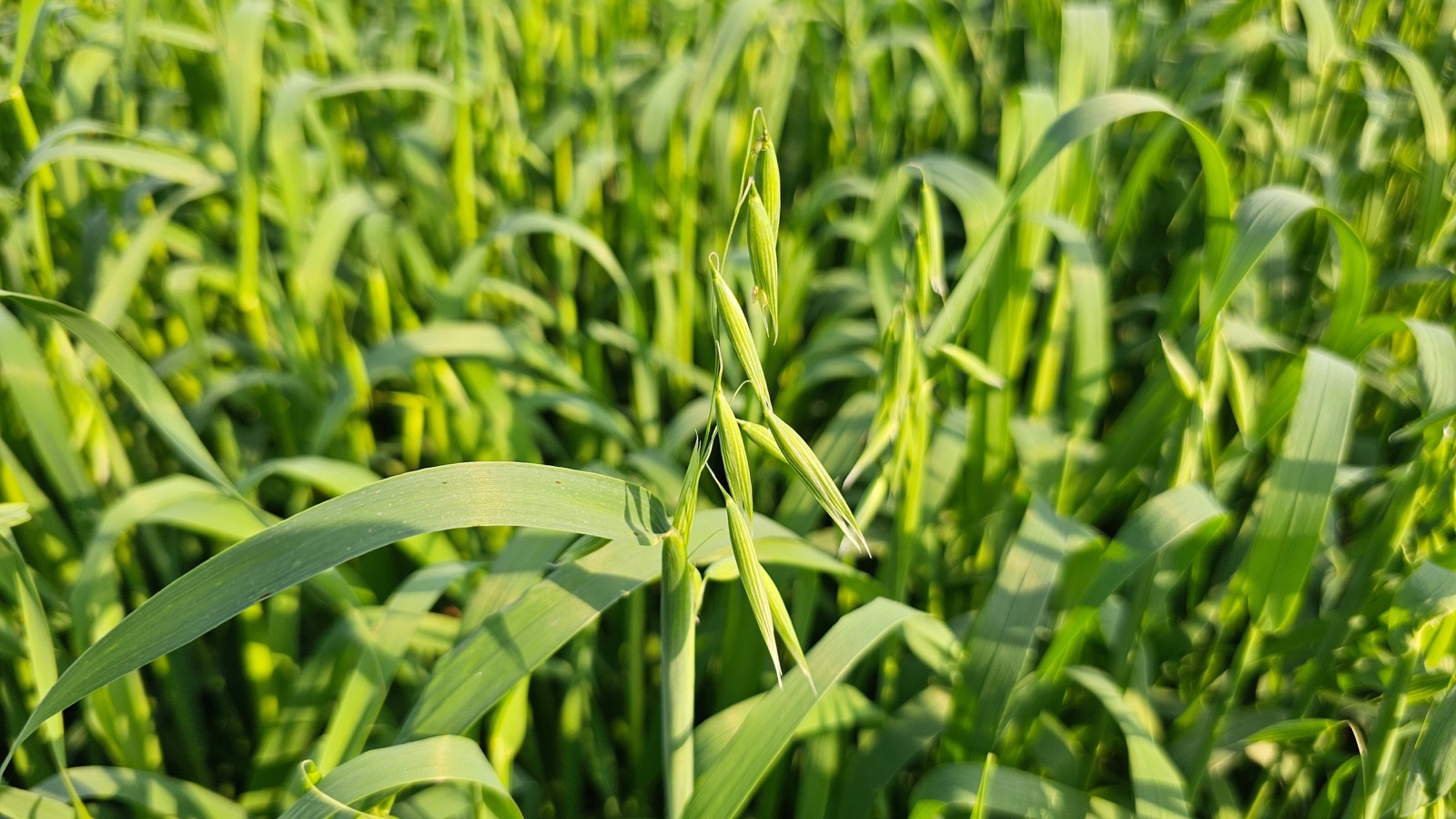
Oats are the first cover crop I’d recommend to someone with an ordinary vegetable bed. Sow spring oats in late summer or early fall while there’s time for a good stand. Their fibrous roots bind the surface, and the foliage becomes protective mulch when hard winter frosts kill the plants.
In colder climates, just move the dead material aside where you’ll sow early lettuce, spinach, peas, or carrots. The big advantage is not having a vigorous living crop to remove first. Don’t assume oats will die everywhere, though. A mild winter can leave green survivors, which must be dealt with before planting.
2. Field peas for a nitrogen-fixing partner
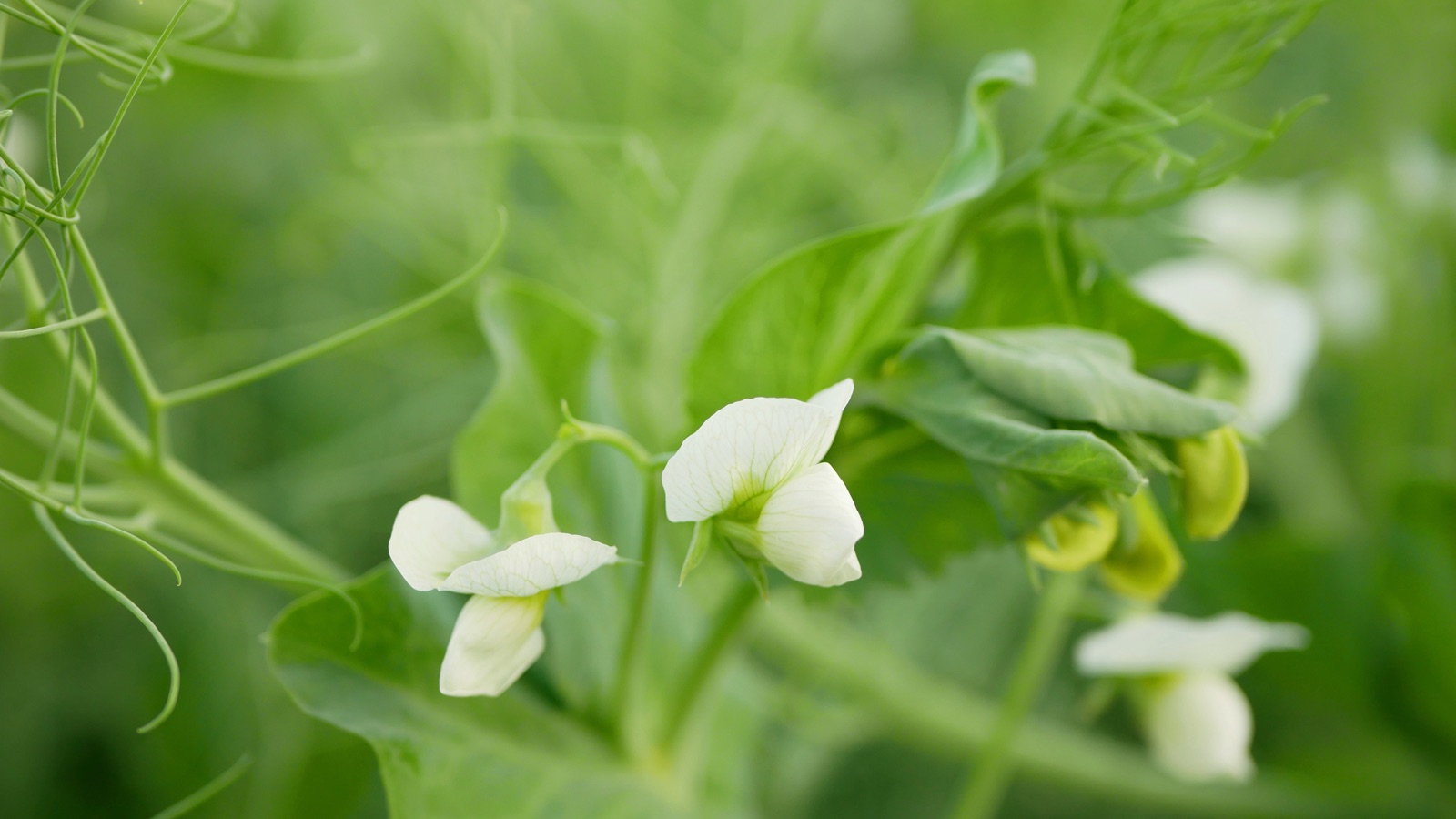
Field peas make an excellent partner for oats when you sow early enough. The grain helps support the pea vines, and the peas can fix atmospheric nitrogen when the right rhizobia bacteria are present. That nitrogen becomes useful to later crops as the plants decompose; it isn’t an instant fertilizer for the bed.
Some field peas winter-kill, but Austrian winter peas are relatively hardy and can survive mild winters. If they resume growing, cut or dig them out in spring. For the best chance of nitrogen fixation, use an inoculant suited to peas if the soil may not have the required bacteria. I wouldn’t rely on a thin, late-sown pea crop to feed next year’s tomatoes.
3. Forage radish for opening channels in dense soil
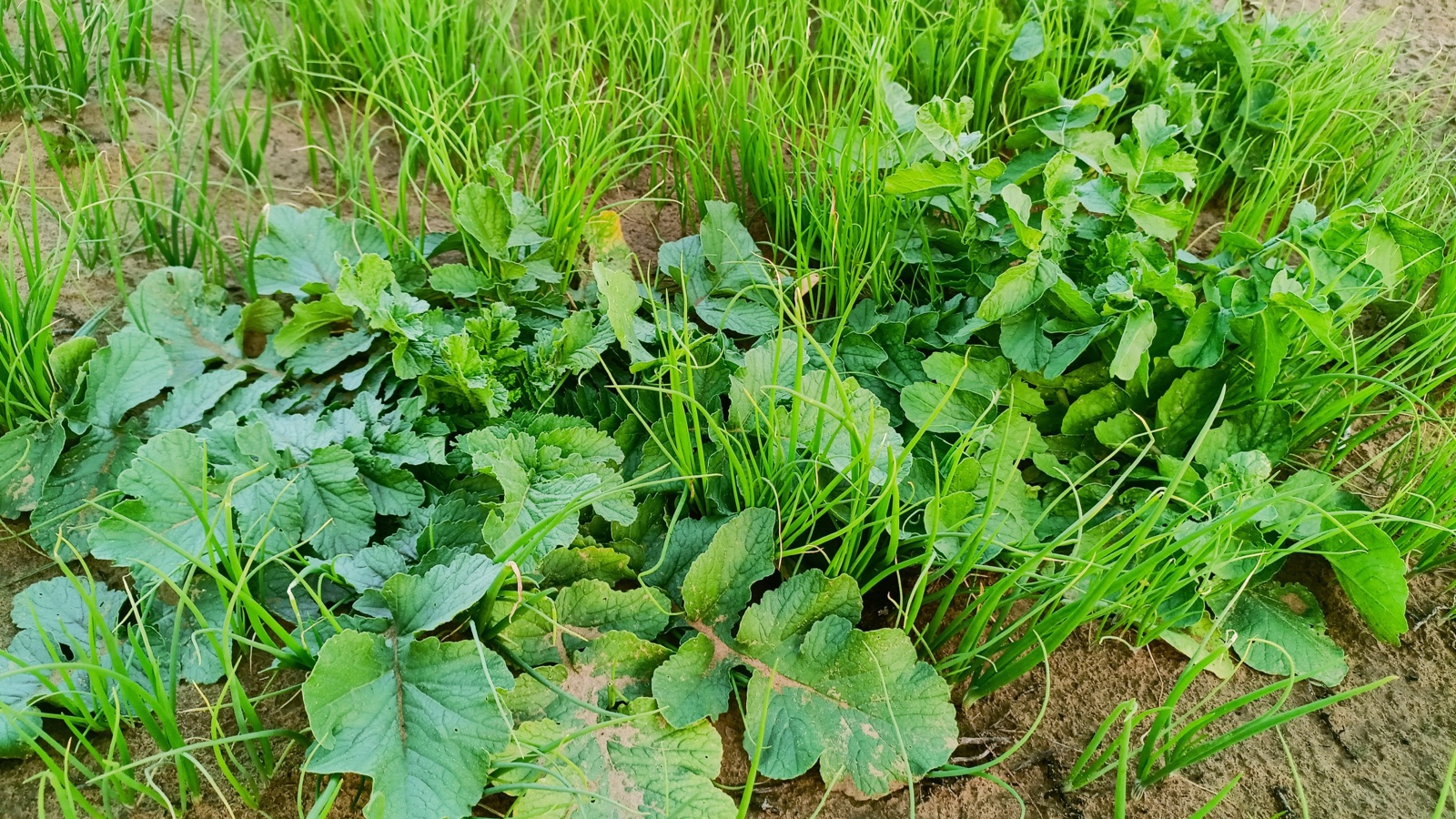
Forage radish, also sold as tillage radish or oilseed radish, produces substantial taproots. These can leave channels as they decay, take up nutrients from the soil, and reduce the amount of tough surface growth you need to handle after a hard winter.
Sow it in late summer so the roots have time to develop. It won’t magically cure deep, severe compaction, and plants may survive mild winters. Remove survivors before they flower. Because it’s a brassica, don’t use it indiscriminately in beds with clubroot problems or an already cabbage-heavy rotation.
4. Crimson clover for nitrogen and spring flowers

Crimson clover is attractive as well as useful. Planted early enough, it builds a low cover and can fix nitrogen, and its red flowers support visiting pollinators if you leave it growing into spring. That makes it appealing in beds you’re not desperate to replant.
The flowers come at a cost: the bed stays occupied longer. Winter survival varies, so don’t plan on frost killing it for you. If you’re planting vegetables, smother or incorporate surviving clover thoroughly before it sets seed. It usually needs earlier autumn sowing than cereal rye to establish properly.
5. Winter wheat for manageable overwintering cover
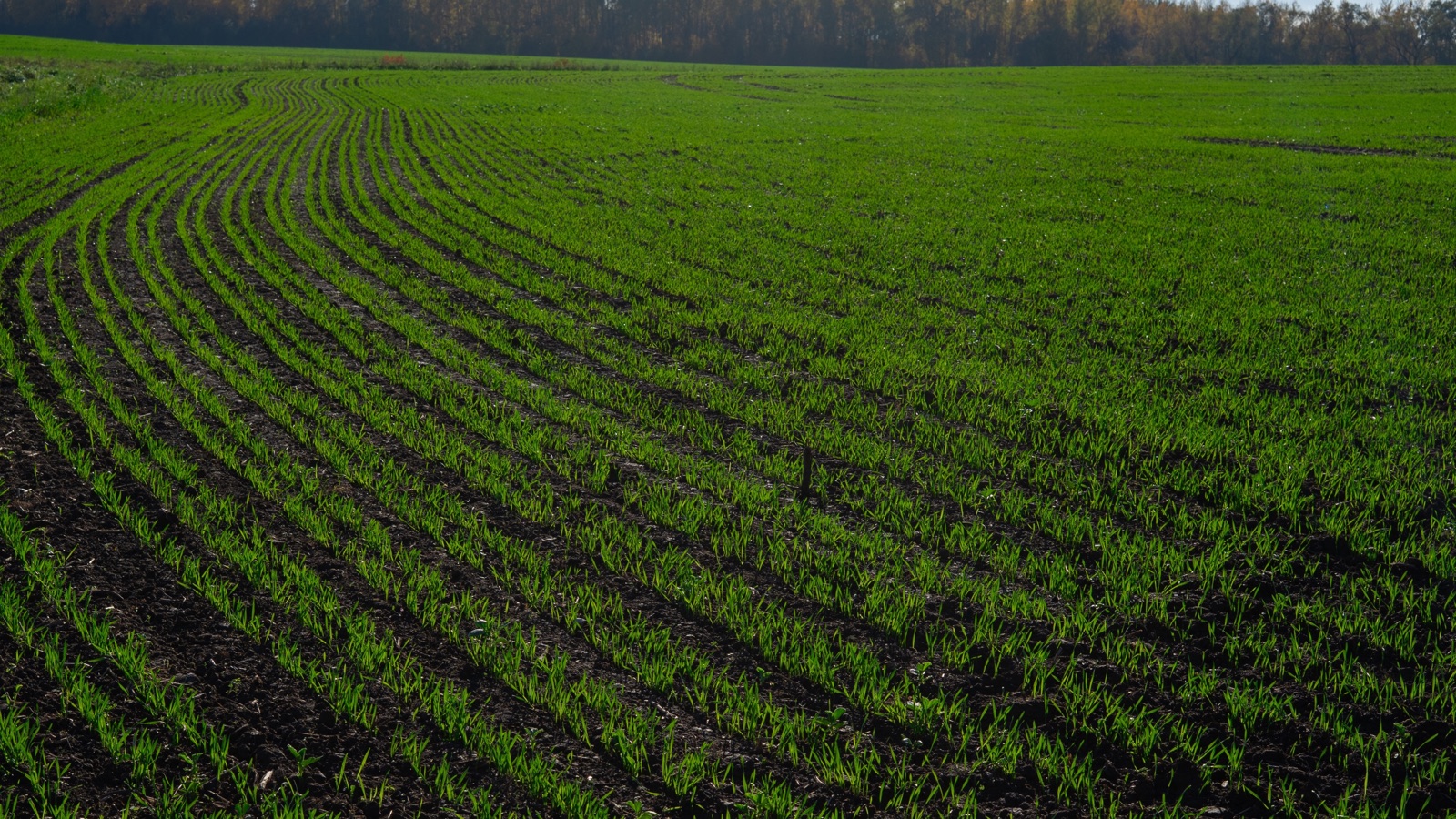
Winter wheat holds soil, takes up nutrients that might otherwise wash away, and generally grows less aggressively than cereal rye. It can still make a substantial crop, so I’d choose it for a bed awaiting late-spring tomatoes or peppers, not one needed for the year’s first salad sowings.
Don’t mistake a quick trim for reliable termination. Make sure the wheat has stopped regrowing before you plant and allow about three weeks for bulky grassy residues to break down. Otherwise decomposition can temporarily reduce the nitrogen available to young vegetables.
6. Cereal rye for one of the latest sowing windows
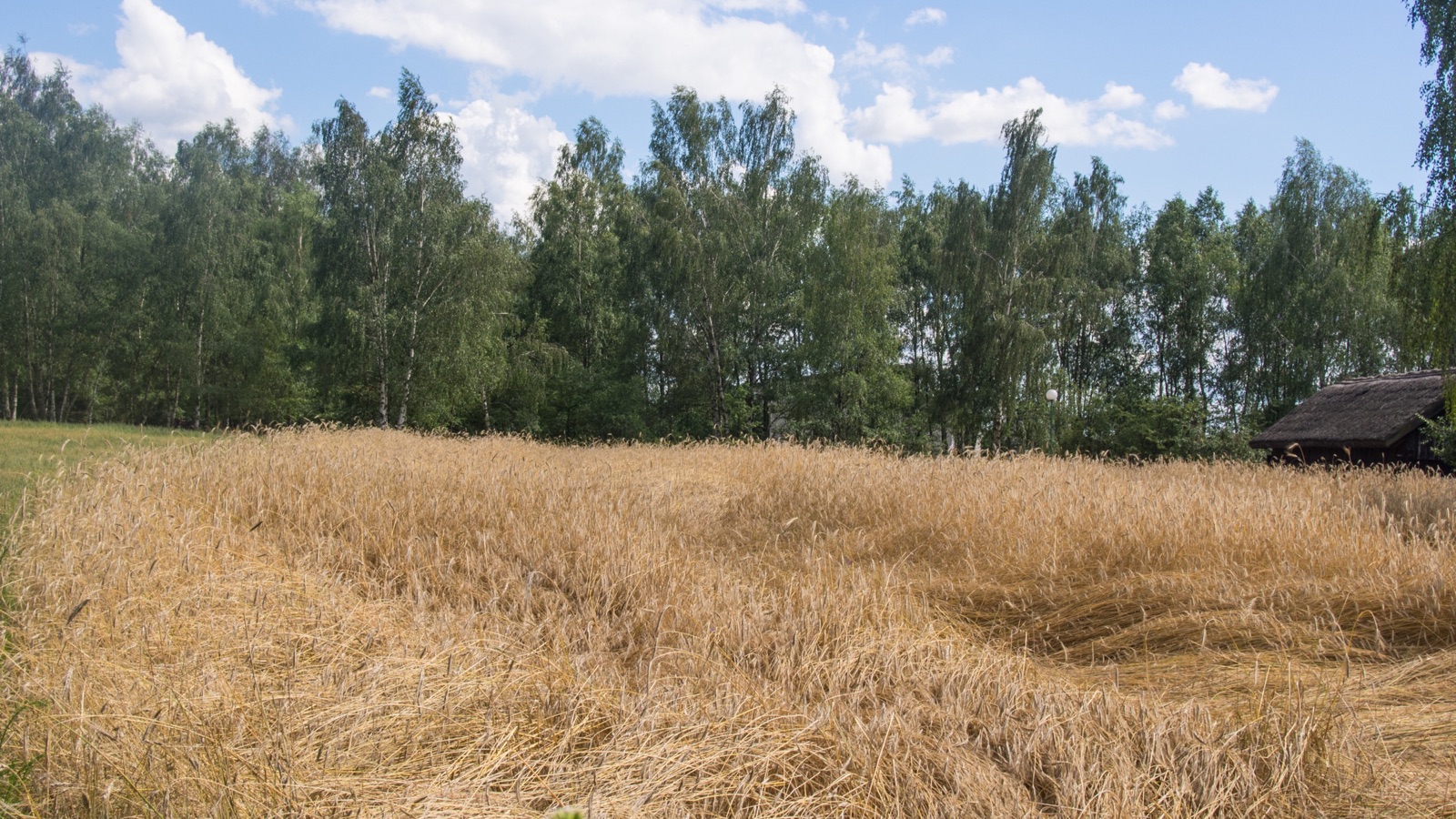
Cereal rye, also called winter rye, is especially cold-hardy and can establish after crops such as late tomatoes have finished where the local season permits. It has a strong root system, offers good winter soil cover, and helps hold nutrients in place.
Here’s why I’m cautious about recommending it to beginners. Rye grows vigorously in spring, and mowing it while it’s young can lead to regrowth. A thick mat of residue can delay warming and temporarily tie up nitrogen. In a small organic bed, have a proper plan: cut and tarp it, work it in thoroughly, or terminate at a suitable later growth stage. That last choice may be too late for spring greens. Cereal rye and annual ryegrass are different plants.
7. Spring barley for quick growth and winter dieback
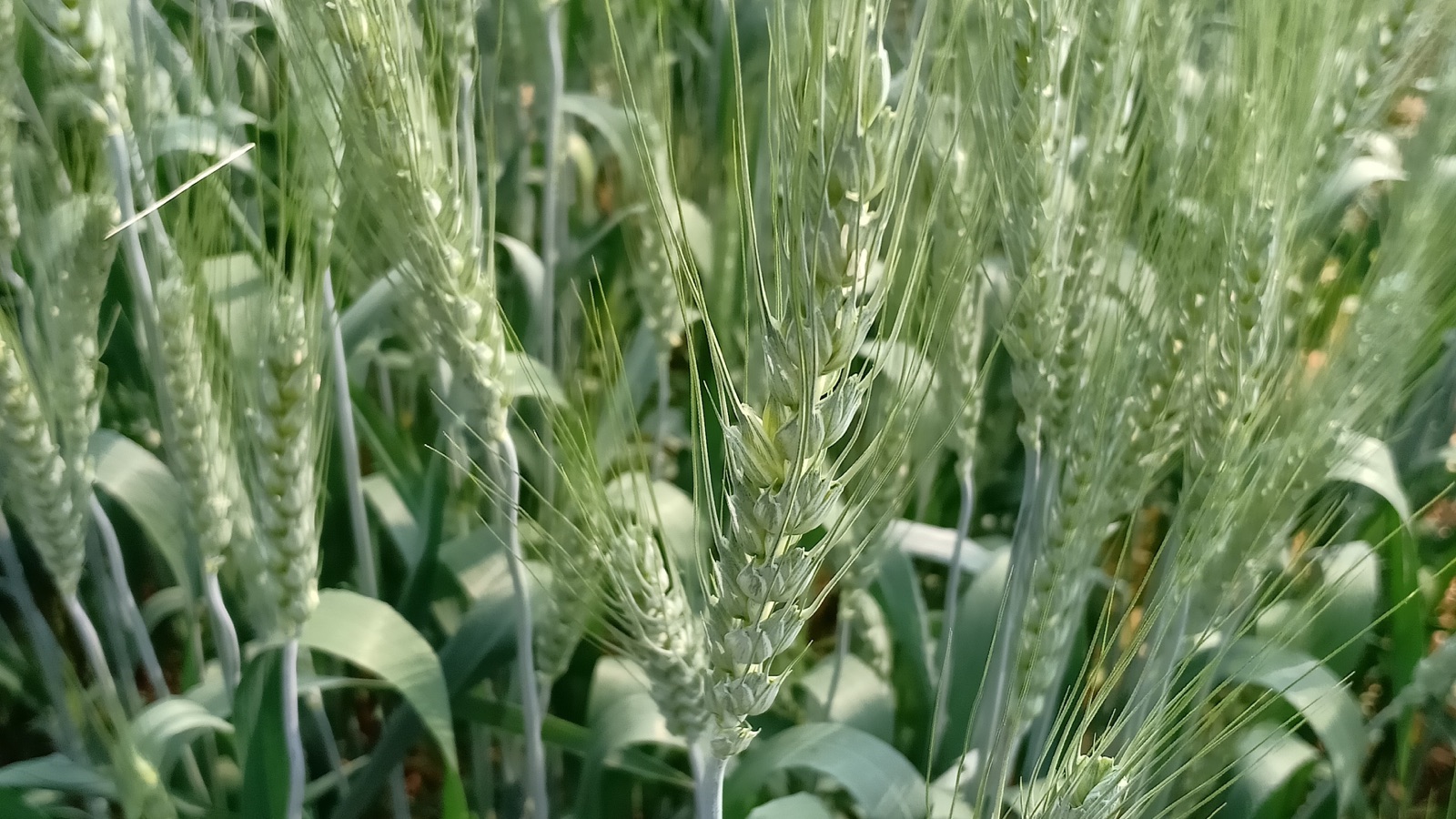
Spring barley suits early fall sowing in places with a genuinely cold winter. It produces protective foliage and a network of roots, but is less winter-hardy than rye. When freezing temperatures kill it, the dead growth is relatively easy to move aside for spring planting.
Check the seed label. Winter barley is bred for different conditions and can survive where spring barley dies. This isn’t a late-November solution, either. Barley needs enough autumn growing time to provide useful cover before the cold arrives.
8. Hairy vetch for a bed feeding hungry summer vegetables
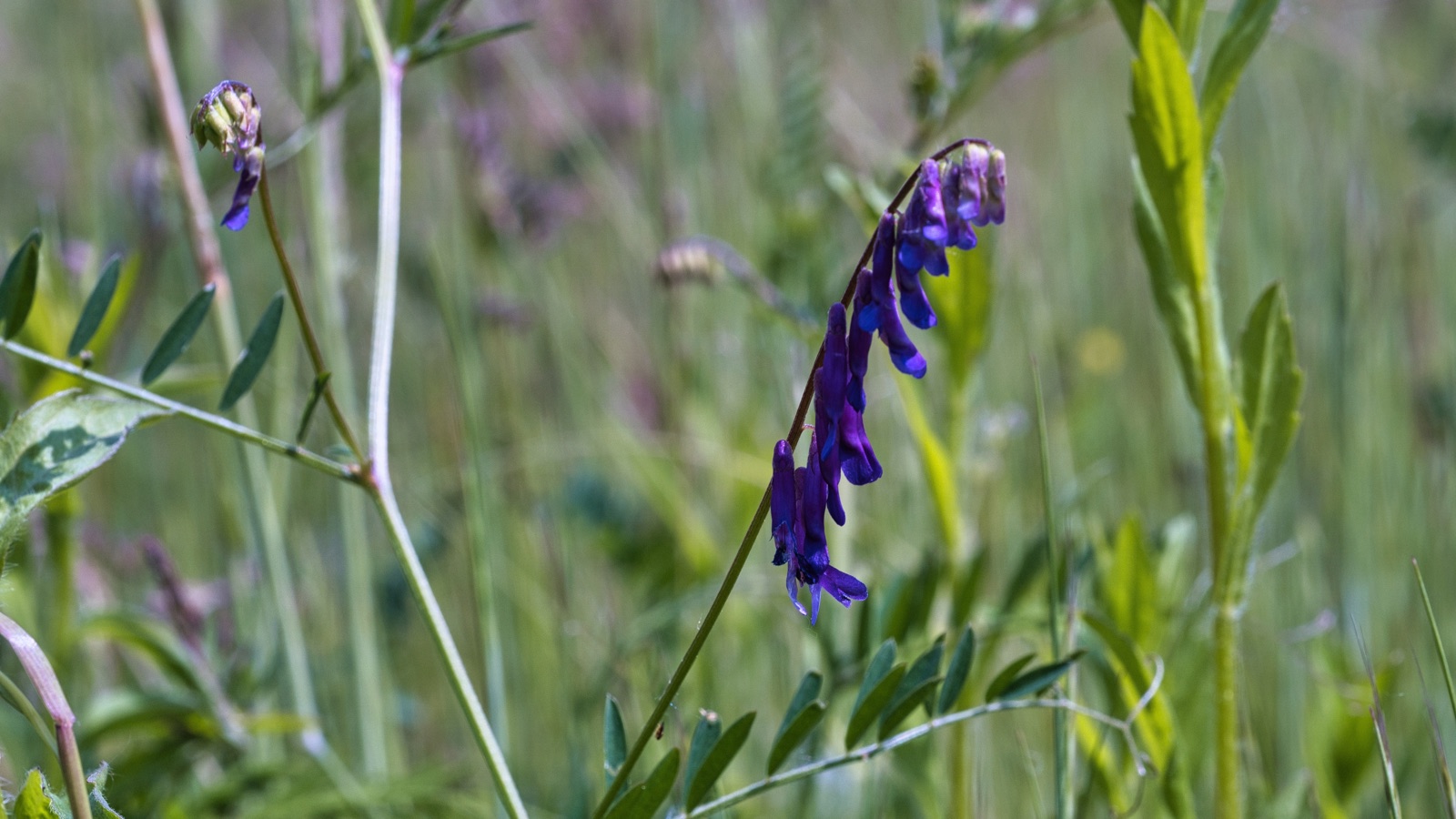
Hairy vetch is a nitrogen-fixing legume that can put on considerable growth in spring. It’s useful before summer crops, particularly when you have time to grow it with a supporting cereal and let the nitrogen-rich material begin breaking down before transplanting.
I wouldn’t choose it for an easily managed little raised bed unless I was ready for the work. Its vines tangle, fall establishment can be slow, and seed that matures can create a lasting weed problem. Sow early enough for winter establishment and plan to kill it thoroughly before it produces seed.
9. Red clover for a bed taking a longer rest
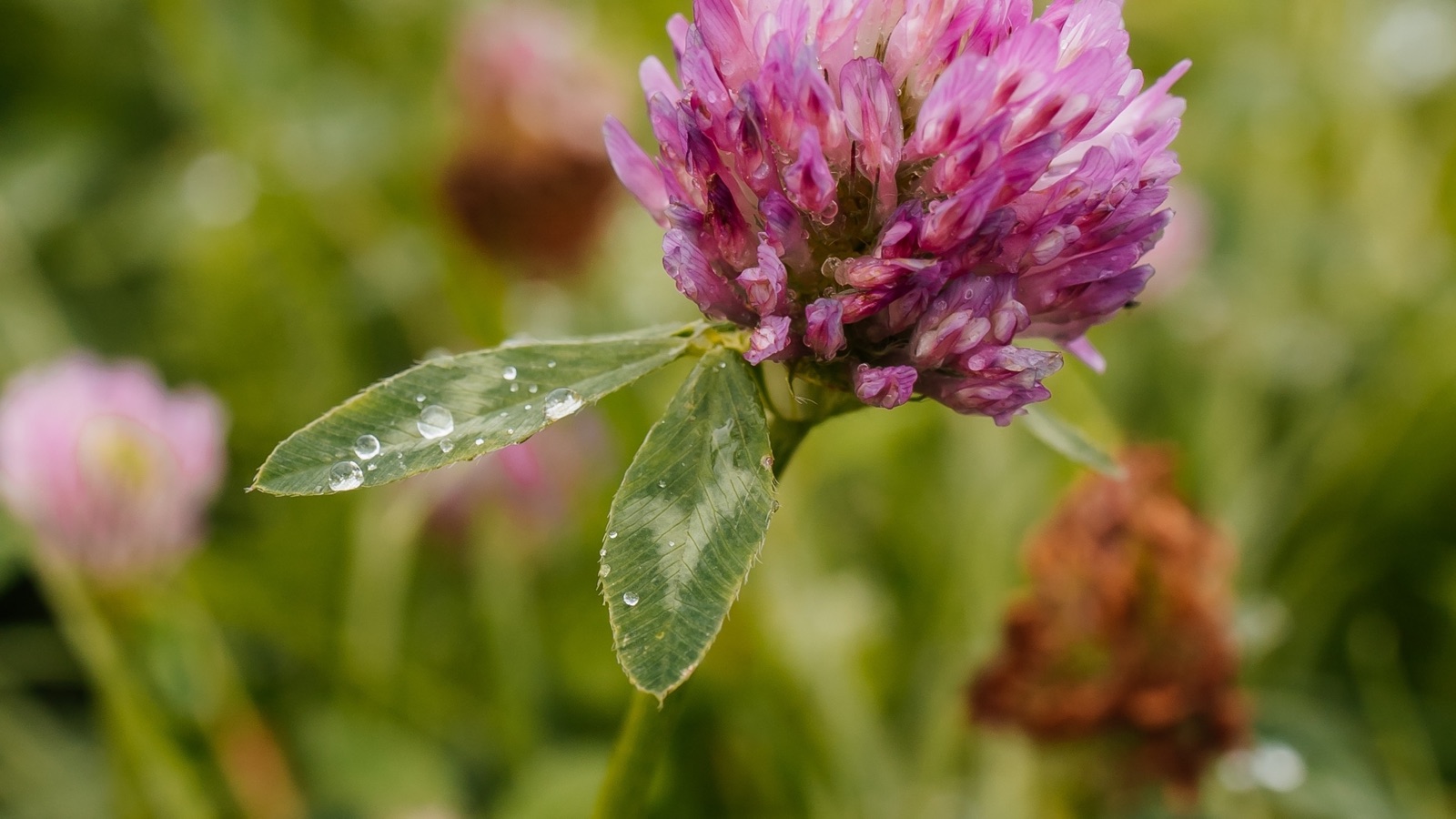
Red clover is a longer-lived option for a bed you intend to rest and rebuild, rather than one that’s only vacant for a few winter months. It establishes more slowly than some other choices, but its roots and nitrogen-fixing habit make it useful when given sufficient time.
It doesn’t conveniently die at the first frost. In spring it can regrow after a casual cutting, so smother it effectively or remove the plants completely. I wouldn’t put red clover into a bed booked for early carrots or direct-sown onions.
10. Forage turnips for broad leaves and fleshy roots
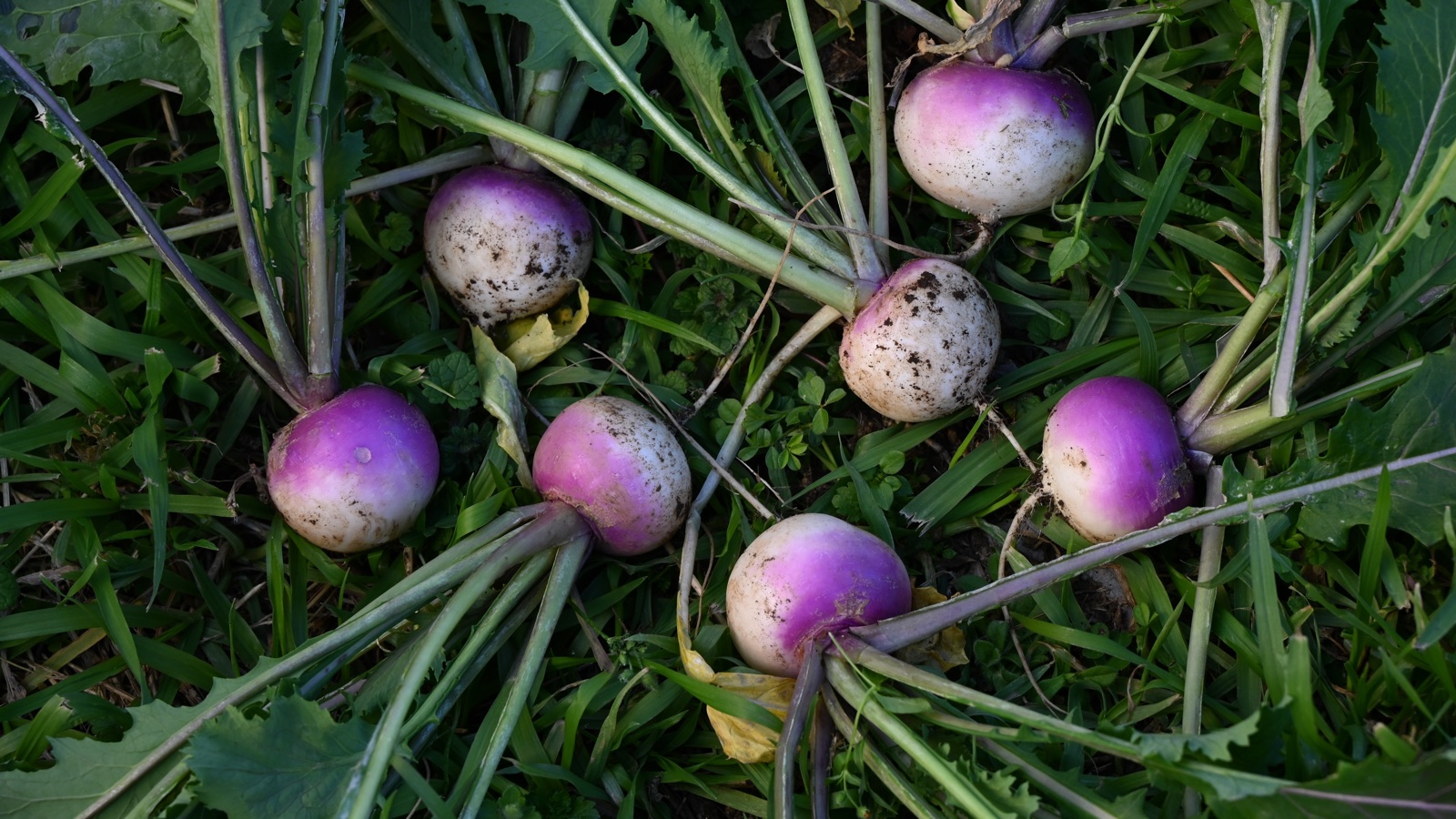
Forage turnips put on foliage that protects soil and roots that help cycle nutrients. Sow in late summer rather than waiting for cold weather. Where winter is harsh enough, much of the plant can die and rot away, which reduces spring cleanup.
In mild areas turnips can survive and must be removed before flowering. They are brassicas, just like forage radish, so keep your vegetable rotation and any history of brassica diseases in mind. I’d pick another family ahead of a cabbage bed with clubroot concerns.
11. Mustard for fast cover after an early harvest
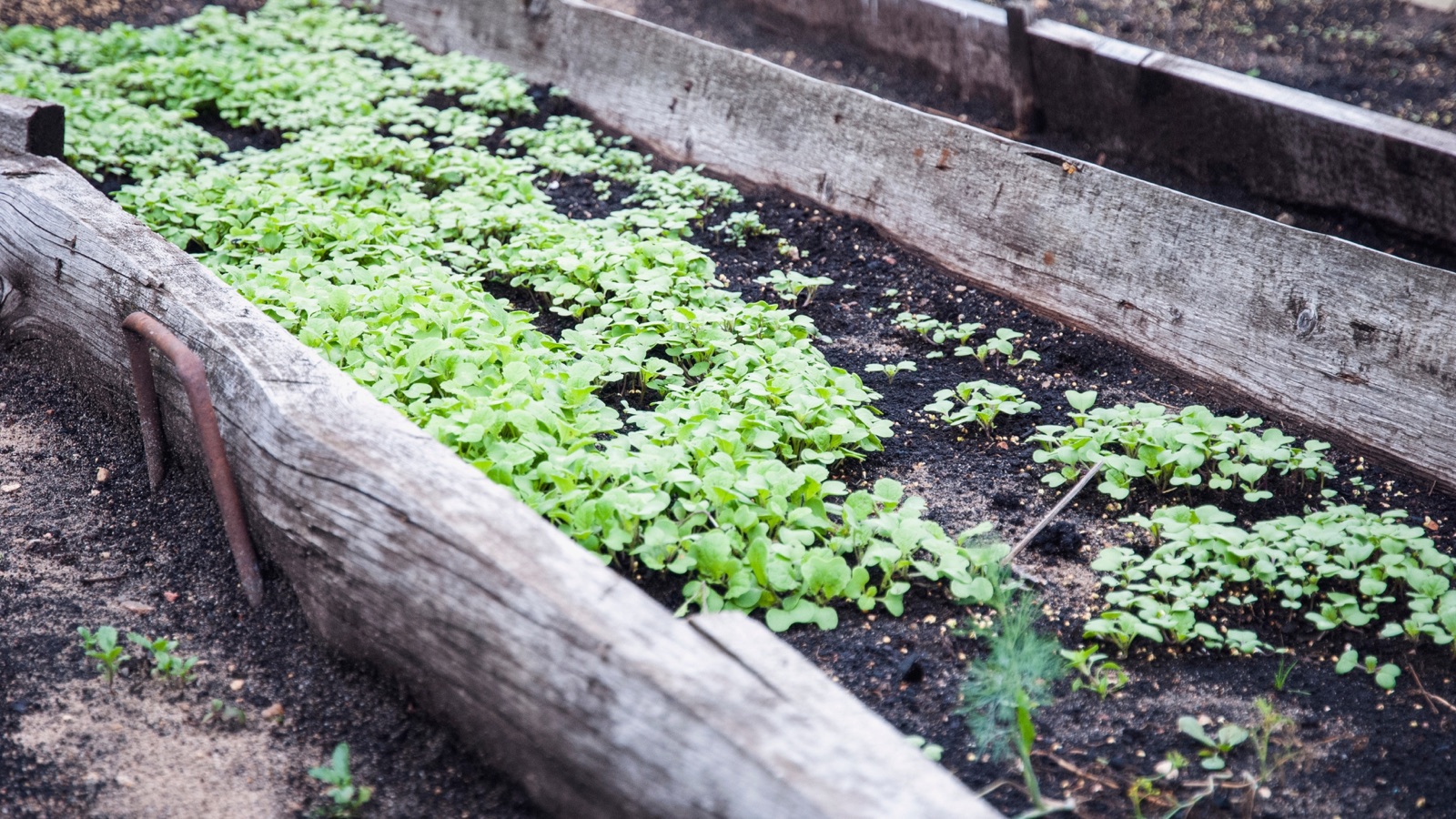
Mustard can grow quickly when autumn soil is still warm, filling a gap left after an early vegetable crop. It works as a short-term green manure and may winter-kill in cold climates, depending on the mustard type and conditions.
Don’t expect a blanket cure for soil diseases. The much-discussed biofumigation effect depends on specific varieties and management, not simply growing mustard. It’s also a brassica, with the same rotation concerns as turnip and radish. If the first hard frosts are close, I’d choose mulch instead of spending money on mustard seed that can’t make useful growth.
12. Triticale for a longer-season cereal bed
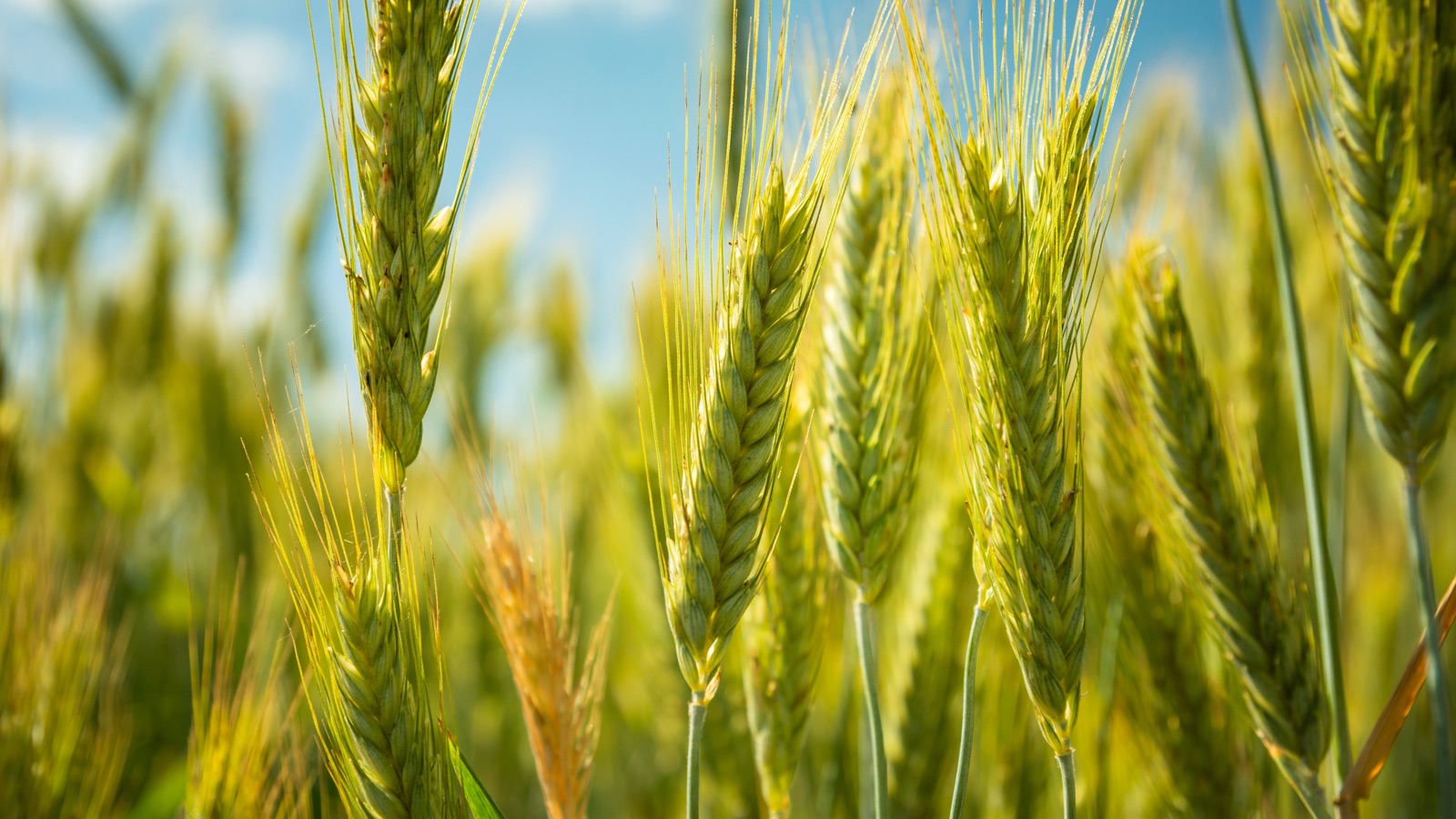
Triticale is a wheat-rye hybrid used as an overwintering cover crop. It’s useful for soil protection and nutrient capture when sown in late summer or early fall, and it generally grows more slowly than cereal rye before winter.
Spring management is the deciding factor. Like wheat and rye, triticale resumes growing and needs an effective kill before vegetable planting. Give its stems time to decompose. I would reserve it for a bed that won’t be needed for vegetables until later in spring.
Sow the seed properly rather than scattering it over mulch
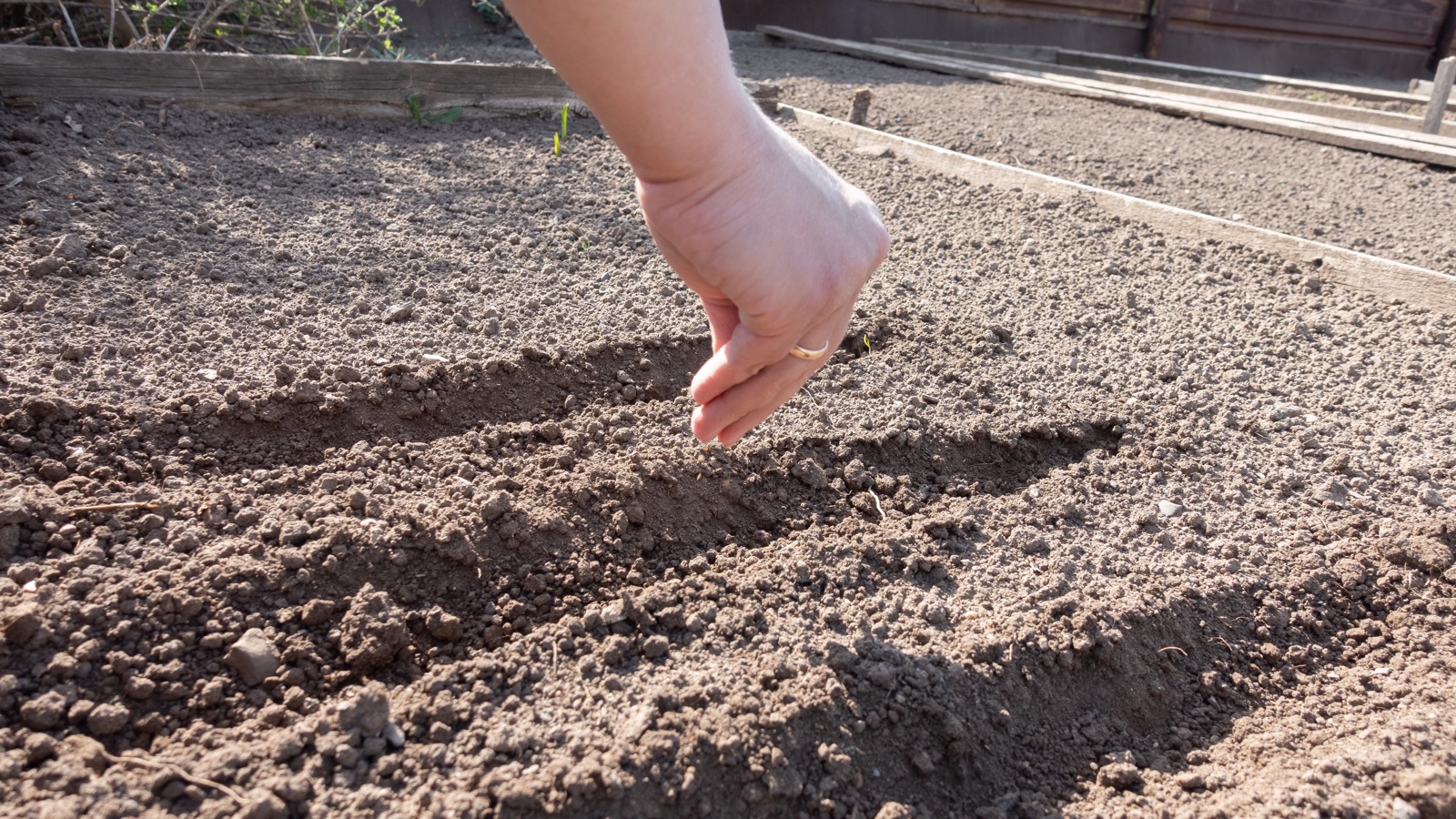
Remove established weeds and diseased crop remains, then lightly rake the soil surface. Spread seed at a rate suited to the particular crop and the size of your bed, rake it in to the recommended depth, and firm the soil for good contact. Water if conditions are dry. You don’t need to turn the whole bed over, but seeds left sitting on thick, dry mulch are unlikely to establish well.
For a first attempt, a commercially prepared oats-and-peas mixture can be simpler than calculating several seeding rates. Follow the mix’s directions rather than sowing a full rate of every component. And remember, cover crops need sufficient growing time. A few sparse seedlings do little for erosion or weed suppression.
Sometimes autumn leaves beat late-sown cover crops
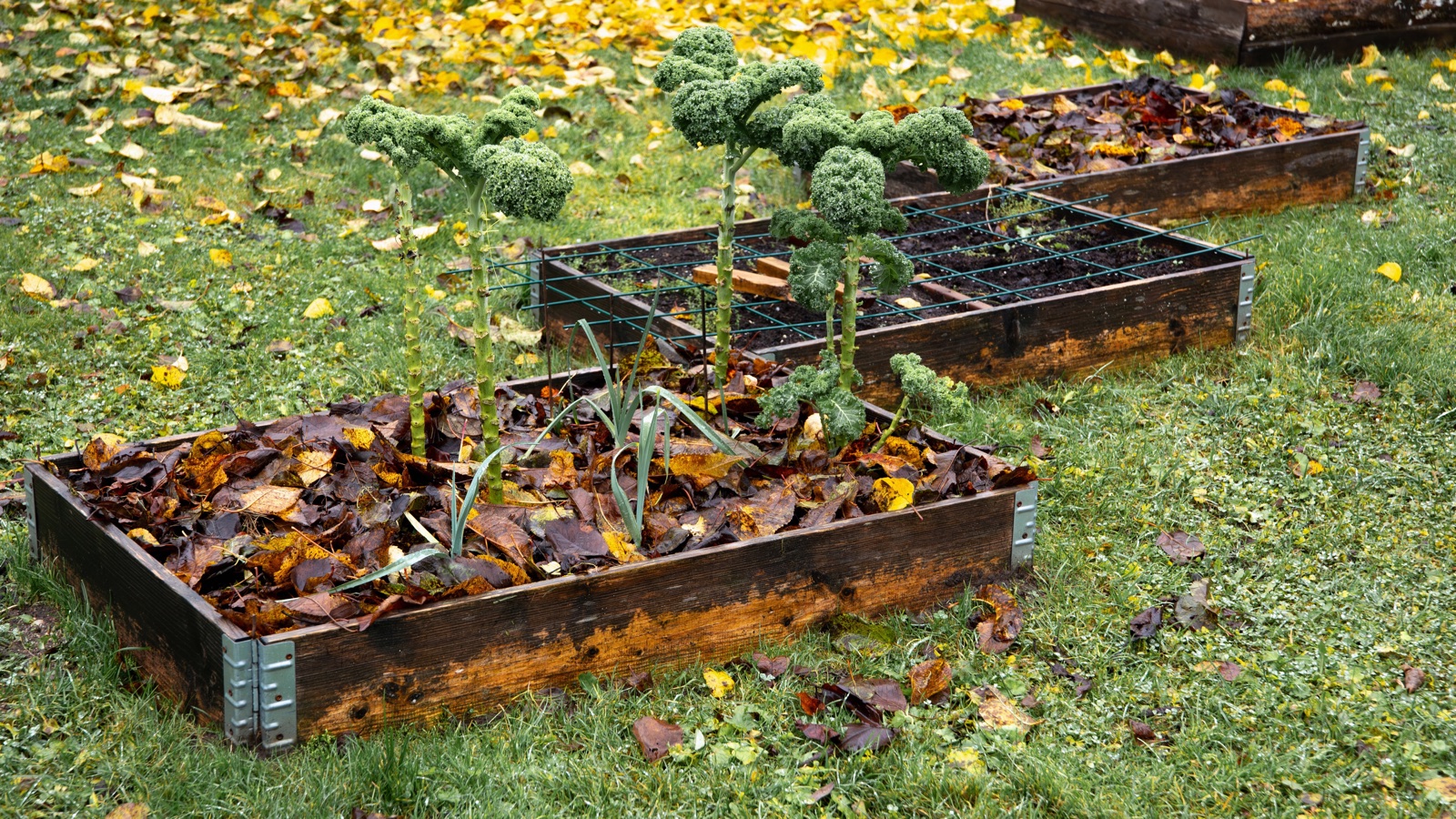
If your growing season is nearly over, there’s nothing wrong with admitting that you’ve missed the cover-crop window. That is particularly true in a cold region in November. Cereal rye is the most plausible late choice in some mild areas, but even it needs suitable conditions and a realistic local planting date.
A loose covering of clean fallen leaves about 1 to 2 inches deep, or weed-free straw, can protect an empty bed without taking up next spring’s planting schedule. Keep mulch away from plant crowns and move it aside from rows where you’ll sow fine seed. If vegetables are still healthy and producing, let them finish rather than clearing the bed just to grow a cover crop.
Protecting soil doesn’t have to mean buying more seed. I’d rather use the leaves already available, then start a well-timed cover crop next season, than sow too late and get a few struggling plants that do almost nothing for the bed.
Buckwheat is another plant you’ll often see recommended for weed suppression, but it’s a warm-season cover crop, not a late-fall solution for most US gardens. And annual ryegrass, unlike cereal rye, can be difficult to eradicate from vegetable beds. For broader fall soil care, there are other useful jobs you can do now to make the garden more productive next spring.
You might also like…
The Cover Crop You Can Plant In Fall To Improve Your Soil Over Winter
Don’t Over-Tidy the Garden This Fall: 12 Plants That Should Stay Standing Until Spring

