Affiliate disclosure: This post may contain affiliate links. Please see full disclosure.
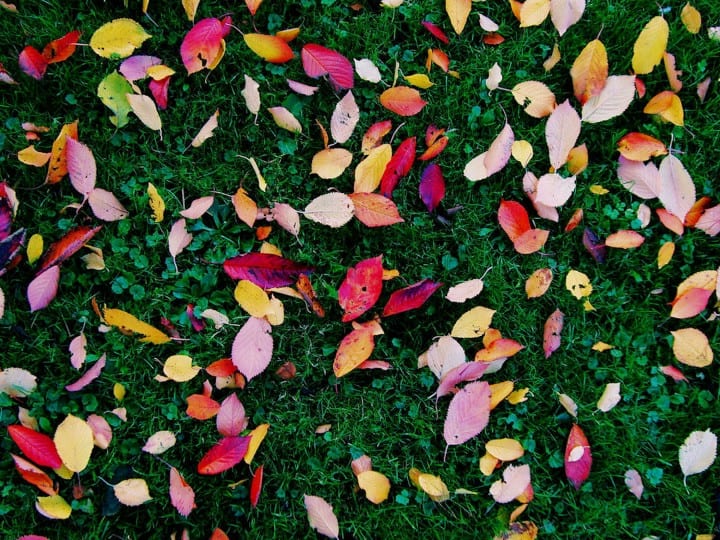
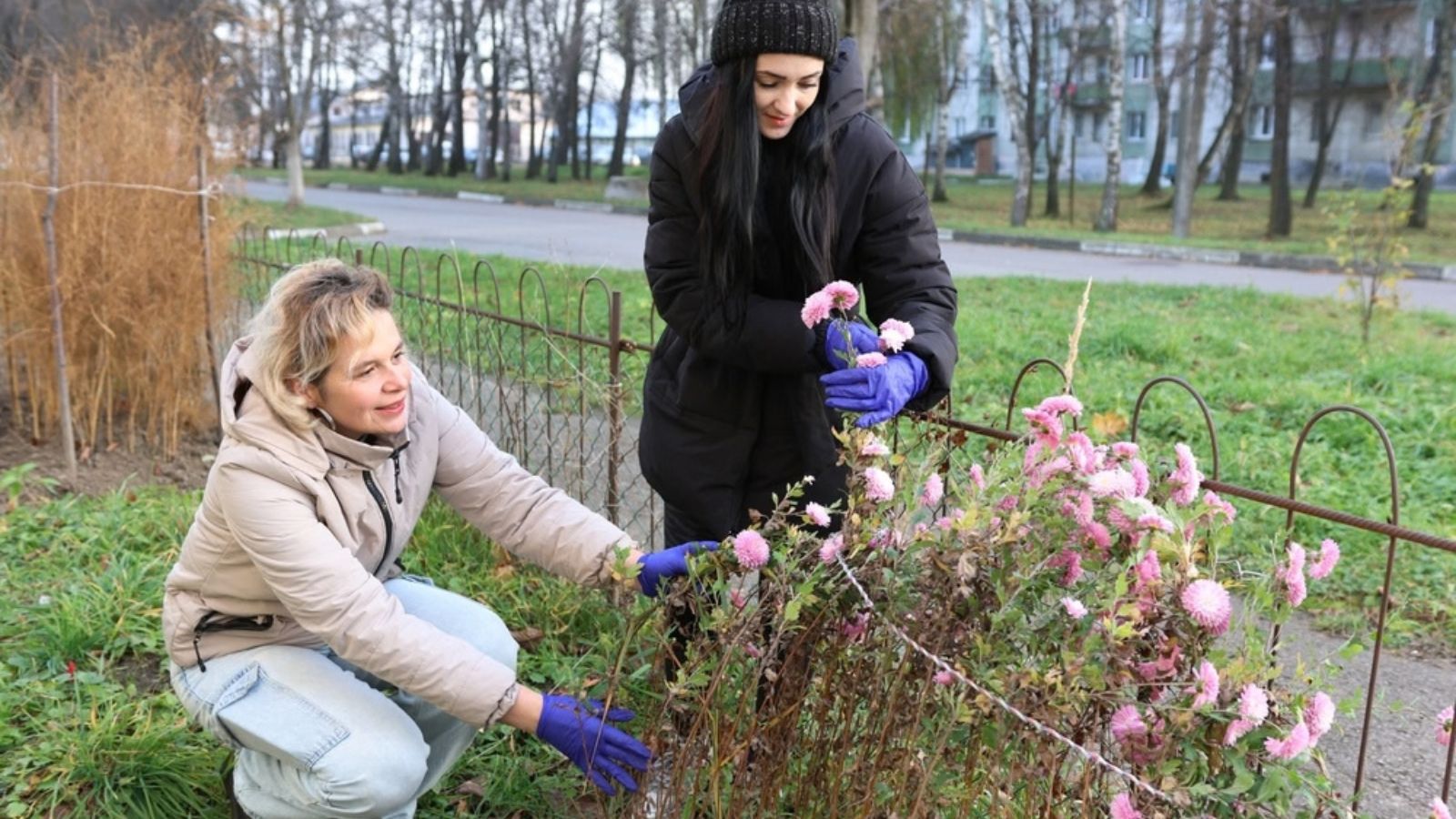
By late fall, plenty of garden beds look as though they need a good clean-up. There are brown stems everywhere, dried flower heads have replaced the summer blooms, and grasses that looked beautiful a few months ago are starting to lean. It’s tempting to get the pruners out and cut everything down before winter.
I don’t clear all of mine in fall, though. A lot of those apparently dead plants are still useful. Standing perennial stems and seed heads can provide winter food for birds and overwintering habitat for pollinators and other wildlife, while hollow and pithy stems are particularly useful to some of our native bees.
There are also practical benefits for us. Leaving plants alone means less work at the end of an already busy growing season, many of them give some structure to an otherwise fairly bare winter garden, and the birds will do a surprisingly thorough job of cleaning up some of those seeds for you.
That doesn’t mean every dead stem should remain untouched. Plants that have been badly affected by disease should generally be removed at the end of the growing season, rather than leaving infected material sitting around your beds until spring. Healthy plants are a different matter.
1. Purple coneflower
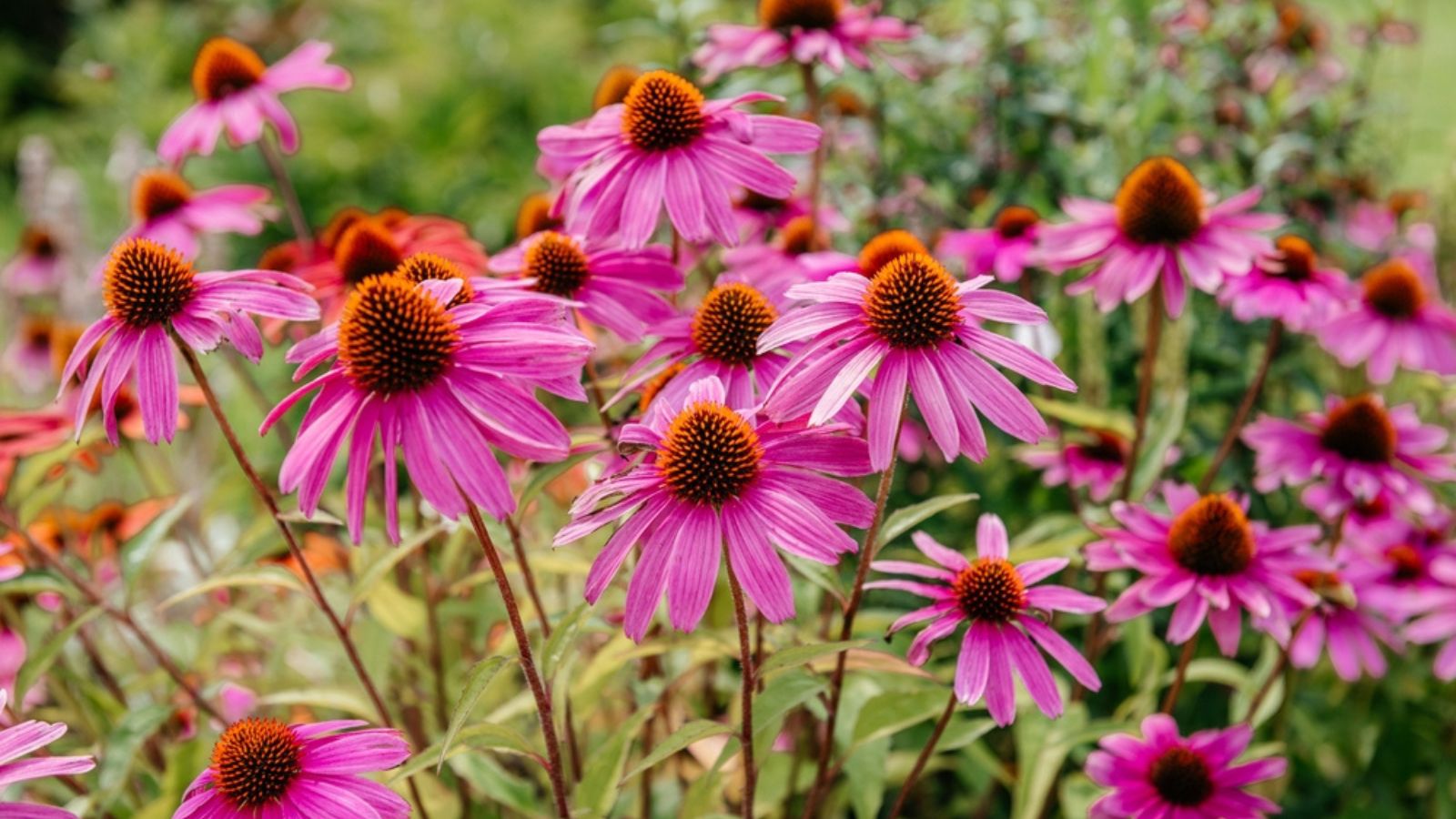
I grow coneflowers partly because they’re such good, dependable pollinator plants through summer, but I don’t cut off all those dark, prickly seed heads when flowering finishes. They still have another job to do.
Purple coneflower seed heads provide food for songbirds, particularly American goldfinches, so leaving them standing gives birds access to a natural food source through the colder part of the year. Once the petals have dropped, the seed heads also hold their shape well enough that the plant doesn’t immediately collapse into a soggy heap after the first frost.
I cut healthy coneflowers back in spring, before the new growth gets properly underway. There is an important exception here, though. Coneflowers affected by diseases such as stem rot, powdery mildew, or anthracnose should be cut back and the affected plant debris removed, so don’t preserve unhealthy growth just because it’s winter habitat.
2. Black-eyed Susans
Black-eyed Susans are another plant I’d rather leave alone after flowering. The bright petals disappear, but those raised brown seed heads remain for months, and they’re much more useful standing in the garden than they are in a yard-waste bag.
Several bird species feed on mature black-eyed Susan seeds, and leaving the flower heads intact until spring provides them with a winter food source. I find that especially useful in a garden where I’m already trying to bring in more birds to help keep insect numbers balanced during the growing season.
Rudbeckias can seed themselves around fairly enthusiastically, so you don’t necessarily have to leave every single flower head. If you already have more seedlings than you know what to do with, remove some of the heads before the seeds scatter and leave the rest for the birds. In spring, cut the old stems away once fresh growth starts showing at the base.
3. Sunflowers
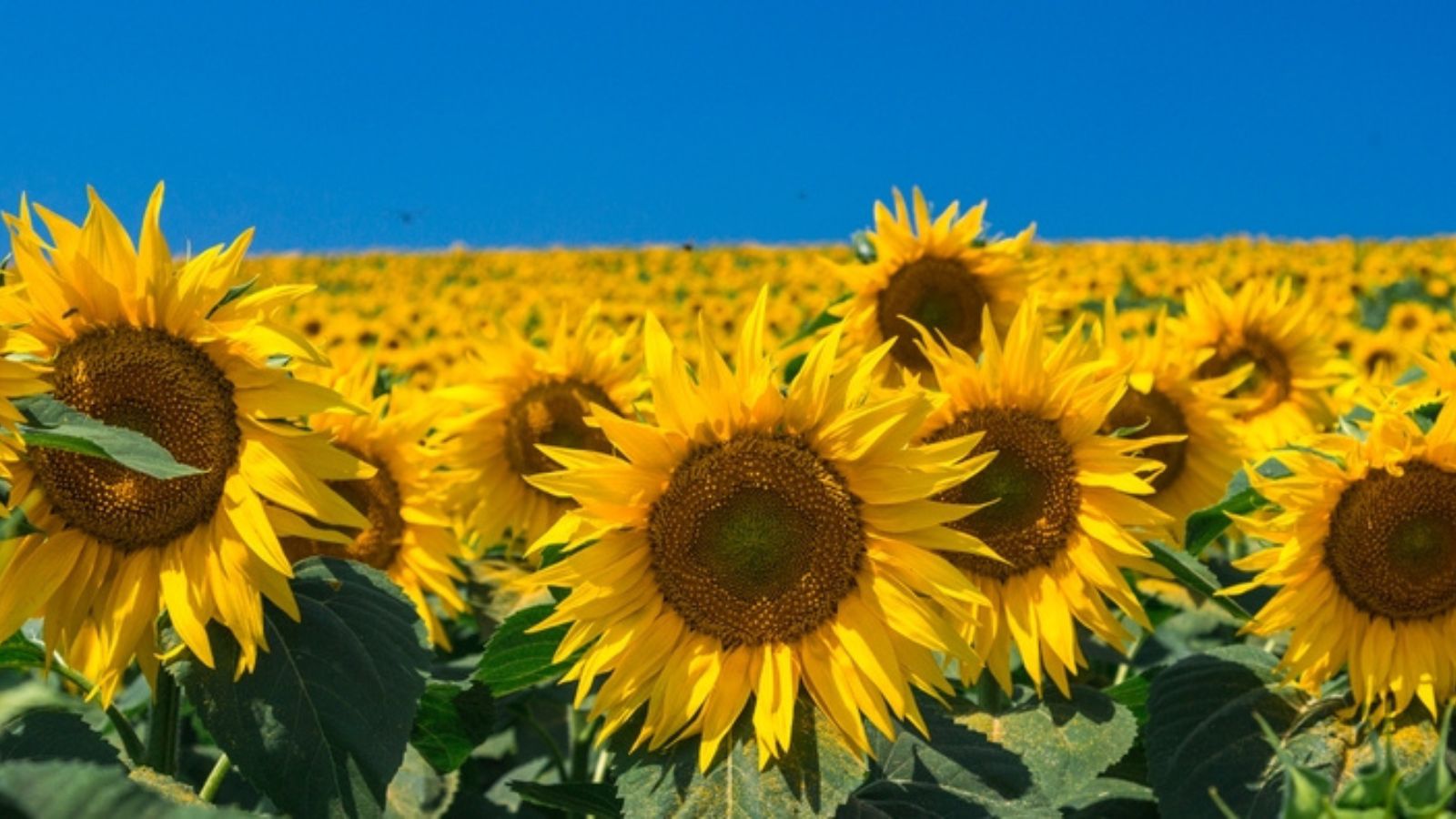
I don’t automatically pull up sunflowers as soon as the flowers fade, particularly if they’ve produced good, full seed heads. The plants may have finished looking like summer, but the seeds are still valuable.
Sunflower seeds are an important natural food for winter birds, and leaving the heads attached allows birds to take them directly from the plant. Finches, chickadees, sparrows, and other seed-eating birds will all make use of them depending on where you live.
If the stalks are leaning across a path or threatening to fall onto something, I cut the heads and place them somewhere sheltered rather than throwing them away. Otherwise, I leave them standing until the birds have had most of what they want. Annual sunflower stalks can then go onto the compost pile in spring as long as they’re healthy.
4. Asters
Asters are some of the last useful flowers in my garden each year, particularly the native perennial species that continue flowering well into fall. Once flowering is finished, I still don’t hurry to cut them down.
Aster seeds are eaten by birds during winter, but the stems are useful as well. Some small native carpenter bees use pithy stems, including aster stems, as nesting habitat.
That’s one of the reasons I don’t treat spring clean-up as a race to cut everything level with the soil. If I have sturdy hollow or pithy stems, I’ll leave part of the old stem standing instead of removing every inch. The old top growth can be tidied once the new plant starts coming through.
5. Goldenrod
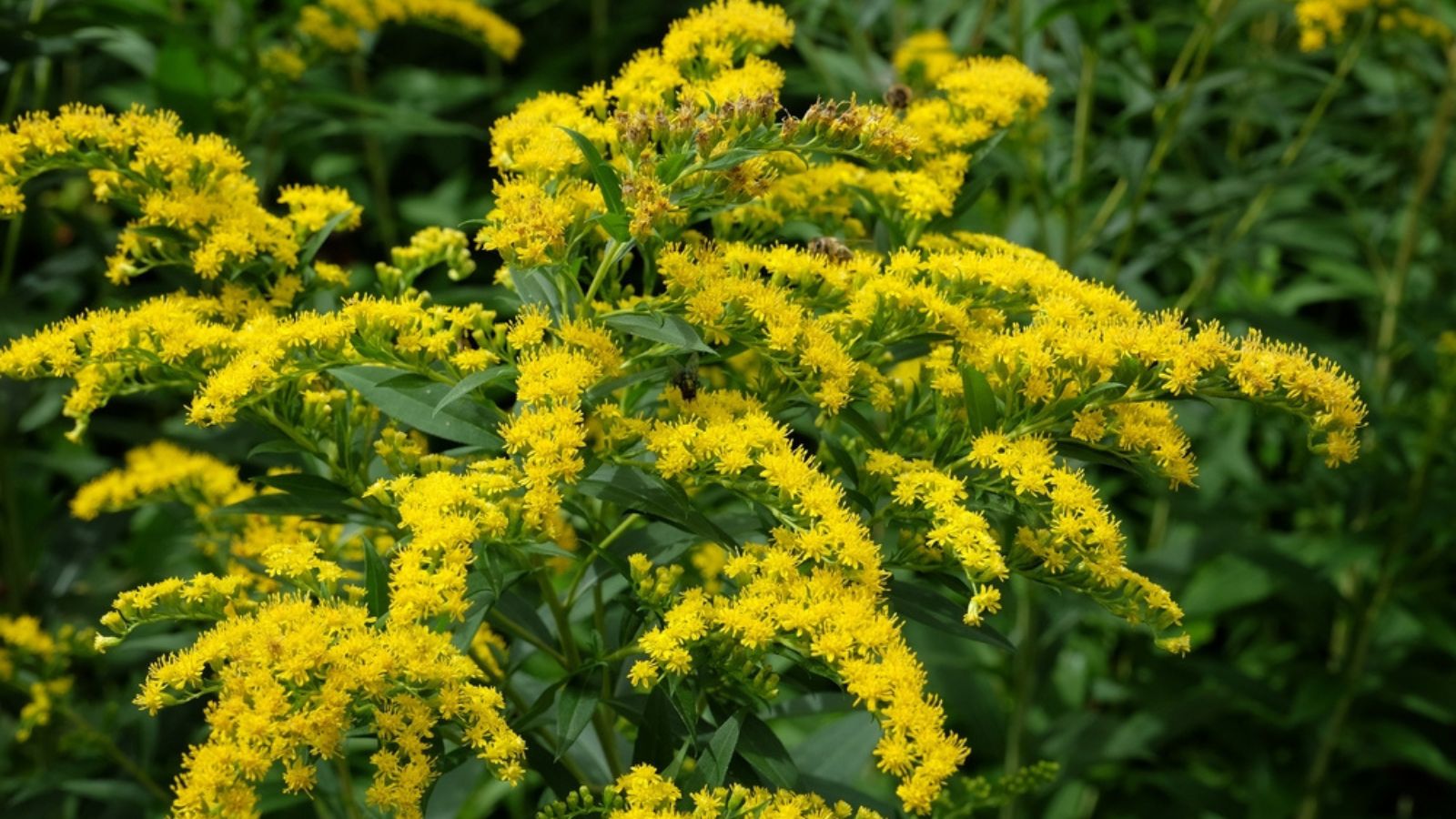
Goldenrod often gets blamed for fall allergies because it flowers at the same time as ragweed, but it’s actually a very useful garden plant if you choose a species suited to your space. I leave the spent flower clusters in place after blooming rather than deadheading the whole plant.
Goldenrod seed heads provide food for birds after the flowers have finished, and the standing stems add more sheltered structure to the garden over winter. That’s particularly useful in a mixed perennial border where you’re trying to provide something more than bare soil from November to March.
Some goldenrods spread much more freely than others, so you can be selective. If yours is seeding into every neighboring bed, remove part of the seed crop and leave enough standing to retain the wildlife value. I cut the remaining old growth back once spring growth begins.
6. Joe Pye weed
Joe Pye weed is a large plant, and I know the temptation to cut it down once those tall stems turn brown. Mine can take up a substantial amount of space by the end of the season, but healthy plants are worth leaving.
Joe Pye weed seed heads persist into winter and provide food for winter wildlife. The stems are useful too, because Joe Pye weed is one of the native plants with hollow stems that can provide nesting and overwintering sites for native bees.
I leave the plant intact through winter and deal with it when spring growth is approaching. If you’re keeping stems for insects, you don’t have to take them all down to soil level when you finally prune. Leaving a section of old stem standing keeps some of that nesting habitat available.
7. Bee balm
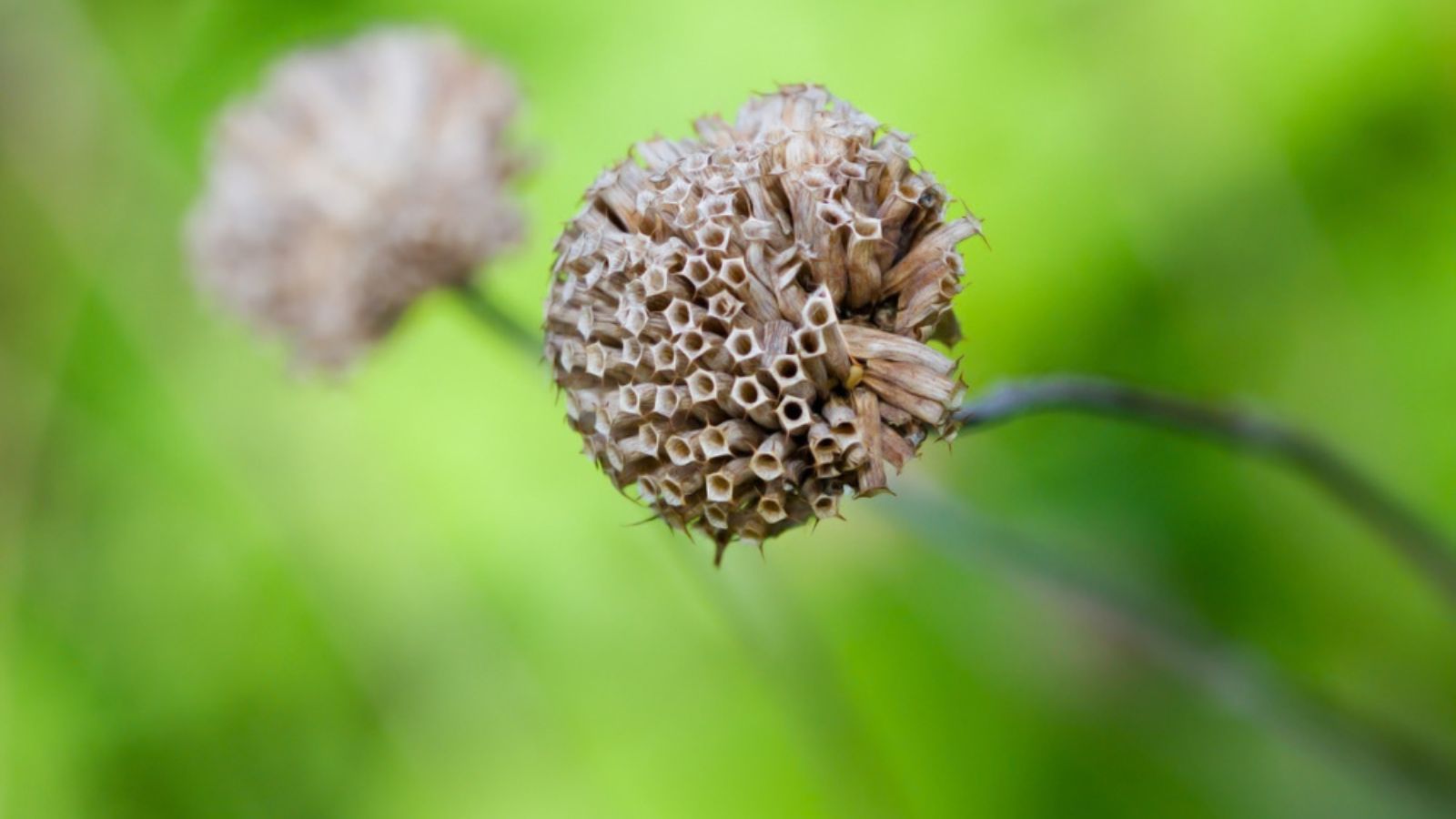
Bee balm can look decidedly finished once frost has taken the last of the leaves and the flower heads have dried, but I don’t clear the stems away in fall. The dried plant is far more useful than it looks.
Bee balm has hollow stems that can be used by native stem-nesting bees. Those bees use dry stems as small protected cavities, so cutting everything down and removing it in fall can take away exactly the kind of nesting space we’re trying to add back into our gardens.
Bee balm is prone to powdery mildew, though, so use some judgment. I don’t leave badly diseased material simply for the sake of leaving stems. With healthy plants, I wait until spring, then shorten the old stems while the fresh growth comes up underneath.
8. Blazing star
Blazing star, or Liatris, produces tall purple flower spikes in summer and then slender brown seed heads later in the year. Those seed heads are one of the main reasons I leave the plant standing.
Blazing star seeds are an important late-fall and winter food source for songbirds. The narrow upright stems also tend to hold their shape reasonably well, so they don’t create the same wet mat of dead foliage that some softer perennials do.
Leave them until late winter or early spring, then remove the previous year’s growth as the plant prepares to start again. If you want more Liatris, leaving some seed heads also gives the plant an opportunity to self-seed naturally rather than buying more plants.
9. Mountain mint
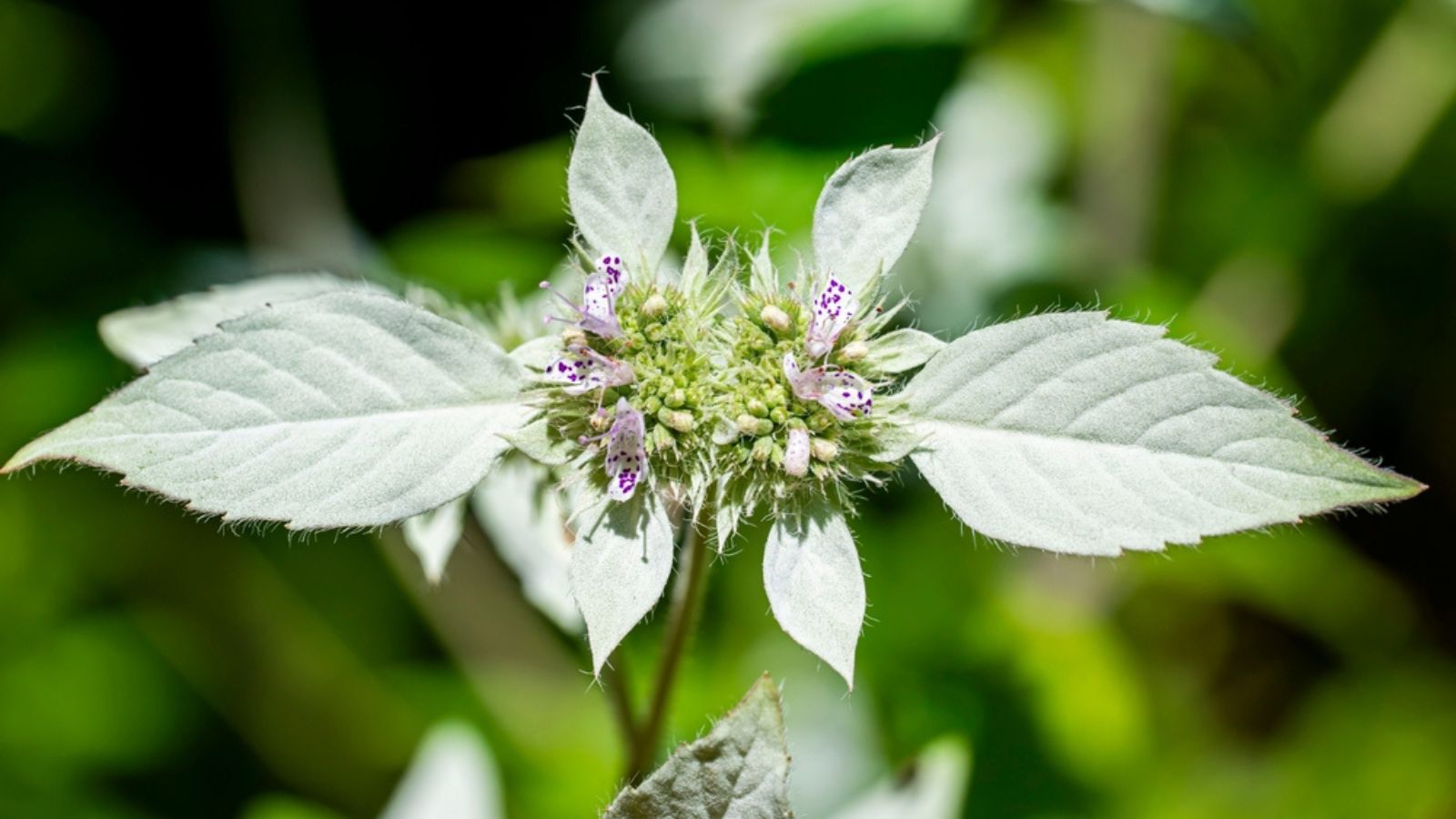
Mountain mint is one of those plants I wouldn’t be without in a pollinator garden. It’s busy with insects when it flowers, and it continues to be useful after those flowers have faded.
Mountain mint seed heads can be left in place as a winter food source for birds. The dry stems also give the bed some standing cover instead of leaving nothing but bare soil and mulch through winter.
Mountain mint can spread, sometimes quite vigorously, depending on the species. If you’re growing it in a smaller border and don’t want lots of seedlings, remove some seed heads before they mature fully and leave the remainder. Cut the old stems back in spring when you can see new growth starting.
10. Ironweed
Ironweed is tall, tough, and very good at looking after itself, which is exactly why it works so well in larger wildlife and meadow-style plantings. The old stems can easily stay upright through much of winter.
Its seeds are useful to birds, but there is a practical reason to be selective here. Ironweed can self-seed vigorously enough that gardeners sometimes remove the seed heads while still leaving the tall stalks standing as winter wildlife habitat.
That’s the approach I prefer if a plant is already spreading more than I want it to. You don’t have to choose between cutting the whole thing down and letting thousands of seeds loose. Remove the mature heads, leave the stems and lower growth in place, and finish tidying the plant in spring.
11. Milkweed
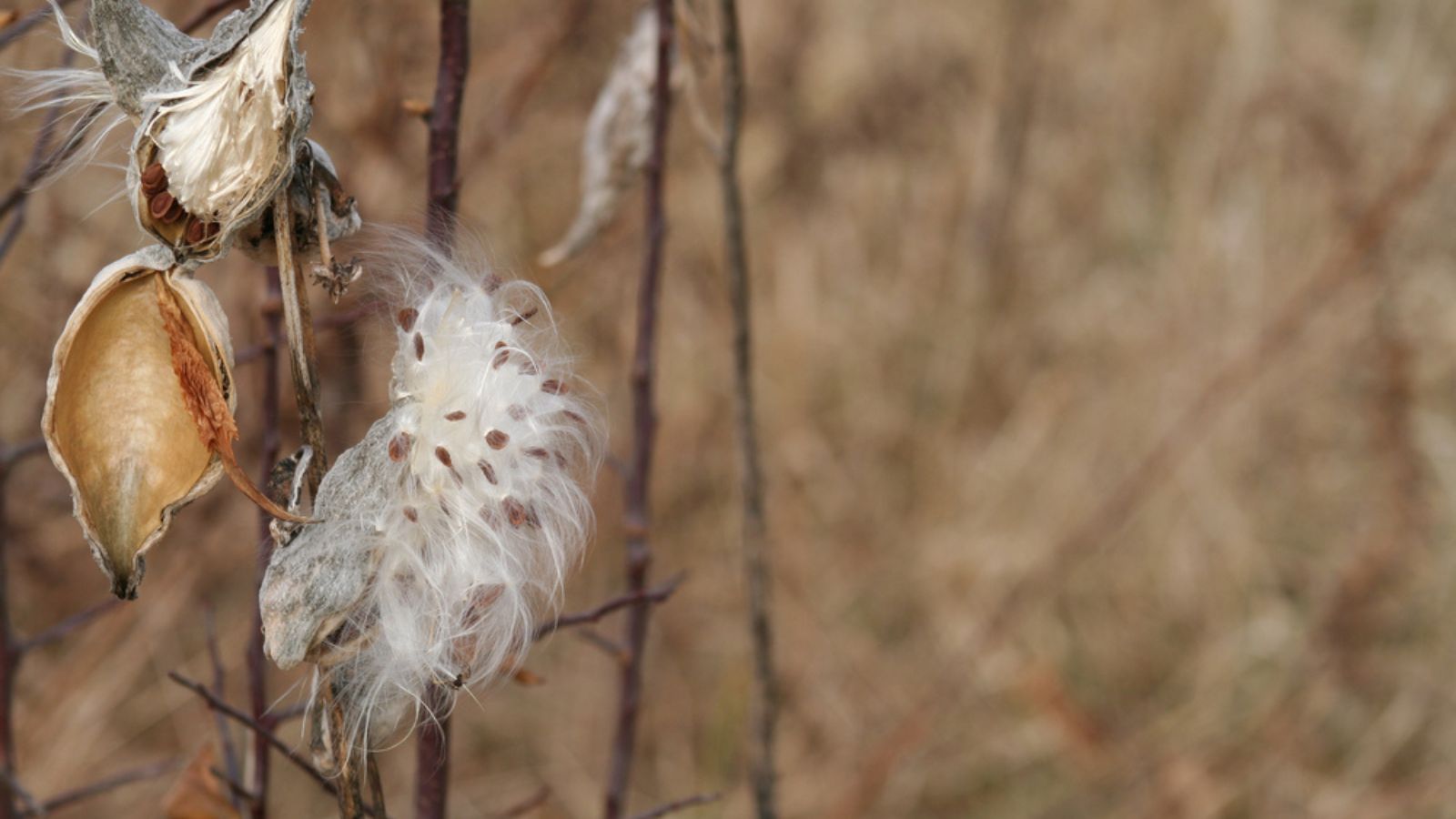
Milkweed is obviously valuable while it’s alive and growing because monarch caterpillars depend on it, but the dead stems don’t need to disappear the minute winter arrives either.
Several native milkweeds have hollow stems that can provide habitat for stem-nesting bees. The dry stems also give insects another protected place in an otherwise heavily cleaned-up landscape.
In a temperate garden where the native milkweed naturally dies back for winter, I leave healthy stems standing. This advice is specifically about hardy perennial milkweeds in climates where they go dormant. Tropical milkweed in warm climates needs different management because it can continue growing rather than entering a proper winter dormancy.
12. Native ornamental grasses
Grasses are probably the easiest plants on this list to leave alone because many of them actually look better in winter than they would cut down to a few inches. Switchgrass, little bluestem, prairie dropseed, and other native bunchgrasses keep movement and structure in the garden long after flowering plants have disappeared.
Native grass seeds provide winter food for birds, while standing bunchgrasses provide shelter for insects, birds, and small mammals. Leaving the old growth in place can also help protect the plant’s growing points at soil level during very cold weather.
I wait until spring and watch the center of the plant. When the first fresh green growth appears, that’s my cue to remove most of last year’s foliage. For larger grasses, tying the old growth into a bundle before cutting it makes the whole job much easier and stops dry blades blowing all over the garden.
What should you actually cut back in fall?
Leaving more of the garden standing doesn’t mean abandoning it completely. Anything badly diseased should come out, along with plants that have collapsed across paths or become unsafe. I also remove seed heads from aggressive self-seeders when I know I’ll regret leaving them.
Healthy perennial growth is different. Native bees, butterflies, moths, and other insects overwinter in stems, attached to plants, and among fallen leaves, so a completely stripped garden isn’t necessarily a healthier garden.
I still tidy where I need to. Paths stay clear, diseased material goes, and I deal with anything that’s become a wet, rotting mess. I just don’t assume that brown means useless.
How I handle the stems in spring
Spring clean-up doesn’t have to mean cutting every perennial flat to the soil and hauling everything away. With hollow and pithy plants, leaving dead stems intact over winter and then cutting them roughly knee-high once spring has warmed creates useful nesting habitat for stem-nesting bees.
I normally work around the new growth rather than trying to make the whole bed perfectly bare. Some old stems stay standing at different heights, while loose healthy material can be chopped and left on the soil as mulch where it won’t smother emerging plants.
Also have a look at the stems before you throw them onto a compost pile. If you find neat holes, plugs of leaves, mud, plant fibers, or other signs that something may be nesting inside, don’t shred or burn them. Native bees can spend part of their life cycle inside those dead plant stems, so moving the stems somewhere sheltered gives them a chance to finish developing and emerge.
For me, this is really just a different way of looking at garden clean-up. Instead of assuming everything has to be cleared as soon as flowering stops, I leave the healthy material that’s still doing something useful and deal with it when the garden starts waking up again in spring.
You might also like…
17 Garden Supplies You Should Stock Up on in Winter Sales
12 plants you should prune in winter (and 6 you shouldn’t)
10 Ways to Protect Plants From Frost (Including One You’ve Probably Never Tried)