
Affiliate disclosure: This post may contain affiliate links. Please see full disclosure.
The first winter I got brave with pruning, I “tidied up” a lilac on a sunny January afternoon.
Come spring, the shrub was covered in lush, healthy leaves… and not a single flower. I’d cut off every blooming bud it had been quietly making the previous summer.
So, yes, winter pruning can be brilliant. It can also quietly murder your spring show if you pick the wrong plant.
Let me walk you through which plants actually like a winter haircut, and which ones you should leave well alone until later.
What I actually mean by “winter pruning”
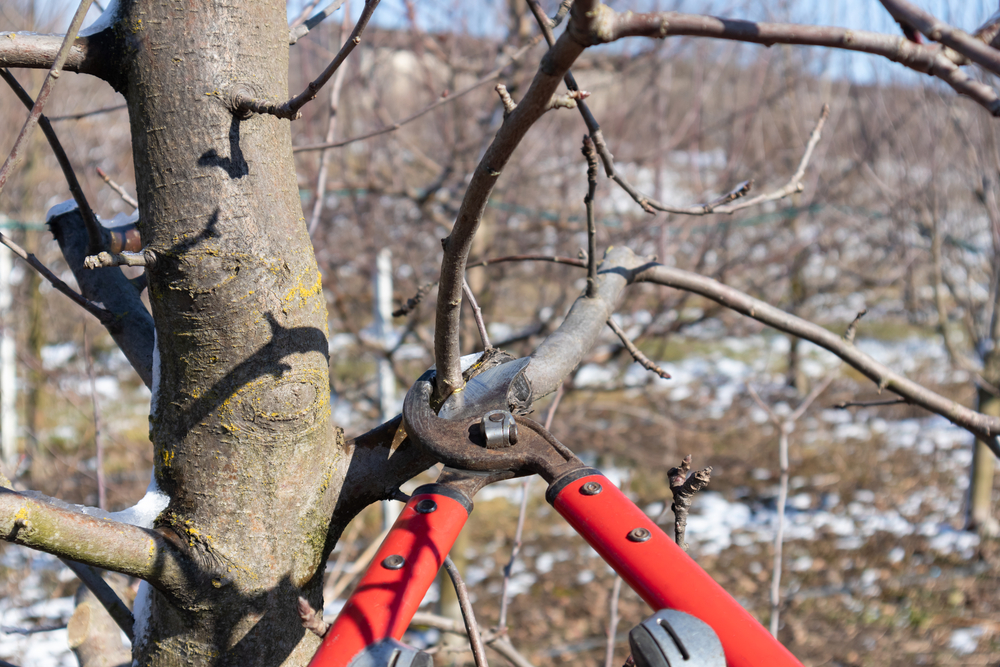
Just so we’re on the same page: when I say “winter pruning,” I mean late winter on a mild, frost-free day – usually somewhere between late January and early March in a lot of temperate US gardens, after the worst cold but before buds really break. That’s when plants are properly dormant, the wood is less brittle, and cuts heal cleanly once sap starts moving again.
Skip very hard frosts. Cold wood shatters more easily, and cracked cuts are like open doors for disease. Keep the big pruning sessions for dry, above-freezing days where you can take your time and actually see what you’re doing.
12 plants you should prune in winter

These plants all fair better with winter pruning, once they’ve gone dormant so you don’t get a flurry of unsustainable new growth.
1. Apples and pears
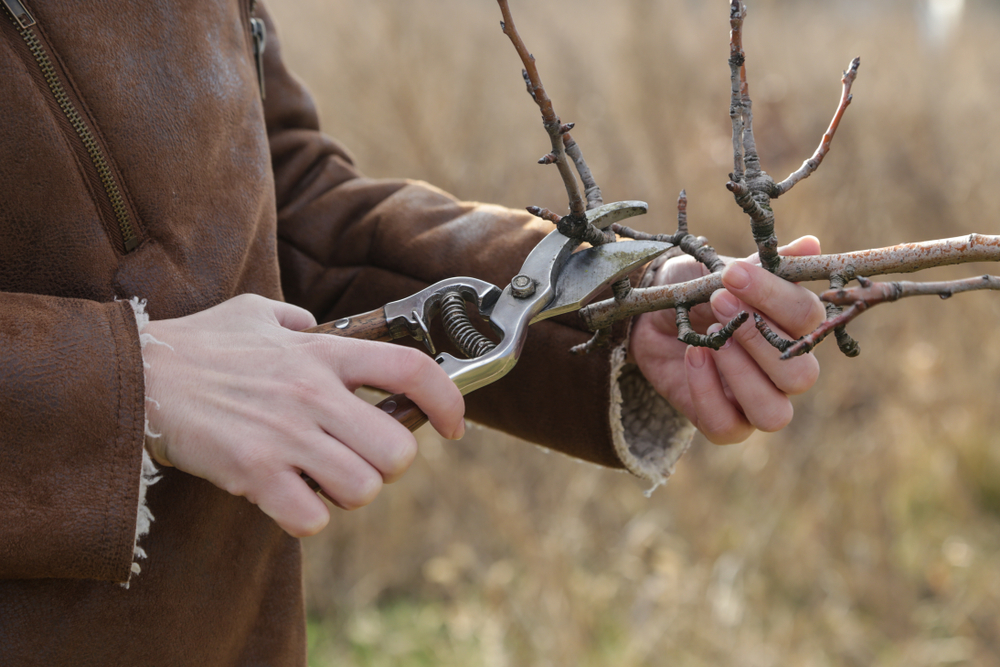
Apples and pears are classic winter-pruning candidates. Once the leaves are gone, you can finally see the skeleton of the tree: which branches cross and rub, which ones shoot straight up, and which ones are shading everything else. Pruning while they’re dormant – roughly late November to early March, depending on your climate – encourages strong new growth in spring and better fruiting later on.
I keep it simple. I start by taking out anything dead, obviously diseased, or badly damaged. Then I remove branches that are crossing and rubbing, choosing the better-placed one to keep. After that, I thin shoots that grow straight into the centre so light and air can get in. You’re aiming for a fairly open, goblet-shaped tree with strong main limbs – not a crowded ball where nothing can ripen properly.
Heavy ladder work and big limbs over buildings are a different story – that’s when I’d personally get an arborist in. But light structural pruning on a small backyard apple or pear is exactly the kind of job winter is made for.
2. Grapevines
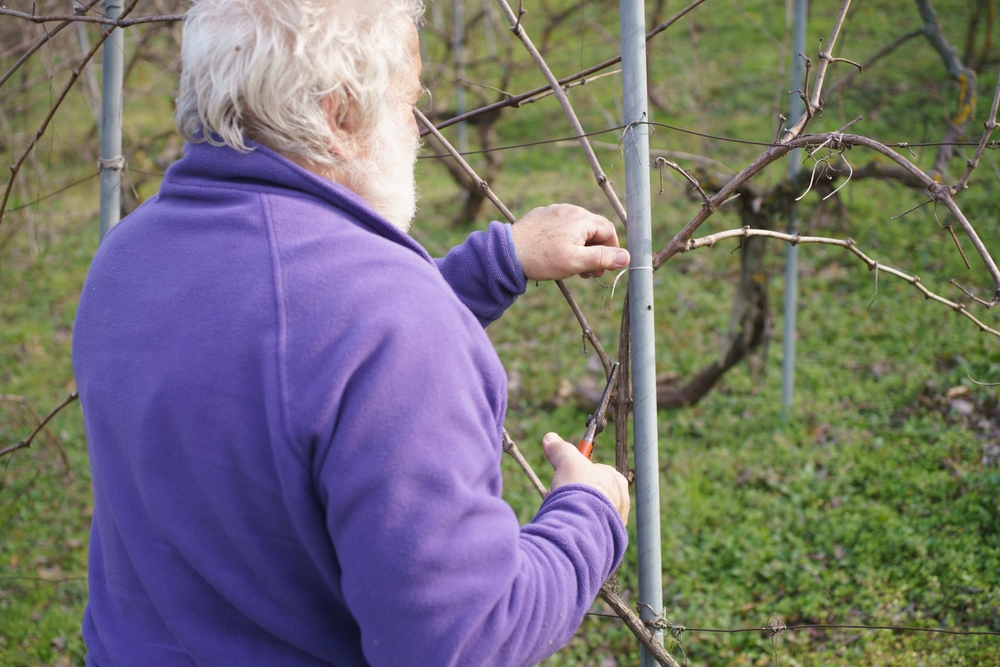
Grapes look shocking the first time you see one properly pruned. There’s almost nothing left. That’s not a mistake; it’s how you get good fruit.
Grapevines carry their fruit on new shoots that grow from last year’s wood. If you leave every cane, you get a tangled mess with lots of leaves and disappointing clusters. If you prune hard while the plant is fully dormant, you concentrate the vine’s energy into fewer shoots and much better grapes.
Most home vines are cut back in late winter, before buds swell and sap really starts to move. That timing reduces the dramatic “bleeding” of sap from fresh cuts and also avoids exposing tender new buds to heavy frost. I normally keep just a few strong canes or spurs, depending on the training system, and shorten last year’s fruiting shoots to short stubs with a handful of buds each. It feels brutal, but the vine doesn’t see it that way – it reacts by pushing strong, fruitful growth in spring.
3. Currants and gooseberries
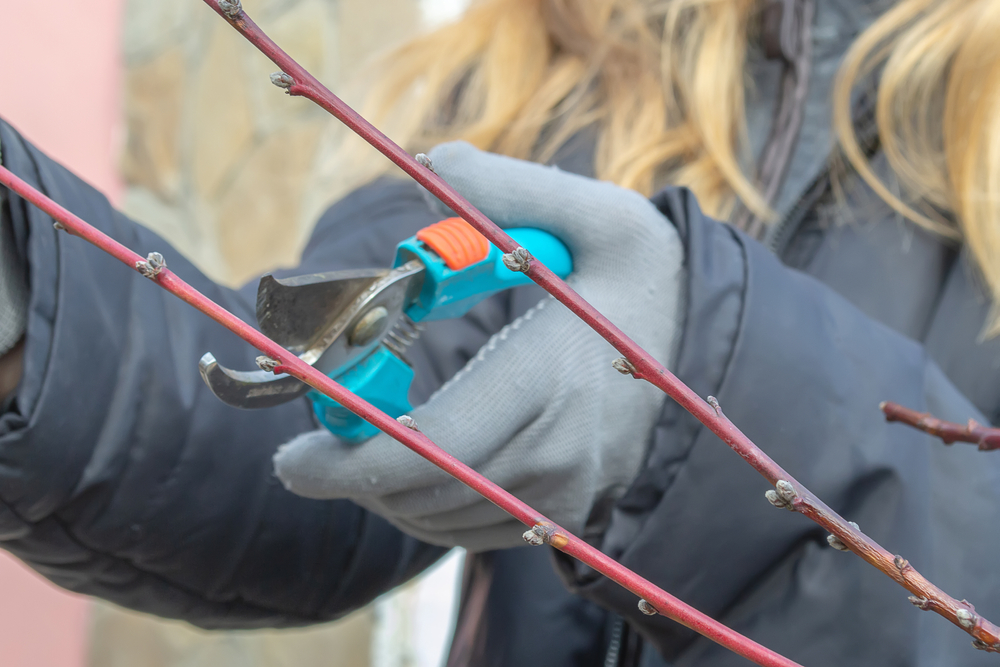
Currants and gooseberries are very forgiving, which is why I love them for beginners. They fruit best on a mix of younger and middle-aged wood, so winter is the perfect time to step back, look at the whole bush, and choose who stays.
I go in and remove any stems that are clearly dead, diseased, or lying on the ground. Then I look for the oldest, thickest, least productive stems and cut a few of those right down at soil level. What I want to keep is a framework of upright, evenly spaced branches of different ages, with plenty of younger shoots that will carry fruit in the next couple of years. You don’t have to turn it into an exact science – if the centre is airy and the plant isn’t a solid thicket, you’re on the right track.
Because they’re so tolerant, currants and gooseberries are also good “practice” shrubs if you’re nervous about pruning in winter.
4. Summer-bearing raspberries and blackberries
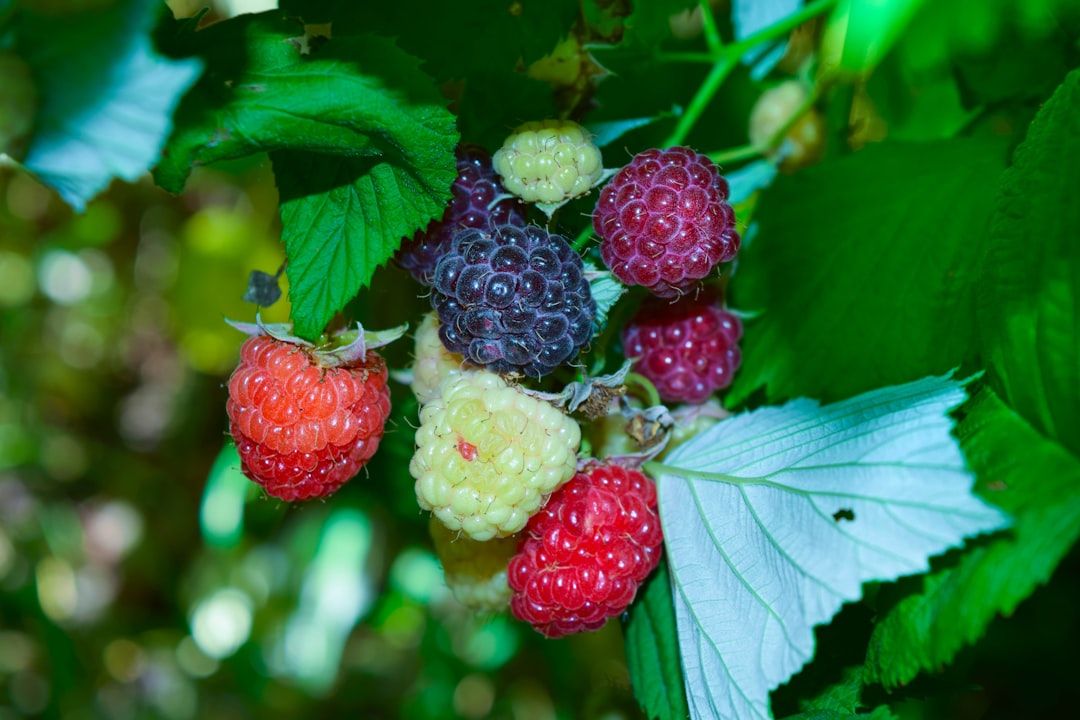
Cane fruits confuse a lot of people, but once you understand how they grow, winter pruning suddenly makes sense. Summer-bearing raspberries and most blackberries run on a simple two-year cycle: first-year canes (primocanes) grow but don’t fruit, then those same canes become second-year canes (floricanes) and carry the crop before dying back.
In winter you can tell the difference. Old fruiting canes look more woody, often still with little dried fruiting side-shoots. Those are the ones you cut right to the ground. The fresh, smoother canes that grew last summer are what you keep, thinning down to a sensible number per plant and tying them to wires or supports. That way, you’re not wasting energy on dead or overcrowded wood, and you get strong new growth and better berries next season.
Fall-bearing (primocane) raspberries are a bit different – many people just mow the whole lot to the ground in late winter and let them re-grow – but the basic idea is the same: winter is cleanup time.
RELATED: Best Blackberry Jam Recipe Ever – No Pectin or Processed Sugar, SUPER Easy
5. Wisteria

If your wisteria is plotting to eat the house, winter is when you regain control.
Wisteria flowers are produced on short spurs that form along older wood, not on the long, whippy growth it throws out in summer. Pruning in two stages works best: a harder prune while it’s dormant, and a light trim in summer. In winter, I work on the basic framework – choosing a few main stems to keep, removing any that are weak or badly placed, and shortening side shoots back to a handful of buds so they can make flowering spurs.
The important thing is not to panic about how much you’re cutting. As long as you’re leaving that older framework wood in place and not sawing the whole thing off at ground level, wisteria can take a surprisingly firm hand in winter and pay you back with better blooms.
6. Shrub and rambling roses (that repeat flower)
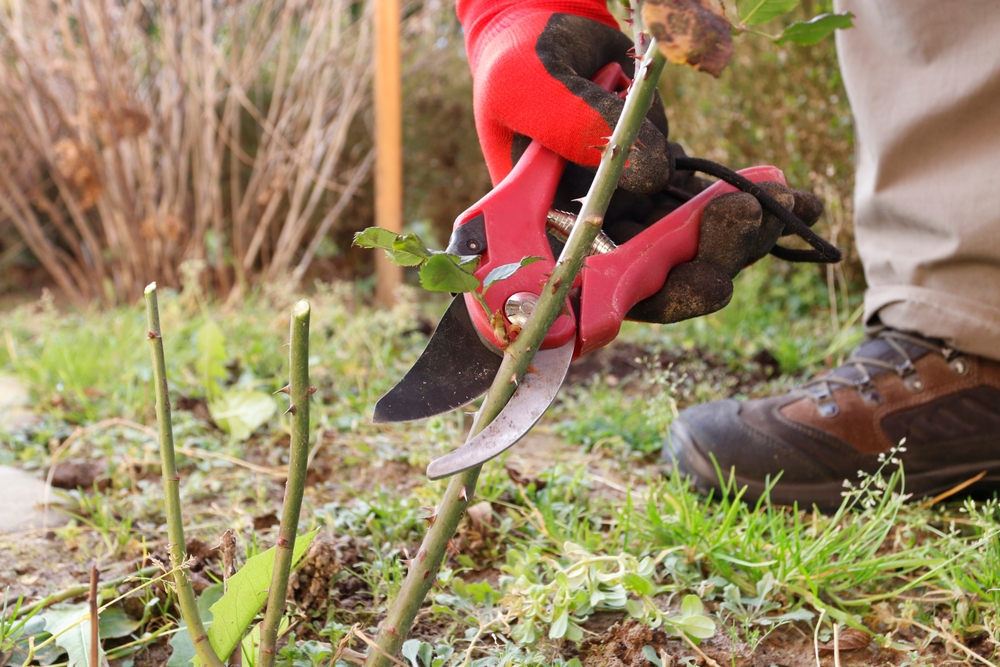
Roses can be fussy, but a lot of repeat-flowering shrub roses and ramblers genuinely benefit from a tidy while they’re dormant. I’m talking about the ones that bloom on new growth through the summer, not the once-blooming old garden roses that only flower on last year’s wood.
Late winter, I go through and cut out any dead, blackened, or obviously diseased stems first. Then I remove the ones crossing and rubbing, and thin congested centres so air and light can move through. Finally, I shorten the remaining canes to a sensible height so the whole shrub doesn’t rock in the wind or flop all over the path once it’s in leaf. That winter clean-up encourages strong new flowering shoots once temperatures warm up.
The key is knowing what you have. If you know a particular rose only flowers once in early summer and then stops, treat it like the lilac section down below and prune it right after flowering, not now.
7. Panicle and smooth hydrangeas (but not all hydrangeas)
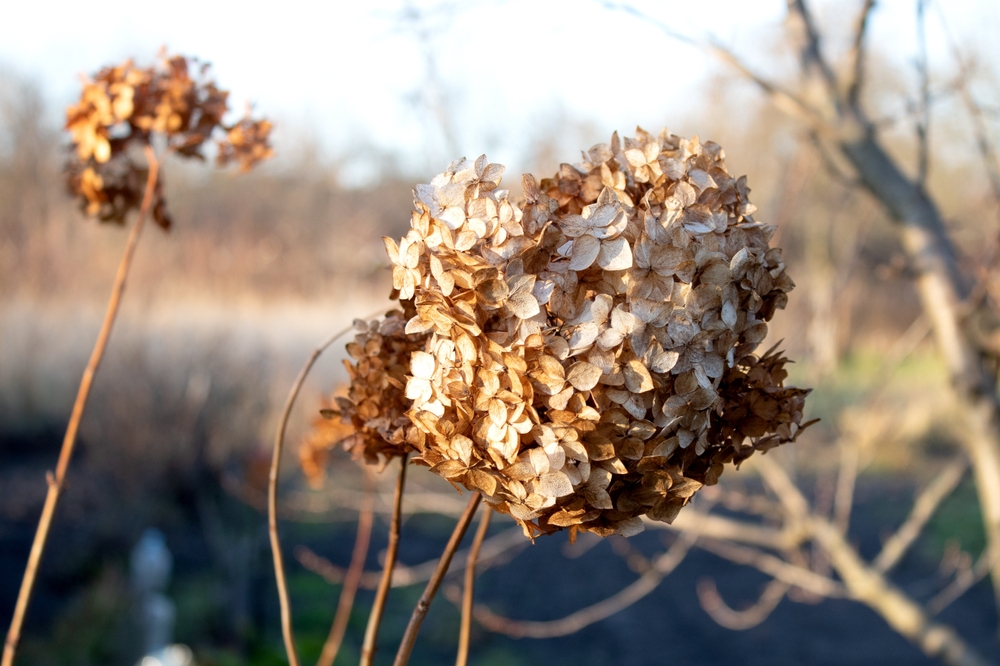
Hydrangeas are where a lot of people lose an entire season of flowers with one over-eager winter session. The trick is working out which type you have.
Panicle hydrangeas (Hydrangea paniculata – the cone-shaped blooms like ‘Limelight’) and smooth hydrangeas (Hydrangea arborescens – think ‘Annabelle’) bloom on new wood. That means they make their flower buds on the growth they put out in spring, not on last year’s stems. Those ones are very happy being pruned in late winter or early spring.
I usually take them down by about a third to half, cutting just above strong outward-facing buds, and every few years I remove a couple of the oldest, thickest stems right at the base. That keeps them from turning into woody monsters and gives you sturdier stems that don’t flop under the weight of big flower heads.
Bigleaf and oakleaf hydrangeas are a completely different story – they’re in the “don’t touch in winter” group we’ll get to in a minute.
8. Rose of Sharon (hardy hibiscus shrub)
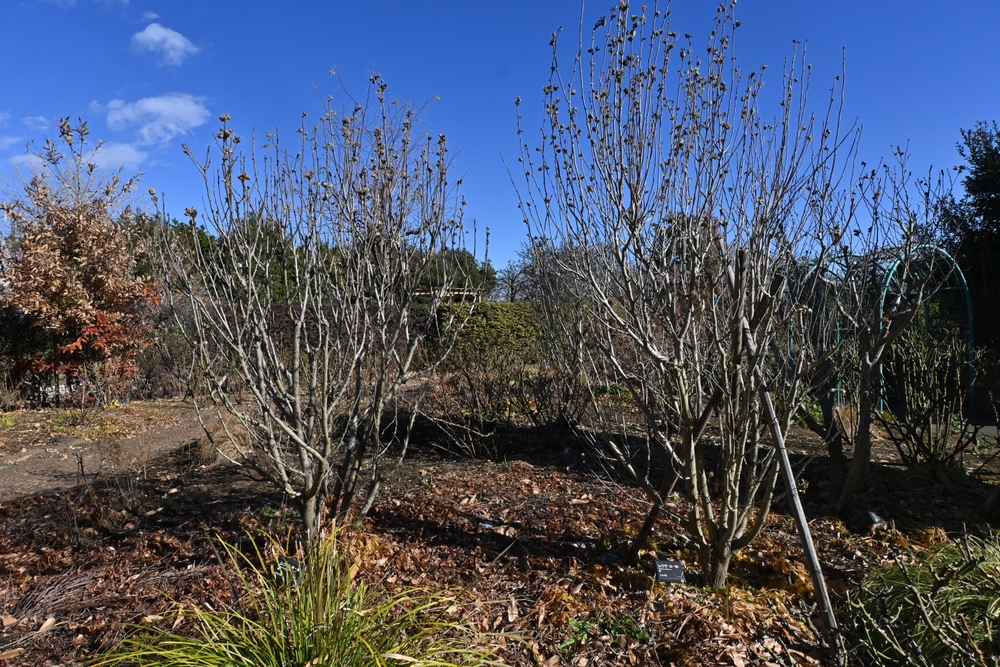
Rose of Sharon (the woody hibiscus shrub, not the tropical kind) flowers on new wood in late summer. That makes it a great candidate for late-winter pruning.
When it’s dormant, you can see all the bare bones of the plant. I take out any dead or crossing branches first, then shorten the remaining stems by about a third. That keeps the shrub from getting leggy and bare at the bottom, and it encourages a flush of new shoots that will carry flowers in the coming season. Done regularly, this simple winter trim keeps Rose of Sharon blooming heavily without turning into a lanky tree.
RELATED: Gardening Supplies You Should Stock Up On In Winter Before the Spring Price Hike
9. Dogwoods and willows grown for their coloured stems
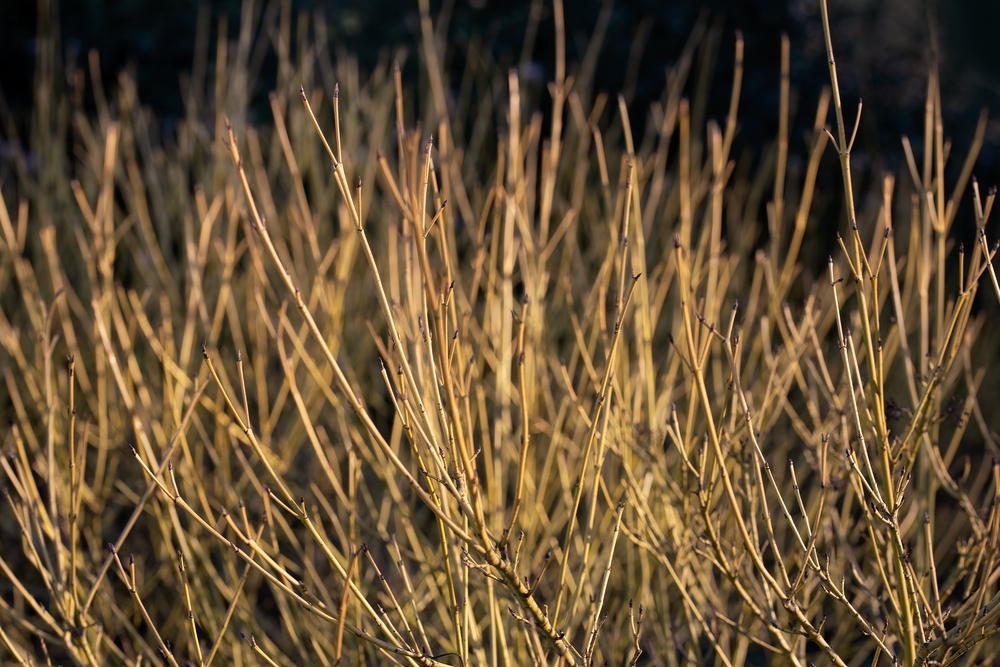
Those bright red, orange, or yellow stems you see glowing in winter gardens are usually young shoots on certain dogwoods and willows. As the stems age, the colour fades. The way to keep that show going is counter-intuitive: you cut them hard.
In late winter, before growth starts, you can either cut all the stems down close to ground level every couple of years, or you can remove a good portion of the oldest stems and leave younger ones standing. Either way, the plant responds by throwing up lots of new, brilliantly coloured shoots for next winter. It’s a tiny bit like coppicing – you’re trading height for a repeat shot of intense colour.
I like to leave a few older stems each time so the shrub doesn’t look completely flattened while it’s regrowing, but you can be much bolder with these than you might think.
RELATED: How to Make Powerful Natural Rooting Hormone From Willow
10. Group 3 clematis (the late summer crowd)
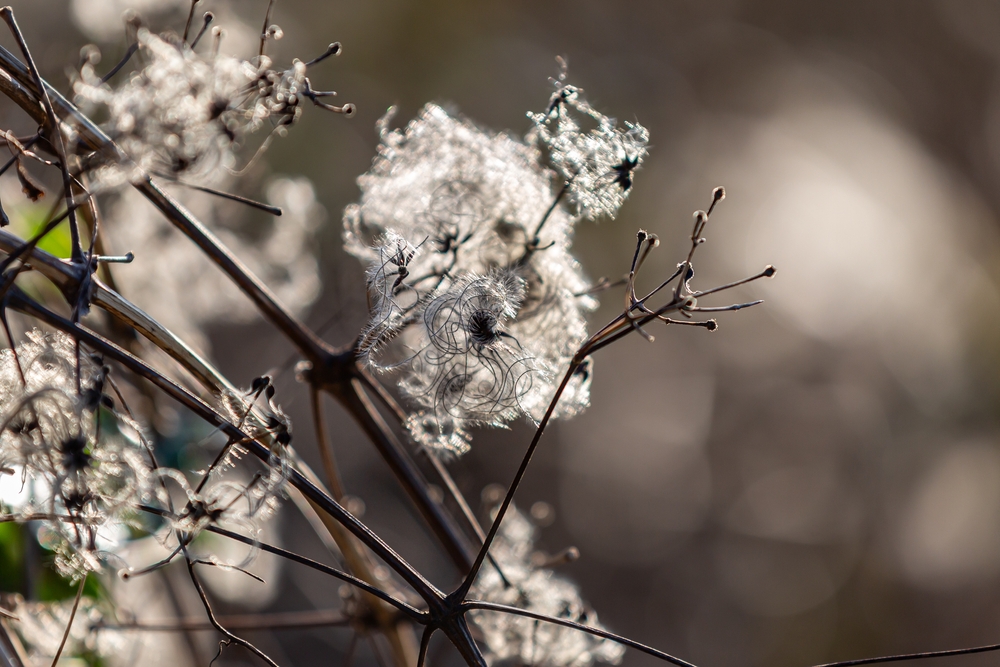
Clematis pruning sounds fussy until you realise it mostly comes down to when they flower. Group 3 clematis are the late summer and early autumn types; they bloom on new growth that appears that year. That means you can safely cut them hard in late winter without losing flowers.
When everything is dormant, I cut all the stems of Group 3 clematis back to a pair of strong buds about 12–18 inches from the ground and remove any dead, stringy bits. They look shocking for about five minutes. Then spring comes, and they rocket back up, full of flowers, and you remember why the hard prune was worth it.
If your clematis flowers in early spring instead, it’s almost certainly not Group 3 – tuck it into the “don’t prune now” mental bucket until you’ve checked which type it is.
11. Most deciduous shade trees (for basic clean-up)
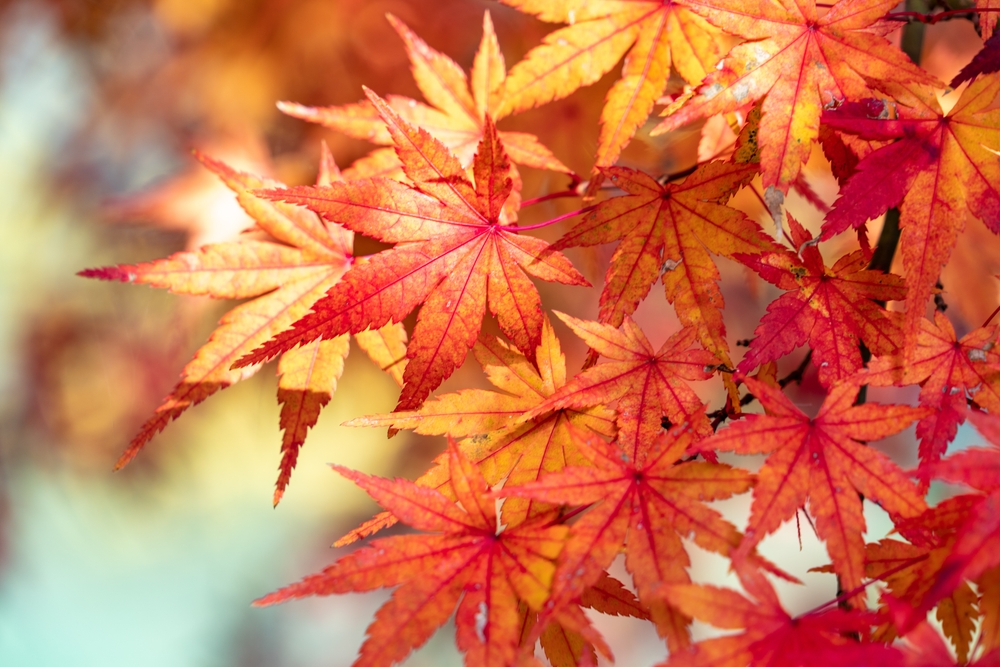
For everyday maples, ashes, lindens, and similar shade trees, winter is a good time for light, sensible pruning. The sap isn’t rushing, there are no leaves in the way, and you can see where branches rub or are clearly dead.
On small trees you can comfortably reach from the ground, I treat winter as housekeeping. I remove dead or broken branches, thin out twigs that are obviously rubbing and causing wounds, and lift or shorten low branches that are always in your face when you mow.
What I don’t do is hack out big limbs “for fun” in winter. Trees rely on stored energy in those branches to get through the cold and push new growth in spring. Over-pruning dormant trees can weaken them; a few deliberate cuts are plenty.
12. Fig trees in cooler climates
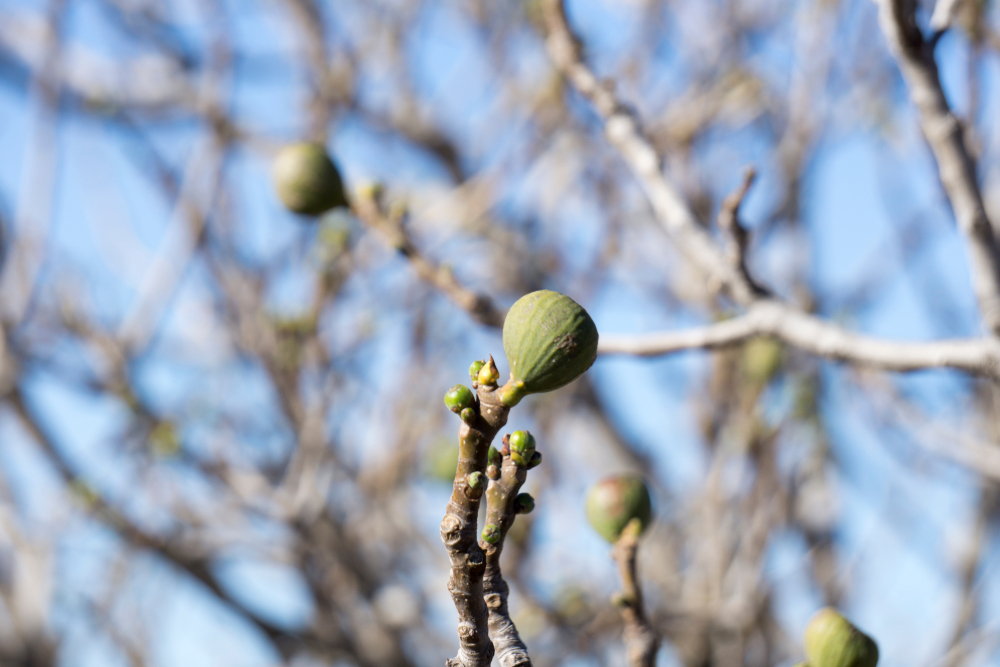
If you’re in a cooler climate where figs get nipped back by frost anyway, winter is a good time to tidy and shape them. Once the leaves have dropped, it’s much easier to see where branches cross, which ones are damaged, and which ones just make picking awkward.
On my figs, I remove any dead or obviously frost-killed wood, take out crossing branches, and shorten very long limbs to keep the tree at a height where I can actually harvest fruit without a circus act. Hard pruning in late winter tends to push a lot of fresh growth, so if you already have a young, vigorous fig, go gentler and spread the shaping over a couple of years rather than scalping it in one go.
In really cold areas, you might also use winter to wrap or protect figs instead of pruning heavily – the priority there is survival first, neat shape second.
RELATED: Gardening Tasks You Should Finish Before January
6 plants you shouldn’t prune in winter
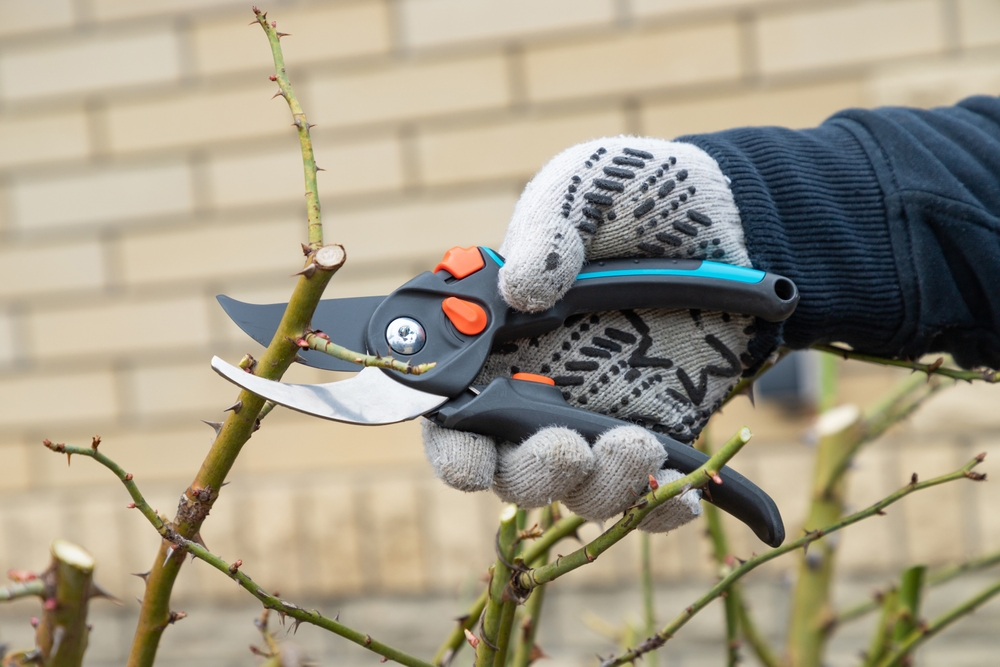
Now for the touchy ones. These are the plants that look scruffy in winter, beg you for a haircut, and then punish you by refusing to flower if you give in.
1. Lilac, forsythia, and other spring shrubs that flower on old wood
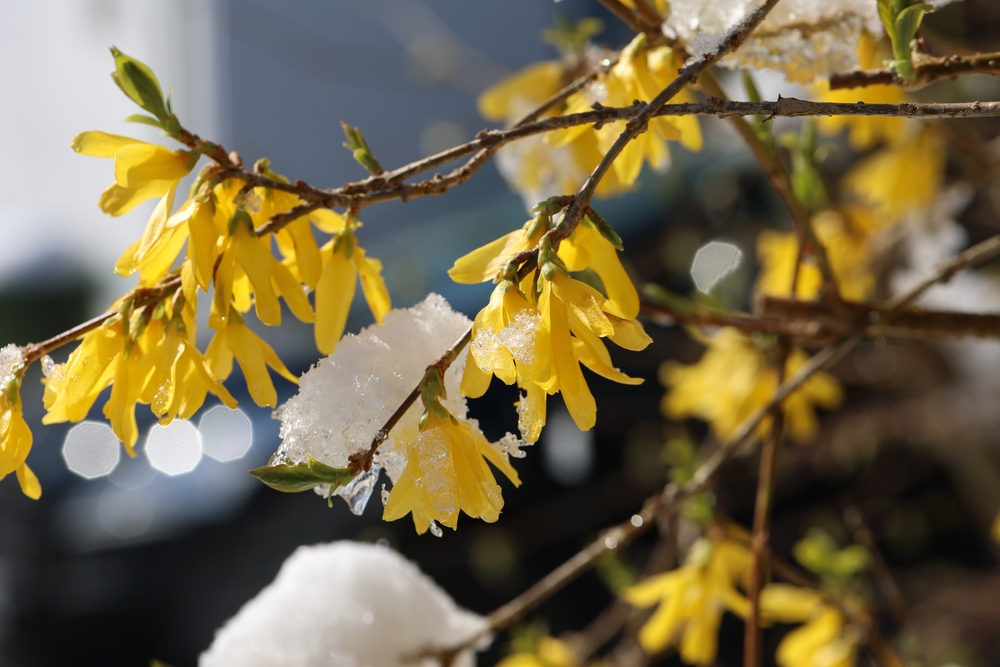
This is the mistake most of us make once.
A lot of spring-flowering shrubs, including lilacs, forsythia, mock orange, many viburnums, weigela, and a long list of others, carry their spring blooms on buds formed the previous summer on old wood. If you prune them in winter, the plant itself will be fine… but you’ll remove most of those flower buds and get a lot of leaves instead of blossom.
The rule for these is simple: prune them right after they finish flowering, ideally before midsummer. That timing gives the shrub plenty of time to grow new wood and set fresh buds for the following spring. In winter, limit yourself to removing genuinely dead or broken stems and leaving the rest alone, even if it looks tempting.
2. Bigleaf and oakleaf hydrangeas
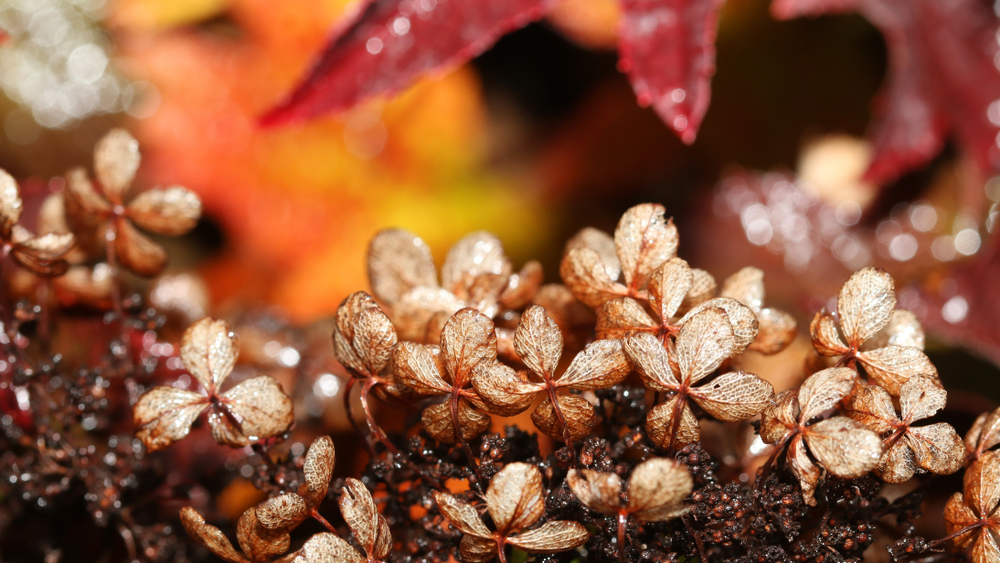
These are the hydrangeas that get more gardeners swearing than just about anything else.
Bigleaf hydrangeas (the mophead and lacecap types, Hydrangea macrophylla) and oakleaf hydrangeas (Hydrangea quercifolia) both make their flower buds on old wood – shoots that grew the previous season. If you shape or shorten them in fall or winter, there’s a very good chance you’ll remove those buds and end up with a healthy green shrub and no blooms.
Over winter, I mostly focus on protecting these rather than cutting them. In cold climates, that means a good mulch over the root zone and, if you’re really keen, some loose burlap or leaf protection over the lower buds. Any serious pruning waits until just after they’ve flowered, and even then I’m careful to thin only a few old stems each year rather than “tidying” them into little balls.
3. Early-flowering and Group 2 clematis
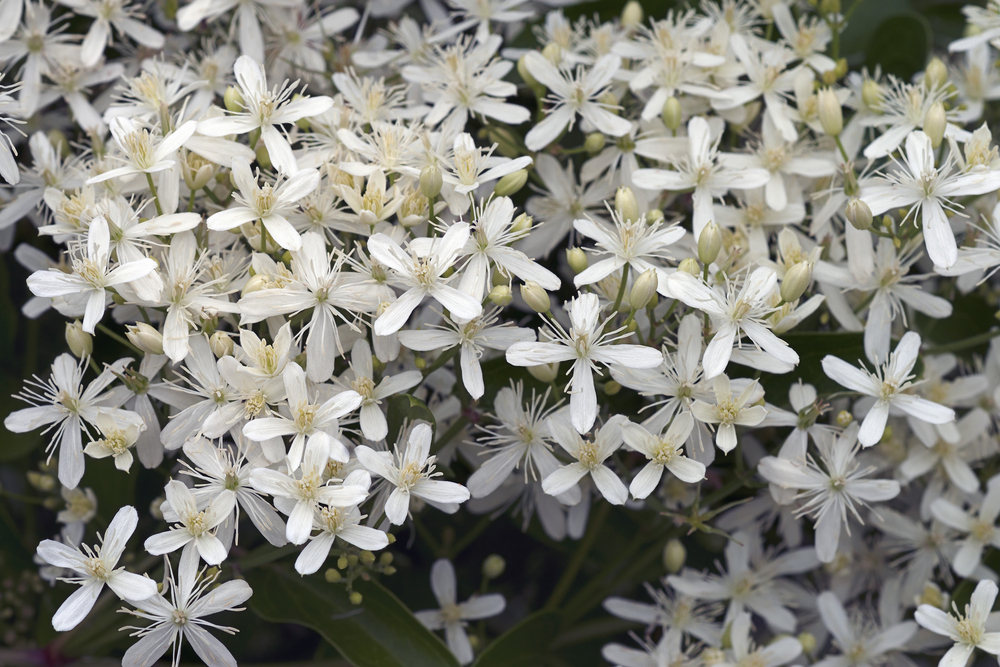
Clematis are divided into groups for a reason, and this is it.
Group 1 clematis (like C. montana and alpina) flower in spring on old wood. Group 2, the big showy large-flowered hybrids, bloom mainly on last year’s growth, then sometimes again later in the season on new shoots. If you chop either of these hard in winter, you’ll usually take off most of the flowering wood.
For these, the safe rule is: prune just after the main flush of flowers, if you need to shape them, and be light-handed. In winter, you can go in and gently remove dead, obviously broken, or badly tangled stems, but leave the overall framework in place. If your clematis reliably flowers in May or June, treat it as “no winter pruning” until you’ve checked which group it falls into.
4. Most evergreens
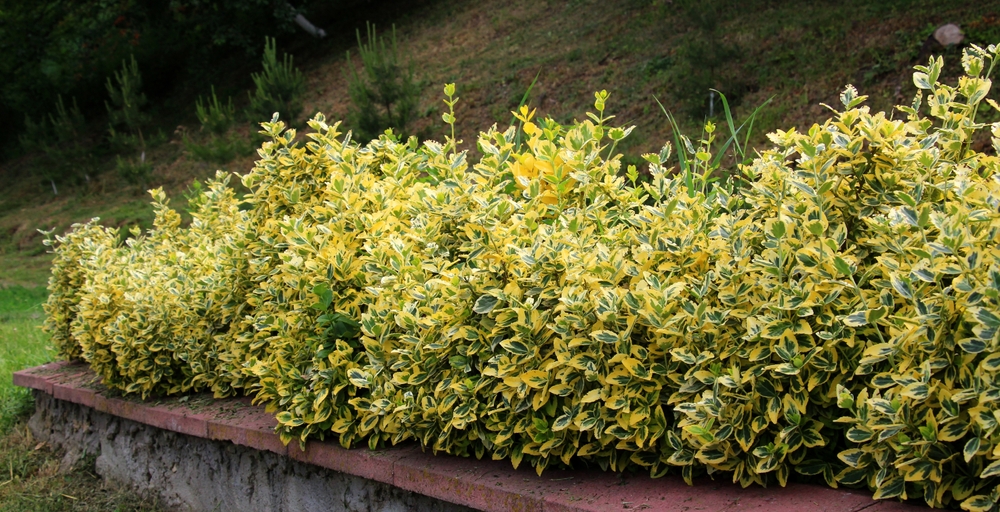
Evergreen shrubs and trees stay active in a low-level way all winter. They’re still losing water through their leaves or needles, even when the ground is frozen. Heavy pruning at this point exposes more inner foliage to wind and sun, and can make winter burn worse. It also removes stored energy that the plant is relying on to get through to spring.
Most guidance says that if evergreens need shaping, the best time is mid to late spring, once the worst frosts are past and new growth is just starting. That way, any stimulated shoots have a chance to harden off before next winter. In the actual cold months I stick to one thing only: removing truly dead, broken, or dangerous branches. Anything else waits.
5. Lavender
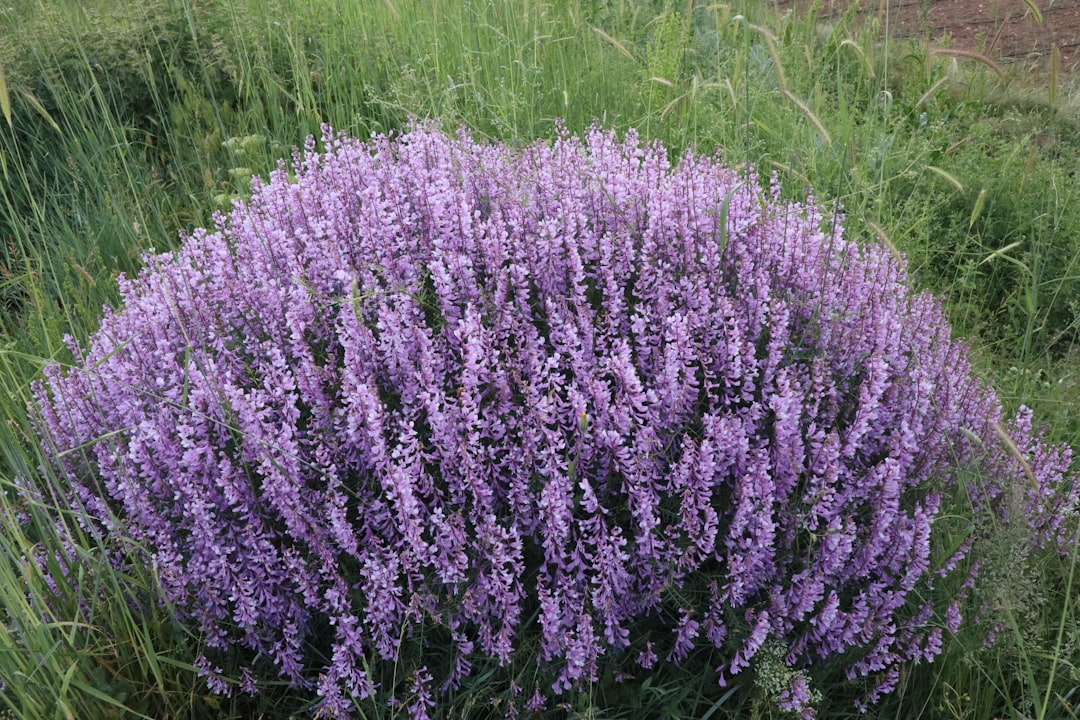
Lavender looks like it would enjoy a winter manicure, but it’s surprisingly easy to kill with the wrong cut at the wrong time.
It doesn’t like being cut back into old, bare wood, and it doesn’t appreciate being pushed into tender new growth just before a freeze. Many growers in cooler climates aim to do their main prune right after flowering in late summer, shaping plants into neat mounds while there’s still warmth for them to respond and heal.
Through winter I mostly leave lavender alone. Once I can clearly see where fresh green growth is emerging in spring, I’ll go in and trim back any obviously dead tips or winter damage. But the big “make it pretty” haircut belongs to the warm side of the year, not the icy one.
6. “Bleeding” trees like Japanese maple, birch, and walnut
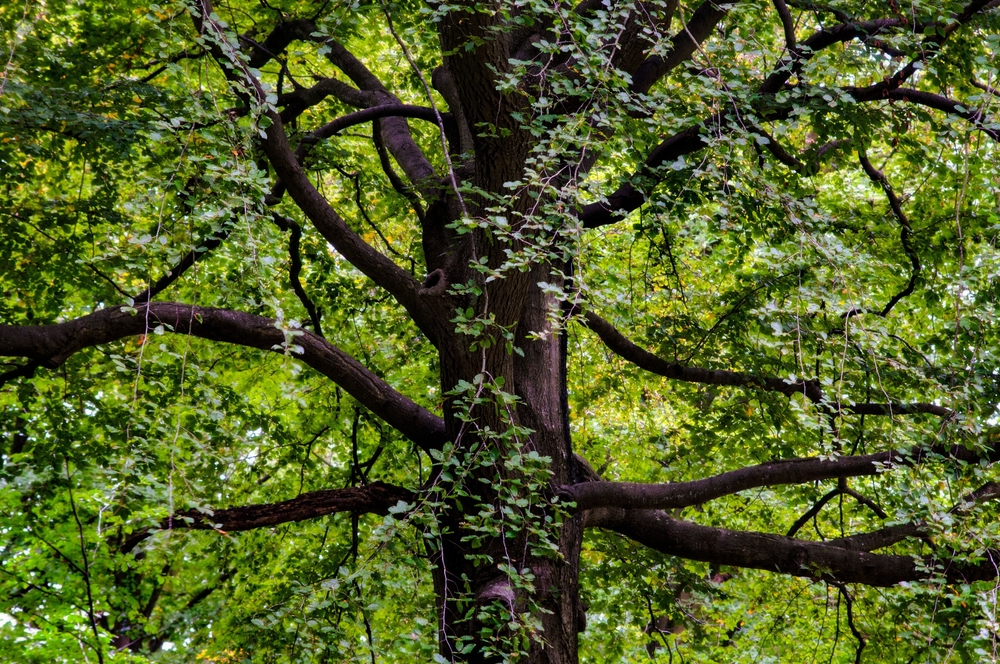
Some trees naturally ooze a lot of sap if you prune them at the wrong moment. Japanese maples, birches, and walnuts are famous for it. It looks dramatic – sap pouring down the trunk – and while it isn’t always fatal, it can stress the tree and isn’t something I like to see if I can avoid it.
The usual advice is either to prune them very early in winter while they are fully dormant, before sap starts to rise, or to wait until midsummer, after the main spring flush. For a home gardener, especially if you’re unsure of timing or the tree’s health, the safest winter policy is to stick to removing genuinely dead or hazardous branches and leave any non-urgent reshaping to the recommended window for that species.
A quick gut-check before you cut anything
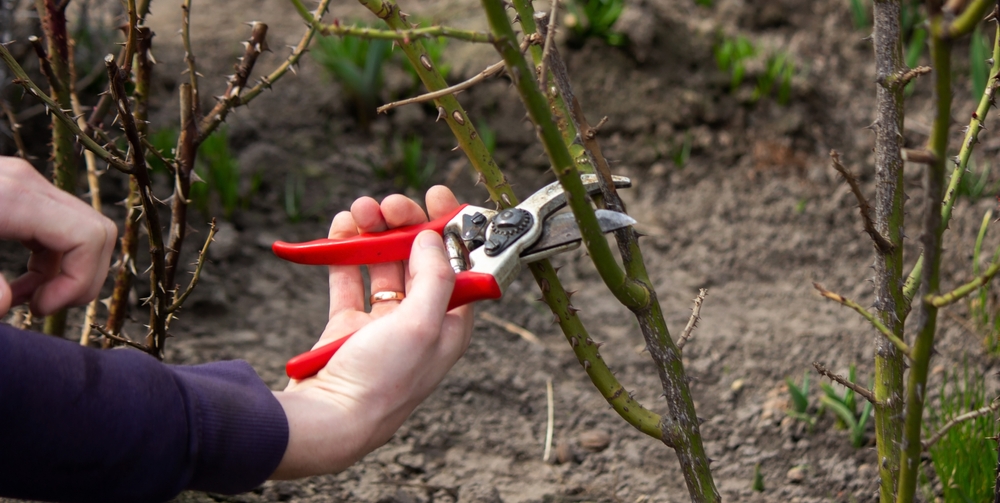
When you’re out there with pruners in hand, a simple little checklist keeps you out of trouble:
If it flowers in spring on last year’s wood, assume you don’t prune in winter except for dead or dangerous bits.
If it flowers in summer on new growth, it’s more likely to be a good candidate for a late-winter tidy.
And if you’re ever standing there thinking, “I’m not actually sure what this is,” it’s absolutely fine to walk away, look it up, and come back another day. Plants are patient. They’d rather you pause and check than take a wild swing and remove their whole reason for existing – the flowers and fruit – for a year.