Affiliate disclosure: This post may contain affiliate links. Please see full disclosure.
By the time December rolls around, most gardens look sleepy and done. But under all that quiet, you’ve still got a lot of power to shape how next year goes. I’m a master gardener who specializes in organic growing and permaculture. It’s how I keep my garden and the environemnt around me healhy and safe, and how I grow a lot of edible and medicinal plants to keep my family fed.
But before I really knew how to care for my garden, I used to shut the gate after the first hard frost and ignore everything until seed catalogs showed up. In spring, I’d “mysteriously” get more weeds, more diseases, and more work. Turns out winter is when you set the stage: either for an easier, healthier garden or for another year of fixing avoidable messes.
These are twelve jobs I try to finish before January so the garden can rest properly and wake up ready to go.
1. Take a slow walk and write down what actually happened

Before you pull a single dead stem, walk the garden.
Look at where things thrived, where they sulked, where pests went wild, and where water sat too long. Then write it down somewhere you won’t lose: a notebook, a notes app, the back of an envelope taped inside a shed door.
The reason to do this before January is simple: your memory is lying to you. By March, you’ll swear the tomatoes “did fine” everywhere and you’ll forget that one bed was basically a slug buffet. Cold air also pools in low spots, so if you notice frost hanging around one area longer than the rest, that’s important. Next year, you don’t want your earliest tomatoes in a frost pocket.
Future you is going to be so much happier if present you leaves a quick, messy winter report.
2. Pull the sick stuff and bin it, not the whole garden
Now deal with the truly gross plants.
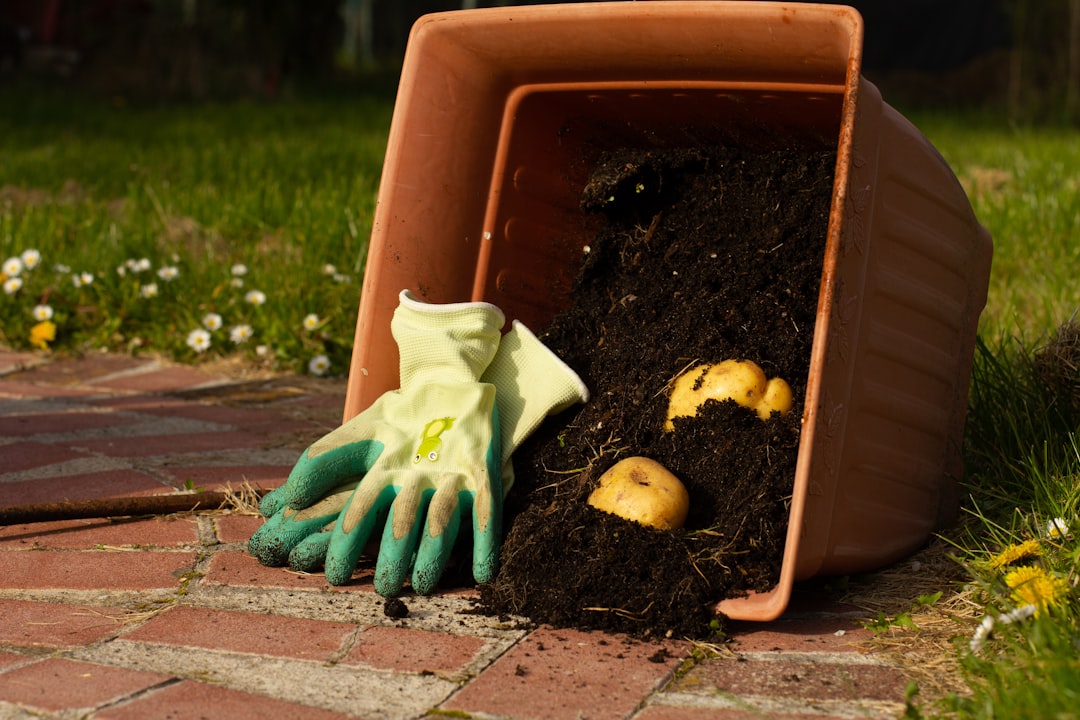
Anything that was clearly diseased or pest-ridden needs to go: blighted tomatoes, powdery squash vines, brassicas that ended the season gray and fuzzy with aphids, beans with rusty spots. Yank them out, roots and all, and send them to the trash if you’re a normal composter. Unless you run a hot, well-managed pile, a lot of those spores and eggs survive backyard composting.
You don’t need to strip the whole place bare, though. Healthy seed heads, dry stems, and fallen leaves around perennials can stay. They give shelter to ladybugs, solitary bees, lacewings, and all the little predators you want on your side. The goal here is simple: remove next year’s disease and pest nurseries, but leave winter housing for your garden allies.
3. Cover your soil so it doesn’t get beaten up all winter
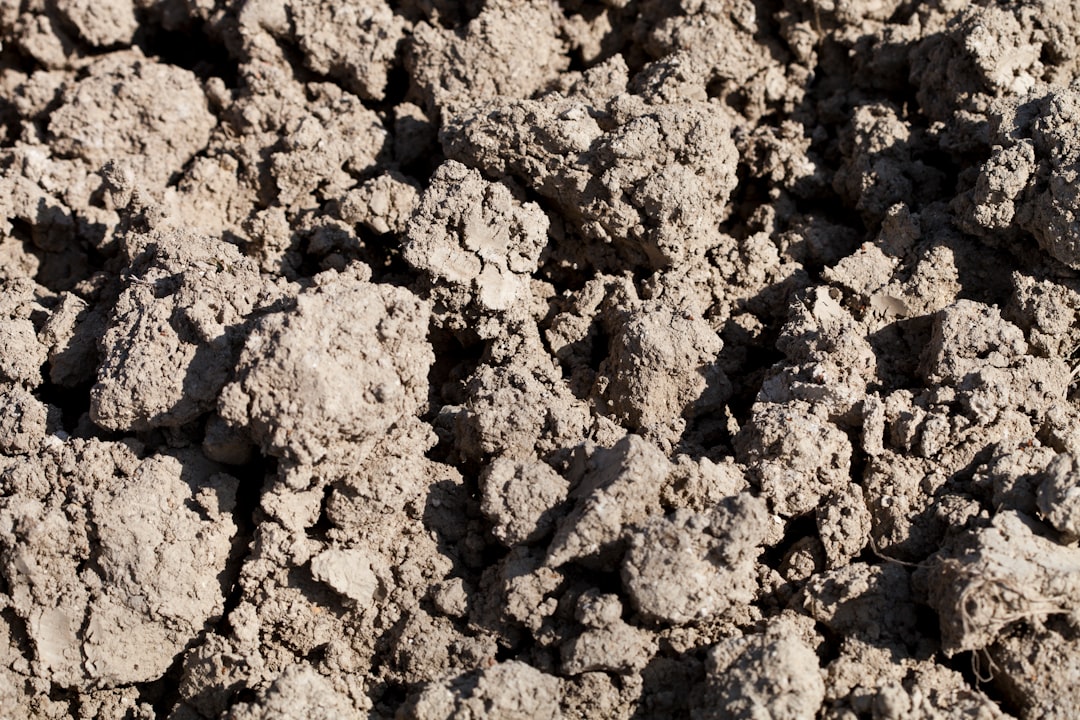
Bare soil looks tidy. It’s also kind of abused.
All winter, rain and snowmelt slam into unprotected ground. That washes away fine particles, compacts the surface, and disrupts the little soil tunnels that earthworms, beetles, and roots have created. By spring, you end up with a crusty top layer and poorer structure.
Before January, aim to get a soft blanket on most beds. Shredded leaves, straw, pine needles around acid-lovers, or a thin layer of compost with leaves on top all work. You’re not trying to smother the earth, just give it a winter coat. That cover buffers the freeze–thaw cycle, keeps soil life a little more stable, and helps moisture soak in instead of bouncing off.
Think of it as tucking the garden in so it wakes up rested instead of hungover.
4. Protect perennials and shrubs from wild temperature swings
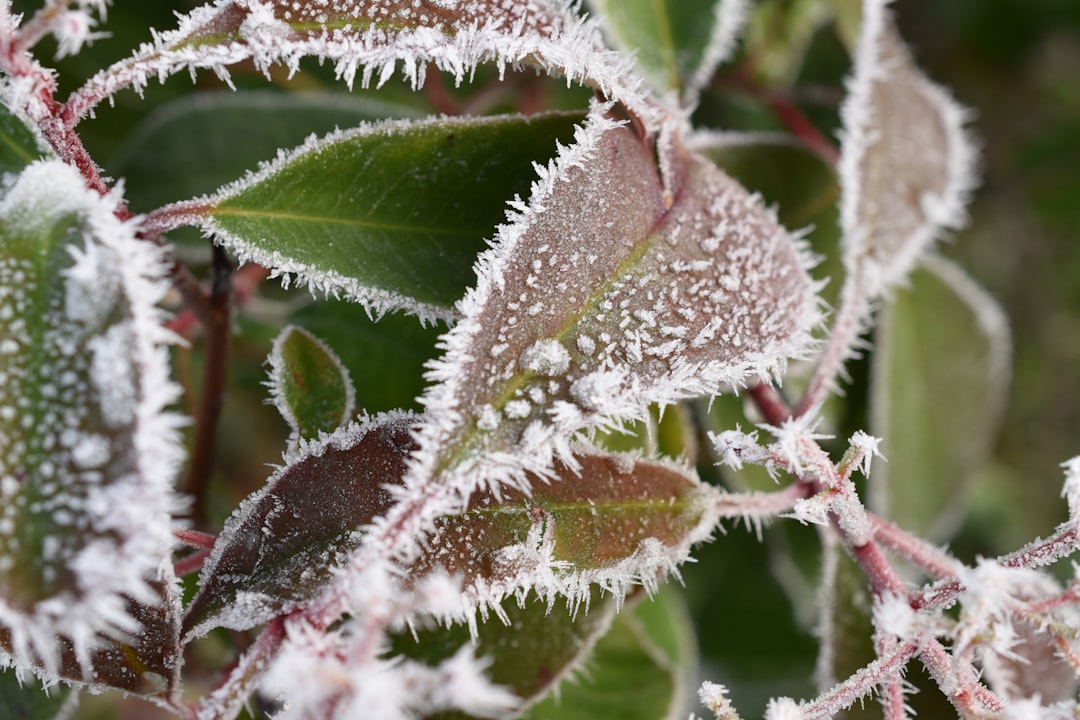
Perennials and shrubs can handle cold. What really beats them up is the “warm–freeze–warm–freeze” rollercoaster.
When the soil keeps thawing and refreezing, roots and crowns get heaved up. That exposes them to air, dries them out, and sometimes kills them outright. Before January, check all your perennials and smaller shrubs. If you can see roots, crown, or the soil looks like a cracked, lifted puzzle, press things gently back down and add a fluffy mulch ring.
For more tender plants, add an extra layer over the root zone. Don’t pile mulch right up against stems or trunks; leave a small gap so you’re not holding moisture against the bark. In windy spots, you can also hammer in a few stakes and wrap burlap loosely around shrubs to cut the wind. You’re not trying to create a sauna, just a slightly calmer microclimate so those plants don’t get whiplash from every cold front.
5. Give your tools a “spa day” so they last longer
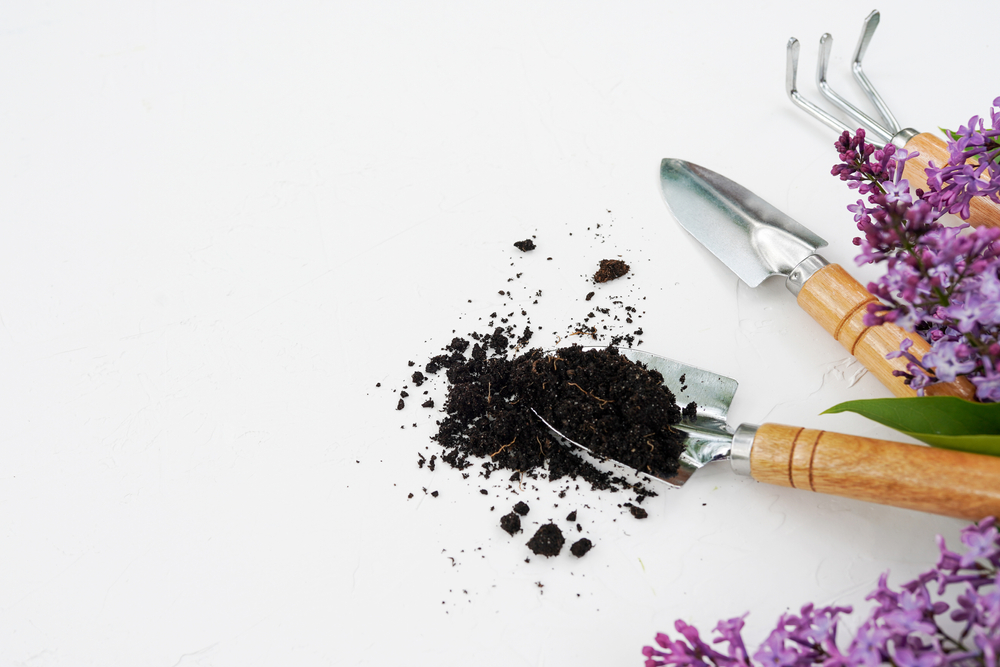
Winter is when tools quietly die of neglect.
If you can, pick one afternoon before January and deal with the whole pile. Clean off mud and sap with warm water and a scrubby pad, dry everything well, and then sharpen blades on pruners, loppers, hoes, and shovels. Even a simple hand file makes a huge difference. Dull blades crush plant tissue instead of slicing it, which makes pruning wounds slower to heal and more likely to invite disease.
Once they’re sharp, wipe metal parts with a thin film of oil to slow rust. Wooden handles appreciate a quick rub-down with an oil, too, so they don’t crack and splinter. Then store tools off the ground in a dry spot. It feels fussy while you’re doing it, but in spring when you grab clean, sharp tools instead of a sticky, rusty mess, you’ll be glad past you bothered.
6. Drain hoses and protect taps before they burst
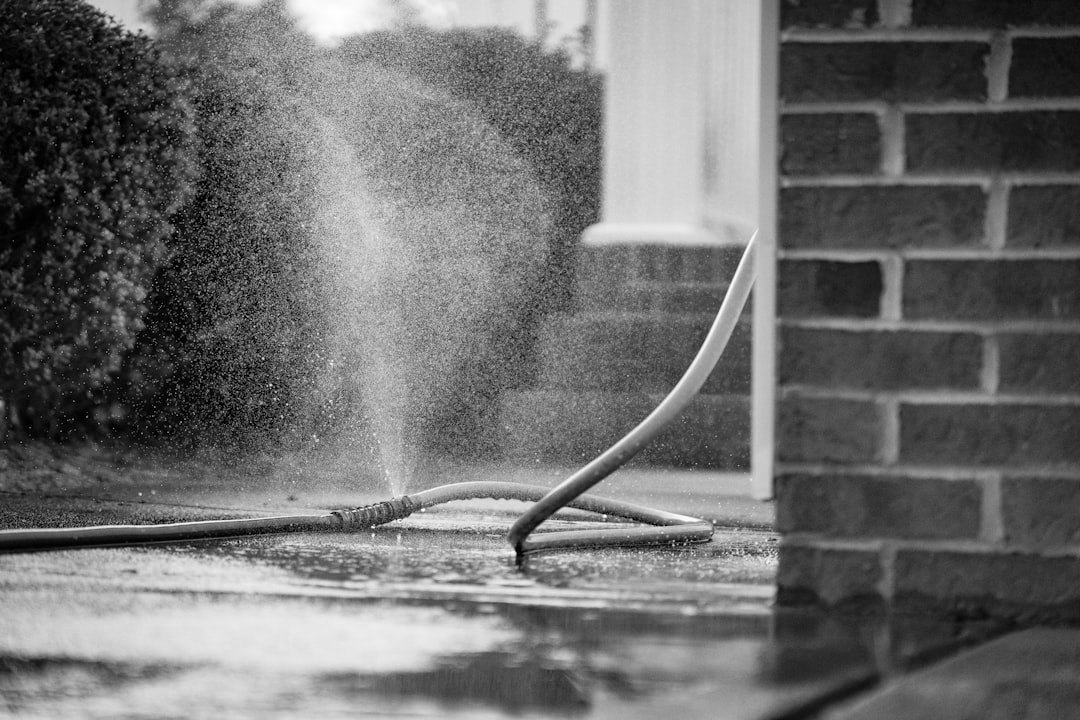
Frozen water expands. That’s all you need to know to understand why hoses and fittings explode in winter.
Before serious hard freezes settle in, disconnect hoses from outdoor faucets, stretch them out, and let as much water drain as possible. Coil them loosely and store them somewhere out of direct weather if you can. Leaving a hose attached to a faucet can hold water in the fixture and in the pipe just inside the wall. When that freezes and expands, you’re looking at a very annoying plumbing bill.
If you have an outdoor tap that isn’t frost-proof, use an insulated cover. If you have drip lines or irrigation, drain those runs as well. It’s not glamorous, but it’s one of those “five minutes now or hundreds of dollars later” jobs that really should be done before January.
7. Deal with your leaves like free fertilizer, not trash
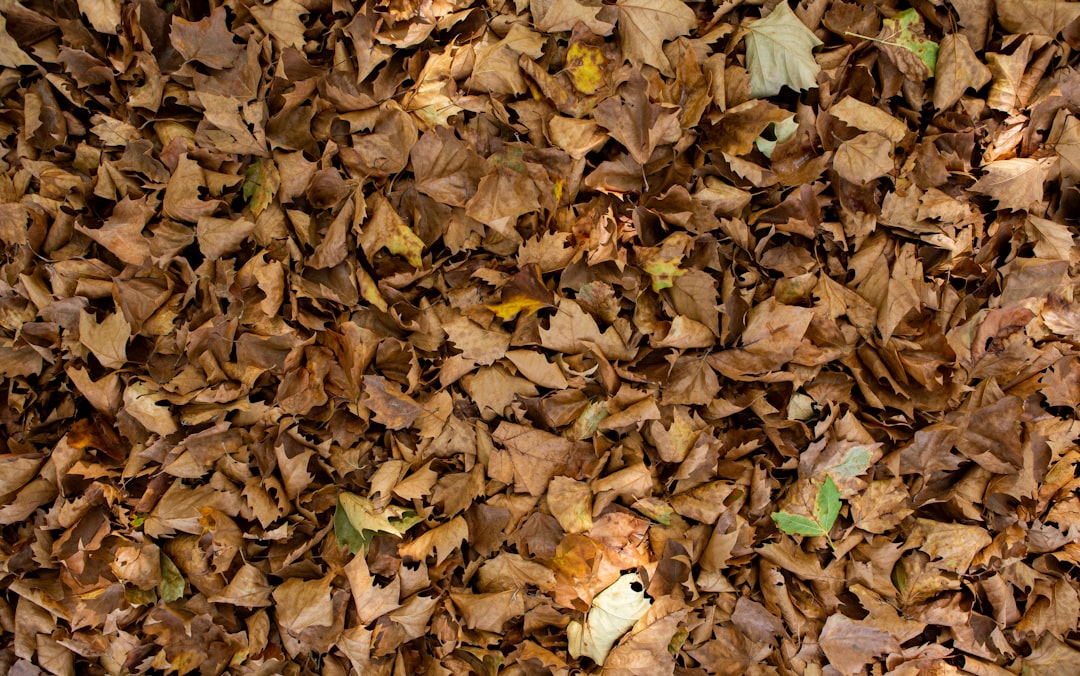
If you still have mountains of leaves hanging around, they’re not a problem, they’re future soil.
Instead of bagging them up, chop them with a mower and spread them on beds as a mulch layer. Shredded leaves break down faster and are less likely to form a slimy mat. If you have more than your beds can handle, pile them somewhere out of the way to make leaf mold. That’s just a fancy name for rotted leaves, and it makes a gorgeous, crumbly soil conditioner in a year or two.
The nerdy bit: leaves are carbon-rich, and soil microbes love slowly feeding on that carbon. As they work through it, they build soil structure and help lock nutrients in place. The only time to be picky is on lawns and small, delicate plants. A thick layer of whole, wet leaves can smother grass and low-growing perennials, so either thin it out or shred it first.
8. Test and tweak your soil while everything’s asleep
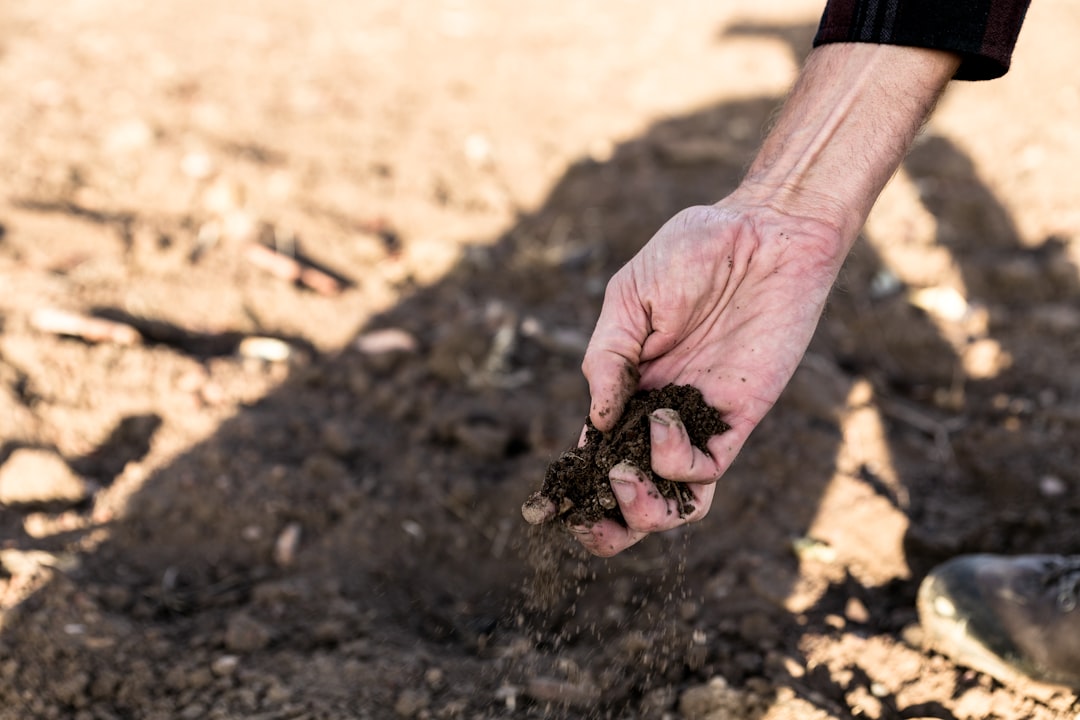
Winter is a sneaky good time for soil testing.
If you can send a sample to a local extension lab or use a reliable mail-in service, do that before January. You’ll get information on pH and major nutrients, and you’ll have weeks to think about what to correct before planting time. Some amendments, like lime to raise pH or sulfur to gently lower it, work slowly. Putting them down in winter gives them time to react in the soil.
Even if you don’t test, you can still top-dress beds with compost. Spread a thin layer over the surface under that mulch you added earlier. You’re not digging it in; worms and water will gradually carry those nutrients down. The soil food web doesn’t stop just because it’s cold. Microbes slow down, but they’re still ticking over, breaking things down and making nutrients more available for spring roots.
9. Prune the right things, leave the wrong things alone
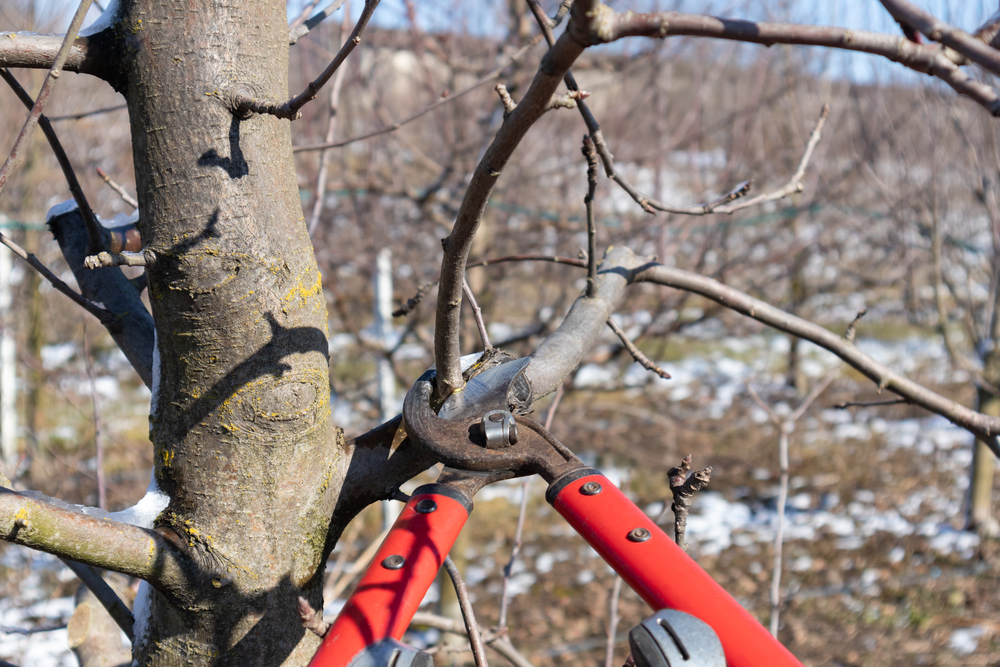
Winter makes pruning both easier and trickier.
On the easy side, deciduous trees and shrubs show their structure once the leaves are gone. It’s a good time to take out dead, damaged, or crossing branches on many plants. You can also shape some shrubs lightly so they don’t explode into wild chaos next year. Fruit trees often get their main structural pruning in winter, but it’s worth checking what your specific varieties prefer.
On the tricky side, some plants bloom on old wood, meaning they set next year’s flower buds the previous season. If you prune them hard in winter, you’re basically cutting off the flowers you were looking forward to. Hydrangeas, lilacs, and some spring-flowering shrubs fall in this category. So before you go snipping, double-check what you’re dealing with. The safe rule: dead, diseased, and damaged wood can always go. Major reshaping should wait until you know how that species behaves.
10. Give fruit trees and berry bushes a clean-up and a boost
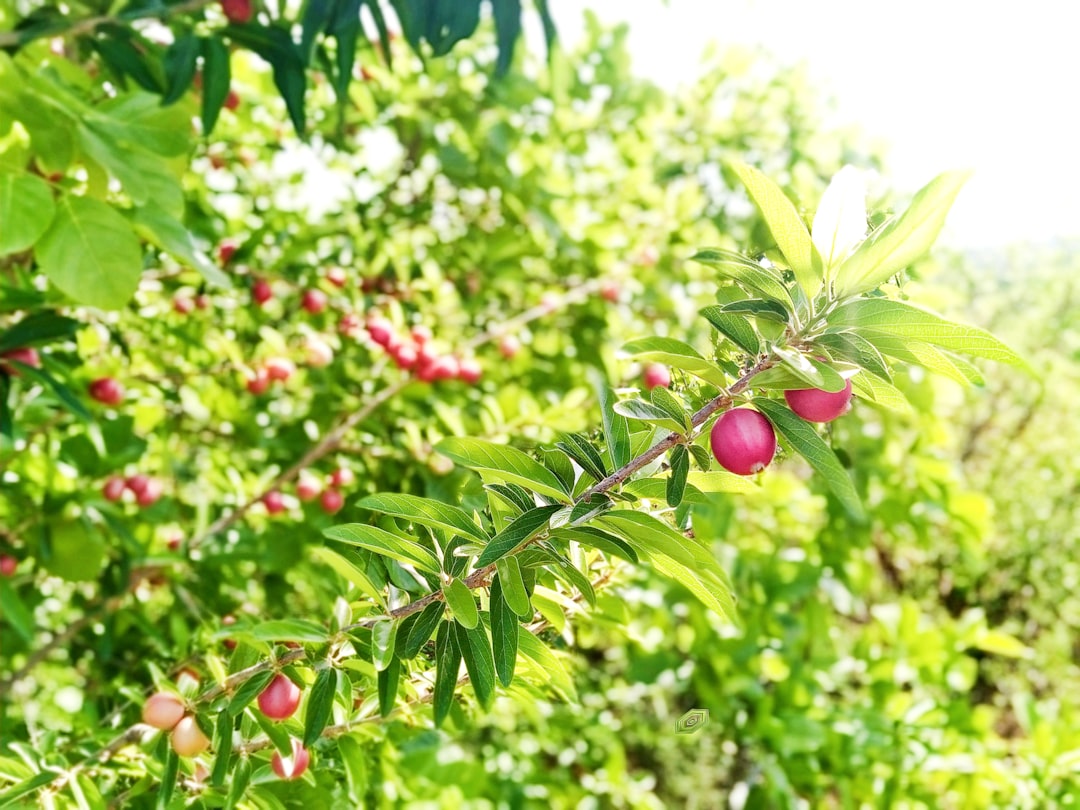
If you’ve got fruit trees or berry bushes, they appreciate a little winter attention.
Clear fallen, mummified fruit from around the base and from branches. Those shriveled fruits can hold onto disease spores and insect larvae all winter, ready to re-infect the plant in spring. Rake up thick mats of old leaves if they were diseased, especially under apples and roses, which can carry various fungal problems forward.
Around the base, add a light ring of compost and refresh any mulch, keeping it a few inches away from the trunk or canes. This slow, steady nutrient source is easier on the plant than one big shot of high-nitrogen fertilizer in spring. You’re feeding the soil, and the soil life will feed the plants as it wakes up.
11. Start planning crops and rotation while it’s fresh in your mind
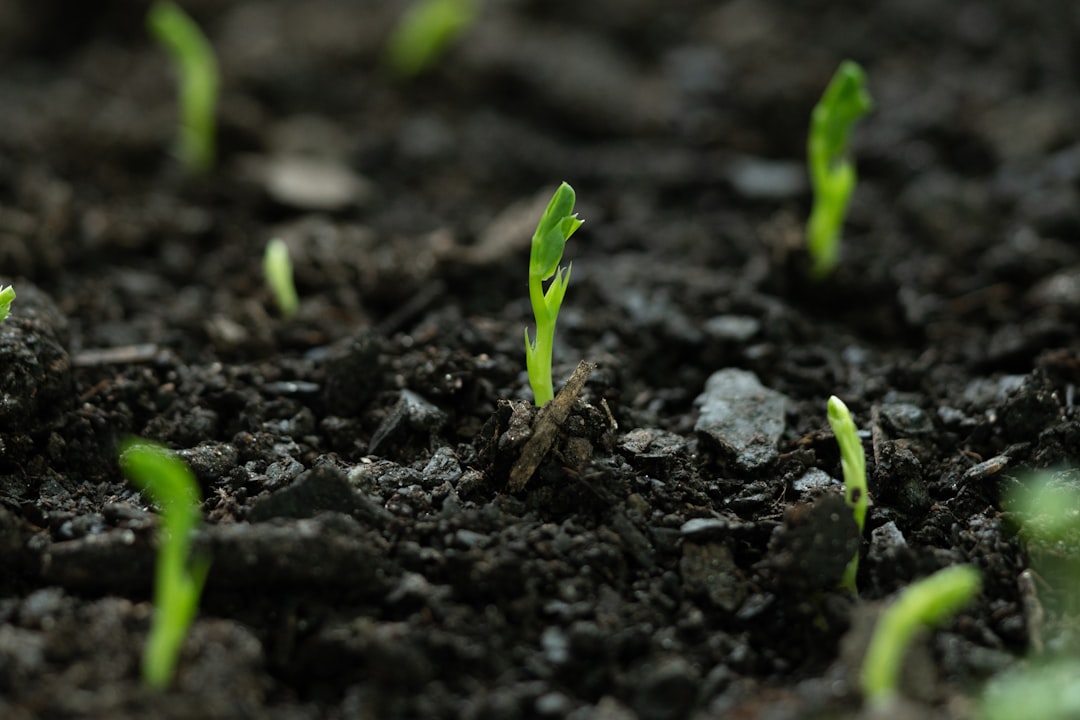
Planning in February with seed packets in hand sounds romantic. Planning in December when you still remember your mistakes is smarter.
Use those notes from your garden walk to sketch next year’s layout. Try not to plant members of the same family in the same bed year after year. For example, tomatoes, peppers, and eggplants are all in the nightshade family, so they share many diseases. Rotating them into a different bed helps break pest and disease cycles in the soil.
You don’t need a complicated system. Just aim to move plant families around on a rough three- or four-year cycle if you can. While you’re at it, make a list of what you wish you’d grown more of, what you regretted planting, and anything that didn’t earn its space. It’s a lot easier to stay sensible with seed orders if you’ve already decided “no more five kinds of zucchini, we only liked two of them.”
12. Set up a little winter wildlife support station
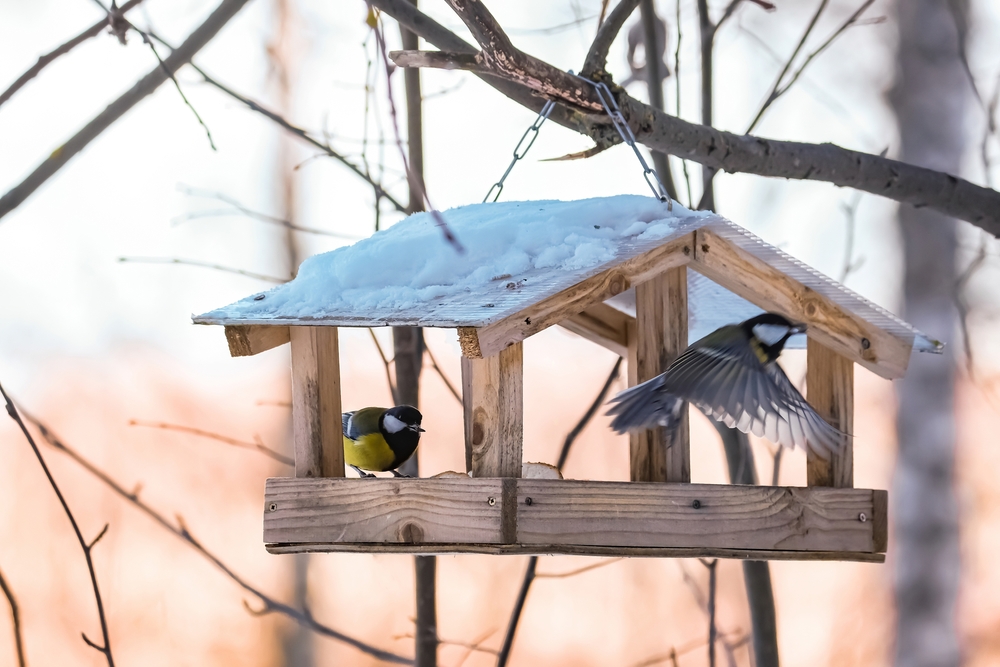
One more task that isn’t strictly “plants,” but absolutely affects your garden.
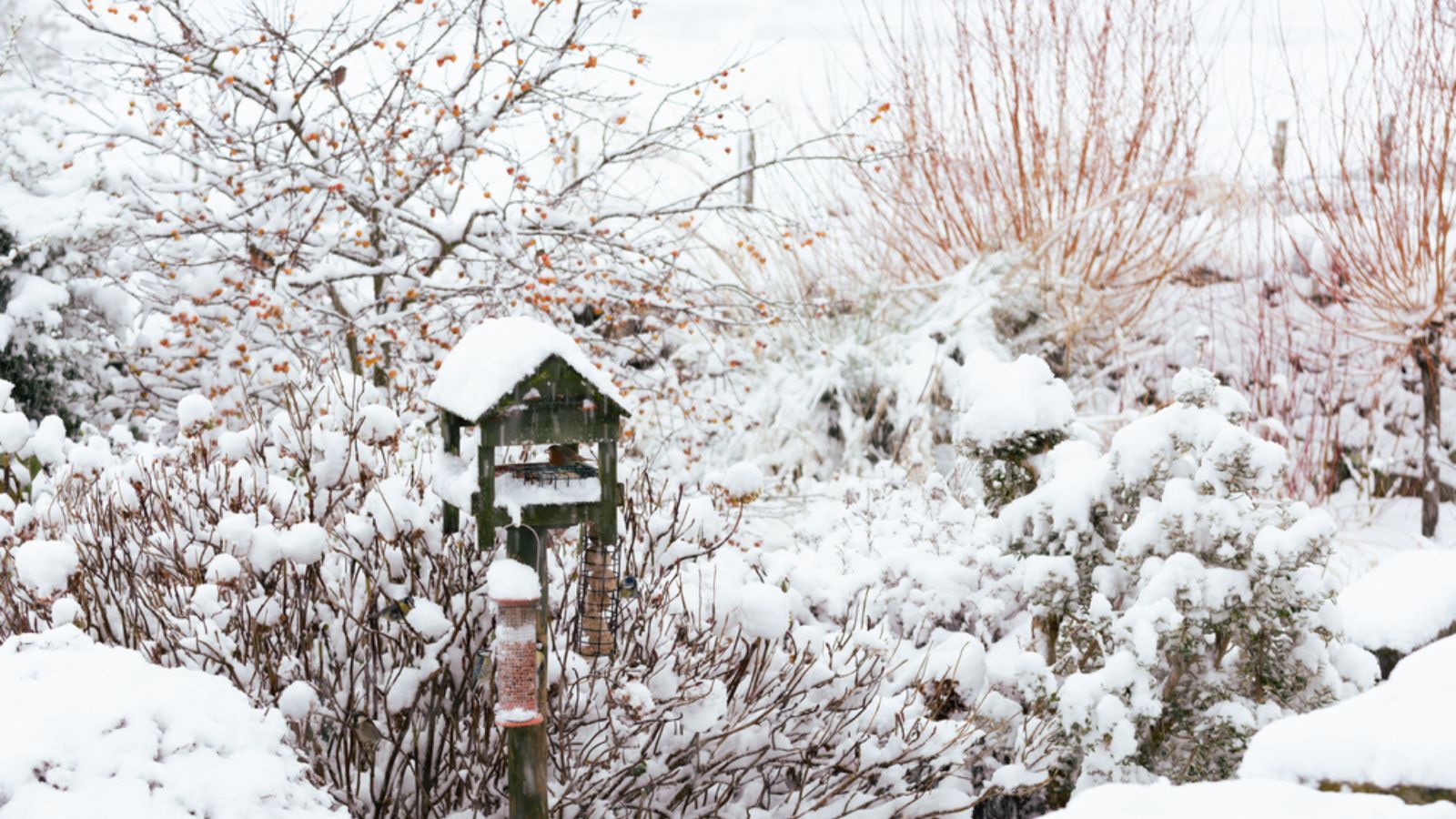
Birds, especially insect-eating ones, are your pest control squad in disguise. Supporting them through winter means more of them are around when the caterpillars and beetles wake up. Before January, clean and refill bird feeders if you use them. Scrub them with hot, soapy water and rinse well so you’re not spreading disease between birds.
If you have a birdbath or shallow dish, keep it filled on days it isn’t frozen solid. Fresh water is often harder for wildlife to find than food in winter. The science bit here is simple: more diverse life in and around your garden usually means better balance. Predators, scavengers, decomposers, pollinators—they all mesh together. You’re not just gardening plants; you’re gardening an ecosystem, even if it’s a small one.