
Affiliate disclosure: This post may contain affiliate links. Please see full disclosure.
The first cold snap hits, the furnace finally runs more than a test cycle, and then that first real winter bill shows up.
You stare at it and think, “How on earth is it this high?”
Most of the time, nothing is “wrong” with the utility company. The house and the HVAC system are just quietly wasting money in a dozen small ways.
Let’s walk through 12 of the most common ones I see, and what you can actually do about them.
1. Skipping your annual heating check-up
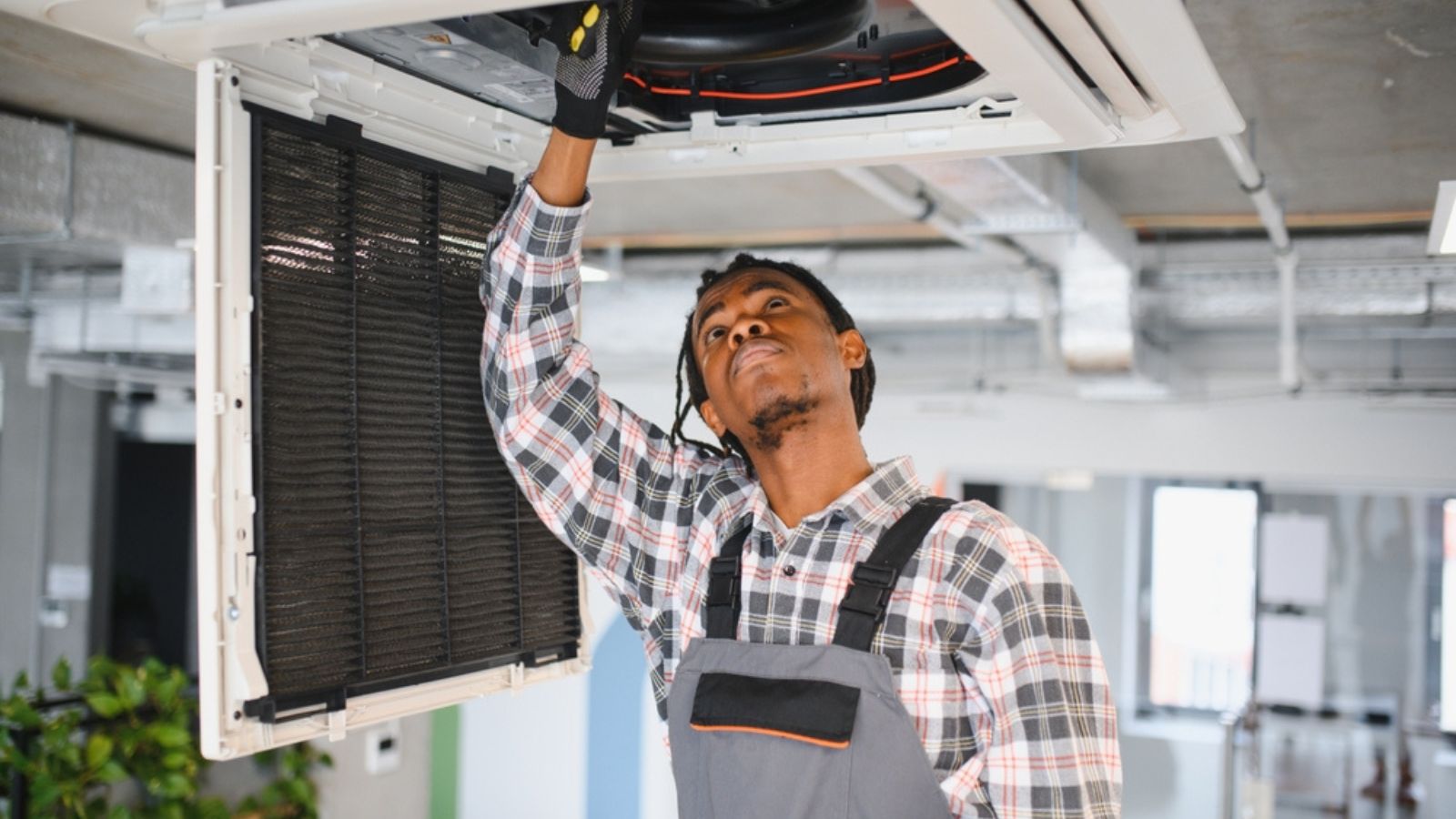
Your heating system is a lot like a car: it’ll run when it’s out of tune… right up until it doesn’t. And it’ll burn more fuel the whole way there.
The U.S. Department of Energy and HVAC industry groups consistently recommend professional maintenance about once a year to keep systems efficient and safe.ENERGY STAR+2The Department of Energy’s Energy.gov+2 Energy Star’s own checklist talks about checking thermostat settings, tightening electrical connections, lubricating moving parts, and checking gas or oil connections and heat exchangers.ENERGY STAR
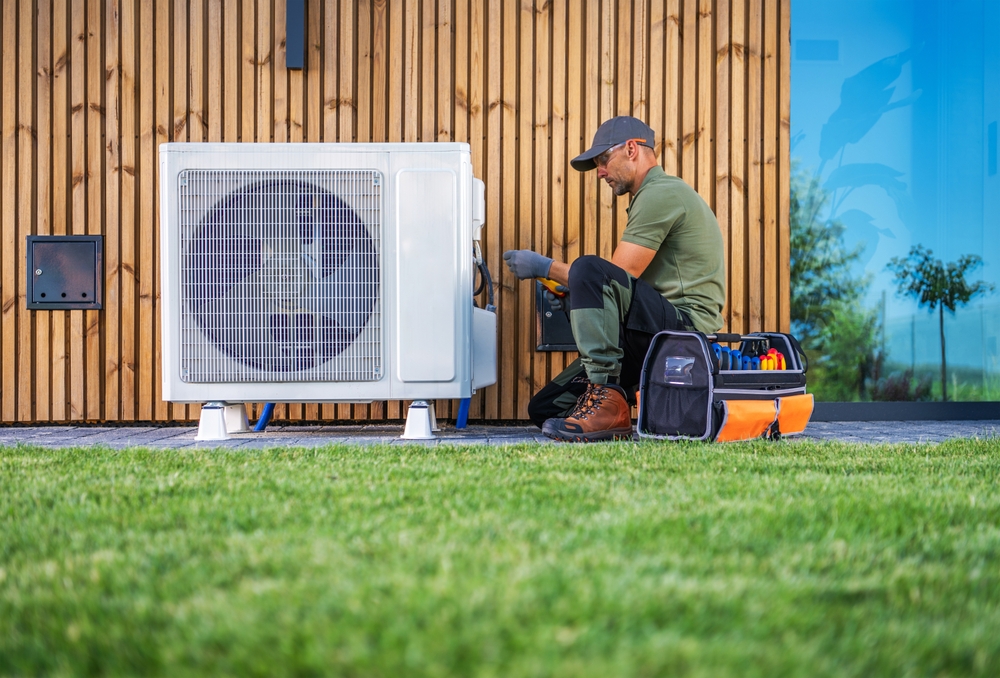
When you skip all that, the system still runs, but it has to work harder. Burners get dirty, blowers pull more amps than they should, small issues snowball into “no heat” calls at the worst time.
What to do: if it’s been more than a year, schedule a real maintenance visit, not just a “safety check.” Ask them to follow the Energy Star maintenance checklist so you know you’re getting more than a ten-minute look-over.
2. Letting air filters clog up
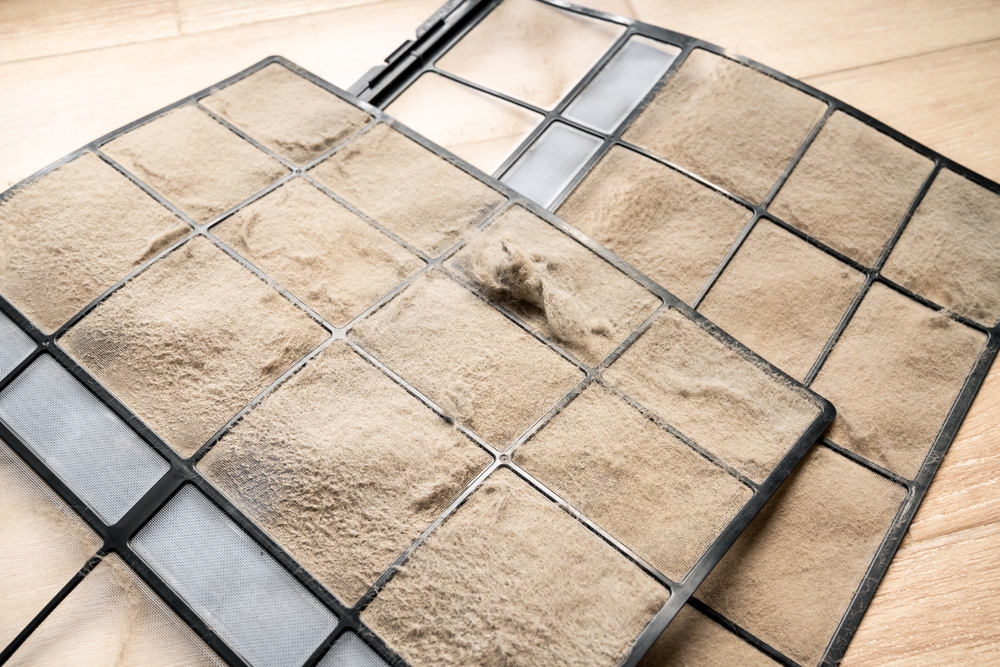
A clogged filter is one of the cheapest problems to fix and one of the most common to ignore.
Energy.gov and Energy Star both say you should check filters monthly and replace them at least every three months, more often if you’ve got pets or dust. When the filter is loaded, airflow drops. The blower has to run longer to move the same heat, and the system can overheat or short-cycle.
You’ll feel it as rooms that never quite warm up, more noise, and that “why is the furnace running all the time?” feeling.
Simple test: pull the filter and hold it up to a bright light. If you can’t see light through much of it, it’s done. Stock a small stack of replacements so you’re not tempted to put it back “for now.”
3. Heating the house the same, 24/7
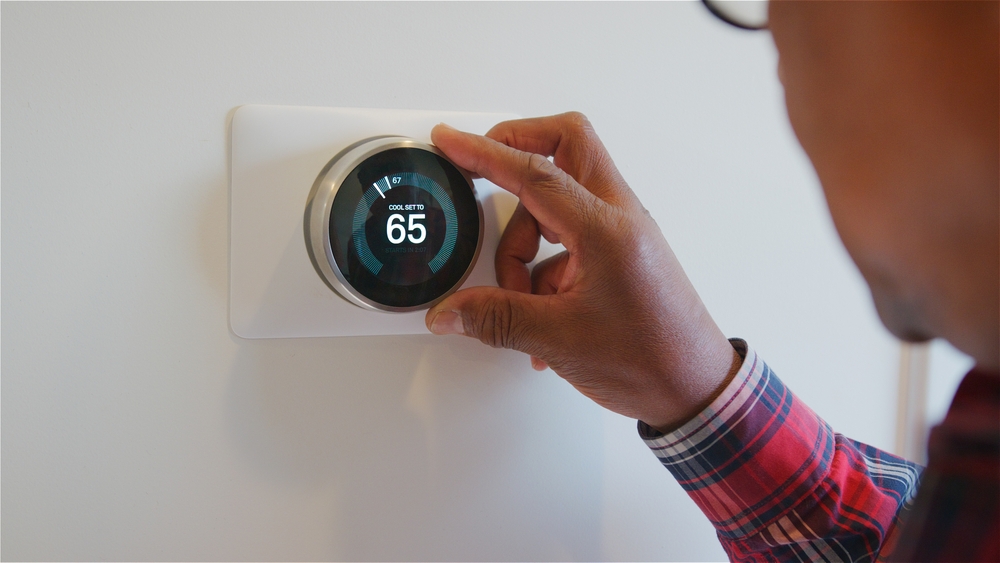
A lot of people leave the thermostat at one temperature all day because they’ve heard a myth: “It takes more energy to reheat the house than to hold it steady.”
The Department of Energy flat out says the opposite. You can save about 10% a year on heating and cooling by turning your thermostat back 7–10°F (about 4–6°C) for 8 hours a day. That’s while you’re asleep or away at work.
You’re not “reheating solid bricks of ice.” Heat loss is tied to the temperature difference between indoors and outdoors. Lower that difference for part of the day and you lose less heat overall, period.
A good starting point many sources use is around 68°F (20°C) when you’re home and awake, and a few degrees lower when you’re asleep or away, as long as everyone’s healthy and comfortable.
Programmable or smart thermostats are built for this. They can bump the temperature up before you wake up or get home, so you’re not walking into a refrigerator.
4. Riding the thermostat like a volume knob
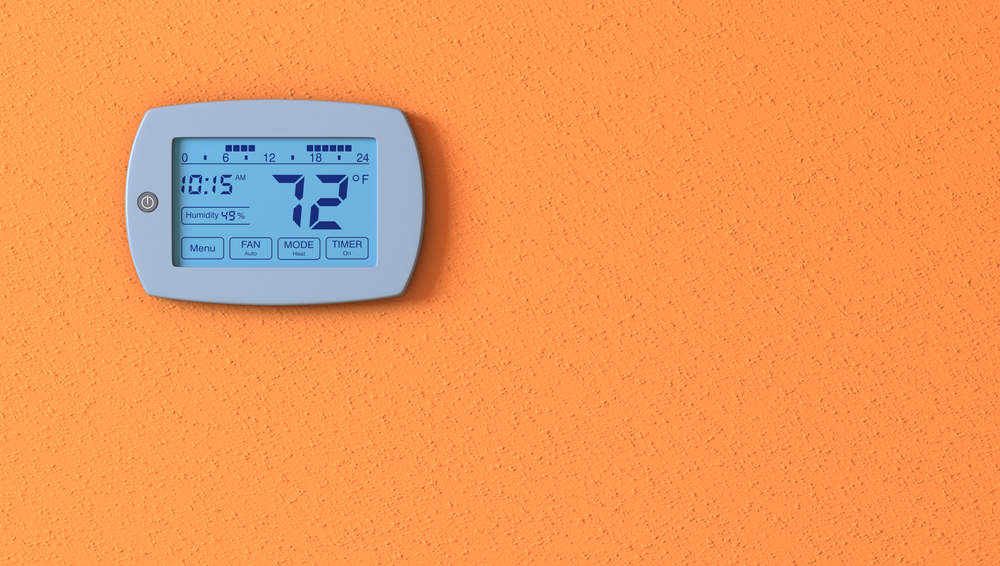
You come home cold, slam the thermostat from 68°F up to 78°F “so it warms up faster.”
I get the instinct. But most residential systems put out heat at a fixed rate. Cranking the setpoint higher doesn’t speed them up; it just makes them run longer and overshoot.
Then you’re too hot, you crank it back down, and you’ve just paid to heat the house more than you wanted.
It’s cheaper and more comfortable to pick a realistic comfort temperature and stick close to it, using steady, planned setbacks (like in the section above) instead of big swings. Smart thermostats help here too, because they’ll learn how long your house takes to warm and time it for you.
One note: if you heat with a standard heat pump, talk to an HVAC pro or read the manual before doing very deep setbacks, because big drops can sometimes kick on less-efficient backup heat.
5. Ignoring drafts and insulation problems

If the house leaks like a sieve, no furnace on earth will feel “good enough.”
The EPA estimates homeowners can save about 15% on heating and cooling costs (around 11% of total energy) by air-sealing and adding insulation in key spots like the attic, floors over crawl spaces, and basement rim joists.
You feel this as cold drafts near windows and doors, rooms over garages that never warm up, and that constant battle to keep the thermostat a little higher. Meanwhile, you’re literally paying to heat the outdoors.
Obvious wins you can do in an evening:
- Weatherstripping around exterior doors, especially if you can see light around the frame.
- Caulk around window trim and where pipes or cables enter the house.
- Foam gaskets behind outlets and switches on exterior walls.
Energy Star specifically calls out sealing these kinds of leaks and then topping up attic insulation as one of the most cost-effective upgrades in an average home.
6. Closing vents in “unused” rooms
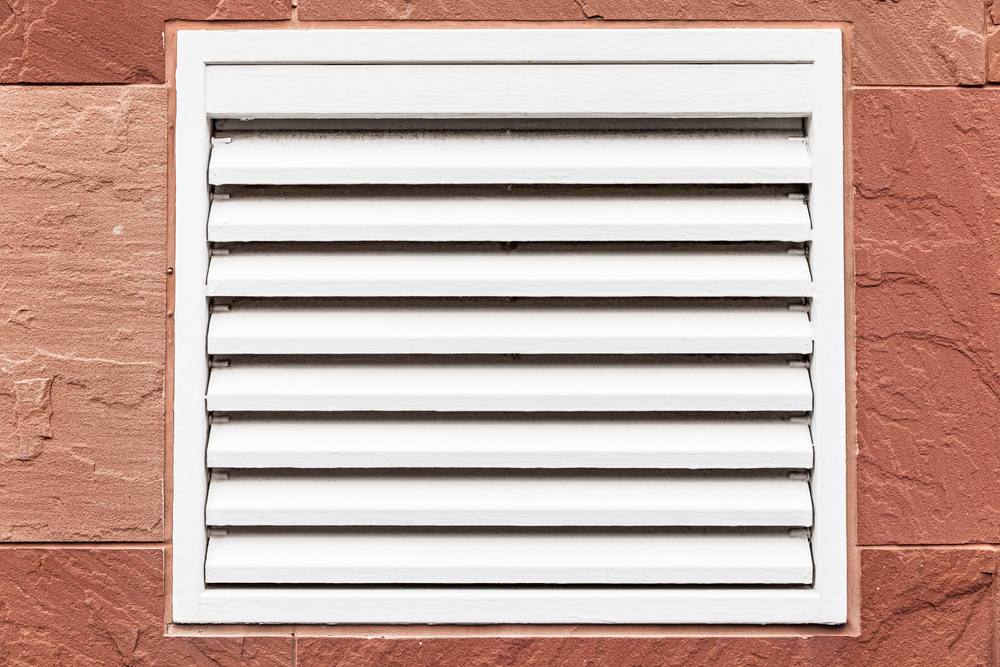
This one sounds logical: don’t use a room much, close the vent so you’re not wasting heat.
The catch is that your duct system was sized for a certain amount of airflow. When you start shutting vents, you raise the static pressure in the ducts. That can push more air out of leaks into attics and crawl spaces, and it can make the blower work harder than it was designed for.
Energy Star warns that leaky ducts already lose 20–30% of the air you’re paying to heat in a typical house. Cranking up pressure by closing a bunch of vents tends to send even more of that air into the wrong places.
If you truly need different temperatures in different parts of the house, the better answer is zoning (multiple thermostats and motorized dampers) or at least having a pro adjust trunk dampers, not random room vents.
At minimum, keep most supply vents open and don’t cover them with magnetic covers “for efficiency.” It backfires in a lot of systems.
7. Blocking supply or return vents with furniture

Even if you never touch the vent levers, a couch backed right against a register or a big bookcase over a return grille is doing the same thing as closing it.
Blocked supply vents choke off air to that room and increase pressure in the rest of the system. Blocked return vents make it harder for the system to pull air back, so the blower has to suck through smaller paths, which wastes electricity and can overheat components.
It’s also a fire-safety issue if somebody piles clothes, toys or paper over baseboard heaters or electric registers.
Walk the house slowly and look for vents hiding under curtains, rugs, beds and couches. Returns need breathing room too; ideally you want at least a foot or two of clear space in front of them.
8. Letting ducts leak and freeze in unheated spaces

If you have forced-air heat and ducts running through an attic, crawl space, unfinished basement, or garage, this is a big one.
Energy Star says about 20–30% of the air moving through a typical duct system is lost to leaks, holes, and poor connections. That’s conditioned air you already paid to heat, dumped into spaces you don’t live in.
On top of that, bare metal ducts running through very cold areas bleed heat right through the walls of the duct. You end up with lukewarm air coming out of the registers and a system that has to run longer to make up for it.
EPA and Energy Star both say that sealing and insulating ducts in these areas can pay for itself in energy savings, and it usually makes comfort problems a lot better.
If you can get to your ducts, look for joints that aren’t sealed, gaps around branches, and old dried-out fabric “duct tape” that’s fallen off. Seal metal joints with mastic or UL-listed foil tape, not generic duct tape, which fails quickly.ENERGY STAR+1 Adding insulation to ducts in unheated spaces is another strong upgrade.
9. Leaving the fan on “ON” instead of “AUTO”
On most thermostats you’ve got a fan setting: AUTO or ON.
In AUTO, the fan only runs when the system is actively heating or cooling. In ON, it runs all the time, 24/7. Several HVAC pros and consumer guides point out that ON can add $20–$50 a month to your electric bill in many homes, because that blower motor is never taking a break.
Continuous fan can make sense for very specific air quality or airflow problems, but for energy efficiency, AUTO is the winner. The Sustainability Directory and other recent sources are very clear: for most houses, set the fan to AUTO for everyday use.
If the air in a room feels still between heating cycles, use a ceiling fan on low instead. In winter, you want the blades turning clockwise at low speed, which pulls cool air up and pushes the warm air that collects at the ceiling back down the walls. That evens things out without burning extra power in the furnace fan.
10. Ignoring humidity and blaming the thermostat
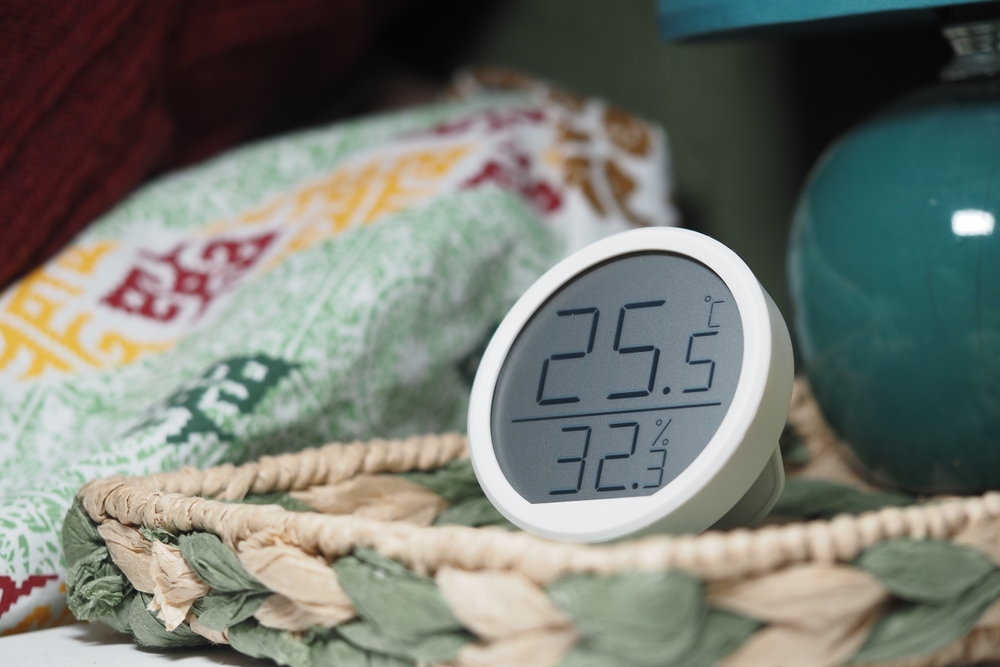
Dry winter air makes you feel colder than the number on the thermostat suggests. Your skin’s dry, lips cracked, you’re getting static shocks from doorknobs, and you keep nudging the setpoint higher.
The Environmental Protection Agency recommends keeping indoor humidity between about 30% and 50%, and several HVAC manufacturers suggest 30–45% in winter as a good comfort range. Keeping humidity in that band tends to make a 68°F house feel a lot more comfortable than the same house at 20% humidity.
If the air is too dry, your body loses moisture faster, your nose and throat get irritated, and you can feel chilled even though the room is technically warm enough.
A cheap digital hygrometer will tell you where you stand. If you’re down around 20% all winter, a small room humidifier in the bedroom or living room can make a big difference, or you can talk to an HVAC contractor about a whole-house unit. Just don’t overdo it — most standards and the EPA suggest staying below about 60–65% indoors to avoid mold and condensation problems.
Quick health note here: if anyone in your home has asthma or respiratory issues, talk with their doctor or an indoor air quality professional before chasing a specific humidity number. I can give general ranges, but that isn’t medical advice.
11. Letting a badly placed thermostat run the show
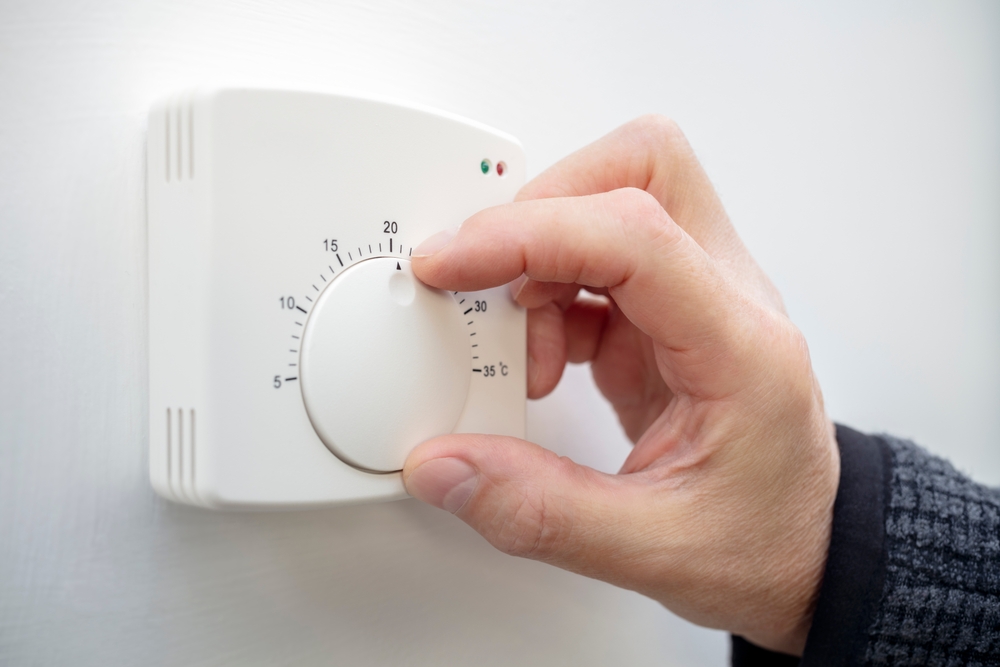
A thermostat is just a sensor and a switch. If it lives in a weird spot, it will make weird decisions.
Energy Star and other guidelines recommend mounting thermostats on an interior wall, about 5 feet from the floor, away from direct sun, drafts, and heat sources. If yours is in a sun-blasted foyer, a hallway right over a supply vent, or behind a curtain, it’s probably lying to you.
You’ll see this as a house that feels too cold even though the thermostat says you’re at your setpoint, or a system that short-cycles because the thermostat is being warmed or cooled faster than the rest of the house.
Sometimes the best fix is to move it. An HVAC tech or electrician can relocate the base to a better interior wall. Another option is a smart thermostat that uses remote sensors in the rooms you actually care about (like the bedroom or living room) and averages those readings instead of obsessing over one hallway.
12. Hanging onto old, inefficient, or badly sized equipment forever
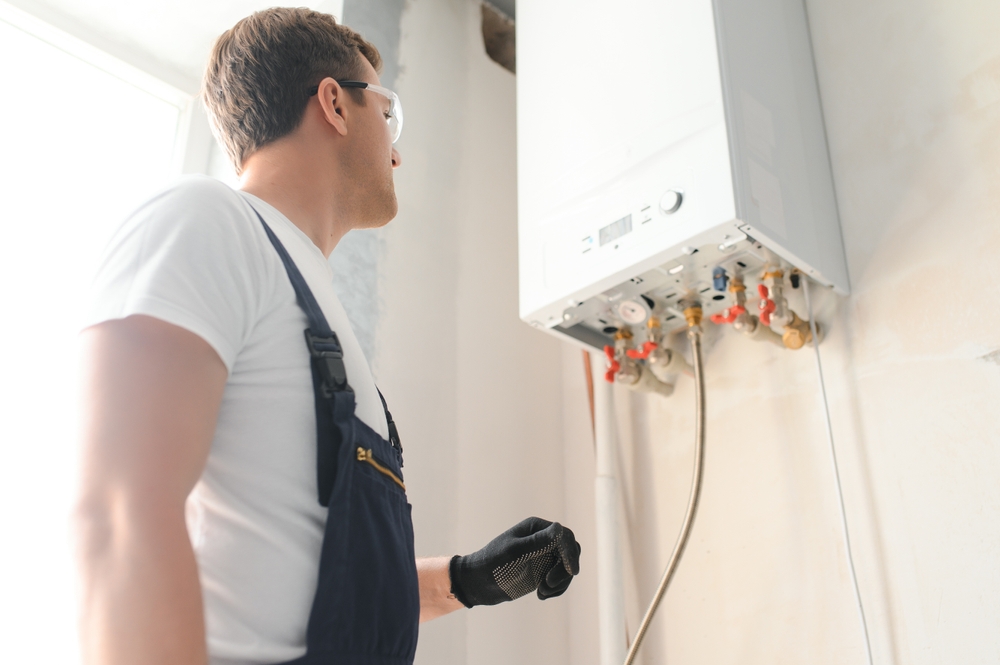
Nobody loves the idea of buying a new furnace or boiler. I’m not saying “rip it out” just because it’s older.
But when you’re sitting on a 20-year-old unit that’s starting to need major repairs, it’s worth looking at what a modern, properly sized system would do to your bills.
Energy Star high-efficiency gas furnaces can be 15% more efficient than standard new models, and a whole lot more efficient than many furnaces installed decades ago. Energy Star also points out that poor installation—bad duct connections, wrong sizing, improper airflow—can cut system performance by up to 30%.
Oversized units short-cycle, burn more fuel than they need to, and wear parts out early. Undersized units run constantly and still can’t keep up.
If your system is in that 15–20+ year range and you’re facing a big ticket repair, at least ask for quotes on a properly sized high-efficiency replacement, installed to Energy Star’s “Quality Installation” specs. There are usually federal or local rebates and tax credits that can soften the blow.
Winter HVAC money-saver checklist (do these first)
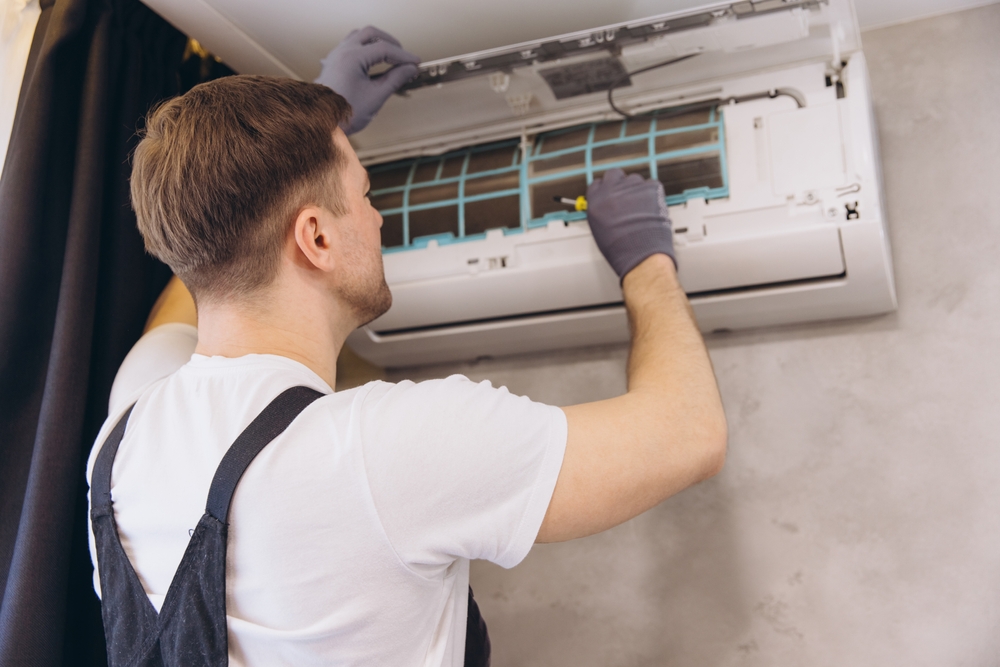
Here’s the “no fluff” list you can act on this week. Tackle a few of these and you’ll usually see a difference by the next billing cycle.
- Swap or clean your filter.
Check it today. If you can’t see light through most of it, replace it. Set a phone reminder to check monthly; most homes do best changing filters every 1–3 months. - Give your thermostat a simple schedule.
Aim for around 68°F when you’re home and awake, 7–10°F lower when you’re asleep or away, if everyone’s comfortable with that. Let a programmable or smart thermostat handle the timing. - Set the fan to AUTO, not ON.
AUTO saves power by running the blower only when the system is heating. Use ceiling fans on low, set clockwise, to move warm air around instead of running the furnace fan 24/7. - Unblock every supply and return vent.
Move furniture, rugs, and curtains so each vent and return grille has clear space. Don’t shut a bunch of vents “to save money”; it usually wastes energy and can strain the system. - Hunt down the obvious drafts.
On a cold, windy day, run your hand around windows, doors, and outlets on exterior walls. Seal leaks with weatherstripping, caulk, and foam gaskets. The EPA says air-sealing plus insulation upgrades can save around 15% on heating and cooling. - Check accessible ducts.
In basements or crawl spaces you can reach, look for loose joints and open seams. Seal metal joints with mastic or UL-listed foil tape, not regular duct tape. Insulate bare ducts in unheated spaces if you can. - Look at your humidity.
Pick up an inexpensive hygrometer. If you’re under about 30% all winter, consider a room humidifier or a whole-house unit to get into the 30–45% range, which feels warmer at the same thermostat setting. - Check your thermostat’s location.
If it’s in direct sun, over a vent, near an exterior door, or behind a curtain, talk to a pro about moving it, or use a smart thermostat with remote sensors to get a truer picture of the house. - Book a real maintenance visit if you’re overdue.
If you can’t remember the last time a tech opened the furnace cabinet and actually checked things against a list, it’s probably time. Annual service is what DOE and industry standards call for.
You don’t have to turn your life into a science project. Just chip away at the worst leaks and the worst habits. The system will run easier, the house will feel better, and those winter bills won’t sting quite as much.

