
Affiliate disclosure: This post may contain affiliate links. Please see full disclosure.
You know that feeling when people are about to come over and suddenly you see your house with “guest eyes”?
The couch feels a little tired. The lighting looks weirdly harsh. The dining table is… there, but not exactly welcoming.
But you don’t need a full makeover or a designer budget to make your home feel more inviting. Tiny, simple changes in decor, furniture layout, and your table setup can completely change how a space feels.
Think of this as “hosting mode,” but for your rooms.
Here are 16 simple changes that make your home feel warmer, cozier, and more “come in and stay a while”—without turning your life upside down.
1. Start with the entry: give people a soft landing
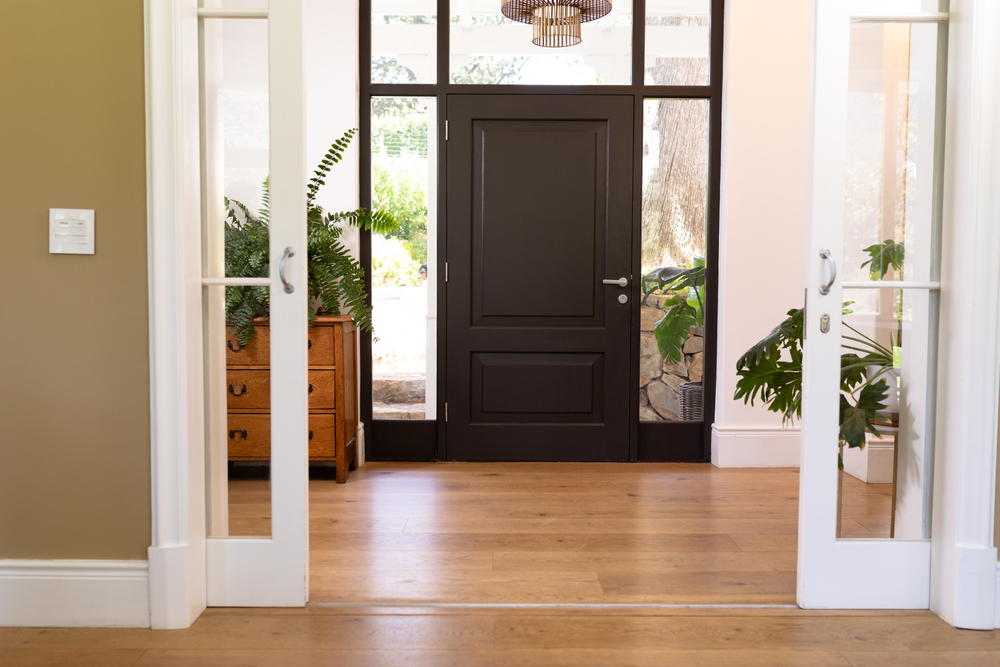
The entry is where people decide how your home feels, usually in the first 10 seconds.
You don’t need a grand foyer. You just need one little “landing zone.” Clear the area around the door so no one is immediately dodging shoes or boxes. Add a small table, cabinet, or bench if you can, and give guests somewhere obvious to put keys or a bag.
Designer David Hicks said, “The best rooms have something to say about the people who live in them.” A small bowl of seashells from your favorite beach, a framed photo, or a plant on that entry table quietly says, “This place is ours, and you’re welcome in it.”
2. Pull your seating closer together
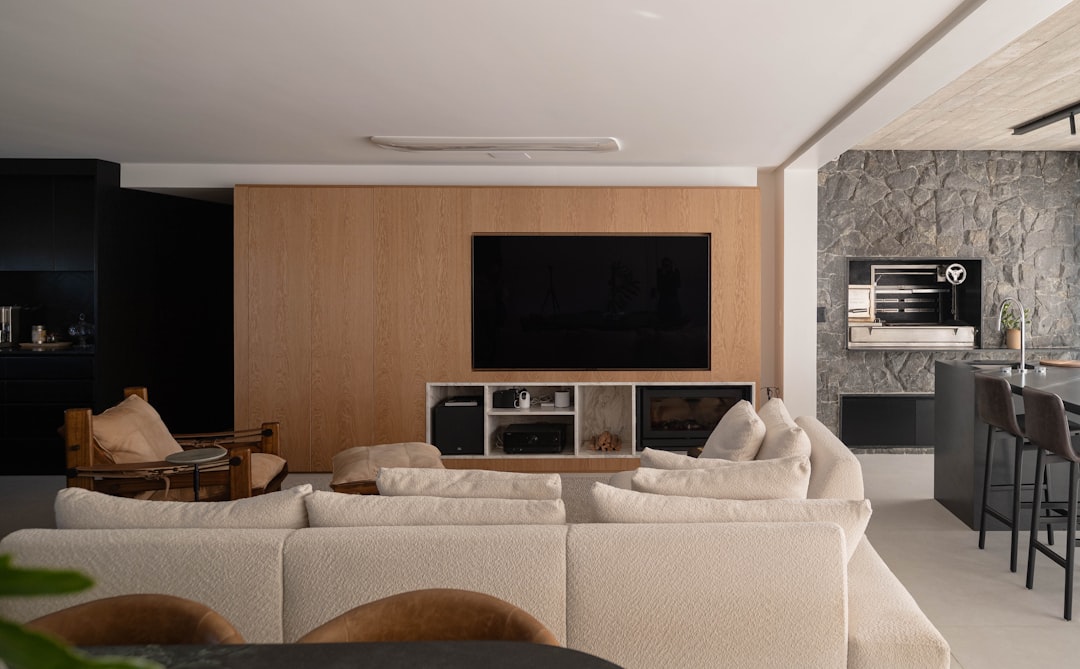
Most living rooms are arranged for TV watching, not conversation. That’s fine for everyday life, but when you’re hosting, bring people physically closer.
Instead of pushing furniture against the walls, move your sofa and chairs in toward each other, and closer to the coffee table. Aim for a U or L shape so no one has to shout across the room or talk over a lamp.
If you don’t have matching chairs, don’t worry. Mismatched seating can look charming if the heights are similar and you repeat one element, like a similar wood tone or throw pillow color.
3. Add a real rug “island”
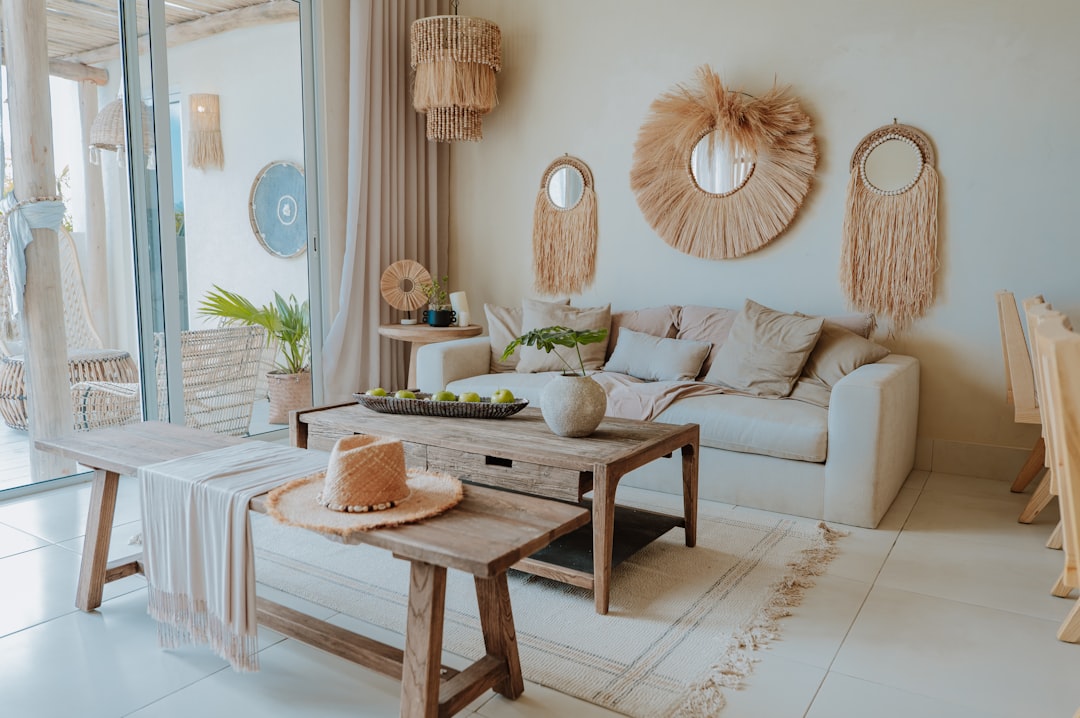
A rug instantly makes a room feel more finished and more inviting because it visually says, “This is the cozy spot.”
If you already have a rug, check the sizing. A common mistake is using one that’s too small. Ideally, at least the front legs of your main seating should sit on the rug so the whole arrangement feels anchored.
No rug? Steal one from another room, even temporarily. A neutral rug in the living room, a patterned one under the dining table, or a flatweave in the entry all help people feel like they’ve stepped into a space that’s been thought about, not just furnished.
4. Layer your lighting (and warm it up)
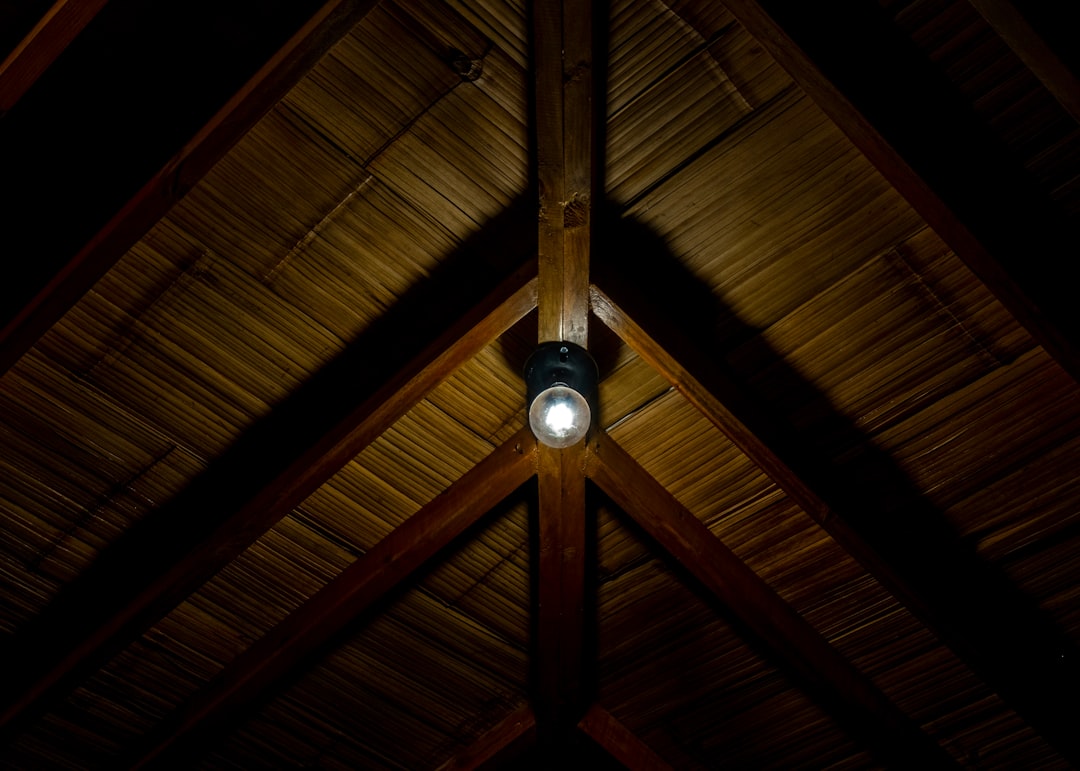
Overhead-only lighting is the fastest way to make a room feel like a waiting room instead of a home.
Designers are big on layered lighting—ambient (overhead), task (lamps for reading or cooking), and accent (pretty glow in corners or on art)—because it adds depth and warmth. Even adding one or two table or floor lamps can completely change the mood.
The color of the light matters too. Warm white bulbs in the 2700K–3000K range tend to feel cozy and inviting, similar to old-school incandescent bulbs, while cooler bulbs can feel harsh and sterile. In a recent lighting piece, designer Mariel Goodson said warm bulbs “create a much warmer, more mellow ambiance… Think candlelight instead of surgical light.” That’s exactly the vibe you want when you’re hosting.
5. Bring in more texture with pillows and throws
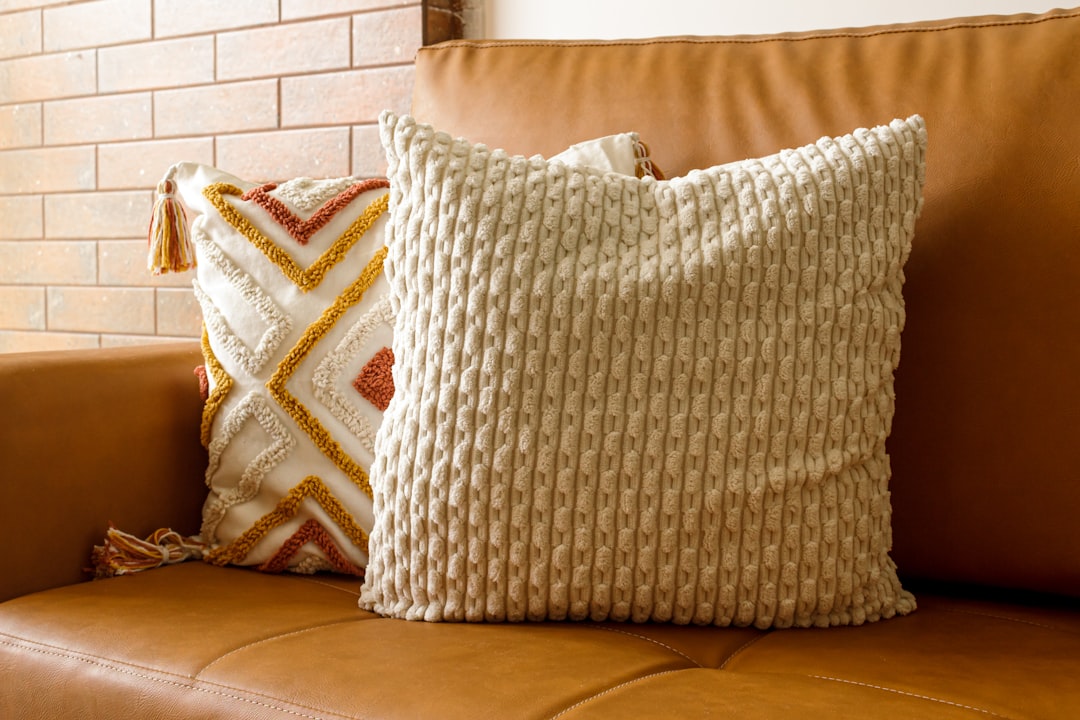
Texture is what makes a room feel touchable instead of flat.
Take a look at your sofa and chairs. If everything is one fabric and one color, add a mix of throw pillows in different textures—linen, chunky knit, velvet, faux fur—rather than just different prints. One or two soft throws draped over the side or back of a chair instantly say, “You can curl up here.”
You don’t have to buy a bunch of new pieces. Shop your house: move a throw from your bedroom, swap pillows between rooms, or cover a tired cushion with a simple pillowcase for the night.
6. Clear and style your coffee table
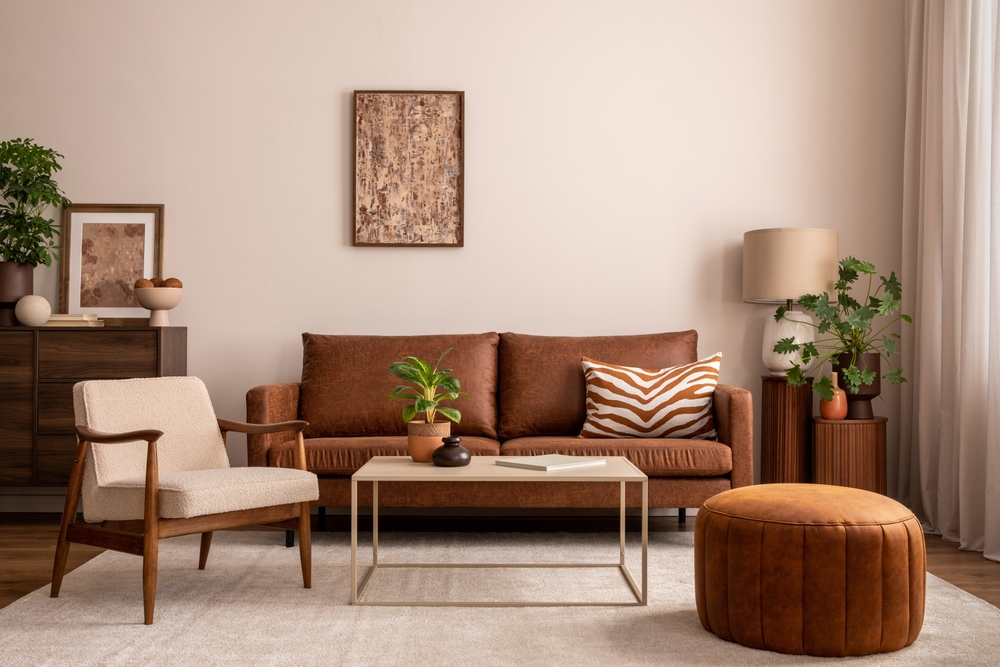
A cluttered coffee table makes guests nervous about where to put their drink. An empty one feels a bit cold.
Aim for a “styled but not precious” setup. Remove random mail, remotes, and chargers. Then add just a few things with different heights: a short stack of books or magazines, a small plant or vase, and maybe a candle or small dish.
Interior designer Juan Montoya once said, “A room should never allow the eye to settle in one place. It should smile at you and create fantasy.” A simple, layered coffee table gives the eye a couple of spots to land without feeling messy or overwhelming.
7. Add something alive: plants, branches, or fresh herbs
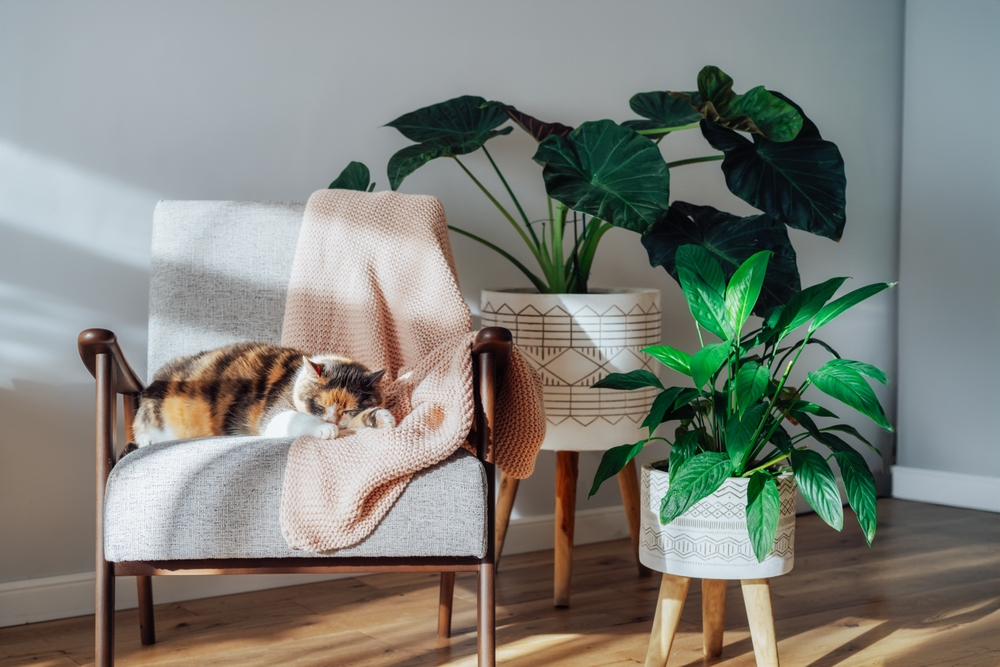
Nothing makes a space feel “stale” faster than a total lack of living things.
You don’t need a jungle. One or two houseplants, a vase of grocery-store flowers, or even a few leafy branches in a jar instantly add life and movement. Plants also soften hard lines from furniture and make a room feel less rigid.
If you’re truly plant-challenged, a bowl of fresh citrus or a jar of cut herbs on the counter does the same thing. It’s visual, it smells good, and it quietly says, “Real people live here.”
8. Give your dining table a simple, low tablescape
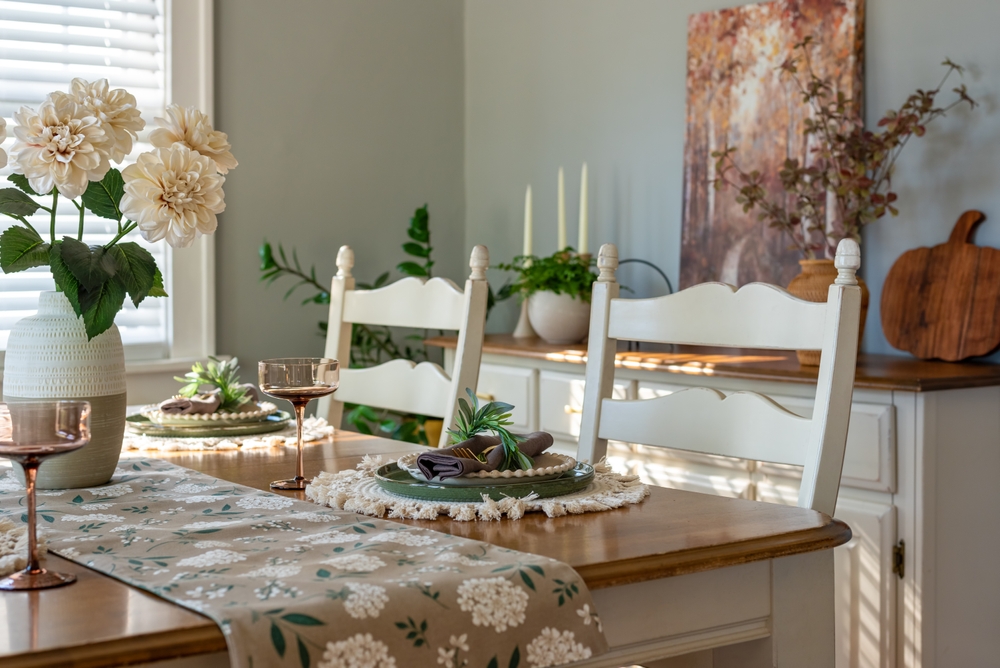
You don’t need a Pinterest-perfect tablescape to host well. But a bare table can feel a little unplanned.
Try this easy formula: something soft, something low, and something that glows. A runner or folded tablecloth down the center, a low centerpiece (so people can see over it), and some candles or tea lights in jars.
Stick to one main color palette plus one accent color so it doesn’t get chaotic. The goal is a table that looks “set” even before the plates and food show up.
9. Swap one harsh fixture for something softer
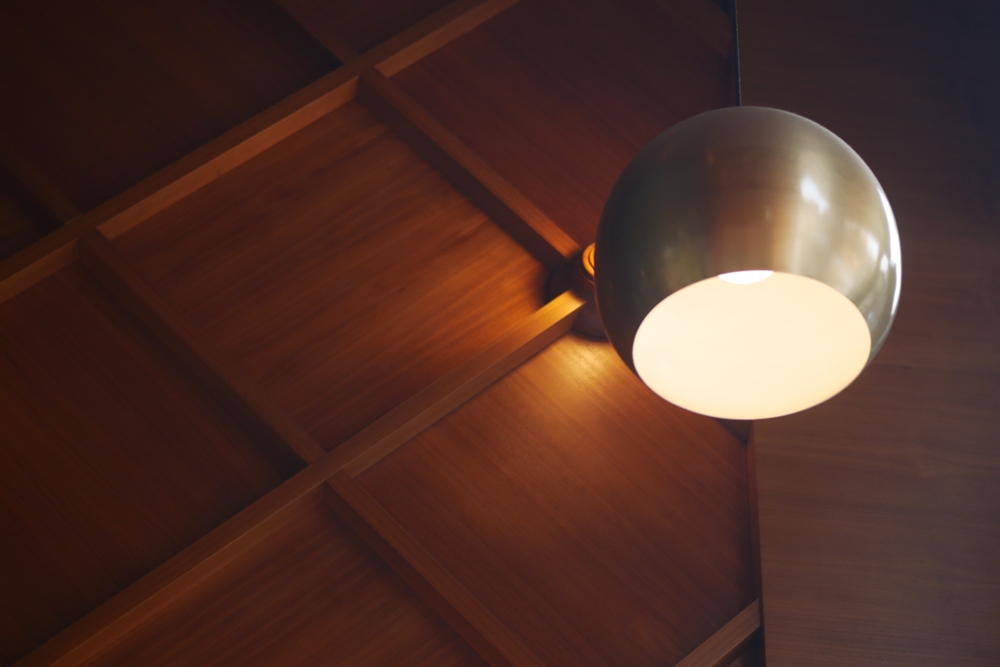
If you have a glaring overhead light right where people gather, that one fixture might be sabotaging your cozy factor.
You don’t have to rewire the whole house. Swapping out a super-bright builder-grade dome light for a simple semi-flush, pendant, or fabric shade in your dining room or entry can instantly soften the space. Designers often recommend avoiding “boob lights” and harsh, cool-toned bulbs in favor of warmer fixtures and tones for a more welcoming feel.
Pair that new fixture with a warm-white, dimmable bulb if possible and suddenly the whole room feels intentional.
10. Use mirrors to bounce light and open things up
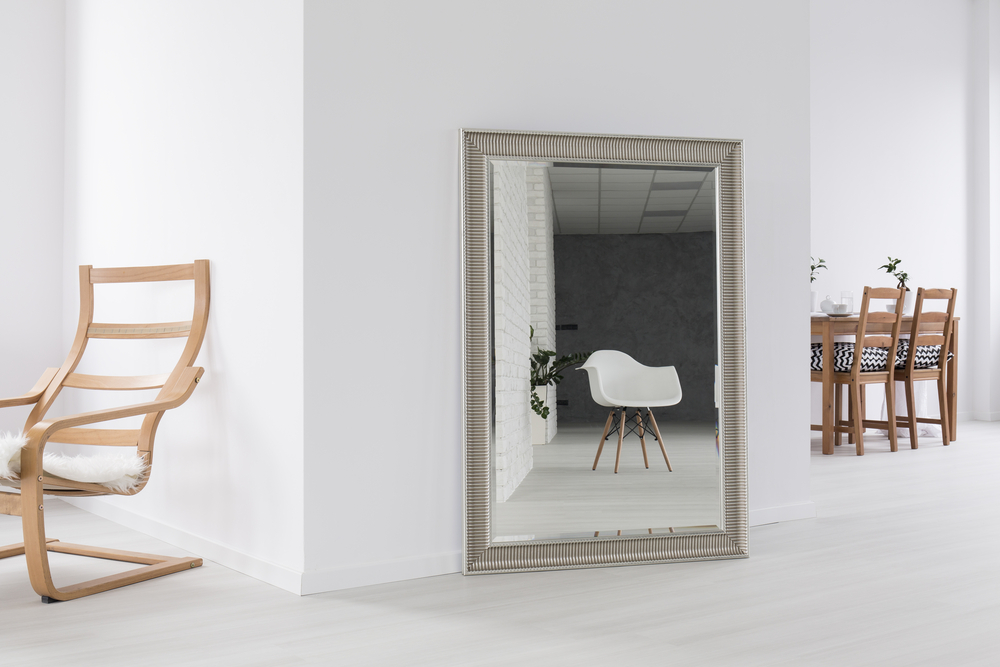
Mirrors are one of the easiest decor cheats for making a space feel bigger and brighter.
Place a mirror where it can reflect natural light (opposite or next to a window) or an attractive feature like a fireplace or piece of art. In a small entry or dining room, a mirror over a console table or sideboard adds depth and catches little glimmers of candlelight at night.
The frame style matters: wood or metal can add warmth, while a simple black or thin brass frame feels modern and clean.
11. Curate your walls with art and photos you actually love
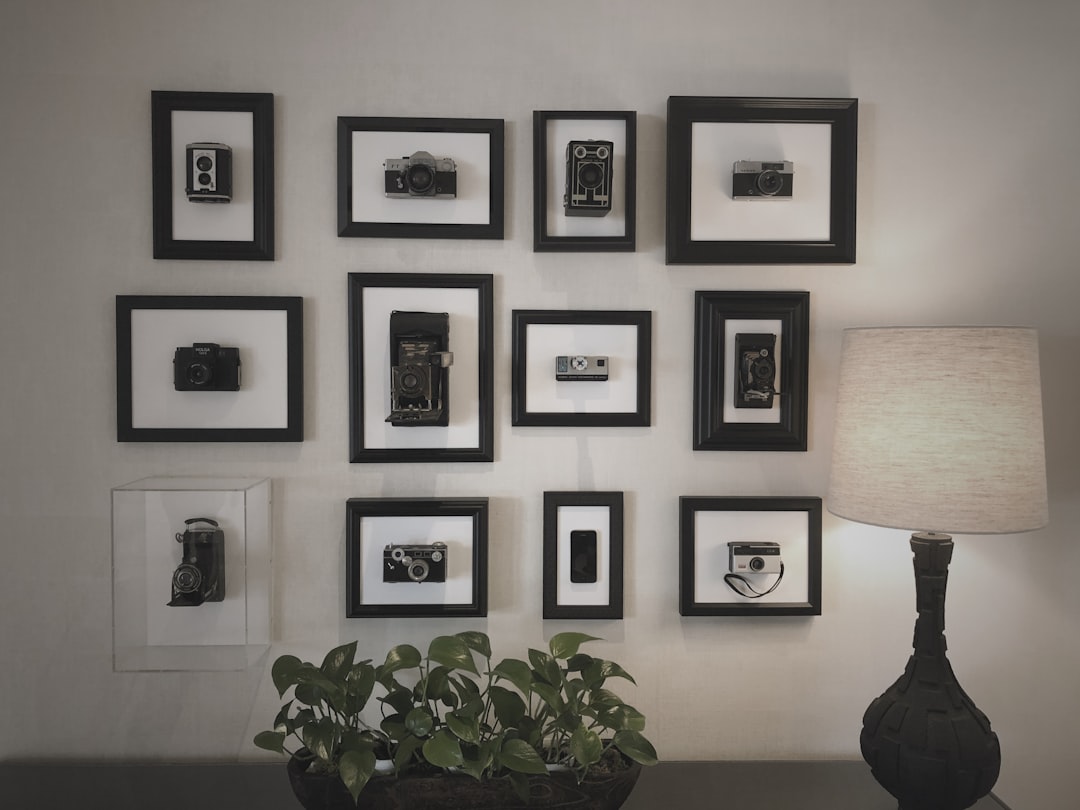
Blank walls can make a home feel unfinished, but a bunch of random prints can feel like visual noise.
Pick a few pieces you really love—family photos, travel snapshots, thrifted art, kid art in simple frames—and give them a proper “moment.” Group them above the sofa, along a hallway, or over the dining table. Leave some breathing room around them so the wall doesn’t feel crowded.
Designer Billy Baldwin famously said, “Be faithful to your own taste, because nothing you really like is ever out of style.” If you truly like the art on your walls, your guests will feel that, even if it’s not what’s trending on Instagram this week.
12. Hide visual clutter with pretty containers

You don’t have to become a minimalist. You just have to corral the chaos.
In living areas, grab a couple of baskets or lidded boxes and give everything a “home.” One for throws, one for kids’ toys, one for extra cords and remotes. In the entry, a basket for shoes keeps the floor from looking like a yard sale.
You’re not just hiding stuff; you’re smoothing out the visual noise so your favorite pieces—sofa, table, art—get to shine and your guests’ eyes aren’t ping-ponging from pile to pile.
13. Soften hard lines with round shapes
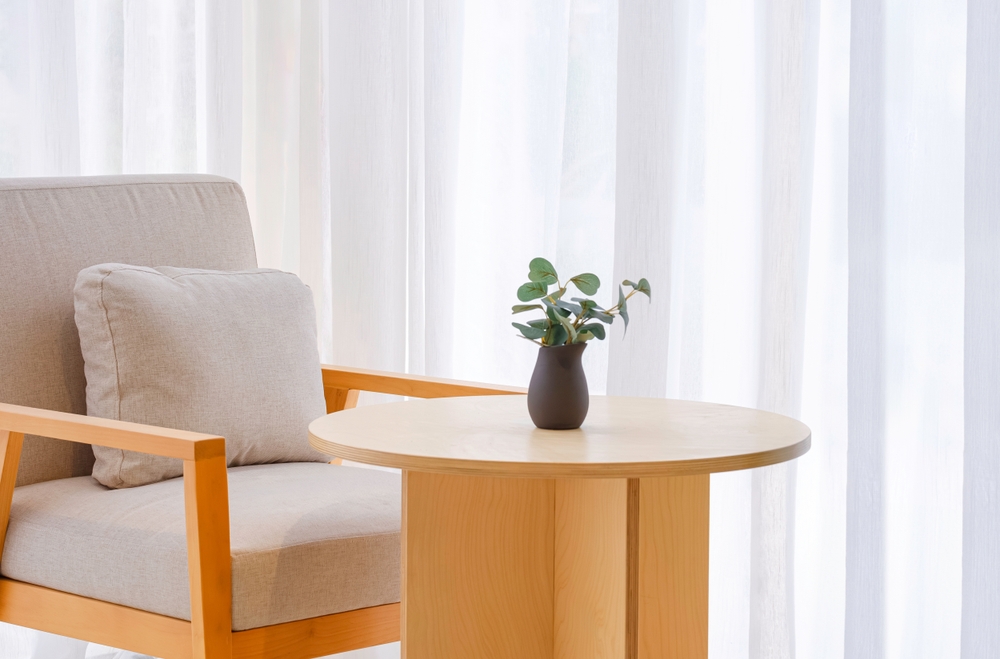
If your space is full of rectangles—tables, TV, bookshelves, cabinets—it can feel a bit rigid, even if you can’t quite name why.
Add a few round or curved pieces: a round side table, a circular tray on the coffee table, a round mirror, or even a curved lamp base. These shapes break up all the straight lines and make the room feel more relaxed.
Even little things help. A round bowl on the table, a dome-shaped lamp, or arched frames can gently soften the whole look.
14. Create a cozy “conversation corner”
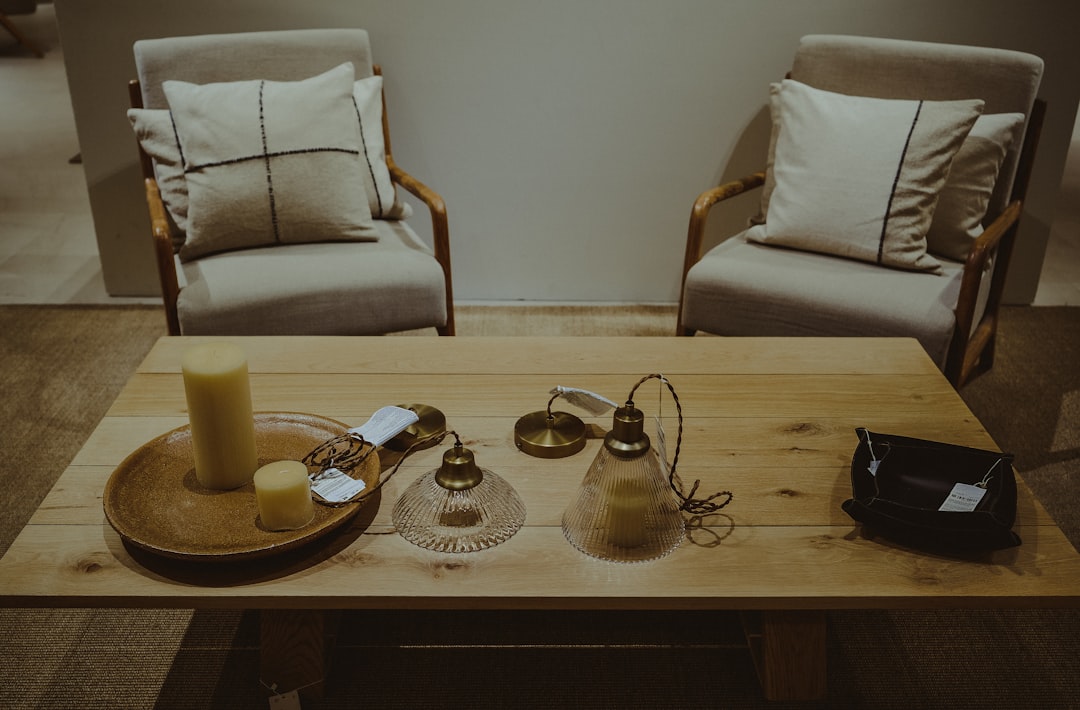
You don’t always need more furniture; you just need to use what you have differently.
Pull a chair or two slightly away from the main seating area and add a small side table between them. Maybe tuck this near a window or a lamp. Put a book, a candle, or a plant on the table so it looks like a spot that gets used.
Suddenly you’ve got a mini conversation nook that says, “Sit here with your drink and chat for a bit.” It’s amazing how guests naturally gravitate toward little spaces that feel defined and comfortable.
15. Refresh your textiles: table linens, towels, and covers
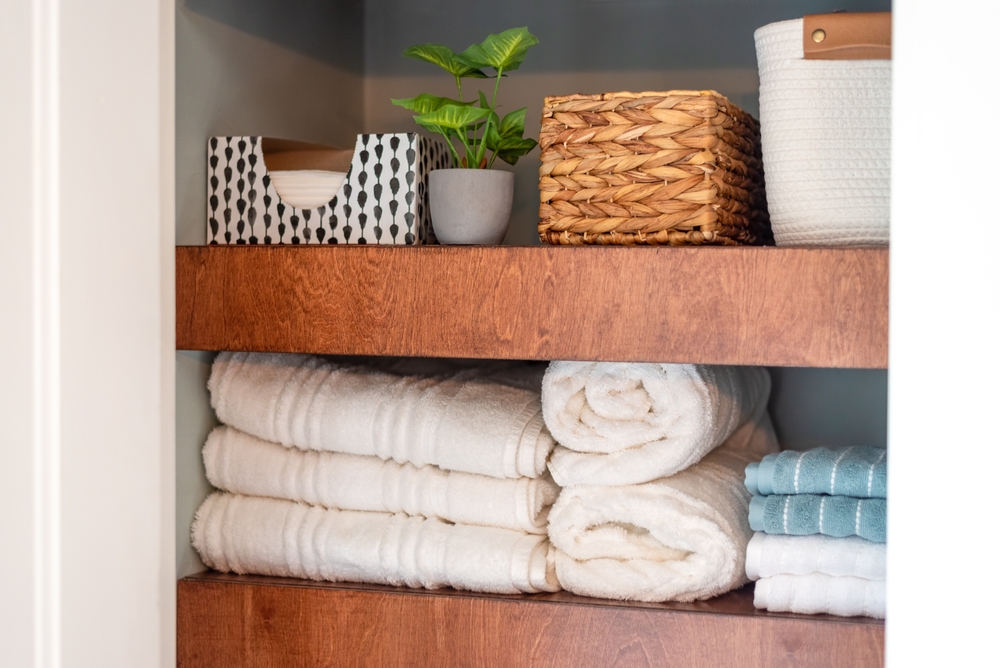
Crumpled, stained, or very worn textiles drag a room’s energy down, even if everything else is pretty.
Before people come over, do a quick scan: tablecloths, cloth napkins, throw pillow covers, blankets, and hand towels in the bathroom. Give them a wash, a quick iron if needed, or swap them for your “nice” versions. Even a simple cotton runner on the table or fresh hand towels in the guest bathroom makes everything feel more cared for.
You don’t need fancy patterns. Clean, simple, and in colors that play well with the rest of your space are more than enough.
16. Let your personality show
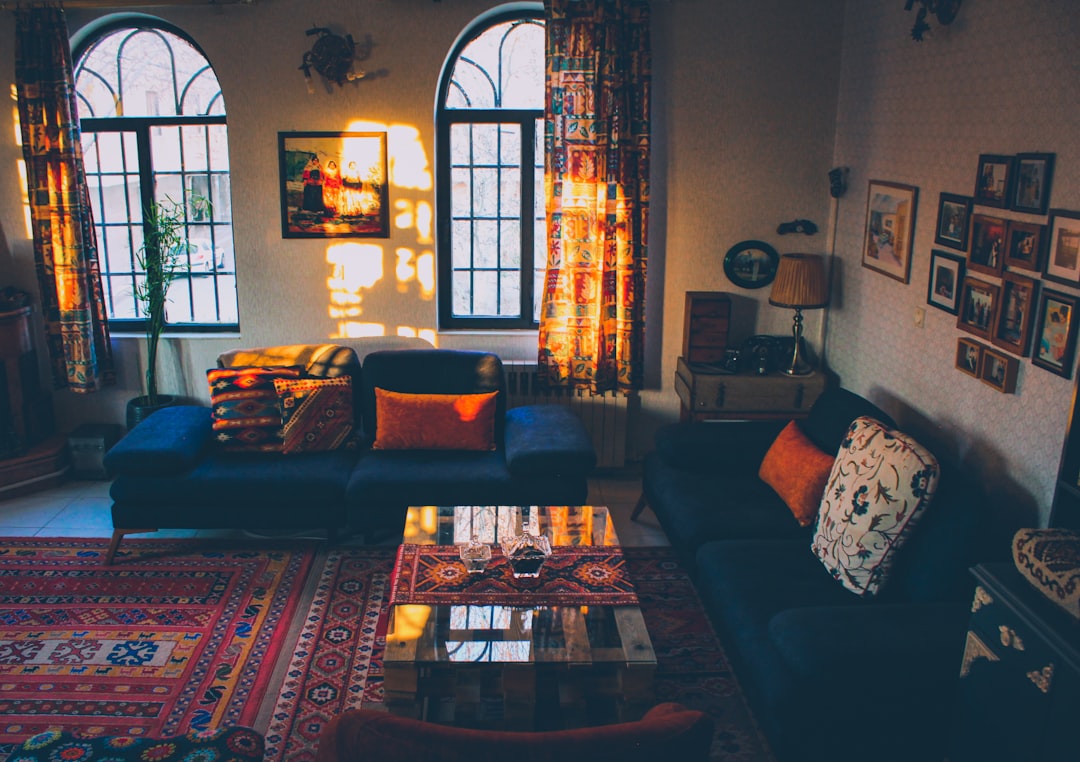
The most inviting homes aren’t the most perfect. They’re the ones that feel like the people who live there.
A quirky lamp from a thrift store, a little stack of your favorite cookbooks, mismatched vintage plates, a weird ceramic animal your kid insisted on—these personal touches make guests relax because the space feels lived-in, not staged.
This circles back to that Billy Baldwin line about trusting your taste. When your space feels like you, it automatically feels more inviting. People aren’t visiting a showroom. They’re visiting you.
Absolutely, we can bump it to 18 without repeating ourselves. Here are two more you can drop straight into the list.
17. Dress your windows like they matter
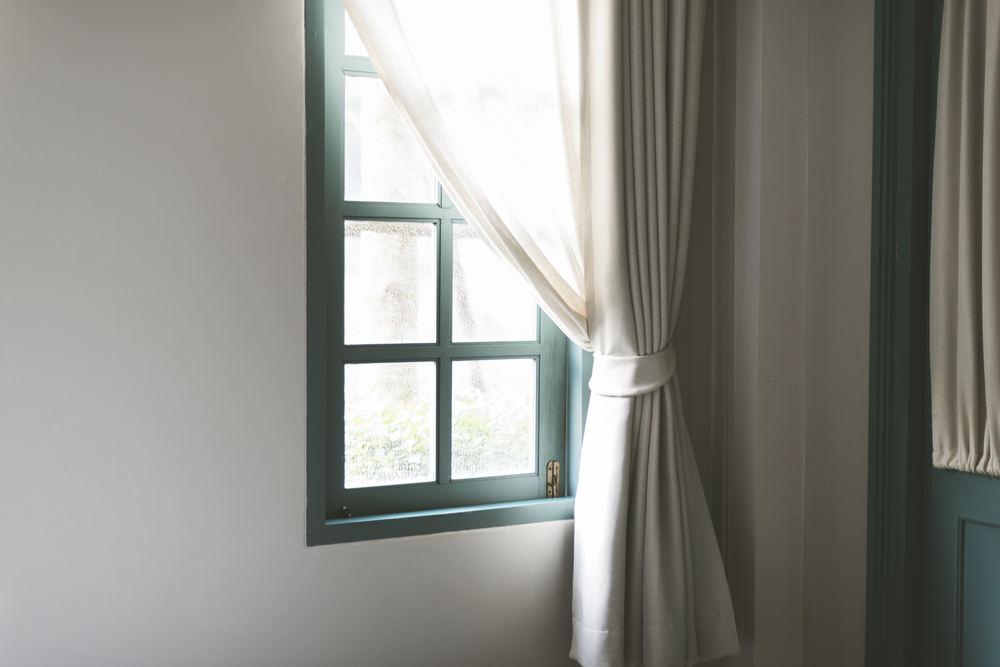
Windows are huge mood-makers in a room, but they’re easy to ignore until the sun’s either blinding everyone or it feels like a cave. Before people come over, actually “set” your windows the way you’d set a table. Open blinds and curtains enough to let in soft light, but not so much that guests feel like they’re on display.
If you use curtains, hanging the rod a little higher and wider than the window makes the whole wall feel taller and more open. Even simple, inexpensive panels can instantly soften a room that’s all hard lines and furniture. When it gets dark, the fabric frames your interior lighting and makes the space feel like a cozy little bubble instead of a bright box.
18. Create one small “styled moment” in every room guests use
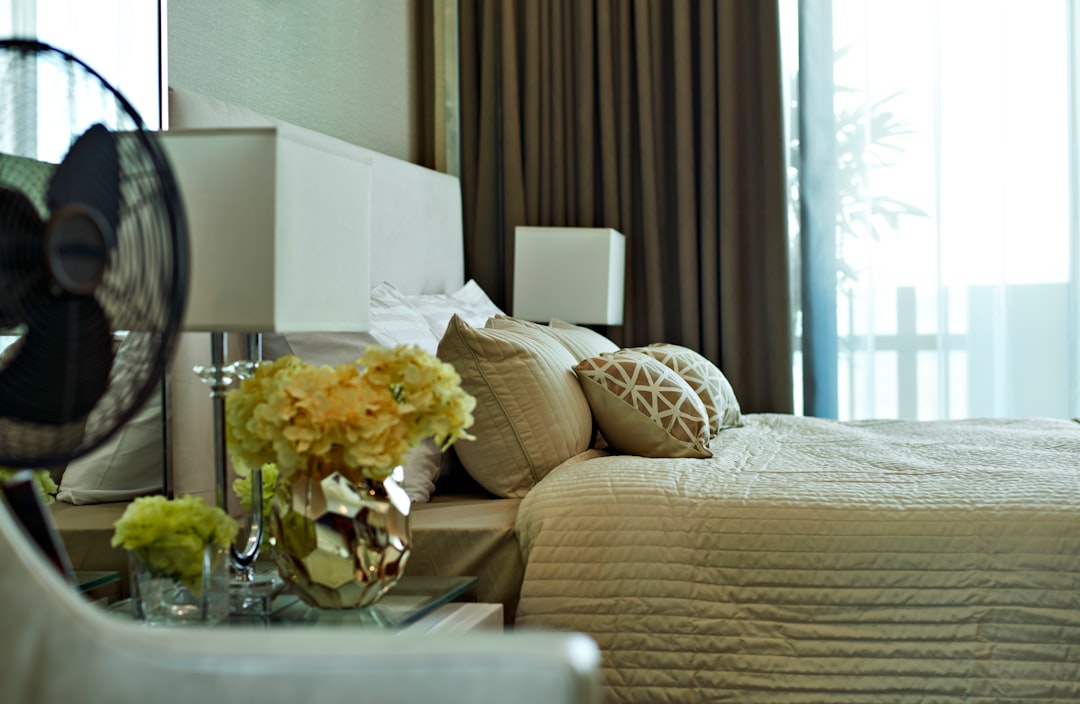
Instead of trying to make every surface perfect, pick one spot in each guest-facing room and give it a little extra love. That might be a tray on the kitchen counter with a candle, a plant, and a small bowl; a console table by the entry with a lamp and a framed photo; or a sideboard in the dining room with a lamp and a stack of pretty dishes.
These tiny “vignettes” act like visual anchors. They make the room feel intentional and finished, even if there’s a bit of real-life chaos just out of frame. Guests don’t see perfection; they see a home where someone has clearly thought about how the space feels—and that’s what makes it inviting.

