Affiliate disclosure: This post may contain affiliate links. Please see full disclosure.
Tulips, daffodils, and hyacinths are the classic fall-planted bulbs, and every one of them is toxic to dogs, the bulbs most of all. That doesn’t mean fall planting is off the table if you’ve got a dog who treats the garden like a buffet. Being able to garden and work outdoors with my dogs is really important to me so I’m careful to create a dog-safe space where they can help, supervise, play, and even snack on the occasional leaf without getting sick.
It can be a struggle knowing what to plant in fall that won’t hurt your dogs as a lot of stuff that goes in the ground now is toxic to them even in small amounts. These 15 plants are all confirmed non-toxic to dogs, and fall is the right time to plant every single one of them.
Pansies and Violas (blooms through a mild winter into spring)
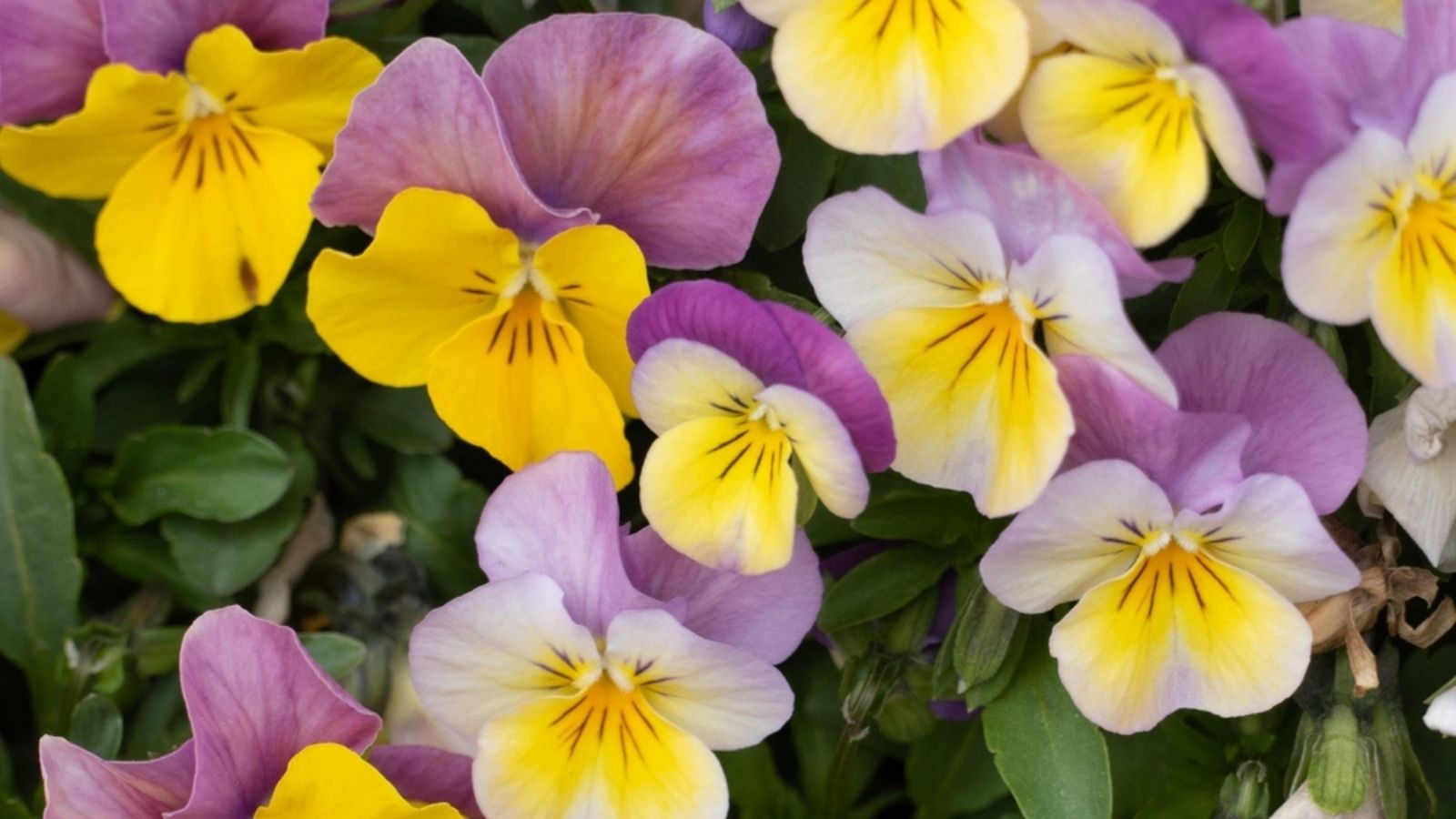
Pansies and violas are non-toxic to dogs and even edible, so a little exploratory nibbling won’t send you to the vet. Plant them in fall once nighttime temperatures settle into the 40s and 50s°F (4-10°C), and most varieties will keep blooming right through a mild winter, pause during the hardest cold snaps, then explode again the moment things warm up in spring. They’ll tolerate temperatures down to around 25°F (-4°C) without protection, and a light layer of straw mulch buys you a few degrees more if a hard freeze is forecast.
I tuck a flat of violas into every bare patch before the first frost, mostly because they’re the one flower in my garden my dogs have never shown the slightest interest in destroying. Stick with named cold-hardy strains like ‘Icicle’ or ‘Sorbet’ if you want reliable winter performance, since not every pansy variety is bred for it.
Sweet Alyssum (a honey-scented groundcover for edging)
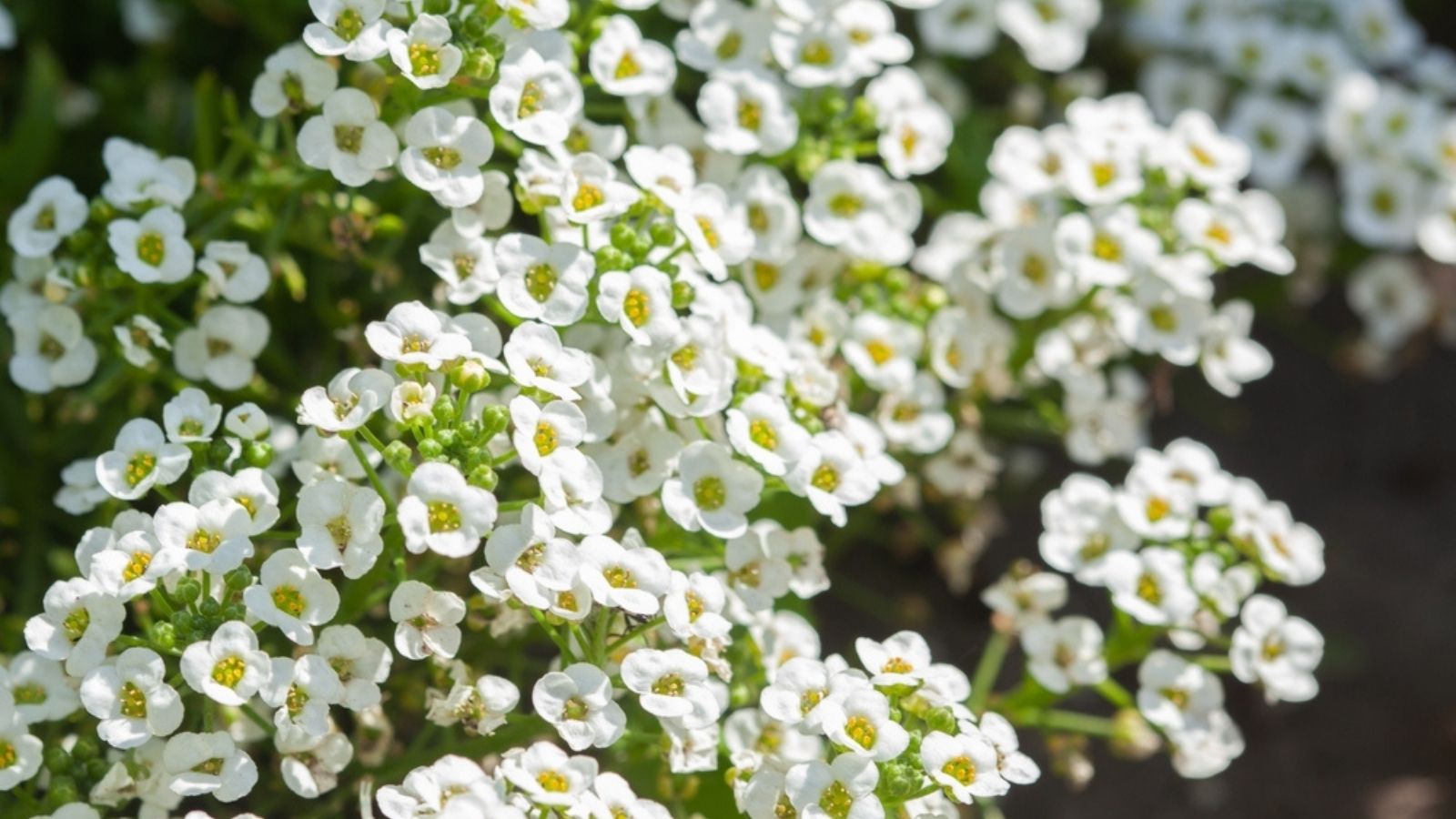
Sweet alyssum is non-toxic to dogs and forms a dense, low mat of tiny flowers that smells like honey up close, which makes it a good pick for lining a path your dog actually walks. In zones 7 and warmer, sow or transplant it in early fall for bloom right through winter. In colder zones, treat a fall sowing as a bet on an early spring show instead, since a hard freeze will kill the current crop back.
It self-seeds enthusiastically. And somehow just shows up every year in the same gravel path where I’ve never intentionally planted it but it has decided to take up permanent residence. Bees and hoverflies work it hard, so it earns its space even in a bed that’s mostly there for the dog to lie in.
Calendula, or Pot Marigold (dual-purpose color for the garden and the herb shelf)
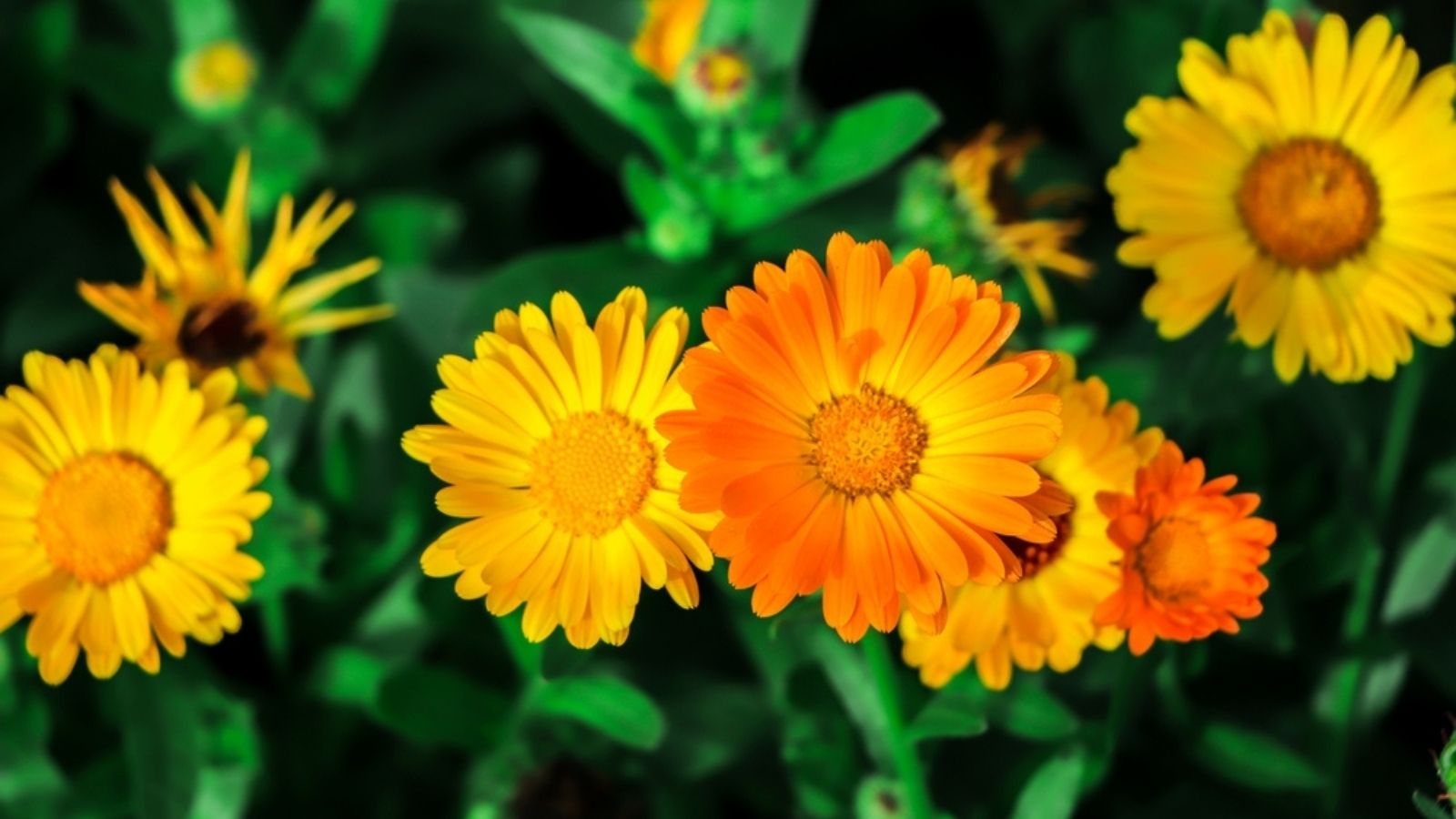
Calendula, also called pot marigold, is non-toxic to dogs and does double duty as a genuine herbal ingredient, not just a pretty face. It’s worth being precise about the name here. French and African marigolds (Tagetes) are a different plant entirely and can cause mild stomach upset or skin irritation, so check the botanical name on the tag before you buy.
Sow calendula in early fall in zones 8 and warmer for winter and early spring bloom, or in most other zones for the earliest possible color once the ground thaws. It self-seeds readily, tolerates poor soil, and the petals are what I dry for my own skin salves, so I always let a few flower heads go to seed on purpose. Deadhead the rest regularly and you’ll get blooms for months instead of weeks.
Snapdragons (a fall-planted spike of color that often comes back)
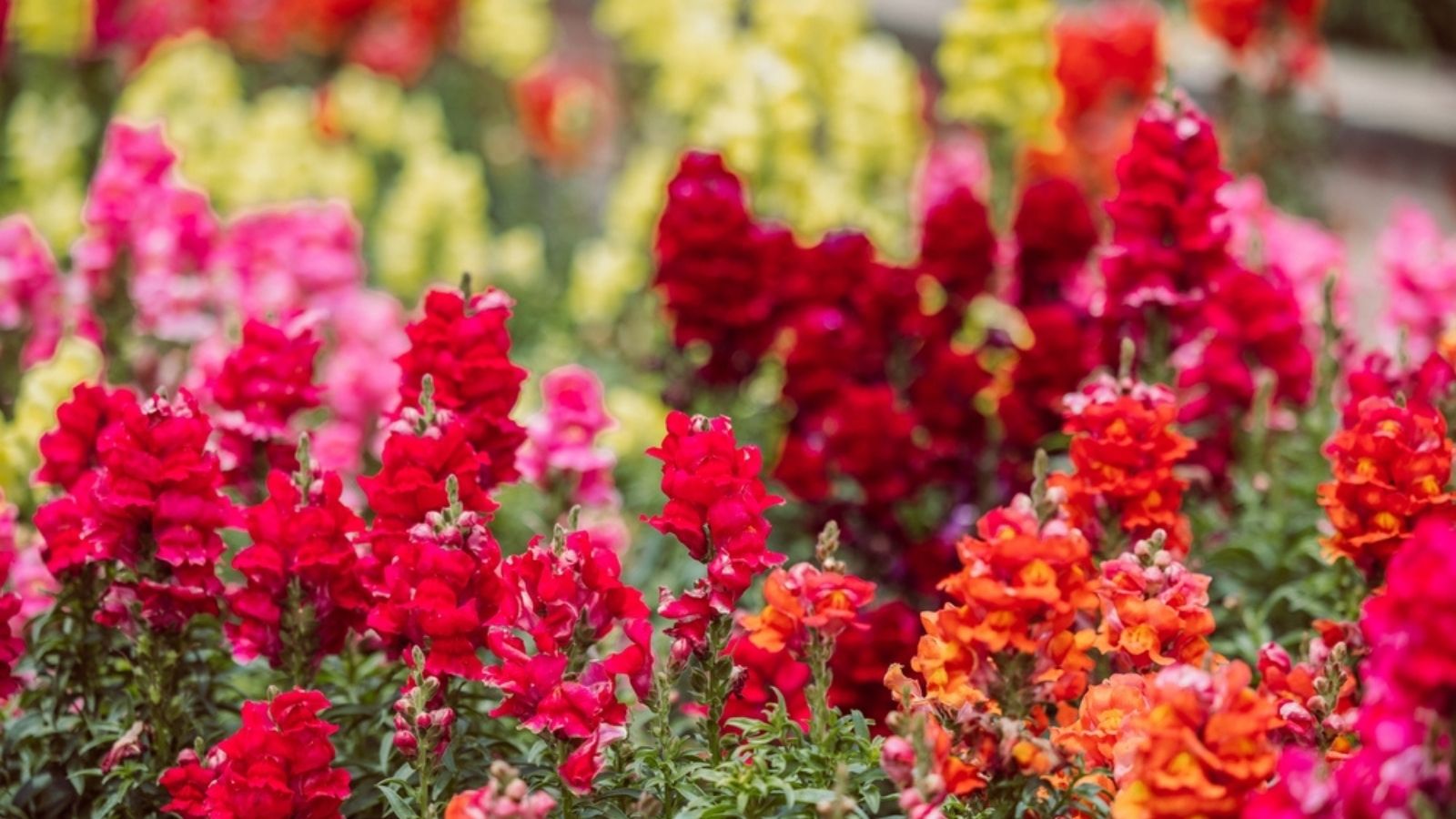
Snapdragons are non-toxic to dogs and, planted in fall rather than spring, behave more like a short-lived perennial in zones 7 and up. They’ll survive temperatures down to around 25°F (-4°C), sit tight through the coldest weeks, then rebloom bigger and earlier than anything you plant in spring. Heights range from 6-inch dwarf types good for edging to 3-foot spires that need staking in an exposed spot. I love snapdragons. They are so ridiculously pretty and they don’t require any real effort or maintenance once they get going.
I lost an entire row to a surprise hard freeze one year because I skipped the mulch, so now I always tuck a couple of inches of straw around the base going into winter. It’s cheap insurance for a flower that otherwise takes care of itself.
Coral Bells (foliage color that holds all winter)
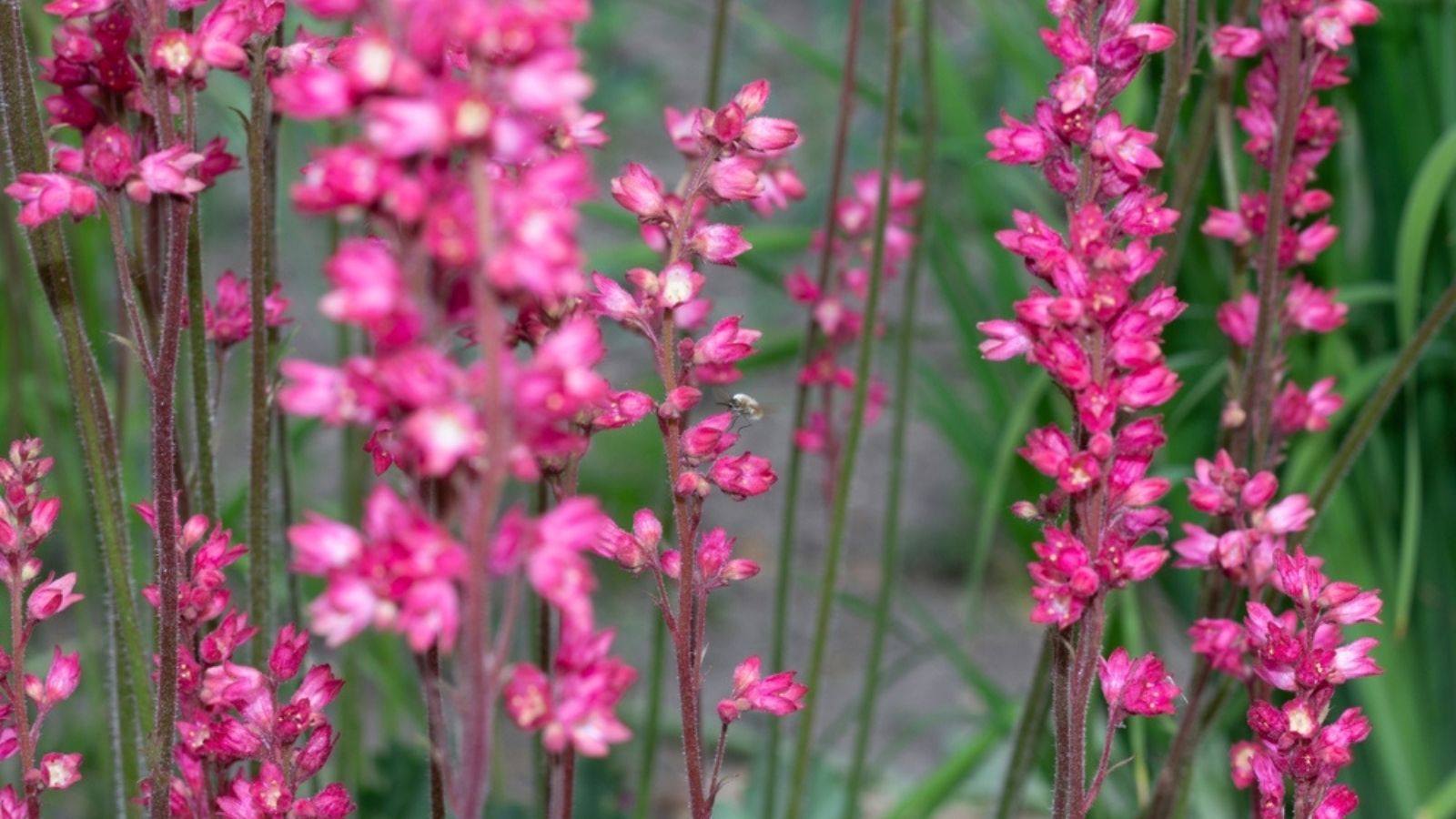
Coral bells, or Heuchera, are non-toxic to dogs and are grown mainly for their foliage rather than their flowers, with leaf colors running from lime green through caramel to near-black depending on the variety. They’re hardy in zones 4-9 and top out around 12-18 inches, making them a solid low border plant for part shade.
Plant them in fall at least six weeks before your first hard frost so the roots get established before the ground freezes. Mine hold their color right through a Zone 6 winter with nothing more than a light mulch, which is more than I can say for most of what’s in that bed.
Garden Phlox (fragrant summer color, planted now)
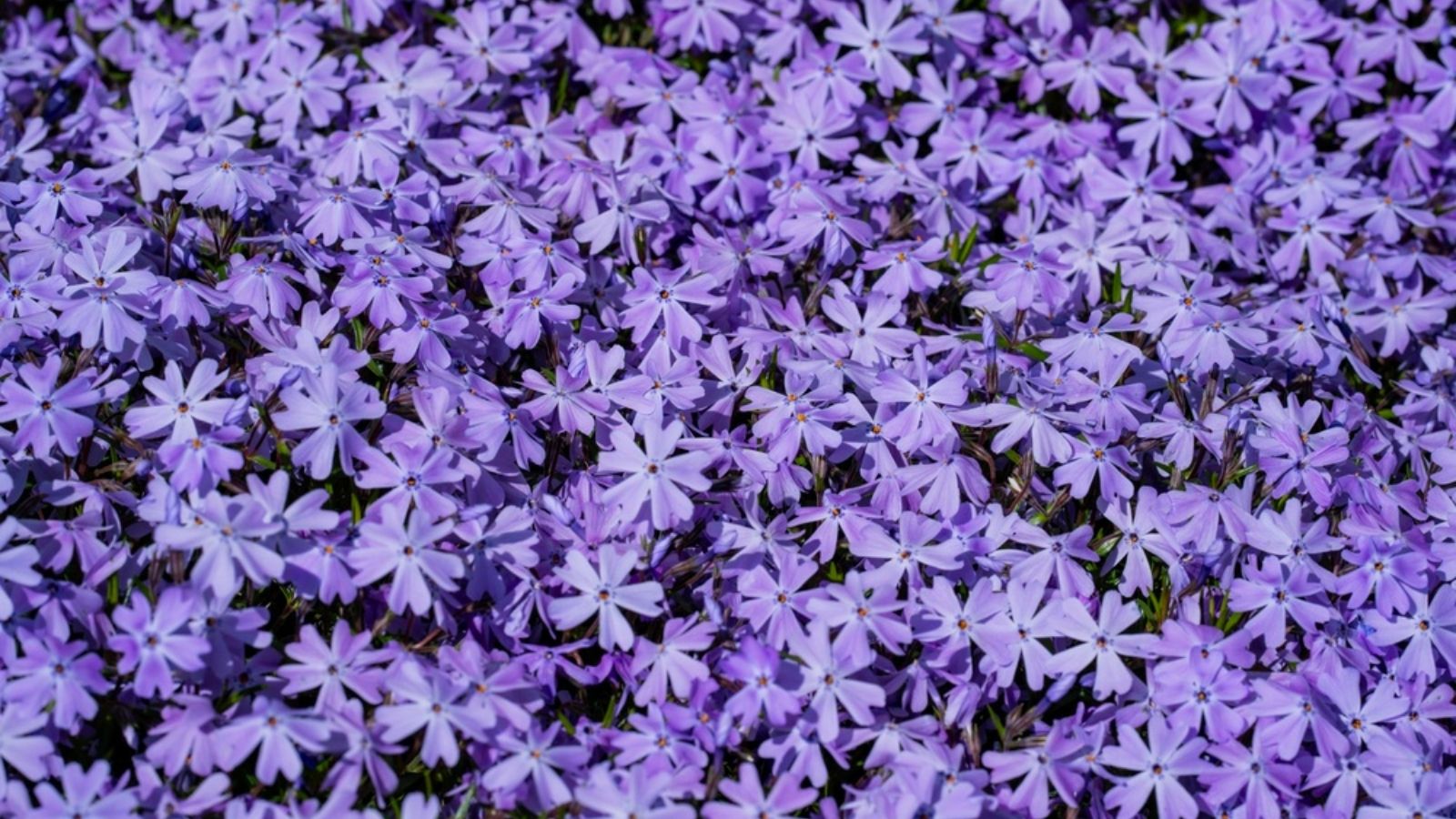
Garden phlox is non-toxic to dogs and one of the most fragrant plants you can grow, though fall is when you plant or divide it, not when it blooms. Established in autumn, it puts its energy into roots over winter and rewards you with a stronger flush of flowers the following summer, typically reaching 2-4 feet tall in a sunny to lightly shaded spot.
I will only grow mildew-resistant cultivars like ‘David’ or ‘Jeana’ at this point, since older varieties turn into a powdery gray mess by August in anything but perfect airflow. Divide established clumps every three to four years in fall to keep them vigorous.
New England Aster (the perennial, not the annual sold as fall color)
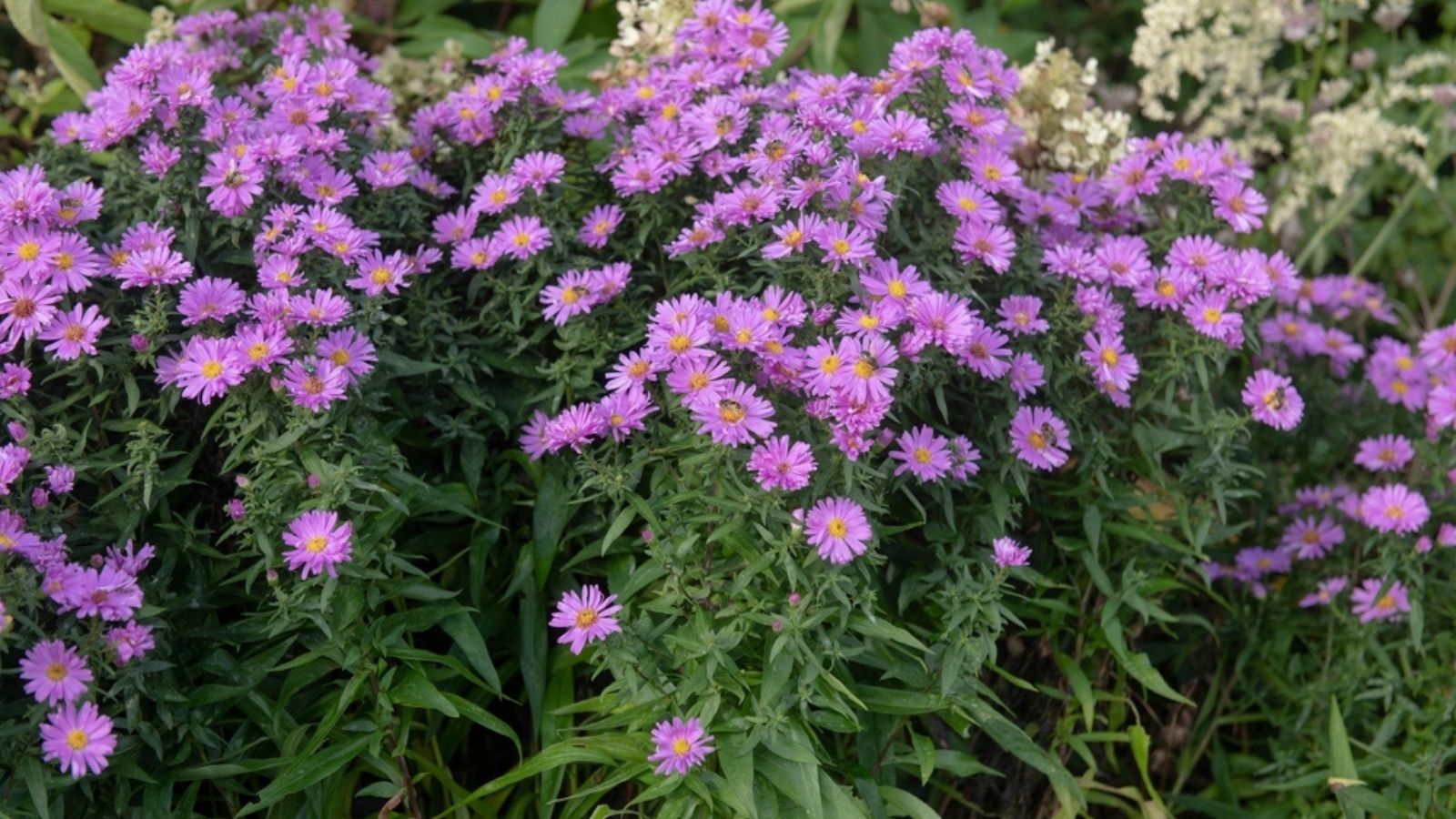
New England Aster is non-toxic to dogs and this is genuinely one of the last nectar sources migrating monarchs get before they head south. It’s worth being precise about which plant you’re buying, though. The “asters” sold blooming in nursery pots every September are usually China Aster (Callistephus chinensis), an annual that’s already at the end of its life cycle by the time it hits the shelf. What actually works for fall planting is Symphyotrichum novae-angliae, sold as New England Aster or Michaelmas daisy, a genuine hardy perennial in zones 4-8. Get it in the ground at least six weeks before your ground typically freezes so the roots settle before dormancy.
Mine goes in along the back fence where the dog doesn’t patrol much, since the stems get top-heavy with blooms by October and flop without staking. If you’ve only got room for one native fall perennial, this is the one that earns its keep for the pollinators alone.
Russian Sage (fall planting works, but only if you’ve got the zone for it)
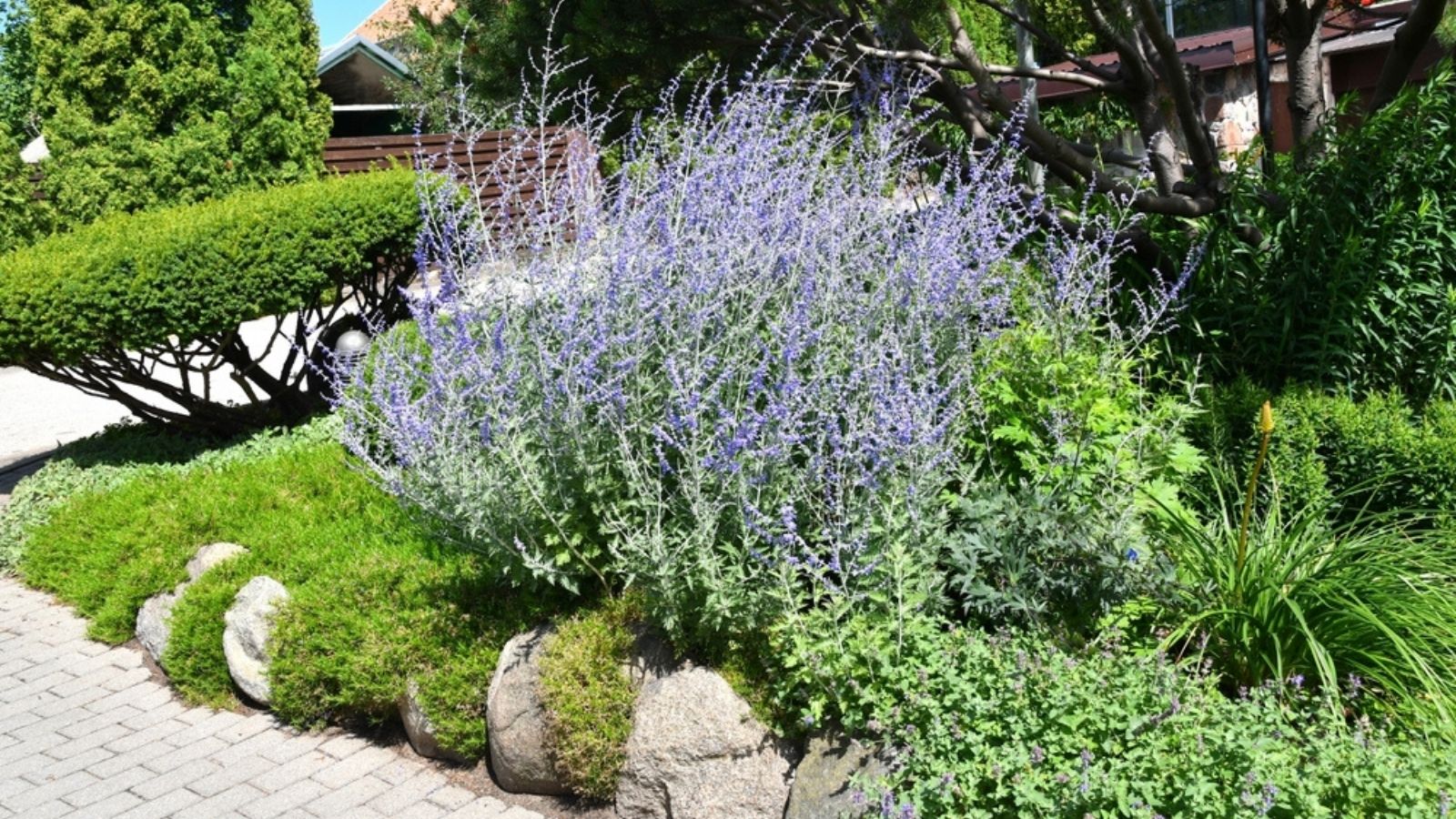
Russian Sage is not considered toxic to pets and about as low-maintenance as a fall perennial gets once established, with silvery foliage and airy purple-blue spikes that hold their color into the first frosts. Fall planting works well in zones 6 and up, provided you get it in the ground six to eight weeks before your first expected frost. In zones 4 and 5, hold off. Spring is the more reliable option there, since a plant moved too late in a cold-winter fall doesn’t always get enough root growth in before the ground freezes solid.
Full sun and lean, well-drained soil are non-negotiable regardless of when you plant it. Rich soil just makes the stems flop.
Astilbe (feathery plumes for a shady, damp corner)
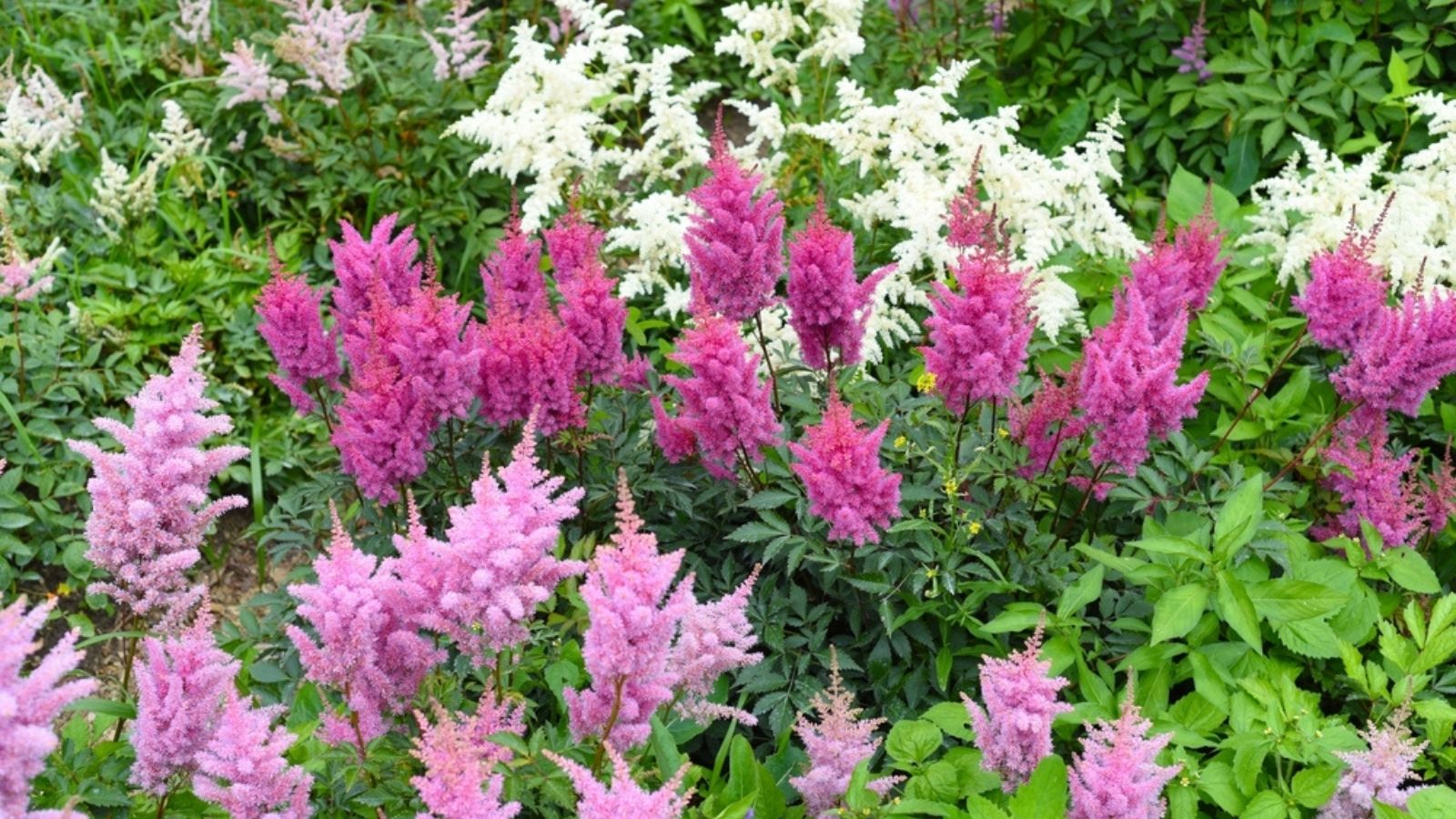
Astilbe is a shade specialist with feathery flower plumes in white, pink, or deep red, and it’s a plant regularly recommended for dog gardens because it’s non-toxic and one of the few showy perennials that actually thrives in the damp, part-shade spots where a lot of dog runs end up. Hardy in zones 4-8, it grows 1-3 feet tall depending on the variety and blooms in early to midsummer.
Plant it in fall so the crown settles in before the ground freezes, and keep the soil consistently moist through that first winter. Astilbe sulks fast in dry soil. Once established, it’s tough enough to survive a dog barreling through the bed on a regular basis, which is more than I can say for most shade perennials.
Hens and Chicks (a succulent tough enough for a dog to walk over)
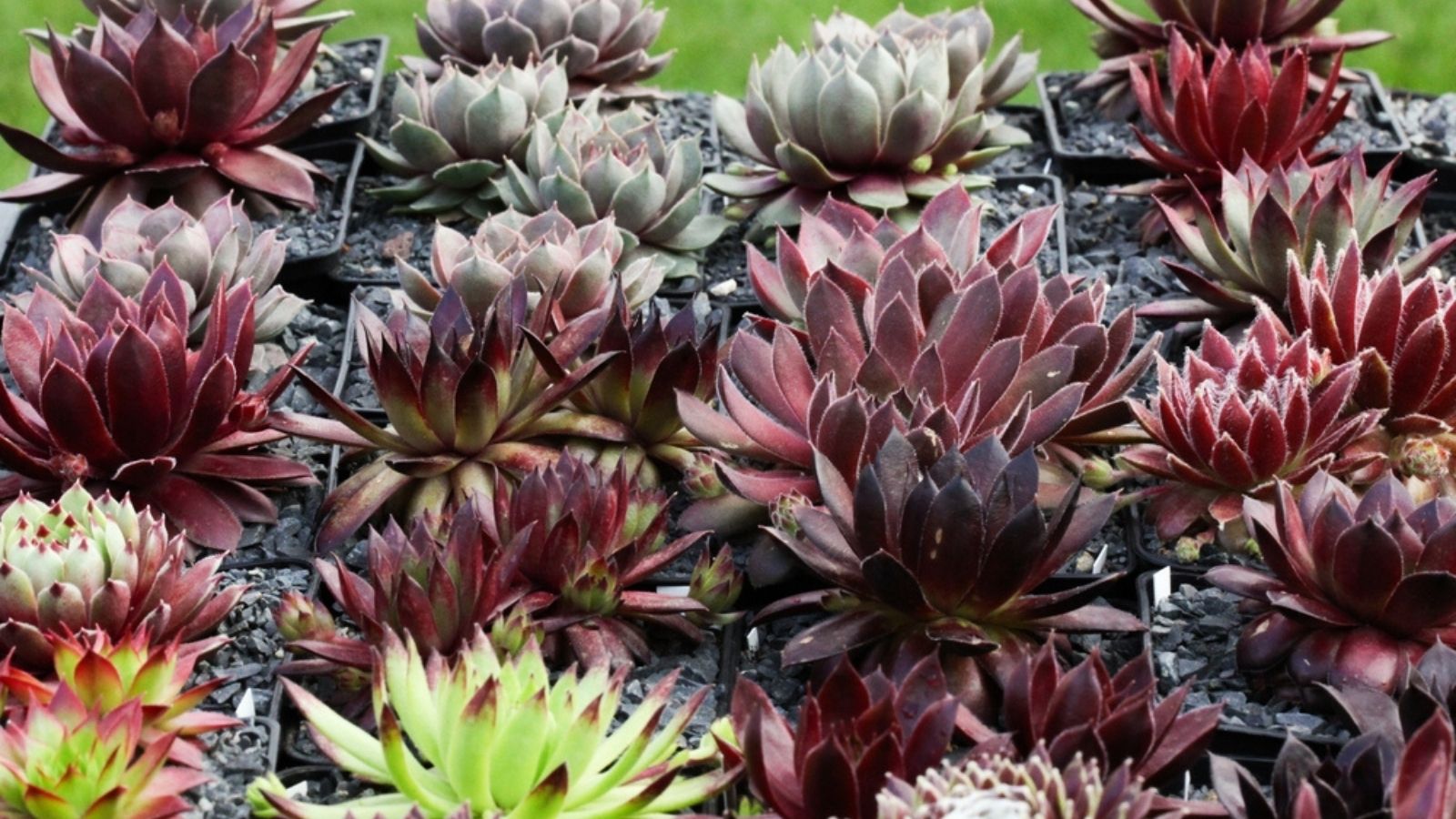
Hens and chicks, or Sempervivum tectorum, is non-toxic to dogs and about as low-maintenance as a plant gets, forming tight rosettes that spread by producing small offset “chicks” around the base of each parent “hen.” It’s hardy down to -40°F (-40°C) in zones 3-8, so winter is never the problem. Poor drainage is.
Fall is the ideal time to separate and replant the offsets, since they’ll root in before the ground freezes and take off the moment spring arrives. Plant them in gritty, fast-draining soil on a slope or in a rock garden, somewhere a dog is more likely to walk across than dig into.
RELATED POST: What Should You Do With Your Garden In the Fall?
Thyme (a walkable herb for the kitchen and the path edge)
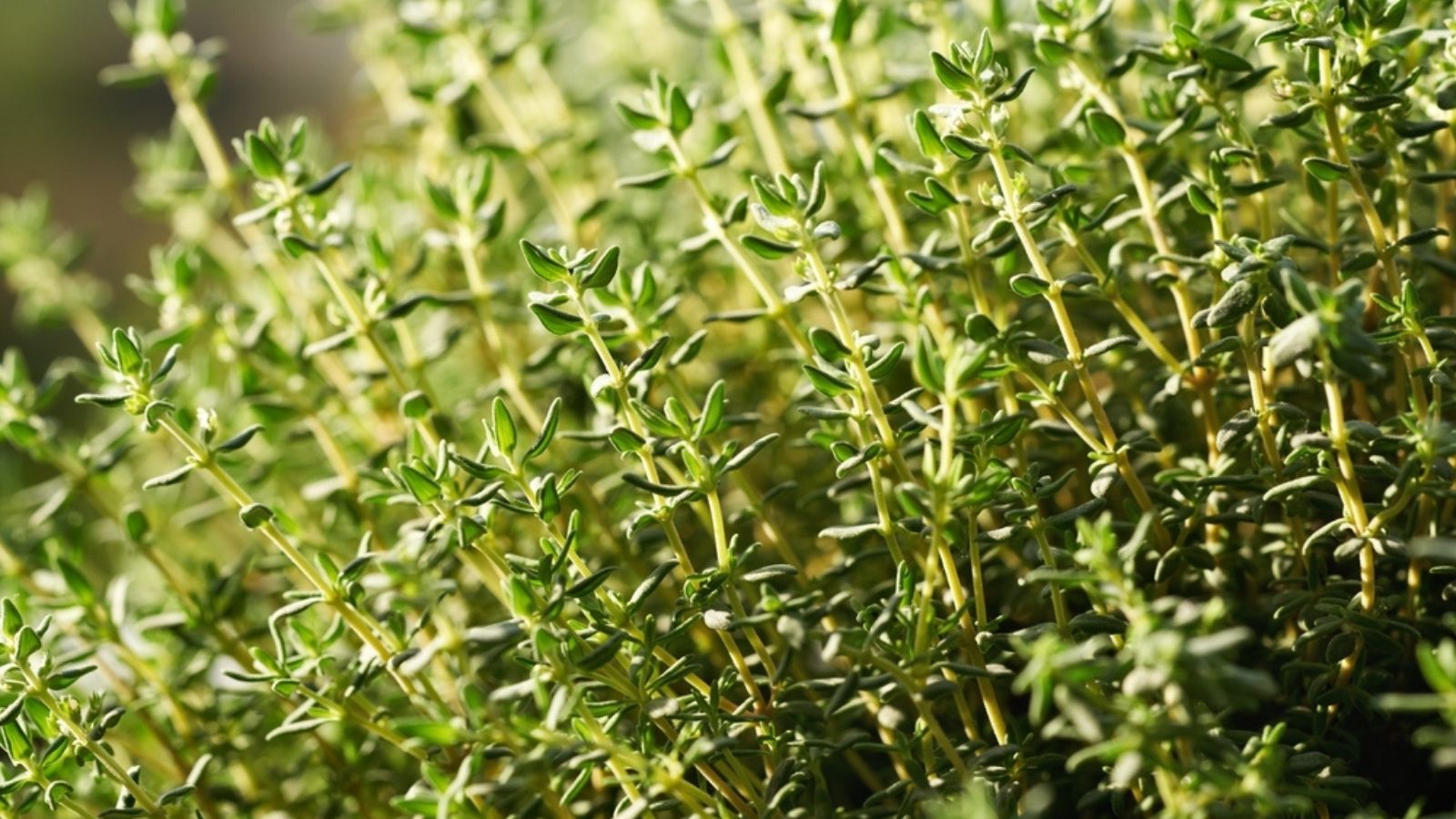
Thyme is non-toxic to dogs and, in its creeping forms, tough enough to handle actual foot traffic, paws included, which makes it one of the only herbs you can plant directly into a path. It’s hardy in zones 5-9 and does best planted in fall, about six to eight weeks before your first frost, so the roots have time to establish before winter dormancy.
I grow both creeping thyme between my stepping stones and upright English thyme in the herb bed proper, since I use the leaves constantly in the kitchen. Once it’s established, thyme needs almost nothing from you beyond a hard trim in early spring to keep it from getting woody.
Roses (non-toxic, though the thorns are their own hazard)
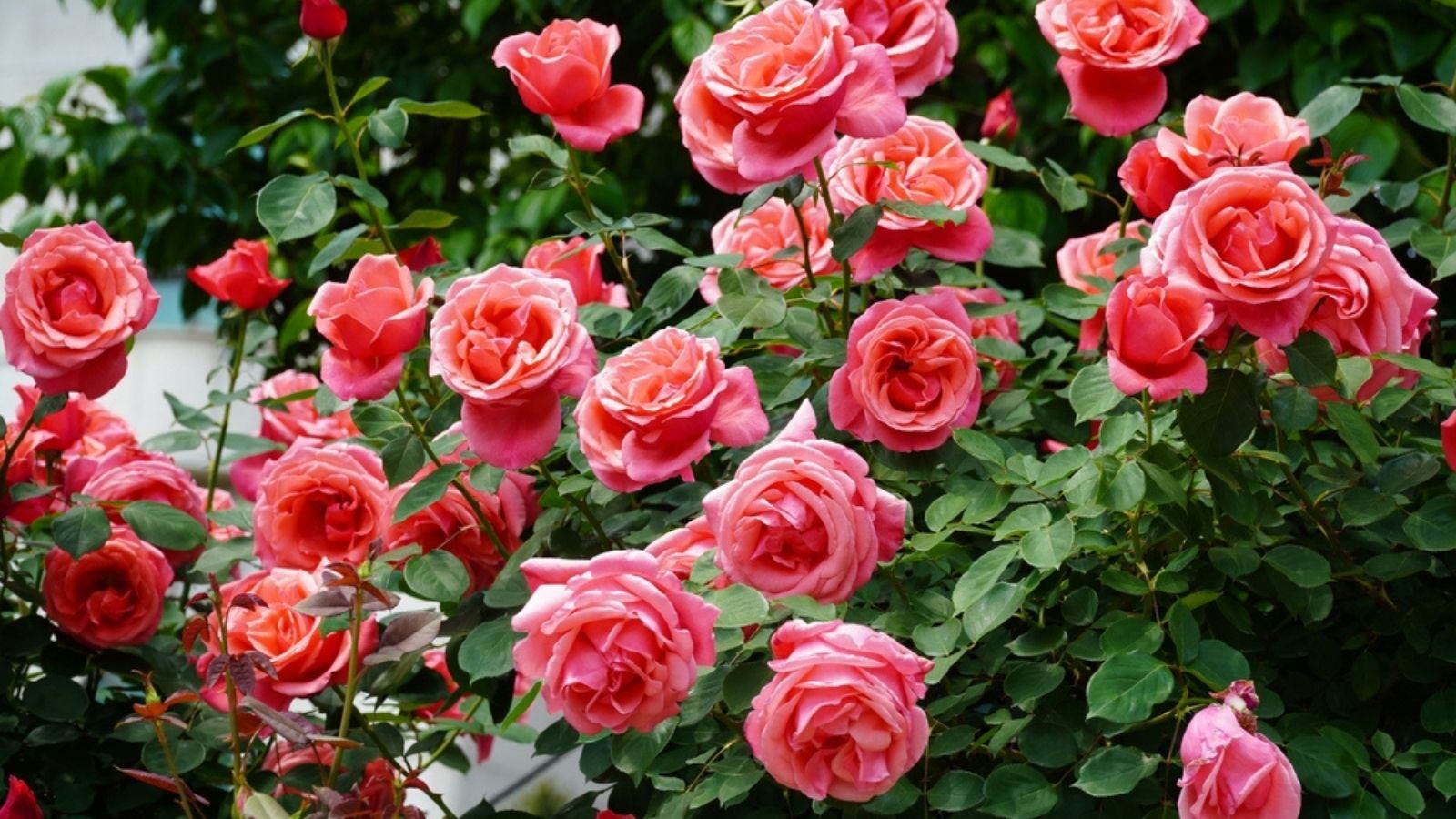
Roses are non-toxic to dogs, which surprises a lot of people, though it’s worth being clear that the thorns are a real physical risk even if the plant itself isn’t poisonous. Fall, while the plant is dormant, is the traditional time to plant bare-root roses, ideally at least four to six weeks before the ground freezes so the roots can establish before top growth wakes up in spring.
I let the hips form on at least a few of my rose bushes after the first frost specifically so I can harvest them for tea. They’re a solid source of vitamin C and taste like a tarter, brighter version of hibiscus. If you’re buying roses from a big box nursery rather than growing your own, ask whether they’ve been treated with a systemic insecticide before planting them somewhere your dog will spend time.
Camellia (an evergreen shrub that blooms when nothing else does)
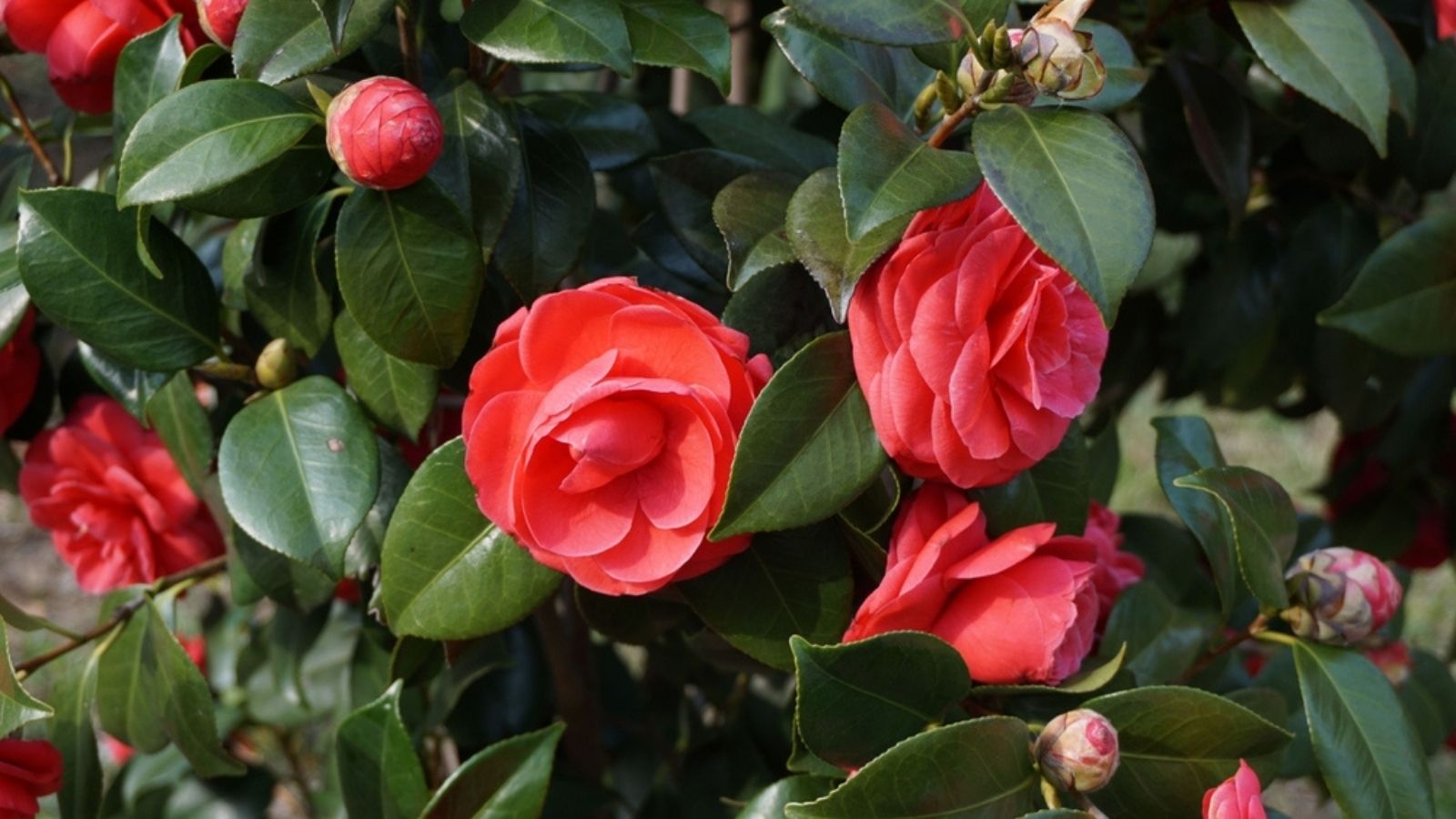
Camellia is non-toxic to dogs, and the sasanqua types are one of the only shrubs that actually bloom in fall and early winter, typically October through December, while camellia japonica types wait until late winter or early spring. They’re evergreen, so you get structure in the garden year-round, not just color for a few weeks.
Camellias are reliably hardy outdoors in zones 7-9, with some newer varieties pushing into zone 6b. Plant in fall while the soil’s still warm enough for roots to establish, and give them acidic, well-drained soil in part shade. If you’re colder than that, grow one in a large pot and bring it into an unheated garage or porch for winter instead.
Caryopteris (a late-blooming shrub best planted with a deadline in mind)
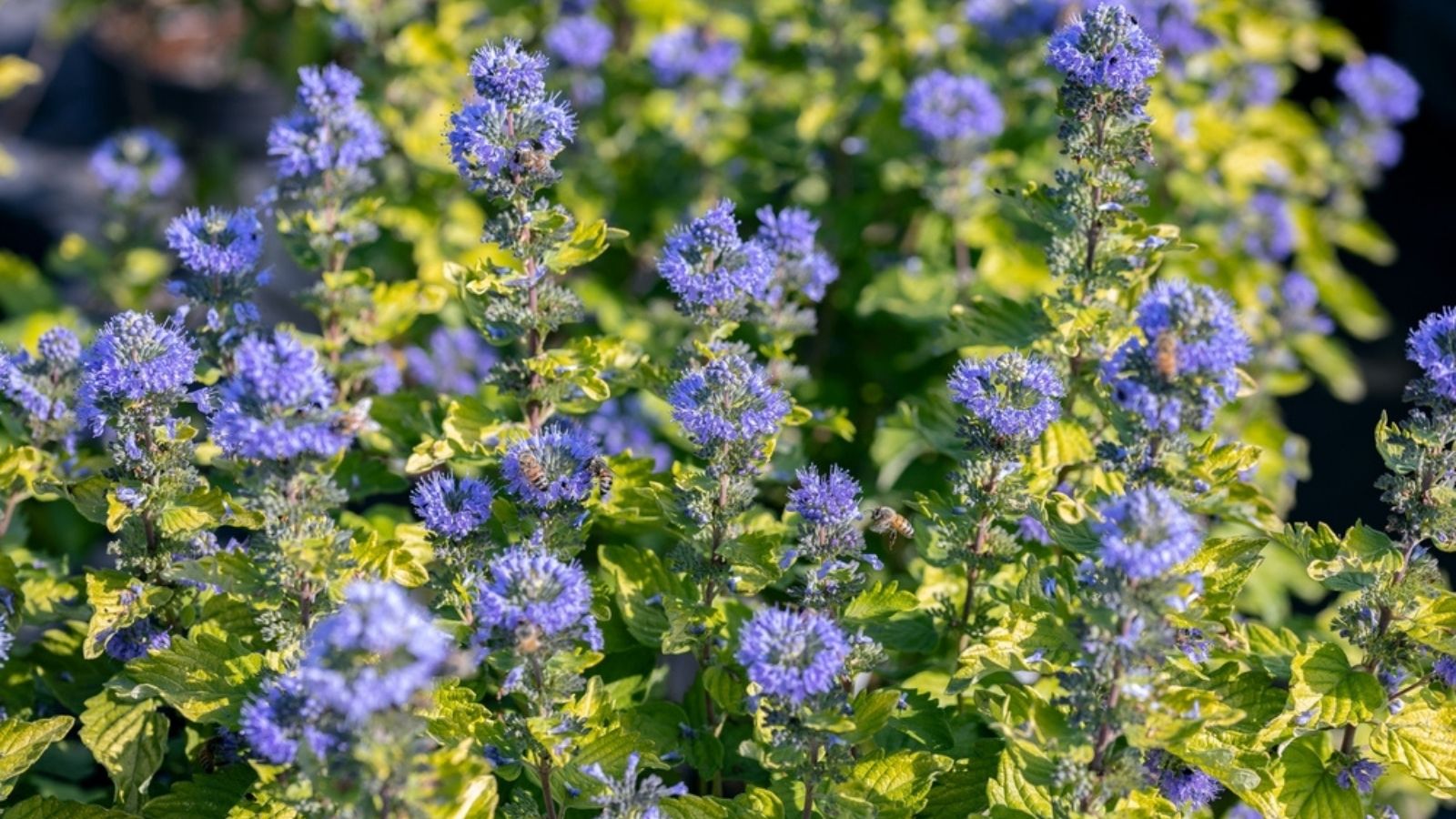
Caryopteris, also called bluebeard, is not considered toxic to pets and one of the only shrubs still covered in blue flowers when everything else in the garden is finishing up for the year. Plant it in spring or early fall, and if you’re planting now, get it in the ground at least a month before your first hard freeze so the roots can establish before winter. It’s only reliably winter-hardy to zone 7. Below that, the top growth dies back to the ground every year regardless of timing, though the roots themselves survive down to zone 5.
I treat mine as a cutback shrub rather than a permanent structural one, since even in a mild winter it comes back looking ragged and needs a hard prune each spring anyway. That makes fall planting a genuinely good option here rather than a compromise, since you’re not banking on the top growth surviving intact either way.
Blueberry Bush (a food crop that’s dog-safe from leaf to ripe berry)
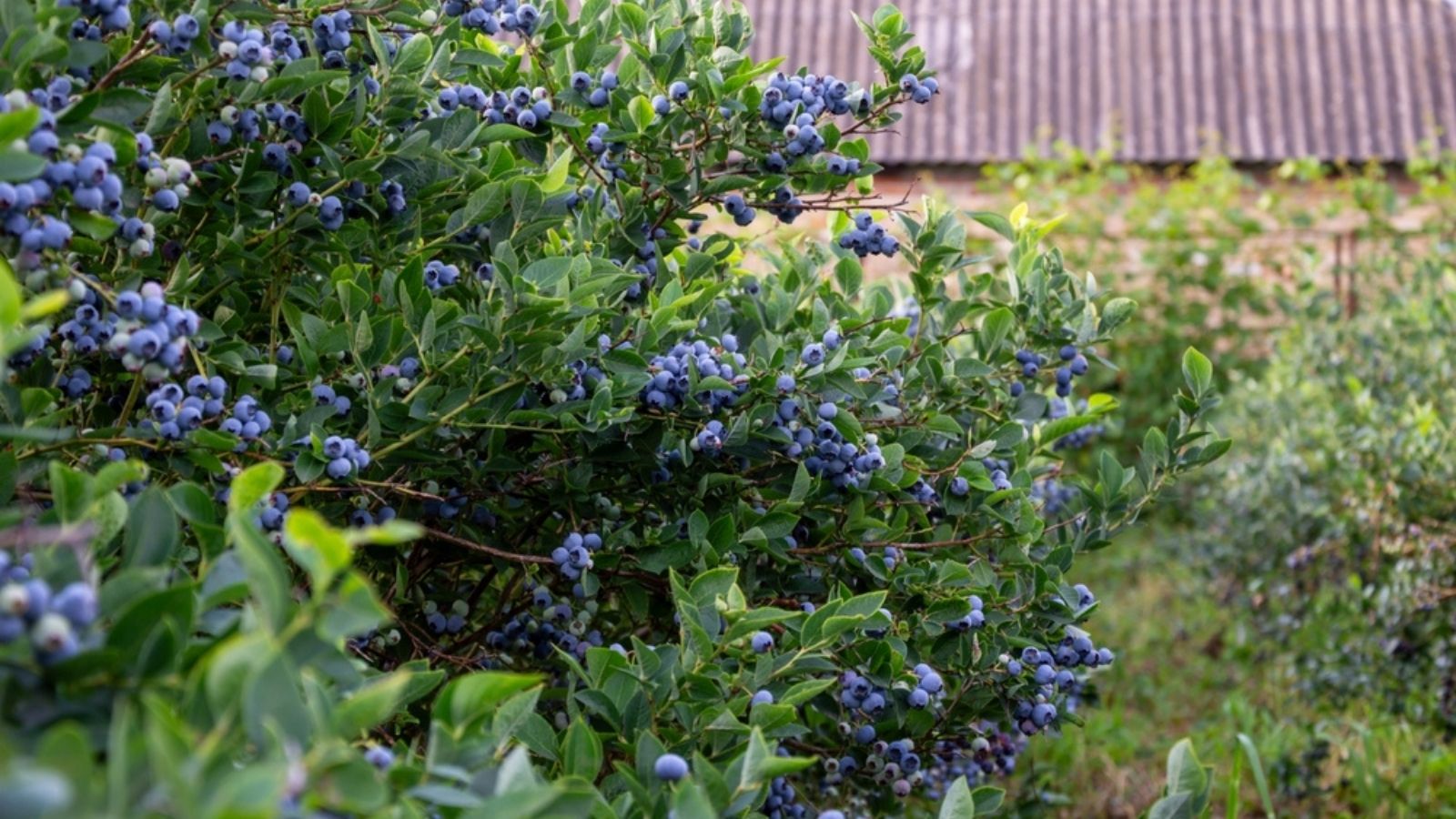
Blueberries, ripe fruit and foliage both, are non-toxic to dogs, which makes the blueberry bush one of the few plants on this list doing double duty as an actual food crop for your own kitchen. Fall is prime planting time for bare-root or potted dormant stock, since the roots settle in over winter and the plant is ready to push growth the moment spring arrives.
Plant at least two different varieties for the best pollination and yield, in acidic soil with a pH of 4.5 to 5.5, and mulch heavily going into that first winter to protect young roots.
Fall planting doesn’t have to mean choosing between a garden you love and a dog you don’t want anywhere near the emergency vet. Every plant on this list can go in the ground over the next few weeks, and most of them are better off planted now than in spring anyway. Remember that non-toxic doesn’t mean bottomless, and any dog can get an upset stomach from overindulging in something new. If you’re ever genuinely worried your dog has eaten something they shouldn’t, call your vet or the ASPCA Animal Poison Control Center at (888) 426-4435.