

Affiliate disclosure: This post may contain affiliate links. Please see full disclosure.
Plantain, the broad flat-leaved weed already growing in your lawn, is the plant I reach for instead of anti-itch cream, and pressing a chewed leaf against a fresh bite brings the itching and stinging down within a few minutes. It’s one of the longest-used remedies in Western folk herbalism. For the ordinary itch of a mosquito bite or bee sting, it’s free, it’s already in your yard, and it works fast enough that you don’t need to go and buy anti-itch cream.
Identify the Right Weed Before You Use It
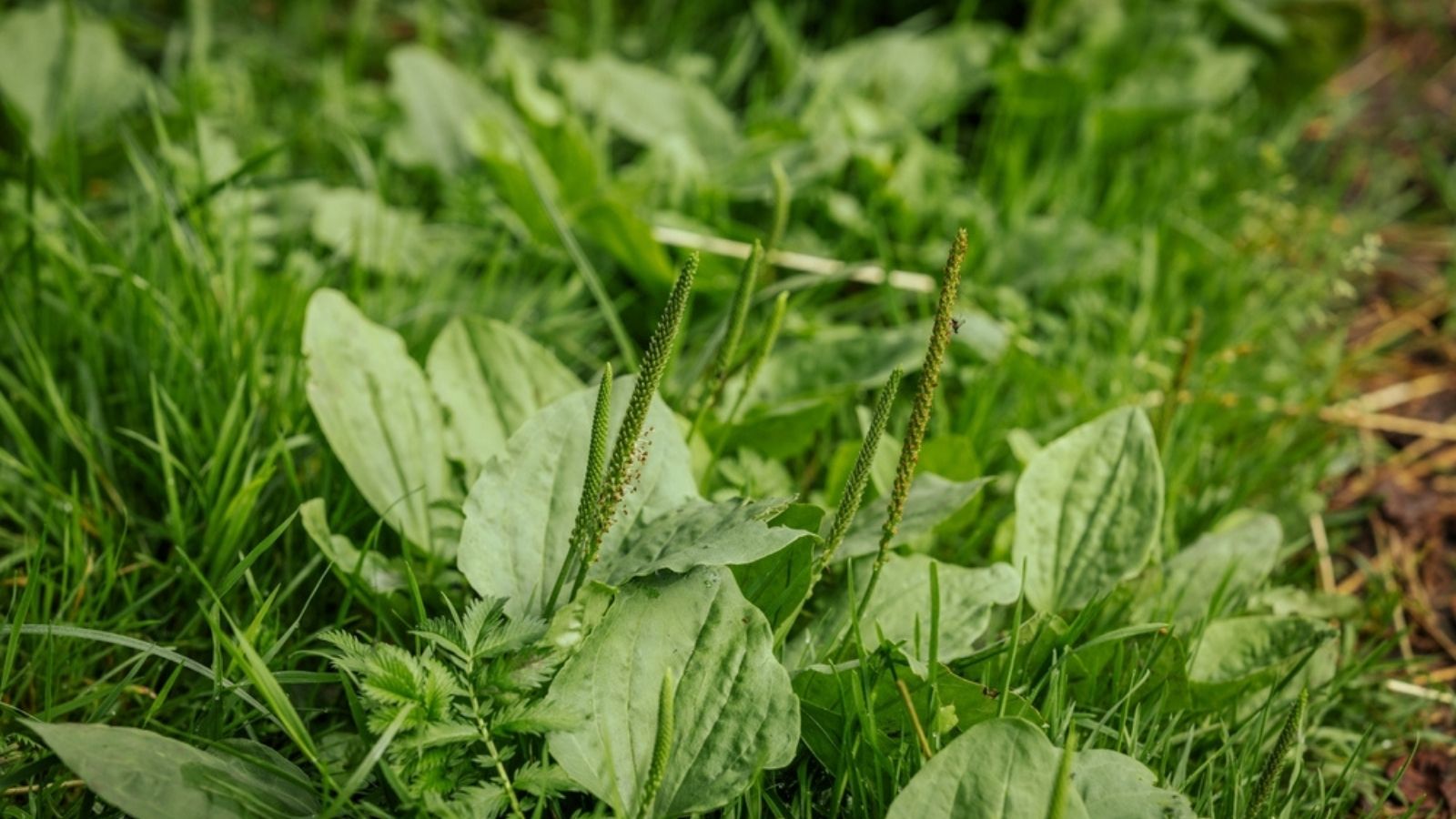
Plantain is a low-growing perennial weed with broad, egg-shaped leaves that fan out in a flat rosette close to the ground, and it’s one of the most common lawn weeds in North America. You’re looking for one of two species. Plantago major, broadleaf plantain, has oval leaves 2 to 6 inches long with 3 to 5 thick veins running the length of each leaf, not branching or netted like most lawn weeds. Plantago lanceolata, ribwort or narrowleaf plantain, has the same parallel veins but longer, lance-shaped leaves and a distinctive leafless flower spike. Both work the same way on a bite, so it doesn’t matter which one is in your yard.
The veins are your main ID marker. Tear a leaf gently and you’ll see the veins hold together like tiny threads instead of the leaf just shredding apart, which is a good way to double check you’ve got the right plant. Skip any plantain growing right at the curb or in a lawn that’s been treated with weed killer. You’re about to put this on broken skin, sometimes in your mouth, so it needs to be clean. This weed has nothing to do with the banana-family plantain sold in grocery stores. Same common name, completely unrelated plants. There’s actually a reason for that overlap and for the plant’s genus name itself. Plantago comes from the Latin word for the sole of a foot, and colonial-era accounts describe Native Americans referring to the plant as the white man’s footprint, since it seemed to spring up wherever European settlers walked. It’s been naturalized across nearly every state since.
Why Plantain Actually Calms a Bite or Sting
Plantain calms a bite because it carries several active compounds that each tackle a different part of what makes a bite miserable. Aucubin is an iridoid compound with antimicrobial and anti-inflammatory activity, and it’s part of why plantain extracts have long been associated with wound healing, antimicrobial, and anti-inflammatory effects in the research literature. Allantoin is a compound that encourages new skin cell growth, which is also why it shows up as an ingredient in commercial skincare and wound care products. Tannins are astringent compounds that tighten tissue, which helps explain why a plantain poultice reduces the swelling and weeping of a fresh bite. Mucilage is the slippery, gel-like substance in the crushed leaf that coats and cools irritated skin, working a bit like aloe on a sunburn.
This isn’t just backyard folklore, either. Germany’s Commission E, the government body that formally reviewed herbal medicines for safety and traditional use, approved ribwort plantain for external use on inflamed skin back in 1985. That’s traditional-use approval built on centuries of documented use, not the same thing as a modern clinical trial, so I treat plantain the way I’d treat any home remedy. It calms an ordinary bite fast and costs nothing, but it hasn’t been tested against a serious allergic reaction or an infected wound.
I’ve foraged and grown plantain in my own permaculture beds for years, and out of everything in my herbal first aid kit, it’s still the first thing I reach for. I’ve pulled a leaf mid-weeding more times than I can count, usually because one of the kids has just been stung and is hollering about it. By the time we’re back at the door, the worst of the sting has usually already faded, which is honestly the whole reason I never bothered restocking the hydrocortisone.
How to Prepare and Apply It
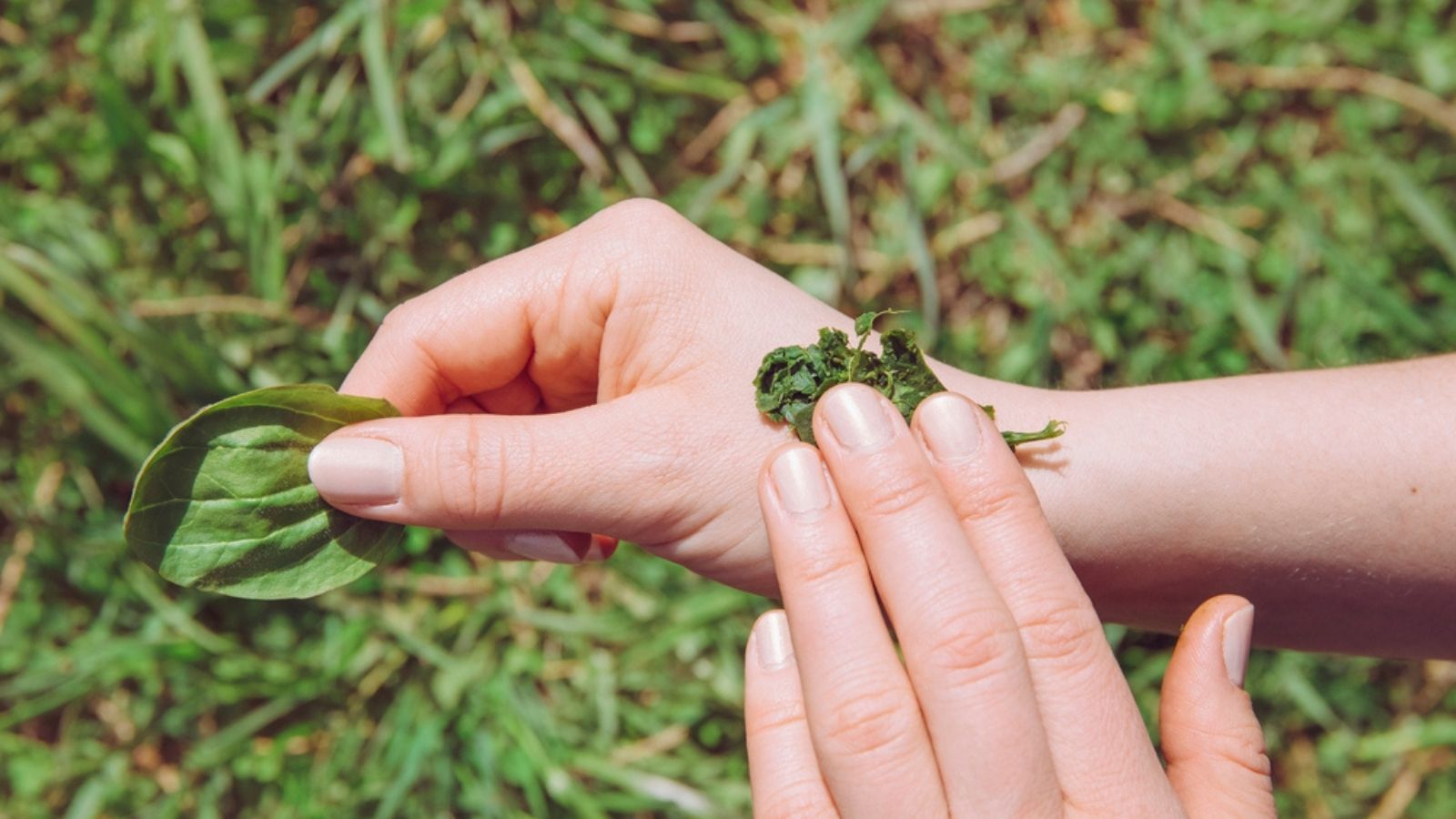
The fastest way to use plantain on a bite is to pick one clean leaf, chew it into a wet pulp for about 15 to 20 seconds, and press it directly onto the bite for at least 10 minutes. This chewed version is called a spit poultice, and it’s the traditional method because saliva helps break down the leaf fast enough to release its juice on the spot. A poultice is simply a soft, moist mass of plant material pressed against the skin to draw out irritation and deliver its compounds directly to the site.
If you’d rather not chew a weed, crush the leaf between your fingers or with a mortar and pestle instead, adding a few drops of water if it’s not releasing juice easily. Young leaves work better than old, tougher ones, since they’re more tender and release their juice faster. Hold the poultice in place with a bandaid or a strip of cloth if you need to keep moving. If it’s a bee sting, remove the stinger first so it isn’t still delivering venom under your poultice. Reapply a fresh leaf every 15 to 20 minutes for as long as the itch or pain persists, which for most ordinary bites is well within the first hour.
RELATED POST: Tick Talk: How to Avoid Ticks While Hiking
When to Skip Plantain and Get Real Help
Plantain is fine for the everyday itch of a mosquito bite or a single bee sting, but it’s not a stand-in for medical care in a few specific situations. Skip it and seek treatment if the area gets more red, warm, or swollen 24 to 48 hours after the bite, since that pattern points to infection rather than ordinary irritation. Skip it too if you develop a spreading rash, hives, or any trouble breathing or swelling of the face or throat, which are signs of a serious allergic reaction and need emergency care, not a leaf. If you suspect a bite from a venomous spider like a brown recluse or black widow, plantain isn’t the answer either. Get medical attention and, if you can safely do so, capture the spider for identification.
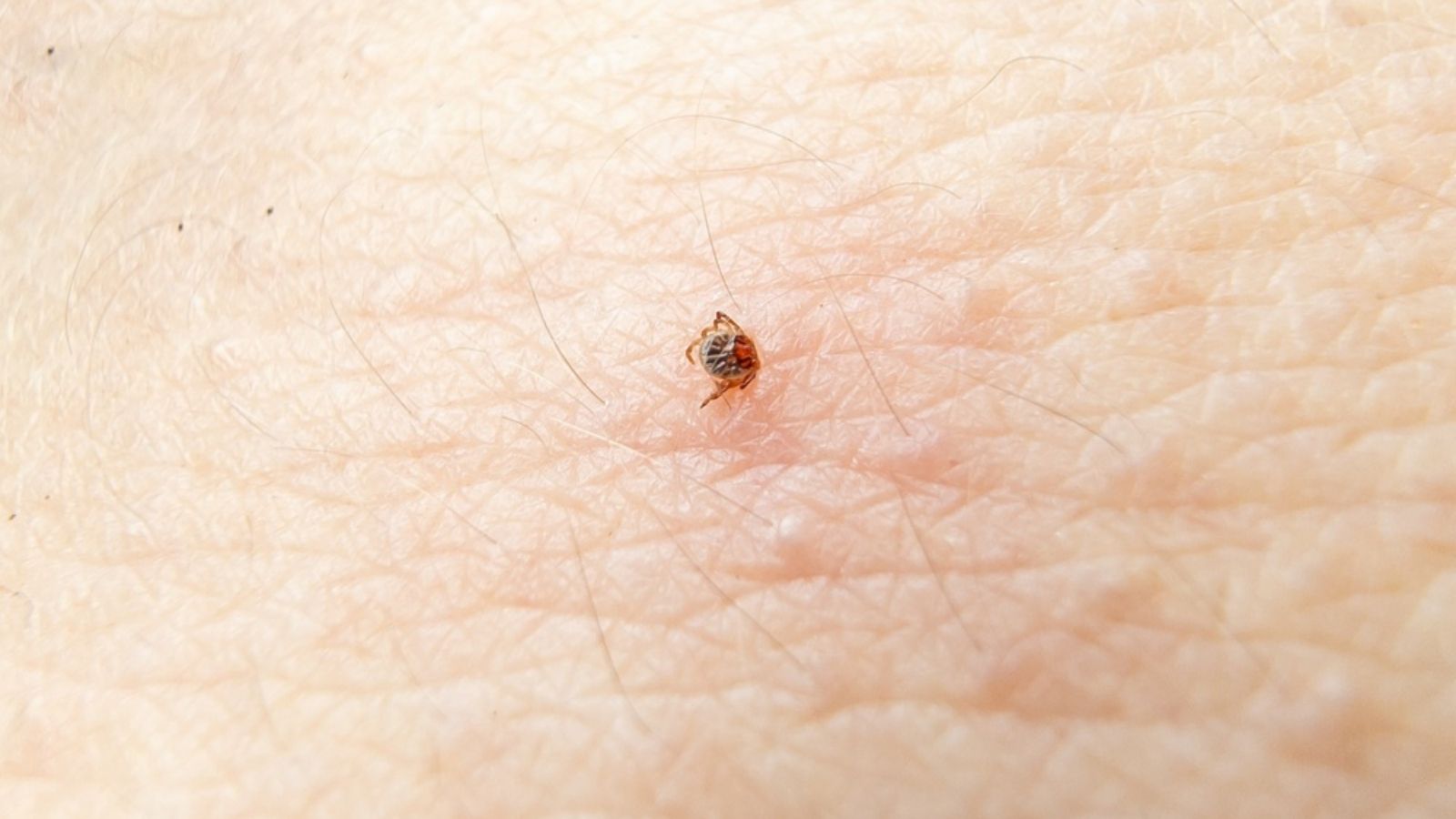
Ticks need their own category. If you’ve just pulled a tick, plantain can take the edge off the itching and irritation left behind once the tick is fully removed, but it does nothing to prevent Lyme disease or any other tick-borne illness, so don’t treat it as protection. Watch the bite site over the following weeks, and see a doctor if a bullseye-shaped rash, fever, joint pain, or fatigue shows up, and mention the tick bite when you do.
There’s one allergy wrinkle worth knowing about. Around 30 percent of people with pollen allergies test positive for a reaction to plantain pollen specifically, so if you’re prone to hay fever or grass allergies, it’s worth doing a quick patch test on your inner forearm before you rely on plantain during an actual sting. It’s also worth being upfront that when regulators formally reviewed this exact plant more recently, they found the evidence on how well it performs when applied directly to skin still too limited to draw firm conclusions from, which is exactly why I treat it as a fast first response and not a cure. If you’re ever unsure whether a bite needs more than a leaf, a quick call to your doctor or an urgent care line costs nothing but a few minutes, and it always beats guessing.
RELATED POST: How to Repel Brown Recluse Spiders Naturally
FAQs
Is the plantain weed the same thing as banana plantain?
No, they’re unrelated plants that happen to share an English common name. The lawn weed is Plantago major or Plantago lanceolata, in the plantain family Plantaginaceae, while the starchy banana-like fruit is in the completely separate banana family, Musaceae. The name overlap is just a historical coincidence, not a botanical connection.
Is plantain weed safe to put in your mouth and on your skin?
Yes, plantain is edible and people have eaten the young leaves for centuries, so chewing a bit to make a poultice is safe for most people. The main caution is making sure you’ve correctly identified the plant and picked it from a spot that hasn’t been sprayed with herbicide or sits right at a busy roadside.
Can you use dried plantain instead of fresh?
Fresh plantain works better for a bite or sting because you need the juice and mucilage that release when the leaf is crushed or chewed. Dried plantain, rehydrated with a little water, will work in a pinch, but it’s noticeably less potent for topical use than a fresh leaf picked straight from the yard.
Does it work on both bites and stings, or just one?
It works on both, and on more than just mosquitoes. Chigger bites, other insect bites, and bee, wasp, or fire ant stings all respond to the same aucubin, allantoin, tannin, and mucilage combination. For a sting, just make sure to remove the stinger before applying the poultice so it isn’t trapped underneath it still releasing venom.
How fast does the itch actually go away?
Most people notice less itching and stinging within a few minutes of applying a fresh poultice. Full resolution of any swelling can take a few hours longer, and reapplying every 15 to 20 minutes speeds that along.

