

Affiliate disclosure: This post may contain affiliate links. Please see full disclosure.
A rusty cast-iron pan is usually worth rescuing. Orange patches on otherwise sound, bare cast iron can often be scrubbed away, leaving a pan that’s ready to be dried, seasoned, and put back to work. But I’d check for cracks, serious pitting, and a warped base before spending an afternoon on restoration. Rust is often a surface problem. Missing or damaged metal is not.
I love making old, useful kitchenware last, but there’s a difference between saving a good skillet and trying to make an unsafe one usable. Happily, most forgotten cast-iron pans need ordinary cleaning supplies, a little elbow grease, and some patience rather than expensive restoration kits.
Make sure it’s bare cast iron and check for damage
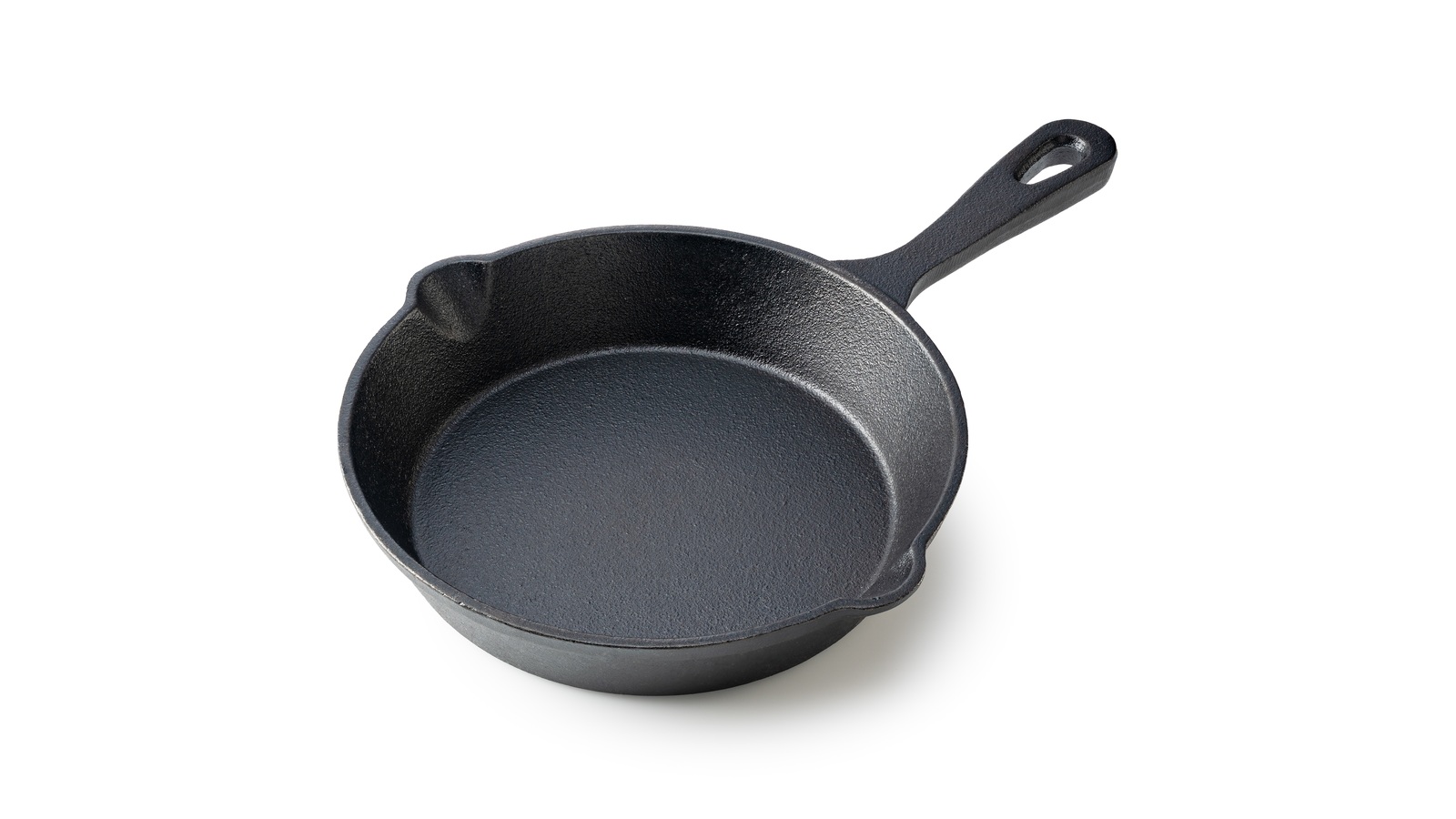
These steps are for traditional, uncoated cast-iron skillets, not enameled Dutch ovens or pans with a nonstick finish. Black enamel can look surprisingly similar to seasoned iron, so check the maker and model if you’re unsure. Enamel doesn’t need to be stripped or seasoned, and steel wool can damage it.
Turn the pan over. Look closely where the handle meets the body, around the rim, and across the base. If you see what looks like a long scratch, check whether it continues through the rim or appears on the other side. That can be a crack. Place the pan on a genuinely flat surface and press gently at different points along the rim. Does it sit steady, or rock and spin? Don’t assume a heavy pan is automatically a sound one.
A bit of uneven color or a pebbly cooking surface isn’t the same as damaged iron. I’d be much more concerned about a split handle, a spreading crack, or large craters left after the rust is removed. If the structure looks good, it’s time to tackle the orange stuff.
Scrub off surface rust with what you already own
Start with the mildest cleaning that will do the job. There’s no benefit in grinding away every bit of good seasoning if the pan has only a few rusty spots.
- Wipe the pan with a dry cloth or paper towel to see how much of the reddish dust comes away. Light flash rust may lift with a little cooking oil and a firm wipe.
- Scrub remaining spots with a stiff brush, a rough kitchen sponge, or a little coarse salt as an abrasive. Work on the affected areas first rather than automatically stripping the entire pan.
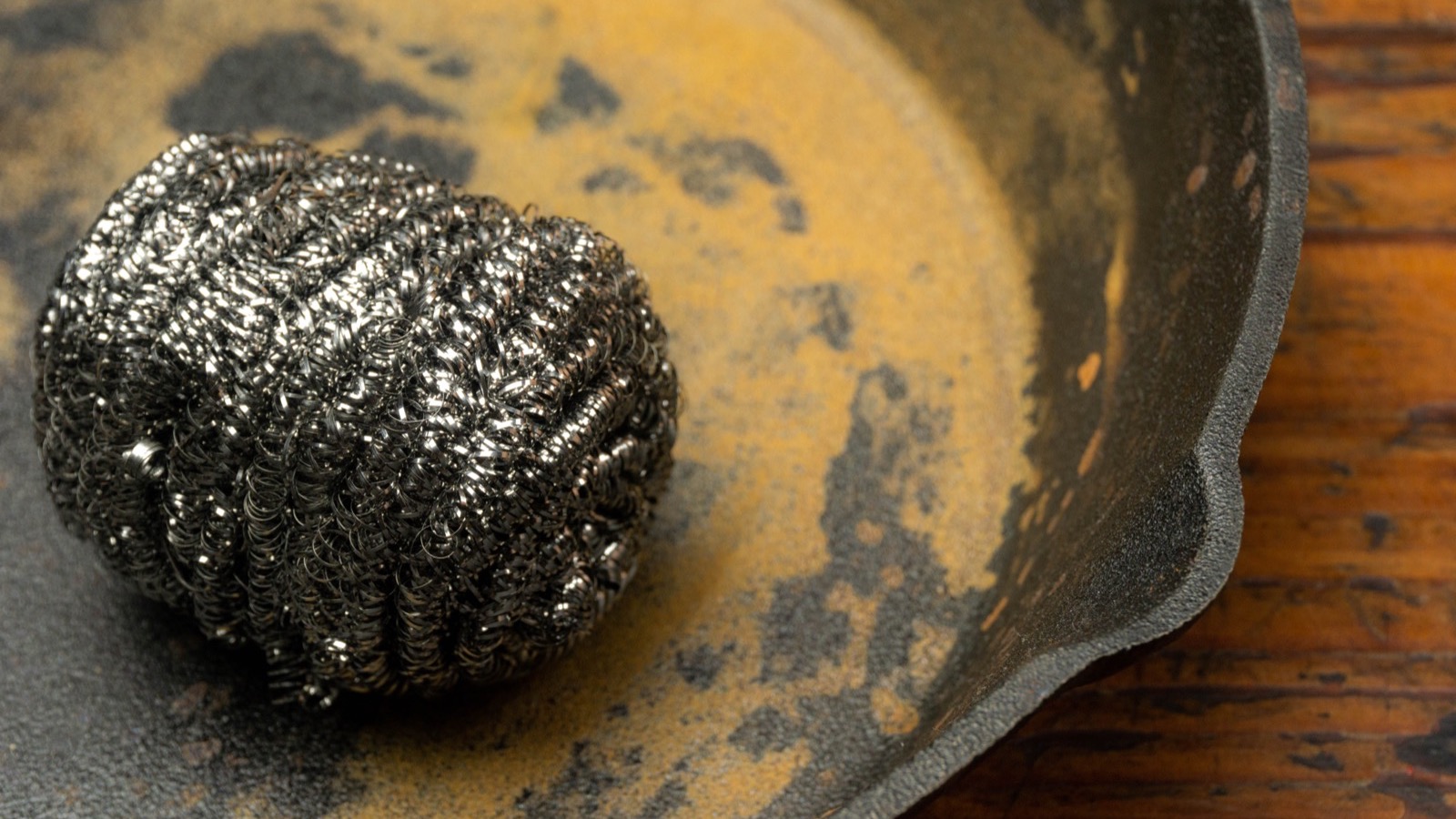
- If the rust is stubborn, use fine steel wool or a metal scouring pad. Scrub until you’re back to solid iron. This will remove seasoning too, which is fine because you’ll replace it.
- Wash thoroughly with warm water and ordinary dish soap to clear away loosened rust and gritty residue, then rinse. Modern dish soap is fine for cast iron; you don’t need to preserve dirt in the name of preserving seasoning.
Don’t put a rusty pan in the dishwasher, and don’t leave it soaking in the sink while you do something else. The whole problem started with moisture. There’s no need to give it more.
Use a short vinegar soak only if the rust won’t budge
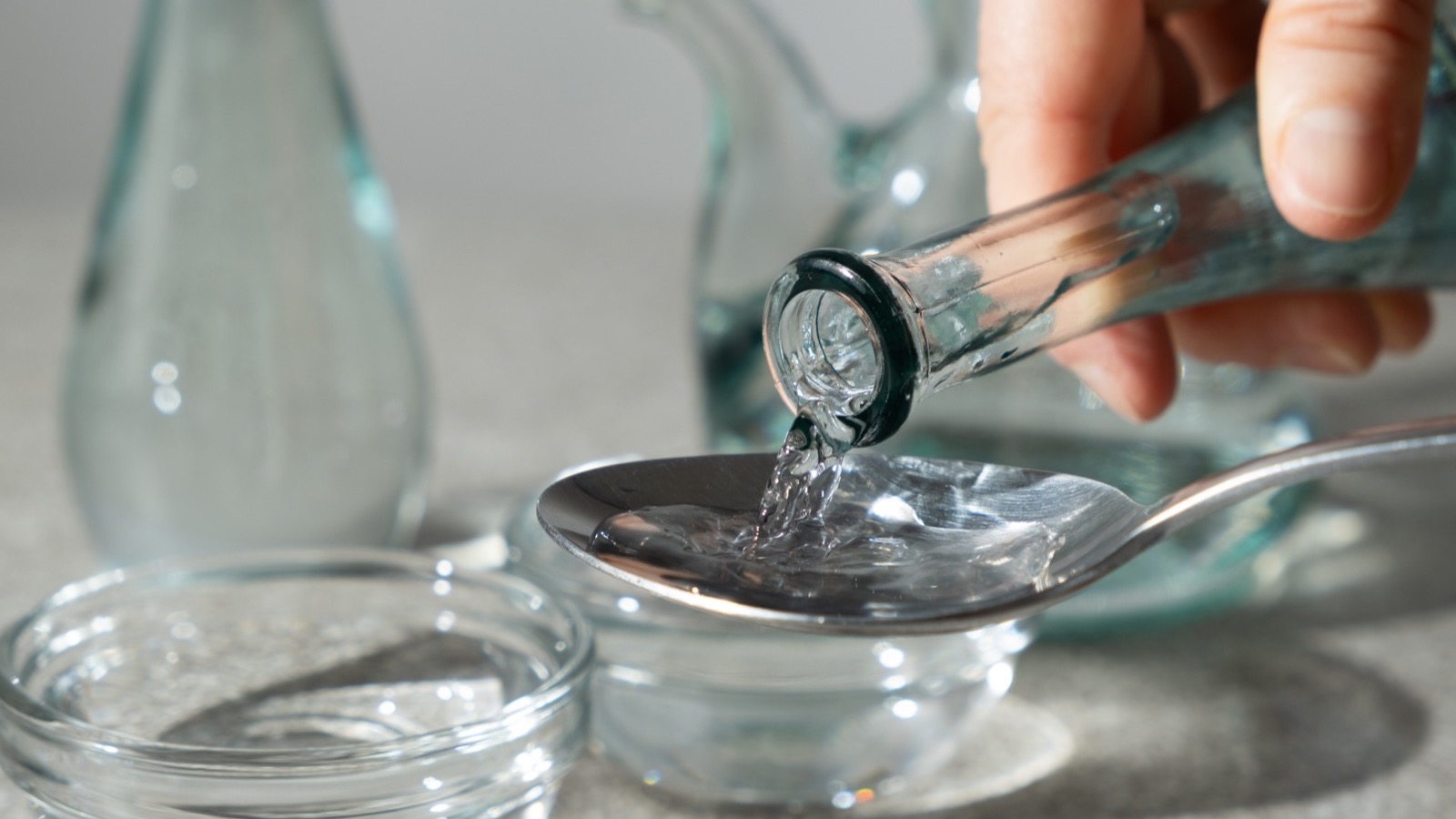
For widespread rust that resists scrubbing, mix equal parts plain white vinegar and water in a container large enough for the uncoated iron. Soak briefly, checking the pan every 15 minutes and testing a patch with a scrubber. Lift it out as soon as the rust loosens, then wash and rinse thoroughly.
I wouldn’t leave cast iron in vinegar overnight. Acid doesn’t know when it’s finished removing rust, and prolonged contact can start attacking the sound iron underneath. A quick, monitored soak is useful; forgetting the skillet in a bucket is not. If the rust is only a small patch, skip the vinegar altogether.
Dry every inch before the rust comes back
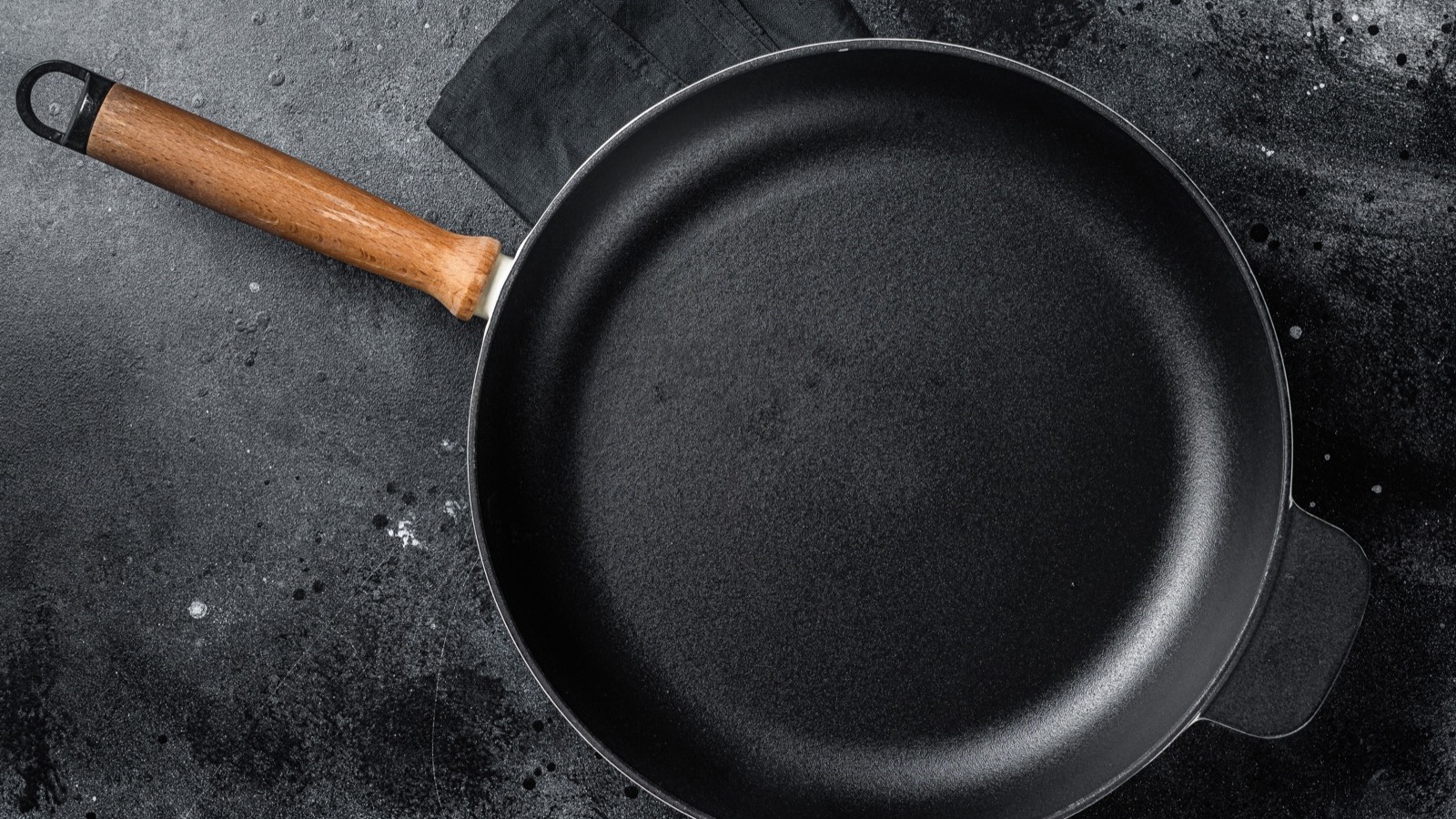
Once you’ve exposed bare iron, work promptly. Towel-dry the inside, outside, handle, and underside, then put the skillet on a burner over low heat for a few minutes to drive off lingering moisture. Stay with it and turn off the heat when the pan is dry. Use a dry cloth or oven mitt to handle the warm iron.
A rusty orange haze that reappears almost immediately on bare, drying iron is often fresh surface rust. Give the affected area another quick scrub or wipe and move straight on to oiling it. Leaving the stripped pan wet on a drying rack is practically an invitation for another round of rust.
Rebuild the seasoning with a very thin coat of oil
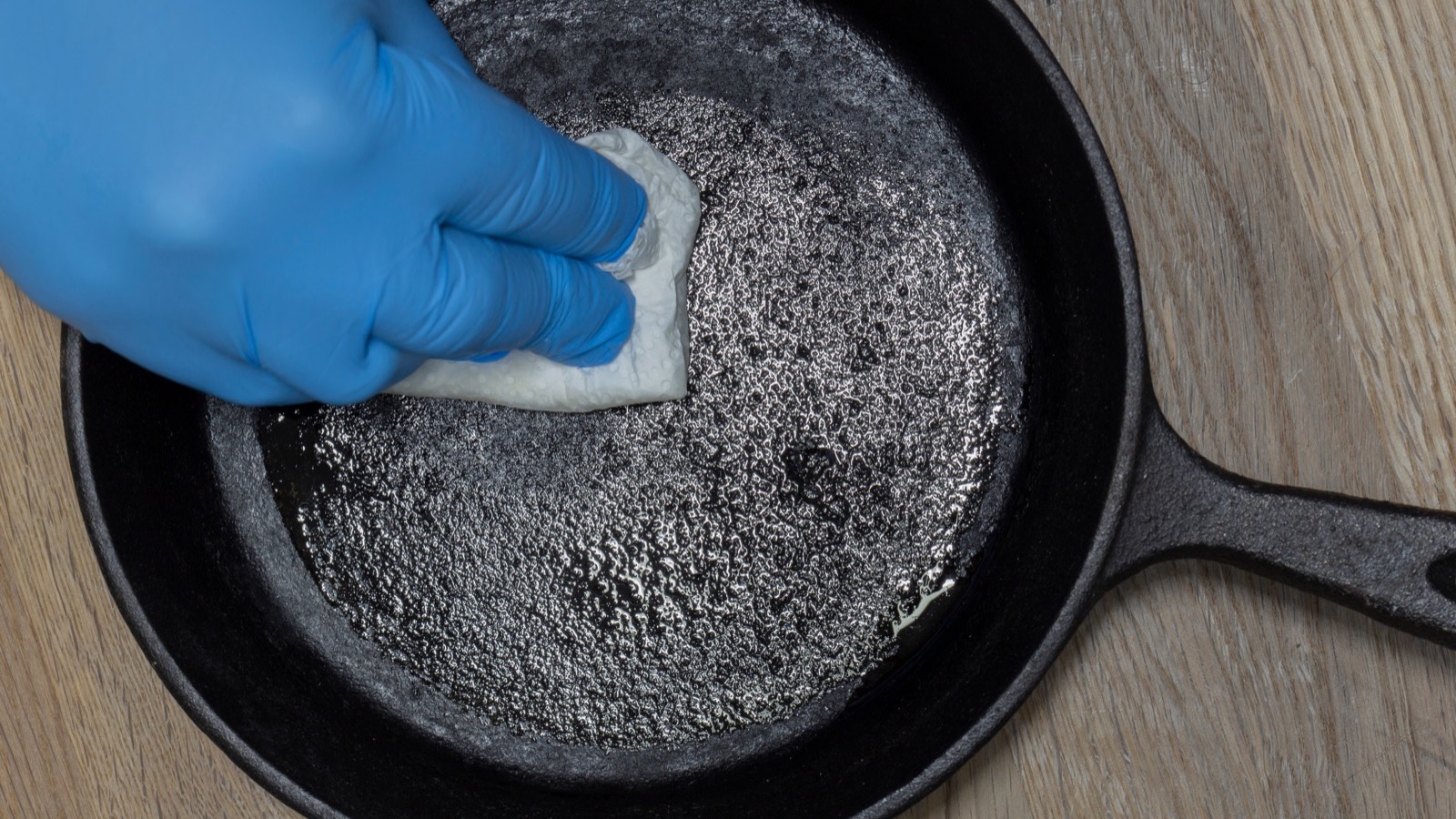
Use an ordinary neutral cooking oil, such as canola or vegetable oil. Rub a little over the whole dry skillet, including the handle and underside, then take a clean cloth and wipe most of it off again. The metal should look lightly coated, not glossy with pools or drips. Too much oil can bake into a sticky, gummy finish instead of a durable seasoning layer.
If you’ve cleaned off extensive rust or stripped large areas to bare iron, heat the oven to 450°F (232°C). Put the pan upside down on the center rack, with foil on a lower rack to catch any drips, and bake it for an hour. Switch the oven off and let the pan cool inside. Run the extractor or ventilate the kitchen, since seasoning can produce some smoke. Repeat a thin coat and another oven cycle if bare patches still need attention.
That oven method is for a plain, all-metal skillet that can safely take the heat. If yours has a wooden or other heat-sensitive handle, follow its manufacturer’s instructions instead. For a tiny rust spot with sound seasoning around it, cleaning, drying, and oiling the patch may be all that’s needed; you don’t have to roast the entire pan every time you see orange.
Know when to stop trying to save it

You can restore seasoning and remove a surprising amount of rust. You can’t put missing iron back with cooking oil. These are the problems I’d treat differently:
- Cracks or a broken cast-in handle. A hairline crack that runs through the pan or into the handle is a reason to stop cooking with it. Heat and the weight of food can stress damaged metal further. A loose, replaceable handle fitting may be repairable, but it needs to be secure before use.
- A severely warped base. Some older pans have a slight wobble and can still work in an oven or on gas. But if the skillet rocks badly, spins on a flat surface, or pools oil noticeably to one side, it’s a poor cooking tool, particularly on a smooth electric cooktop. Seasoning won’t flatten it.
- Deep pitting or badly thinned iron. Small, shallow pits are not necessarily a reason to discard a pan. Deep cavities, crumbling areas, or a cooking surface so eroded that it can’t be cleaned properly deserve closer inspection. Heavy rust can remove metal permanently, even though the orange color itself can be scrubbed off.
- Chipped interior enamel. This is a different kind of damage. An enameled pan with chips in the food-contact surface shouldn’t be treated with the steel-wool-and-seasoning method. Stop using it for cooking and ask the manufacturer about assessment or warranty options.
- Questionable past use. If a secondhand skillet has clearly been used to melt lead or handle unknown industrial materials, don’t return it to food use just because the rust comes off. A pan can look clean without its previous contamination being resolved.
A pan with one or two shallow pits can still be useful. A cracked pan isn’t worth gambling on just to avoid buying another skillet. My rule is to rescue worn cookware when it’s structurally sound, and be prepared to walk away when it isn’t.
Put it away dry, not sealed up with moisture
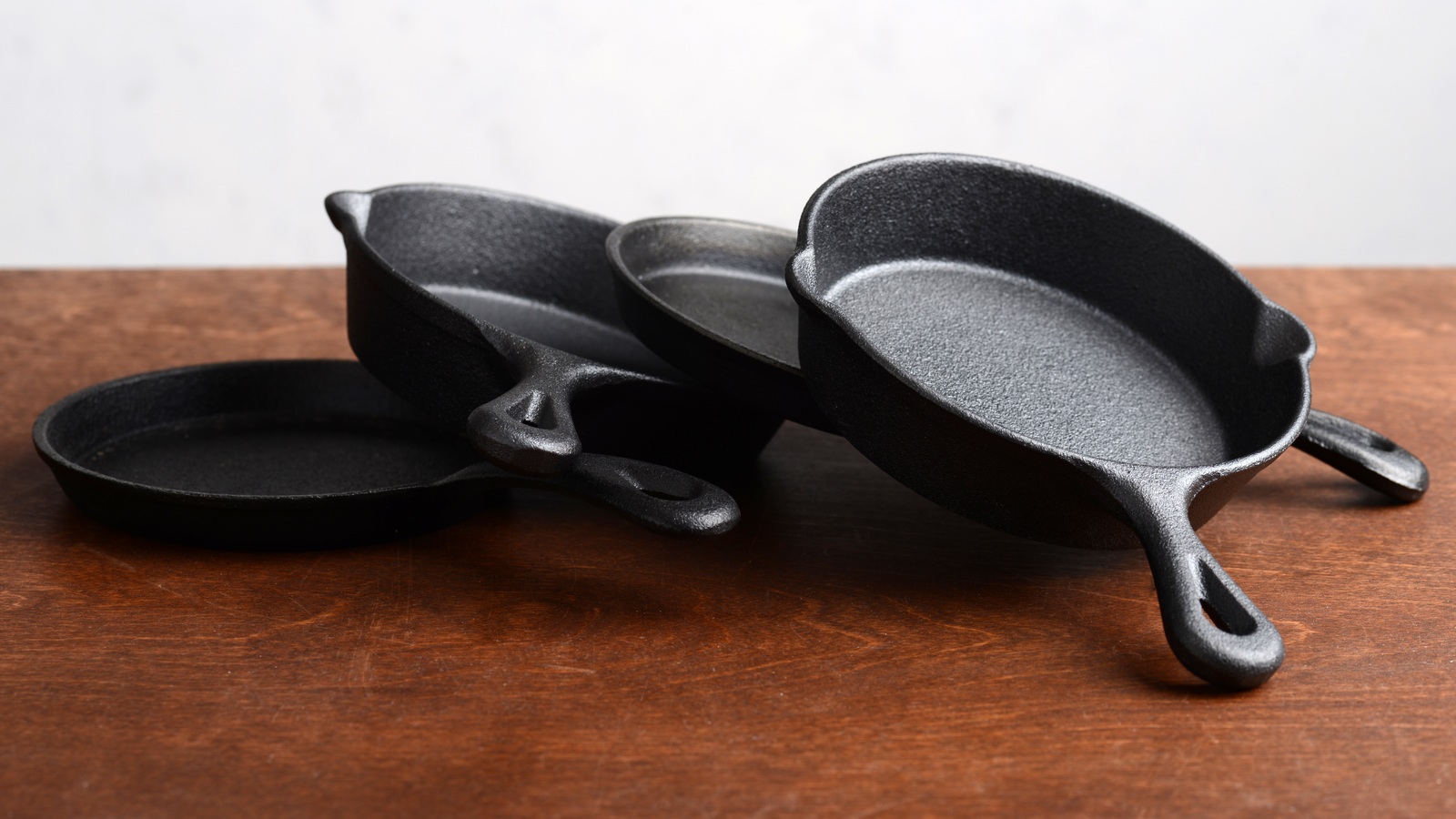
After every use, wash the pan, dry it with a towel, and finish with a minute or two over gentle heat if needed. Once it’s dry, wipe on the lightest possible protective film of oil. Let it cool before storing it in a dry cupboard, well away from a damp sink cabinet or humid shed.
If you stack cast-iron pans, place a clean, dry paper towel or cloth between them. And if yours has a lid, leave it slightly ajar rather than shutting damp air inside. That small gap gives moisture somewhere to escape. The less often you let water sit against the iron, the less often you’ll have to rescue the same skillet all over again.
You might also like…
The Old Cast-Iron Skillet Collectors Are Always on the Hunt For
24 Cast Iron Skillet Recipes for Simple, Hearty Homestead Meals
What I Check Before Buying Secondhand Cookware for a Working Kitchen