
Affiliate disclosure: This post may contain affiliate links. Please see full disclosure.
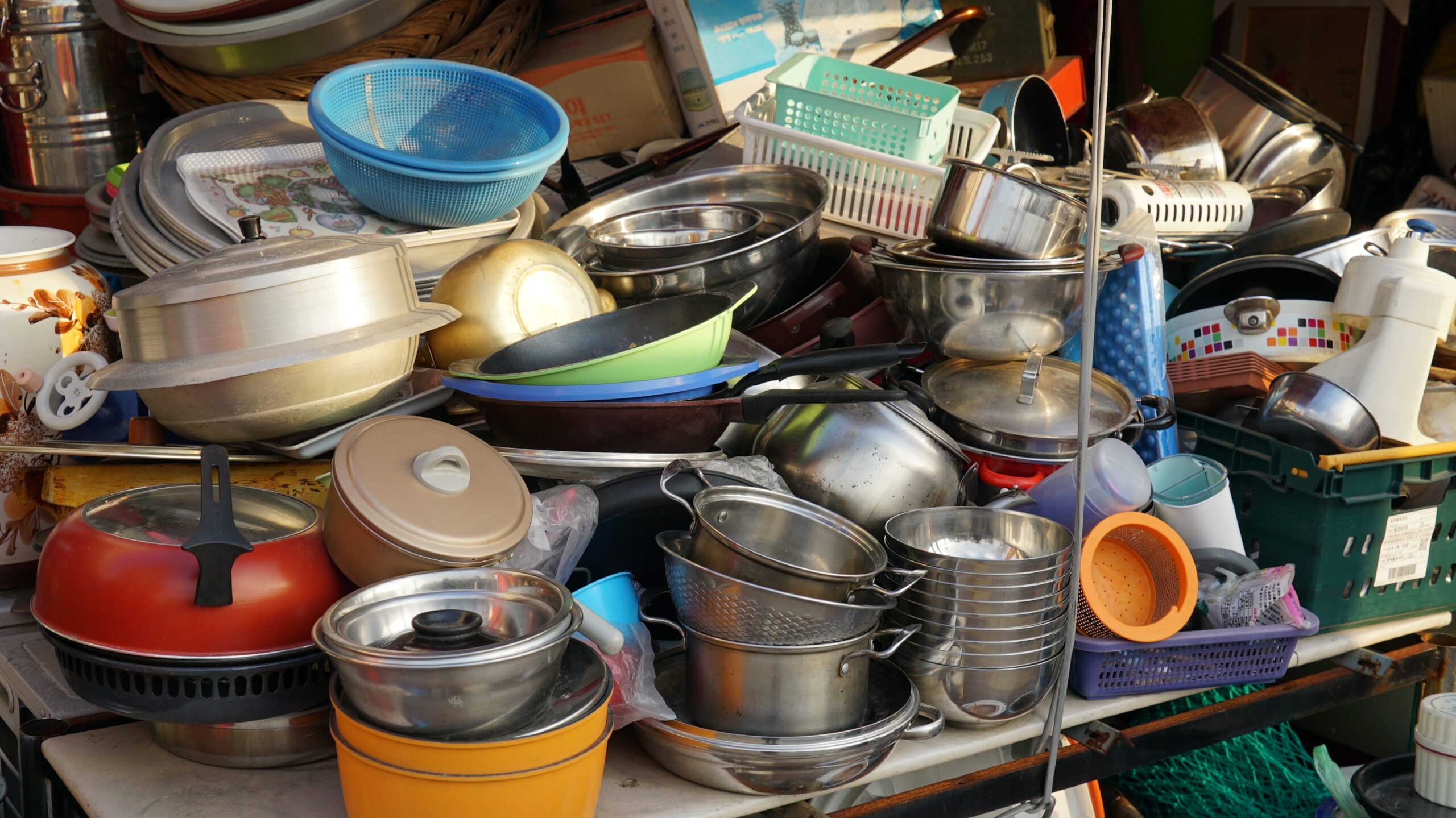
I love a good secondhand kitchen find, but a pretty pan isn’t much use if it rocks on the stove, has a loose handle, or needs more money spent on repairs than a sound replacement would cost. For a working kitchen, I care about whether cookware is safe, practical, and suited to the way I actually cook. The maker’s name comes much further down the list.
I check the shape before the brand
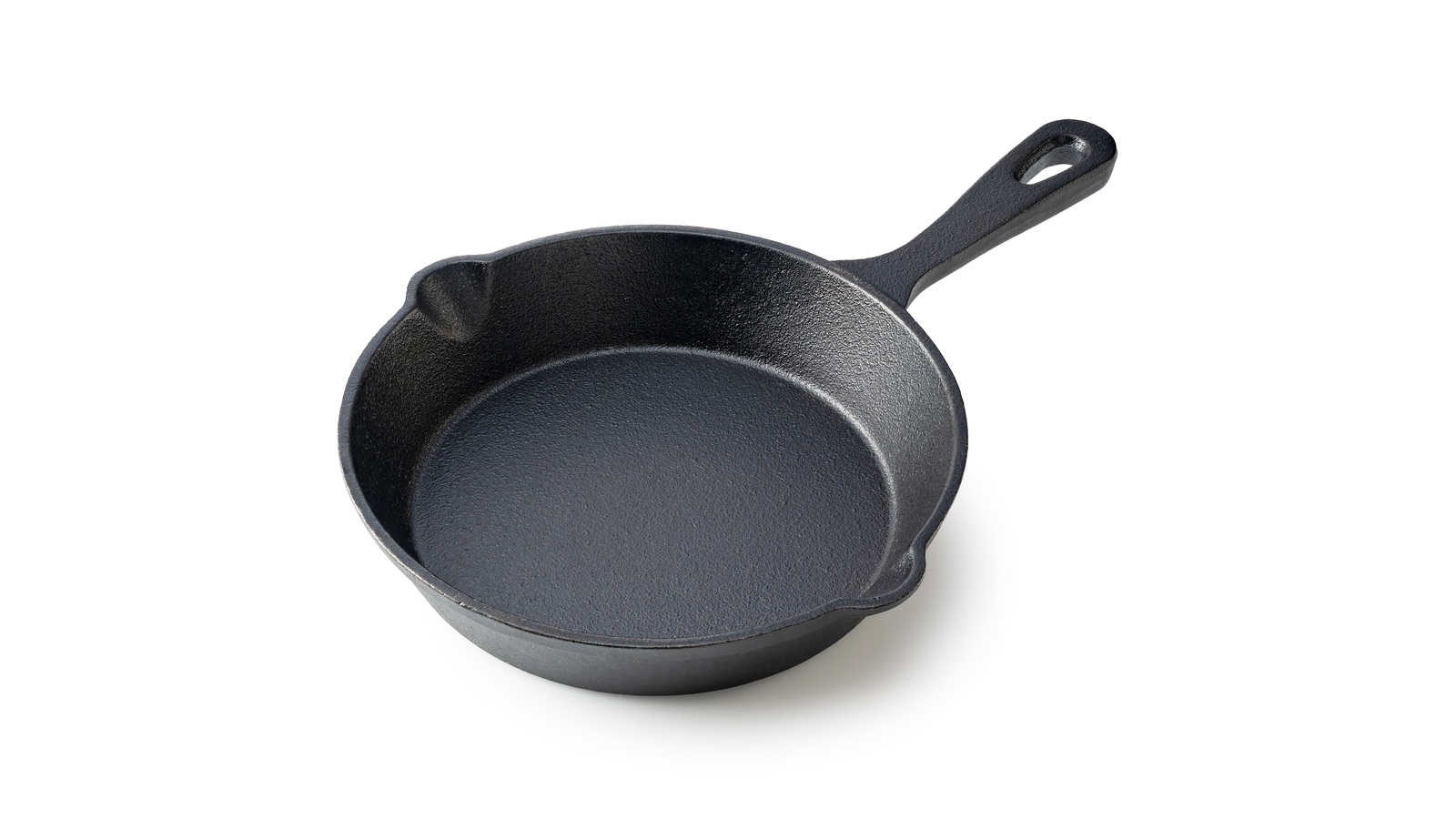
Set the pot or skillet on a genuinely flat surface and see whether it sits steadily. A badly warped base can make a pan wobble, heat unevenly, or fail to make proper contact with an electric cooktop. Look along the rim for bends, and make sure a lid sits reasonably well. A tiny cosmetic mark doesn’t bother me. A pan that spins on the counter does.
I turn it over
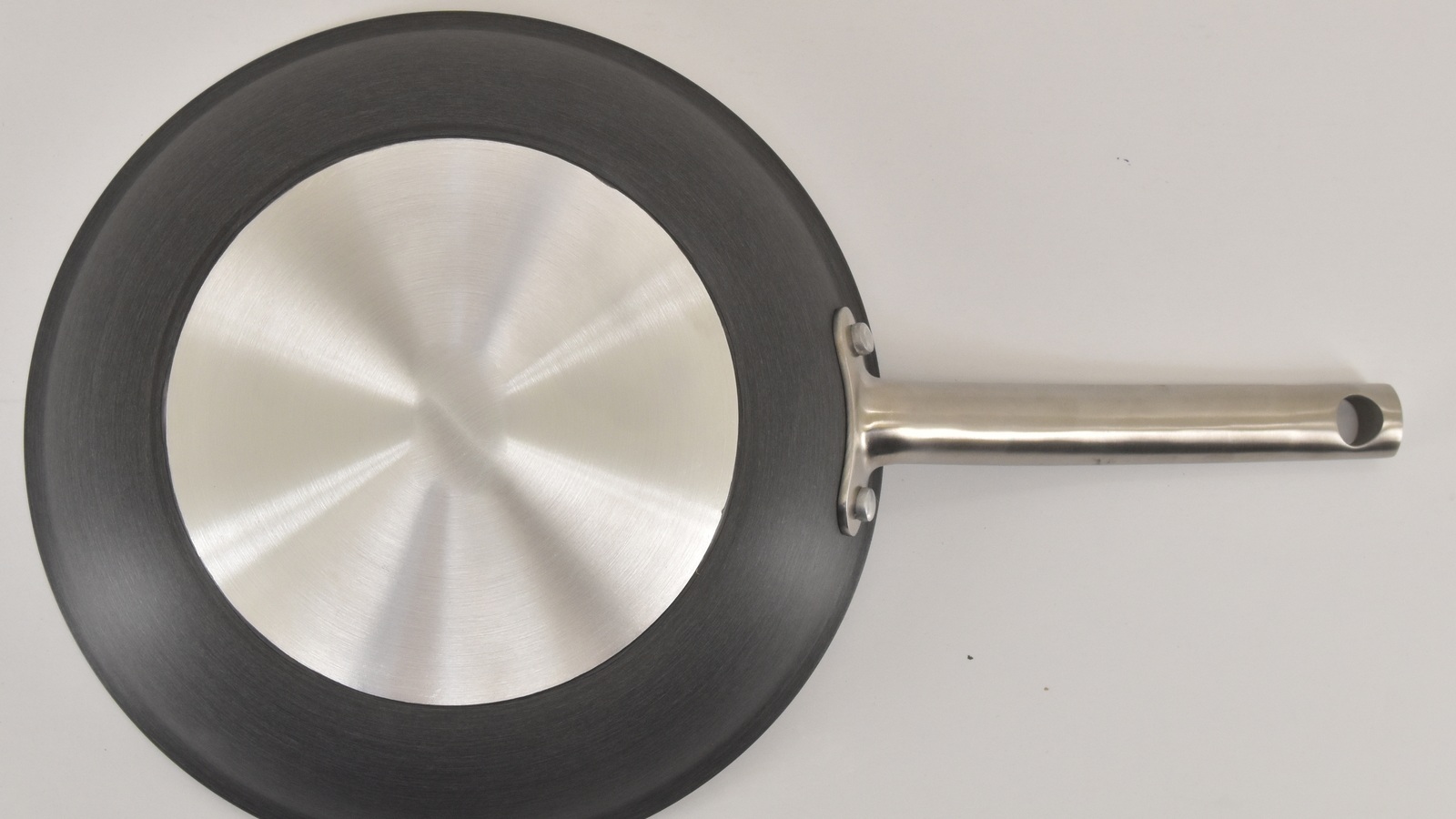
The underside tells you what the previous owner put it through. Moderate scuffing is ordinary wear, but severe pitting, damage, deep dents, or a bowed base need more scrutiny. Check for the maker’s marks, material details, and symbols indicating induction compatibility. Don’t assume every stainless steel pan works with induction. A magnet sticking to the base is a useful first check, though the manufacturer’s guidance is better when available.
I inspect handles and rivets
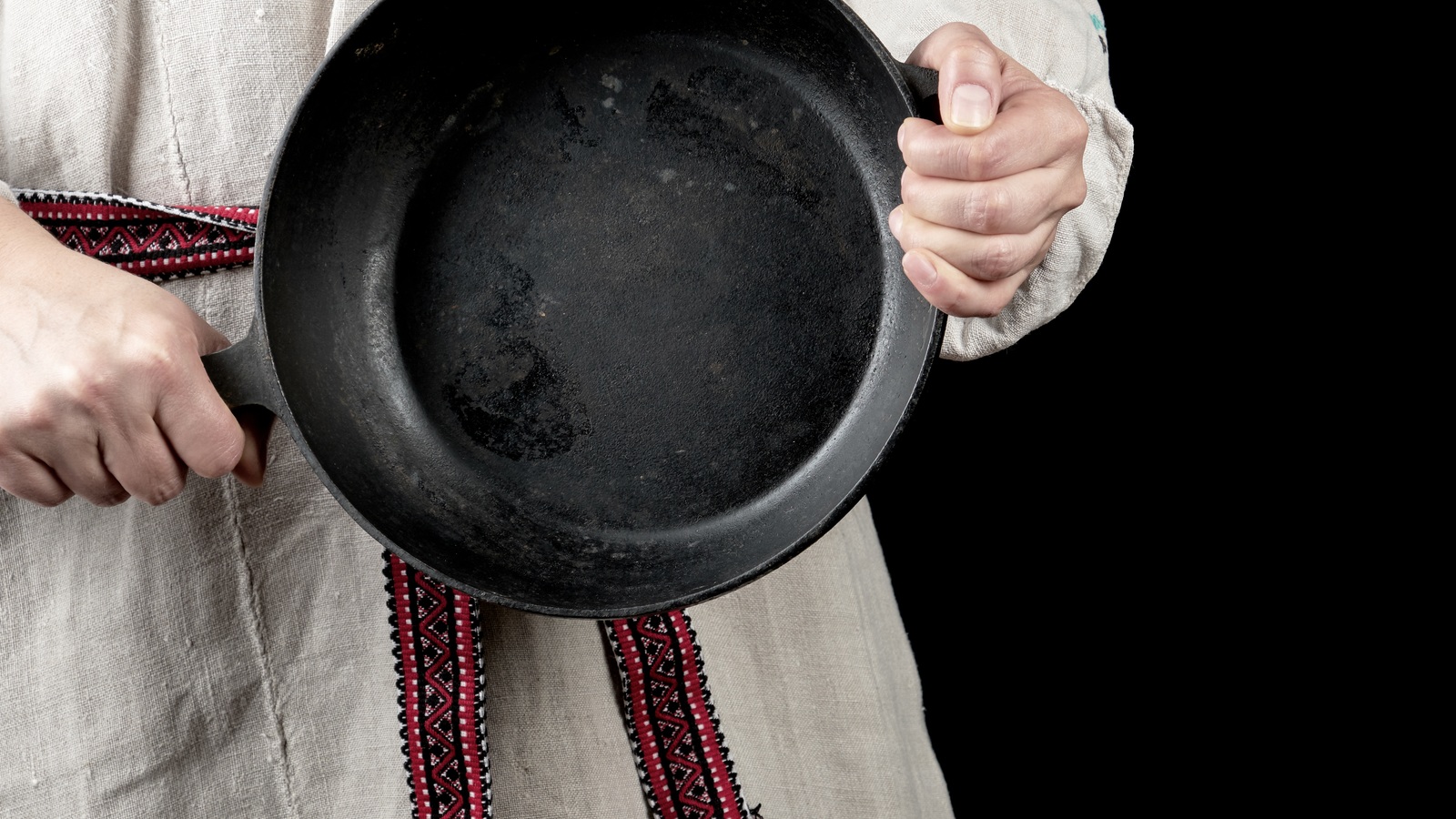
Hold a pot by the handle as if it were full, keeping it empty of course. Does the handle shift, click, or pull away from its mount? Are rivets sound and cleanable? A loose screw may be easy to replace on a suitable design, but a cracked handle or damaged attachment isn’t a bargain. Heavy cast-iron pans need both grip and balance, especially when you’re transferring something hot from stove to oven.
I don’t buy damaged nonstick coating
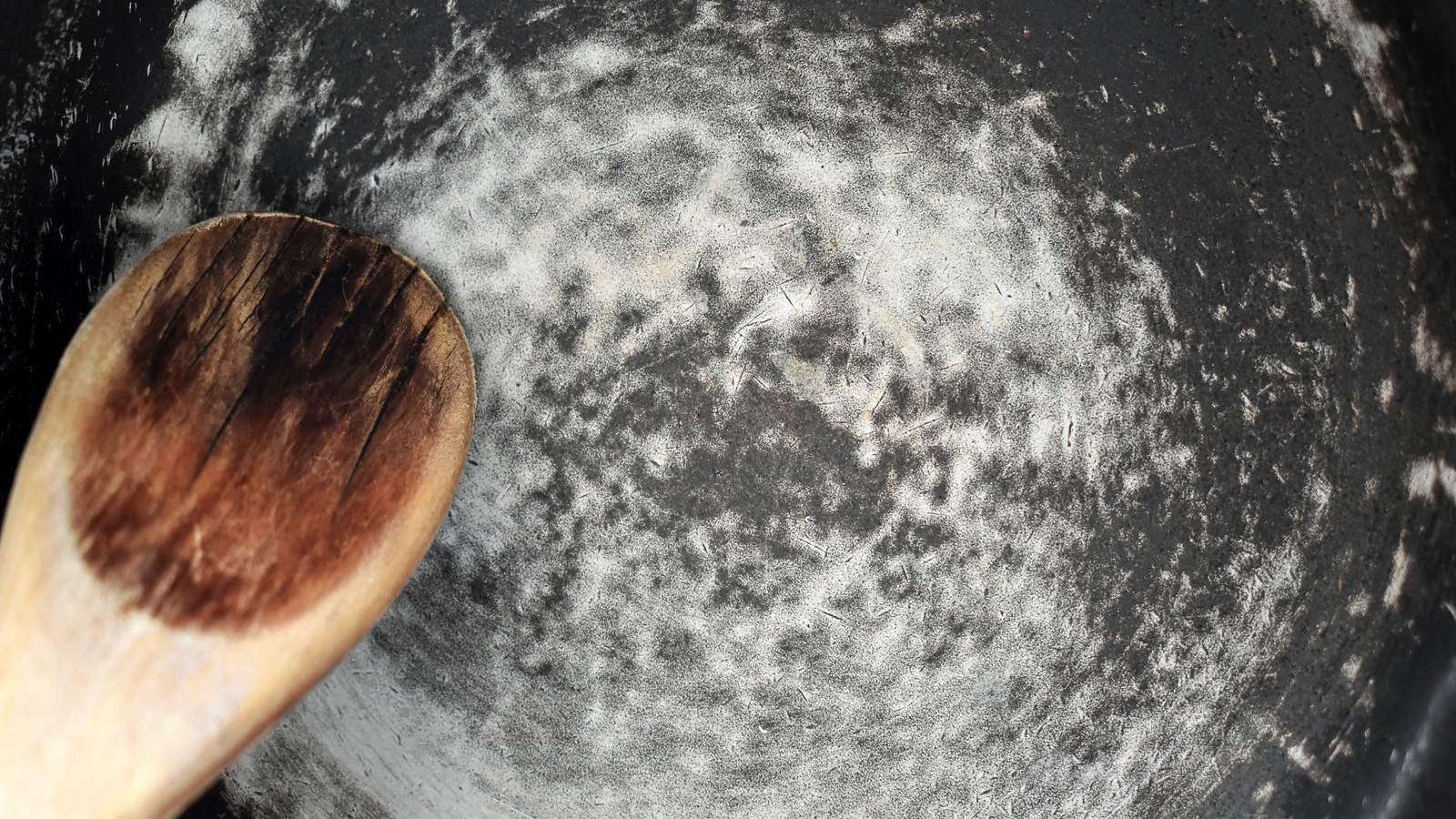
Scratches, flaking, blisters, or exposed metal on a nonstick cooking surface are enough to make me put it back. With secondhand nonstick, you rarely know how it was heated or cleaned. Even if the exterior looks lovely, a badly worn interior isn’t worth rescuing for cooking. Don’t try to sand or scrub an old nonstick finish back into use. Check replacement cost before considering a pan with a removable coating or liner.
Cast iron deserves a closer look

Surface rust on bare cast iron is often repairable. Scrub, dry thoroughly, and re-season it properly. A crack, however, is a different matter. Check around the handle, sides, cooking surface, and any pouring spouts. Look for severe pitting, distortion, and old repairs. I wouldn’t buy a cracked skillet to cook with, however tempting its age or maker’s mark.
Enameled cast iron needs intact cooking surfaces
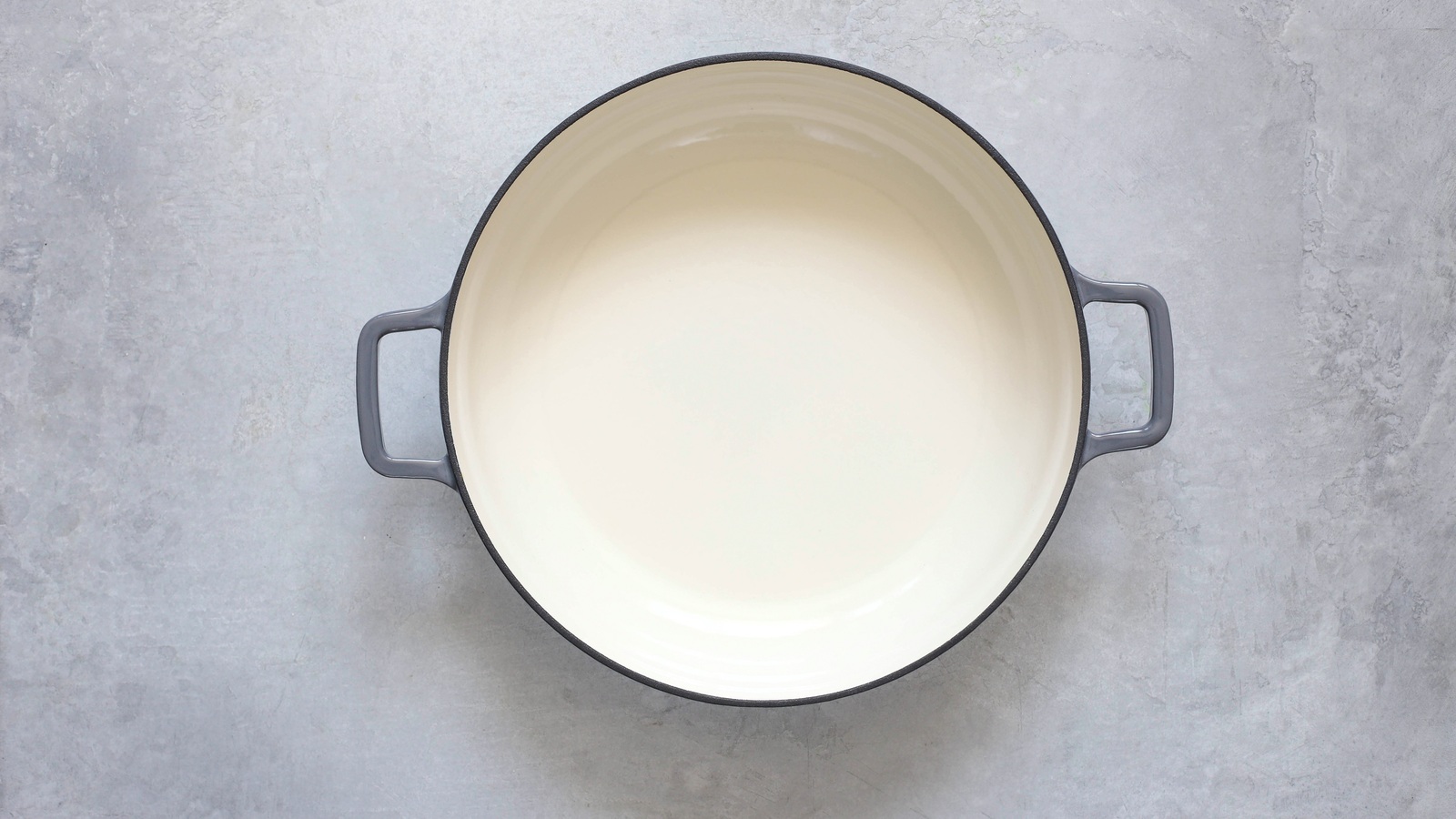
An old Dutch oven can be a wonderful find, but inspect every inch of the enamel, particularly the base and the rim. Scratches and stains aren’t automatically a problem. Chips that expose metal in a food-contact area, loose enamel, or a network of cracks are more serious. I wouldn’t cook in a pot with flaking interior enamel. A lovely color doesn’t make loose fragments in dinner acceptable.
Stainless steel can be wonderfully practical

A heavy stainless pan with a solid base, secure handles, and an intact interior is often worth buying. Brown heat marks and ordinary discoloration can usually be cleaned. Deep pitting, peeling bonded layers, pronounced warping, or gaps where food will lodge are different. Look for a thick, well-attached base or multiply construction if you want even heating, but don’t assume heavier is always better for your wrists or cupboards.
Aluminum and copper need extra attention
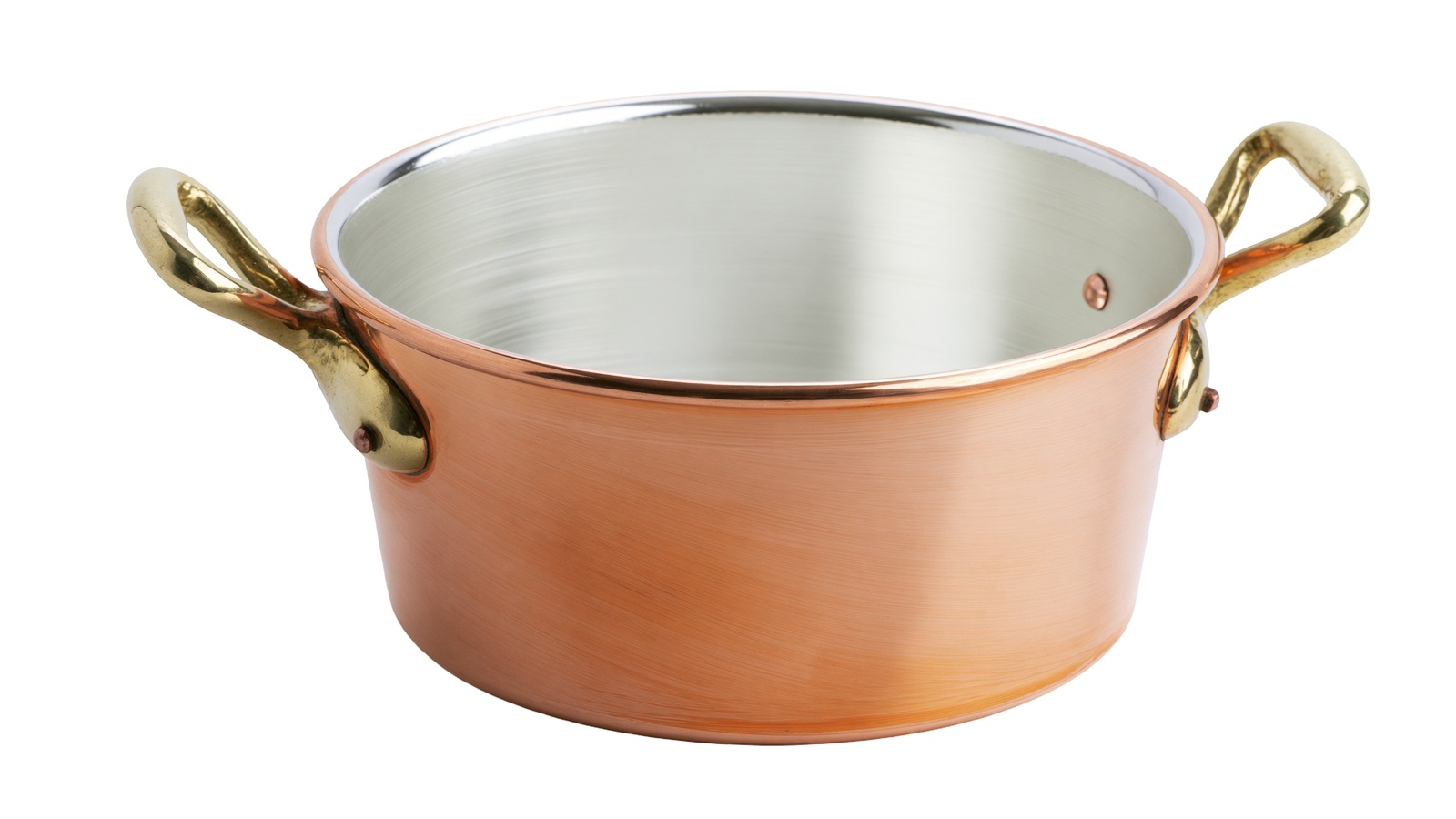
Uncoated aluminum is lightweight and useful for some cooking jobs, but badly pitted or corroded examples are best left behind. Older copper pots may have a tin or stainless lining; inspect the interior for worn or exposed areas and find out what relining would cost before buying. Decorative copper intended for display isn’t automatically food-safe cookware. Unknown coatings or materials are good reasons to do more research before parting with money.
I check old ceramic and decorative pieces carefully
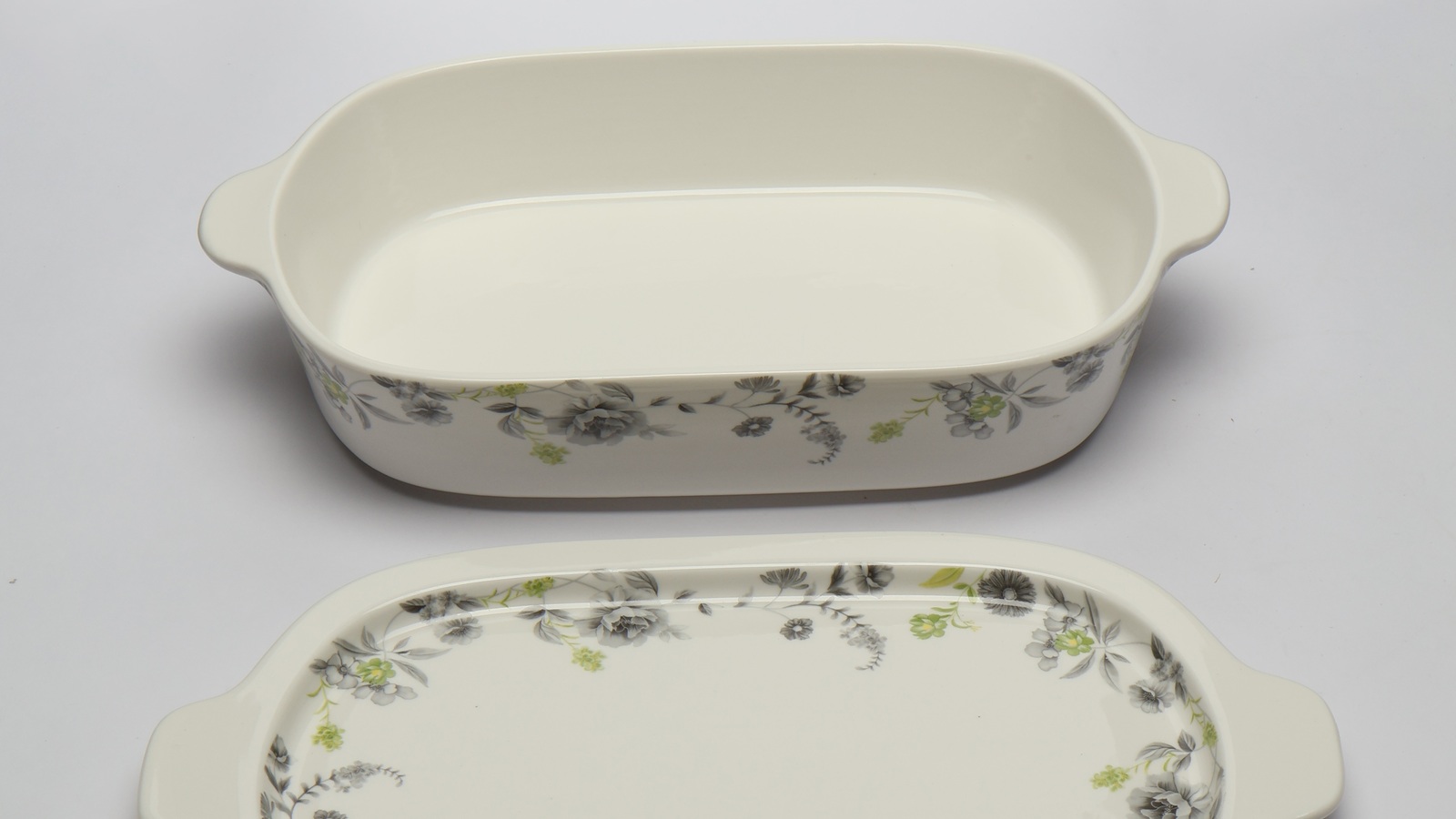
A vintage casserole dish might look sturdy and charming, but age, origin, and decoration can matter. Don’t assume a decorative ceramic or unknown imported pot is safe for food just because it resembles cookware. If you cannot establish the intended use and food-contact suitability, reserve it for display rather than baking dinner in it. Old glazes and poorly documented handmade pieces are an area where I won’t take chances.
Lids and replacement parts matter
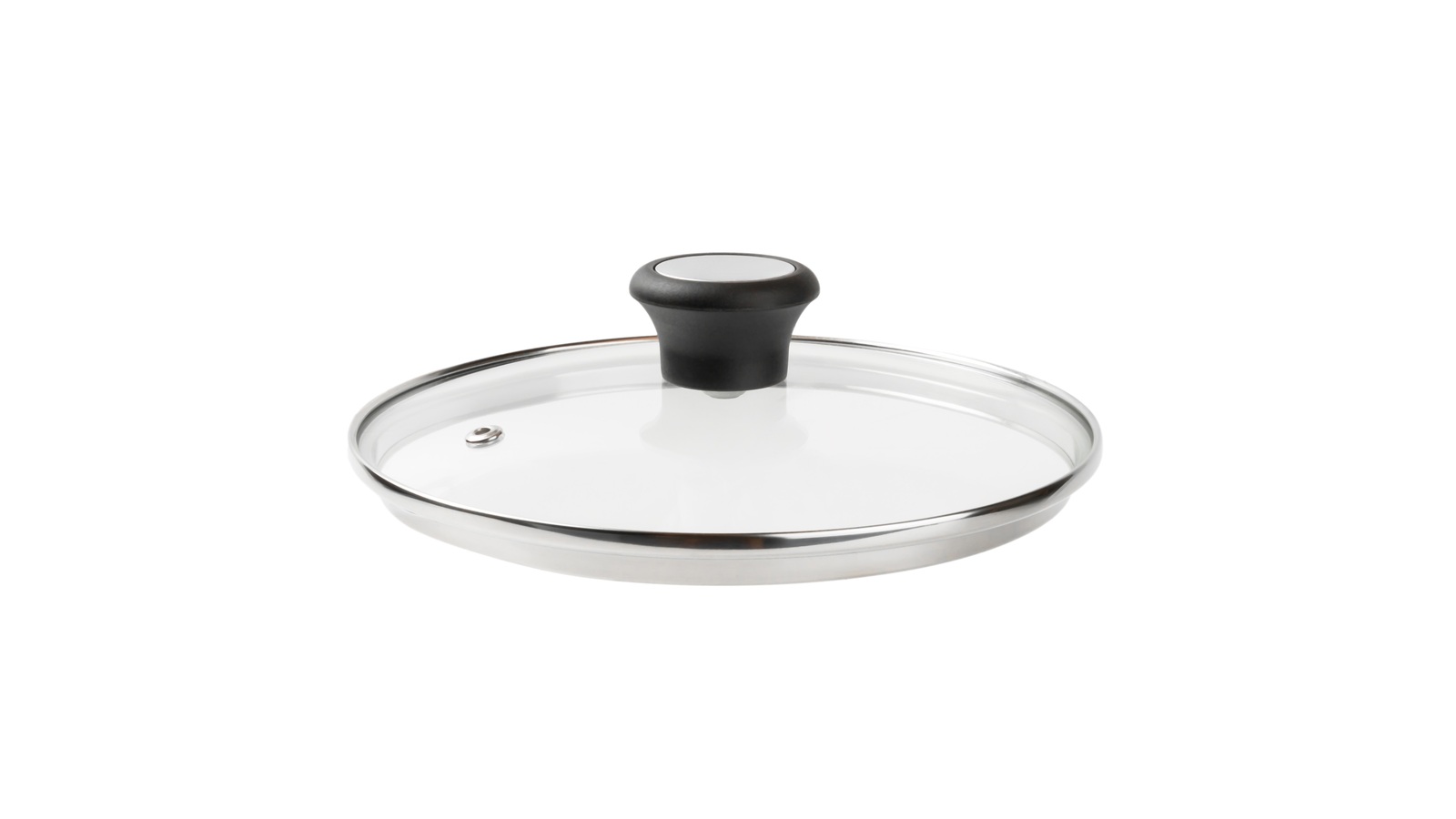
Check whether the lid belongs to the pan, fits without rocking, and has a secure knob. A replacement glass lid might be cheap, but a specialized vintage lid or handle can cost more than the pan. Look for damaged seals on pressure cookware and missing parts on steamers or specialty pieces. I wouldn’t buy an unidentified secondhand pressure cooker without confirming the manufacturer, model, available parts, and current safety instructions.
I consider the stove and oven I own

A pan can be excellent cookware and still be wrong for your kitchen. Check whether the base suits gas, smooth-top electric, or induction. Verify oven limits for plastic handles, silicone grips, knobs, and glass lids. If a frying pan needs to finish in the oven, a handle that can’t take the heat is a real limitation, not a minor detail.
I work out the real cost

The price on the thrift-store sticker isn’t necessarily the final price. Add a new lid, replacement knob, specialty cleaning products, or professional relining if needed. Then compare that with a good new pan or another used one in better condition. Some restoration jobs are satisfying projects. Others just leave you with an expensive pan you still don’t trust.
I choose useful pieces over matching sets
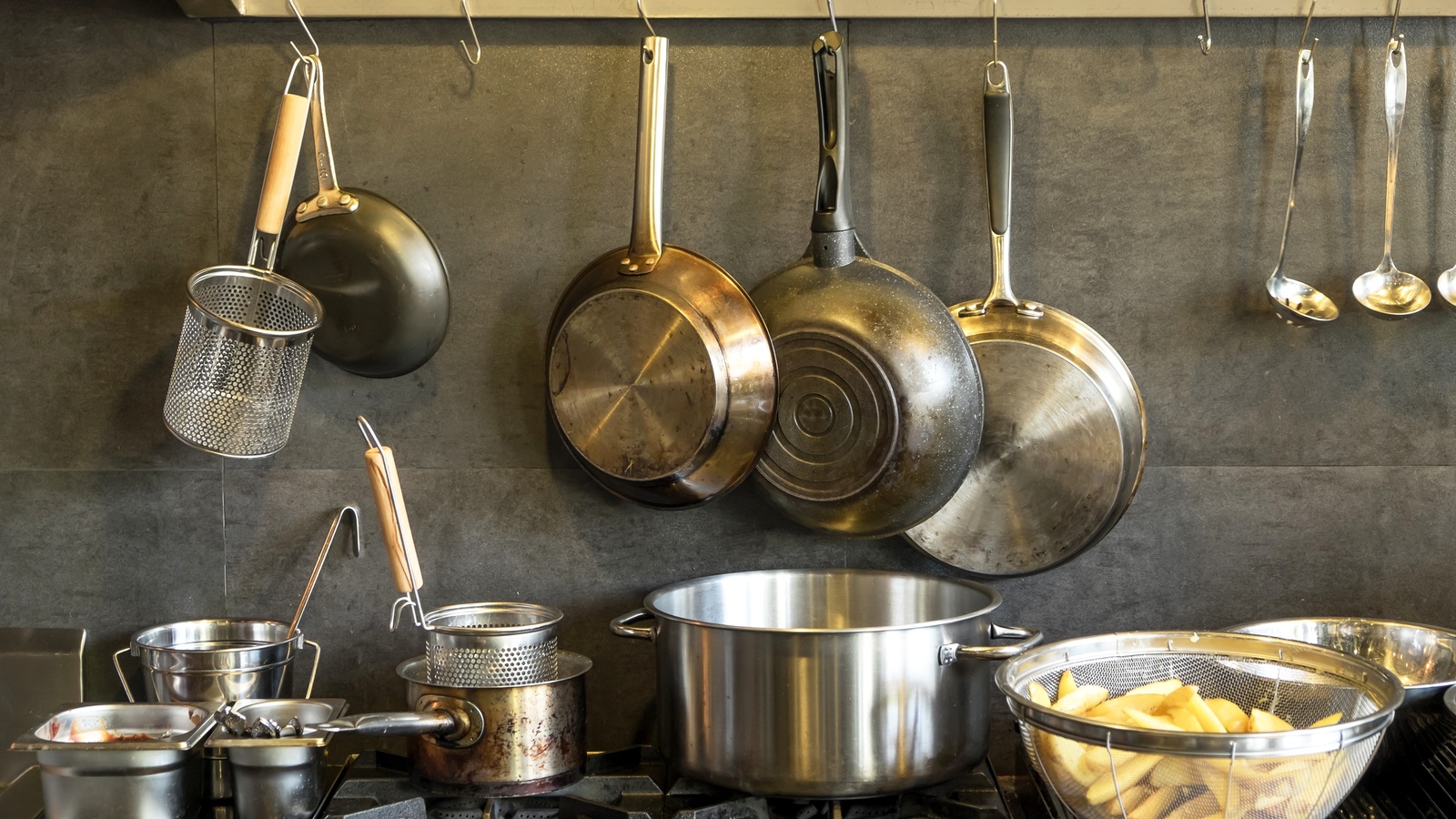
A well-made saucepan, skillet, and Dutch oven can do more work than a large mismatched stack you don’t have space for. Think about weight, capacity, how easily you can clean it, and whether you’ll actually reach for it. If a pot is so heavy you dread lifting it to the sink, a bargain price doesn’t make it practical.
My simple rule is to buy the condition and function, not the story on the label. A few honest signs of use are fine. Structural damage, uncertain food safety, and repairs you won’t realistically make are reasons to leave a secondhand pan on the shelf.
You might also like…
The CorningWare Pattern Collectors Dream Of Finding At A Thrift Store
The Blue-And-White Pyrex Pattern Collectors Dream Of Finding At A Thrift Store
The Pink Pyrex Pattern Collectors Dream of Finding at a Thrift Store

