
Affiliate disclosure: This post may contain affiliate links. Please see full disclosure.
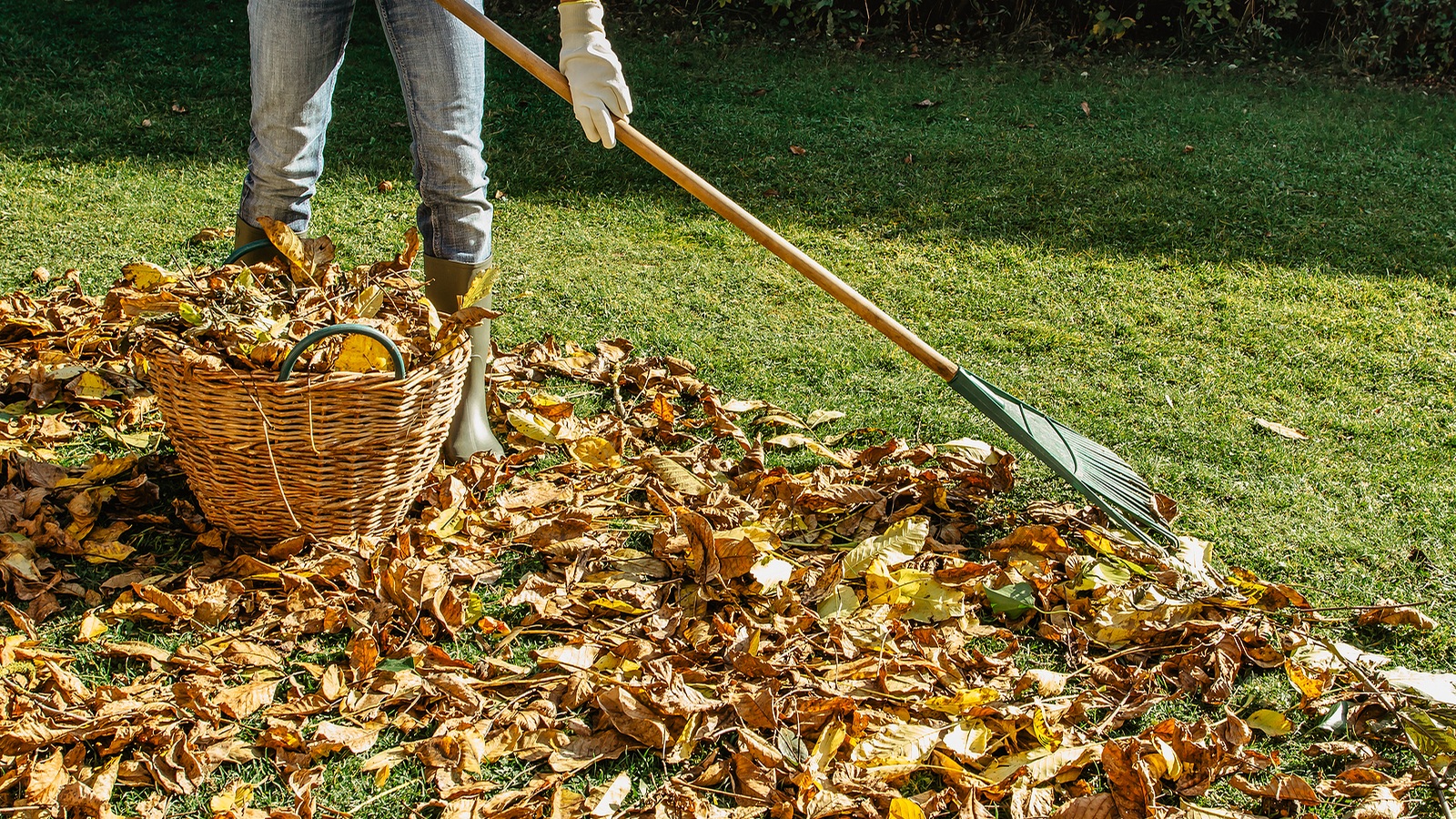
Fallen leaves are one of the best free resources your garden gets all year, and I hate seeing them stuffed into bags and hauled away. Some are best left exactly where they fall. Others are worth moving onto bare beds, chopping up with the mower, or turning into beautiful, crumbly leaf mold. You don’t have to be especially tidy about it, either. In fact, a garden that’s completely stripped of leaves has lost something useful.
The only places I make a point of clearing are paths, drains, and any lawn where thick, wet leaves are smothering the grass. Everywhere else, I’m more interested in whether the leaves are doing some good than whether the ground looks immaculate.
Leave some leaves where wildlife can use them
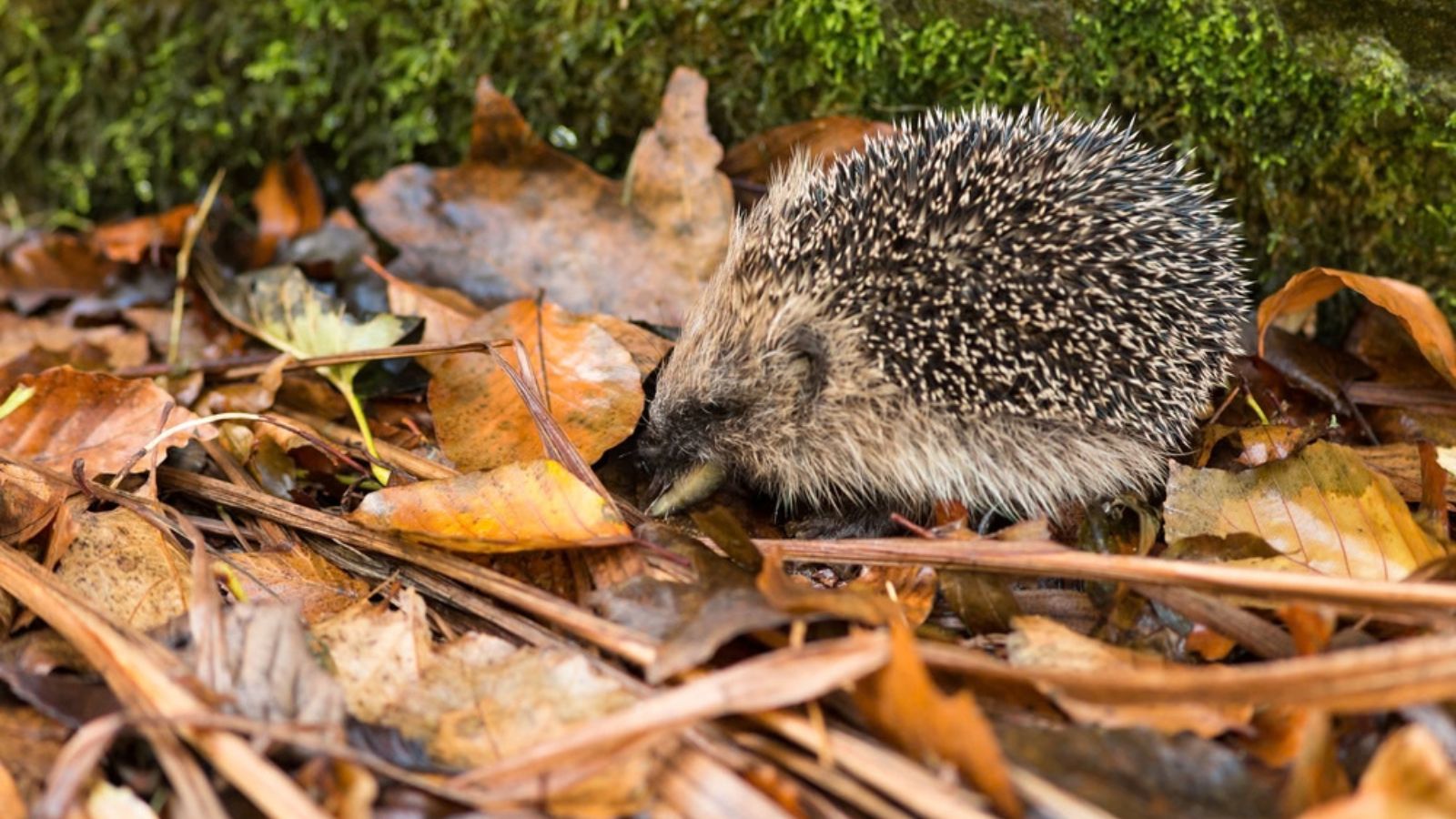
An undisturbed layer of fallen leaves is shelter for beetles, moths, and other beneficial insects, including species that spend the winter tucked among the leaves. Birds also search through that layer for food. Leaving some leaves intact is much better for those creatures than shredding absolutely everything.
I particularly like leaving leaves beneath shrubs, along the back of a border, and in quiet corners where nobody needs to walk. Don’t pile them over the crowns of small perennials, bury winter vegetables, or let them block drainage. A loose covering is useful. A heavy, soggy blanket smothering plants isn’t.
And please don’t clear an established wildlife corner in early spring just because the first sunny day makes you feel like getting everything shipshape. Leave it undisturbed until conditions are warm enough for overwintering insects to emerge.
Shred the leaves on your lawn, but only if you need to

A light scattering of leaves on grass isn’t an emergency. If the grass is still visible, you may be able to leave them to break down naturally. Where the coverage is heavier, use a mower to chop the leaves into smaller pieces. The fragments settle down between the blades of grass and decompose more easily than thick, intact leaves.
If you can barely see any grass, however, rake away some of the leaves first. Running a mower repeatedly over wet piles just makes clumps, and those clumps can damage the lawn underneath. Keeping some leaves whole in surrounding beds also preserves more wildlife habitat than mulching every last leaf.
I wouldn’t buy a special machine for this. A normal mower works well for a manageable, fairly dry layer. For larger quantities, rake the excess onto beds or into a leaf-mold heap.
Use spare leaves as free mulch
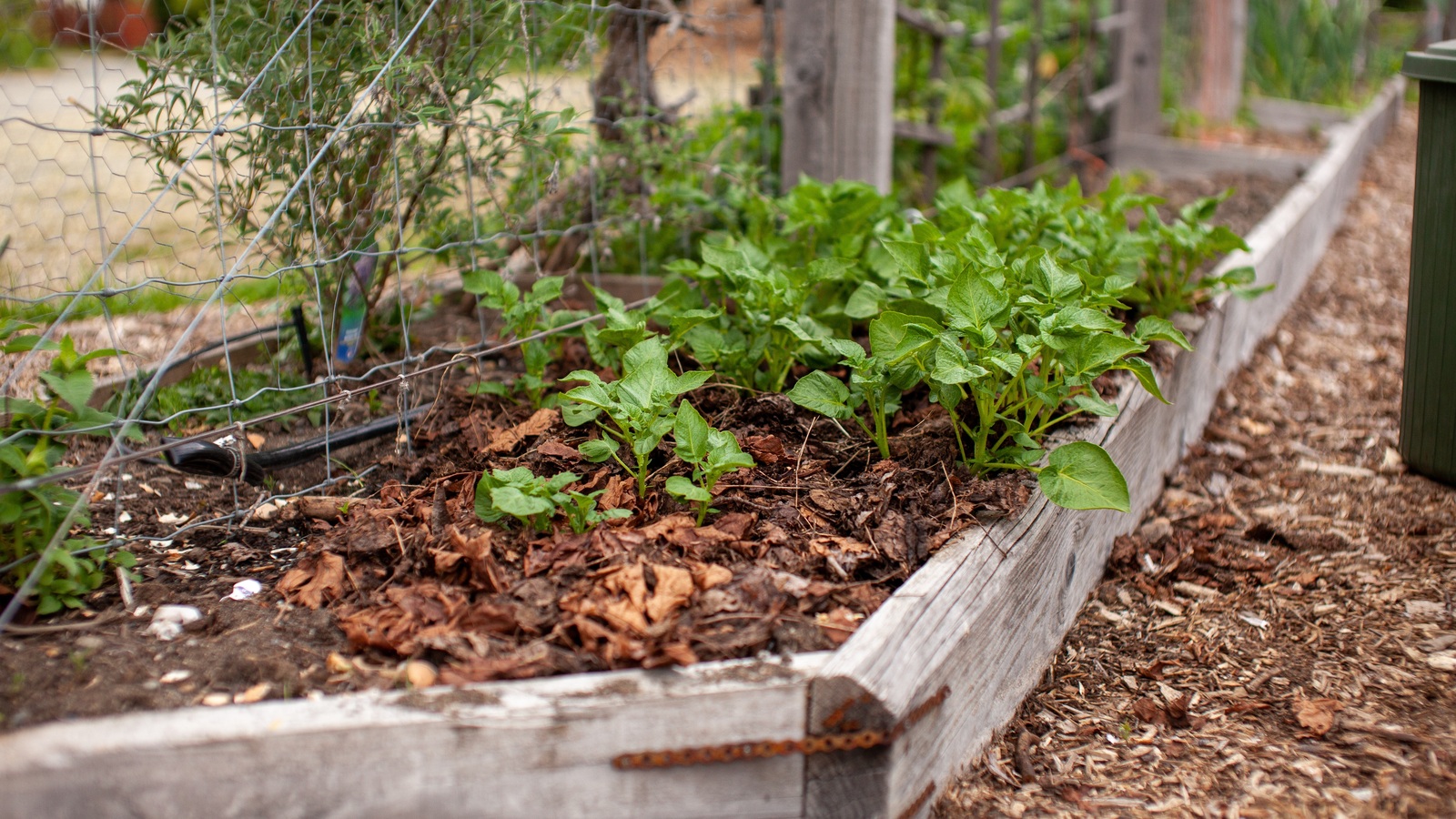
There’s no good reason to leave vegetable beds completely bare through winter if you have a pile of healthy leaves available. They help protect the soil from pounding rain and erosion, and gradually feed the soil life as they break down. This is exactly the kind of simple, low-cost soil care I favor as a permaculturist.
Spread around 2 to 3 inches of loose, preferably shredded leaves on empty beds and around suitable established plants. Use less around small seedlings, keep mulch clear of stems and crowns, and check that large whole leaves haven’t stuck together into a mat. If you’re growing winter salad leaves or garlic, don’t bury the foliage to make the bed look neat.
You don’t need to dig the leaves into the soil. Leave them on top to do their job. In spring, pull back any remaining coarse material where you need a clear row for sowing. Leave the rest between rows, unless it’s sheltering troublesome slugs right beside tender seedlings.
Turn the leftovers into leaf mold
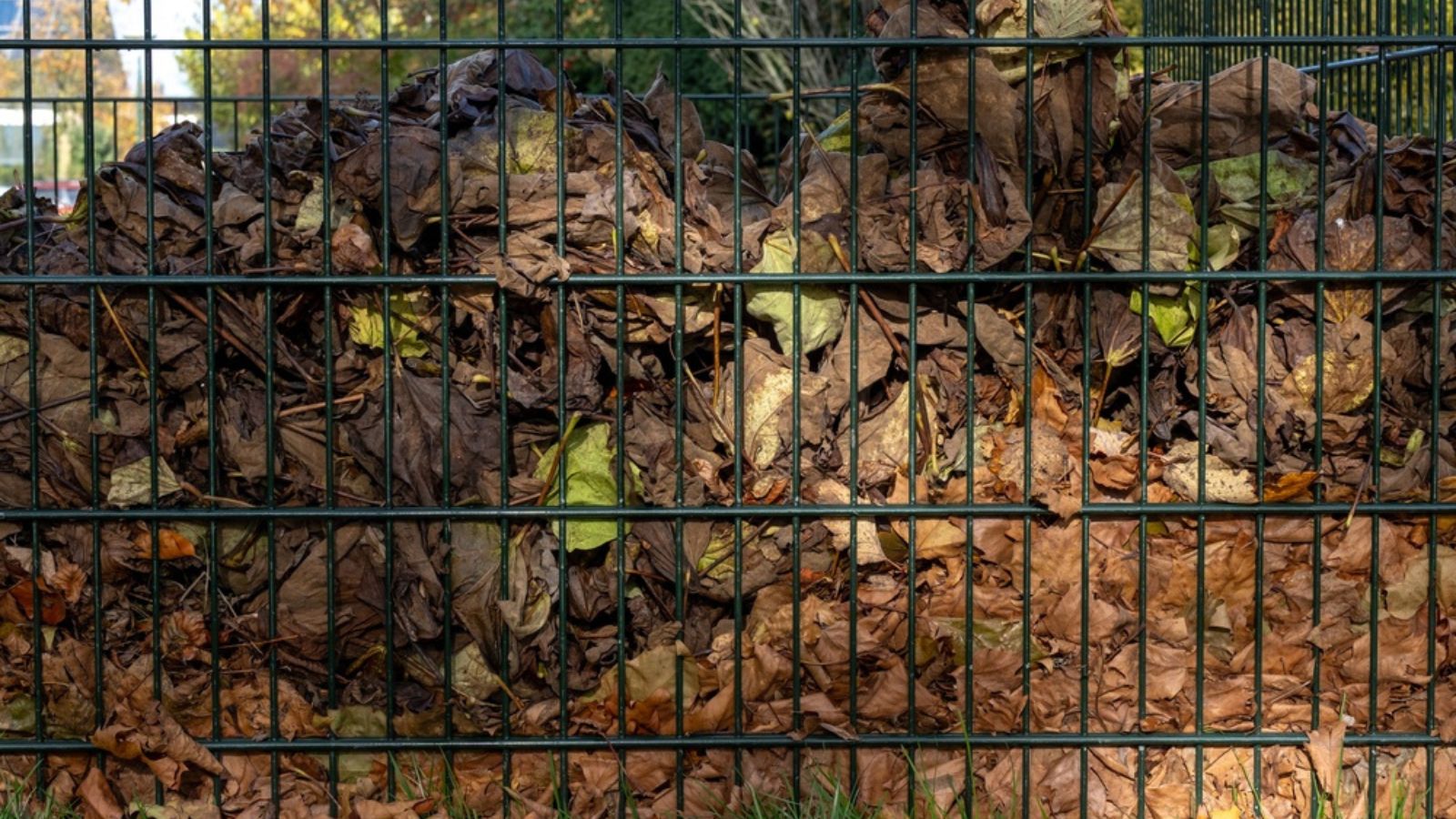
Leaf mold is simply fallen leaves broken down over time, mostly through fungal activity. It isn’t the same as a rich, mixed compost full of vegetable scraps and grass clippings. It’s particularly useful for improving soil texture and helping soil retain moisture, rather than for delivering a big hit of fertilizer.
The easiest way to make it is to pile damp leaves into a simple chicken-wire cage. A few stakes and a length of mesh will do. Choose somewhere sheltered, and make one side easy to open so you can get the finished material out without dismantling the whole thing.
There’s a smaller-space option, too. Stuff leaves into sturdy bags, moisten them, make drainage and ventilation holes, and close them loosely. Put the bags somewhere out of the way, but not somewhere you’ll forget they exist entirely. Check occasionally, particularly after dry spells. Leaf mold commonly takes a year or two to mature, and thick or whole leaves may take longer.
You’ll know it’s getting there when the leaves are dark and soft and you can no longer recognize most of their original shapes. A pile that has merely shrunk isn’t necessarily finished. Half-rotted leaves are still useful as surface mulch, so don’t feel obliged to wait for perfectly fine material before using any.
Some leaves are worth shredding first
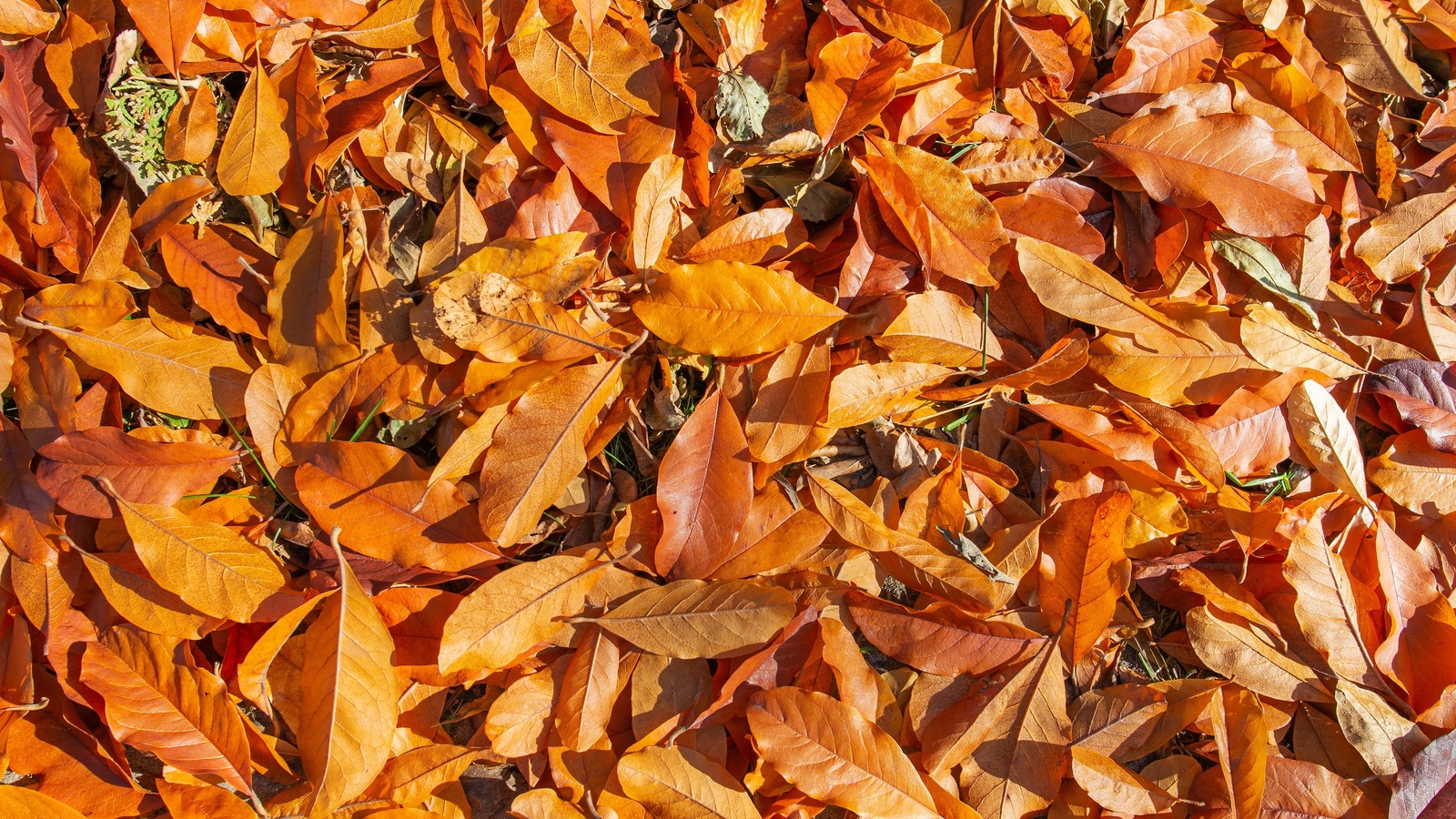
Thin leaves often rot down without much help. Big, tough, waxy leaves take longer and can stick together in dense layers. Magnolia and sycamore leaves are classic candidates for shredding, while pine needles are better treated as a slow-breaking-down material rather than expected to disappear in a few months.
If you have a lot of these thicker leaves, run them over with a mower or chop them with a garden shredder before storing them. Don’t put your hands into machinery to clear a blockage. And don’t spend an entire weekend cutting up a handful of leaves: they’ll break down eventually, even if you leave them whole.
Keep questionable material out of your leaf-mold pile
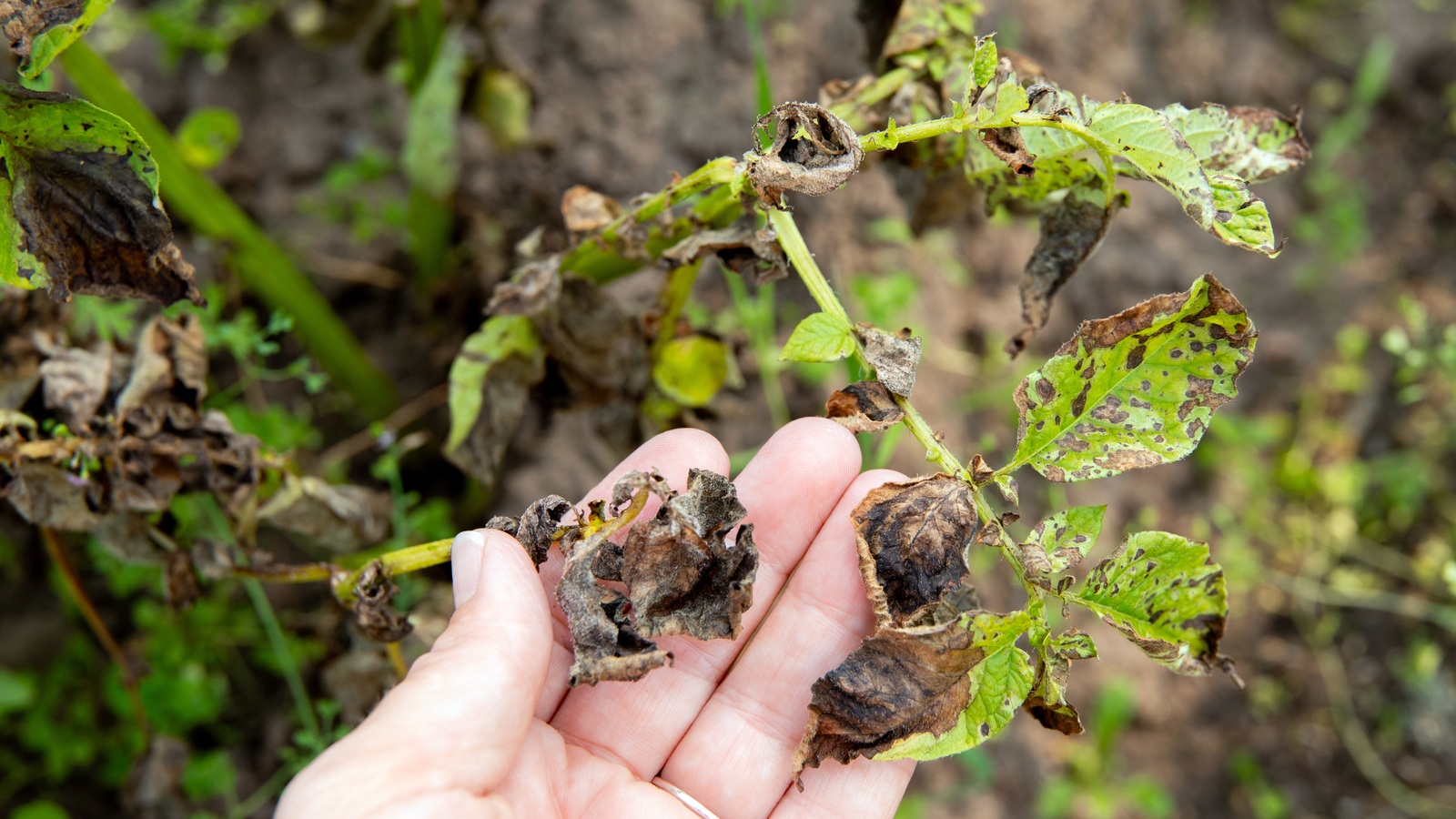
Healthy tree leaves and infected vegetable plants are not the same thing. I don’t add diseased tomato or potato foliage to a slow, cold leaf-mold heap and assume it has somehow been sanitized. Keep diseased crop debris separate and follow local disposal guidance for the particular problem.
Avoid collecting leaves mixed with road oil, litter, or other contamination. I’d also leave unfamiliar piles from busy roadsides alone. Free organic matter is a poor bargain if you’re bringing unwanted materials into your growing beds.
Use finished leaf mold where it matters
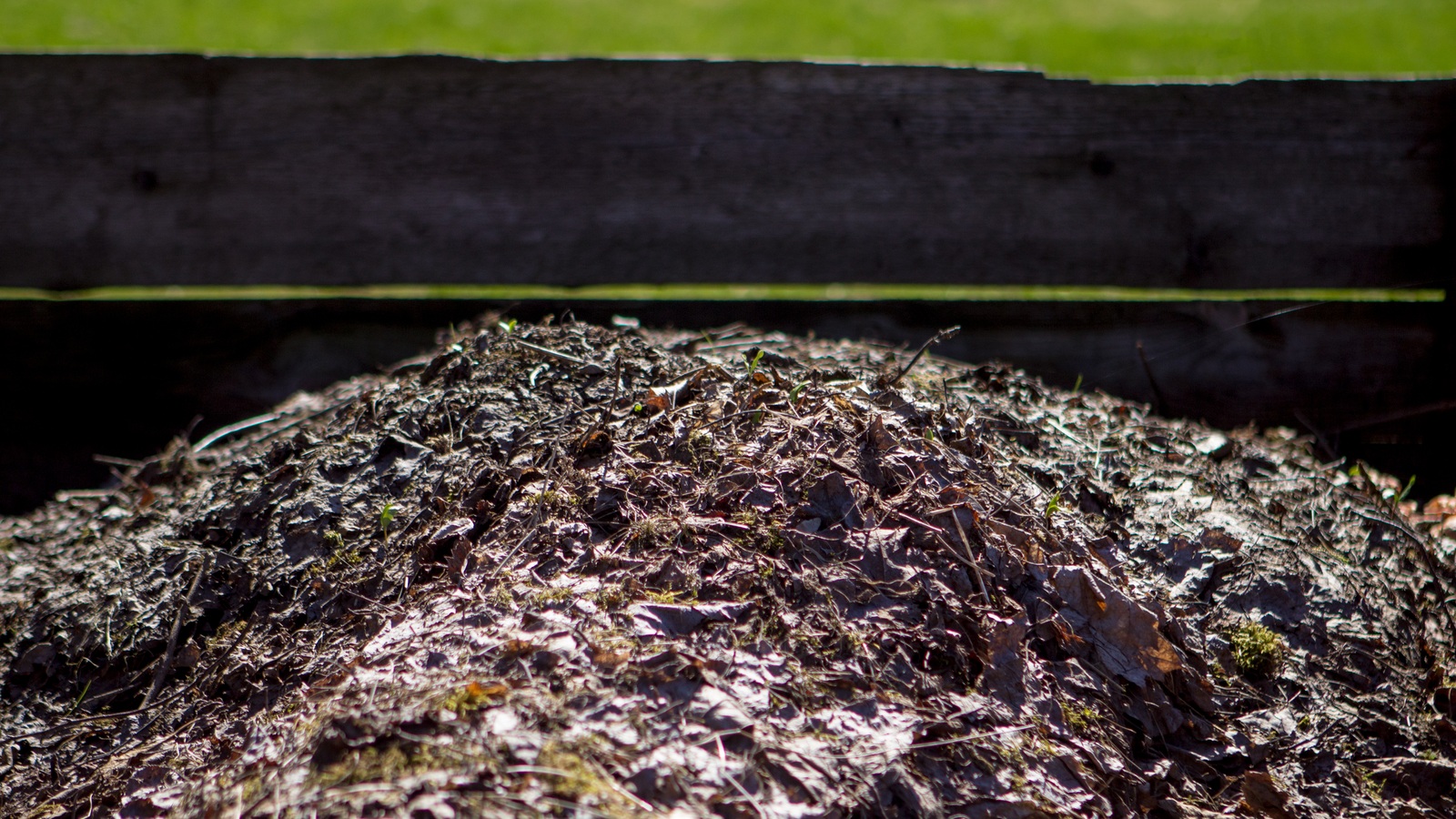
Spread well-rotted leaf mold around shrubs, add some to garden beds as a soil conditioner, or use it as mulch around plants that benefit from a more moisture-retentive soil. If you’re making your own potting mixes, remember that leaf mold is only one ingredient. It isn’t a complete seed-starting or potting compost on its own.
My preference is to leave a good portion of leaves where they fall, move excess from the lawn onto bare soil, and store whatever is left. It’s less work than stripping the garden bare, and it’s far better use of something the trees give us for free.
You might also like…
What Should You Do With Your Garden In the Fall?
10 Things To Do In The Garden In Fall and Winter
Don’t Over-Tidy the Garden This Fall: 12 Plants That Should Stay Standing Until Spring