
Affiliate disclosure: This post may contain affiliate links. Please see full disclosure.
Grandma didn’t need a new product for every little job. A worn towel could clean muddy boots, a spare button could rescue a coat, and yesterday’s vegetable trimmings might become tomorrow’s soup. The useful habit wasn’t keeping absolutely everything. It was noticing what still had a job to do.
1. Worn towels

A thin or faded bath towel can become a surprisingly good stack of cleaning cloths. Cut it into manageable squares for muddy boots, window tracks, garden tools, or the awkward jobs you’d rather not use your good kitchen cloths for. Keep cloths used for greasy or outdoor work separate from those used on kitchen surfaces. A zigzag stitch around the edges will reduce fraying, although I wouldn’t bother for cloths destined for particularly messy jobs.
2. Old sheets and pillowcases

A clean, worn cotton sheet provides plenty of fabric for dust covers, reusable bags, sewing projects, and drop cloths when you’re working indoors. Pillowcases are just the right shape for storing spare linens or protecting things from dust. Keep only a few sound pieces that you can actually store. The back of a cupboard full of old sheets isn’t saving much space or making life easier.
3. Spare buttons
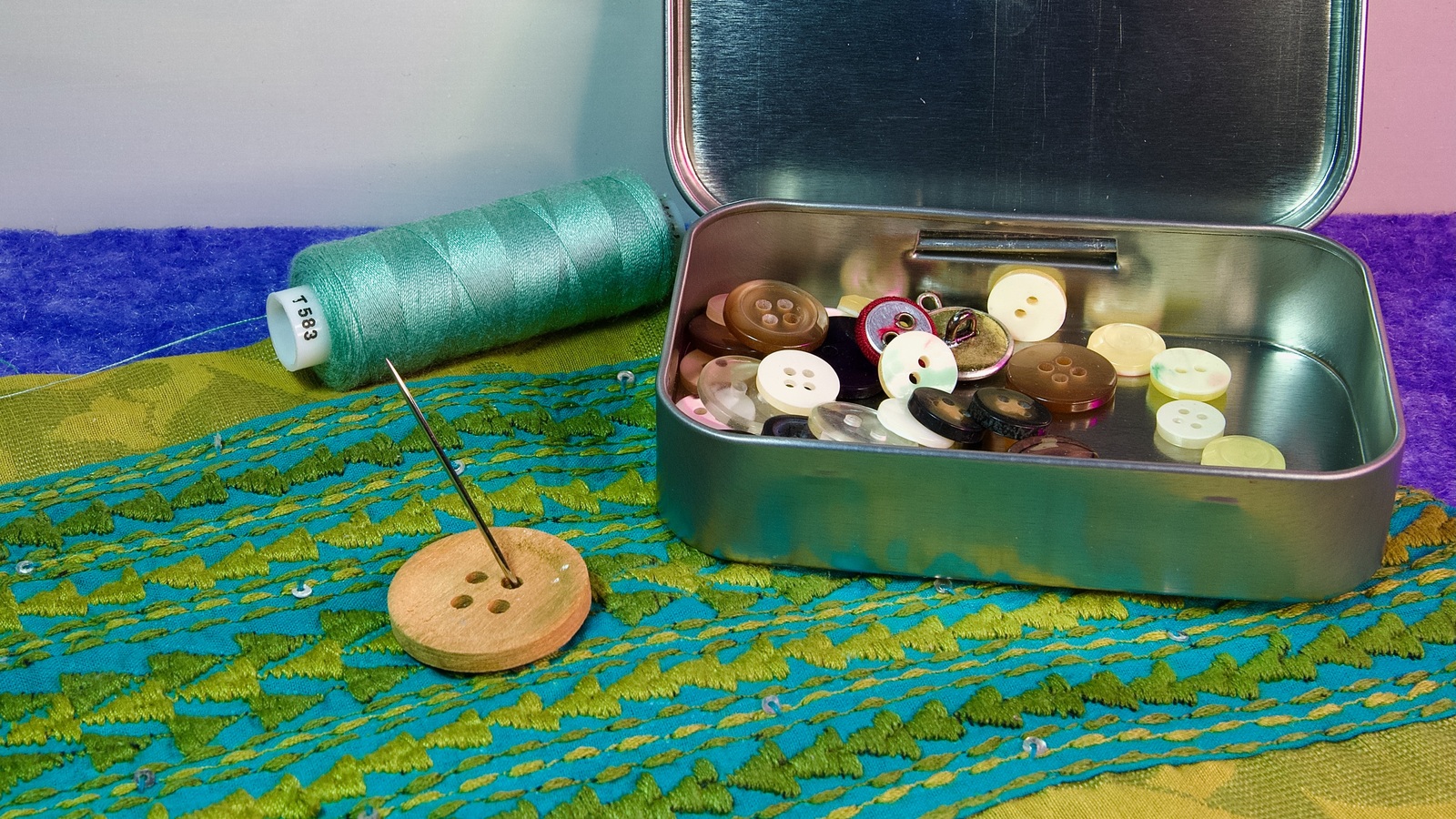
One missing button can take a perfectly wearable coat out of circulation. Save the spare buttons that come with new clothes, and remove useful ones from garments that are genuinely beyond repair. A small tin is enough. A replacement doesn’t always need to be identical, particularly on a shirt where all the buttons can be changed to match. Keep loose buttons away from young children.
4. Fabric scraps

A small piece of denim can reinforce a worn knee or mend the bottom of a shopping bag. Sturdy cotton scraps work for patches, pot holders with properly insulating layers, and little drawstring bags. Sort by fabric weight, not merely color. Keep pieces large enough to stitch without a battle. I wouldn’t turn the entire sewing room into a museum of unusable offcuts.
5. String and twine

Long, clean pieces of parcel string are handy for tying plant labels, bundling newspapers, and securing rolled-up covers. Wind them around a bit of cardboard so they don’t tangle. Choose soft, loose ties for growing plants. Tight, thin string can damage stems as they swell, so a rescued bit of twine isn’t always the right tool.
6. Glass jars
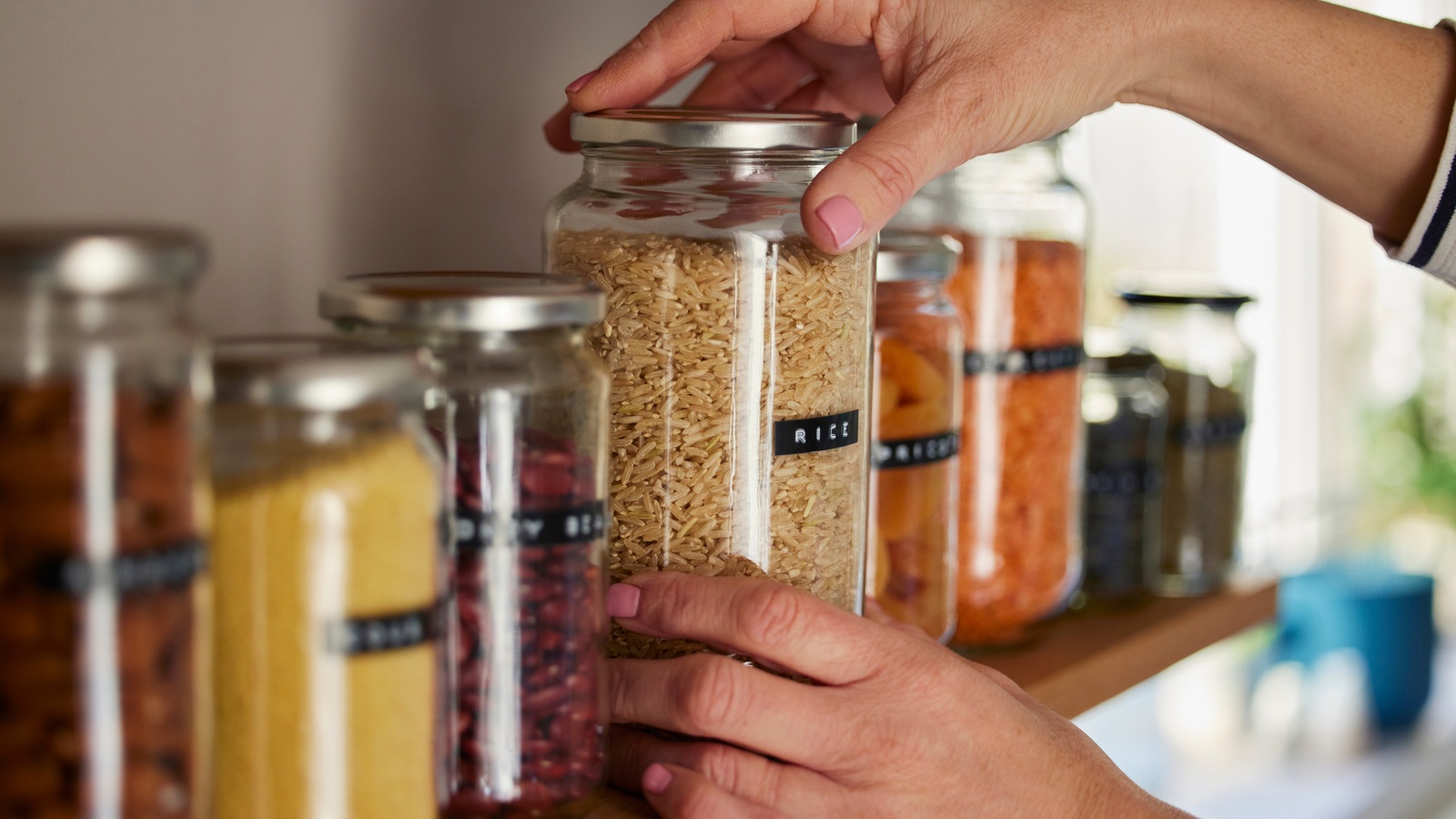
A clean, sound jam jar can hold dried beans, screws, buttons, and all those little items that normally vanish in drawers. Check the rim for chips and make sure the lid is clean and free from rust. Jars reused for dry storage are different from jars used for home canning. Commercial food jars have limitations for heat processing, so use suitable canning jars and tested instructions when preserving food.
7. Biscuit and tea tins
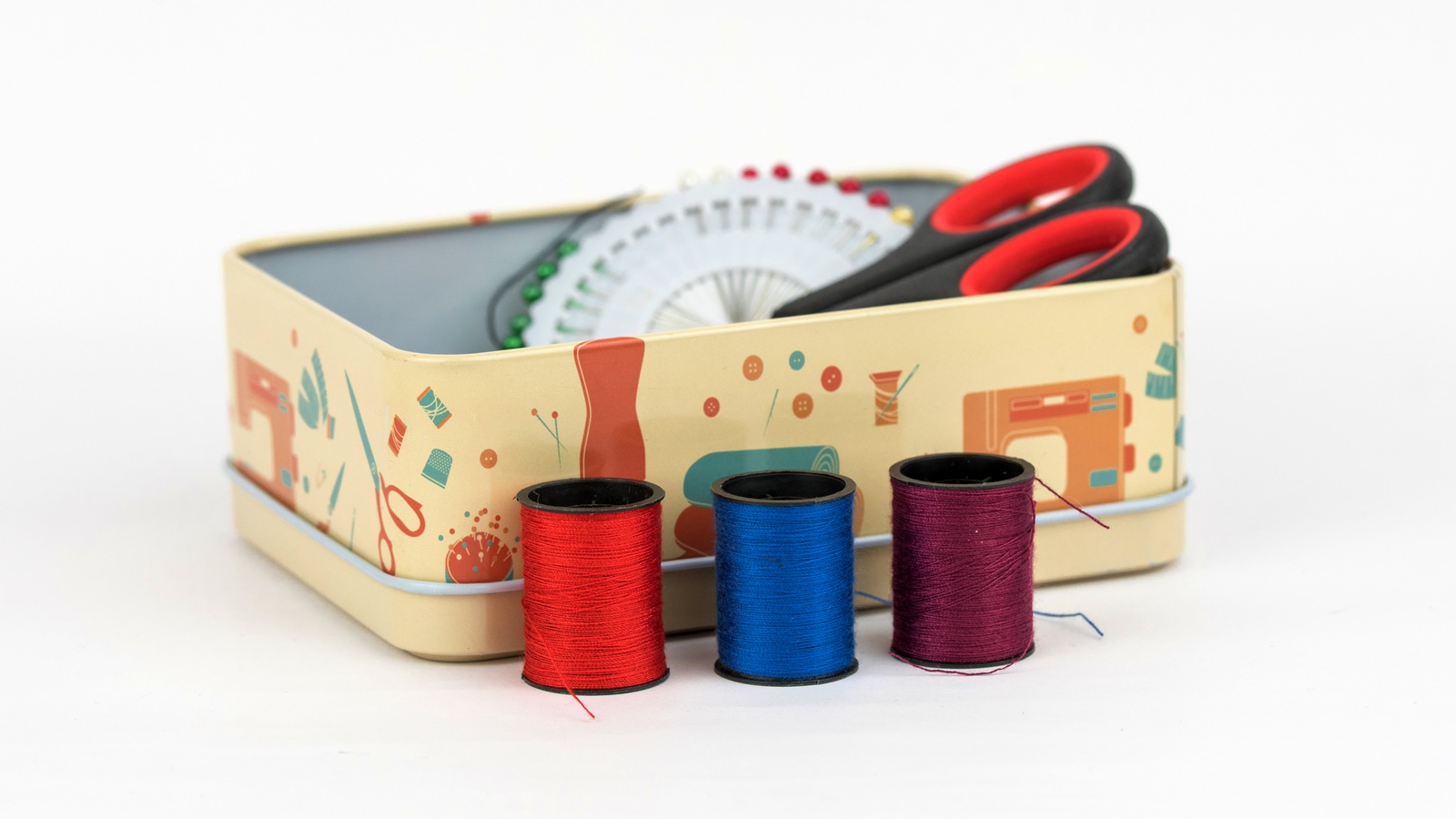
Sturdy tins keep seed packets, sewing supplies, cookie cutters, or workshop odds and ends together. Make sure the edges aren’t sharp and the inside isn’t rusty. I’d reserve a particularly nice tin for things you actually use instead of hiding it at the back of a cupboard because it seems too good to open.
8. Vegetable peelings and trimmings

Clean carrot peelings, celery leaves, onion ends, and herb stalks can make a good vegetable stock. Save sound, washed scraps in a freezer container, leaving out spoiled or heavily soiled pieces. Simmer with water, strain, and season the finished stock as you use it. Chill it promptly in shallow containers and use refrigerated stock within three to four days, or freeze it. Not every scrap makes a pleasant broth. Too many bitter cabbage trimmings can dominate the whole pot.
9. Stale bread
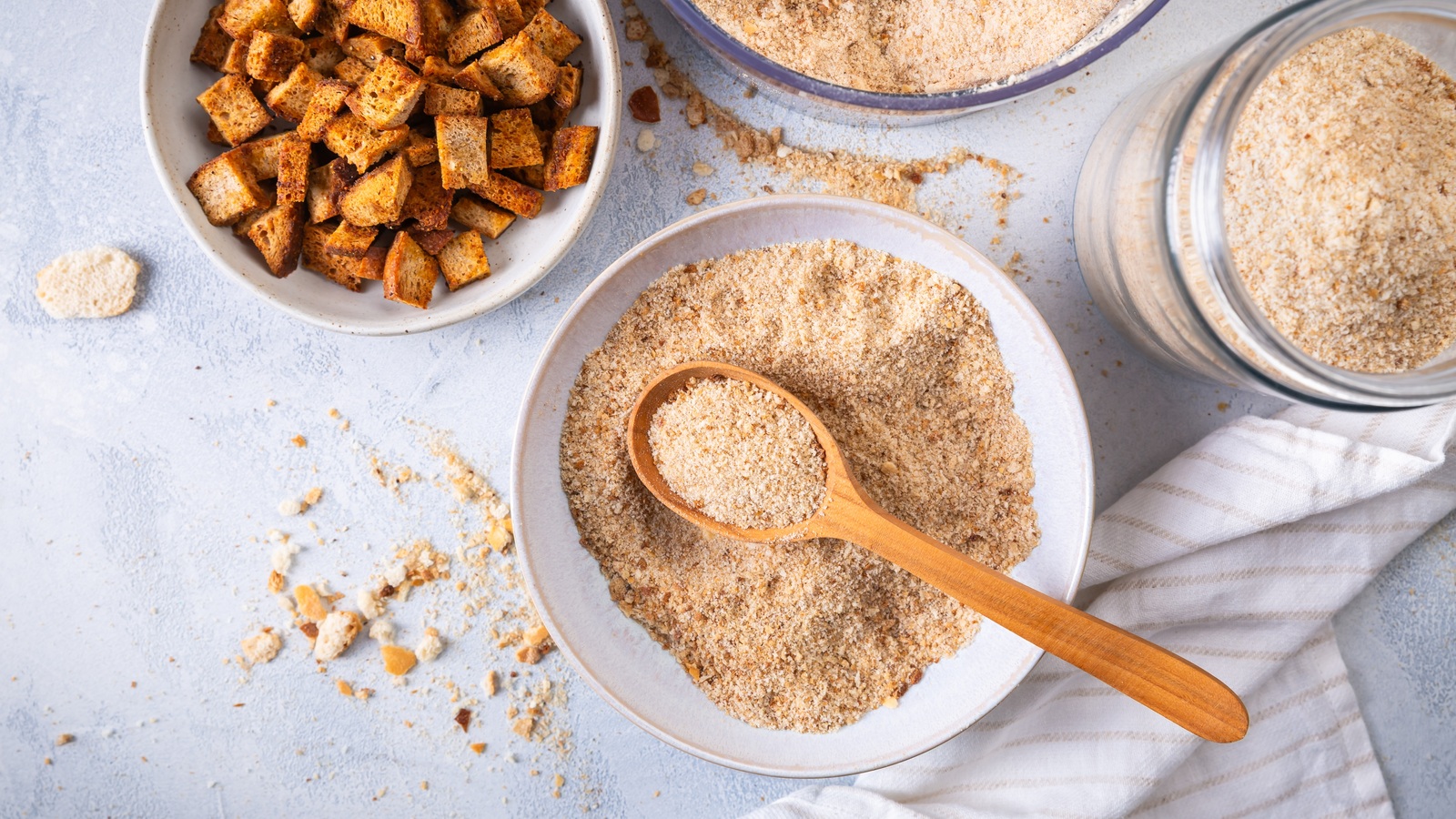
Dry bread makes better breadcrumbs than a fresh, soft loaf. Dry it thoroughly, then pulse or crush it for casserole toppings, coating food, or binding meatballs. Cut it into cubes for homemade croutons. Moldy bread is another matter. Don’t cut off a visible spot and save the rest of the loaf. Freezing extra breadcrumbs is easier than buying a whole packet when you need two tablespoons.
10. Leftover roast bones
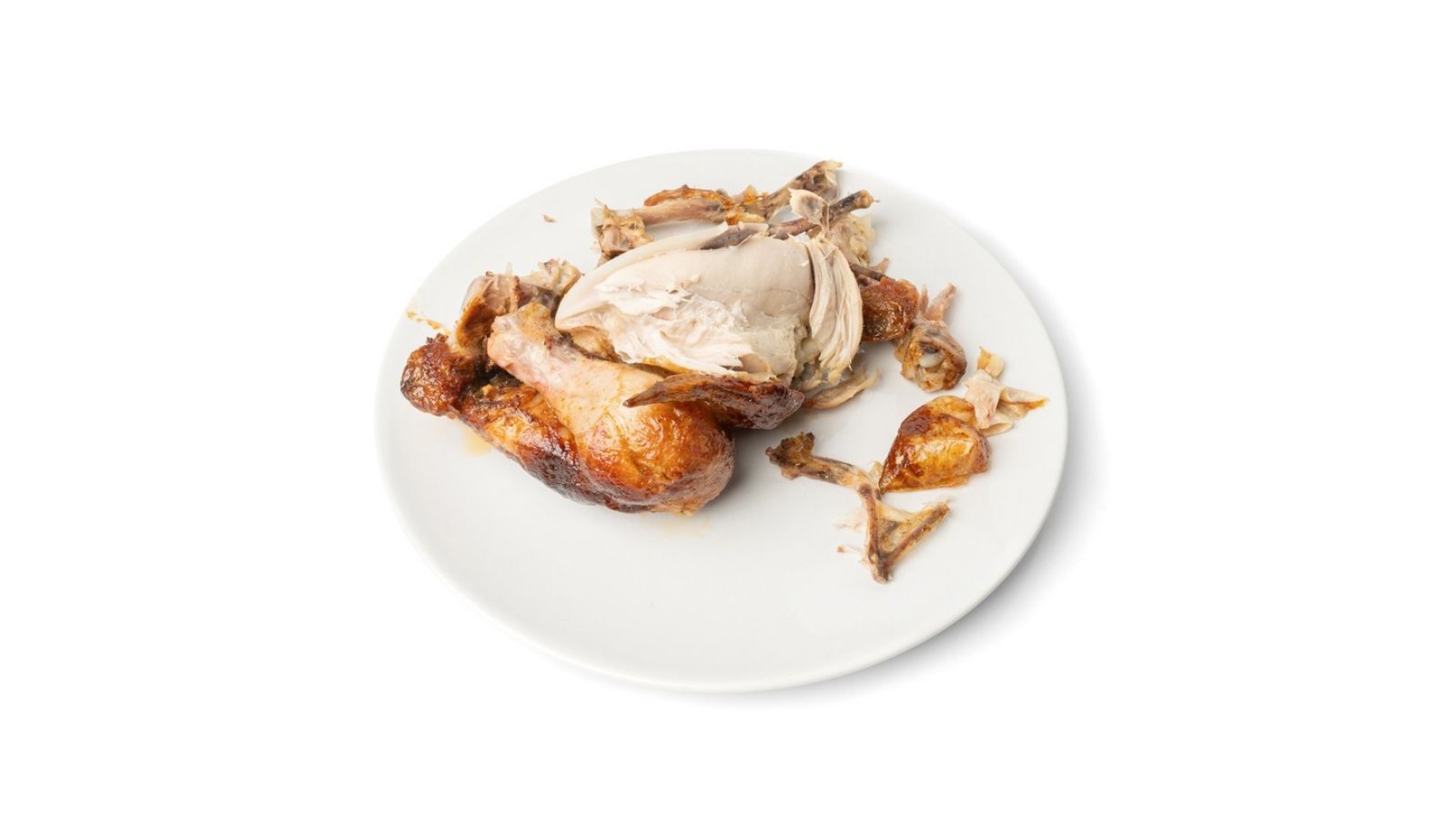
The carcass from a safely handled roast chicken can be simmered for broth, perhaps with a carrot and a bit of celery. Strain carefully, chill promptly, and refrigerate or freeze. It won’t always turn out rich and gelatinous, but it can still add flavor to rice and soups. Bones left sitting out for hours aren’t worth salvaging.
11. Eggshells

Crushed eggshells can join the vegetable scraps in a compost heap. Smaller pieces are easier to handle, although shells can take a long time to break down. As an organic grower, I see them as one modest ingredient in a diverse compost mix, not a guaranteed slug deterrent or a cure for calcium problems. If your plants are showing nutrient trouble, start by looking at the soil and growing conditions.
12. Coffee grounds
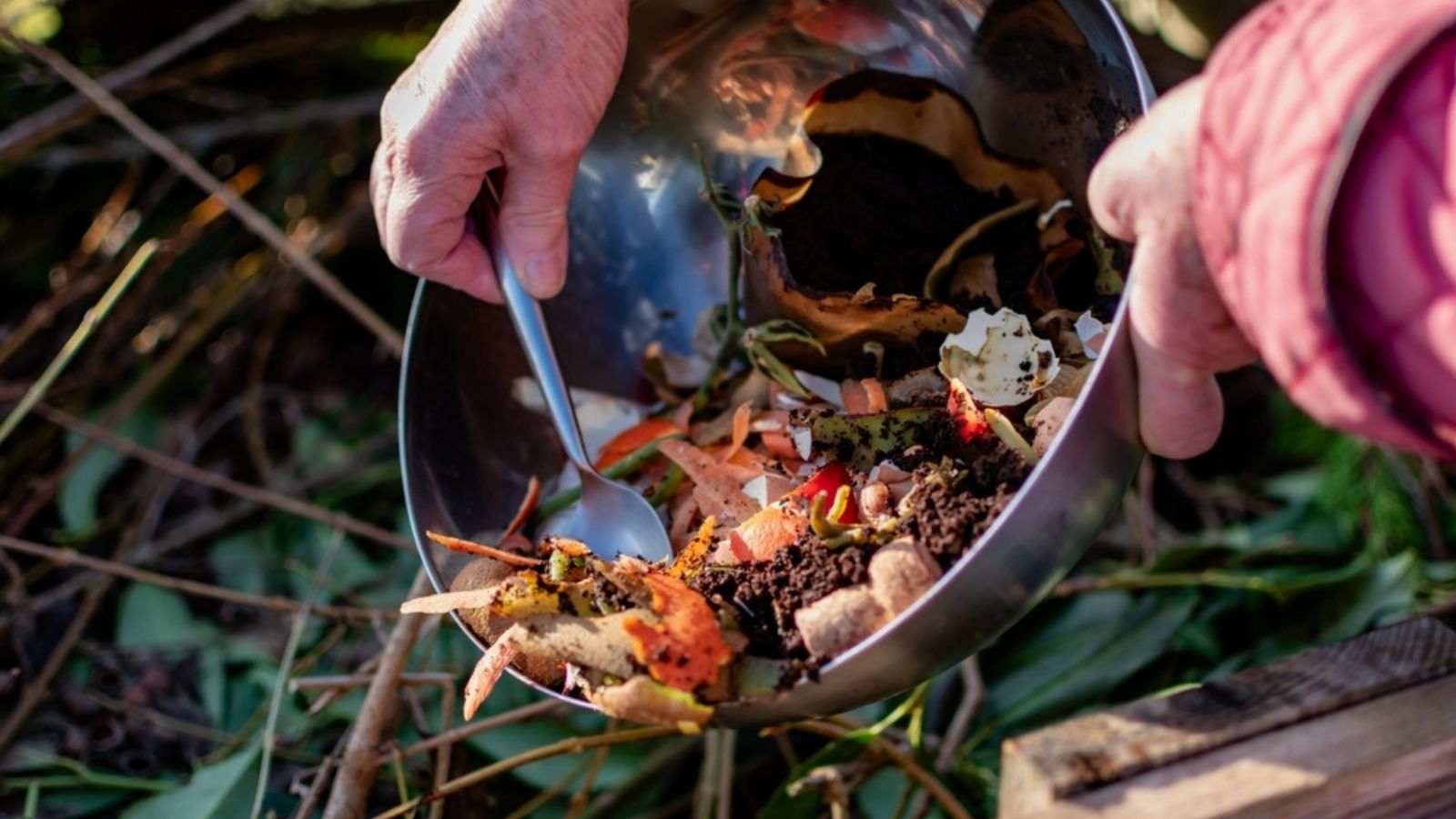
Used coffee grounds can go into compost when mixed with leaves, shredded cardboard, and other material. Break up wet clumps and don’t dump a thick blanket of grounds around plants. Used coffee isn’t a reliable shortcut to acidic soil. A mixed compost pile is much more useful than trying to solve every garden problem with the contents of the coffee filter.
13. Paper bags
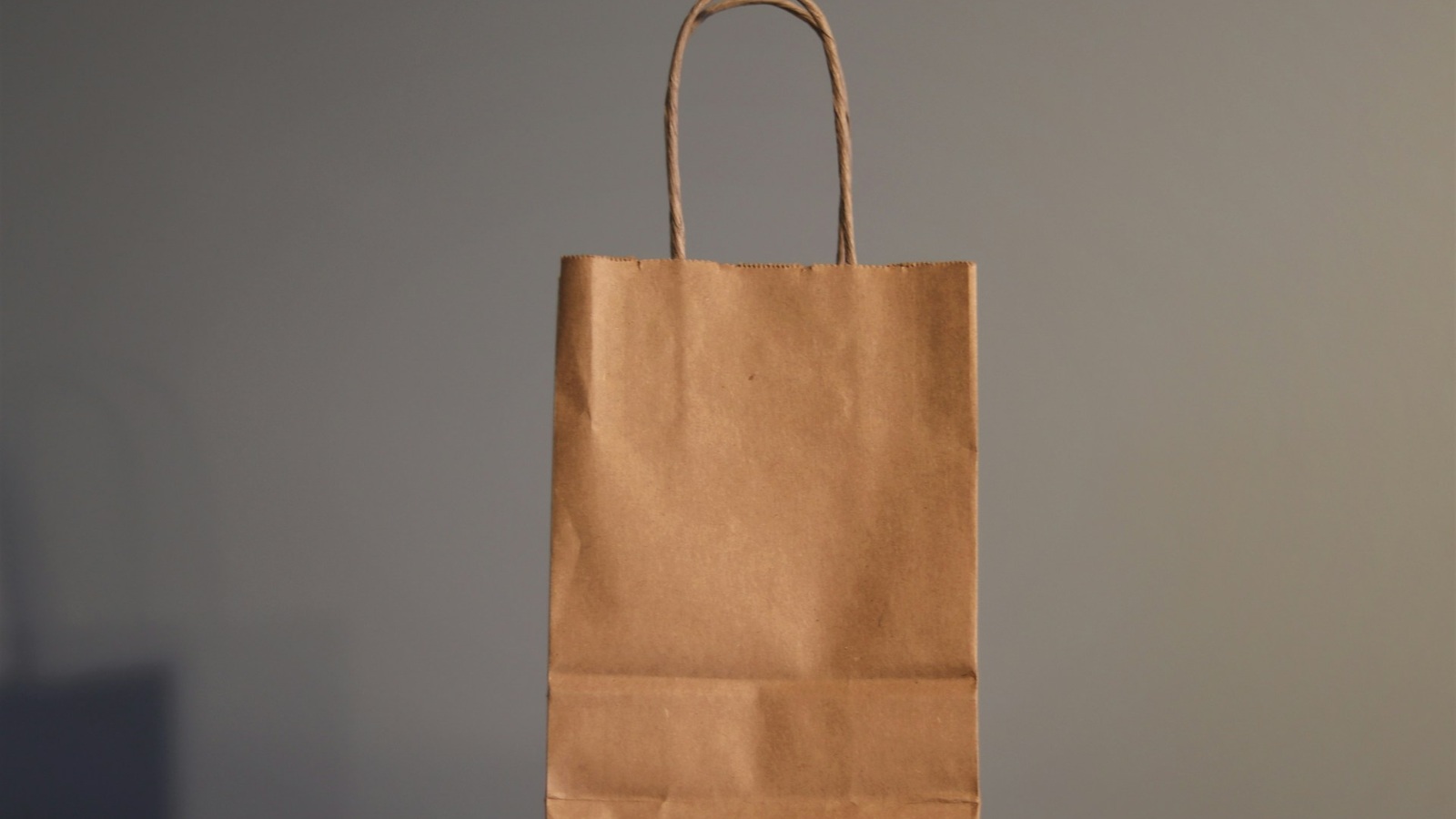
Fold clean paper bags flat for carrying small things, collecting recycling, protecting parcels, or lining a dry-waste bin. Plain, uncoated paper can also be shredded into compost. Greasy or plastic-coated bags are less useful. Save a few good ones, not every bag you’ve carried home since January.
14. Wrapping paper and gift bags

Sturdy gift bags can make several appearances. Smooth out uncreased paper, wind ribbon loosely, and keep the lot together in one drawer. Smaller pieces are handy for tags and tiny presents. There’s no need to rescue every torn scrap, but a perfectly good gift bag deserves more than a single trip from one house to another.
15. Old toothbrushes

A retired toothbrush can scrub the grooves of a faucet, the seams of muddy tools, or dirt from awkward corners. Mark it clearly and store it with cleaning supplies, nowhere near toothbrushes that are still in use. Avoid delicate finishes that the bristles could scratch, and don’t use an old personal toothbrush on food-contact surfaces.
The habit worth borrowing is simple: keep a small, useful supply and use it. If something has no sensible purpose and you can’t store it without creating clutter, there’s no reason to feel obliged to save it.
You might also like…
18 easy crafts you’ll actually finish
14 Everyday Things That Make Better Gift Wrap Than the Real Thing